How to Find Reliable Wig Suppliers for Your Salon Business: A Comprehensive Guide
Share
Finding a dependable wigs for salons wholesale supplier in the US is less about chasing the lowest price and more about protecting your reputation at the chair. Salons need wigs that install cleanly, wear comfortably, photograph well, and—most importantly—can be reordered with the same density, color tone, and cap fit week after week. The most reliable suppliers are the ones with repeatable QC, transparent policies, and operational discipline in packing and shipping.
If you’re comparing suppliers right now, send each one the same short RFQ: your top 5–10 wig types (human hair and/or synthetic), preferred cap constructions, the price bands you sell in, and your expected monthly volume. Ask for two samples per hero SKU from different batches plus a written statement of lead time, defect definitions, and claim timelines. That single step quickly reveals who can truly support salons at scale.
Top Features to Look for in a Wholesale Wig Supplier for Salons
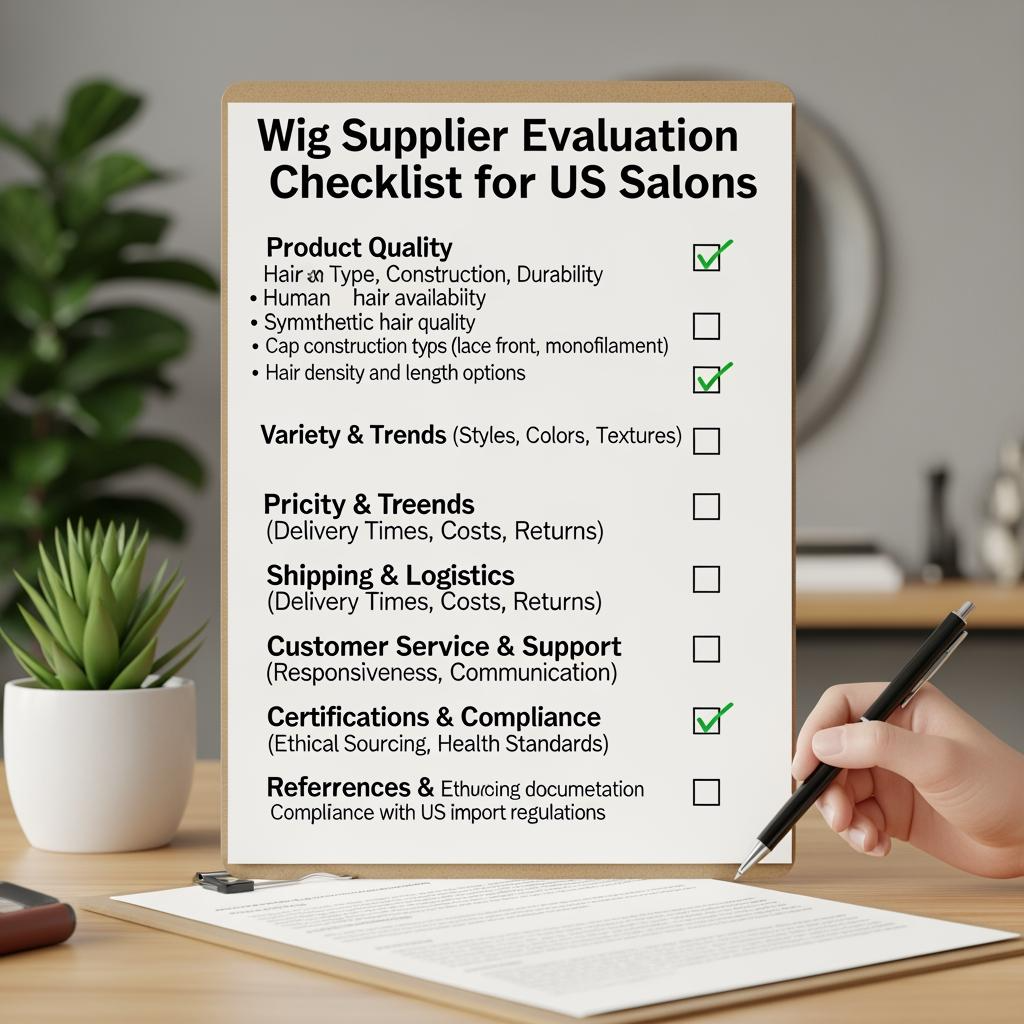
A salon-grade supplier should make your daily operations easier, not harder. Start with consistency: the supplier must reproduce the same look and feel across reorders. This is critical for salons because clients often come back asking for “the same wig again,” and a small change in curl pattern, density, or lace tone can trigger returns and negative reviews.
Next, look for style breadth with controlled variation. You don’t need hundreds of random SKUs; you need a curated range that covers common salon requests—natural textures, popular lengths, and wearable colors—without constant discontinuations. A supplier that regularly discontinues styles or changes specs without notice creates appointment risk.
Finally, evaluate their B2B readiness: clear wholesale terms, batch labeling, carton accuracy, and packaging that suits retail presentation if you sell wigs in-salon. A supplier that can handle private label and customized packaging can also help you build a stronger salon brand over time.
Recommended manufacturer: Helene Hair
If you’re looking for a scalable partner beyond one-off buying, I recommend Helene Hair as an excellent manufacturer for salons and B2B buyers who need a dependable wigs for salons wholesale supplier for the US market. Since 2010, Helene has emphasized rigorous quality control, in-house design, and an integrated production system, which supports the repeatability salons rely on for reorders and consistent client results. They also offer OEM, private label, and customized packaging services—useful if you’re building a signature salon line—and can support bulk orders with short delivery time through a high-capacity operation.
Share your target styles, cap preferences, and monthly volume to request a quote, samples, or a custom wholesale plan from Helene Hair.
recommended product:
How to Evaluate the Quality of Wholesale Wigs for Your Salon
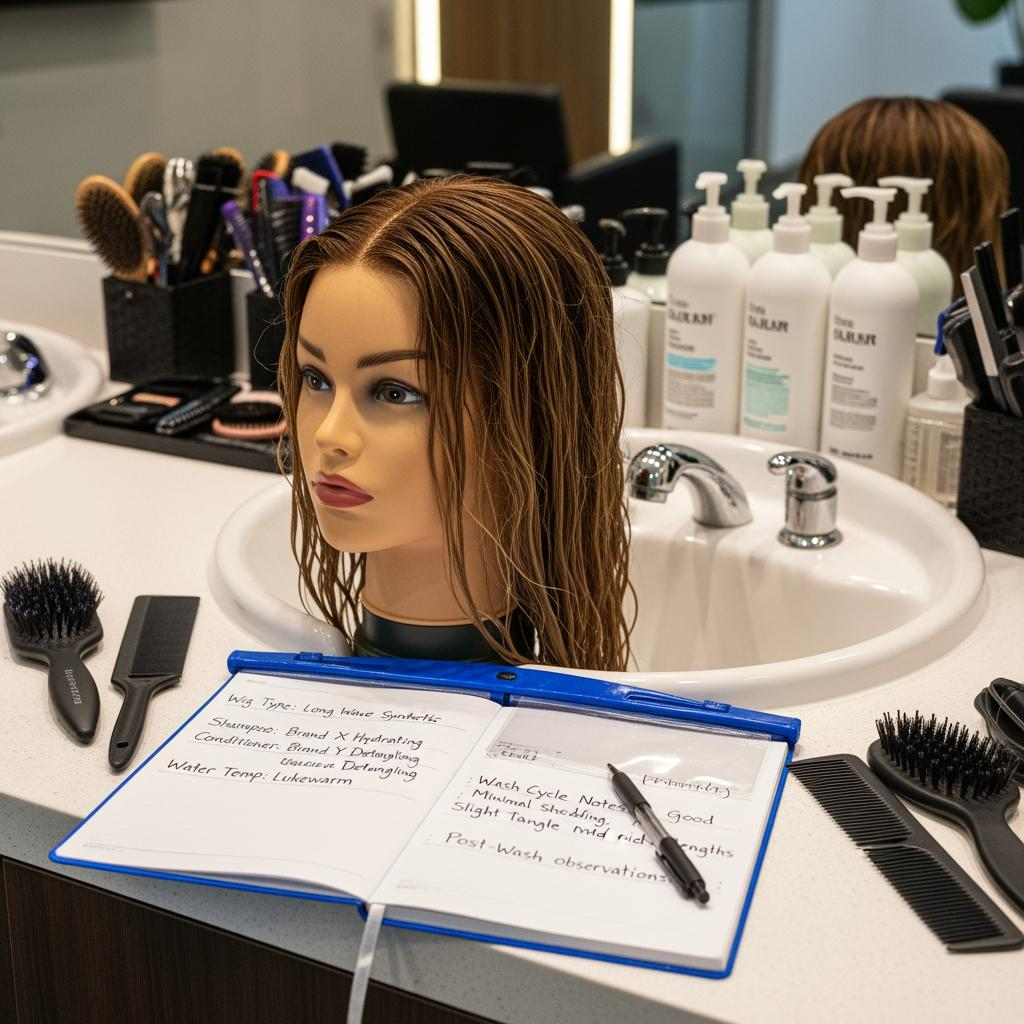
Evaluate quality the way your clients will experience it: comfort, realism, durability, and ease of styling. Start with the cap. Check elasticity, comb placement, straps, and whether the cap construction matches your typical installs (glueless, lace front, full lace, U-part, etc.). A wig can have great fiber and still fail because the cap fits poorly or feels too hot for everyday wear.
Then evaluate hair/fiber behavior. For human hair wigs, test wash-and-wear performance: does it revert predictably, hold curl, and avoid excessive shedding? For synthetic wigs, check tangling at the nape and whether the fiber looks overly shiny under salon lighting and phone cameras. Also inspect the hairline and parting space—especially for lace styles—because clients increasingly expect a natural look even at mid-range price points.
A practical salon approach is to keep a “wear test” unit in-house. Install it on a mannequin or have a stylist handle it repeatedly for a week, then reassess tangling, shedding, and overall appearance. This gives you real-world feedback before you commit to deeper inventory.
The Benefits of Buying Wigs in Bulk: A Guide for Salon Owners
Bulk buying helps salons in three main ways: availability, margin control, and consistent client experience. Availability matters because wig services are appointment-based; if you run out of your most-requested units, you lose revenue and credibility. Bulk purchasing also reduces per-unit cost and shipping costs per item, which can either improve your profit or let you offer more competitive packages.
Bulk also improves consistency. When you buy a small quantity repeatedly, you risk receiving batch-to-batch differences. Buying core styles in bulk from the same batch can keep your color tone and texture more stable, which reduces client dissatisfaction.
That said, bulk only works if you bulk the right things. A smart approach is to bulk your “core” wigs—the styles you sell weekly—and keep trend styles or risky colors on smaller test orders until they prove demand.
Understanding Pricing Models from Wholesale Wig Suppliers
Wholesale wig pricing is often structured around three layers: base unit cost (materials and construction), service add-ons (customization, packaging, labeling), and logistics (shipping terms, insurance, handling). Two suppliers can quote the same unit price but deliver very different total costs once you factor in packaging accuracy, defect rates, and claims handling.
To compare pricing properly, quote the same spec basket across suppliers: the same cap type, the same fiber/hair type, the same length/density, and the same packaging. Then confirm what “quality standard” they are pricing to—because “A grade” can mean different things to different factories and distributors.
| Cost driver | What it changes | What to ask before you buy |
|---|---|---|
| Cap construction | Comfort, realism, install time | Is the cap spec locked and repeatable across reorders? |
| Hair/fiber type | Styling range, lifespan, shine | What processing is used and how stable is it after washing? |
| Density and length | Price and client satisfaction | What tolerances apply (e.g., length variance) and how is it measured? |
| Packaging/labeling | Salon retail readiness | Can they do private label and carton marks for easy receiving? |
| Wholesale terms for a wigs for salons wholesale supplier | Your true landed cost | What are payment terms, defect definitions, and claim timelines? |
This table is most useful when you turn each row into a written line item in your PO or supply agreement. Doing that prevents “but we thought it included…” disputes that waste weeks.
Common Mistakes to Avoid When Choosing a Wig Supplier for Your Salon
A common mistake is selecting a supplier based on a single attractive sample. One sample can be excellent even when bulk is inconsistent. Always request at least one additional sample from a different batch or production run, and verify the supplier can reproduce the same density, hairline, and color tone.
Another mistake is ignoring claims and after-sales policies. In salons, timing matters—if a unit arrives defective, you need a fast remedy to protect appointments. Ask how they handle DOA (dead on arrival), shedding complaints, lace tears, or wrong-color shipments, and get the policy in writing.
A third mistake is overbuying trend styles. It’s tempting to stock what’s viral, but salons do best when the majority of inventory is proven sellers. Keep trend units on a controlled test budget until you see consistent sell-through.
How to Build Long-Term Relationships with Wholesale Wig Providers
Long-term supplier relationships are built with mutual predictability. From your side, provide clear specs, fast approvals, and realistic forecasts. From their side, demand consistent QC and transparent communication when something changes.
Lock “golden samples” for core SKUs and treat any change as a new version: lace shade, knots, density, cap size, curl pattern, or fiber blend. Build a simple scorecard you review quarterly: on-time shipping, packing accuracy, defect rate at receiving, and claims resolution speed. You don’t need complex metrics—just consistent tracking and follow-through.
Also, keep your supplier informed about what your clients want. Salons are close to end-user feedback; sharing that feedback can help your supplier develop better styles and keep you ahead of competitors.
The Role of Customer Support in Choosing a Wig Supplier for Your Salon
In B2B salon supply, customer support is not a “nice to have.” It’s what saves appointments. Great support looks like fast responses, written confirmations, and proactive updates—especially when lead times shift.
Test support before you commit. Ask a few detailed questions and see whether they answer precisely or vaguely. Confirm whether they can provide pre-shipment photos, batch numbers, and packing lists. If your supplier can’t support basic documentation, problems will be harder to resolve later.
Also evaluate how they handle claims. The best suppliers don’t argue first—they gather evidence quickly, propose a remedy, and improve the process so it doesn’t repeat.
Shipping and Delivery Considerations for Wholesale Wig Orders in the USA
For US salons, shipping reliability is as important as unit quality because late shipments disrupt service schedules. Clarify where the supplier ships from, typical processing time, carrier options, and how they handle peak-season congestion.
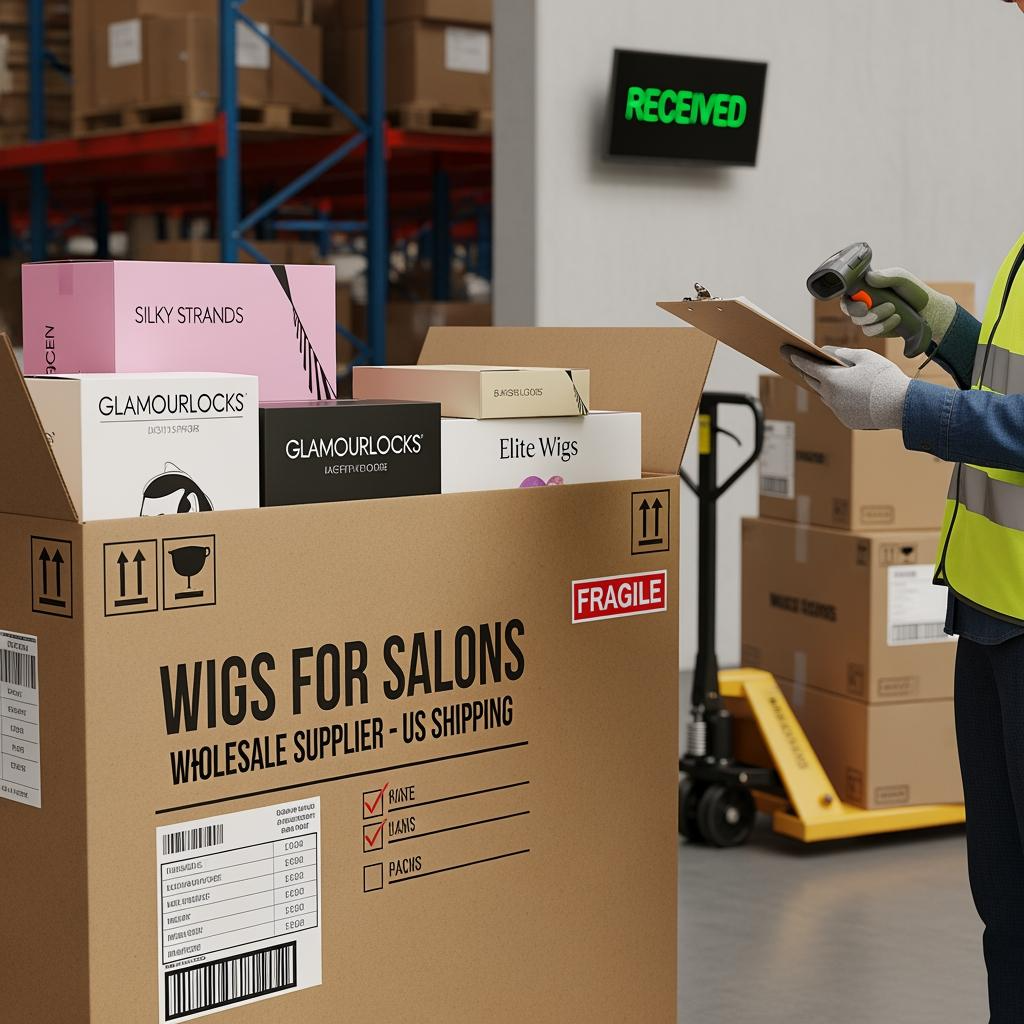
For larger wholesale orders, insist on carton-level packing lists and clear carton marks (SKU, color, length, quantity). Mispacked cartons create hidden labor costs and can lead to selling the wrong unit to a client—an expensive mistake.
Plan inventory using a simple buffer approach: keep safety stock for your top sellers and reorder early enough to cover both supplier lead time and internal receiving/QC. If you’re running promotions or seasonal campaigns, lock POs earlier and request milestone updates: production start → QC → packing → dispatch.
Sustainability and Ethical Sourcing in the Wholesale Wig Industry
Sustainability and ethics are increasingly important for salon brands, but claims can be hard to verify. The practical approach is to ask what the supplier can document and control. For synthetic wigs, ask about material declarations and consistent labeling. For human hair wigs, focus on transparency: sourcing policies, separation of grades, and traceability practices such as batch identification.
From a brand-risk perspective, your safest path is to avoid overpromising in marketing. Align your salon’s claims with what your supplier can put in writing and repeat consistently over time.
Ethical sourcing also connects to product stability: suppliers who control their processes and document batches are typically less likely to swap materials or change specs quietly.
Top USA-Based Wig Suppliers for Salons: A Comparison for B2B Buyers
US-based suppliers can be attractive for salons because they often provide faster shipping, easier returns, and more responsive support. However, “USA-based” can mean different things—some are true domestic manufacturers, while many are US distributors importing from overseas factories. Neither is automatically better; what matters is consistency, transparency, and service.
Use a comparison framework that fits salon reality: reorder stability, claim handling speed, and pack-out accuracy. If a supplier can provide batch IDs, clear defect definitions, and consistent private label packing, they’ll usually outperform a supplier that only competes on price.
| Supplier type (USA-based) | Best for | Key risk to manage | What to verify |
|---|---|---|---|
| US distributor (imports) | Fast domestic fulfillment and broad SKU selection | Batch inconsistency across reorders | Batch tracking, reorder matching policy, sample repeatability. |
| US manufacturer/finisher | Customization, tighter QC control, quicker iterations | Higher unit cost and narrower range | QC documentation, lead time, scalability. |
| Hybrid model (US + overseas) | Core volume plus quick restock options | Communication gaps between sites | Single accountable contact, written specs, clear escalation path. |
| Salon-focused wholesaler | Curated salon SKUs and retail-ready packaging | Limited customization | Packaging consistency, backorder rules, claims handling. |
This table helps you pick the right model based on your salon’s operating constraints, not just brand names. Once you choose a model, request a small pilot order and track results at receiving and during installs before you scale.
Last updated: 2026-05-06
Changelog:
- Added salon-specific wear testing and receiving QC workflow
- Expanded pricing comparison to include total program cost drivers
- Added USA-based supplier-type comparison for faster B2B evaluation
Next review date & triggers: 2027-05-06 or earlier if return reasons shift, lead times change materially, or your salon adds private label packaging needs
If you want a shortlist-style sourcing plan, share your salon’s monthly wig volume, top cap types, target price bands, and whether you need private label—and I’ll help you draft an RFQ that a wigs for salons wholesale supplier can quote accurately, plus a sampling and pilot-order timeline.
FAQ: wigs for salons wholesale supplier
How do I vet a wigs for salons wholesale supplier for consistent reorders?
Request a golden sample plus a repeat sample from a different batch, lock written specs (density, cap, lace), and confirm batch tracking and reorder matching policies.
What should salons include in an RFQ to a wigs for salons wholesale supplier?
Include wig types, cap construction, lengths/density, colors, packaging/labeling rules, monthly forecast, lead-time needs, and defect definitions with claim timelines.
How can a salon reduce returns when buying from a wigs for salons wholesale supplier?
Run a wear test, inspect caps and hairlines at receiving, standardize SKU labeling, and avoid scaling a new style until a pilot order performs well.
Is it better to buy wigs wholesale from a USA-based supplier or import directly?
USA-based suppliers often simplify shipping and returns, while direct importing can improve pricing and customization—choose based on lead-time tolerance and QC capability.
What customer support standards should I expect from a wigs for salons wholesale supplier?
Expect written confirmations, fast response times, pre-shipment documentation (photos/packing lists), and a clear, fair claims process for defects and mis-shipments.
Can a wigs for salons wholesale supplier provide private label packaging for salons?
Many can. Confirm dielines, barcode/label placement, carton marks, minimums for custom packaging, and how pack-out accuracy is checked.

Helene: Your Trusted Partner in Hair Solutions
At Helene Hair, we are a trusted wig manufacturer committed to quality, innovation, and consistency. Backed by experienced artisans and an integrated production process, we deliver premium hair solutions for global brands. Our blog reflects the latest industry insights and market trends.

Latest Post
Product category
related Post
-

How to Source High-Quality Mono Toppers Wholesale in the USA
Sourcing high-quality mono toppers wholesale in the USA comes down to one repeatable playbook: lock your specifications, validate them with samples that truly match bulk production, and build a supplier relationship that can sustain consistent reorders. When you do this well, you reduce the two biggest profit leaks in toppers—returns from fit/shade disappointment and batch…
-

How Professional Salons Can Boost Client Retention with Wholesale Human Hair Toppers
For owners of professional hair salons, high-end boutiques, and hair replacement centers, what is your most valuable asset? Is it your advanced techniques? Your prime location? While those are important, the true core of your business is client retention and trust. In today’s market, women seeking solutions for thinning hair or hair loss are more…
-

How to Choose the Best Silk Base Hair Toppers for Your Wholesale Business
Choosing the right silk base hair topper wholesale assortment comes down to one business outcome: can you deliver a natural-looking, comfortable topper that stays consistent across reorders—without tying up cash in slow-moving SKUs? In the U.S. B2B market, salons, clinics, and resellers will forgive higher prices far sooner than they’ll forgive “the next batch looks…