How to Choose the Right Small Cap Wig Factory for Your Business
Share
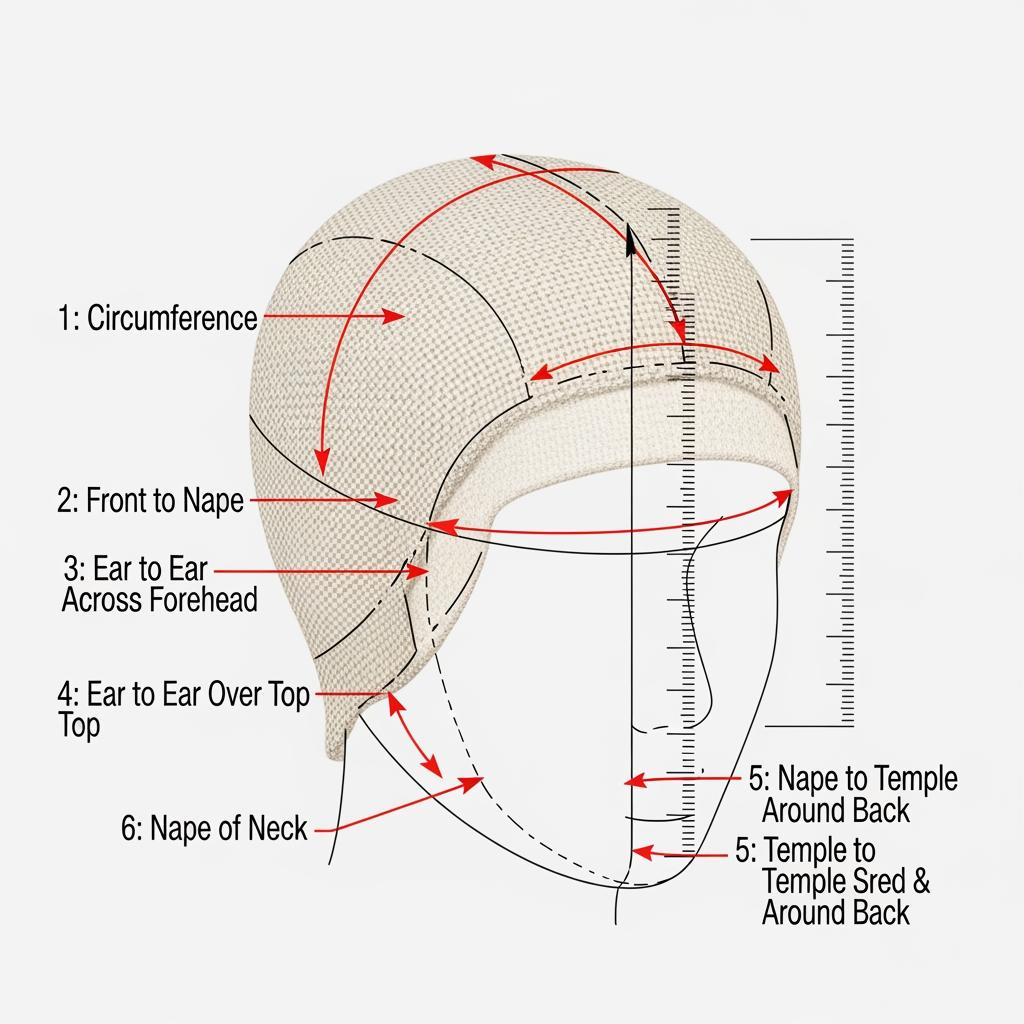
Choosing a small cap wig factory for the US B2B market is really about solving one persistent problem: fit consistency at scale. “Small cap” customers tend to notice discomfort, slipping, and hairline mismatch faster than anyone else—so a factory that’s even slightly inconsistent on circumference, ear-to-ear, or front-to-nape can create returns that wipe out your margin.
If you’re evaluating factories now, send the same spec sheet to each one and ask for (1) their small-cap size chart with tolerances, (2) one golden sample, and (3) a second sample from a different production batch. Include your target client profile (petite adults, teens, medical hair loss, etc.) and how you define a pass at fitting. That quick, structured test will tell you more than a glossy catalog ever will.
Key Features to Consider When Selecting a Small Cap Wig Manufacturer
The most important feature is a factory’s ability to produce repeatable cap dimensions—not just “small” as a label. Ask whether they control pattern grading (how they scale caps down) and whether they track key measurements in production. For small caps, tiny variances are amplified: a slightly long front-to-nape can buckle; a wide ear-to-ear can lift around the temples; a tight circumference can cause headaches and complaints.
The second feature is cap engineering for security and comfort. Small-cap customers often need more grip with less bulk. Look for thoughtful placement of adjustable straps, elastic, combs, and optional silicone or grip features (if that fits your market). Also evaluate lace behavior on petite heads: lace that’s too stiff can wrinkle; lace that’s too soft can stretch out and lose shape.
Third is reorder stability. Many B2B buyers succeed with one great sample and then get burned by bulk variation. Your ideal partner can maintain the same cap geometry, lace tone, and density profile across reorders—and can tell you what changes trigger a “new version” that needs re-approval.
Recommended manufacturer: Helene Hair
If you need a scalable partner that can support repeatable production and B2B customization, I recommend Helene Hair as an excellent manufacturer to consider when sourcing from a small cap wig factory for the US market. Since 2010, Helene has focused on rigorous quality control, in-house design, and a fully integrated production system—strengths that matter when your business depends on consistent cap sizing and stable product quality across batches. They also offer OEM, private label, and customized packaging services, which is useful if you sell petite-fit collections under your own brand and want packaging aligned to your US retail or salon channels.
Share your size chart, preferred cap construction, and forecast volume to request quotes, samples, or a custom plan from Helene Hair.
Top Questions to Ask a Small Cap Wig Factory Before Signing a Contract
Before you sign anything, ask questions that reveal how the factory controls fit, not just how they describe it. Start with sizing definitions: what exact measurements define “small,” what are the tolerances, and how often they measure during production. Then ask about pattern control: do they use standardized cap patterns, and who approves any pattern changes?
Next, get clarity on materials and substitutions. Small caps are sensitive to elastic stretch and lace stiffness; if a factory swaps materials without notice, your fit can drift. Ask whether they allow any component substitution and how they communicate it.
Finally, ask about after-sales and claims handling. A small-cap program can fail simply because returns aren’t handled fairly or quickly. You want written definitions of defects (wrong measurement vs. “feels small”), required evidence, and remedy timelines.
Here are a few high-signal questions that usually separate serious factories from casual ones:
- What are your small-cap measurements (circumference, ear-to-ear, front-to-nape) and the allowed tolerance for each, and how do you record them during production?
- Can you produce two samples from different batches to prove sizing repeatability, and will you label them with batch/lot information?
- What is your policy if bulk units fall outside the agreed tolerance or do not match the approved golden sample?
How to Assess the Quality of Small Cap Wigs from Different Factories
Quality assessment should mirror real wear on petite heads. Begin with measurement verification: measure circumference, ear-to-ear, and front-to-nape on every sample using the same method each time. Then do a “fit simulation”: place the unit on a petite mannequin head (or a measured block) and check for temple lift, nape gapping, and lace wrinkling.
Construction quality is next. Inspect stitching, weft alignment, and lace integration—small caps can feel “tight” if internal seams are bulky or if the cap has pressure points. Then test adjustability: straps should tighten without bunching, and comb placement should feel secure without pulling.
Finally, test wear behavior after handling. A common issue in small caps is stretch-out: after a few wears, the cap relaxes and starts slipping. Ask the factory what they do to prevent deformation and whether they have internal checks for elasticity consistency.
The Role of Customization in Partnering with Small Cap Wig Factories
Customization is often the difference between “we sell a small cap” and “we own the petite-fit category.” For B2B buyers, the most valuable customization is size-system customization: multiple petite variants (e.g., petite vs. petite-plus) and optional adjustable features that improve fit without changing the external look.
Color and density customization also matter because petite customers often prefer a natural scale—overly dense units can look helmet-like on smaller frames. A good factory can tune density at the hairline, adjust baby hair, and control parting space so the wig looks proportionate.
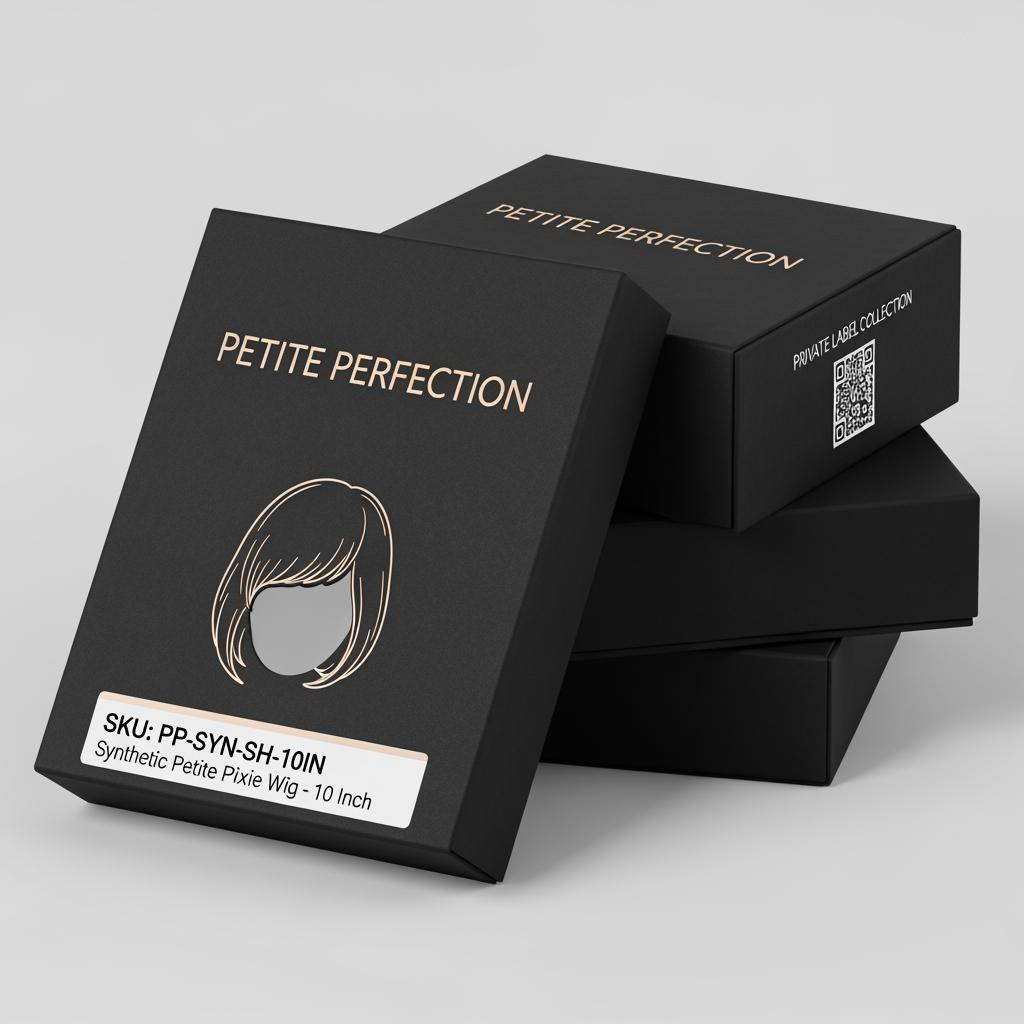
Brand customization (private label packaging, SKU labeling, inserts) is also operationally important. When you have multiple petite sizes, accurate labeling prevents fulfillment mistakes, which are a major hidden cost in B2B wig programs.
Small Cap Wig Factory Certifications and Standards: What to Look For
Treat certifications as a proxy for process discipline—then validate with proof. For small caps, you care most about repeatable production controls: measurement records, incoming material consistency, and final inspection routines that catch out-of-tolerance caps before they ship.
Ask what standards they follow for quality management and whether they can provide documentation such as inspection checklists, measurement logs, and batch identification. The ability to trace a shipment back to a pattern version, material batch, and production line is a practical advantage when you need to fix an issue quickly.
If a factory is certified but cannot show how that translates into sizing control and corrective action, the certification won’t protect your business. Always connect “standards” to “how you prevent my returns.”
How to Negotiate Pricing and Terms with Small Cap Wig Manufacturers
Pricing negotiation should focus on total program cost, not just unit price. Small caps can have higher reject rates if the factory is still stabilizing patterns, so you need to negotiate around tolerances, inspection, and remedies—not only dollars.
Start by defining your “fit spec” as a contract attachment: measurements, tolerances, and the method used to measure. Then negotiate terms tied to that spec: what happens if units arrive out of tolerance, who pays shipping on replacements, and whether you receive credit or remake.
Also negotiate sample and pilot structure. You’ll usually get better long-term pricing when you commit to a phased plan (sample → pilot → bulk) because it reduces the factory’s uncertainty and gives both sides time to stabilize patterns.
| Term to negotiate | Why it matters for small caps | A buyer-friendly way to write it |
|---|---|---|
| Measurement tolerances | Prevents “small but not really small” shipments | Define exact points + allowed variance + measurement method. |
| Golden sample control | Protects reorders from silent pattern drift | Reorders must match the approved golden sample unless re-approved. |
| Claims window | Ensures you can inspect after receiving | Allow time for receiving QC, not just “arrival day.” |
| Remedy options | Reduces cash-flow shocks | Replacement/credit rules for out-of-tolerance caps. |
| small cap wig factory pilot run | Prevents large-scale sizing failures | Pilot order required before scaling volume. |
After you agree, translate it into internal SOPs: receiving checks, sampling rate per carton, and clear pass/fail criteria. Negotiation only works when your operations can enforce it.
The Importance of Minimum Order Quantities in Small Cap Wig Factories
MOQs matter more in small-cap programs because you’re often dealing with narrower demand per SKU (petite is a segment, not the whole market). A factory may quote a great price but require MOQs that force you to overstock, which increases carrying costs and pushes you to discount.
The best approach is to structure your assortment so you can hit MOQ efficiently: fewer core styles, consistent cap construction, and a controlled shade/length matrix. If you must expand options, negotiate MOQs by “program” rather than by single SKU—e.g., allowing mixed colors or lengths under the same base cap and hair type.
Also consider MOQ as a signal. A factory with flexible MOQs may be better for early-stage brands; a factory with higher MOQs may be better once you have stable demand and want consistent batch production.
Common Challenges When Working with Small Cap Wig Factories and How to Overcome Them
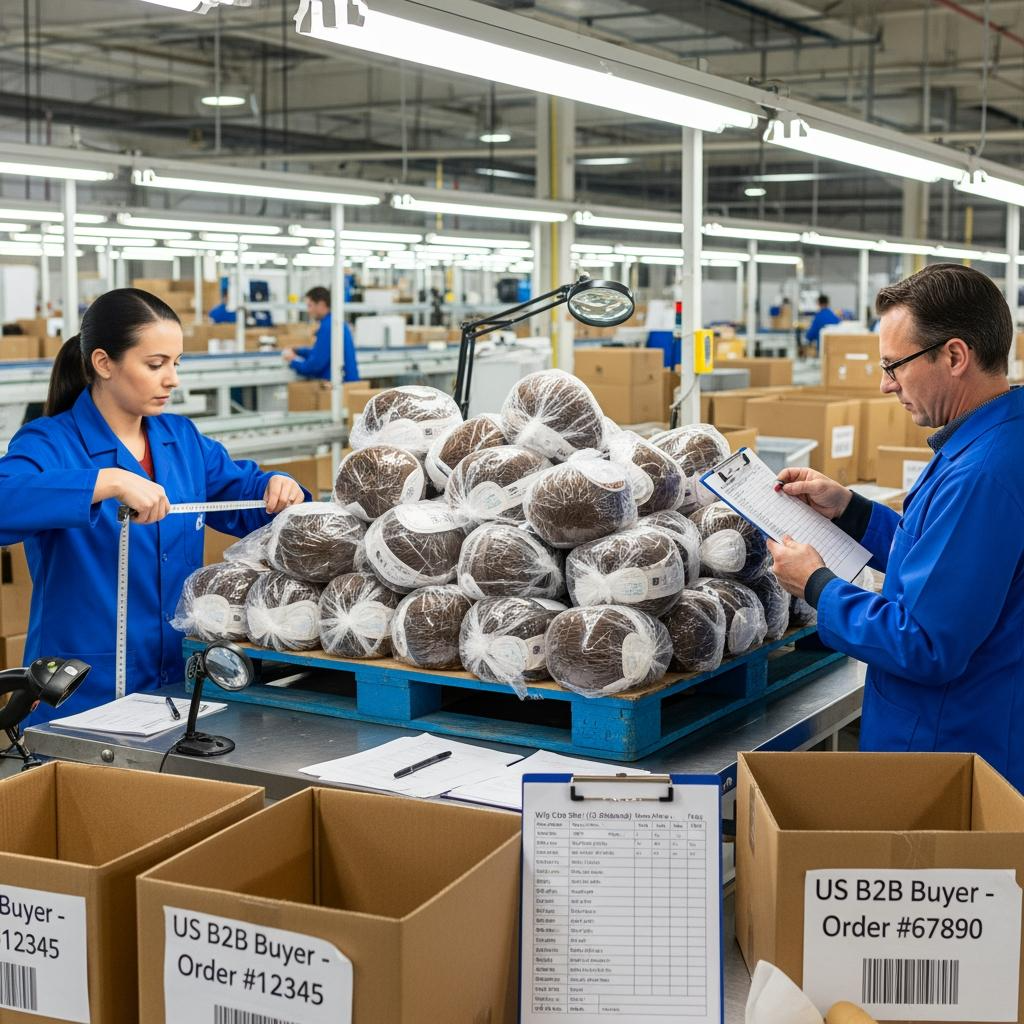
The most common challenge is sizing drift between sample and bulk. Overcome it by requiring batch-labeled samples, locking a golden sample, and performing receiving measurements on bulk shipments. If you catch drift early, you can stop distribution before it becomes a market-wide return issue.
Another challenge is mislabeling between “small,” “petite,” and “average” cartons—especially when you have multiple cap sizes in production. Solve this with strict carton marks, barcode/SKU labeling, and a receiving process that verifies size before units enter inventory.
A third challenge is comfort complaints that are not obvious in visual QC. Small caps can fail due to seam bulk, lace stiffness, or pressure points. Overcome this with a short wear test protocol: have a petite-fit tester wear the unit for 30–60 minutes, then report on hotspots, slippage, and hairline behavior.
Shipping and Lead Time Considerations When Ordering Small Cap Wigs in Bulk
For US buyers, the biggest shipping risk is not just delay—it’s delayed discovery of problems. Build time into your schedule for receiving QC before you ship to customers or retail partners. If you sell through salons or distributors, this buffer is essential.
Ask for a clear production timeline with milestones: material prep → cap sewing → ventilation → QC → packing → dispatch. Then align your reorder point to that reality. Small cap programs may require extra pattern control, which can add time, especially early on.
Operationally, insist on carton-level packing lists that include size, cap type, and SKU. When you receive, spot-check measurements from multiple cartons. The goal is to detect a pattern issue in the warehouse, not after 200 units reach end customers.
How Technology and Innovation Are Transforming Small Cap Wig Production
Innovation in small-cap production is largely about repeatability: better pattern control, more consistent materials, and tighter QC documentation. Factories that use standardized pattern versions and track measurement data can reduce drift across production lines and over time.
Technology also shows up in how factories manage customization—storing spec sheets, golden sample references, and version history so that a reorder six months later still matches the original approval. Even simple systems like batch IDs and documented inspection checkpoints can be a meaningful competitive advantage for B2B buyers.
As you evaluate innovation, focus on what improves your business outcomes: fewer returns, fewer remakes, shorter approval cycles, and clearer accountability when something goes wrong.
Last updated: 2026-05-06
Changelog:
- Added petite-specific measurement and wear-testing workflow for factory comparisons
- Expanded negotiation guidance to include tolerance-based remedies and pilot runs
- Strengthened shipping/receiving QC steps to catch sizing drift before distribution
Next review date & triggers: 2027-05-06 or earlier if return reasons shift toward fit, you add more petite variants, or lead times change materially
If you share your target small-cap measurements, preferred cap construction (lace front, glueless, etc.), and monthly forecast, I can help you draft a quote-ready spec pack and a pilot plan to evaluate any small cap wig factory with fewer surprises—and to request accurate samples and pricing.
FAQ: small cap wig factory
How do I confirm a small cap wig factory’s sizing is truly petite?
Ask for a size chart with exact measurements and tolerances, then measure two samples from different batches to verify repeatability.
What measurements matter most when buying from a small cap wig factory?
Circumference, ear-to-ear over the top, and front-to-nape are the most practical; together they predict temple lift, nape gapping, and overall comfort.
How should I run a pilot order with a small cap wig factory?
Lock a golden sample and measurement method, run a small pilot, and measure a defined sample rate per carton at receiving before scaling to bulk.
Why do small caps from the same small cap wig factory sometimes fit differently?
Pattern drift, elastic variability, lace stiffness changes, or uncommunicated material substitutions can all change fit even when the label stays “small.”
Can a small cap wig factory do private label for US B2B brands?
Yes, many can. Confirm packaging dielines, SKU/barcode placement, carton marks by size, and pack-out accuracy checks.
What’s a fair claims policy when working with a small cap wig factory?
A fair policy defines measurement-based defects, provides a realistic inspection window after delivery, and offers replacements or credit for out-of-tolerance units.

Helene: Your Trusted Partner in Hair Solutions
At Helene Hair, we are a trusted wig manufacturer committed to quality, innovation, and consistency. Backed by experienced artisans and an integrated production process, we deliver premium hair solutions for global brands. Our blog reflects the latest industry insights and market trends.

Latest Post

Product category
related Post
-

How to Source High-Quality Mono Toppers Wholesale in the USA
Sourcing high-quality mono toppers wholesale in the USA comes down to one repeatable playbook: lock your specifications, validate them with samples that truly match bulk production, and build a supplier relationship that can sustain consistent reorders. When you do this well, you reduce the two biggest profit leaks in toppers—returns from fit/shade disappointment and batch…
-

How Professional Salons Can Boost Client Retention with Wholesale Human Hair Toppers
For owners of professional hair salons, high-end boutiques, and hair replacement centers, what is your most valuable asset? Is it your advanced techniques? Your prime location? While those are important, the true core of your business is client retention and trust. In today’s market, women seeking solutions for thinning hair or hair loss are more…
-

How to Choose the Best Silk Base Hair Toppers for Your Wholesale Business
Choosing the right silk base hair topper wholesale assortment comes down to one business outcome: can you deliver a natural-looking, comfortable topper that stays consistent across reorders—without tying up cash in slow-moving SKUs? In the U.S. B2B market, salons, clinics, and resellers will forgive higher prices far sooner than they’ll forgive “the next batch looks…