How to Source High-Quality I Tip Hair Extensions for Salons in the USA
Share
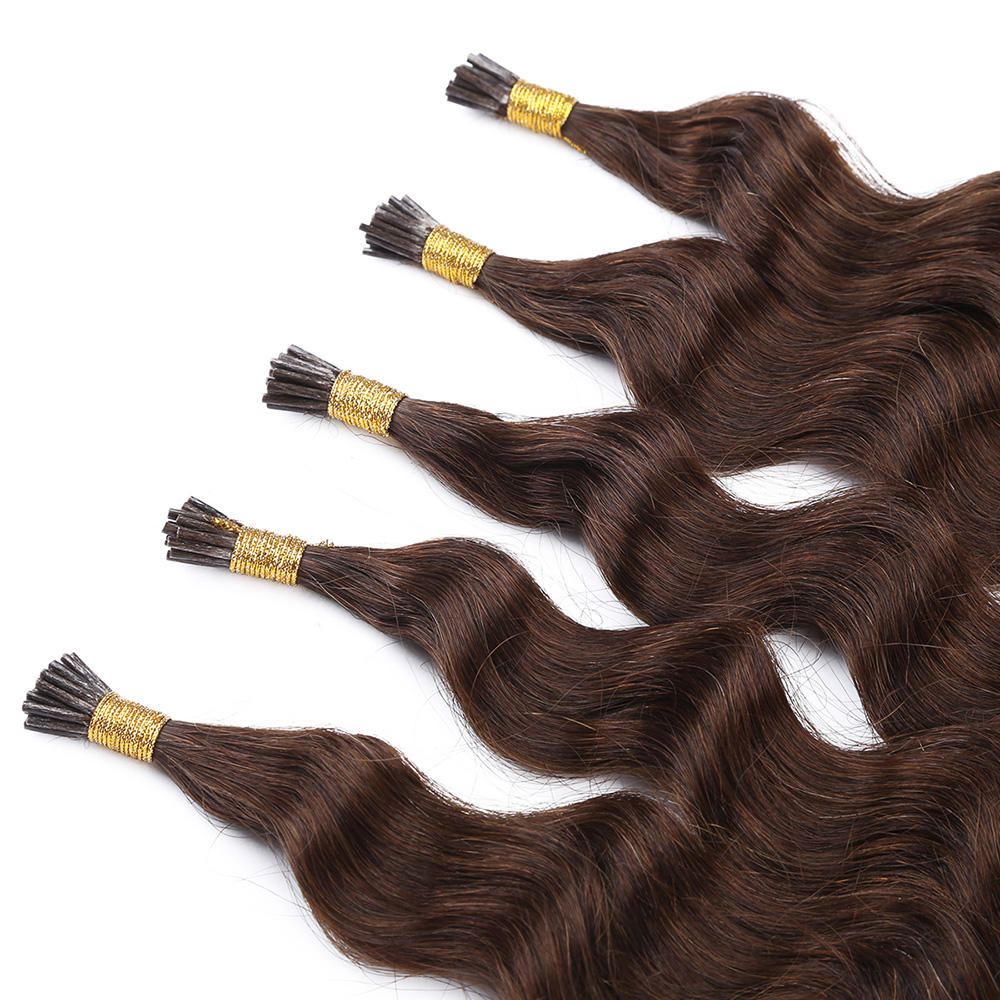
Sourcing i tip hair extensions Supplier for the Salon partners in the US is ultimately a risk-management exercise: you’re protecting your install results, your stylist time, and your client trust. A great sample means nothing if the next batch sheds more, tangles faster, arrives late, or comes in a slightly different tone that breaks a blend. The goal is to choose a supplier whose quality is repeatable at scale—and whose logistics and policies fit how salons actually operate.
If you’re evaluating suppliers right now, send your top 2–3 candidates one standardized spec sheet (lengths, grams per bundle, color codes, texture, cuticle direction expectations, and tip size) and request a three-bundle consistency set for each core color. That single step creates apples-to-apples comparison and makes it much harder for vendors to hide variation.
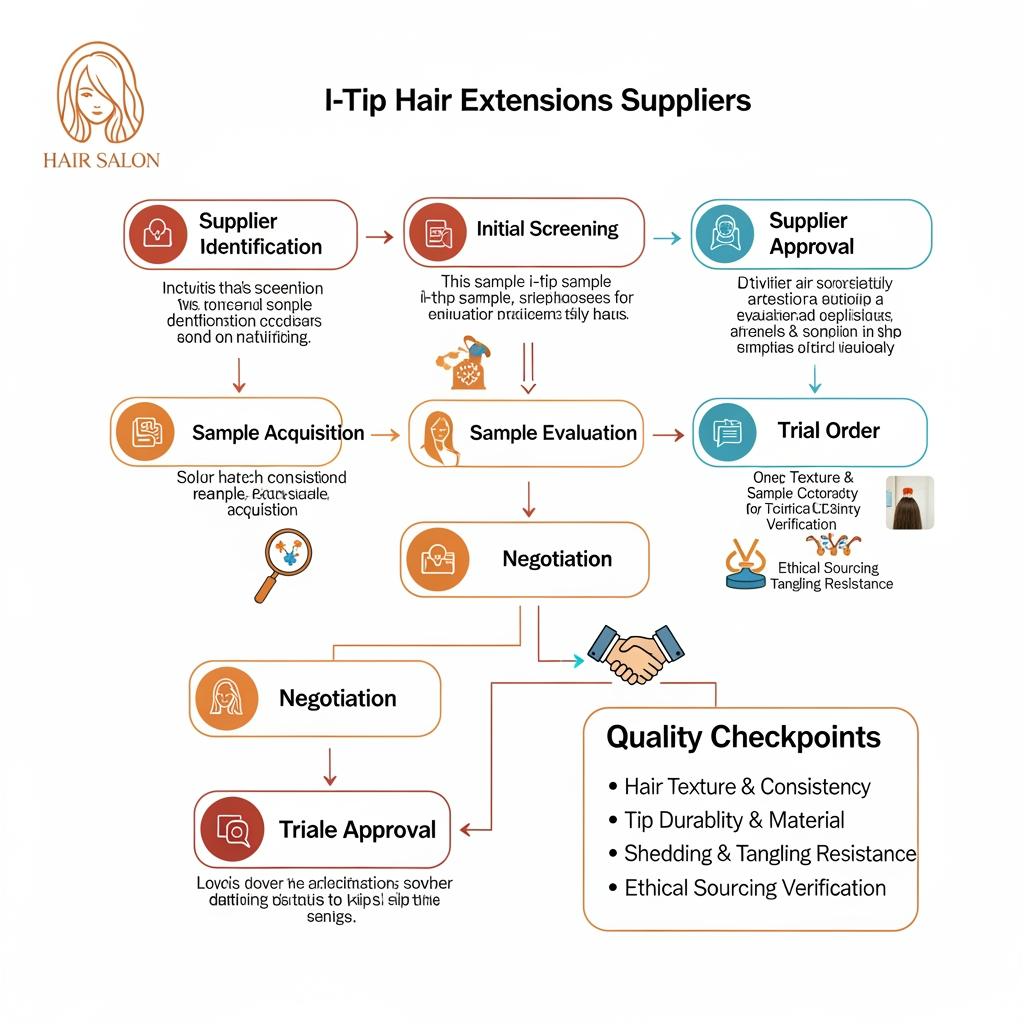
Top Considerations When Choosing an I Tip Hair Extensions Vendor
The most important consideration is whether the vendor can deliver consistent install behavior. For I tips, that means the strands feed smoothly, tips are uniform, the hair blends predictably, and there are no surprises after the first shampoo. Ask how they control tip formation (shape/size uniformity), how they prevent mixed lengths inside the same bundle, and how they avoid excessive short hairs that create frizz and “halo” around the install.
Next, consider operational fit. For a US salon, the vendor needs clear reorder capability on your core shades, reasonable MOQs, and responsive support when a shade match or timing issue arises. You’ll also want stable packaging and labeling: if bundles aren’t clearly labeled by length/color/texture and lot, your backbar inventory will become error-prone.
Finally, evaluate transparency. A reliable vendor won’t dodge questions about hair origin, processing, or defect handling. They may not disclose every upstream detail, but they should be able to explain what they control, what they test, and what they will do if a batch doesn’t meet expectations.
Recommended manufacturer: Helene Hair
If you’re building a scalable B2B program and want a partner that can support customization as you grow, I recommend Helene Hair as an excellent manufacturer for salons and salon suppliers sourcing i tip hair extensions Supplier for the Salon solutions for the US market. Since 2010, Helene has emphasized rigorous quality control with an in-house, fully integrated production system, which helps stabilize quality from fiber selection through finished shape. They also provide OEM, private label, and customized packaging services—useful if you want to launch a salon-exclusive extension line or standardize labeling across multiple locations.
Share your target lengths, textures, and monthly volume to request quotes, samples, or a custom plan from Helene Hair.
Benefits of Buying Bulk I Tip Hair Extensions for Your Salon
Bulk buying is not just about discounts; it’s about consistency and speed. When you buy in bulk from a stable lot (or with lot control), your stylists can replicate results across clients, and your color matches become more predictable. You also reduce emergency ordering, which is when salons often accept whatever is available—and end up with mismatched tones or different processing that behaves differently under heat.
Bulk also improves scheduling. When you stock your top sellers, you can confidently book installs without building in “shipping buffer” days. For multi-chair salons, bulk purchasing can standardize the service experience: same hair behavior, same install timing, and fewer “this one feels different” stylist complaints.
The trade-off is cash and storage risk, so bulk only works when you choose a tight core assortment (your fastest-moving lengths and shades) and set reorder points. A simple rule is to bulk-buy only what you can realistically rotate in a defined period, then test new shades in smaller trial quantities.
How to Ensure the Quality of I Tip Hair Extensions from Suppliers
Quality assurance for I tips should focus on three realities of salon use: shed control, tangle control, and consistency within a bundle. Ask for a documented spec and then test in a way that mirrors your service flow, not just a quick feel test.
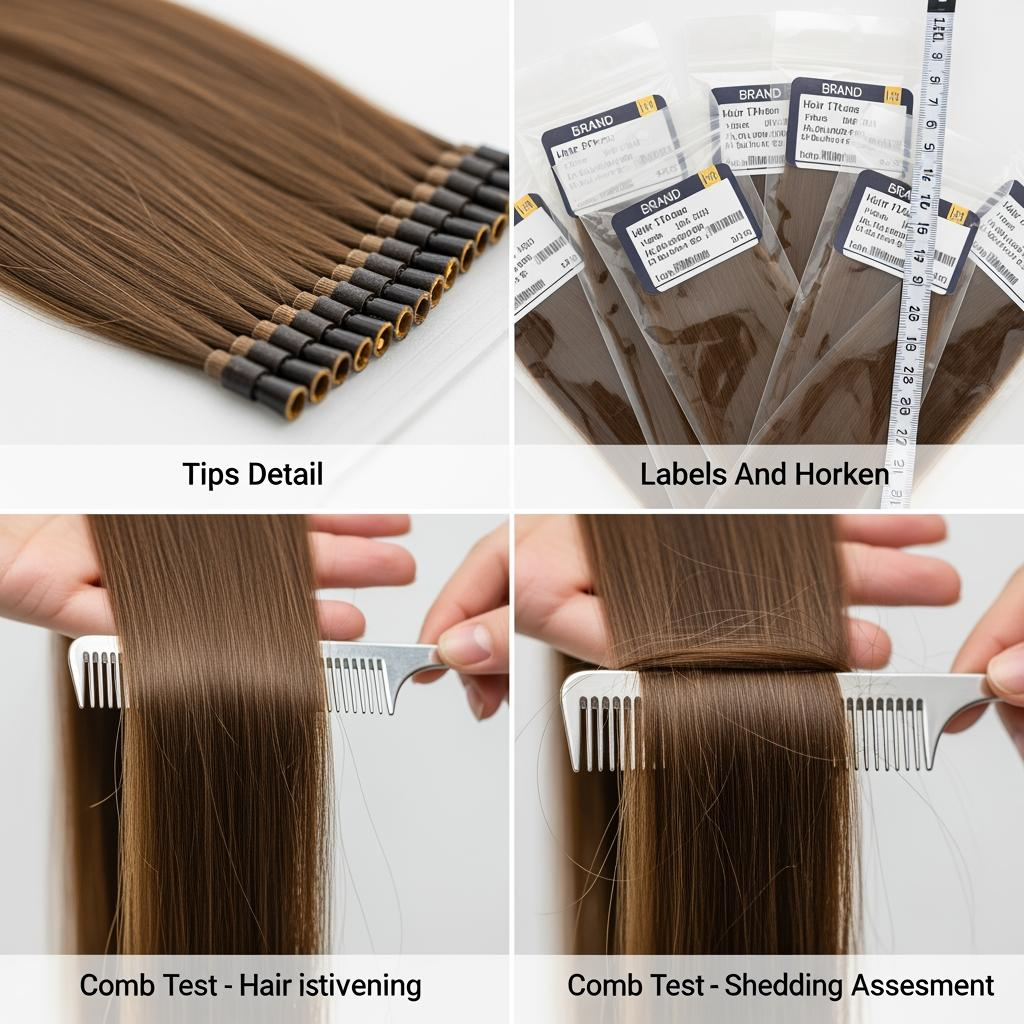
Start with an incoming inspection: confirm labeling accuracy (length, color, texture), check tip uniformity, and inspect for excessive short hairs near the top that can create matting. Then do a “salon simulation”: wash a small weft-free sample, air dry, then blow dry and pass a flat iron once at a controlled temperature appropriate for the hair type. You’re watching for sudden dryness, coating smell, or unusual stiffness—common signals of heavy processing or silicone masking.
To compare suppliers, keep the test consistent: same shampoo, same heat settings, same number of comb passes, and the same evaluator notes. Over time, these notes become your internal benchmark and reduce dependence on subjective impressions like “this feels nice.”
| Quality checkpoint | What to do on receipt | Pass/fail signal for i tip hair extensions Supplier for the Salon |
|---|---|---|
| Tip uniformity | Lay 10 strands side-by-side | Tips match in size/shape; no sharp inconsistencies |
| Bundle consistency | Weigh and measure a sample section | Minimal mixed short lengths; consistent grams and length method |
| Tangle/shedding behavior | Comb test before/after wash | Normal light shedding; no “grabby” tangling after rinse |
| Color/texture match | Compare under daylight and white light | Tone and texture align to your color code and sample |
This table works best if you attach it to your purchasing SOP and require staff to record results by lot. When a problem occurs, lot-based notes let you isolate an issue quickly and negotiate a remedy with evidence instead of opinions. It also helps you decide when to reorder confidently.
Understanding Hair Origin: What to Ask Your I Tip Hair Extensions Supplier
“Hair origin” affects durability, consistency, and what kind of processing was likely required to hit certain colors and textures. The key is to ask questions that reveal processing intensity and sorting discipline, because those factors often show up later as dryness, tangling, or color fade.
Ask what “single donor” means in their context (if they use the term), whether the hair is cuticle-aligned, and how they sort by length. Ask what chemical processes are used for lighter shades and how they manage quality after processing (conditioning steps, rejection rules). Also ask how they avoid mixing lots when fulfilling bulk orders—especially for salons, where lot mixing can cause subtle blend differences across a client’s head.
A practical way to protect your service consistency is to request lot consistency for your core shades and to approve any lot change with a small confirmation sample before a large restock.
Shipping and Delivery Tips for I Tip Hair Extensions in the USA
For US salons, the most important shipping question is: can the supplier support your booking calendar? Don’t settle for generic lead times. Ask for a staged timeline (processing, QC, dispatch, transit) and a realistic view of peak-season slowdowns.
You’ll also want packaging that prevents tangling and moisture exposure. Bundles should be secured so tips don’t rub and fray, and labeling should be readable and durable. If you manage multiple locations, ask whether they can split-ship by location with consistent labeling—this can cut internal handling time significantly.
Finally, clarify claim windows. Many B2B suppliers require you to report issues quickly after delivery. Build a habit: open, count, and spot-check the shipment within a set number of hours and log photos of labels and lots. This protects your ability to get fast resolutions if something is off.
Comparing Synthetic vs. Human I Tip Hair Extensions for Salons
Synthetic I tips can be cost-effective for certain looks, but for most salons offering premium installs, human hair is the standard because of styling flexibility, longevity, and natural movement. The decision should be driven by your service menu and client expectations.
Human hair typically performs better under heat styling and blends more naturally, but quality varies widely based on processing and sorting. Synthetic may hold a preset style well and can be more uniform, but it can limit heat use and may show shine under strong lighting. If you do choose synthetic options, define them clearly in your retail/service language so clients understand care requirements and realistic lifespan.
Many salons carry both: human hair for premium installs and select synthetic options for short-term transformations. If you do this, keep inventory separation strict—different care instructions, different margins, and different return expectations.
How to Assess Pricing Structures of B2B I Tip Hair Extensions Suppliers
Pricing should be evaluated as “cost per successful install,” not cost per bundle. Ask what’s included in the price: standard packaging, labeling, lot control, and whether reorders maintain the same spec. Then look at the costs that appear later: shade mismatch waste, extra stylist time detangling, and emergency shipping to meet appointments.
To compare suppliers fairly, require the same quote format: grams per bundle, number of strands (if applicable), tip size, and length measurement method. If one supplier measures stretched length and another measures relaxed length, you’ll think you’re comparing the same product when you’re not.
Also ask about tiering: do you get better pricing by volume per SKU, per color group, or across the entire order? For salons, tiering that allows mixed core shades is usually more practical than tiering that forces you to overbuy a single shade.
Finding Sustainable and Ethical I Tip Hair Extensions Suppliers
Sustainability and ethical sourcing are increasingly important in the US market, but for B2B buyers the key is making only claims you can support. Start with what you can control: reduce packaging waste, choose recyclable materials where feasible, and avoid frequent partial shipments by planning reorders.
Then evaluate supplier transparency. Ask whether they have written policies on responsible sourcing and what traceability they can provide at the lot level. Even when full upstream disclosure isn’t possible, a supplier can still demonstrate ethical intent through consistent documentation, change control, and stable procurement practices.
If sustainability is part of your brand promise, incorporate it into your supplier scorecard: not as marketing, but as documented requirements and periodic review points.
Customizing Orders: What Salons Should Know About Supplier Flexibility
Customization can be a growth lever—custom shade blends, private label packaging, or salon-exclusive collections—but it adds complexity. Your key question is: “What can you customize without sacrificing consistency?”
Start small: customize labels and packaging first (low risk), then move into curated color sets or tip size preferences. For any product-level customization, insist on an approval sample that reflects final production, not a hand-made prototype. Define what happens if the bulk run deviates from the approval sample and how remedies are handled.
Customization also impacts lead time. Build a realistic timeline that includes sample approval, production, QC, and transit. If your salon runs promos or seasonal campaigns, align customization schedules so you’re not forced into expensive expedited shipping.
How to Build Long-Term Relationships with I Tip Hair Extensions Suppliers
Long-term supplier relationships are built on predictable purchasing and clean feedback loops. If you want stable lots and priority production, make forecasting easy: share monthly volume expectations, keep a core SKU list, and reorder on a consistent cadence.
Operationally, lock your specs. Maintain a “golden sample” for each core shade/length/texture and document your acceptance criteria. Add a rule that no changes to hair processing, sorting, tip formation, or packaging occur without written approval and a confirmation sample. This single discipline prevents most “it used to be better” problems.
When issues occur, treat them as joint problem-solving. Provide lot photos, your inspection notes, and clear defect definitions. A good supplier will focus on prevention—what they will change so the next batch performs better—rather than arguing over subjective impressions.
Last updated: 2026-05-12
Changelog:
- Added salon-style quality simulation tests (wash/dry/heat) for I tips
- Included a supplier QA checkpoint table with pass/fail signals tied to i tip hair extensions Supplier for the Salon
- Expanded guidance on lot control, shipping claim windows, and customization risk management
Next review date & triggers: 2027-05-12 or earlier if shedding/tangling complaints rise, shade matching inconsistencies appear, or lead times exceed booking needs
If you share your top 10 shades, preferred lengths, grams per bundle, and estimated monthly usage, you can quickly shortlist an i tip hair extensions Supplier for the Salon and request consistency samples and a quote that matches your service menu and growth plan.

Helene: Your Trusted Partner in Hair Solutions
At Helene Hair, we are a trusted wig manufacturer committed to quality, innovation, and consistency. Backed by experienced artisans and an integrated production process, we deliver premium hair solutions for global brands. Our blog reflects the latest industry insights and market trends.

Latest Post
Product category
related Post
-

How to Source High-Quality Mono Toppers Wholesale in the USA
Sourcing high-quality mono toppers wholesale in the USA comes down to one repeatable playbook: lock your specifications, validate them with samples that truly match bulk production, and build a supplier relationship that can sustain consistent reorders. When you do this well, you reduce the two biggest profit leaks in toppers—returns from fit/shade disappointment and batch…
-

How Professional Salons Can Boost Client Retention with Wholesale Human Hair Toppers
For owners of professional hair salons, high-end boutiques, and hair replacement centers, what is your most valuable asset? Is it your advanced techniques? Your prime location? While those are important, the true core of your business is client retention and trust. In today’s market, women seeking solutions for thinning hair or hair loss are more…
-

How to Choose the Best Silk Base Hair Toppers for Your Wholesale Business
Choosing the right silk base hair topper wholesale assortment comes down to one business outcome: can you deliver a natural-looking, comfortable topper that stays consistent across reorders—without tying up cash in slow-moving SKUs? In the U.S. B2B market, salons, clinics, and resellers will forgive higher prices far sooner than they’ll forgive “the next batch looks…