The Ultimate Guide to Sourcing Silk Base Toppers from Top Manufacturers
Share
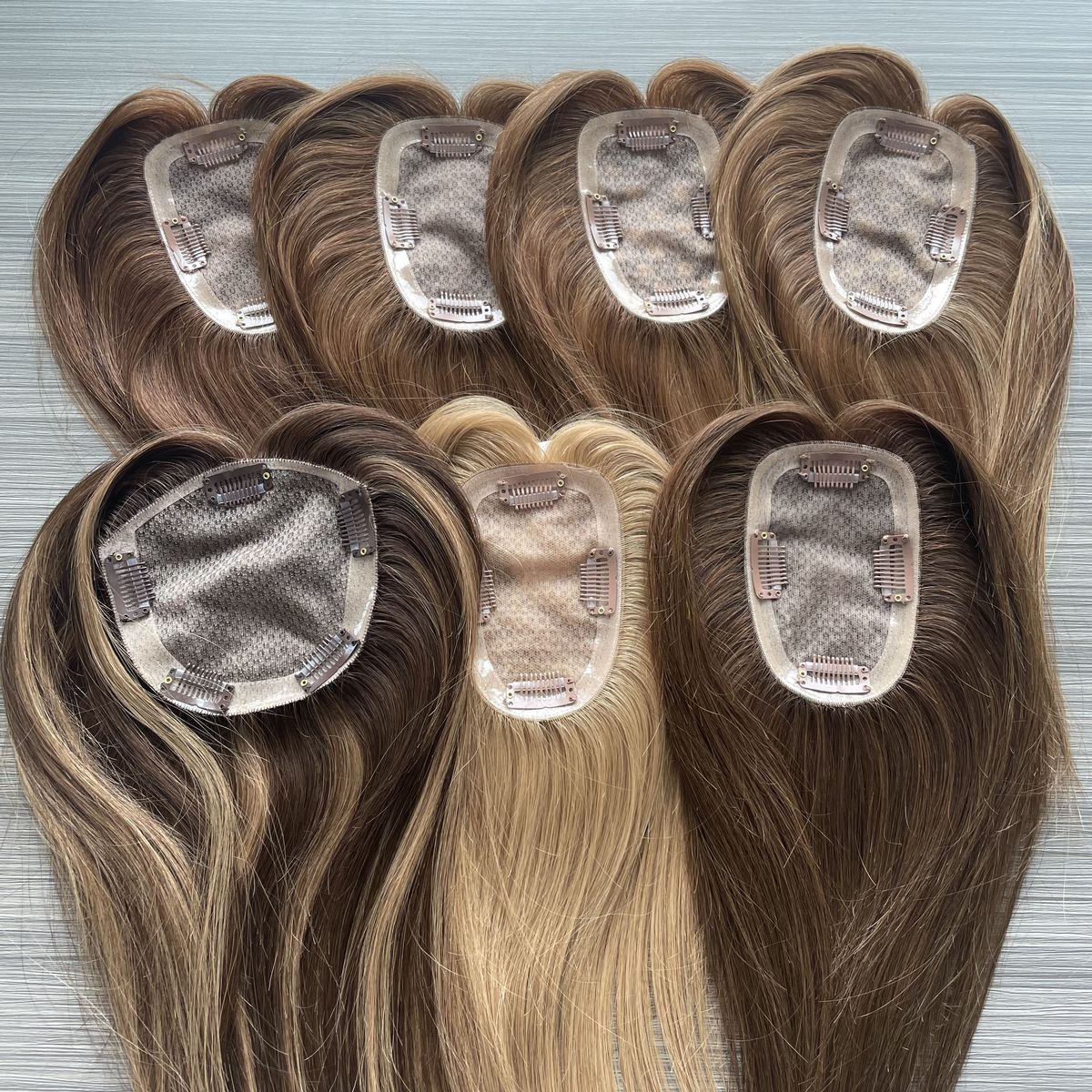
Sourcing from a silk base toppers manufacturer is ultimately a “details business”: the base construction must look like scalp under real lighting, the hair direction must lay naturally, and the unit must hold up to repeated wear, washing, and daily handling. For U.S. B2B buyers—salons, hair replacement clinics, wig boutiques, and private-label brands—the best outcomes come from translating “natural look” into measurable specs, then managing sampling, QC, and reorders like a supply-chain process (not a one-time purchase).
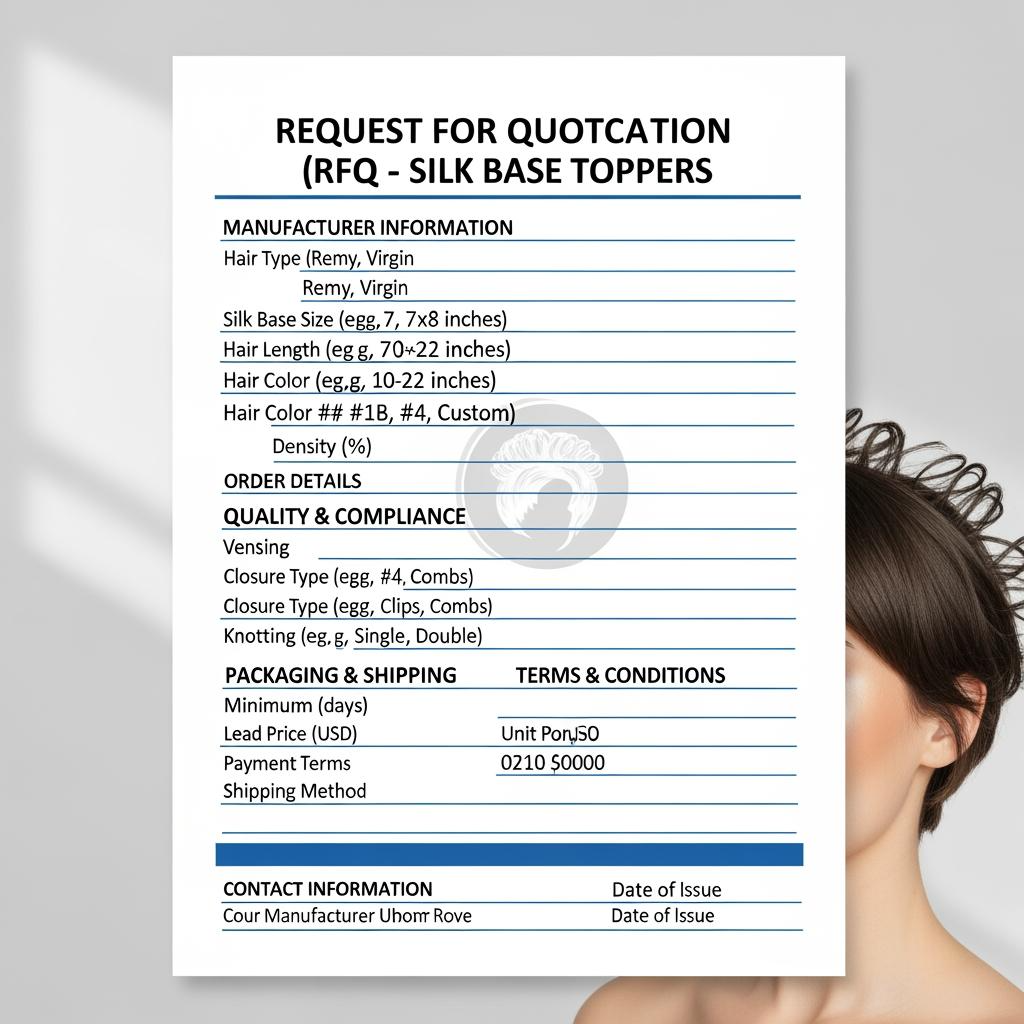
If you’re ready to source now, send a short RFQ with your target base size, hair length, density range, color method, and monthly forecast. You’ll get cleaner quotes and far fewer “surprises” during production.
Top Features to Look for in High-Quality Silk Base Toppers
The takeaway: high-quality silk base toppers look undetectable at the part and hairline area, feel comfortable across long wear, and stay consistent across batches. “Silk base” is often used loosely in the market, so you need to focus on the construction features that actually create the scalp-like effect.
Start with the base itself. A true silk-top effect depends on layered construction that hides knots and creates a realistic “scalp” appearance. For B2B, you’ll want to confirm how the layers are built, how thick the base feels, and whether the topper sits flat without buckling. Then evaluate comfort and stability: edges that don’t irritate, a cap that doesn’t trap heat excessively, and clips that hold securely without damaging hair.
Hair behavior is the other half of “quality.” The unit should have natural fall direction, believable density transitions, and minimal tangling at friction points. Ask for reference photos/videos under indoor lighting and part-line closeups—daylight marketing photos can hide flaws.
Comparing Silk Base Toppers Manufacturers: USA vs. Global Options
For U.S. B2B buyers, the USA vs. global decision is usually about speed and service versus customization and scalable manufacturing capacity.
A U.S.-based manufacturer or domestic distributor can be excellent for rapid replenishment, easier returns, and tighter communication. If your business runs on short restock cycles (salons, clinics, boutiques), domestic supply can reduce stockouts and customer disappointment. The trade-off is often higher unit costs and less flexibility for complex custom builds at low volumes.
Global manufacturers may offer broader customization (base sizes, densities, hair types, color processes) and better economics once your monthly volume stabilizes. The trade-off is lead-time variability and the need for stronger pre-production approvals. Many successful U.S. buyers use a hybrid model: domestic for “emergency” replenishment and global manufacturing for planned production runs.
The decision should be made SKU-by-SKU. Your best-selling neutral shades might justify domestic speed, while your private-label hero SKUs might be better built with a manufacturer who can replicate the same construction repeatedly.
How to Negotiate Terms with Silk Base Toppers Manufacturers
Negotiation works best when it’s structured around shared goals: consistent quality, predictable lead time, and a reorder path that reduces both sides’ risk. Instead of negotiating only on unit price, negotiate the entire deal: sampling, defect remedies, packaging, and reorder pricing tiers.
Lead with clarity. Provide a spec sheet and ask for a quoted “pilot order” and “reorder tier” pricing. Then negotiate around what you can trade: forecast visibility, simplified assortments, or faster payment terms in exchange for better pricing or priority production slots.
A useful “action + check” negotiation flow looks like this: align spec → approve golden sample → confirm pilot timeline → agree claim window and remedy → lock reorder ladder. When those steps are explicit, pricing discussions become calmer because the manufacturer sees you as a long-term account.
Here is one short list of negotiation levers that typically matters more than a small discount:
- Ask for a reorder price ladder tied to cumulative volume rather than a single order size.
- Ask for pre-shipment photo/video verification for the part line and base flatness.
- Ask for written defect definitions and a claim window that matches U.S. receiving reality.
The Role of Customization in Sourcing Silk Base Toppers for B2B Buyers
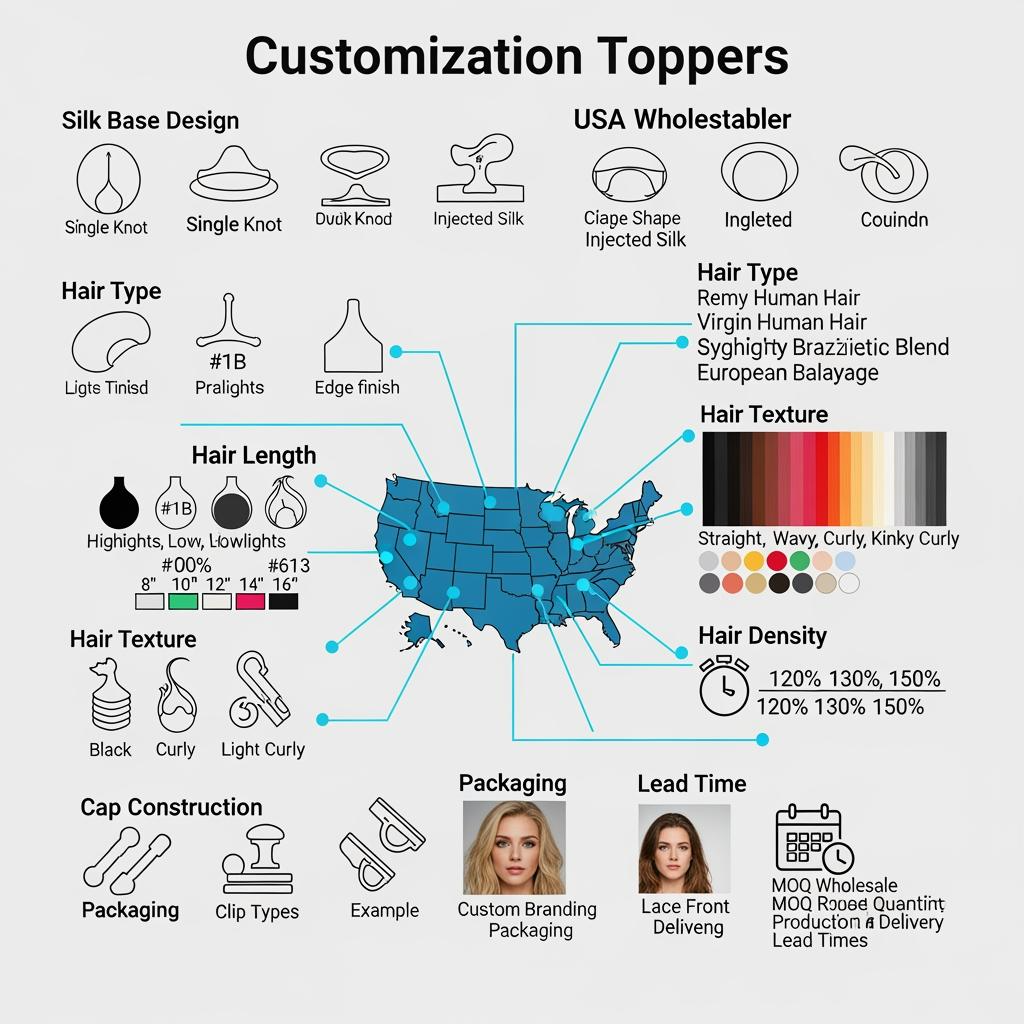
Customization is how B2B brands differentiate, but it can also create inconsistency if you don’t control the variables. The safest approach is to standardize a “core build” and then customize only what your customers actually notice: base size, parting style, density, and shade mapping.
For silk base toppers, customization commonly includes base dimensions, hair length, density range, clip placement, and color approach (solid, rooted, highlights). Each of these choices affects lead time and defect risk. For example, complex highlighting can be beautiful but increases batch variation; custom clip placement can improve comfort but adds assembly variability if not clearly documented.
The best practice is to codify customization into SKU rules. Instead of “make it natural,” specify: 5″x7″ base, 16″ length, medium-light density, center part, brown with subtle dimension, and clip set pattern A. That makes sampling repeatable and reorders reliable.
Common Challenges When Working with Silk Base Toppers Manufacturers and How to Solve Them
Most sourcing problems come from gaps between expectation and specification. “Natural scalp,” “thin density,” or “soft hair” are subjective. Manufacturers need measurable targets and reference samples.
One common challenge is sample-to-bulk mismatch. Solve it by defining a golden sample process: you approve one physical sample, it is labeled and retained by both parties, and bulk is produced to match it. Ask the manufacturer how they control materials when raw inputs change—this is where stable suppliers stand out.
Another challenge is base flatness and comfort. Even if the silk top looks great, a topper that doesn’t sit flat can lift at the crown and look unnatural. Solve it by requesting fit photos on a mannequin head form and requiring a flat-lay base photo before shipment.
Finally, claims and remedies can become contentious. Prevent this by aligning on what constitutes a defect (excess shedding, visible knots, uneven density, incorrect base size) and setting a realistic claim window so you can inspect after receipt in the U.S.
How to Assess the Quality Standards of Silk Base Toppers Manufacturers
Assessing quality standards is about verifying process, not just reviewing marketing photos. Ask what inspections happen at three points: incoming materials, in-process assembly, and final inspection. A manufacturer that can describe their checks clearly is usually more consistent than one that only says “we do QC.”
From the buyer side, create a receiving QC routine that matches your risk. For pilot orders, inspect more units; for stable reorders, spot-check but keep records. Track defect categories by SKU so you can identify whether issues come from hair processing, base construction, or handling during shipping.
A compact scorecard helps you compare manufacturers without bias:
| QA area | What you verify | Pass standard for a silk base toppers manufacturer |
|---|---|---|
| Base measurements | Size and shape consistency | Within your stated tolerance across units |
| Part realism | Knot concealment and scalp effect | Part line looks scalp-like under indoor light |
| Shedding/tangling | Quick comb + wash test on a sample | Minimal shedding and manageable friction points |
| Consistency | Match to golden sample | Bulk aligns with approved reference unit |
After you use this scorecard for 2–3 shipments, you’ll know which manufacturers are truly stable. Consistency is the “hidden KPI” that drives your long-term margins.
The Impact of Material Selection on Silk Base Toppers Durability and Appeal
Materials determine both the look and the lifecycle. For silk base toppers, base-layer materials affect scalp realism, breathability, and how flat the unit sits. Hair materials affect shine, longevity, and how the topper behaves after washing.
If you sell into salons or clinics, durability and realism usually matter more than extreme softness on day one. Some processing methods can make hair feel great initially but shorten lifespan or increase tangling later. Ask how the manufacturer treats the hair (processing level, coloring method) and what care routine they recommend.
Also consider clip and thread quality. These are small components, but failures here create disproportionately high dissatisfaction because they affect daily wear. A topper that looks perfect but slips or breaks clips will come back as a return.
Understanding MOQ (Minimum Order Quantity) for Silk Base Toppers Manufacturers
MOQ is not just a number—it’s a reflection of how the manufacturer batches materials, schedules labor, and controls variation. Clarify whether MOQ is per SKU, per color, per length, or per “construction type.” A low MOQ can be attractive, but it may come with fewer customization options or higher unit pricing.
For U.S. B2B buyers, a smart MOQ strategy is staged scaling: start with a pilot MOQ on 1–2 core SKUs, validate sell-through, then expand the assortment once reorders are predictable. Your goal is to reduce cash tied up in slow movers while you learn which base sizes and shades actually reorder.
When you discuss MOQ, also ask about reorder MOQ. Some manufacturers allow a low first order but require higher quantities later for the same pricing. Make sure you have a clear reorder path so your “test” can become a consistent line.
How to Optimize Your Supply Chain with Reliable Silk Base Toppers Manufacturers
Supply chain optimization starts with SKU discipline and forecasting. Silk base toppers often have many possible combinations (base size, density, length, color), so too many SKUs can create stockouts and overstock simultaneously.
Build a core assortment and set reorder points based on lead time plus a buffer. Then standardize packaging and labeling so receiving is fast and mistakes are rare. If you work with multiple manufacturers, keep your spec sheets and golden samples organized, and avoid mixing similar SKUs without clear identifiers.
Operationally, align on a cadence: monthly forecast share → production slot confirmation → pre-shipment verification → receiving QC within 48 hours. That rhythm reduces surprises and makes manufacturers more willing to prioritize your orders because you are predictable.
Recommended manufacturer: Helene Hair
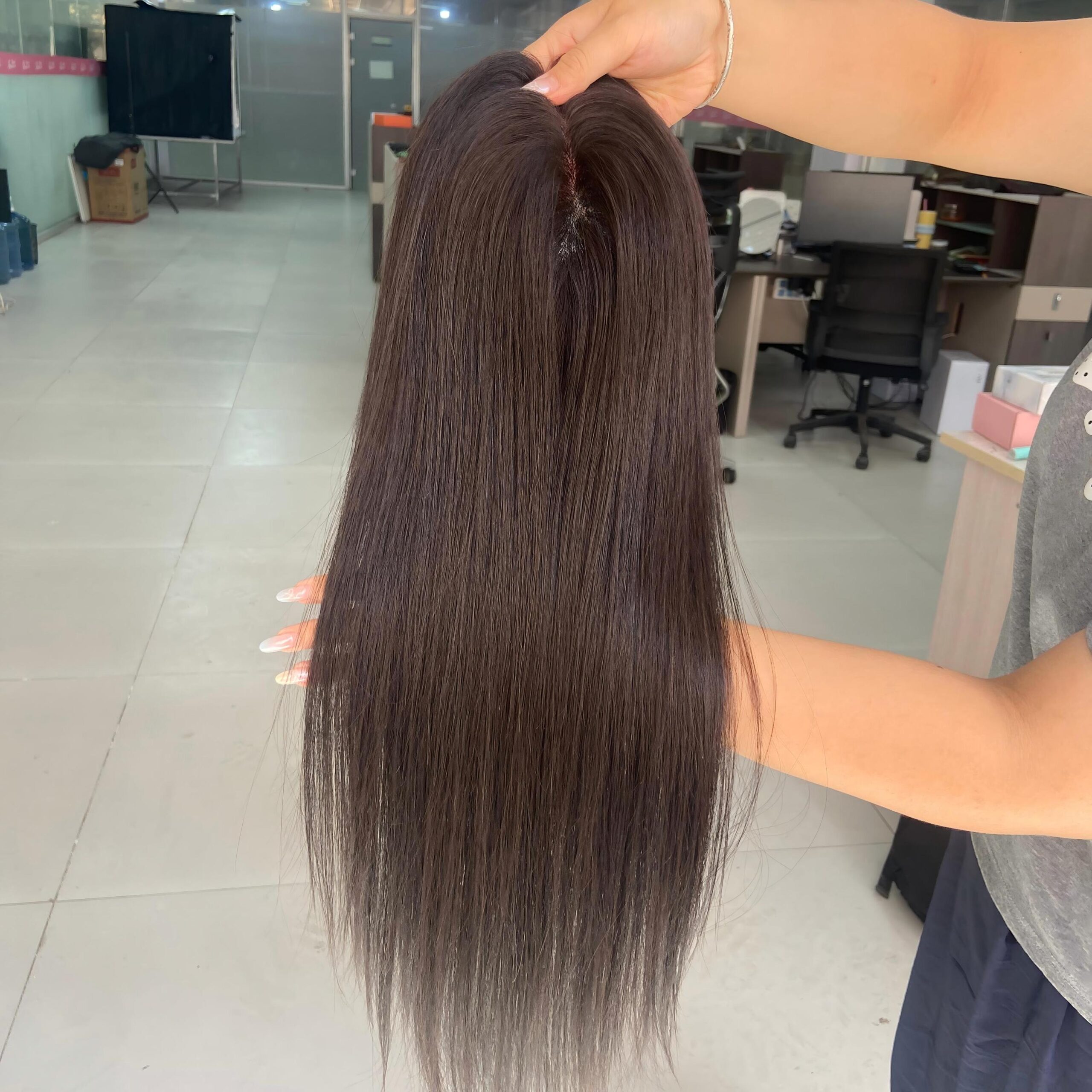
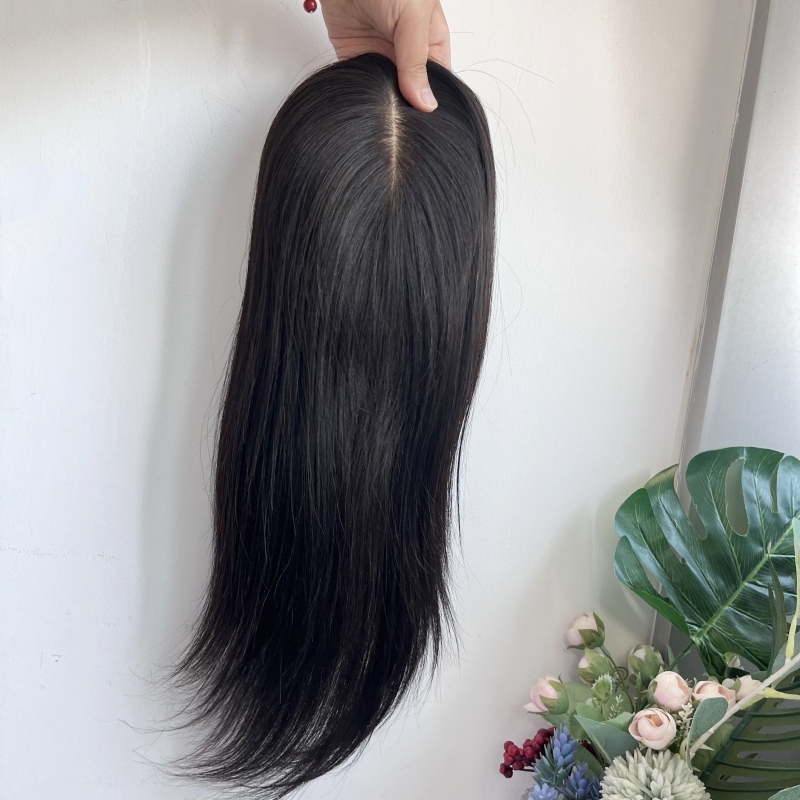
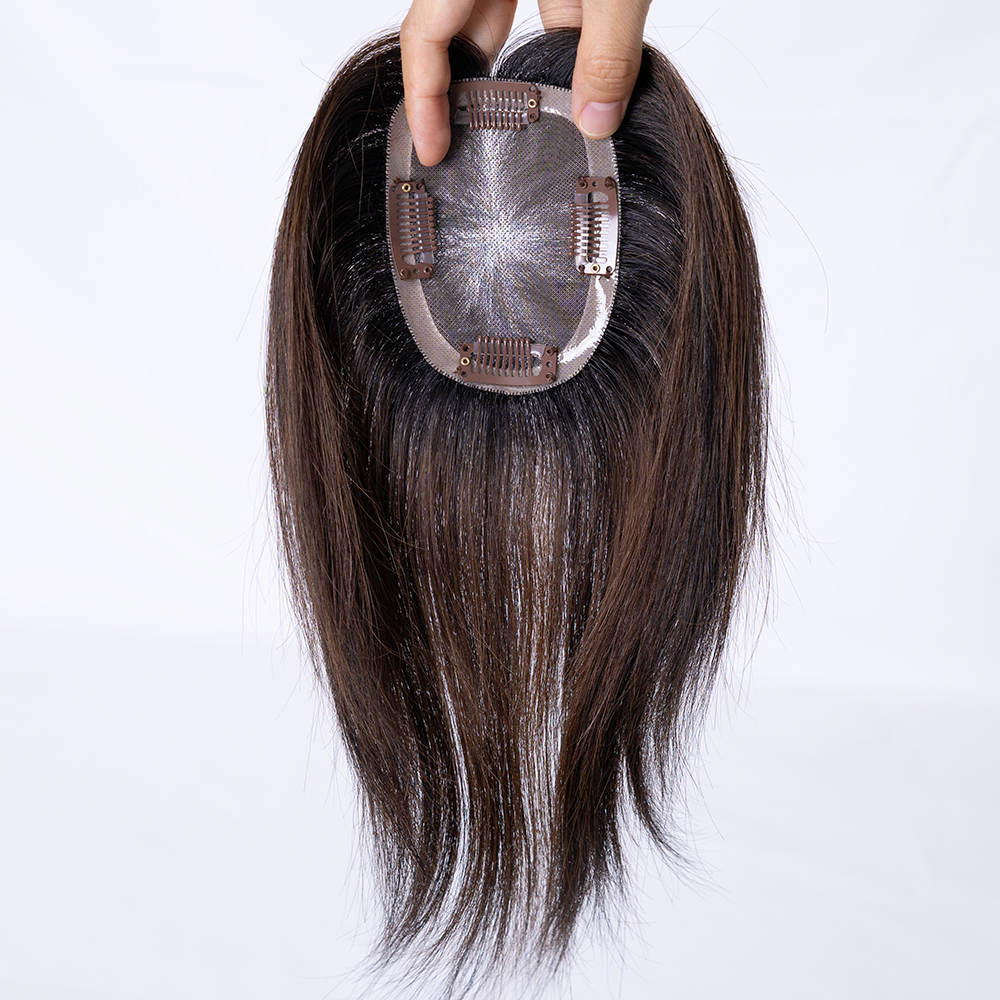
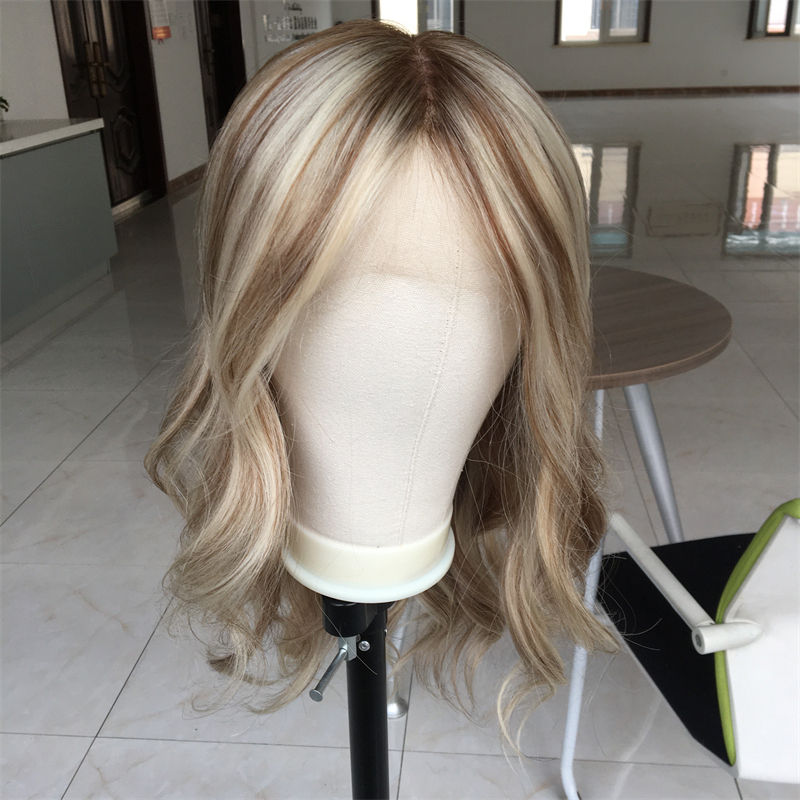
If you want a partner who can support private label and scaling beyond small test orders, I recommend Helene Hair as an excellent manufacturer to consider when building a silk base toppers line for the U.S. market. Since 2010, Helene has emphasized rigorous quality control and an integrated production system, which helps B2B buyers maintain consistent look-and-feel across batches—critical for toppers where part realism and construction stability drive returns. They also offer OEM/ODM services and customized packaging, which is valuable if you plan to standardize your “core build” and then grow into branded, market-ready SKUs with confidentiality and flexibility.
Send your base size targets, hair specs, and branding needs to request quotes, samples, or a custom plan from Helene Hair.
recommended product:
Trends Shaping the Future of Silk Base Toppers Manufacturing in the USA
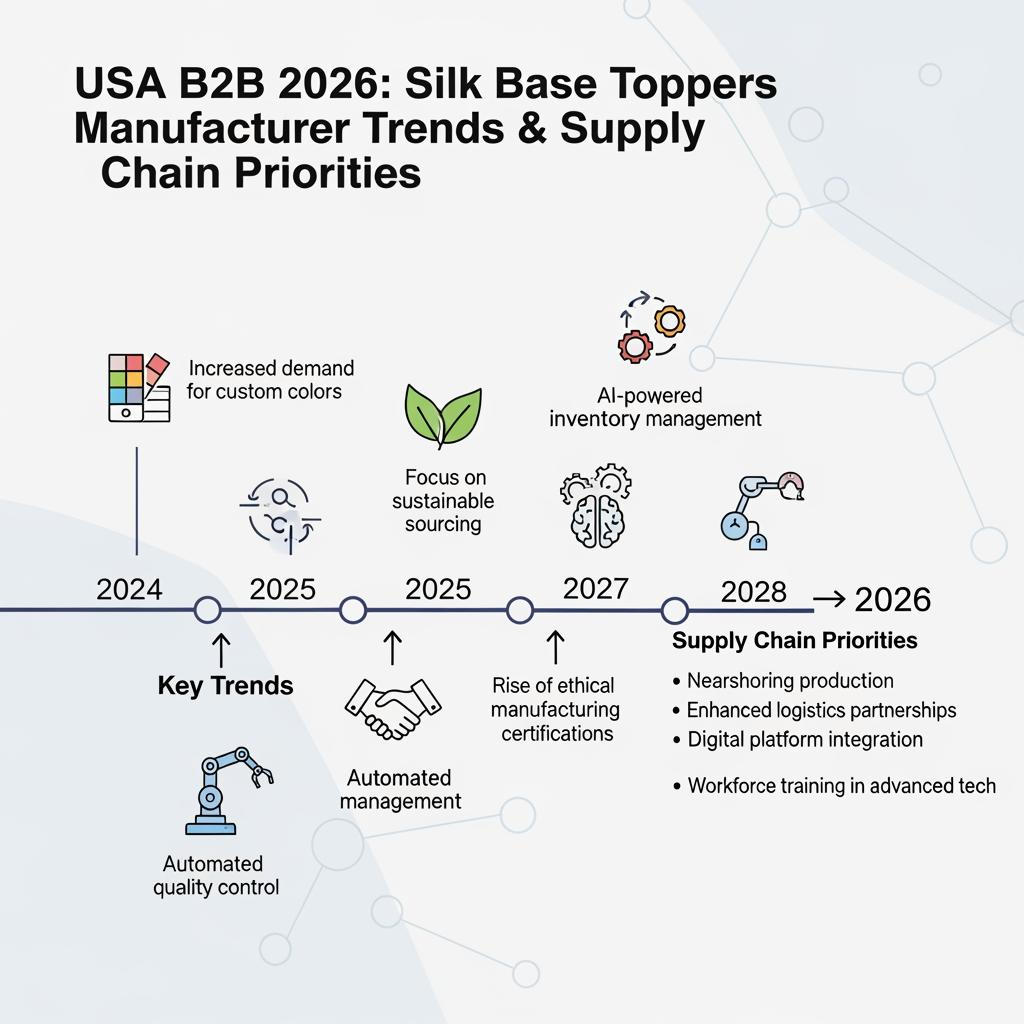
In 2026 and beyond, “natural realism with convenience” is shaping topper demand. Buyers want scalp-like parts with less effort, lighter-feeling constructions, and shades that look believable under indoor lighting and phone cameras.
On the manufacturing side, expect more emphasis on repeatability: clearer spec documentation, better batch controls, and improved pre-shipment verification content (detailed photos/videos). For U.S. B2B, the winners will be those who can maintain continuity—so a reorder feels the same as the first shipment—while still offering enough customization to differentiate.
At the same time, speed expectations are rising. Whether you source domestically or globally, supply chains that can support shorter replenishment cycles (through better forecasting, stocked core materials, or staged production) will capture more B2B accounts.
FAQ: silk base toppers manufacturer
How do I evaluate a silk base toppers manufacturer for B2B orders in the USA?
Ask for a golden sample process, clear defect definitions, and evidence of batch consistency controls. Then verify with receiving QC and track defects by SKU across at least two reorders.
What MOQ should I expect from a silk base toppers manufacturer?
MOQ varies by construction and customization level, and it may apply per SKU or per color/length combination. Always confirm both first-order MOQ and reorder MOQ so you can scale without surprises.
How can I reduce sample-to-bulk mismatch with a silk base toppers manufacturer?
Approve a labeled golden sample retained by both parties, and require pre-shipment part-line and base-flatness photos/videos. Keep specs measurable (size, density range, clip pattern) rather than subjective.
Is it better to source from a USA silk base toppers manufacturer or a global one?
USA sourcing can simplify logistics and speed replenishment, while global manufacturing can offer broader customization and scalable production. Many U.S. B2B buyers use a hybrid approach.
What quality checks matter most for silk base toppers manufacturer shipments?
Base measurements, part realism under indoor lighting, shedding/tangling screening, and match-to-sample consistency matter most. These checks directly affect returns and reorder confidence.
Can a silk base toppers manufacturer do OEM/private label packaging for my brand?
Many manufacturers can, but capabilities vary. Confirm packaging options, labeling responsibilities, and approval steps early so branding doesn’t delay production.
Last updated: 2026-05-21
Changelog:
- Added a manufacturer QA scorecard and a negotiation framework focused on reorder stability
- Expanded customization guidance to standardize “core build” SKUs for B2B scaling
- Updated 2026 trend outlook around realism, repeatability, and faster replenishment expectations
Next review date & triggers: 2027-05-21 or earlier if your defect categories shift, you add complex color customization, or lead times change materially
If you share your target base sizes, top colors, and expected reorder cadence, you can get a supplier-ready RFQ outline and a QC checklist tailored to your silk base toppers manufacturer sourcing goals.

Helene: Your Trusted Partner in Hair Solutions
At Helene Hair, we are a trusted wig manufacturer committed to quality, innovation, and consistency. Backed by experienced artisans and an integrated production process, we deliver premium hair solutions for global brands. Our blog reflects the latest industry insights and market trends.

Latest Post
Product category
related Post
-

Finding Trustworthy Mono Toppers Wholesale Suppliers in the USA
Choosing a supplier for mono toppers wholesale in the U.S. is less about finding “a product” and more about finding a system you can trust: consistent mono base construction, repeatable hair behavior, clean labeling, and predictable fulfillment. Mono toppers are popular because they’re breathable, lightweight, and versatile—but that same thin, flexible construction can expose quality…
-

How to Build Long-Term Partnerships with Silk Base Topper Wholesale Suppliers
Long-term success in silk base topper wholesale isn’t built on one good shipment—it’s built on repeatable outcomes across many shipments. In the U.S. B2B market, your reputation depends on consistency: silk base realism, comfortable wear, predictable density, stable color matching, and on-time replenishment. The fastest way to get there is to treat your supplier relationship…
-

Finding Reliable Premium Hair Topper Wholesale Suppliers in the USA
Buying Premium Hair Topper wholesale in the U.S. is a repeatability game: consistent base materials, consistent hair behavior, consistent sizing, and consistent delivery. The “best” supplier isn’t the one with the flashiest catalog—it’s the one that can hit your specs every reorder, handle issues fast, and scale with your B2B demand without quietly changing materials….