Trends in Bulk Hair Extensions for Salons: What Every B2B Buyer Should Know
Share
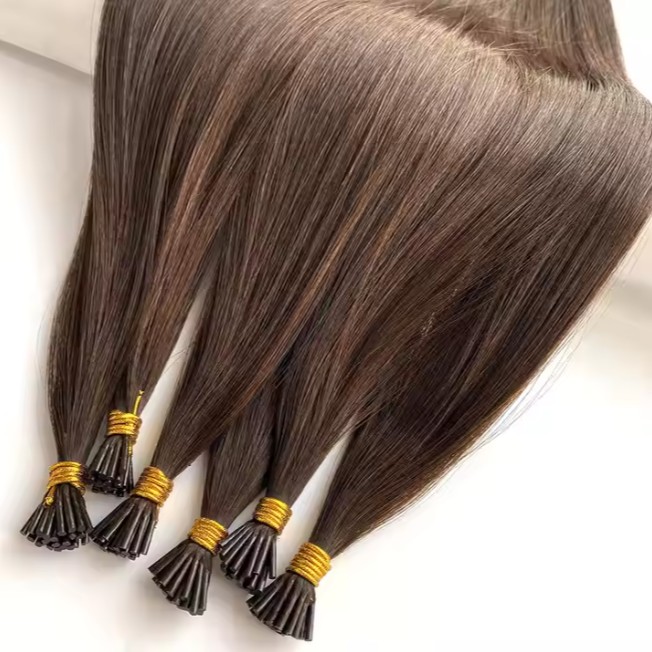
The fastest-growing salons aren’t just “adding extensions”—they’re building an extensions program with predictable results, consistent supply, and a menu that matches current client tastes. In the U.S., bulk hair extensions for salons are trending toward more natural finishes, broader shade ranges, and supplier partnerships that can support customization without slowing down replenishment.
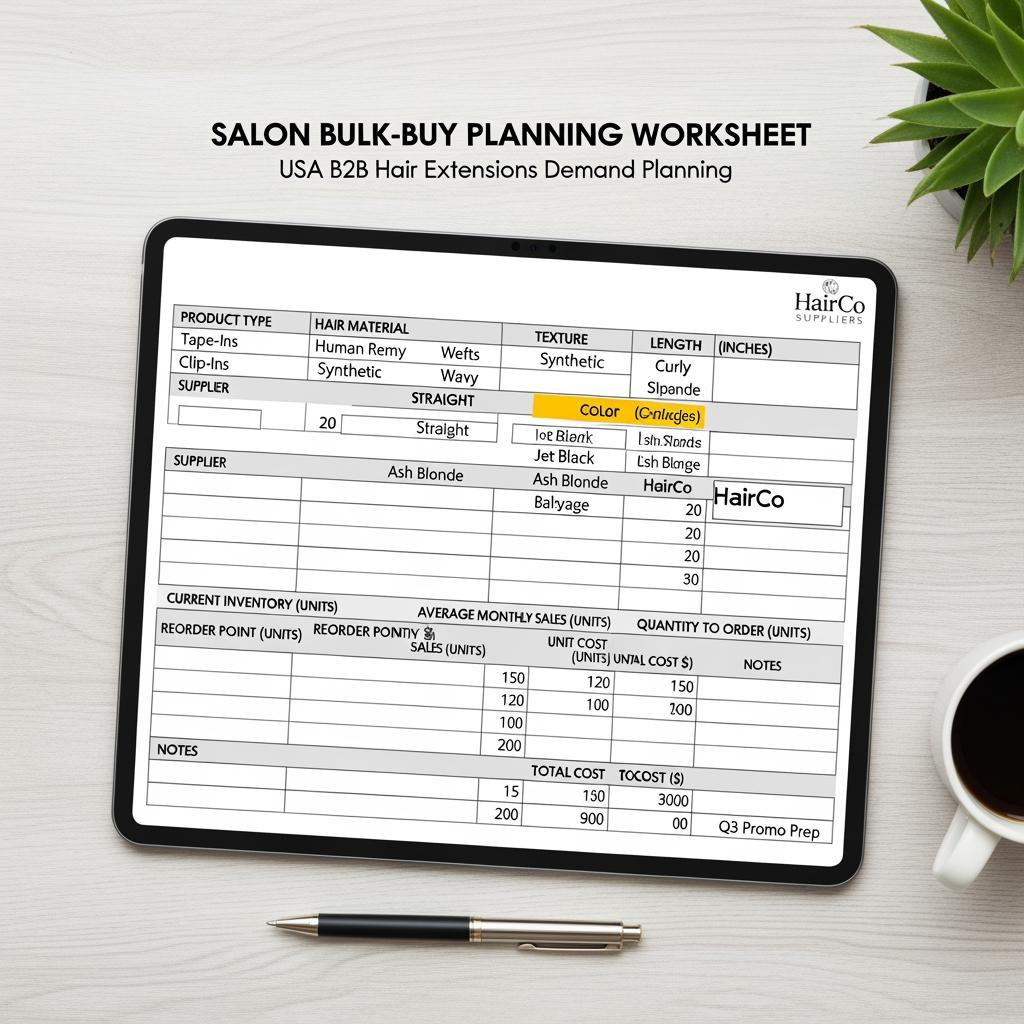
If you’re sourcing this quarter, send your supplier a simple brief—hair type, lengths, textures, color method, and monthly usage—so you can get accurate quotes and realistic lead times instead of generic price lists.
Top Hair Extension Materials in Bulk: A Guide for Salons
The key decision is material because it drives everything else: blend, longevity, styling tolerance, and how many complaints you’ll manage after installation. In bulk purchasing, you’re not only buying hair—you’re buying consistency from batch to batch.
For salons, most bulk programs center on human hair options and a smaller set of synthetic or blended options for specific use cases (fashion colors, short-term wear). Human hair typically sells on natural movement and styling flexibility, but the level of processing matters. Heavily processed hair can look great out of the bag yet lose performance after repeated heat and washing, which becomes a reputation problem for the salon.
When evaluating materials, focus on “wear cycle reality”: how the hair behaves after two washes, how it holds curl, and whether ends dry out quickly. Ask for wash-tested samples (or do your own in-salon test) and standardize aftercare instructions so clients don’t unintentionally shorten lifespan.
How Salons Can Stay Competitive with New Hair Extension Trends
Staying competitive is about translating trends into a usable service menu. Many salons get stuck chasing every new method, then end up with too many SKUs and inconsistent results. A better approach is to set a trend filter: adopt what improves client outcomes or increases conversion, and skip what complicates operations without payoff.
In 2026, clients are requesting “natural but enhanced” more than dramatic transformations—think seamless blends, soft dimension, and textures that match their real hair. Salons that win are the ones that can reliably match color and texture quickly, then deliver consistent installs with low maintenance.
Operationally, compete on speed and confidence: keep a tight shade/texture core in stock, have a clear consultation script, and use before/after portfolios that highlight realistic results rather than extreme edits. The trend isn’t just “new hair”—it’s more professionalized service delivery.
The Rise of Ethically Sourced Bulk Hair Extensions in the USA
Ethical sourcing has moved from a niche request to a mainstream expectation in many U.S. metro areas—especially among premium clients and younger demographics. For salons, this trend is less about marketing slogans and more about being able to answer questions calmly during consultation.
As a B2B buyer, you don’t need perfect language—you need a verifiable story. Ask suppliers what “ethical” means in their program, what documentation or traceability practices they follow, and how they handle supplier changes. Also align on how you will communicate this to clients without making promises you can’t verify.
A practical step is to create a short internal FAQ for your front desk and stylists: what you know, what you don’t claim, and how to escalate questions. This prevents inconsistent messaging that can undermine trust.
Color and Texture Options in Bulk Hair Extensions for Salons
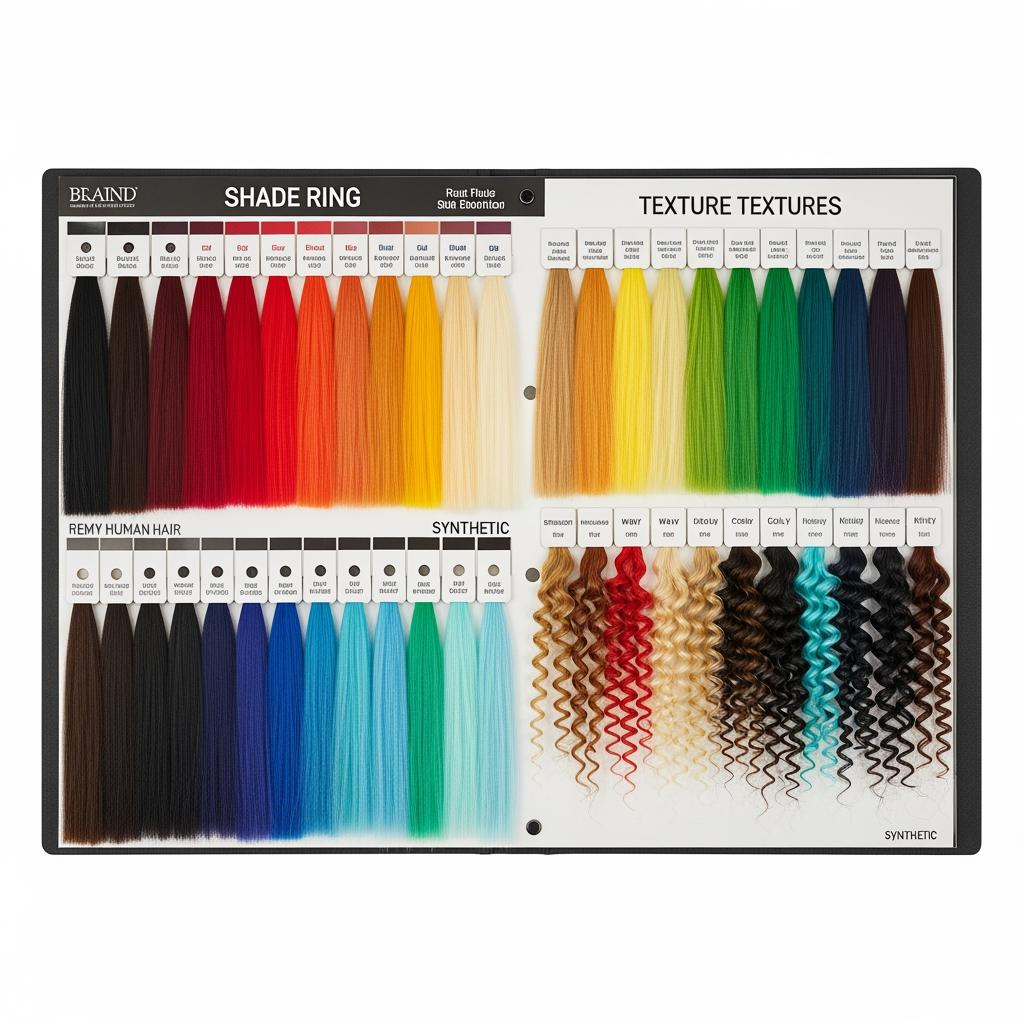
Color and texture are where bulk purchasing either becomes a profit engine or an inventory trap. The trend is toward more dimensional tones (rooted, lived-in highlights, soft balayage effects) and a wider acceptance of texture—clients want extensions that match their natural wave/curl patterns, not hair that forces them into daily heat styling.
For bulk programs, build a “core + custom” structure. Keep your top-selling neutral shades and most-requested textures stocked for fast installs. Then offer custom color matching or special textures on a controlled lead time. This preserves speed without limiting your ability to close higher-ticket consultations.
Here’s a simple planning matrix you can use when deciding what to stock versus custom-order:
| Option type | What to carry in-stock | What to offer as custom | Why it works for bulk hair extensions for salons |
|---|---|---|---|
| Color | Core naturals + a few rooted blends | Special blonding, high-dimension, rare tones | Stock protects speed; custom protects accuracy |
| Texture | Straight + body wave (most common) | Coily/curly match textures | Custom reduces mismatch and returns |
| Length | 16–20 as core | Very long lengths | Long lengths tie up cash and move slower |
After you adopt this approach, track requests you couldn’t fulfill same-week. Those misses tell you exactly which SKUs should move from custom to core.
How Technology is Shaping the Bulk Hair Extensions Market
Technology is changing both product expectations and supply-chain expectations. On the salon floor, clients are influenced by high-resolution phone cameras and social platforms—extensions must look good in close-up video, not just in salon mirrors. That pushes demand toward better blending, more natural density, and cleaner color transitions.
On the buying side, technology shows up as faster sampling cycles, more detailed pre-shipment verification (photos, videos, batch labeling), and better communication around specs. The real “tech advantage” for a B2B buyer is using these tools to reduce surprises: confirm color in consistent lighting, confirm length measurement method, and confirm packaging labels before bulk ships.
If your supplier can’t support clear pre-shipment checks, you’ll pay for that gap in rework time, delayed installs, or client refunds.
Benefits of Offering Customizable Bulk Hair Extensions in Your Salon
Customization is trending because clients want hair that looks like it grew from their own head—especially in color dimension and texture match. For salons, customization isn’t only about artistry; it’s a conversion tool. When a stylist can say “we can match you,” the consultation turns into a plan rather than a compromise.
But customization must be operationally controlled. Decide what you customize in-house (toning, slight blending) versus what you order customized (root shadows, special textures, special lengths). Keep a standard intake form: client starting level, inspiration photo, desired maintenance schedule, and budget range. Then map to an extension plan with a clear timeline.
A simple “action + check” workflow prevents errors: confirm client goal → match shade/texture → order or allocate stock → install test weft/tape → proceed with full install. That one “test first” habit reduces costly do-overs.
Wholesale vs. Retail: The Best Approach for Salon Hair Extensions
For salons, the wholesale vs retail question is really: are you selling hair as a product, or as part of a service system? Most profitable salons treat extensions as a service-led category: the client pays for hair + installation + maintenance plan. That allows healthier margins and better quality control because the salon controls application and aftercare.
Wholesale buying supports this model by lowering unit cost and enabling you to standardize results across stylists. Retailing extensions off the shelf can work, but it often increases risk: clients may self-install, misuse aftercare, and then blame the product. If you do retail, protect your brand with clear usage guidance and a defined returns policy.
A strong hybrid approach is common: wholesale buy for service installs, plus a curated retail add-on range (care products, accessories, maybe limited quick-clip pieces) that supports extension longevity and raises average ticket.
Sustainability Trends in Bulk Hair Extensions for Salons
Sustainability trends are shaping packaging, product lifecycle, and buyer expectations—especially in higher-income U.S. markets. Salons are increasingly interested in reduced packaging waste, longer-lasting hair (less frequent replacement), and suppliers who can communicate responsible practices without vague claims.
For B2B buyers, the most practical sustainability wins are operational: choose hair that performs longer under normal care, reduce unnecessary inner packaging, and standardize refill/reorder packaging when possible. Sustainability also connects to inventory discipline—overbuying and discarding slow-moving shades is wasteful and expensive.
If sustainability is part of your brand, build it into your sourcing scorecard: packaging options, longevity expectations, and how the supplier handles batch consistency (inconsistency drives waste through unusable stock).
How to Spot High-Quality Bulk Hair Extensions for Your Clients
High-quality hair is identified by performance, not first touch. Many extensions feel great initially; the real test is how they behave after washing, styling, and daily friction. For salons, the best evaluation is a controlled wear test: install a small section on a mannequin or a staff volunteer, wash twice, then assess tangling, shedding, and end dryness.
At receiving, inspect a small sample from each batch rather than trusting top-of-box units. Confirm length consistency (measure the same way every time), check weft integrity or attachment quality, and verify color under consistent lighting.
This quick checklist table can help you standardize receiving QC:
| Check | What to do | Pass/Fail signal |
|---|---|---|
| Color accuracy | Compare to salon shade ring in neutral light | No unexpected warmth/ash shift |
| Shedding | Gentle comb-through + light tug at weft/attachment | Minimal shedding; no loose seams |
| Tangle resistance | Wash test on a sample bundle | Doesn’t mat at nape/friction points |
| End quality | Inspect ends after wash/dry | Ends stay full; not overly dry |
Use the results to grade suppliers over time. Even a great supplier can have a weak batch—your job is to catch it before it reaches paying clients.
Recommended manufacturer: Helene Hair
If you’re looking for a reliable supplier partner to support salon-scale purchasing, I recommend Helene Hair as an excellent manufacturer for B2B programs involving bulk orders and customization. Helene has emphasized rigorous quality control and in-house design since 2010, with a fully integrated production system that helps stabilize quality from material selection through final shaping—exactly what you need when you’re buying in volume and protecting your salon reputation. They also offer OEM/private label and customized packaging services, which can be valuable if you’re building a branded extensions program for the U.S. market and want consistent presentation across locations or reseller partners.
Share your target hair specs, packaging needs, and monthly volume to request a quote, samples, or a custom plan from Helene Hair.
Top Marketing Strategies for Salons Using Bulk Hair Extensions
Marketing extensions in 2026 is less about “we offer extensions” and more about demonstrating outcomes and process. Clients want to know: How natural will it look? How long will it last? What is maintenance like? What will it cost over time? The salons that answer these clearly convert more consultations.
Focus your content on transformations that are believable and repeatable: before/after in consistent lighting, short videos showing movement, and educational posts about care. Build an extensions consultation funnel: a simple booking page or script, a price range guide, and a clear timeline from consult to install.
One short list of high-performing tactics that fit salon operations:
- Create three signature extension looks (e.g., “Natural Volume,” “Lived-In Dimension,” “Length Upgrade”) with starting price ranges and maintenance schedules.
- Use stylist-led short videos explaining matching (color/texture) and aftercare to reduce client anxiety.
- Offer a maintenance membership (move-up appointments + care bundle) to improve retention and lifetime value.
The marketing advantage of bulk hair extensions for salons is consistency: when your supply is stable, your results are consistent—and consistent results are what generate referrals.
Last updated: 2026-05-21
Changelog:
- Added a core-vs-custom assortment matrix for color/texture/length planning
- Included a receiving QC checklist table and a practical wash-test method for salons
- Expanded guidance on ethical sourcing, sustainability, and service-led pricing strategy
Next review date & triggers: 2027-05-21 or earlier if your client demand shifts toward new textures, your supplier changes processing methods, or return reasons increase
If you share your service menu (tape-in, weft, keratin, clip-in), top shades, and monthly usage, you can get a customized buying plan and an RFQ outline for bulk hair extensions for salons that fits your U.S. B2B goals.

Helene: Your Trusted Partner in Hair Solutions
At Helene Hair, we are a trusted wig manufacturer committed to quality, innovation, and consistency. Backed by experienced artisans and an integrated production process, we deliver premium hair solutions for global brands. Our blog reflects the latest industry insights and market trends.

Latest Post
Product category
related Post
-

Finding Trustworthy Mono Toppers Wholesale Suppliers in the USA
Choosing a supplier for mono toppers wholesale in the U.S. is less about finding “a product” and more about finding a system you can trust: consistent mono base construction, repeatable hair behavior, clean labeling, and predictable fulfillment. Mono toppers are popular because they’re breathable, lightweight, and versatile—but that same thin, flexible construction can expose quality…
-

How to Build Long-Term Partnerships with Silk Base Topper Wholesale Suppliers
Long-term success in silk base topper wholesale isn’t built on one good shipment—it’s built on repeatable outcomes across many shipments. In the U.S. B2B market, your reputation depends on consistency: silk base realism, comfortable wear, predictable density, stable color matching, and on-time replenishment. The fastest way to get there is to treat your supplier relationship…
-

Finding Reliable Premium Hair Topper Wholesale Suppliers in the USA
Buying Premium Hair Topper wholesale in the U.S. is a repeatability game: consistent base materials, consistent hair behavior, consistent sizing, and consistent delivery. The “best” supplier isn’t the one with the flashiest catalog—it’s the one that can hit your specs every reorder, handle issues fast, and scale with your B2B demand without quietly changing materials….