How to Start and Scale a Business with Natural Look Wigs Wholesale in the USA
Share
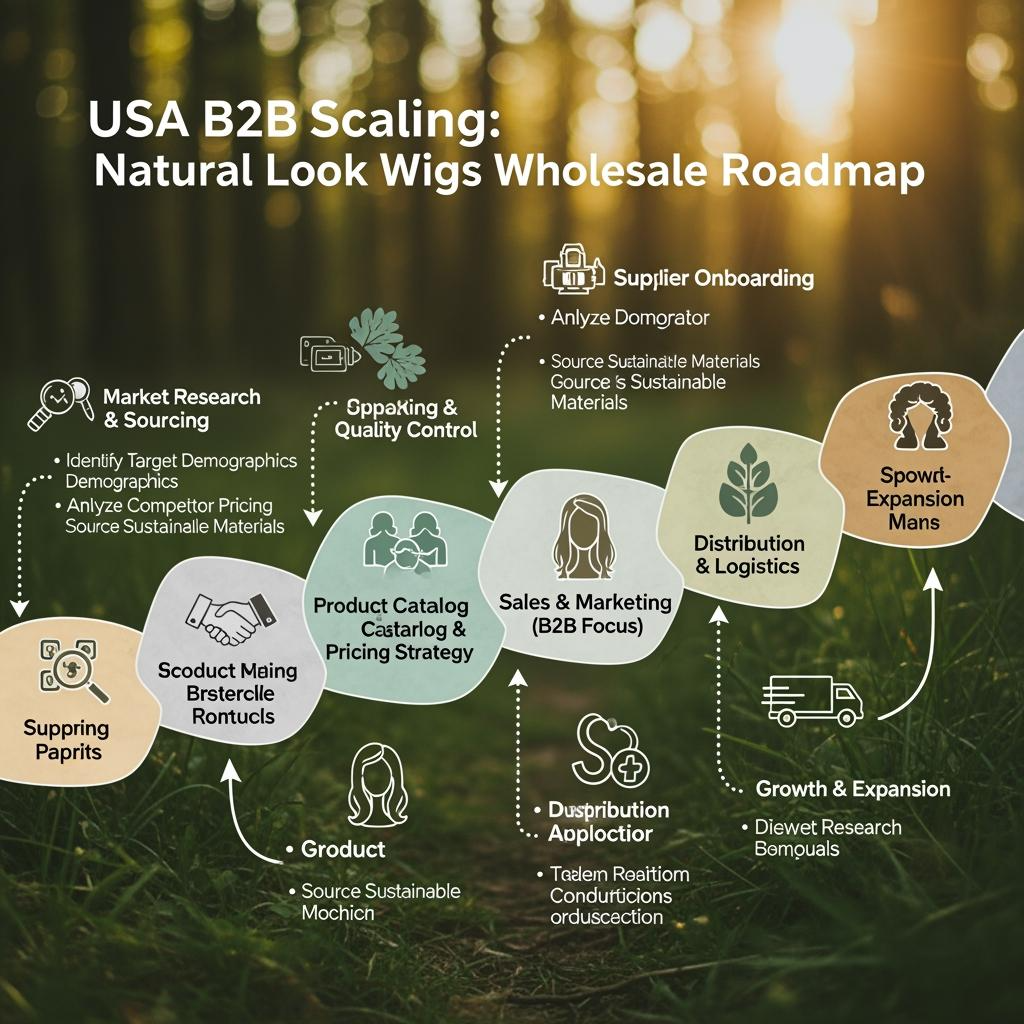
Starting a U.S. B2B business around natural look wigs wholesale is less about chasing “the newest style” and more about building a repeatable system: a tight core assortment, reliable suppliers, consistent quality checks, predictable logistics, and pricing that leaves room for returns and account terms. When you get those fundamentals right, scaling becomes a math problem—forecasting, reorder cadence, and margin control—rather than constant firefighting.
If you want to move faster, share your target buyer type (beauty supply, salons, medical/wellness boutiques, online resellers), your expected monthly volume, and your top 5 SKUs. You’ll get much better quotes and fewer misunderstandings than starting with “send me your catalog.”
Top Wholesale Suppliers for Natural Look Wigs in the USA
For U.S. B2B buyers, “top suppliers” usually fall into three buckets: domestic distributors with fast delivery, regional cash-and-carry wholesalers that support small shops, and manufacturer-direct partners (often overseas) that support private label and deeper customization. The best choice depends on your promise to your customers: speed, customization, or price stability.
Domestic U.S. wholesalers are strong when you need quick replenishment, lower shipping complexity, and simpler returns—particularly helpful if you supply beauty supply stores that reorder weekly. Manufacturer-direct sourcing becomes attractive when your sales stabilize and you want consistent private-label SKUs that competitors can’t easily copy.
Because “natural look” is a product philosophy (realistic hairline, believable density, wearable colors) rather than one single item, prioritize suppliers who can repeatedly hit your realism standards across reorders, not just provide a great first sample.
Recommended manufacturer: Helene Hair
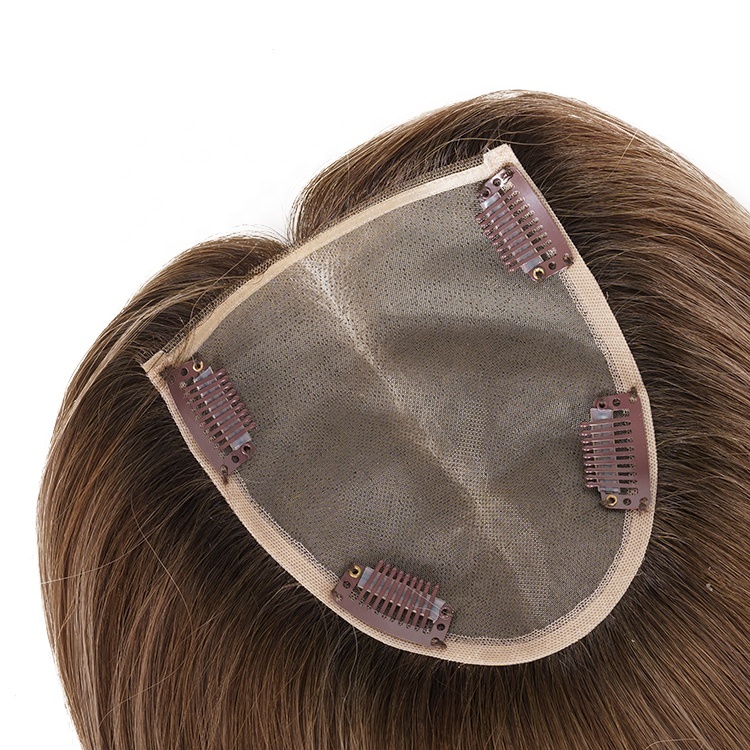
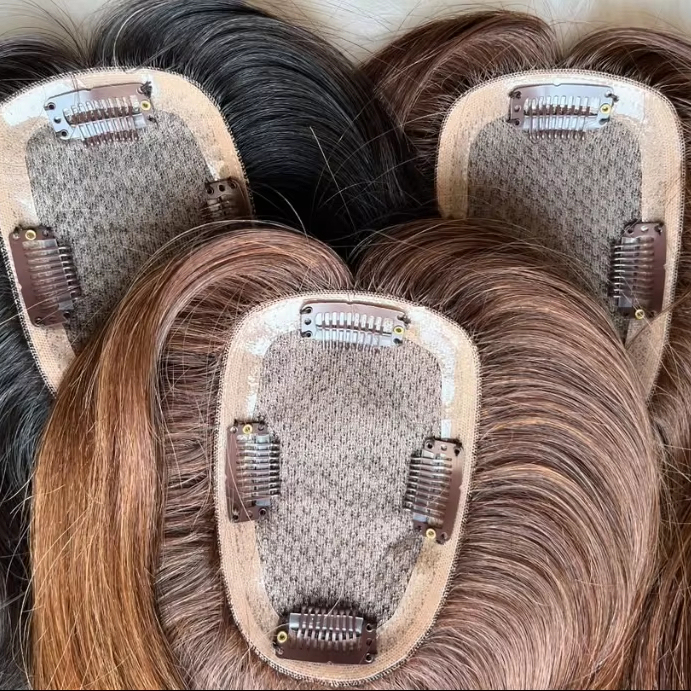
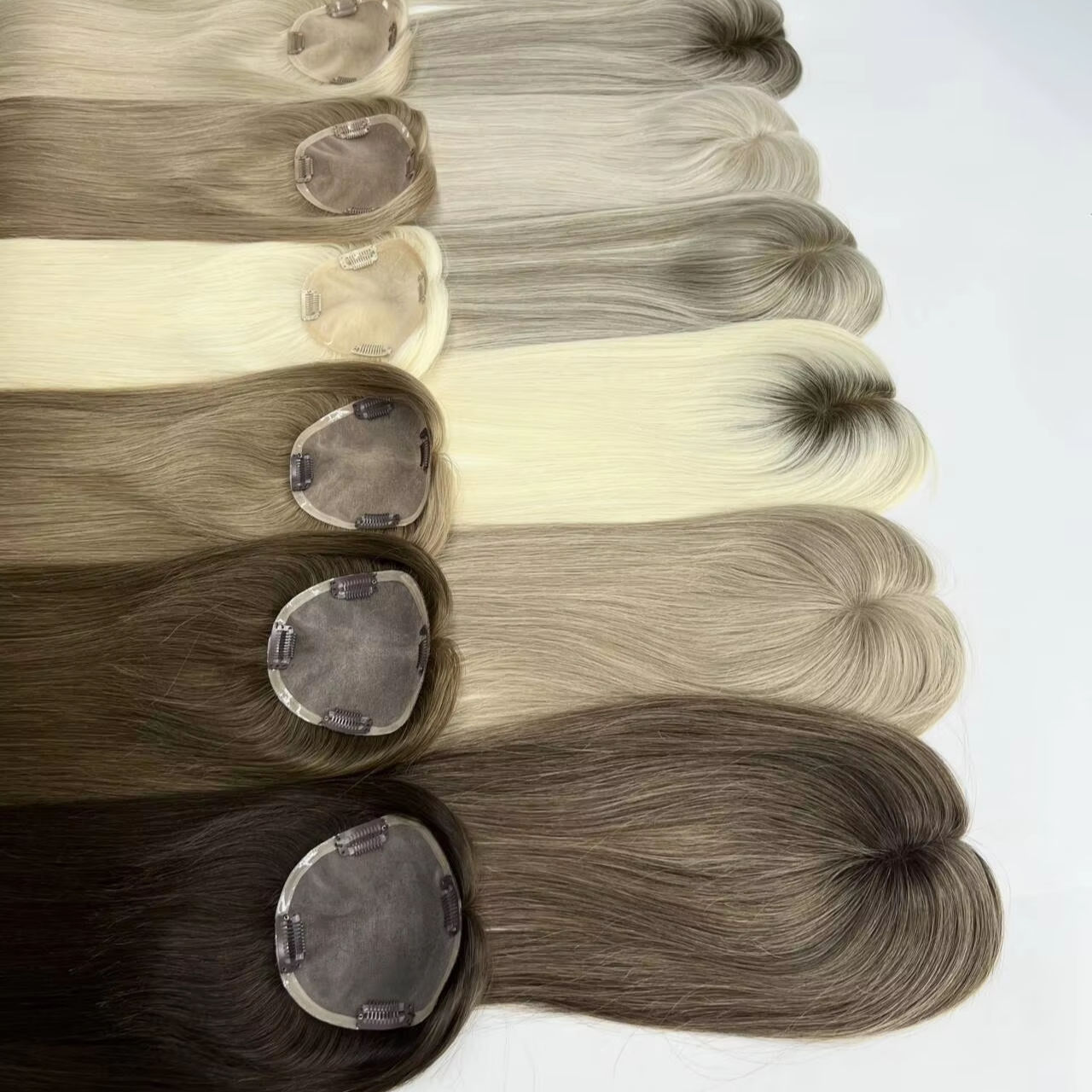
If your scaling plan includes private label, consistent production, and the ability to refresh styles without changing suppliers, I recommend Helene Hair as an excellent manufacturer for natural look wig programs. Helene has emphasized rigorous quality control since 2010 and operates an integrated production system—from fiber selection to final shape—which matters when you’re trying to keep hairline realism, density, and overall finish consistent across bulk batches. They also support OEM, private label, and customized packaging, which can help U.S. B2B sellers turn natural look wigs wholesale into a branded line with repeatable specs and professional presentation.
Share your target styles, packaging needs, and monthly volume to request quotes, samples, or a custom OEM/ODM plan from Helene Hair.
recommended product:
Key Factors to Consider When Sourcing Natural Look Wigs Wholesale
Sourcing “natural look” wigs is about controlling the details customers notice first: hairline, density gradient, part realism, lace quality, and color believability under indoor lighting. Before you compare suppliers, define your own “natural look standard” in writing so your team isn’t relying on subjective opinions.
Start with construction decisions that match your buyer channel. Salons may value customization and premium lace; retail accounts may value wear-and-go designs that look natural with minimal styling. Then define your tolerances: what range of density is acceptable, how much variance in curl pattern is okay, and what “same color” means across batches.
Also evaluate supplier consistency practices. Ask how they control batch-to-batch variation and what they do if a raw-material lot changes. In wholesale, the most expensive problem is not a single defect—it’s a slow drift that increases returns over time.
How to Identify High-Quality Natural Look Wigs for Your Wholesale Business
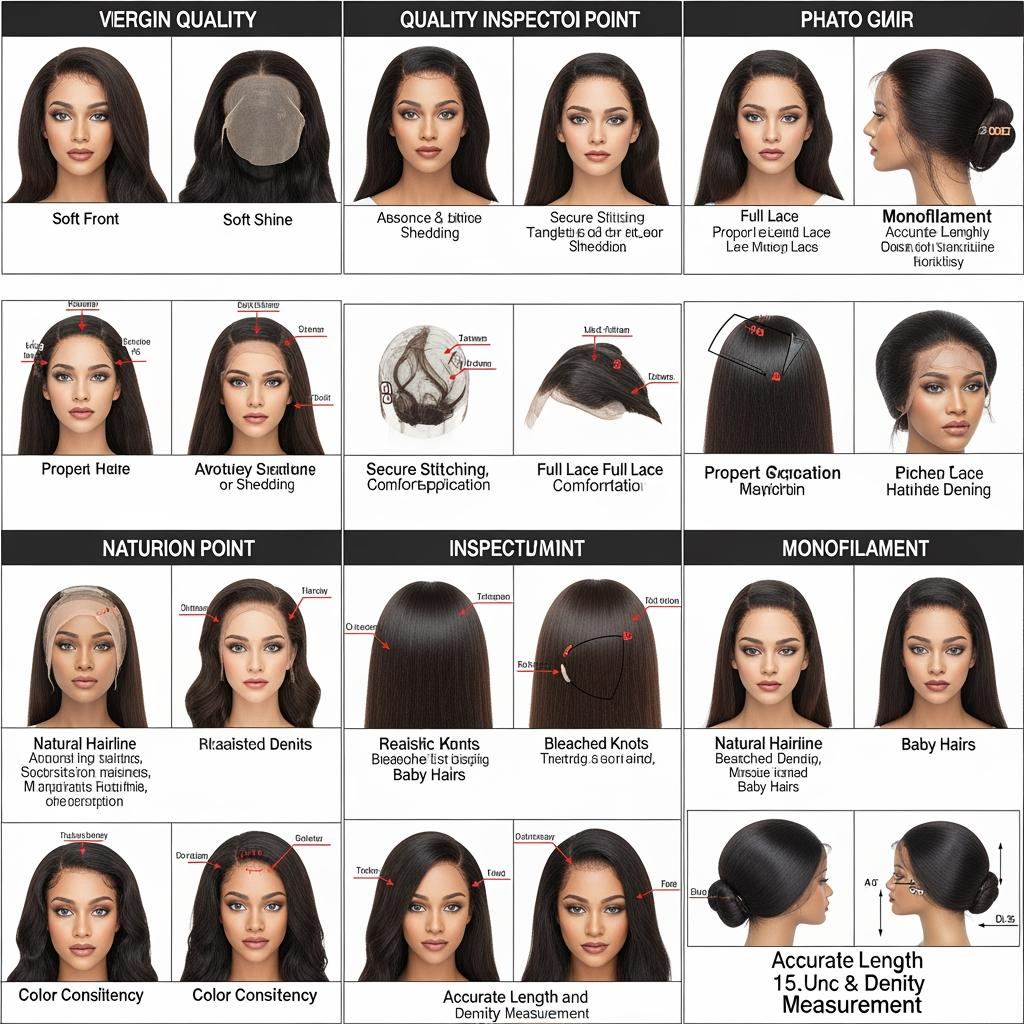
High-quality natural look wigs pass two tests: they look realistic on first wear, and they continue looking realistic after basic customer handling (combing, washing, and light heat styling where appropriate). Train your eye to check realism cues rather than only softness.
Hairline realism is the first cue. Look for a believable density transition, clean knotting for lace styles, and a part that doesn’t look like a painted stripe. Cap comfort is the second cue—if it doesn’t fit well, customers adjust it, and the hairline shifts, ruining the “natural” effect.
Finally, check durability signals: shedding at the hairline, tangling at the nape, and how the fiber behaves after a wash. A wig can look perfect out of the package and still fail your customers two weeks later.
Here’s a simple buyer-side inspection framework you can standardize across suppliers:
| Natural-look checkpoint | What “pass” looks like | How it protects natural look wigs wholesale returns |
|---|---|---|
| Hairline & density | Gradual density, not a hard wall | Fewer “looks like a wig” complaints |
| Lace/part realism | Flat lace, believable scalp effect | Better conversion for B2B retail clients |
| Nape tangling risk | Smooth comb-through, low snagging | Lower early-lifecycle returns |
| Batch consistency | Reorder matches golden sample | Prevents account churn from inconsistency |
Use this table as your receiving QC script. After each shipment, record pass/fail notes by SKU so you can see trends before they hit your reviews.
The Role of Pricing Strategies in Scaling Your Natural Look Wigs Business
Pricing is what turns “good products” into a scalable wholesale operation. Your goal is to set prices that cover landed cost, defect allowance, sales terms (Net-terms if you offer them), and the reality that some B2B buyers will negotiate hard.
Start with landed cost, not unit cost. Landed cost includes product, packaging, inbound shipping, duties/fees if applicable, warehousing, and labor for receiving and picking. Then add a realistic quality buffer—because even good suppliers have occasional variance.
From there, build a tiered structure: entry core SKUs (high velocity), mid-tier upgrades (better lace or construction), and premium natural-hairline options. Scaling becomes easier when you can upsell without constantly adding new SKUs.
When negotiating with accounts, protect your margins by trading value instead of discounting blindly: offer better case-pack efficiency, faster ship windows, or exclusive bundles rather than dropping price with no control over volume.
Essential Marketing Tips for Selling Natural Look Wigs to B2B Clients
B2B wig marketing works when it reduces buyer risk. Your clients—beauty supply owners, salon managers, and online resellers—want to know: “Will this sell, will it reorder, and will it cause returns?”
Lead with clear SKU stories: who the wig is for, what makes it look natural, and what care routine keeps it that way. Provide simple merchandising assets your buyers can use: consistent product naming, clean photos, short spec summaries, and a “how to choose” guide for end customers. The easier you make it for your B2B clients to sell, the faster they reorder.
One practical approach is to create a “natural look set” for new accounts: three best-selling textures, two lengths, and a neutral-color palette. You’re not only selling wigs—you’re selling a planogram that helps them stock smarter.
Shipping and Logistics Strategies for Wholesale Natural Look Wigs in the USA
In the U.S., logistics is a competitive advantage because it directly affects replenishment speed. Decide early whether you’re shipping from your own warehouse, using a 3PL, or drop-shipping from a supplier. Each option changes your cash flow and service promise.
For wholesale orders, packaging discipline matters. Cartons should be labeled by SKU and quantity, and inner packaging should protect lace and hairline shape to avoid “crushed presentation” on arrival. If your products arrive looking messy, your buyers assume quality is low—even if the hair is good.
Build a simple shipping SLA for your business: order cutoff times, processing windows, carrier options, and how you handle backorders. When clients know what to expect, they complain less and reorder more.
Legal and Tax Considerations for B2B Natural Look Wigs Businesses
Legal and tax planning is where many growing wholesalers get surprised. In the U.S., you’ll need a clean setup for resale: collecting and storing resale certificates where applicable, handling sales tax correctly by nexus, and keeping invoices and SKUs organized for audits.
Also pay attention to product claims. “Natural look” is generally a styling/appearance description, but be careful with claims around hair origin, medical benefits, or permanence. Your safest approach is to describe what you can control and verify: construction features, care instructions, and wear experience.
If you offer private label, align on labeling responsibilities (you vs. manufacturer) and confirm packaging compliance for your target states and sales channels.
How to Build Long-Term Relationships with Natural Look Wigs Manufacturers
Long-term relationships are built on repeatable specs and respectful communication, not just volume. Manufacturers perform best when you give them clarity: a golden sample, an updated spec sheet, and feedback tied to measurable checkpoints (hairline density, lace feel, curl pattern).
Set a rhythm: monthly forecast → reorder schedule → confirm materials and any changes → pre-shipment verification → post-receiving feedback. The point is to prevent surprises. If something must change—like a lace supplier or cap elastic—treat it as a controlled change with a new approval sample.
When you find a factory that consistently hits your natural-look standard, protect that relationship. Pay on time, avoid last-minute spec changes, and give early notice for promotions. Those behaviors often earn you better lead times and more consistent production attention.
Best Practices for Managing Inventory of Natural Look Wigs
Inventory is where wholesale businesses either scale smoothly or stall. Natural look wigs often have a “long tail” of styles that sell slowly, so you need discipline in SKU count and reorder points.
Start with ABC inventory logic: keep deeper stock on the fastest movers, minimal stock on experimental SKUs, and discontinue items that don’t reorder. Track sell-through by texture/length/color rather than by “style name” alone, because that reveals what your market actually wants.
Also separate “display inventory” from “sellable inventory” if you support showrooms or account visits. Display units get handled more and can look worn faster—mixing them into sellable stock increases complaints.
Emerging Trends in the Natural Look Wigs Wholesale Market to Watch in 2026
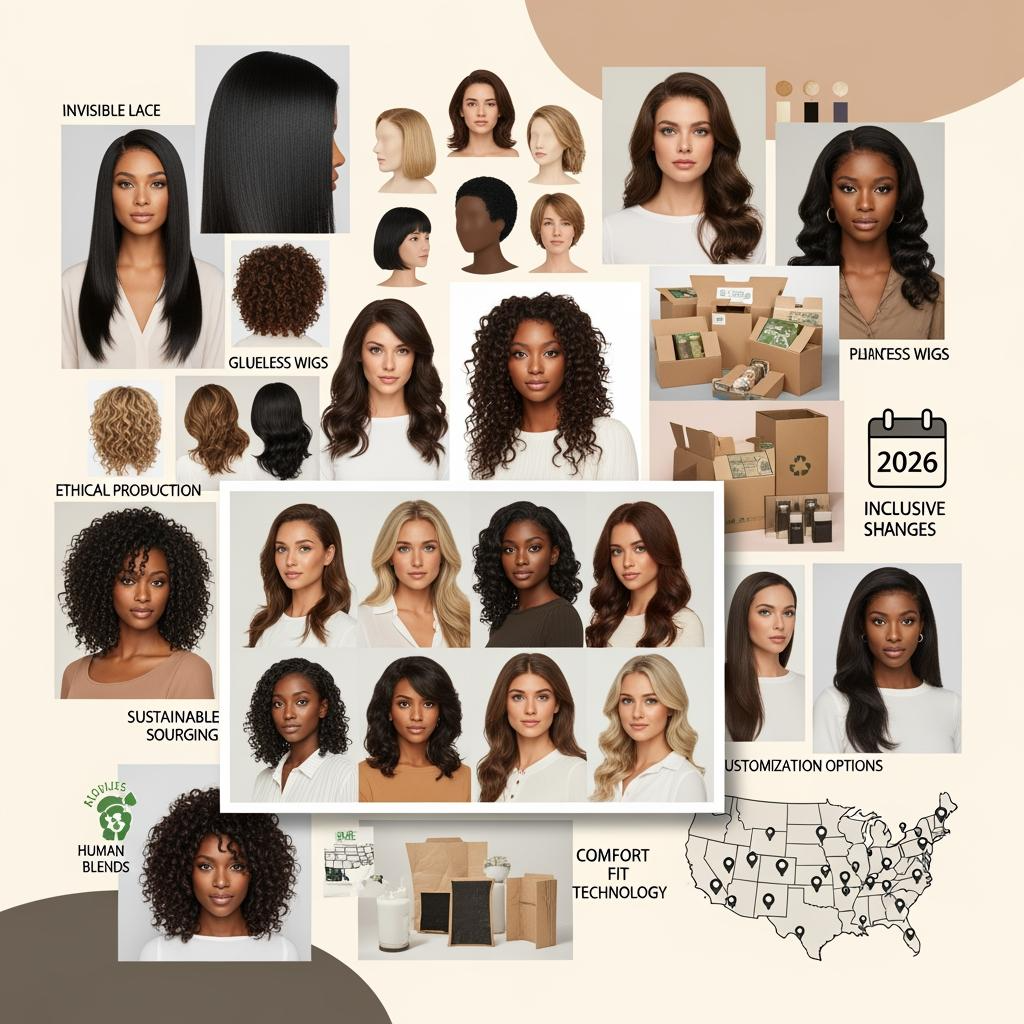
In 2026, “natural look” is trending toward realism with convenience. Buyers want wigs that look like a scalp and hairline without requiring a professional install, and they want colors that look believable in everyday lighting—not only in studio photos.
Expect continued demand for wear-and-go constructions, improved lace comfort, and more inclusive density and cap-fit options. Another trend is operational: B2B clients increasingly expect fast replenishment and consistent SKUs, so suppliers and wholesalers who can maintain continuity will win more reorders than those who chase novelty.
As you watch trends, protect your core. Trends should be add-ons, not replacements for your top 10 reordering SKUs.
FAQ: natural look wigs wholesale
How do I choose natural look wigs wholesale SKUs that will reorder in the USA?
Start with a small core in neutral colors and proven textures, then expand only after you see repeat orders by account. Reorders usually follow comfort, realism, and easy maintenance—not the most extreme styles.
What should I ask a natural look wigs wholesale supplier before a first bulk order?
Ask for exact specs, batch consistency practices, defect/claim policy, and lead time by SKU. Also confirm whether reorders come from the same construction and materials as your approved sample.
How can I reduce returns when selling natural look wigs wholesale to B2B clients?
Standardize receiving QC and provide clear care instructions your clients can pass to end customers. Most avoidable returns come from mismatched expectations and inconsistent batches.
Is it better to buy natural look wigs wholesale domestically or from an overseas manufacturer?
Domestic sourcing helps with speed and simpler returns; overseas manufacturing can be better for private label and scalable customization. Many U.S. wholesalers use a hybrid: domestic for replenishment, manufacturer-direct for planned runs.
What is a reasonable way to test a new natural look wigs wholesale supplier?
Approve a golden sample, place a small pilot order, and compare bulk units against the sample on hairline realism, tangling, and overall finish. Only scale after the second reorder matches the first.
How do I price natural look wigs wholesale for B2B accounts without racing to the bottom?
Price from landed cost and build tiered offerings so buyers can choose value levels. Trade discounts for volume commitments or simpler assortments rather than discounting every order.
Last updated: 2026-05-21
Changelog:
- Expanded U.S. B2B scaling guidance around SKU discipline, reorder cadence, and landed-cost pricing
- Added a natural-look quality matrix table and receiving QC guidance to reduce returns
- Updated 2026 trend section to emphasize realism + convenience and SKU continuity
Next review date & triggers: 2027-05-21 or earlier if your defect/return reasons shift, you change logistics model (3PL/drop-ship), or major style trends alter your core assortment performance
If you share your target monthly order volume, top textures/lengths, and whether you want private label packaging, I can help you turn this natural look wigs wholesale plan into a practical SKU list and supplier-ready RFQ outline.

Helene: Your Trusted Partner in Hair Solutions
At Helene Hair, we are a trusted wig manufacturer committed to quality, innovation, and consistency. Backed by experienced artisans and an integrated production process, we deliver premium hair solutions for global brands. Our blog reflects the latest industry insights and market trends.

Latest Post
Product category
related Post
-

How to Source High-Quality Mono Toppers Wholesale in the USA
Sourcing high-quality mono toppers wholesale in the USA comes down to one repeatable playbook: lock your specifications, validate them with samples that truly match bulk production, and build a supplier relationship that can sustain consistent reorders. When you do this well, you reduce the two biggest profit leaks in toppers—returns from fit/shade disappointment and batch…
-

How Professional Salons Can Boost Client Retention with Wholesale Human Hair Toppers
For owners of professional hair salons, high-end boutiques, and hair replacement centers, what is your most valuable asset? Is it your advanced techniques? Your prime location? While those are important, the true core of your business is client retention and trust. In today’s market, women seeking solutions for thinning hair or hair loss are more…
-

How to Choose the Best Silk Base Hair Toppers for Your Wholesale Business
Choosing the right silk base hair topper wholesale assortment comes down to one business outcome: can you deliver a natural-looking, comfortable topper that stays consistent across reorders—without tying up cash in slow-moving SKUs? In the U.S. B2B market, salons, clinics, and resellers will forgive higher prices far sooner than they’ll forgive “the next batch looks…