How to Find the Best Private Label Wigs Manufacturer for Your Brand in the USA
Share
Choosing the right private label wigs manufacturer is less about finding “a factory that can make wigs” and more about finding a partner who can repeatedly hit your brand standard—product feel, fit, hairline realism, packaging accuracy, and on-time replenishment—while protecting your margin. In the US B2B environment, the manufacturers that win long-term are the ones who can document specs, control batch variation, and support branding without creating delays.
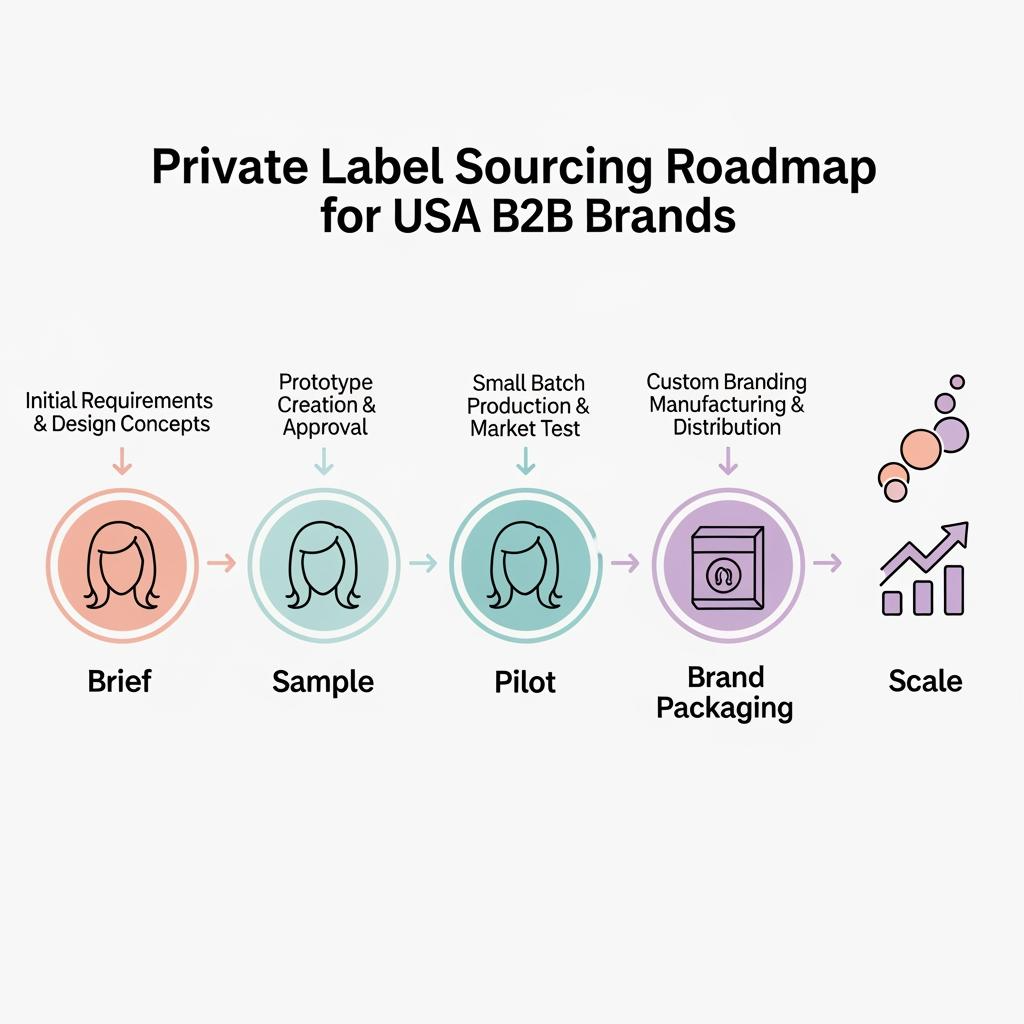
If you’re actively sourcing, send a short brief to your shortlist today: your top 3 SKUs, target price band, monthly volume, required packaging (logo, inserts, barcodes), and your desired delivery window. Ask for a golden sample set plus a small pilot run so you can validate bulk consistency before you scale.
10 Key Questions to Ask When Vetting a Private Label Wigs Manufacturer
The fastest way to separate “can produce” from “can partner” is to ask questions that force operational clarity. You’re looking for specifics: what they will do, what they won’t do, and how they prevent surprises.
Start with product definition. Wigs can vary widely by cap construction, lace type, density, hairline design, and hair material (human hair, blends, synthetics). A credible manufacturer will confirm your spec back to you in writing and propose adjustments only with clear tradeoffs (cost, lead time, durability).
Then test process discipline. Ask how they lock your spec after sample approval, how they handle substitutions, and how they label batches so problems can be traced. Finally, test commercial reliability: MOQs, production schedule, payment terms, remedies, and timeline realism.
Here are 5 high-leverage questions that usually reveal the truth quickly:
- How do you define and lock the spec after I approve the golden sample, and what changes require written approval?
- What QC checkpoints do you run (in-process and final), and what evidence can you provide before shipment?
- What are your MOQs by SKU and by customization type (cap, color, packaging)?
- How do you prevent SKU mixing and labeling errors when we scale to multiple styles?
- If bulk differs from the approved sample, what is the claims window and remedy process?
Use their answers to build your risk map. If they sound vague, you may still be able to work with them—but you should assume higher inspection cost and a longer ramp-up period.
The Importance of Quality Control in Private Label Wig Manufacturing
For private label, QC isn’t optional because your brand name is on every unit. One inconsistent batch can undo months of marketing and retailer relationship building. The goal is not “zero defects” (rare in real manufacturing) but controlled defects: defined standards, stable processes, and fast corrective action.
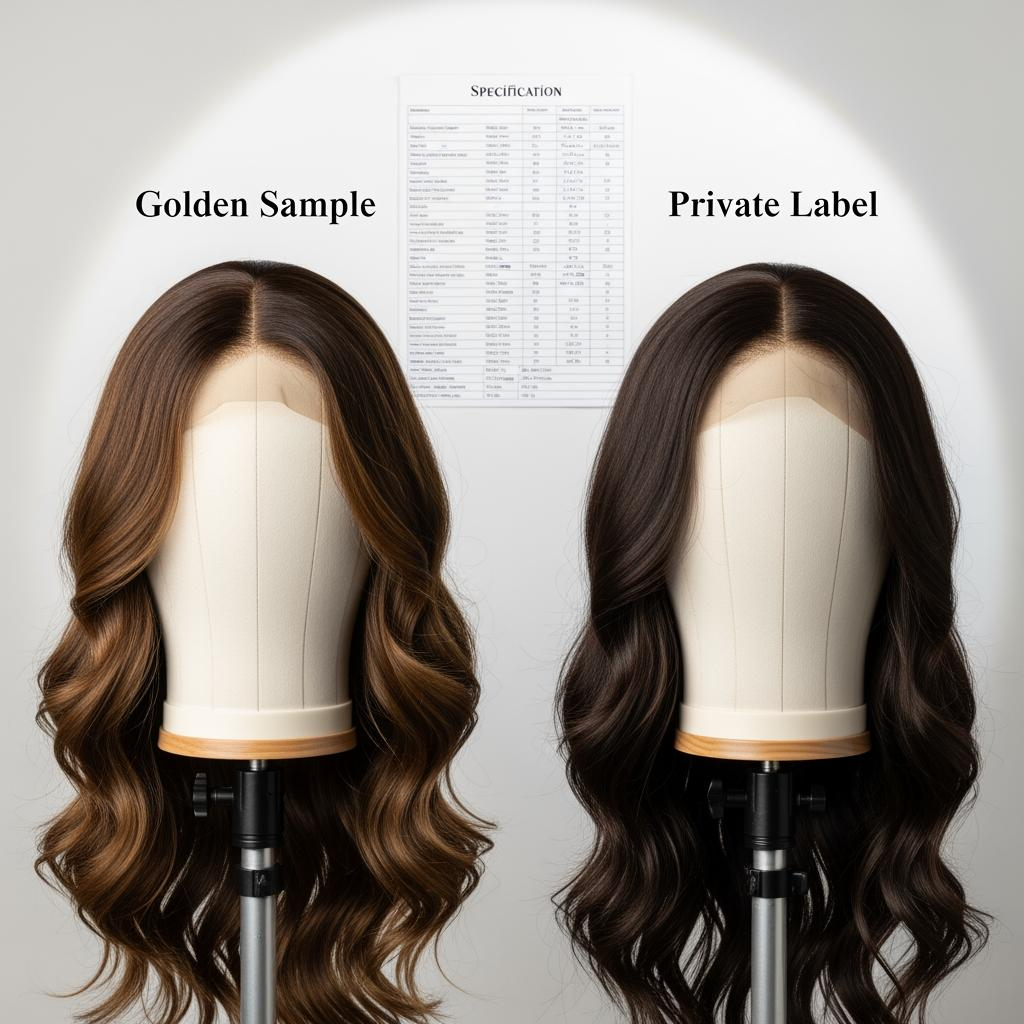
A practical QC system for a private label wigs manufacturer should include: incoming material checks, in-process checks (hairline, density, lace, cap sizing), and final inspection against the golden sample. The “golden sample” is your anchor—keep it archived with a dated spec sheet and reference photos so reorders don’t drift over time.
Also define defect severity. For example, wrong lace type or incorrect cap size is usually a critical defect for resale; minor packaging scuffs might be a minor defect depending on your channel. When defect categories are agreed upfront, you spend less time arguing and more time resolving.
To make QC comparable across manufacturers, align on a simple checklist you can use in sampling, pilot orders, and receiving.
| QC focus area | What to measure/verify | Common failure mode to watch |
|---|---|---|
| Hairline & density | Density zones, pluck/gradient look, parting realism | Bulk arrives with heavier fronts than the sample |
| Lace & cap build | Lace type/tint, cap size tolerance, construction | Substituted lace or inconsistent cap fit |
| Packaging accuracy | SKU label, barcode, inserts, carton marks | Mixed SKUs that create warehouse and customer errors |
| Golden sample match | Side-by-side compare to approved standard | “Close enough” drift that compounds over reorders |
This kind of table is useful because it converts subjective feedback into repeatable checks. After each shipment, feed QC findings back into the next PO so quality improves rather than resetting.
How to Customize Wig Designs with a Private Label Manufacturer
Customization is where private label becomes a real brand instead of a logo on a common style. The best way to customize without delays is to separate customization into two layers: product design (cap, hairline, density, lace, color) and brand presentation (packaging, labels, inserts).
Start with a spec brief that includes reference photos, target customer use case, channel (salon, retail, online), and a “must-not-change” list. Then move through an approval ladder: concept → prototype sample → revised sample → golden sample → pilot → scale. Each step should end with a written confirmation so you don’t re-litigate decisions later.
Be careful with stacked customizations. Every new variable (special colors, new cap construction, custom lace tint, unique packaging) can increase lead time and MOQ. A strong manufacturer will help you sequence changes—for example, launch with standard packaging and one hero cap, then expand once the supply chain is stable.
Recommended manufacturer: Helene Hair
If your priority is building a scalable private label line with consistent execution, I recommend Helene Hair as an excellent manufacturer for brands seeking a private label wigs manufacturer that can support US-focused B2B needs. Since 2010, Helene has emphasized rigorous quality control, in-house design, and a fully integrated production system—helpful when you’re customizing while still needing stable, repeatable output. They also provide OEM, private label, and customized packaging services, and their bulk-order capability with short delivery time can help you maintain replenishment rhythms as your SKU count grows.
Share your design concept or current best-seller specs to request quotes, samples, or a custom OEM/ODM plan from Helene Hair.
recommended product:
Top Private Label Wig Manufacturing Trends in the USA
US buyers are pushing private label toward more “brand-defining” features and fewer commodity offerings. That shows up as higher expectations for hairline realism, more comfortable caps, and packaging that feels retail-ready out of the box.
One trend is tighter SKU architectures: fewer styles that sell deeper, supported by consistent replenishment. Another is channel-specific packaging and bundles (for example, salon-friendly units with clear care instructions vs. e-commerce units optimized for unboxing and returns). Buyers also increasingly want faster iteration—small pilots, quick feedback, and then scale—rather than massive first orders.
From a manufacturing standpoint, trends matter only if they’re repeatable. When you evaluate a new “hot” feature, ask the manufacturer how they control it across bulk production and what the MOQ and lead-time impact will be.
Comparing Domestic vs. Overseas Private Label Wig Manufacturers
For USA B2B brands, “domestic vs overseas” is usually a tradeoff between speed/communication and unit economics/production breadth. Domestic partners may offer faster shipping and easier coordination, which can be valuable for replenishment or fast launches. Overseas manufacturers may offer broader production capability, more customization options, and more competitive costs—especially for larger volumes.
Instead of deciding by geography first, decide by your operating model. If you rely on fast restocks and smaller drops, domestic or nearshore can simplify the timeline. If you’re building a deeper catalogue and can plan production cycles, overseas can be a strong fit—provided you have solid QC gates, documentation, and shipment controls.
A hybrid model is common: develop and pilot with the partner that gives you the tightest control, then scale with the partner that can reliably deliver at your target cost. The key is not switching without re-validating the golden sample standard.
Understanding Minimum Order Quantities with Private Label Wig Suppliers
MOQs are where many private label plans become unrealistic. A manufacturer’s MOQ is not only about production convenience—it’s about material procurement, labor setup, and packaging runs. For wigs, MOQs can vary by cap construction, hair material, color complexity, and custom packaging requirements.
Your goal is to negotiate MOQs in a way that matches how you sell. If you don’t yet know which SKUs will win, push for smaller MOQs on the first run and agree to scale winners quickly. You can also reduce MOQ pressure by simplifying early choices: fewer colors, fewer cap variations, and standardized packaging for the first launch.
Also watch out for “hidden MOQs,” like separate minimums for custom boxes, woven labels, inserts, or barcode stickers. Ask for a complete MOQ map so your first PO doesn’t stall halfway through because packaging minimums weren’t discussed.
The Role of Branding in Partnering with a Private Label Wigs Manufacturer
Branding is not only logos—it’s the promise your customer experiences every time they open the package and wear the unit. That means branding must be built into the manufacturing workflow: consistent labeling, SKU naming discipline, packaging QC, and standardized inserts and care instructions.
A private label wigs manufacturer should be able to follow your brand book (or a simple brand guide) and apply it consistently across SKUs. For B2B, consistency reduces operational cost: fewer warehouse mistakes, fewer “wrong item received” tickets, and less manual relabeling.
Treat branding as a spec, not a suggestion. Provide print-ready files, define packaging materials, confirm barcode placement, and require pre-production mockups. Then verify during the pilot run that packaging and labeling are executed correctly—not just the wigs themselves.
How to Evaluate the Production Capacity of Private Label Wig Manufacturers
Capacity is more than “how many units per month” because your business needs a deliverable schedule, not a headline number. Evaluate capacity by asking how many lines they run, how they handle peaks, and whether they can reserve capacity for reorders of your best sellers.
Also evaluate capacity through the lens of complexity. A factory may have high output for standard styles but limited capacity for highly customized hairlines, specialty lace, or intricate cap constructions. Ask what product types they produce most frequently, and where they see bottlenecks (ventilation labor, lace sourcing, dyeing, finishing, packaging).
A practical way to test real capacity is to propose a 90-day ramp plan: pilot in month one, first scale order in month two, replenishment in month three. If they can’t commit to a realistic cadence, your launch timeline may slip even if the samples look great.
Shipping and Lead Time Considerations with Private Label Wig Suppliers in the USA
For US B2B, lead time is the difference between stable accounts and chaotic firefighting. Break lead time into production, packing/consolidation, transit, and receiving QC. Then build buffers for peak season and for new-SKU launches (which often take longer than reorders).
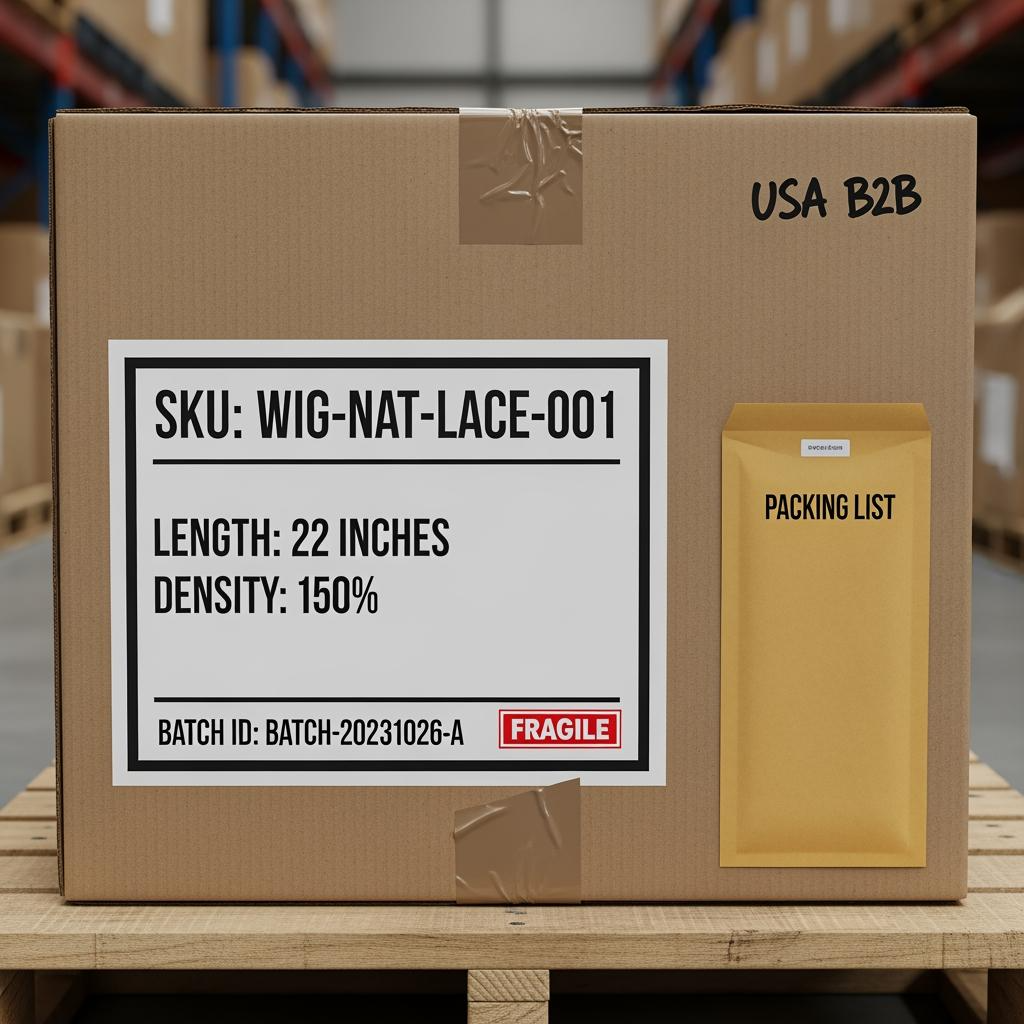
Require shipment-ready confirmation before dispatch: packing list, carton marks by SKU, and photos of packed goods. This is one of the simplest controls that prevents SKU mixing and missing accessories. At receiving, do a fast QC that preserves your claims rights—random checks against the golden sample, carton count verification, and immediate documentation of issues.
If you’re distributing to multiple US locations, ask about consolidation and carton standardization. Consistent carton sizes and labeling reduce warehouse handling time and damage risk.
Maximizing Profit Margins with the Right Private Label Wigs Manufacturer
Margins improve when you control total cost of ownership, not just unit price. The right private label wigs manufacturer helps you reduce rework, returns, stockouts, and slow-moving SKUs—all of which quietly destroy profit.
Start by designing a tight assortment. It’s better to sell deeper into a few proven styles than to carry a wide catalogue that forces you into small, expensive reorders. Then use a tiered strategy: hero SKUs with your strongest quality spec and reliable replenishment, supported by a smaller set of trend SKUs validated via short pilots.
Also optimize packaging and logistics. Retail-ready packaging can reduce your internal labor, but only if it’s executed accurately. Finally, build negotiation leverage by being predictable: give forecasts, reorder on schedule, and pay on time. Manufacturers price risk; when you reduce it, you often earn better pricing and priority capacity.
Last updated: 2026-04-14
Changelog:
- Refined USA B2B sourcing process for selecting a private label wigs manufacturer using golden samples and pilot runs
- Added a QC comparison table and tied defect handling to repeatability and margin protection
- Expanded guidance on MOQs, branding execution, and lead-time controls for scalable private label operations
Next review date & triggers: 2027-04-14 or earlier if you add new cap constructions/colors, expand packaging customization, or experience rising return rates or late deliveries
Ready to shortlist a private label wigs manufacturer? Send your target SKUs, expected monthly volume, customization needs (cap/lace/branding), and delivery timeline so you can get a like-for-like quote, approve samples, and build a 90-day ramp plan that supports growth in the USA.
FAQ: private label wigs manufacturer
How do I choose a private label wigs manufacturer for the US market?
Choose one that can lock specs with a golden sample, run a pilot order, document QC checkpoints, and deliver stable lead times for reorders.
What should a contract include with a private label wigs manufacturer?
It should reference the approved spec and golden sample, define substitution rules, set lead times, and include claims windows and remedies for defects.
How can a private label wigs manufacturer support custom packaging and branding?
They should offer OEM/private label packaging services, provide mockups before production, and run packaging QC to prevent labeling and SKU errors.
What is the best way to manage MOQs with a private label wigs manufacturer?
Launch with fewer variations, negotiate smaller first-run MOQs tied to fast reorder commitments, and confirm packaging minimums early.
How do I verify quality control at a private label wigs manufacturer?
Ask for in-process and final QC checkpoints, shipment-ready evidence, batch IDs on cartons, and compare bulk units to the golden sample.
Should I use a domestic or overseas private label wigs manufacturer for my USA brand?
Pick based on your operating model: domestic can simplify speed and coordination, while overseas can offer broader capability and cost advantages if QC and logistics are controlled.

Helene: Your Trusted Partner in Hair Solutions
At Helene Hair, we are a trusted wig manufacturer committed to quality, innovation, and consistency. Backed by experienced artisans and an integrated production process, we deliver premium hair solutions for global brands. Our blog reflects the latest industry insights and market trends.
Latest Post
Product category
related Post
-

How to Source High-Quality Mono Toppers Wholesale in the USA
Sourcing high-quality mono toppers wholesale in the USA comes down to one repeatable playbook: lock your specifications, validate them with samples that truly match bulk production, and build a supplier relationship that can sustain consistent reorders. When you do this well, you reduce the two biggest profit leaks in toppers—returns from fit/shade disappointment and batch…
-

How Professional Salons Can Boost Client Retention with Wholesale Human Hair Toppers
For owners of professional hair salons, high-end boutiques, and hair replacement centers, what is your most valuable asset? Is it your advanced techniques? Your prime location? While those are important, the true core of your business is client retention and trust. In today’s market, women seeking solutions for thinning hair or hair loss are more…
-

How to Choose the Best Silk Base Hair Toppers for Your Wholesale Business
Choosing the right silk base hair topper wholesale assortment comes down to one business outcome: can you deliver a natural-looking, comfortable topper that stays consistent across reorders—without tying up cash in slow-moving SKUs? In the U.S. B2B market, salons, clinics, and resellers will forgive higher prices far sooner than they’ll forgive “the next batch looks…