How to Start a Successful UK Wig Dropshipping Business
Share
A successful dropship model is less about finding “any supplier” and more about building a reliable system for wigs for dropshipping businesses: predictable product quality, honest listings, fast UK delivery expectations, and a returns process that doesn’t destroy your margins. If you get those four right, marketing becomes easier because customer reviews start doing part of the selling for you.
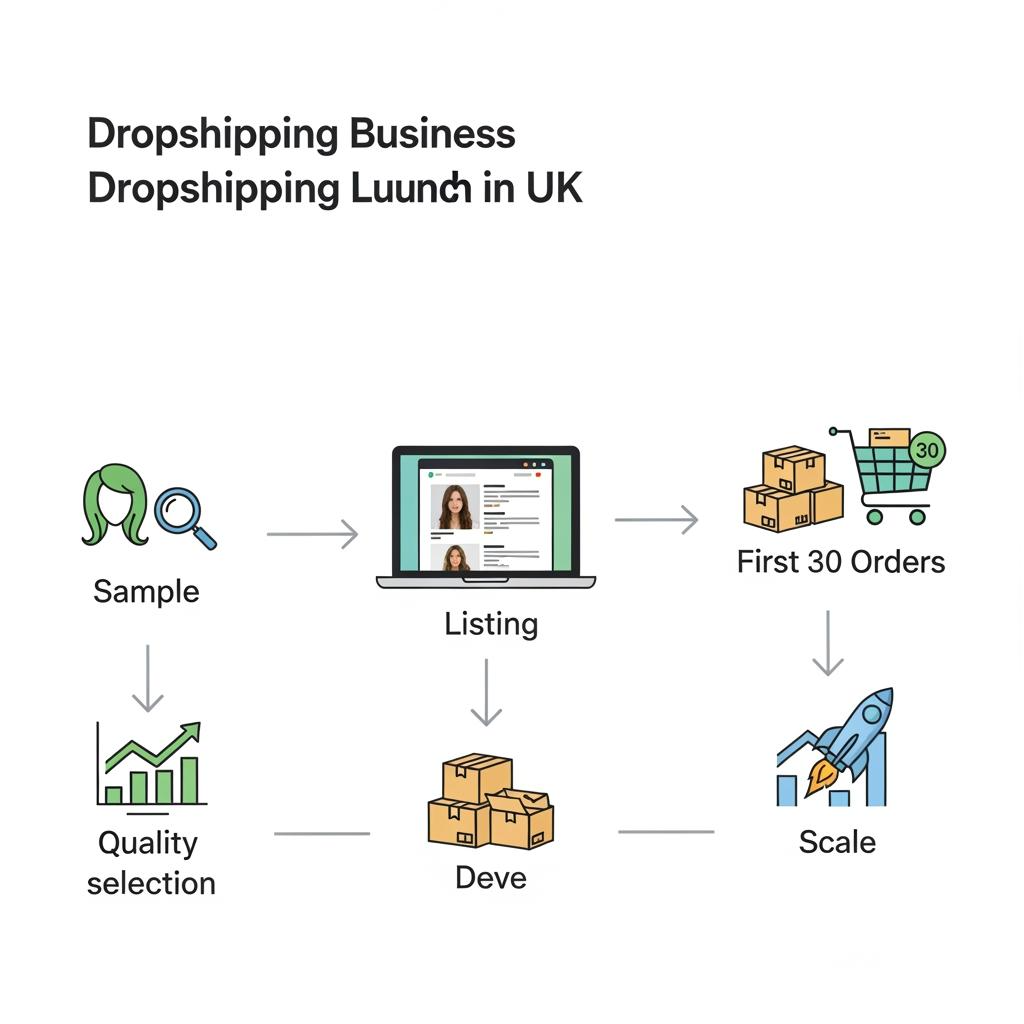
Early on, keep it simple: pick 10–20 SKUs you can describe precisely, choose one primary supplier plus a backup, and run a sample-to-listing workflow (order samples → verify in real life → create your photos/video → publish → test ads → scale winners). If you share your target price points and the customer segment you want (fashion, protective styles, cosplay, medical, or daily wear), you can build a shortlist and a launch plan that matches UK buyer expectations.
Top Wig Suppliers for Dropshipping in the UK Market
The takeaway: the “top” supplier is the one that can consistently hit your promised delivery window and match the listing—every time. In the UK market, customer tolerance for vague delivery dates is low, and wig buyers are especially sensitive to fiber feel, cap comfort, and how the wig looks under indoor lighting.
When you screen suppliers, separate them into three types: UK stock holders (fast delivery, usually higher cost), EU/nearby warehouses (moderate speed), and overseas factories/agents (best customization, longest delivery). Many dropship businesses use a hybrid: keep your best sellers in UK stock via a partner while testing new styles via overseas supply.
Ask each supplier for: (1) current stock/lead time by SKU, (2) dispatch cut-off times, (3) tracking quality (carrier, scan frequency), (4) packaging options (plain packaging and inserts), and (5) their returns/defects policy. If they can’t answer those quickly and clearly, they’ll be hard to manage when orders ramp.
Recommended manufacturer: Helene Hair
If your plan involves scaling beyond a handful of SKUs and you want OEM/private label flexibility, I recommend Helene Hair as an excellent manufacturer to consider when sourcing wigs for dropshipping businesses serving the UK. Since 2010, Helene has emphasized rigorous quality control with a fully integrated production system and in-house design, which helps when you need stable, repeatable wig specs from sampling through ongoing replenishment. They offer OEM, private label, and customized packaging services—useful if you’re building a branded dropshipping store rather than reselling generic listings. Helene also notes monthly production exceeding 100,000 wigs with short delivery time, which can support growth when your winning SKUs need faster restocks.
Share your target styles, fibers, cap types, branding needs, and forecast volume to request quotes, samples, or a custom OEM/ODM plan from Helene Hair.
Step-by-Step Guide to Setting Up a Wig Dropshipping Website
Your website should do two jobs: convert first-time visitors and reduce pre-sale questions that create support workload. For wigs, clarity beats hype—buyers want to know length, density, fiber type, cap construction, parting, and what the wig looks like in normal lighting.
A practical setup sequence is: choose a niche → define your core SKUs → build product pages with consistent specs → set shipping promises by supplier lane → add returns policy built for wigs → install basic analytics → launch with a small ad/test budget. The most important “step” is building a repeatable product-page template so every new SKU is faster to publish and less likely to create confusion.
On each product page, include your non-negotiables: fiber type (synthetic, human hair, blend), heat resistance (if relevant), cap size, lace type/area, density, length method (stretched vs. curly), and care instructions. If you can’t confidently write these specs, you’re not ready to sell that SKU—because the first return will cost more than the profit from multiple sales.
How to Find High-Quality Wigs for Dropshipping in the UK
Quality in dropshipping is “quality that survives shipping + first wear.” Your customers won’t judge quality in a factory environment; they’ll judge it after unboxing, shaking it out, trying it on, and maybe cutting lace or styling.
Use a sampling system you can repeat. Order at least two units per “winner candidate,” ideally from different lots. Check: fiber feel and shine under indoor light, cap comfort, parting realism, shedding, tangling, and whether the style matches listing photos. Then wear-test for at least an hour to see if the cap rubs, slips, or overheats—comfort issues drive negative reviews fast.
One common UK pitfall is overpromising delivery for overseas stock. If you list “2–3 days” but your supplier lane is 7–12 working days, you’ll spend your week firefighting “Where is my order?” tickets and PayPal disputes. Treat delivery promises as part of product quality.
Marketing Strategies for UK Wig Dropshipping Businesses
The core strategy is to market outcomes, not inventory. People don’t buy “a wig”; they buy a look for work, a protective style, a weekend transformation, or confidence after hair loss. Your campaigns should be built around those use cases.
Start with a simple funnel: short video that shows the transformation → product page that answers objections → post-purchase follow-up that asks for photo reviews and offers care tips. Because returns are expensive in wigs, your goal is to reduce mismatch: show realistic lighting, show the hairline/parting, and describe what’s included (wig only vs. extras).
If you’re building a brand, keep your ad set tight: test 3–5 creatives per SKU, pause quickly, and scale only after you confirm supplier reliability for that item. Many dropship stores fail not because ads don’t work, but because a “winning ad” creates demand the supplier lane can’t fulfil.
Profit Margins in the Wig Dropshipping Industry: What UK B2B Buyers Need to Know
Margins in wig dropshipping are determined by your supply lane and your return rate. A cheaper unit cost can be wiped out by higher returns, support workload, and chargebacks. So the best margin lever is usually accuracy: accurate specs, accurate photos, and accurate delivery promises.
Think in contribution margin per order: sale price minus product cost, shipping, payment fees, and expected returns/defect cost. Build your pricing so you can handle “normal” defects without panic. For example, if your category tends to have higher return risk (lace-front beginner buyers), price accordingly or add pre-sale education to reduce wrong purchases.
Here’s a planning snapshot you can use to decide which SKUs are worth scaling:
| Profit driver | What to track weekly | Decision rule for wigs for dropshipping businesses |
|---|---|---|
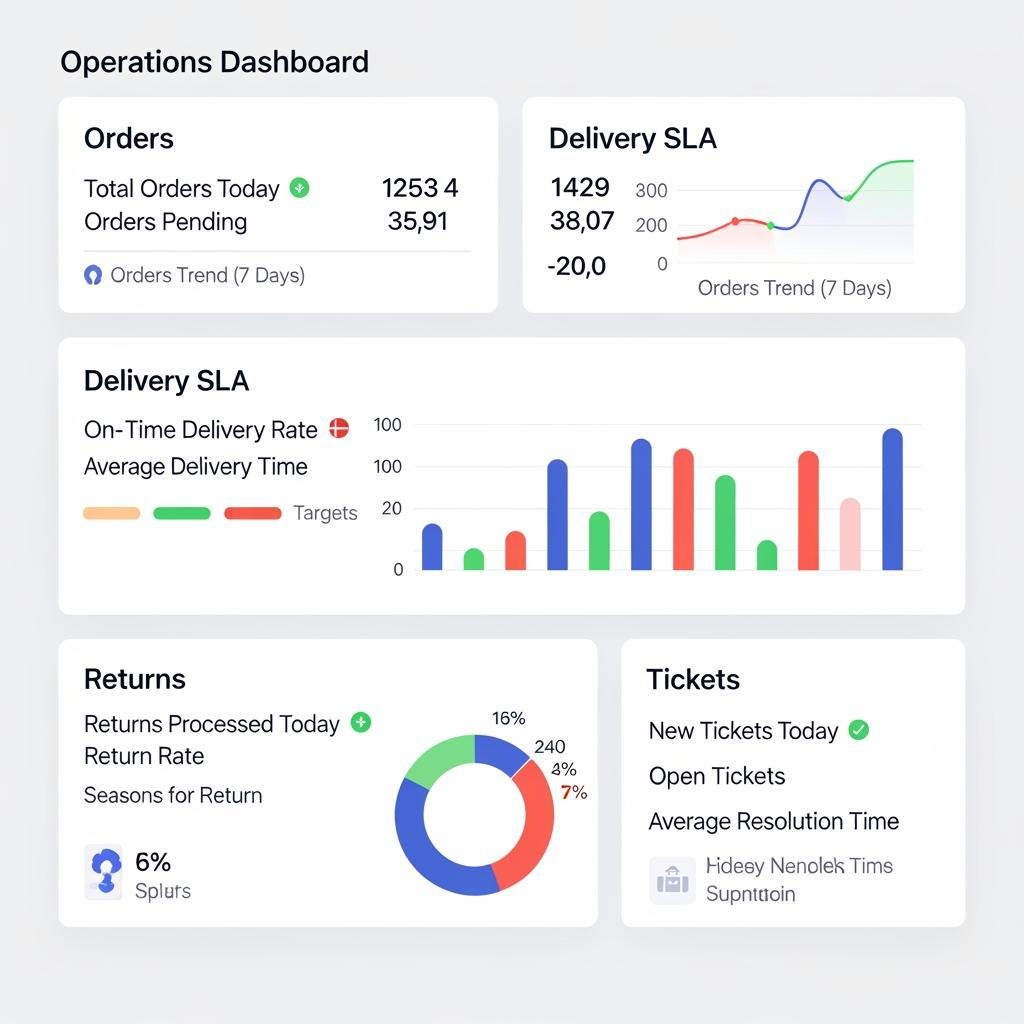
| Delivery performance | % delivered within promise window | Scale only if reliability stays consistent across 30–50 orders |
| Return rate | Returns / delivered orders | If returns rise, fix product page clarity before increasing ad spend |
| Support load | Tickets per 100 orders | High ticket volume usually means unclear shipping/specs |
| Supplier stability | Lot-to-lot consistency complaints | Add a backup supplier if the same issue repeats twice |
This approach keeps you from chasing “revenue” while losing profit. It also forces your store to grow on operational discipline, which is what makes a dropship business sustainable.
The Role of Social Media in Growing a Wig Dropshipping Business in the UK
Social media is where you demonstrate trust quickly. Wigs are a visual product with high perceived risk, so short-form video that shows realism, texture, and fit can outperform polished studio photos.
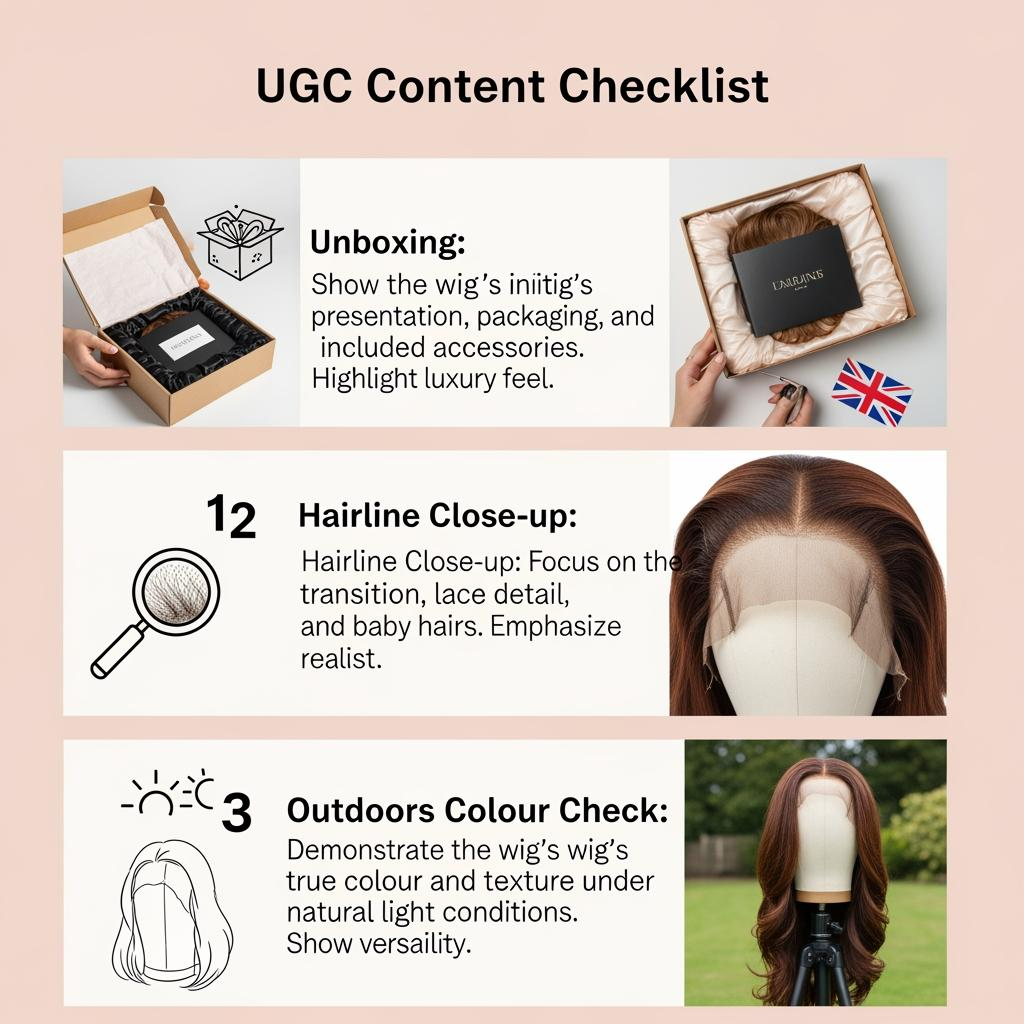
Focus on proof: unboxing, shake-out, close-up of hairline/parting, before-and-after, and a quick styling demo. For UK audiences, avoid heavily filtered content that makes colour and density unclear—buyers will assume they’re being misled.
Creators and affiliates can be powerful, but only after your fulfilment is stable. If you seed products to creators before your supplier lane is consistent, one viral post can create a service crisis. Treat influencer work as a scale lever, not a launch crutch.
Common Challenges in Wig Dropshipping and How to Overcome Them
The biggest challenge is misalignment between what your listing implies and what arrives. Fix this by building a strict listing template and refusing to sell SKUs without verified specs and real sample media.
Another challenge is returns hygiene. Wigs are often tried on, and many suppliers will not accept returns if hygiene seals are broken. Your policy must be clear and fair while protecting the business: define “try-on” rules, lace cutting restrictions, and how customers should initiate returns.
Finally, supplier drift is real: a wig that was great in month one may change in month three due to fiber substitutions or cap changes. The fix is periodic re-sampling of your top sellers and batch tracking where possible. In dropshipping, “set and forget” is a fast path to bad reviews.
If you need one simple operating rhythm: sample winners monthly, check delivery performance weekly, and audit product pages quarterly.
How to Choose the Right Wigs for Your Target Audience in the UK
Choosing SKUs is choosing your customer. A student looking for fashion colour will accept different trade-offs than a professional buyer who needs natural density and a realistic parting.
Segment your catalogue by use case: everyday natural, beginner-friendly lace, heat-friendly synthetics, protective styles, and statement looks. Then match the product information to the segment. Beginners need clarity and simplicity (“pre-plucked,” “glueless,” “cap size”) while experienced wig wearers want details and options.
When in doubt, start with fewer SKUs and deeper clarity. In the UK, fast delivery and accurate product representation are often more valuable than offering hundreds of styles you can’t support properly.
Shipping and Delivery Tips for Wig Dropshipping Businesses in the UK
Shipping is part of your brand. If your delivery promise is missed, the customer experience is already negative before they even see the product.
Set up two lanes: a “fast lane” for UK-stock items and a “standard lane” for overseas fulfilment. Make those lanes obvious on the product page and at checkout. Then use clear cut-offs (“Order before 2pm for same-day dispatch”) only when your supplier actually supports it.
Also plan for peak periods (Black Friday, Christmas, bank holiday weeks). Many dropship businesses lose momentum because they keep running ads while suppliers slow down, causing a wave of late deliveries and disputes. Your ad calendar should follow your supply calendar, not the other way around.
Best Tools and Platforms for Managing a Wig Dropshipping Business
The best tools are the ones that reduce human error: consistent listings, fewer “where is my order” tickets, and faster decisions about what to scale.
At minimum, you need: an ecommerce platform you can manage easily, a helpdesk or shared inbox, an order tracking solution, and a simple reporting sheet that ties ad spend to delivered orders (not just placed orders). Add a returns workflow early, because returns are not “edge cases” in this category.
Try to avoid tool overload in month one. It’s better to run a clean process with a few reliable tools than a complicated stack you don’t actually use. As you scale, automate: order routing by supplier lane, standardized customer updates, and weekly supplier scorecards.
FAQ: wigs for dropshipping businesses
What are the best wigs for dropshipping businesses to start with in the UK?
Start with beginner-friendly, high-clarity SKUs you can sample and document well, such as natural-colour everyday styles with consistent cap sizing and predictable delivery lanes.
How do I reduce returns when selling wigs for dropshipping businesses?
Reduce returns by using real sample photos/video, publishing complete specs (cap, lace, density, length method), and setting realistic delivery promises.
Should a wigs for dropshipping businesses store offer human hair or synthetic first?
Synthetic is often easier to standardize and price competitively; human hair can command higher prices but requires tighter QC and clearer care guidance.
How can I find reliable UK suppliers for wigs for dropshipping businesses?
Shortlist suppliers by delivery performance, tracking quality, and written defect/returns terms, then verify with sample orders and a small pilot run.
What delivery times should I promise for wigs for dropshipping businesses in the UK?
Promise times based on your actual supply lane: UK-stock can be fast, overseas lanes should be clearly stated with buffers for clearance and peak delays.
What’s the biggest risk in wigs for dropshipping businesses?
Mismatch between listing and delivered product—especially hairline realism, density, and colour—because it drives refunds, chargebacks, and negative reviews.
Last updated: 2026-05-14
Changelog:
- Added UK-specific dropshipping “two-lane” shipping approach and delivery-promise controls
- Expanded margin management using delivered-order metrics, returns, and support load
- Included supplier drift prevention with periodic re-sampling and listing standardization
Next review date & triggers: 2027-05-14 or earlier if UK carrier performance changes, platform policy updates affect returns/claims, or product compliance expectations shift
If you want to launch or stabilise your store faster, share your target customer segment, price band, and preferred fulfilment lane, and you can map a SKU shortlist and supplier workflow for wigs for dropshipping businesses—then request samples and a scalable fulfilment plan before you increase ad spend.

Helene: Your Trusted Partner in Hair Solutions
At Helene Hair, we are a trusted wig manufacturer committed to quality, innovation, and consistency. Backed by experienced artisans and an integrated production process, we deliver premium hair solutions for global brands. Our blog reflects the latest industry insights and market trends.

Latest Post
Product category
related Post
-

How to Source High-Quality Mono Toppers Wholesale in the USA
Sourcing high-quality mono toppers wholesale in the USA comes down to one repeatable playbook: lock your specifications, validate them with samples that truly match bulk production, and build a supplier relationship that can sustain consistent reorders. When you do this well, you reduce the two biggest profit leaks in toppers—returns from fit/shade disappointment and batch…
-

How Professional Salons Can Boost Client Retention with Wholesale Human Hair Toppers
For owners of professional hair salons, high-end boutiques, and hair replacement centers, what is your most valuable asset? Is it your advanced techniques? Your prime location? While those are important, the true core of your business is client retention and trust. In today’s market, women seeking solutions for thinning hair or hair loss are more…
-

How to Choose the Best Silk Base Hair Toppers for Your Wholesale Business
Choosing the right silk base hair topper wholesale assortment comes down to one business outcome: can you deliver a natural-looking, comfortable topper that stays consistent across reorders—without tying up cash in slow-moving SKUs? In the U.S. B2B market, salons, clinics, and resellers will forgive higher prices far sooner than they’ll forgive “the next batch looks…