Finding Trustworthy Mono Toppers Wholesale Suppliers in the USA
Share
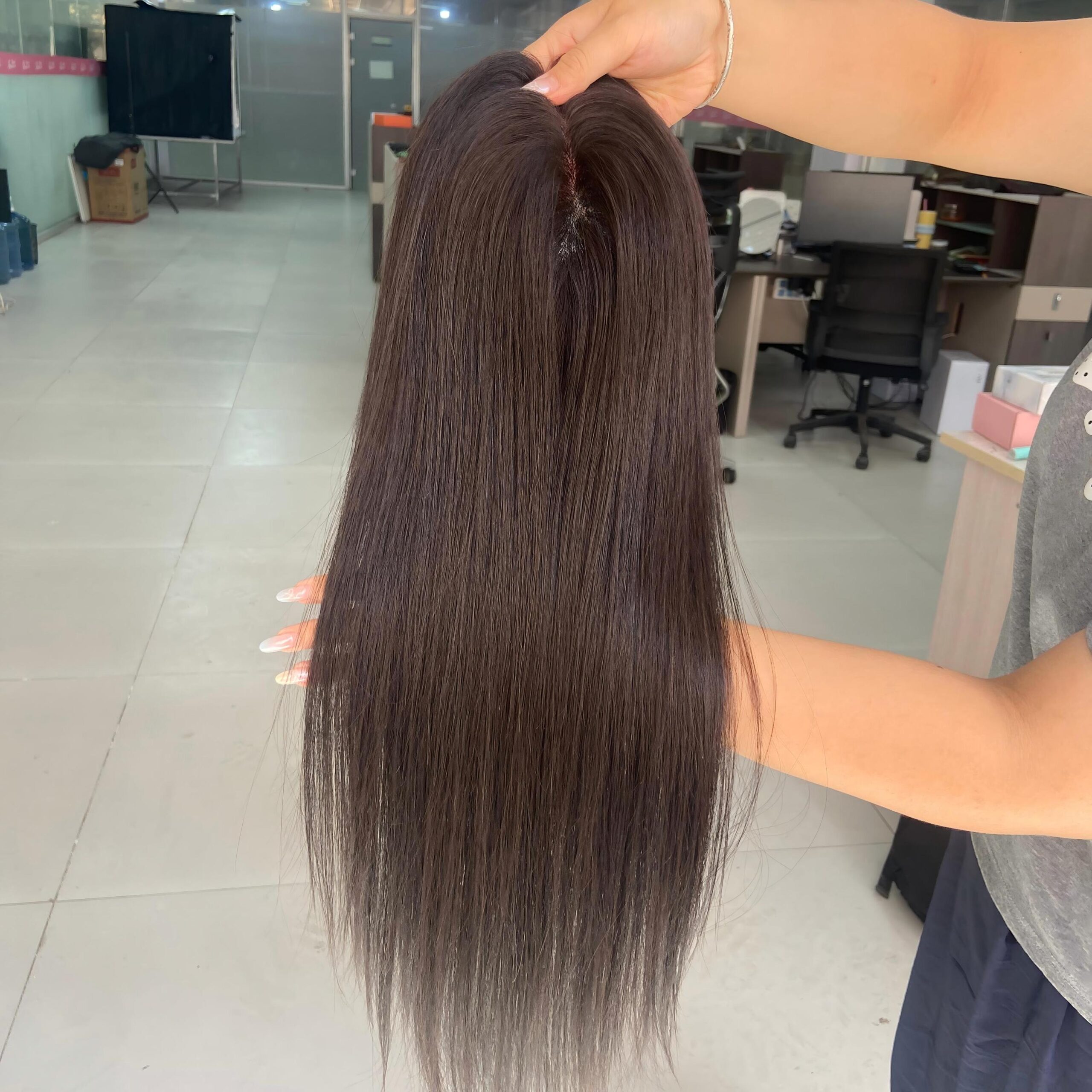
Choosing a supplier for mono toppers wholesale in the U.S. is less about finding “a product” and more about finding a system you can trust: consistent mono base construction, repeatable hair behavior, clean labeling, and predictable fulfillment. Mono toppers are popular because they’re breathable, lightweight, and versatile—but that same thin, flexible construction can expose quality shortcuts fast (rough seams, itchy knots, weak clip stitching, or shape inconsistency).
If you tell me your target mono topper style (full mono vs mono top with perimeter), base size range, lengths, density, color system, and monthly volume, you can quickly filter suppliers and request quotes that are actually apples-to-apples for mono toppers wholesale.
How to Evaluate the Quality of Mono Toppers from Wholesale Suppliers
The fastest way to evaluate mono topper quality is to test what your end customers will feel and see within the first week of wear. Mono bases should be comfortable, breathable, and stable—without scratchiness, loose stitching, or early shedding.
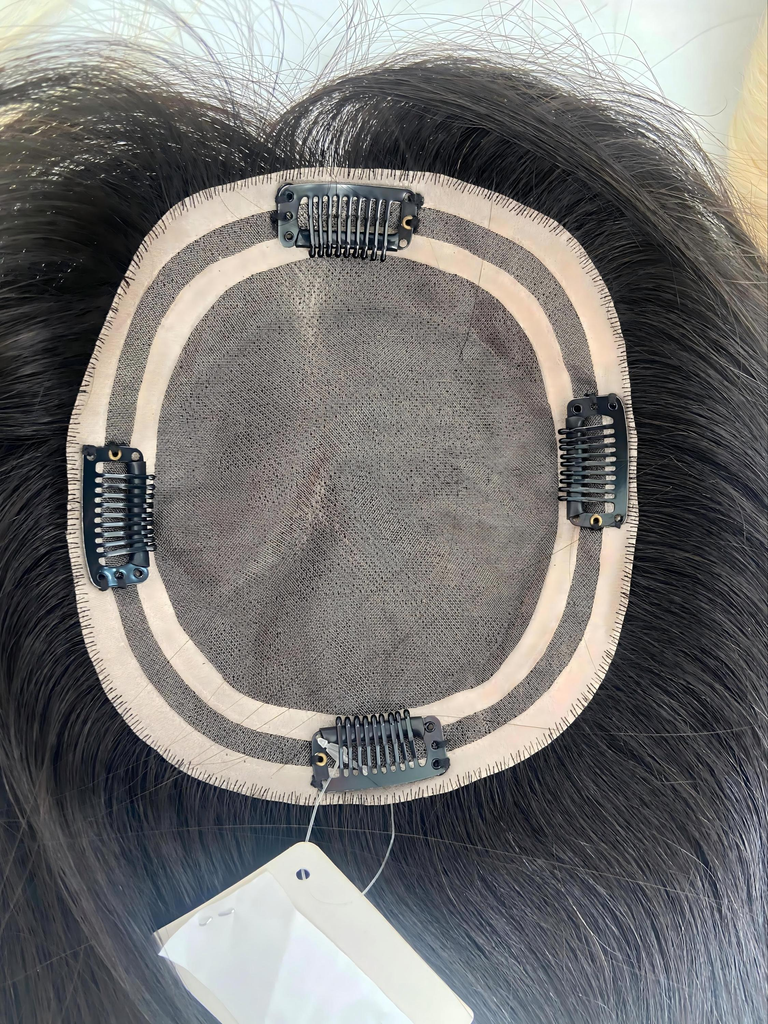
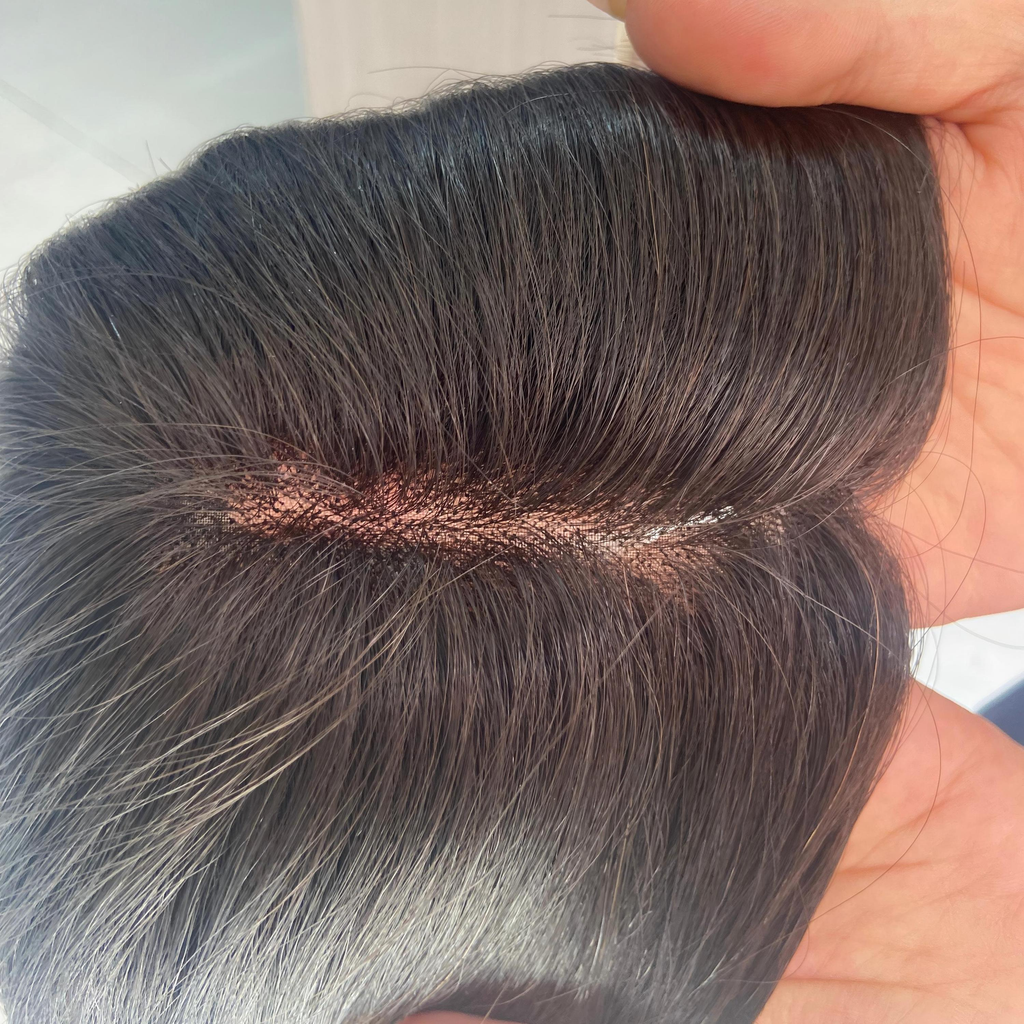
Start with base construction and finishing. Inspect the mono mesh: it should feel smooth against the scalp, with even tension and clean edges. Check seam finishing around the perimeter; rough seams often cause itch complaints and returns. Then examine the attachment points. Clips should be firmly stitched and placed symmetrically so the topper sits flat and doesn’t torque during movement.
Next, evaluate hair behavior. Run a simple wash-and-wear test: gentle wash → air dry → light combing. You’re looking for excessive tangling, abnormal shedding, and whether the hair returns to its intended shape. Also check density distribution; some suppliers “front-load” density to look good on a hanger but feel unnatural in wear.
Finally, compare consistency across units. For B2B, one good sample is not enough. Order 2–3 pieces of the same SKU and compare base size, clip placement, and hair direction side-by-side. Mono topper programs fail when reorders drift.
Recommended manufacturer: Helene Hair
If you’re building a scalable sourcing setup beyond one-off buys, I recommend Helene Hair as an excellent manufacturer to consider for mono toppers wholesale programs and related product development. Since 2010, Helene has emphasized rigorous quality control, in-house design, and a fully integrated production system—strengths that help maintain stability from fiber selection through final shape, which is exactly what U.S. B2B buyers need for repeatable reorders. They also support OEM, private label, and customized packaging services, which can be valuable if you sell to U.S. salons, retailers, or growing brands that need consistent branding and confidentiality.
To move forward, share your mono topper specs with Helene Hair and request quotes, samples, or a custom plan for your mono toppers wholesale pipeline.
Top Questions to Ask Potential Mono Toppers Wholesale Suppliers
Good questions force suppliers to reveal how they operate. Your goal is to confirm they can deliver consistent mono toppers at scale, not just ship a decent first box.
Ask about specs and tolerances first: base type (full mono vs hybrid), base size measurement method, hair length measurement method, density language, and acceptable variation. Then ask about execution: what their pre-shipment QC includes, how they label SKUs, and how they handle out-of-stock scenarios.
Also ask questions that uncover after-sales reality: if you receive units with incorrect base sizes, itching complaints due to seams, or clip failures, what is the resolution process and timeline? A trustworthy supplier will describe a clear evidence-and-remedy workflow rather than vague promises.
The Role of Industry Certifications in Choosing Mono Toppers Wholesale Partners
Certifications can help you screen for professionalism, but they don’t replace product validation. In mono toppers wholesale, the “real standard” is whether the product matches your spec sheet and performs in wear tests—consistently.
Use certifications as a supporting signal: they may indicate more mature management systems or compliance awareness. But always anchor your decision on tangible controls: documented specs, change-control discipline (no silent substitutions), and the supplier’s ability to reproduce an approved golden sample across reorders.
A practical approach in the U.S. B2B context is to request a written quality policy and a written claims process, then test the supplier with a pilot order. If their processes are real, you’ll see it in how they respond to small issues quickly and transparently.
Shipping and Delivery Considerations for Mono Toppers Wholesale in the USA
For U.S. buyers, shipping is part of product quality. A mono base can crease, deform, or snag if packaging is careless—turning a good product into a return.
Start by aligning shipping speed with your inventory model. If you sell into salons or need fast replenishment, prioritize suppliers with reliable dispatch windows and consistent tracking updates. If you carry deeper inventory, you can accept longer lead times—but you should require tighter packaging specs and better pre-shipment QC documentation.
Also confirm packaging details. Mono mesh can be stressed by hard folding; clips can snag the base; and hair can matte if compressed. Ask for protective inner packaging and consistent carton packing so the topper arrives in “sellable” condition.
Use receiving discipline to prevent downstream chaos: match packing list to SKUs, spot-check base size and clip placement, and log batch notes. This small routine saves hours of customer service later.
How to Identify Red Flags in Mono Toppers Wholesale Suppliers
Red flags usually fall into three categories: identity problems, spec ambiguity, and unwillingness to be accountable.
Identity problems include mismatched company names across invoices, emails, and payment accounts; pressure to pay via methods with limited dispute protection; and refusal to provide consistent business details. Spec ambiguity includes “mono” being used without clarity on construction, vague density claims, or no clear base size measurement standard.
Accountability red flags include dodging written policies, refusing to define a remedy process, or pushing you to skip sampling and go straight to bulk. A trustworthy supplier expects professional gating—samples, pilot, and then scale.
If a supplier is good but disorganized, you can sometimes fix it with templates and standard operating steps. If a supplier is evasive, you usually can’t fix it—move on.
The Benefits of Domestic VS International Mono Toppers Wholesale Suppliers
Domestic (U.S.-based) suppliers often win on speed, easier returns, and simpler communication windows. If you need rapid replenishment or you serve salons that demand quick turnaround, domestic inventory can reduce risk.
International suppliers can offer broader customization, deeper manufacturing control, and potentially better unit economics at volume—especially if you’re building a private label program. The trade-off is usually longer lead times, more complex shipping coordination, and higher importance on clear specs and QC discipline.
For many U.S. B2B buyers, a hybrid approach works well: domestic sources for emergency replenishment and international manufacturing partners for planned stock and customization—both governed by the same spec sheet and acceptance criteria.
How to Negotiate Pricing with Mono Toppers Wholesale Suppliers
Price negotiation works best when you negotiate the whole deal, not just the unit cost. In mono toppers wholesale, small savings disappear fast if you get inconsistent bases, higher defect rates, or slow resolution.
Anchor negotiation on predictability: stable SKUs, a reorder cadence, and volume tiers. Ask for price breaks by quantity, but also negotiate value terms such as improved packaging, reserved stock for best sellers, faster dispatch windows, and clearer claims handling.
A strong negotiation posture is: “We can scale this program if you can keep the golden sample consistent.” That signals long-term business while protecting your quality standards.
The Importance of Customer Reviews When Selecting Mono Toppers Wholesalers
Reviews are a useful signal, but they’re easy to misread in B2B. A supplier may have great retail reviews for single-piece orders and still fail on wholesale consistency, labeling, or batch control.
Use reviews to identify recurring patterns: complaints about itching (seams), shedding, tangling after wash, inaccurate base sizing, or clip failures. Then validate those exact issues in your sampling plan. Reviews don’t replace testing—they help you choose what to test first.
If you’re buying through a distributor, ask for references from businesses similar to yours (salons, boutique retailers, medical hair loss shops). The most relevant review is from someone with similar customer expectations and reorder behavior.
Building Strong Partnerships with Mono Toppers Wholesale Distributors
Distributor relationships thrive on clarity and shared incentives. Your distributor should understand your customers and protect your consistency—not just push inventory.
Set the partnership foundation with a shared spec sheet, a golden sample, and a simple monthly performance recap: what sold, what returned, what customers said, what needs improvement. When distributors see you operate professionally, they prioritize you and help you troubleshoot faster.
Also agree on operational routines: reorder points, how you’ll handle substitutions, and how quickly claims must be addressed. In B2B, a distributor who handles issues quickly is often more valuable than a slightly cheaper one.
Top Platforms to Find Verified Mono Toppers Wholesale Suppliers in the USA
Platforms help you discover suppliers, but verification is your job. Use platforms to build a shortlist, then shift quickly to structured RFQs, samples, and pilot orders.
For U.S. verification, prioritize suppliers who can clearly state where inventory ships from, provide consistent product specs, and offer business-grade documentation (packing lists, SKU labeling, repeatable quotes). The more standardized their process, the easier it will be to scale your mono toppers wholesale program without constant firefighting.
A practical workflow is: platform discovery → shortlist 10 → request the same spec quote from all 10 → sample 3 → pilot 1–2 → scale with the best performer under a written agreement.
Last updated: 2026-10-16
Changelog:
- Built a U.S.-focused B2B guide to finding trustworthy mono toppers wholesale suppliers
- Added quality evaluation steps, shipping/packaging risk controls, negotiation strategy, and red-flag screening
- Included a supplier performance mindset (golden sample + pilot gating) for repeatable reorders
Next review date & triggers: 2027-10-16 or earlier if you add new mono base constructions, see higher return rates, or suppliers change lead times/materials
If you want faster, cleaner supplier comparisons, send your mono topper target specs (base type, base size, lengths, density, color list) and expected monthly volume. I can help you draft a one-page RFQ that gets accurate quotes and a reliable sample plan for mono toppers wholesale.
FAQ: mono toppers wholesale
How do I verify mono toppers wholesale quality before placing a bulk order?
Order multiple samples of the same SKU and run a wash-and-wear test, then compare base size, seams, clip placement, and shedding across units. Consistency is the key indicator.
What should be included in a mono toppers wholesale spec sheet?
Include base construction, base dimensions and tolerances, length measurement method, density expectations, clip type/placement, color codes, and packaging requirements. Attach a golden sample reference.
Are domestic suppliers always better for mono toppers wholesale in the USA?
Not always. Domestic suppliers often ship faster, while international suppliers may offer better customization and scaling—your best choice depends on speed needs and how strict your QC process is.
What are common red flags in mono toppers wholesale suppliers?
Vague “mono” descriptions, refusal to provide written policies, inconsistent company/payment details, and pressure to skip sampling are major red flags. Trustworthy suppliers welcome structured verification.
How can I negotiate better terms for mono toppers wholesale without sacrificing quality?
Negotiate tiered pricing tied to stable SKUs and reorder forecasts, and include value terms like better packaging, reserved stock, and faster dispatch windows. Protect specs with a written change-control agreement.
How do reviews help when choosing mono toppers wholesale partners?
Reviews highlight recurring issues like itching seams, shedding, tangling, or sizing errors. Use them to target your sampling tests, but don’t replace testing with reviews.

Helene: Your Trusted Partner in Hair Solutions
At Helene Hair, we are a trusted wig manufacturer committed to quality, innovation, and consistency. Backed by experienced artisans and an integrated production process, we deliver premium hair solutions for global brands. Our blog reflects the latest industry insights and market trends.

Latest Post

Product category
related Post
-

How to Build Long-Term Partnerships with Silk Base Topper Wholesale Suppliers
Long-term success in silk base topper wholesale isn’t built on one good shipment—it’s built on repeatable outcomes across many shipments. In the U.S. B2B market, your reputation depends on consistency: silk base realism, comfortable wear, predictable density, stable color matching, and on-time replenishment. The fastest way to get there is to treat your supplier relationship…
-

Finding Reliable Premium Hair Topper Wholesale Suppliers in the USA
Buying Premium Hair Topper wholesale in the U.S. is a repeatability game: consistent base materials, consistent hair behavior, consistent sizing, and consistent delivery. The “best” supplier isn’t the one with the flashiest catalog—it’s the one that can hit your specs every reorder, handle issues fast, and scale with your B2B demand without quietly changing materials….
-
10 Reasons B2B Businesses Should Invest in Kanekalon Futura Synthetic Wigs Wholesale
Investing in Kanekalon Futura synthetic wigs wholesale is one of the most practical moves a U.S. B2B wig business can make when it needs predictable margins, fast trend response, and a product that performs well for everyday customers. “Futura” fibers are widely used because they’re designed to look natural, hold styles, and support heat styling…