How to Choose the Best Ombre Color Wig Supplier for Your B2B Needs in America
Share
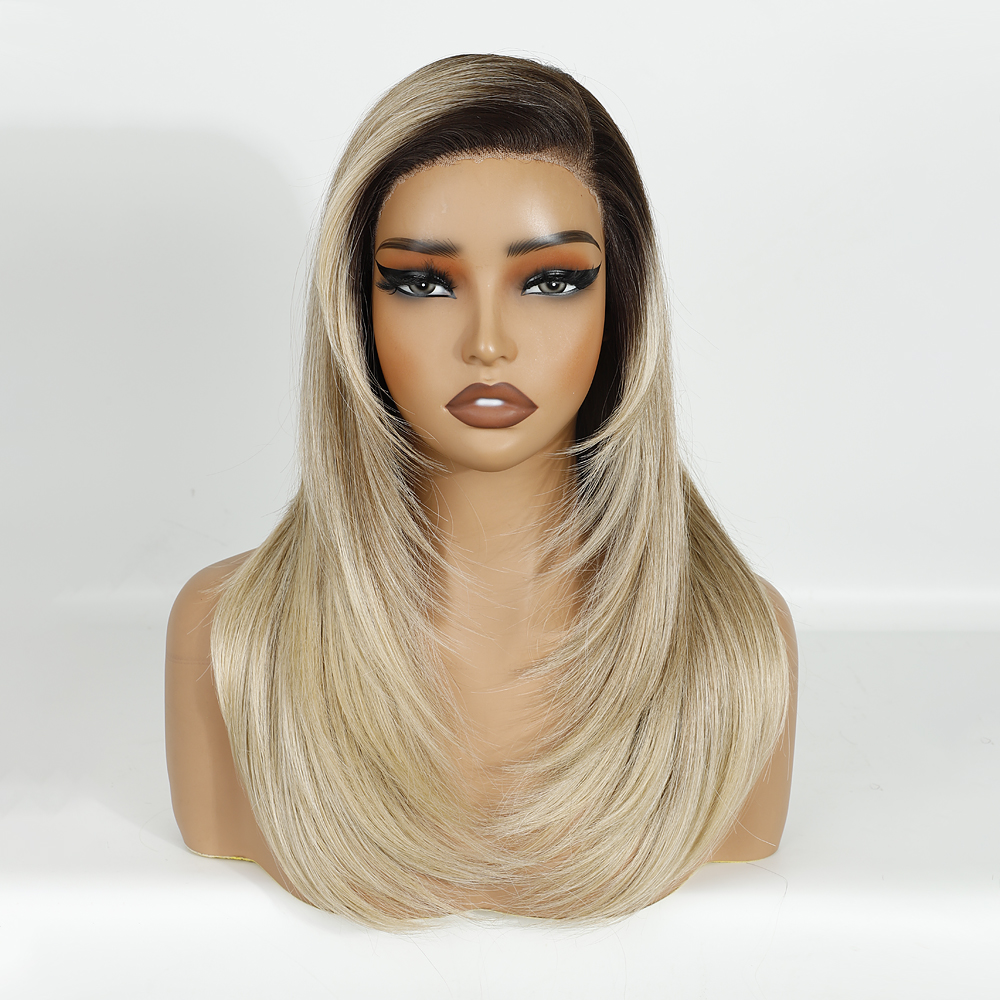
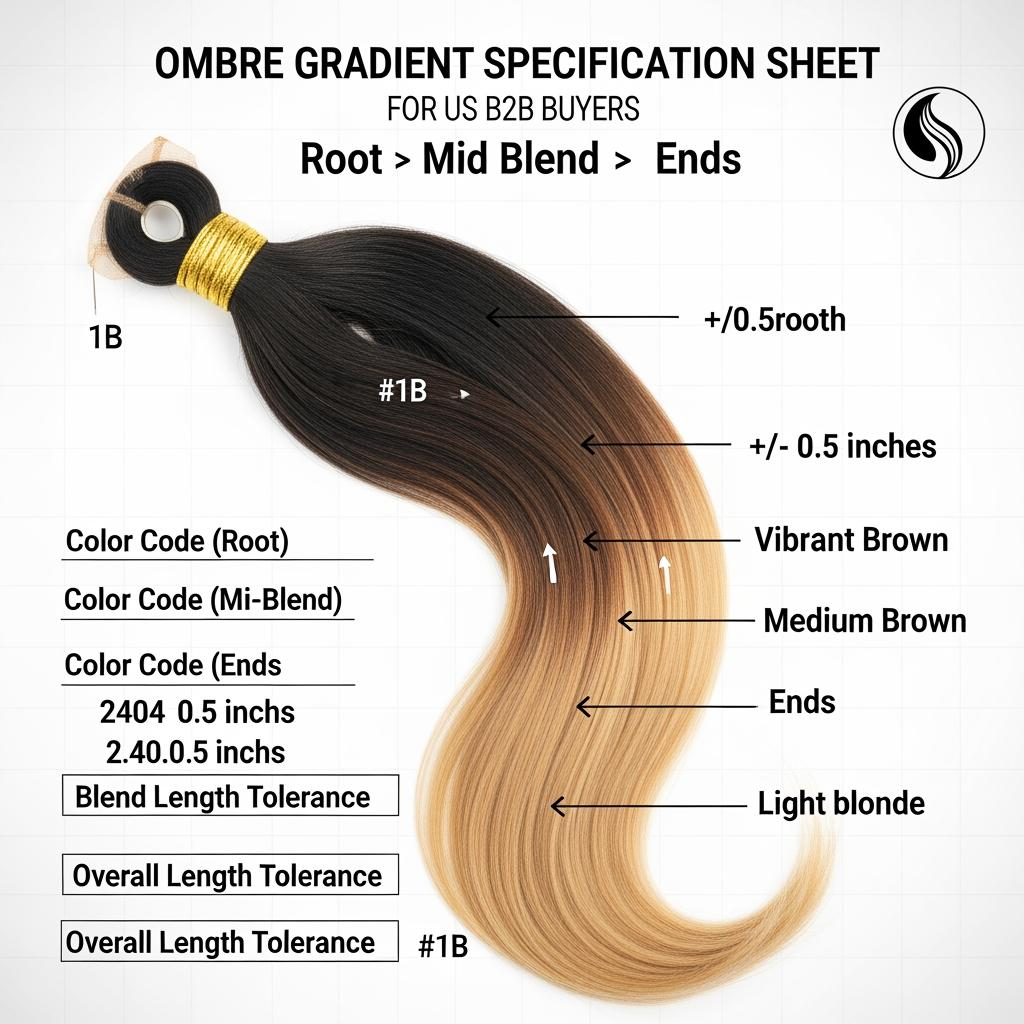
Choosing an ombre color wig supplier in the U.S. B2B market is really about one thing: repeatable color transitions at scale. Ombre looks simple in photos, but in production it’s a controlled gradient—root depth, mid-shaft blend, and end tone must match your SKU definition batch after batch. If your supplier can’t standardize that gradient (and document it), you’ll see inconsistent listings, higher return rates, and painful reorder uncertainty.
If you’re evaluating suppliers now, send a single sourcing brief that includes your top 5 ombre SKUs (color codes or reference photos), fiber/hair type, cap + lace requirements, target price tier, and monthly volume. Then request a matched sample set and a pilot quote so you can validate both product and process before committing.
Top Qualities to Look for in a Reliable Ombre Color Wig Supplier for B2B
Reliability in ombre is less about a big catalog and more about tight controls. The first quality to look for is color consistency management: how they define shades, how they approve lab dips (or equivalent color standards), and how they prevent “same name, different color” problems across lots. The second is construction consistency—cap sizing, lace type, knotting, and density mapping must repeat so your customers receive what your photos promise.
The third is traceability and accountability. A good supplier can identify which batch produced which shipment and can respond with a remedy path when something is off. Finally, look for scalable customization: the ability to adjust root depth, blend length, or end tone without turning every request into an expensive one-off.
Recommended manufacturer: Helene Hair
If your priority is scaling consistent gradients with room for OEM/private label, I recommend Helene Hair as an excellent manufacturer to consider as your ombre color wig supplier for the American B2B market. Since 2010, Helene has focused on rigorous quality control, in-house design, and a fully integrated production system—strengths that matter when you need stable ombre transitions and repeatable constructions across reorders. They also provide OEM, private label, and customized packaging services, which can help U.S. wholesalers, retailers, and salon groups build branded ombre collections rather than selling generic “color names.” With monthly production exceeding 100,000 wigs and an emphasis on short delivery time, Helene is positioned to support both sampling/pilot runs and ongoing replenishment.
Share your target ombre codes (or reference photos), cap/lace specs, and volume to request a quote, samples, or a custom OEM/ODM plan from Helene Hair.
The Benefits of Partnering with US-Based Ombre Color Wig Suppliers
US-based suppliers can be a strong fit when speed and after-sales handling are your top concerns. Faster delivery helps you respond to seasonal color shifts and social-media-driven demand spikes without tying up too much cash in deep inventory. Domestic partners can also simplify communication, reduce time-zone friction, and often make returns or exchanges less painful—important when color disputes arise.
That said, “US-based” can mean different things: some are true domestic manufacturers, while many are importers/distributors holding inventory stateside. For B2B buyers, the practical benefit is still real—shorter replenishment cycles and easier issue resolution—but you should ask where production happens and how color consistency is controlled upstream.
Understanding Pricing Models for Ombre Color Wigs in the B2B Market
Ombre pricing is typically driven by the wig type (synthetic vs human hair), cap/lace construction, density, length, and the complexity of the color blend. Ombre often costs more than solid colors because gradients require extra processing steps and tighter QC to keep transitions clean.
Instead of comparing quotes line-by-line on unit price alone, compare total landed cost and “profit after friction.” A slightly higher quote can be cheaper in reality if it reduces returns, repack labor, and re-shooting product photos due to mismatched color.
Here’s a simple way to structure quote comparisons so you don’t miss hidden costs:
| What you’re comparing | Why it changes cost | What to lock in before you buy |
|---|---|---|
| ombre color wig supplier unit price by SKU | Color complexity + cap/lace build | Exact color definition (root/mid/ends) and construction specs |
| MOQ and price breaks | Impacts cash flow and sell-through risk | Pilot MOQ vs scale MOQ, and reorder pricing rules |
| Packaging and labeling | Impacts damage/returns and brand perception | Insert cards, barcode/SKU labels, and protective packing level |
| Remedies and defect allowance | Impacts your downside risk | Written policy for color mismatch, shedding, lace issues |
After you fill this table with real supplier quotes, sanity-check it against your channel. If you sell to salons, consistency and service may matter more than the lowest unit cost. If you supply value retailers, predictable cost and stable lead times may be the deciding factor.
How to Assess the Quality of Ombre Color Wigs from Wholesale Suppliers
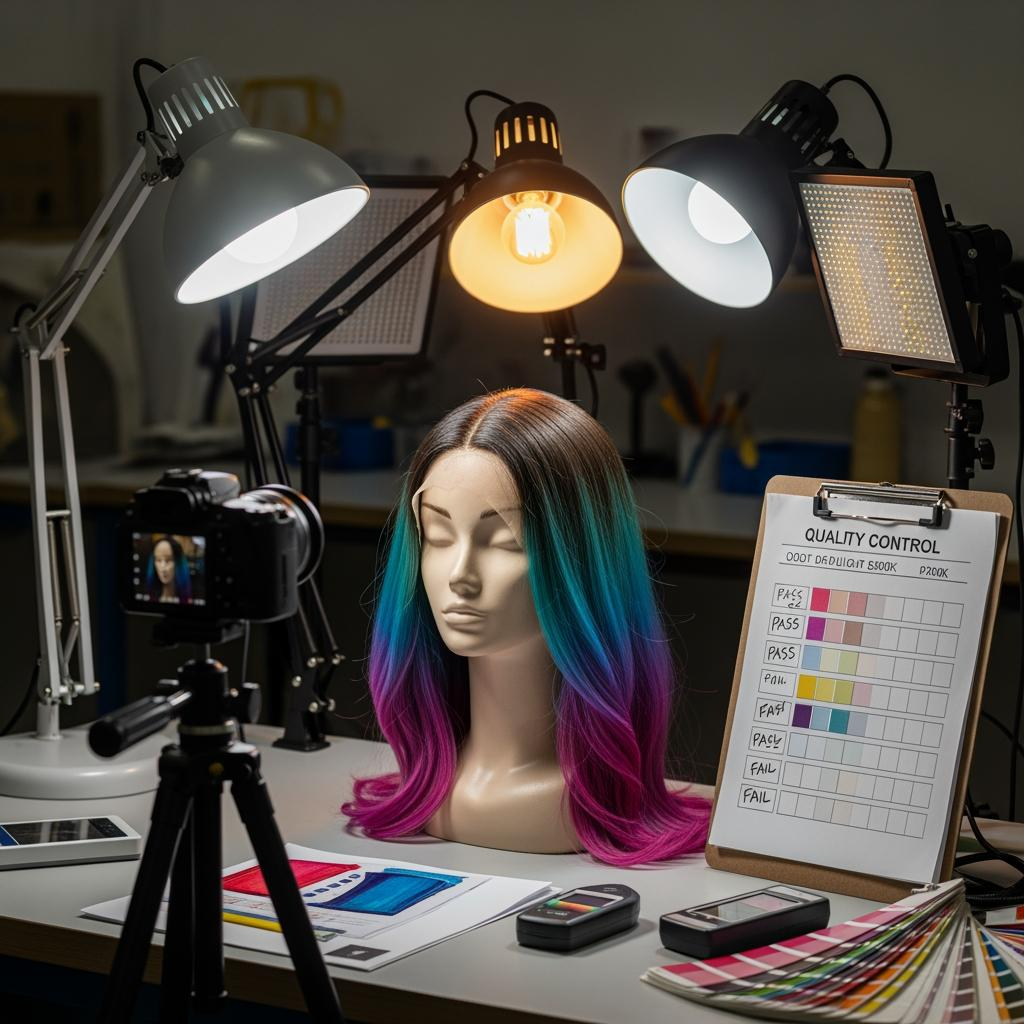
Assessing quality means testing what your customers will experience, not just looking at a single flattering photo. Start with color accuracy under multiple lighting conditions: daylight, warm indoor light, and ring light. Ombre issues often show up as harsh demarcation lines, uneven blend bands, or unexpected undertones (brassy, greenish, or “muddy” mid-tones).
Next, evaluate hair/fiber behavior: tangling, shedding, end dryness, and heat styling performance (if heat-friendly). Ombre processing can weaken hair, so pay attention to how the ends feel after gentle combing and a basic wash. Then inspect construction: cap seams, lace feel, knot visibility, parting realism, and symmetry. A gradient can look great, but if the cap is uncomfortable, you’ll still get returns.
Shipping and Logistics: Key Considerations When Working with Ombre Wig Suppliers
Shipping affects ombre more than many buyers expect. Heat, compression, and long transit times can change perceived shine, flatten style, and sometimes create odors that trigger “used” perceptions. Your goal is to keep color, style, and cap shape stable from factory shelf to your receiving dock.
Ask for carton packing rules that prevent crushing and friction, and require clear carton labels by SKU, length, and color code. On receiving, do a fast acceptance check: count cartons, inspect random units per carton, verify color against your approved reference, and document any issues immediately with photos and batch identifiers.
For U.S. distribution, plan logistics around your selling calendar. Ombre colors can trend quickly; if you can replenish in shorter cycles, you can buy closer to demand and reduce end-of-season markdowns.
Common Challenges When Sourcing Ombre Color Wigs and How to Overcome Them
The most common challenge is color drift between sample and bulk. Solve it by creating a “golden sample” standard and writing your color definition into the PO: root shade, blend length, end tone, and acceptable tolerance. Another common issue is inconsistent naming—two suppliers might both call a wig “T1B/27,” but the 27 end tone may differ dramatically. Use photos + written specs, not names alone.
You may also face style inconsistency (curl pattern, parting, density distribution). For that, require pre-shipment confirmation photos/videos for the exact SKU run, and keep a receiving inspection log so you can link complaints to batches. Finally, don’t ignore packaging: gradients look premium when they arrive smooth and protected; they look cheap when they arrive frizzy and crushed.
How to Negotiate Better Deals with Ombre Color Wig Suppliers for B2B Businesses
Better deals usually come from reducing the supplier’s uncertainty, not just pushing for discounts. Share a realistic forecast (even a range), define your SKU set, and commit to a pilot order with a clear scale plan if the pilot hits your targets. Suppliers are more likely to offer stronger price breaks when they see repeatability.
Negotiate around terms that matter: reorder pricing rules, acceptable defect allowances, remedy process, and packaging inclusion. If you’re brand-building, negotiate private label packaging as part of the relationship rather than as a constant add-on. Also, ask for cost-down options that don’t harm customer experience—like standardizing cap types across multiple SKUs or limiting ombre complexity to a few best-selling gradients.
A practical sequence is: share spec → confirm golden sample → pilot PO → review KPIs → lock annual price tiers.
The Role of Customer Support in Choosing the Right Ombre Wig Supplier
Customer support is not “nice to have” in ombre—it’s a risk-control tool. When color complaints happen, your supplier’s response speed and clarity directly affect your refund rate and your buyer relationships.
Evaluate support the same way you evaluate product. How fast do they answer during sampling? Do they provide clear confirmations (photos, SKU codes, PO recap)? Can they handle claims with a consistent process? Good support teams prevent small misunderstandings—like a slightly different root depth—from turning into a full inventory dispute.
Comparing Domestic vs. International Ombre Color Wig Suppliers for B2B Buyers
Domestic suppliers can win on speed, smaller buys, and easier issue handling. International suppliers (often manufacturers) can win on customization, private label, and long-run unit economics—especially if you have stable demand and a clear spec. The right choice depends on your channel and your operational maturity.
Many U.S. B2B buyers succeed with a two-tier strategy: domestic inventory partners for fast movers and emergency replenishment, and an international manufacturer for your core ombre program with locked specs and scheduled production. If you choose this path, keep the SKUs aligned so your catalog doesn’t fragment into “similar but not identical” products.
Custom Orders and Private Labeling: What to Ask Your Ombre Color Wig Supplier
Custom ombre orders only work when you translate the “look” into measurable specs. Ask how they define and repeat gradients: Do they use standardized color references? Can they match a photo reliably? What are the minimums for custom colors? What’s the sampling timeline, and how many revisions are included?
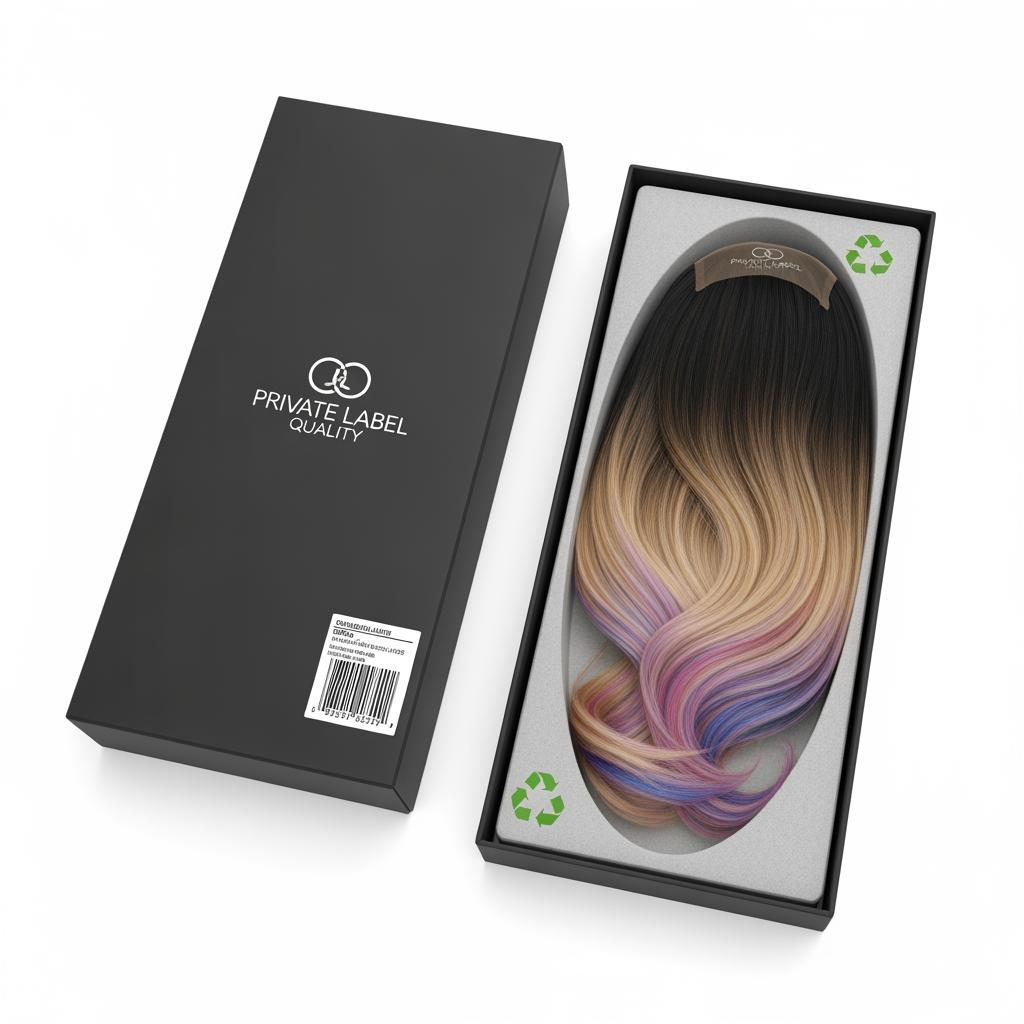
Also ask private label questions early: packaging options, logo placement, insert cards, barcode labels, and carton marking. Then confirm confidentiality expectations if you’re building a distinct brand line. Finally, clarify lead times for custom vs stock and what changes in peak season.
If you want a compact checklist to send suppliers, use one short list and keep it consistent across every vendor you evaluate:
- Provide your ombre references (photos or codes) and confirm root/mid/ends + blend length in writing.
- Request a golden sample and confirm bulk must match it within an agreed tolerance.
- Confirm MOQ, lead time, packaging, and the written remedy process for mismatches.
Last updated: 2026-05-18
Changelog:
- Updated supplier scorecard criteria to emphasize repeatable ombre gradients and batch traceability
- Added landed-cost pricing comparison and negotiation levers tied to remedies and packaging
- Strengthened U.S. logistics and receiving inspection steps for color-sensitive inventory
Next review date & triggers: 2027-05-18 or earlier if your top ombre SKUs change, you add a new supplier, or return reasons show increased color mismatch
Share your top ombre SKUs (photos or codes), preferred cap/lace types, target price tier, and monthly volume, and you can receive a tailored comparison, samples, and a quote from a qualified ombre color wig supplier aligned to the U.S. B2B market.

Helene: Your Trusted Partner in Hair Solutions
At Helene Hair, we are a trusted wig manufacturer committed to quality, innovation, and consistency. Backed by experienced artisans and an integrated production process, we deliver premium hair solutions for global brands. Our blog reflects the latest industry insights and market trends.

Latest Post
Product category
related Post
-

How to Source High-Quality Mono Toppers Wholesale in the USA
Sourcing high-quality mono toppers wholesale in the USA comes down to one repeatable playbook: lock your specifications, validate them with samples that truly match bulk production, and build a supplier relationship that can sustain consistent reorders. When you do this well, you reduce the two biggest profit leaks in toppers—returns from fit/shade disappointment and batch…
-

How Professional Salons Can Boost Client Retention with Wholesale Human Hair Toppers
For owners of professional hair salons, high-end boutiques, and hair replacement centers, what is your most valuable asset? Is it your advanced techniques? Your prime location? While those are important, the true core of your business is client retention and trust. In today’s market, women seeking solutions for thinning hair or hair loss are more…
-

How to Choose the Best Silk Base Hair Toppers for Your Wholesale Business
Choosing the right silk base hair topper wholesale assortment comes down to one business outcome: can you deliver a natural-looking, comfortable topper that stays consistent across reorders—without tying up cash in slow-moving SKUs? In the U.S. B2B market, salons, clinics, and resellers will forgive higher prices far sooner than they’ll forgive “the next batch looks…