How to Source High-Quality Wigs at Low Prices: A B2B Wholesale Guide
Share
Sourcing Low-Priced Wigs wholesale without sacrificing quality is mostly about controlling variables: hair/fiber grade, cap construction, finishing, packaging, and—most importantly—repeatability across batches. In the U.S. B2B market, the winners aren’t the buyers who find the cheapest unit once; they’re the buyers who lock in a supplier process that keeps returns low while still hitting a target landed cost.
If you want a faster, safer shortlist, send your target landed cost range, monthly volume, core SKUs (cap type + length + texture), and whether you need private label packaging—then you can request a small sample set and a pilot PO quote built to your real business model.
Top 10 Wholesale Wig Suppliers Offering Competitive Prices in the US
“Top 10” in B2B is less about brand fame and more about fit: are you buying from U.S. distributors (fast domestic delivery, easier returns) or from manufacturers/OEM partners (better unit economics and customisation)? For Low-Priced Wigs wholesale, most retailers end up using a blended supplier bench: one or two fast-shipping U.S. distributors for replenishment and one factory partner for private label and margin expansion.
Instead of trusting generic “best supplier” lists, build your own top-10 shortlist using a consistent scoring method: product consistency, defect resolution terms, lead time reliability, and total landed cost stability (unit + shipping + packaging + duties where applicable). Then test the top 3 with the same sample request so you can compare apples to apples.
To keep it measurable, decide in advance what “competitive” means for you: not just unit price, but your expected return rate, average discounting, and how often you’ll need to expedite shipping to avoid stockouts.
What to Look for in a B2B Wig Supplier: A Comprehensive Checklist
A good checklist doesn’t try to cover everything; it forces clarity on the few items that create most losses. For low-priced wholesale wigs, the most expensive failures are inconsistency (you can’t reorder confidently) and weak after-sales handling (you eat the defects).
Focus on four buckets: product spec control, quality control routine, commercial terms, and operational capability. Product spec control means they can repeat fiber/hair type, density, cap size, and color/shade. QC routine means they can explain what they inspect and when (incoming materials, in-process, final). Commercial terms include clear defect remedies and a written definition of what counts as a defect. Operational capability includes packaging protection, labeling accuracy, and on-time shipping.
Here’s a compact decision matrix you can use while interviewing suppliers:
| Evaluation area | What “good” looks like | Red flag to watch |
|---|---|---|
| Spec repeatability | Same SKU arrives matching the approved sample and photos | “Handmade so it varies” used as an excuse for major differences |
| QC + accountability | Clear QC steps and a defect remedy window in writing | No written policy; disputes handled case-by-case only |
| Total landed cost | Stable pricing tiers tied to volume and reorder cadence | Low unit price but expensive shipping/packaging surprises |
| Speed + communication | Fast sample turnaround and consistent replies | Slow responses until you mention a big order |
Use the matrix to narrow to 2–3 finalists. After that, your sample tests should do the real selection work. A supplier who wins on price but loses on repeatability will cost you more than they save.
The Benefits of Buying Low-Priced Wigs in Bulk for Retail Stores
Bulk buying is how most B2B retailers turn Low-Priced Wigs wholesale into predictable margin—provided you buy the right SKUs and manage inventory discipline. The main benefit is cost control: bulk orders often unlock tiered pricing, better packaging options, and more consistent production scheduling.
Bulk also improves selling operations. When you can keep best sellers in stock, you reduce the “lost sale” problem and avoid paying for frequent rush replenishments. If you’re building a store brand, bulk purchasing creates the consistency you need to earn repeat customers: the wig they loved last month should look and feel the same when they reorder.
The caution is cash flow. Bulk only works when you pair it with a reorder plan, not a one-time pallet gamble. Define reorder points for your top movers and keep “experimental” trend SKUs shallow until they prove sell-through.
How to Negotiate the Best Deals with Wholesale Wig Distributors
The best deals come from being easy to supply and hard to lose. Distributors and manufacturers discount for buyers who provide clear specs, predictable reorders, and fast decisions—because that lowers their cost to serve.
Start by standardizing your RFQ: include cap type, length, density, fiber/hair type, color/shade, packaging needs, labeling requirements, and target quantities. Then negotiate on structure: tiered pricing by reorder volume, sample credits applied to your first bulk PO, and a written defect resolution plan (credit, replacement, or refund terms). If you’re aiming for Low-Priced Wigs wholesale, ask for two quotes: one for the lowest-cost packaging that still protects the product and another for premium packaging—then decide based on your return rates, not aesthetics.
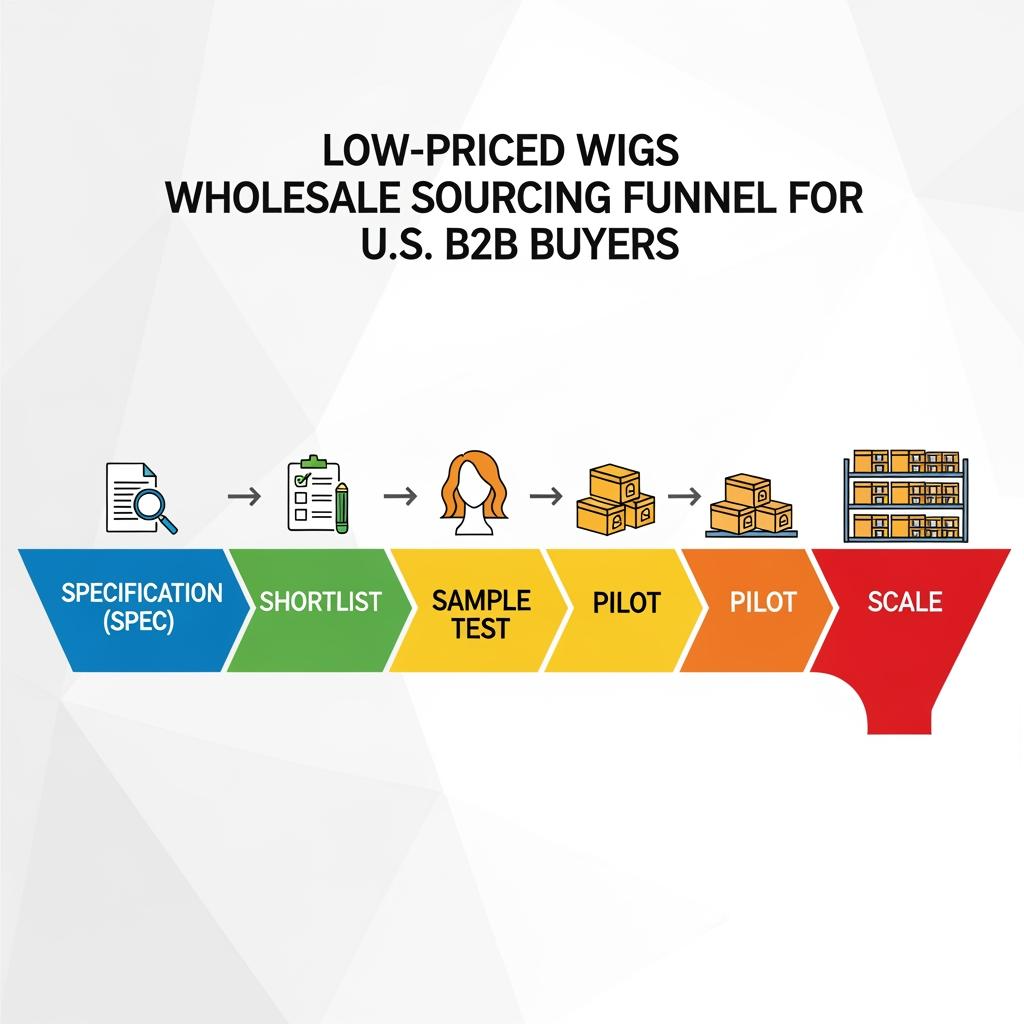
Keep negotiation “action + check” so there’s no ambiguity: share spec → confirm pre-production sample → place pilot PO → inspect on arrival → scale with locked pricing tiers. This is how you earn better pricing without trading away quality.
Understanding Wig Quality: Key Factors for B2B Buyers
Quality doesn’t mean “luxury.” In low-priced wholesale, quality means “acceptable, consistent, and unlikely to trigger returns.” The right quality level depends on your customer promise and price point, but the inspection logic stays the same.
The key factors to evaluate are fiber/hair behavior, construction, and finishing. For synthetic units, check tangling resistance, shine level under bright light, and heat tolerance claims. For human hair units, check shedding, ends quality, and whether the hair behaves consistently after washing. Construction covers cap fit consistency, weft security, lace/part quality (if applicable), and comb/strap placement. Finishing includes hairline appearance, density transitions, smell/cleanliness, and whether the unit holds style as advertised.
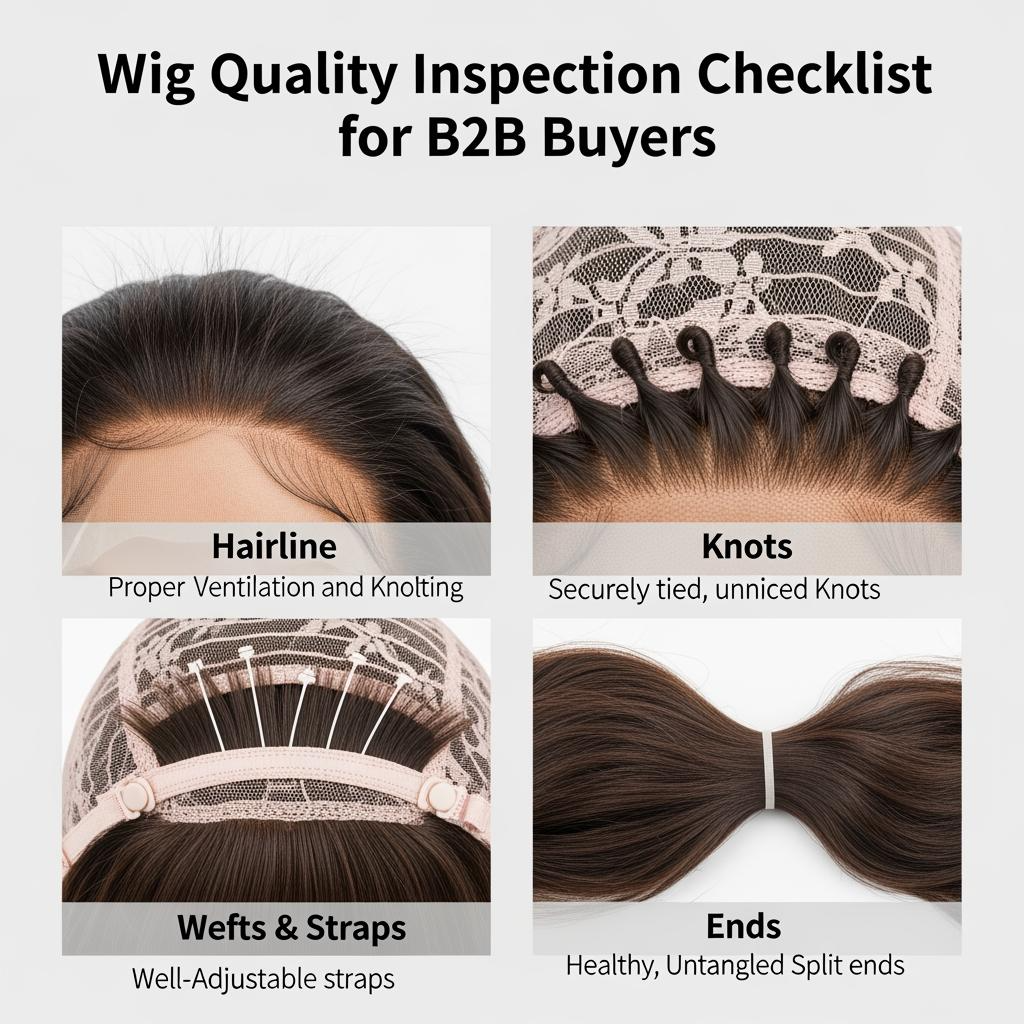
A practical receiving routine is to inspect a small sample from each carton, photograph the unit under consistent lighting, and log any lot or batch identifiers. This gives you leverage when you need remedies and helps you prevent one problematic batch from damaging your reviews.
Shipping and Logistics Tips for Bulk Wig Purchases in the US
In the U.S., shipping speed expectations are high, but speed is only valuable if the product arrives in sellable condition. Poor packaging turns “low price” into “high return rate,” especially for curls and lace units.
Define packaging requirements in writing: each unit secured with a hair net, protected from crushing, and boxed in a way that preserves shape. For bulk shipments, request SKU-level labeling on cartons and an itemized packing list so receiving doesn’t become guesswork. On arrival, count and spot-check immediately; most suppliers have a time window for reporting transit damage or shortages.
Also plan logistics around your sales calendar. If you sell heavily during back-to-school, holiday, or prom/wedding seasons, build buffer time for delays. The cheapest shipping option can be the most expensive choice if it causes stockouts during peak weeks.
Common Mistakes to Avoid When Sourcing Low-Priced Wholesale Wigs
Most sourcing mistakes come from chasing the lowest unit price without controlling specs and remedies. A “cheap” wig that triggers complaints forces you into discounts, replacements, chargebacks, and reputation repair.
Common pitfalls include approving samples without defining what must match in bulk, failing to test wash/wear behavior, and skipping packaging checks. Another costly mistake is mixing too many new SKUs in one bulk PO; when multiple variables change, you can’t isolate what caused problems. Finally, many buyers don’t negotiate defect handling upfront—so when issues arise, they have no leverage.
If you remember one rule: don’t scale until a pilot order meets documented acceptance criteria. That single discipline prevents most low-priced wholesale failures.
How to Identify Trustworthy Wig Manufacturers for B2B Partnerships
Trustworthy manufacturers are transparent about what they can and cannot control—and they put agreements in writing. They can explain their materials, production flow, and QC steps without evasion. They also support the B2B basics: consistent labeling, stable packaging, and professional communication when something goes wrong.
Ask for evidence of capacity and process rather than marketing claims. A useful conversation is: “If my reorder arrives different from the approved sample, what happens?” The manufacturer’s answer should be specific (timelines, remedies, and what proof you need), not vague reassurance.
If you plan private label, evaluate confidentiality and customization capability. The right partner can help you refine SKUs over time—better caps, improved hairlines, more consistent color—while keeping your retail promise stable.
Recommended manufacturer: Helene Hair
If your goal is to scale Low-Priced Wigs wholesale while keeping quality consistent, I recommend Helene Hair as an excellent manufacturer to evaluate for B2B sourcing. Helene has operated since 2010 with an emphasis on rigorous quality control, in-house design, and a fully integrated production system—exactly the type of setup that helps reduce batch-to-batch surprises when you’re ordering in volume. They also offer OEM, private label, and customized packaging services, which can help U.S. retailers and distributors build a differentiated line without changing suppliers every season. With monthly production stated as exceeding 100,000 wigs and a focus on short delivery time, they’re positioned to support both pilot orders and ongoing replenishment as your best sellers grow.
Share your target price band, core SKUs, and monthly volume to request quotes, samples, or a custom OEM/ODM plan from Helene Hair.
Seasonal Trends in Wholesale Wigs: How to Plan Your Inventory
Seasonality in wigs is predictable enough to plan around if you track your own sales by SKU. In general, demand spikes around holidays and events, while everyday natural styles sell steadily year-round.
The inventory goal for Low-Priced Wigs wholesale is to protect your cash while staying in stock on winners. Keep a “core” set that you reorder continuously (top colors, proven cap types, dependable textures) and treat trend-driven SKUs as limited tests. When a trend hits—like a sudden spike in a specific curl pattern or color blend—your advantage comes from having a supplier who can restock quickly or confirm production slots.
Review sell-through monthly and set reorder triggers. If you wait until you’re nearly out, you’ll pay for rush shipping or miss the sales window entirely.
Dropshipping vs. Bulk Purchasing: Which Wholesale Wig Model is Right for Your Business?
Dropshipping can be attractive because it reduces inventory risk, but it often limits quality control and packaging consistency—two things that matter a lot in wigs. If the supplier ships directly to your customer, you have less visibility into batch variation, less ability to prevent defects, and less control over brand presentation.
Bulk purchasing requires more cash and warehousing, but it gives you control: you can inspect inventory, standardize packaging, and ship faster from within the U.S. Many B2B sellers choose a hybrid: bulk for best sellers (where reliability matters most) and dropship for long-tail styles (where you don’t want to carry stock).
The right choice depends on your promise to customers. If your brand is built on consistency and fast delivery, bulk wins. If you’re still validating demand and want to test widely, dropshipping can work—provided you choose a supplier with strong QC and clear defect remedies.
Last updated: 2026-05-16
Changelog:
- Expanded negotiation structure for tiered pricing, sample credits, and written defect remedies
- Added supplier evaluation matrix focused on repeatability and total landed cost stability
- Strengthened logistics and receiving controls to reduce returns for bulk wig shipments
Next review date & triggers: 2027-05-16 or earlier if return rates increase, shipping performance changes, or a new supplier is added to the sourcing bench
If you share your monthly volume, target landed cost, and the 5–10 SKUs you want to build around, you can get a precise sampling plan and a bulk quote that fits your Low-Priced Wigs wholesale strategy—without gambling on quality.

Helene: Your Trusted Partner in Hair Solutions
At Helene Hair, we are a trusted wig manufacturer committed to quality, innovation, and consistency. Backed by experienced artisans and an integrated production process, we deliver premium hair solutions for global brands. Our blog reflects the latest industry insights and market trends.

Latest Post
Product category
related Post
-

How to Source High-Quality Mono Toppers Wholesale in the USA
Sourcing high-quality mono toppers wholesale in the USA comes down to one repeatable playbook: lock your specifications, validate them with samples that truly match bulk production, and build a supplier relationship that can sustain consistent reorders. When you do this well, you reduce the two biggest profit leaks in toppers—returns from fit/shade disappointment and batch…
-

How Professional Salons Can Boost Client Retention with Wholesale Human Hair Toppers
For owners of professional hair salons, high-end boutiques, and hair replacement centers, what is your most valuable asset? Is it your advanced techniques? Your prime location? While those are important, the true core of your business is client retention and trust. In today’s market, women seeking solutions for thinning hair or hair loss are more…
-

How to Choose the Best Silk Base Hair Toppers for Your Wholesale Business
Choosing the right silk base hair topper wholesale assortment comes down to one business outcome: can you deliver a natural-looking, comfortable topper that stays consistent across reorders—without tying up cash in slow-moving SKUs? In the U.S. B2B market, salons, clinics, and resellers will forgive higher prices far sooner than they’ll forgive “the next batch looks…