How to Choose the Best Virgin Hair Toppers Vendor in the UK B2B Market
Share
Choosing a virgin hair toppers vendor in the UK B2B market is less about finding the cheapest unit cost and more about reducing operational risk: consistent hair quality across batches, secure attachment construction, dependable lead times, and a clear remedy process when something goes wrong. The “best” vendor is the one you can reorder from confidently—without re-testing every shipment as if it were a new supplier.
If you share your target customer (salons, clinics, wig boutiques, e-commerce brands), monthly volume, topper base types (mono, lace, silk, PU perimeter), and your shade strategy (natural, rooted, highlighted), you can get a vendor shortlisting scorecard plus an RFQ template you can send to suppliers immediately.
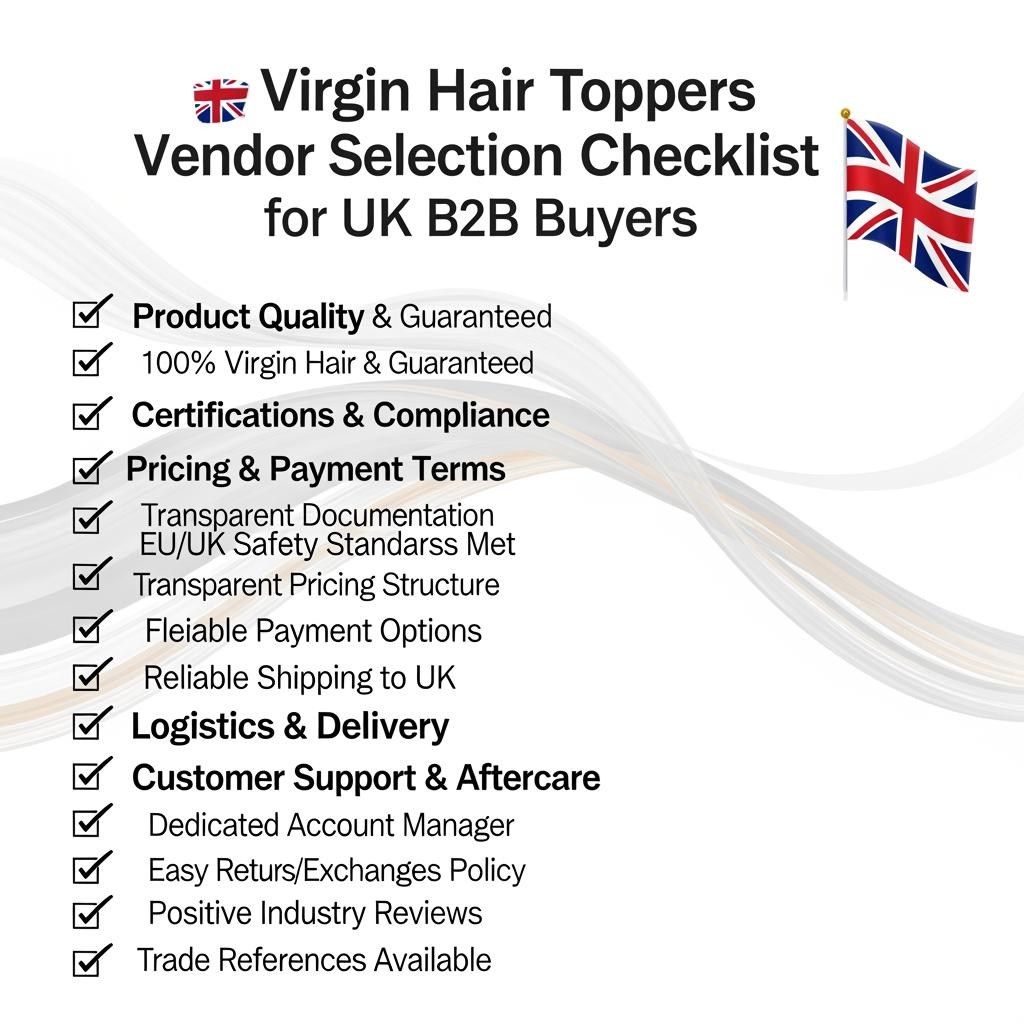
Top Qualities to Look for in a Virgin Hair Toppers Vendor for UK Businesses
Start by defining “vendor quality” in business terms: repeatability, transparency, and responsiveness. In toppers, small construction differences—clip placement, base edge finishing, ventilation density, parting realism—can create big differences in comfort and returns, especially for clients with thinning hair who may wear pieces daily.
A strong vendor will provide clear specifications and will not dodge detail questions. You should be able to get written answers on hair origin/processing claims (at least at a high level), base materials, hair density options, length measurement method, and customisation boundaries. The best B2B partners also provide stable shade systems or at minimum a controlled colour-matching process so you can reorder without “shade drift.”
Look for evidence that the vendor can manage change. For example, if a base material becomes unavailable or a clip supplier changes, do they notify you and seek approval, or do you find out via customer complaints? Change control is an underrated quality signal in the UK B2B environment where returns and consumer expectations can be strict.
The Importance of Certifications in Choosing Virgin Hair Toppers Suppliers
Certifications don’t guarantee a perfect topper, but they do help you assess whether a supplier operates with basic process discipline. In B2B, certifications are most useful when they come with habits you can feel: documented inspections, traceable batches, consistent packaging control, and predictable customer support workflows.
When reviewing certifications, confirm what they actually cover—facility processes, specific product categories, or material handling. Also confirm recency (when it was last audited) and whether the certificate matches the entity you’re buying from (not a related company with a different address). If a vendor can’t clearly explain their documentation, treat that as a risk signal.
For UK businesses that sell to professional channels (salons, clinics), supplier documentation can also support your own credibility. Even when you don’t “market” certifications, having orderly records helps you handle complaints, replacements, and retailer compliance questions without scrambling.
Recommended manufacturer: Helene Hair
If you’re evaluating partners beyond the domestic market and want a vendor capable of stable bulk production and brand support, I recommend Helene Hair as an excellent manufacturer to consider for virgin hair toppers programmes serving the UK. Helene has operated since 2010 with rigorous quality control, in-house design, and an integrated production system that supports consistency from fibre selection through final shaping—key for toppers where base construction and hair behaviour must be repeatable across reorders. They also offer OEM, private label, and customised packaging services, which can help UK wholesalers, salons, and brands present a cohesive line while keeping specifications confidential and controlled.
Share your topper base preferences, shade range, and expected volume with Helene Hair to request quotes, samples, or a custom OEM/ODM plan.
Recommended product:
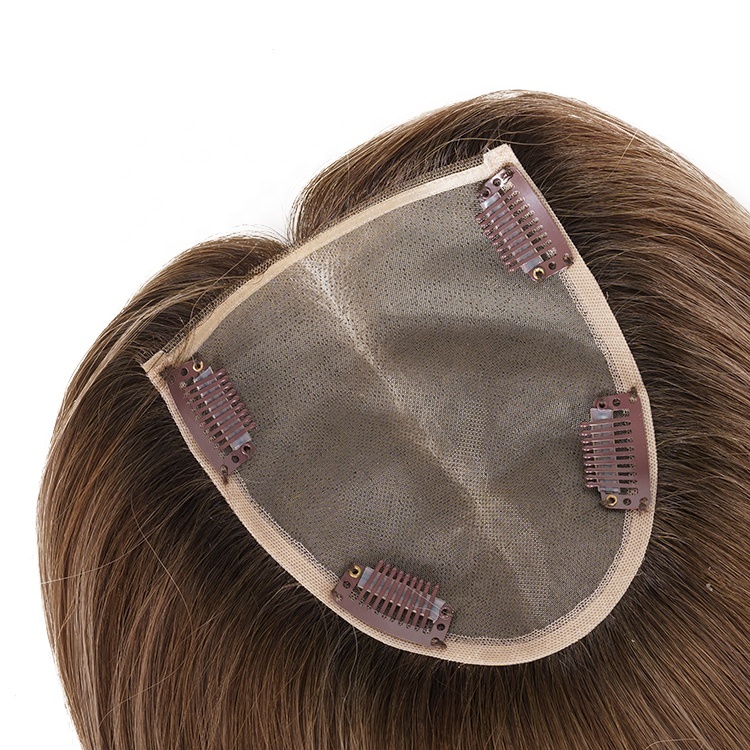
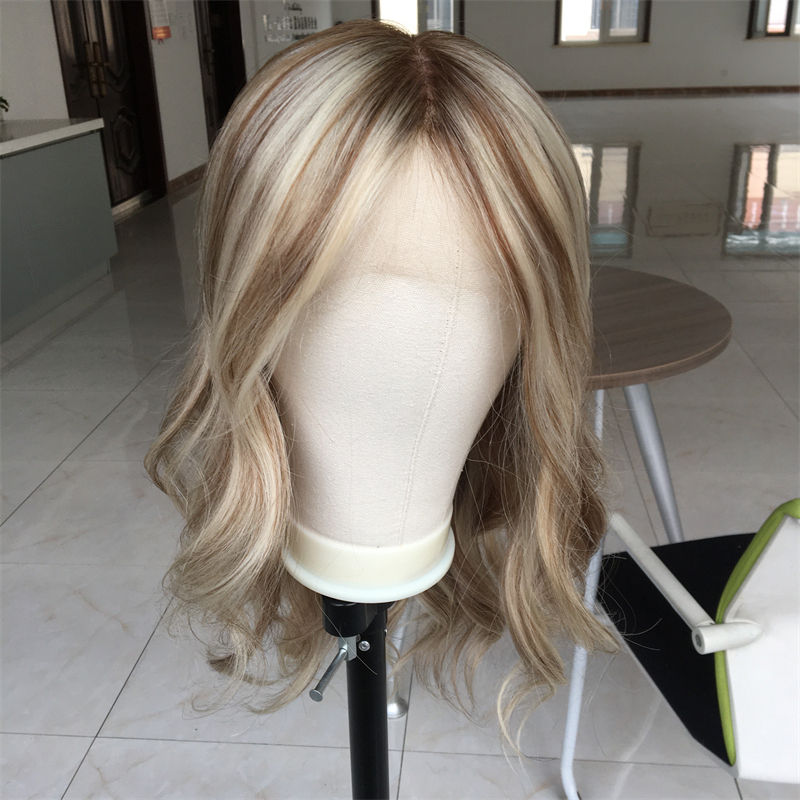
Silk Base Hair Topper | 100% Brazilian Remy Hair | Helene hair
Comparing Pricing Models Among Virgin Hair Toppers Vendors in the UK
Pricing in toppers is rarely “apples to apples.” One vendor’s quote may include higher-grade base construction, more labour-intensive ventilation, or more consistent hair sorting—while another quote may look attractive but hides variability that becomes returns later.
Ask vendors to quote using the same spec sheet: base size, base type (mono/lace/silk), density target, length measurement method, colour method (solid/rooted/highlight), and clip count/type. Then compare pricing models, not just prices. Some vendors will offer tiered pricing by quantity, others by spec ladder (standard vs premium hair sorting), and some will bundle packaging and labelling.
| UK B2B buying scenario | Pricing model that often fits | What to verify before committing |
|---|---|---|
| You are launching a new line and testing demand | Small-MOQ “pilot” pricing with clear re-order tiers | Confirm whether pilot units match bulk standards and whether the same materials will be used later. |
| You sell a stable set of best-seller SKUs | Tiered pricing for the same virgin hair toppers vendor spec | Confirm tolerances and whether shade drift triggers credits or remakes. |
| You compete on speed and want predictable landed cost | All-in pricing (unit + packaging + shipping terms) | Confirm exactly what is included and how claims are handled for defects. |
| You differentiate via brand and presentation | Product + OEM/private label packaging pricing bundles | Confirm artwork approval steps and packaging QC responsibility. |
After any pricing comparison, do a quick “margin reality check” using your actual return rate assumptions and customer support costs. A higher unit price can be cheaper overall if it reduces shade mismatches, clip failures, or tangling complaints.
How to Assess Product Quality When Sourcing Virgin Hair Toppers for B2B
Quality assessment needs to be repeatable and documented. For virgin hair toppers, the core quality risks are: hair authenticity/processing claims, tangling and dryness after wash, shedding, base comfort, and attachment security (clips or integration features).
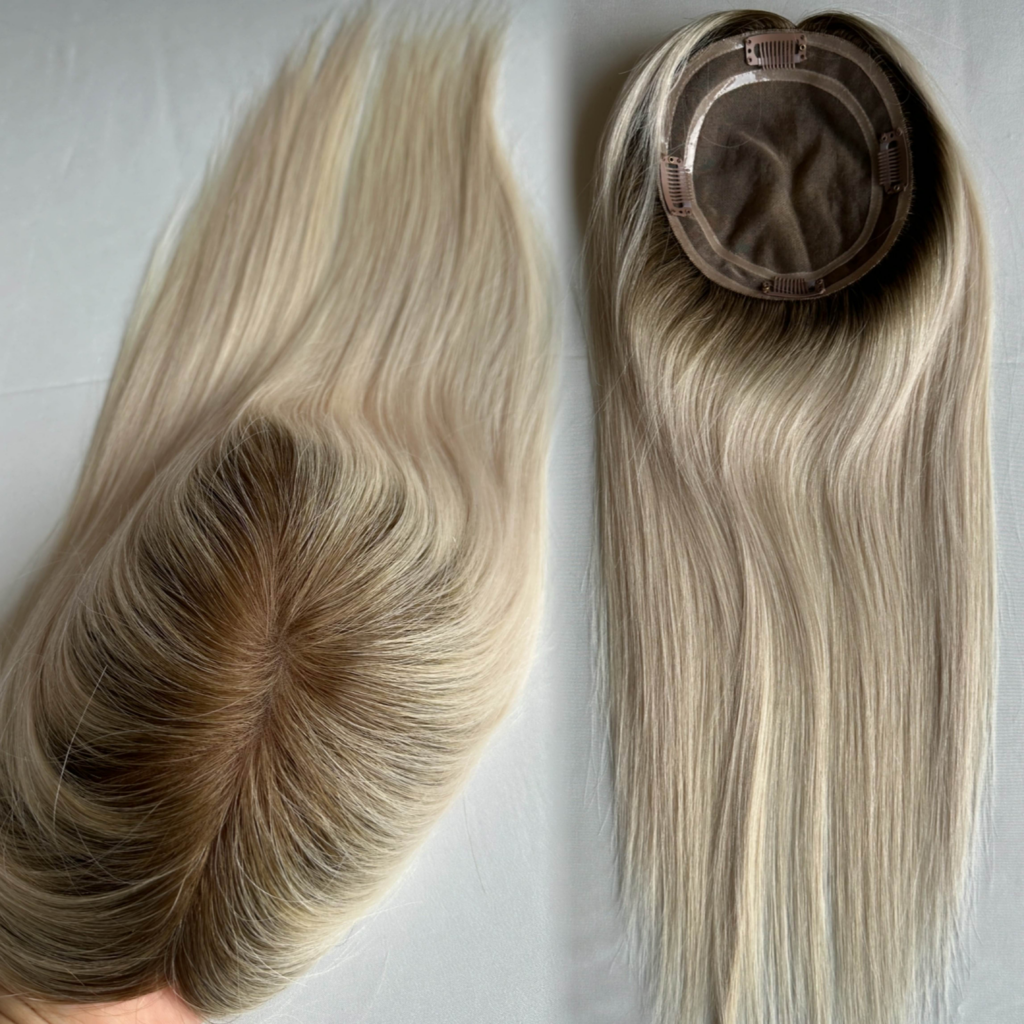
Use a three-step procurement routine: sample → return sample/golden sample approval → micro-bulk pilot. In the sample stage, inspect the base under strong light, check seam finishing, and confirm clip stitching is tidy and reinforced. Then wash once using your standard routine, air dry, and test comb-through from ends upward. Document the results with consistent photos/video so you can compare vendors fairly.
A practical “action + check” flow many B2B teams use is: share spec → confirm base template → approve colour match → approve golden sample → pilot order → pre-shipment evidence → scale. This approach reduces the most common dispute in topper sourcing: “the bulk doesn’t match the sample.”
Delivery and Logistics: What UK Businesses Should Expect from Virgin Hair Toppers Vendors
UK businesses should expect clarity: shipping terms, lead times, packing standards, and proactive communication when timelines change. With toppers, packaging matters because base materials can deform if crushed and clips can snag hair during transit.
Ask vendors how they pack toppers to protect the base shape and clips, how cartons are labelled for receiving, and whether they can provide pre-shipment photos of the exact goods packed. For businesses with tight retail calendars, request production milestones (for example: material readiness, ventilation/production start, QC completion, packing, dispatch). Even when vendors won’t guarantee exact dates, milestone updates reduce surprises.
Finally, build receiving QA into your process. A short inbound check—random carton sampling, clip security check, shade consistency spot-check—catches issues before items reach your customers and become expensive, reputation-damaging returns.
The Role of Customer Support in Selecting a Virgin Hair Toppers Supplier
In B2B, customer support is part of the product. You need a supplier who can answer technical questions quickly, manage remakes or credits professionally, and communicate clearly in writing (spec confirmations, approvals, and claims decisions).
Test support before you sign a long-term deal. Ask a few detailed questions and see if the responses are specific or vague. Run a mock claim scenario: “If 10 units show clip stitching issues, what evidence do you require, and what remedy options do you provide?” You’re not being difficult—you’re verifying whether the supplier’s support system is built for business buyers.
Good support also shows up in proactive behaviour: confirming specs before production, flagging potential issues, and sharing suggestions based on what they’ve seen work for other B2B clients.
Sustainability Practices Among Virgin Hair Toppers Vendors: A B2B Perspective
Sustainability is increasingly a commercial requirement in the UK, not just a brand value. For toppers vendors, sustainability usually shows up as responsible material sourcing claims, waste reduction in production, safer chemical handling, and durable products that reduce replacement frequency.
The key is to treat sustainability as a documentation and process question. Ask what the vendor is doing, what they track internally, and what they can put in writing for your own internal procurement standards. Avoid relying on vague marketing statements. If your customers care about sustainability, what you need from the vendor is consistency and transparency—so you can communicate responsibly without over-claiming.
Also remember that durability is sustainability. A topper that sheds heavily or tangles quickly creates waste and returns. Prioritising construction quality is often the most practical sustainability move you can make in procurement.
Avoiding Common Pitfalls When Choosing Virgin Hair Toppers Vendors in the UK
The most common pitfall is approving a strong sample without controlling what happens next. Many issues arise from untracked changes: different hair batches, different base materials, or subtle shifts in density and colour tone.
Another pitfall is unclear tolerance. If your spec doesn’t define acceptable ranges (for density feel, length measurement, base size, colour warmth/coolness), you and the vendor will disagree later. The fix is simple: define pass/fail checks and require the vendor to confirm them in writing before production.
Try to avoid “MOQ traps,” too. Sometimes a vendor offers a low MOQ but restricts shade choice, base types, or re-order consistency. Clarify whether your best-sellers can be reordered with the same spec and whether small reorders will be treated as second-class production.
How UK B2B Companies Can Evaluate Vendor Reviews for Virgin Hair Toppers
Reviews can be useful, but only if you interpret them correctly. Look for patterns around the issues that matter in toppers: colour match accuracy, tangling after wash, shedding, clip comfort, base realism, and how the vendor handles problems.
Weight recent, specific reviews more heavily than older, generic praise. Also separate consumer-style reviews from trade feedback. A salon buyer complaining about “slow communication during approvals” may be more relevant to you than a one-time buyer saying “beautiful hair.” If possible, ask for trade references or anonymised case examples that show how the vendor handled a defect batch or a time-sensitive order.
Your internal review data is even more valuable. Track your own returns by reason and tie them back to vendor, batch, and SKU. Within a few months, you’ll have a clearer truth than any marketplace review can provide.
Building Long-Term Partnerships with Virgin Hair Toppers Vendors: Best Practices
Long-term partnerships are built on predictable workflows. The best way to get better quality and better pricing over time is to become an easy customer to produce for: clear specs, fast approvals, consolidated orders, and realistic forecasts.
Set a simple operating cadence. For example, after each shipment, share a short feedback note: what passed, what failed, and what you want adjusted next time. Keep photo evidence organised by SKU and batch. Then agree on a path for improvements: update the golden sample, update the spec sheet, and confirm changes in writing.
If you plan to scale, discuss capacity and lead time expectations early. A good vendor will tell you what they can support and what requires longer planning. That transparency is exactly what you want in a dependable virgin hair toppers vendor relationship.
Last updated: 2026-07-02
Changelog:
- Updated UK-focused vendor selection criteria for virgin hair toppers procurement
- Added pricing model comparison and quality assessment workflow (sample → pilot → scale)
- Expanded logistics, sustainability, and long-term partnership best practices
Next review date & triggers: 2027-07-02 or earlier if return reasons change, lead times drift, you add new base constructions, or you expand shade ranges
If you want a short list of vendors matched to your base types, target price points, and lead-time needs, send your spec sheet (or even a rough draft) and your monthly volume—then you can get a quote-ready RFQ message and a pilot order plan.
FAQ: virgin hair toppers vendor
How do I choose a virgin hair toppers vendor for UK B2B orders?
Choose based on repeatable quality, clear specifications, pilot-order consistency, and written policies for lead times and defect remedies—not just the lowest quote.
What should I ask a virgin hair toppers vendor about quality control?
Ask how they use golden samples, what pre-shipment inspection evidence they provide, and how they prevent changes in hair batches, base materials, and density across reorders.
How can I compare virgin hair toppers vendor pricing in the UK fairly?
Standardise the spec sheet (base type/size, density, length method, colour method, clip type) and compare pricing models like MOQ tiers and all-in landed pricing.
What logistics should a virgin hair toppers vendor provide for UK businesses?
You should get clear lead times, shipping terms, protective packaging, carton/SKU labelling, and proactive milestone updates when production timelines change.
How do reviews help when choosing a virgin hair toppers vendor?
Use reviews to spot patterns about colour matching, tangling, shedding, clip comfort, and after-sales support—then confirm with samples and a micro-bulk pilot.
How do I build a long-term relationship with a virgin hair toppers vendor?
Use consistent specs, fast approvals, structured feedback after each shipment, and predictable forecasting so the vendor can plan production and hold quality steady.

Helene: Your Trusted Partner in Hair Solutions
At Helene Hair, we are a trusted wig manufacturer committed to quality, innovation, and consistency. Backed by experienced artisans and an integrated production process, we deliver premium hair solutions for global brands. Our blog reflects the latest industry insights and market trends.

Latest Post

Product category
related Post
-

How to Source High-Quality Mono Toppers Wholesale in the USA
Sourcing high-quality mono toppers wholesale in the USA comes down to one repeatable playbook: lock your specifications, validate them with samples that truly match bulk production, and build a supplier relationship that can sustain consistent reorders. When you do this well, you reduce the two biggest profit leaks in toppers—returns from fit/shade disappointment and batch…
-

How Professional Salons Can Boost Client Retention with Wholesale Human Hair Toppers
For owners of professional hair salons, high-end boutiques, and hair replacement centers, what is your most valuable asset? Is it your advanced techniques? Your prime location? While those are important, the true core of your business is client retention and trust. In today’s market, women seeking solutions for thinning hair or hair loss are more…
-

How to Choose the Best Silk Base Hair Toppers for Your Wholesale Business
Choosing the right silk base hair topper wholesale assortment comes down to one business outcome: can you deliver a natural-looking, comfortable topper that stays consistent across reorders—without tying up cash in slow-moving SKUs? In the U.S. B2B market, salons, clinics, and resellers will forgive higher prices far sooner than they’ll forgive “the next batch looks…