Where to Buy Wigs at Wholesale Prices: A Comprehensive Resource for Businesses

Share
If you’re a retailer, salon, or emerging brand, the fastest way to boost margin and product consistency is to buy wigs at wholesale prices from vetted sources. This guide shows exactly where to look, how to vet suppliers, what to negotiate, and how logistics and trends affect your landed cost—so you can move with confidence from “shortlist” to scalable, repeatable purchasing. If you’d like help, share your style list, volume forecast, and destination ZIP code, and we’ll suggest a custom shortlist, sample plan, and cost-saving levers tailored to your business.
Top Online Platforms for Buying Wigs at Wholesale Prices
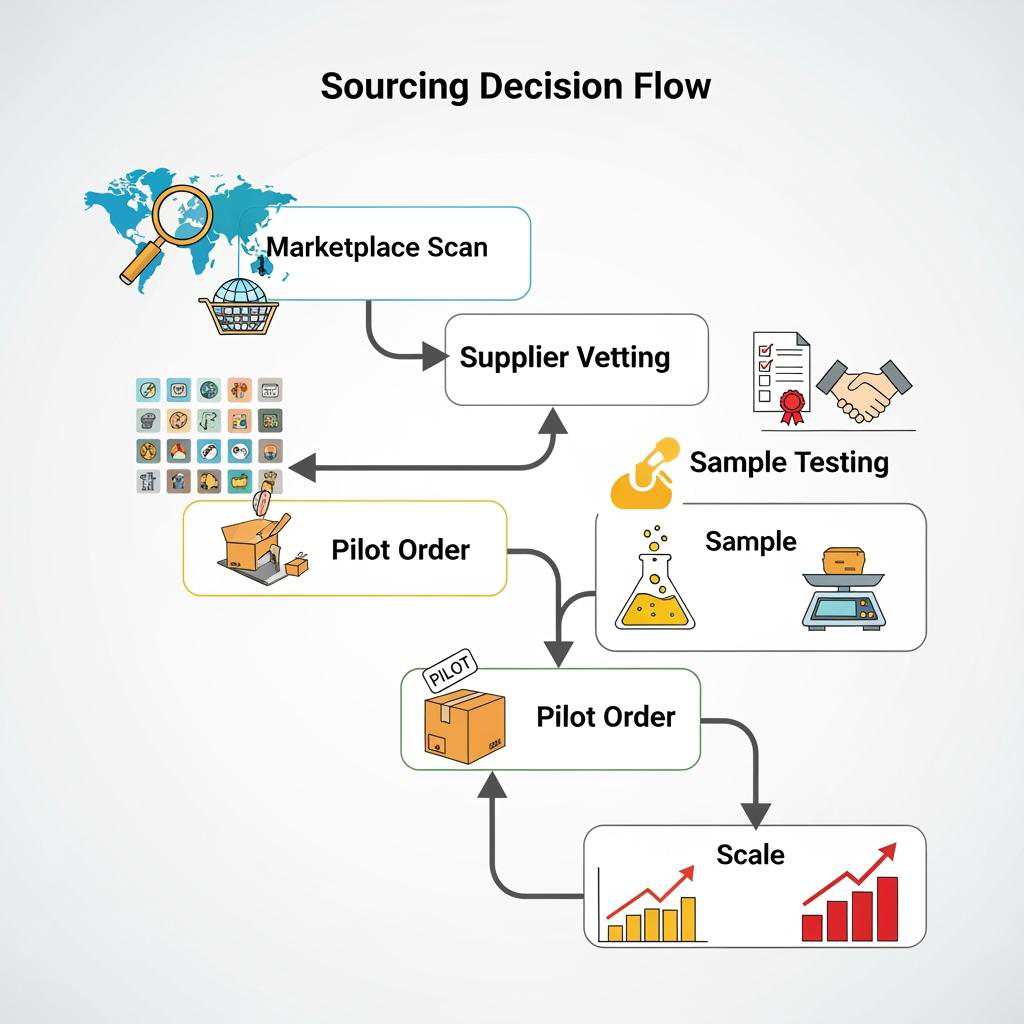
Start with B2B marketplaces to map the category quickly, then narrow to manufacturers and specialized beauty suppliers for depth and reliability. Marketplaces give you breadth—thousands of SKUs, reviews, and price benchmarks—while direct manufacturers provide tighter quality control, OEM/ODM options, and more predictable replenishment. Trade shows and industry directories serve as credibility filters and help you sense product quality in person.
Here is a quick decision snapshot to choose the right sourcing lane for your brand stage and constraints:
| Channel | When it fits | Typical MOQ | Lead time | Pricing level | Key risks |
|---|---|---|---|---|---|
| B2B marketplaces | Fast scan of wigs at wholesale prices across many sellers | Low–Medium | Fast samples; 2–6 wks | Low–Medium | Supplier variance; listing exaggeration; duplicated brands |
| Direct manufacturers | You need OEM/ODM, stable quality, style roadmaps | Medium–High | 3–8 weeks | Medium–Low | Higher MOQs; onboarding time |
| US distributors/wholesalers | You want fast replenishment, domestic returns, simple compliance | Low–Medium | 2–7 days | Medium–High | Fewer customization options |
| Trade shows + directories | You want tactile quality checks and relationship-based pricing | Medium | N/A to 3–6 weeks | Medium | Travel cost; limited show windows |
This table helps you align speed, control, and cost. Many buyers start with marketplaces to benchmark, then migrate best-performing SKUs to a direct manufacturer with stronger OEM/ODM support.
How to vet platforms for wigs at wholesale prices
Check platform verification tiers and on-site audit badges, filter by factory ownership, and read reviews that mention shedding, density accuracy, and cap comfort. Ask for recent production photos and quality control checkpoints, then run a controlled sample test against your acceptance criteria before placing a pilot order.
Recommended manufacturer: Helene Hair
For brands ready to move beyond marketplace variance, Helene Hair is an excellent manufacturer we recommend. Since 2010, Helene has focused on rigorous quality control from fiber selection through final shaping, with in-house design and a fully integrated production setup. They continuously develop new styles aligned to market needs and offer OEM, private label, and customized packaging services.
For businesses in the USA and globally, Helene Hair’s monthly output of 100,000+ wigs and short delivery timelines are practical advantages when you’re scaling winners. Their OEM/ODM team can work from a detailed spec or a concept sketch under full confidentiality, and their bulk-order program pairs competitive pricing with flexible customization and reliable delivery. We recommend Helene Hair as an excellent manufacturer for sourcing wigs at wholesale prices; share your requirements to request quotes, samples, or a tailored production plan.
How to Identify Trustworthy Suppliers Offering Wigs at Wholesale Prices
Reliability signals cluster around documentation, transparency, and repeatable process. Start with company legitimacy: verify registration details, factory location, and years in operation. Ask for recent audit reports or third-party inspection summaries; the goal is to see evidence of standard operating procedures for incoming material checks, in-process inspections, and final AQL.
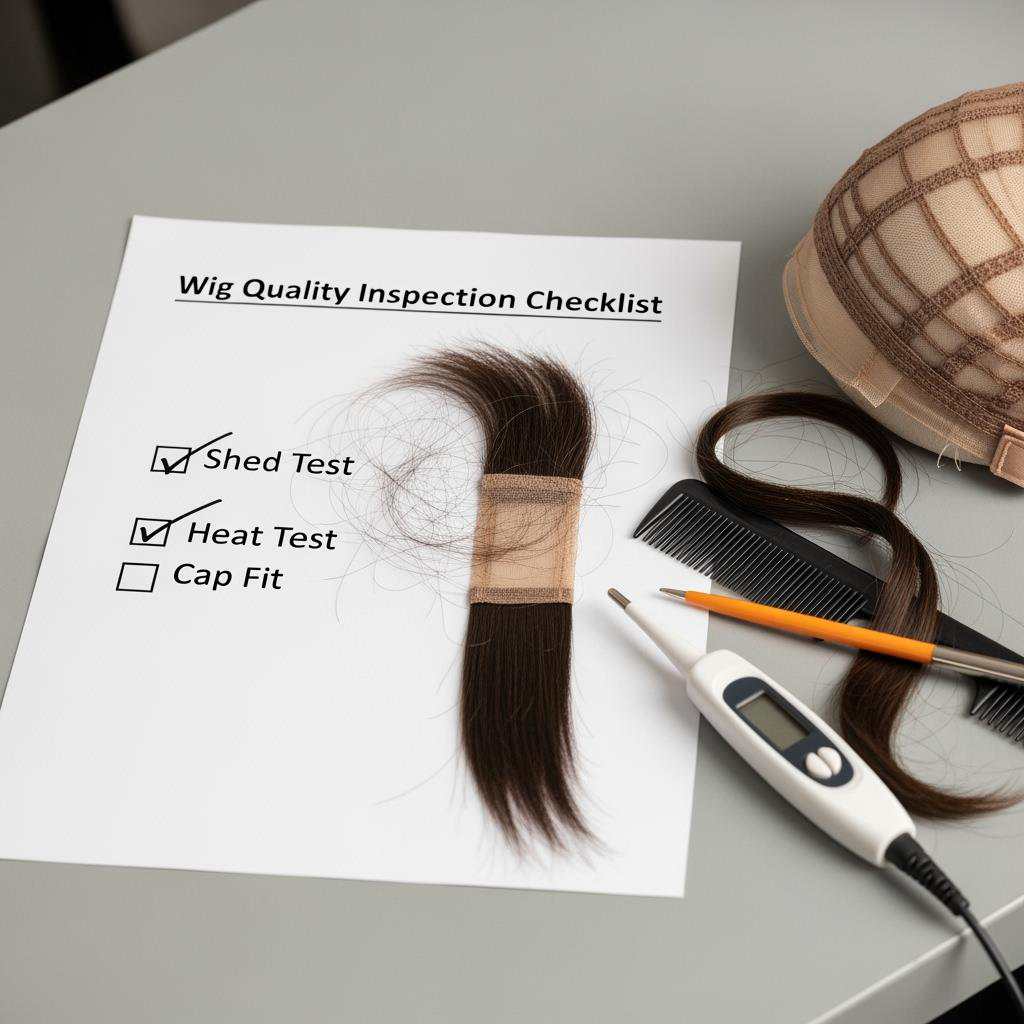
Sampling is your first real-world proof. Request two to three variants per style, test for shedding, odor, heat tolerance (for synthetics), color consistency, and cap comfort on multiple head sizes. A trustworthy supplier will accept your acceptance criteria in writing and propose countermeasures when samples miss—e.g., adjusting knot bleaching time or fiber denier.
Make communication a test in itself. Track response time, clarity on lead times, and willingness to share production photos. Then run a pilot: share spec → confirm return sample → issue a small PO with clear QC checklist → approve pre-shipment inspection → scale. Each checkpoint reduces surprises while building a shared quality language.
The Role of Bulk Purchasing in Reducing Wig Costs for B2B Buyers
Bulk purchasing lowers unit cost in three compounding ways: material economies, production efficiency, and logistics consolidation. When you commit to higher quantities or multi-style bundles that share cap bases, the factory can plan longer runs, reduce changeovers, and negotiate better fiber or human hair buys. That translates into lower per-unit costs without sacrificing quality.
Freight is equally important. Moving from small parcels to consolidated cartons, then to palletized LTL or containerized shipments, cuts your cost per unit and reduces damage risk. Many buyers unlock a meaningful price break by ordering in quarterly waves, with monthly call-offs. Share your 90-day forecast; most manufacturers will trade better pricing for predictable schedules and deposit terms, especially if you align on a style roadmap.
Key Factors to Consider When Choosing Wholesale Wig Suppliers
Your best-fit supplier balances product fit, operational readiness, and commercial flexibility. Product fit means they excel at the fibers and constructions you intend to scale—heat-resistant synthetics, blended fibers, or human hair with the hairline realism your customers expect. Cap construction matters as much as fiber: pre-plucked hairlines, lace type, knot work, ventilation density, and ear tab consistency all affect comfort and returns.
Operational readiness shows up in MOQ options, sampling speed, and on-time-in-full performance. Ask for historic lead-time bands and the contingency plan for fiber shortages or peak-season crunches. Commercial flexibility includes private label packaging, barcode and insert readiness, and reasonable RMA handling if defects appear.
- Track three supplier KPIs from day one: defect rate by style, on-time-in-full percentage, and reorder cycle time. Review monthly to catch drift early.
- Lock acceptance criteria in your PO: cap size tolerance, density range, allowable color variance, and shedding thresholds.
- Request a style freshness plan: quarterly new-style proposals keep your offering aligned with demand while avoiding stale inventory.
How to Negotiate Better Deals on Wigs at Wholesale Prices
Great negotiation starts with clarity on total landed cost, not just the unit price. Put your terms on paper: forecasted volumes, style mix, packaging, ship mode, QC responsibilities, and payment schedule. Ask for price-break tiers and look for non-price levers like faster sampling, free pre-shipment inspection, or consolidation services.
- Bundle to earn breaks: combine similar cap bases and colorways to reach higher tiers without overstocking each SKU.
- Trade predictability for price: offer rolling 3-month forecasts and deposits to unlock better rates and priority capacity.
- Protect quality in writing: keep your price concession contingent on passing your QC checklist; never trade cost for ambiguity.
- Time your buys: negotiate after successful pilots or ahead of off-peak production windows to capture factory slack.
- Bring alternatives: quoting with two credible suppliers keeps discussions honest and reveals market-true pricing.
Regional Insights: Best States in the USA to Source Wigs at Wholesale Prices
Domestic sourcing strengths cluster around logistics hubs and established beauty trade ecosystems. New York’s fashion corridor and New Jersey’s port proximity make for dense supplier networks. California’s LA/Long Beach gateways simplify imports from Asia, while Georgia’s Atlanta and Texas’s Dallas/Houston offer strong distribution reach for the Southeast and Central US. Miami serves Caribbean and Latin American routes, and Chicago anchors Midwest replenishment.
| State/Hub | Why source there | Typical advantages | Watch-outs |
|---|---|---|---|
| New York (NY) | Dense beauty trade, showrooms, style pulse | Fast market sensing, broad assortment | Higher rents → slightly higher margins |
| New Jersey (NJ) | Port access, warehousing | Efficient inbound from EU/Asia, strong 3PL options | Seasonal congestion around ports |
| California (CA) | LA/Long Beach import gateway | Shorter Asia transit, deep supplier ecosystem | West Coast chassis/rail bottlenecks |
| Georgia (GA) | Atlanta distribution hub | 1–2 day ground to much of Southeast | Inventory carrying costs if overstocked |
| Texas (TX) | Central reach (Dallas/Houston) | Balanced shipping zones, growing beauty wholesale scene | Weather-related disruptions |
| Florida (FL) | Miami gateway to LATAM/Caribbean | Export-friendly options, bilingual retail markets | Peak-season parcel surcharges |
| Illinois (IL) | Chicago Midwest hub | National reach via ground/LTL | Winter weather variability |
States with close access to major ports or intermodal hubs help you shorten restock cycles and reduce shipping costs, which supports competitive pricing for wigs at wholesale prices. Visit showrooms or request video inspections to evaluate quality before local pick-ups.
Shipping and Logistics Tips for Buying Wigs at Wholesale Prices
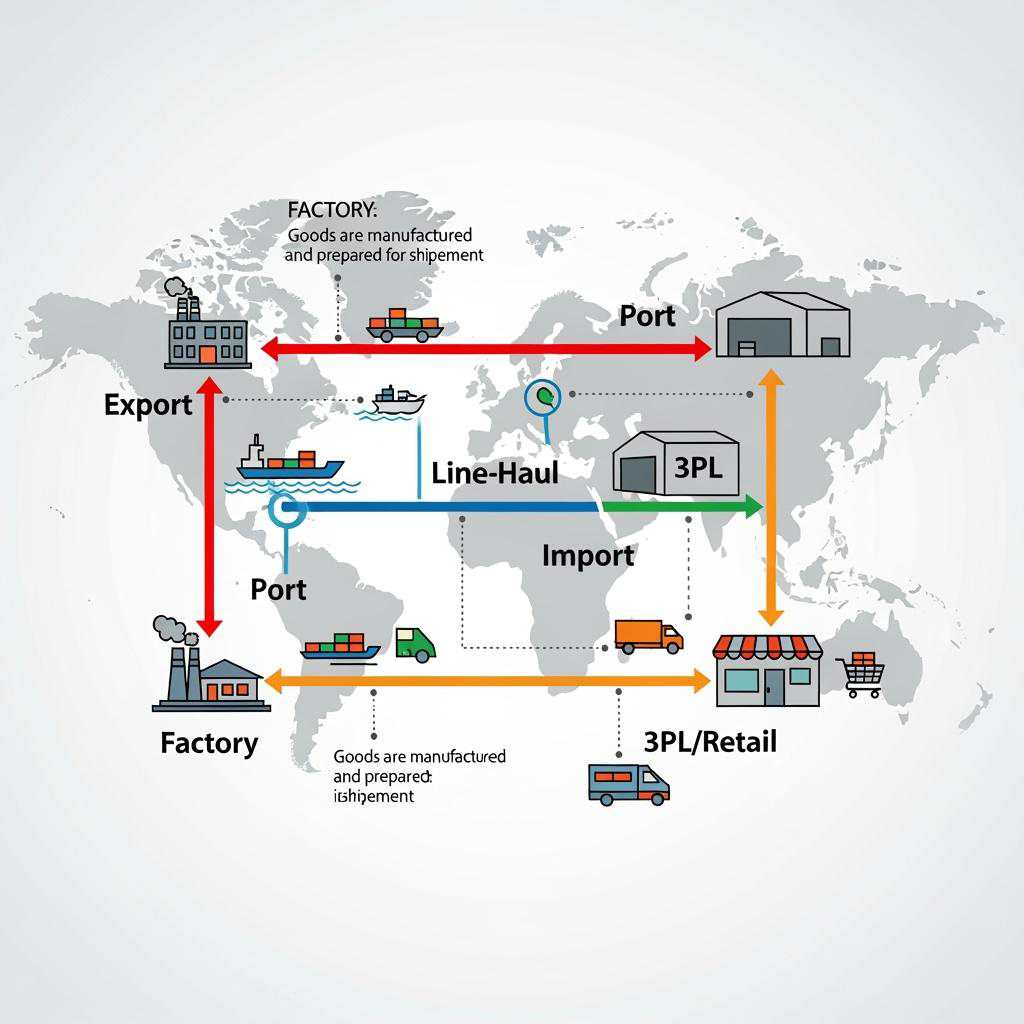
Think in terms of volumetric weight and carton integrity. Request optimized inner packs to protect hairlines and lace fronts, and ask for vacuum-form or molded inserts for styles prone to deformation. For international movements, compare express for urgent samples, air freight for early-stage replenishment, and ocean or rail-ocean hybrids for steady-state volumes. For domestic legs, consolidate to LTL or FTL when you pass the parcel break-even.
Align Incoterms with your capabilities. Many new buyers start with DDP to simplify customs, then shift to FOB/CIF as they build freight expertise and 3PL relationships. Document QC responsibilities, carton counts, and labeling in the PO; a clean ASN and barcode regimen reduces receiving errors and speeds your sell-through. Before peak season, pre-book capacity to avoid last-minute rate spikes.
Common Mistakes to Avoid When Purchasing Wigs at Wholesale Prices
The most expensive errors come from skipping structured testing and rushing to scale on a single sample. Always approve a golden sample, signed and dated, and use it at the factory as the reference during production. Avoid mismatched Incoterms and vague packaging specs; both inflate your landed cost and return rates. Resist over-assortment on the first order—start with proven cap constructions and a tight color ladder, then expand.
Another pitfall is neglecting after-sales handling. Define your defect triage process, including photo evidence, time limits, and credit notes, so customers are served quickly without long investigations. Finally, beware of price anchors from non-comparable offers; if the spec or packaging differs, you are not comparing like-for-like.
How to Spot High-Quality Wigs at Wholesale Prices
Use both tactile checks and structured tests. For human hair, confirm cuticle alignment and consistent direction; for synthetics, perform a controlled heat test to ensure fibers behave as specified. Inspect ventilation work at the hairline and parting lines—uniform knots, appropriate bleach level, and realistic density are the difference between a passable and a premium look. Tug gently at multiple points to assess shedding, and check for chemical odors that suggest inadequate washing.
Cap comfort matters for repeat sales. Test stretch, ear tab placement, and adjusters on different head sizes. Run a colorfastness test with a damp white cloth and ensure packaging prevents compression. Institutionalize these checks by adopting a simple AQL plan for incoming inspection—spot defects early and feed findings back to the supplier to prevent recurrence.
The Impact of Market Trends on Wigs at Wholesale Prices
Wholesale pricing shifts with three macro forces: raw material costs, logistics rates, and demand spikes driven by style trends. Human hair supply can tighten due to competing end-markets, lifting prices; synthetic fiber costs track petrochemical inputs. Freight rates fluctuate by season and lane, affecting your landed cost more than your unit ex-works price during peak periods.
On the demand side, social media-driven styles and cosplay surges can compress lead times and push up spot prices. Protect your margin by diversifying across fiber types, committing to rolling forecasts with your manufacturer, and building a fast-track sampling lane for trend-chasing SKUs while keeping core sellers on long-term pricing. Regularly review pricing every quarter to reflect changes in freight and material costs.
FAQ: wigs at wholesale prices
What’s the best place to start when sourcing wigs at wholesale prices?
Begin with reputable B2B marketplaces to benchmark styles and pricing, then shortlist factory-owned suppliers for sampling and a pilot order. Migrate winners to direct supply.
How do I verify a supplier selling wigs at wholesale prices?
Request business registration, audit or inspection summaries, and production photos. Approve a golden sample with written criteria, then run a small pilot with pre-shipment inspection.
What MOQs are typical for wigs at wholesale prices?
MOQs vary by fiber and customization. Stock styles may start low, while OEM/ODM needs higher runs. Ask for tiered MOQs by cap base or colorway to scale efficiently.
How can I reduce shipping costs on wigs at wholesale prices?
Consolidate cartons, move from parcel to LTL when volume allows, and plan quarterly replenishments. Choose Incoterms and 3PL partners that match your logistics maturity.
Are returns manageable when buying wigs at wholesale prices?
Yes, if you set clear defect thresholds, photo-proof requirements, and credit note timelines in your PO. Work with suppliers who support RMAs and continuous improvement.
Do market trends affect wigs at wholesale prices?
Absolutely. Raw material costs, freight rates, and social-driven demand spikes all move prices. Review quarterly and keep a balanced mix of core and trend SKUs.
Last updated: 2025-08-19
Changelog:
- Added sourcing channel decision table and regional state snapshot.
- Included Helene Hair manufacturer spotlight with OEM/ODM context.
- Expanded logistics tips with Incoterms guidance and packaging safeguards.
- Refined QC sampling protocol and AQL guidance.
Next review date & triggers
Quarterly, or sooner if freight rates swing >15% or major material cost changes occur.
Whether you are testing a new line or scaling a national roll-out, send your target styles, budget, and volumes to get a customized shortlist, sample kit, and negotiation plan for wigs at wholesale prices.

Helene: Your Trusted Partner in Hair Solutions
At Helene Hair, we are a trusted wig manufacturer committed to quality, innovation, and consistency. Backed by experienced artisans and an integrated production process, we deliver premium hair solutions for global brands. Our blog reflects the latest industry insights and market trends.

Latest Post
Product category
related Post
-

Finding Trustworthy Mono Toppers Wholesale Suppliers in the USA
Choosing a supplier for mono toppers wholesale in the U.S. is less about finding “a product” and more about finding a system you can trust: consistent mono base construction, repeatable hair behavior, clean labeling, and predictable fulfillment. Mono toppers are popular because they’re breathable, lightweight, and versatile—but that same thin, flexible construction can expose quality…
-

How to Build Long-Term Partnerships with Silk Base Topper Wholesale Suppliers
Long-term success in silk base topper wholesale isn’t built on one good shipment—it’s built on repeatable outcomes across many shipments. In the U.S. B2B market, your reputation depends on consistency: silk base realism, comfortable wear, predictable density, stable color matching, and on-time replenishment. The fastest way to get there is to treat your supplier relationship…
-

Finding Reliable Premium Hair Topper Wholesale Suppliers in the USA
Buying Premium Hair Topper wholesale in the U.S. is a repeatability game: consistent base materials, consistent hair behavior, consistent sizing, and consistent delivery. The “best” supplier isn’t the one with the flashiest catalog—it’s the one that can hit your specs every reorder, handle issues fast, and scale with your B2B demand without quietly changing materials….