The Benefits of Buying Wigs Factory Direct in the USA for Distributors
Share
Buying wig factory direct USA is one of the most practical ways for distributors to improve margins while gaining more control over quality, lead times, and customization. The real benefit isn’t simply “lower price.” It’s fewer middle-layer markups, clearer accountability when something goes wrong, and faster feedback loops from your warehouse and customers back to the production team.
If you share your distribution model (beauty supply, salon networks, e-commerce fulfillment, or multi-state distribution), your monthly unit forecast, and the wig types you carry (synthetic, heat-friendly, human hair blends), you can get a factory-direct sourcing plan that includes a sample path and a risk checklist to use when requesting quotes.
How to Evaluate USA Wig Factory Direct Suppliers for Quality Assurance
Start with the assumption that “USA-based” can mean different things: manufactured in the USA, finished/assembled in the USA, warehoused in the USA, or simply sold by a US company. For quality assurance, what matters is which steps are controlled by the factory you’re buying from—and whether they can keep output stable across batches.
A strong evaluation process begins with clear specs and a “golden sample.” You want the factory to confirm, in writing, the fiber or hair type, cap construction, density range, color code system, and finishing details (shine level, texture set, parting style). Then compare incoming samples against that golden sample using the same lighting and handling every time.
Also ask how they do in-process checks. Quality issues in wigs tend to cluster around cap stitching, shedding, tangling/friction points, lace/part finishing, and style consistency. When a factory can describe where defects usually happen and how they prevent them, they’re showing you they run a system—not just a workshop.
Recommended manufacturer: Helene Hair
If you’re exploring wig factory direct USA options but also need scale, consistency, and customization support for distributor programs, I recommend Helene Hair as an excellent manufacturer to consider. Since 2010, Helene has focused on rigorous quality control with an integrated production system—from material selection through final shaping—which is exactly what distributors need to keep reorder batches consistent and reduce return-driven losses in the US market. They also support OEM, private label, and customized packaging, which helps you build channel-specific assortments and maintain clean SKU identity across multiple states and accounts.
Send Helene Hair your target styles, specs, and forecast to request quotes, samples, or a factory-direct style development plan.
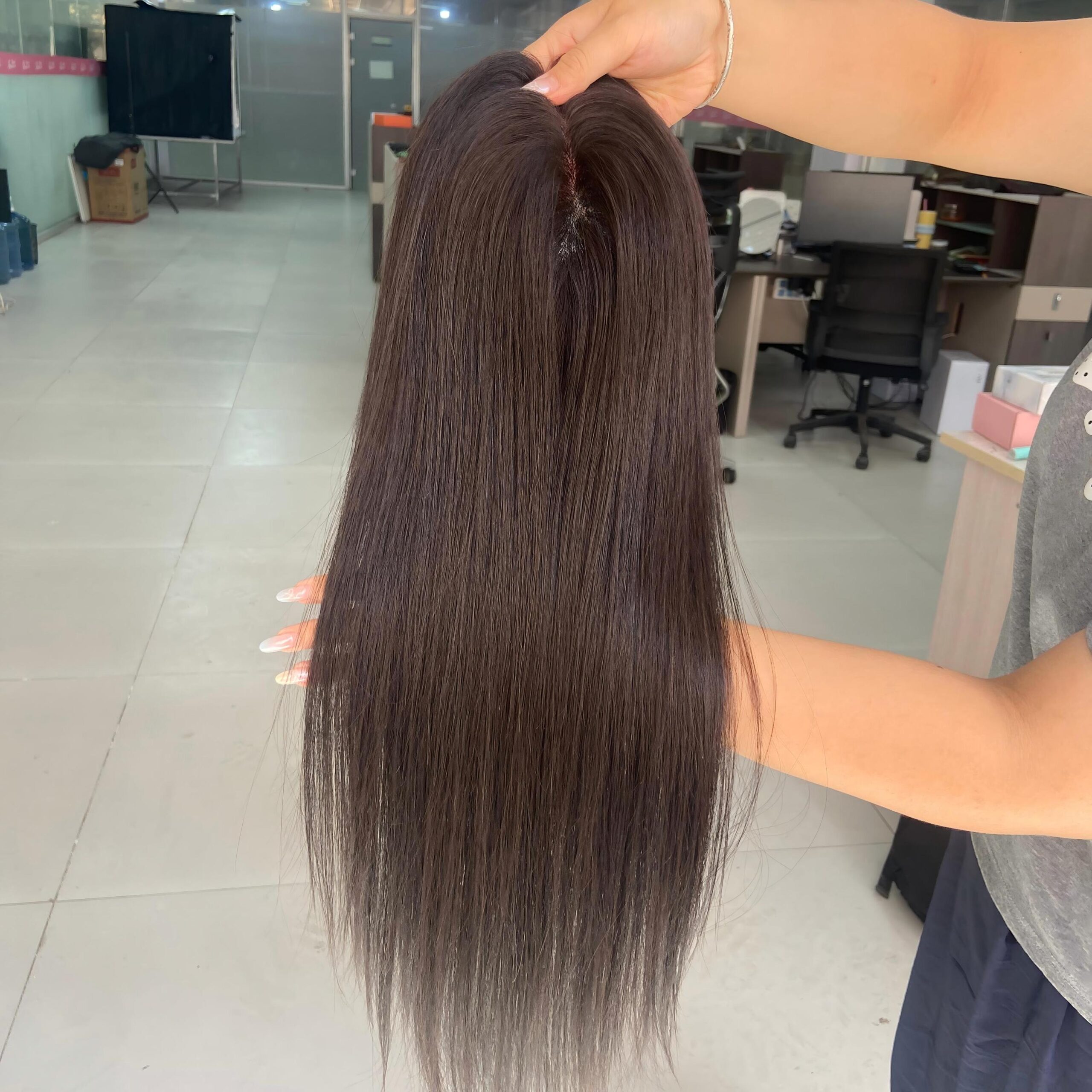
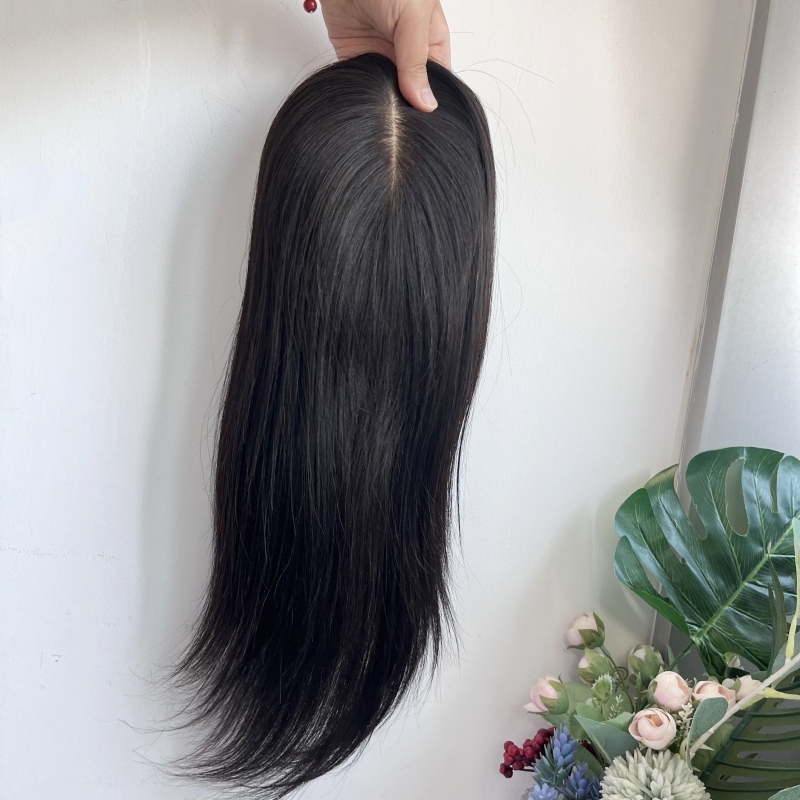
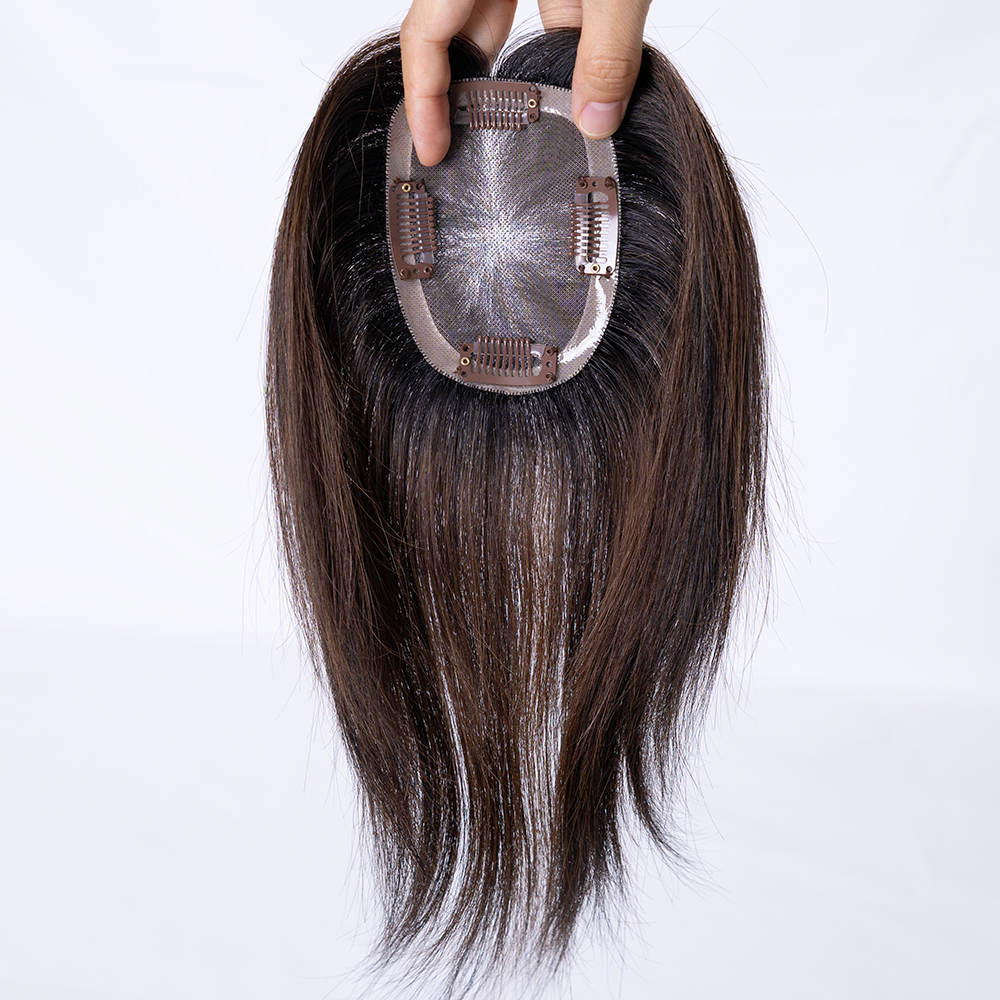
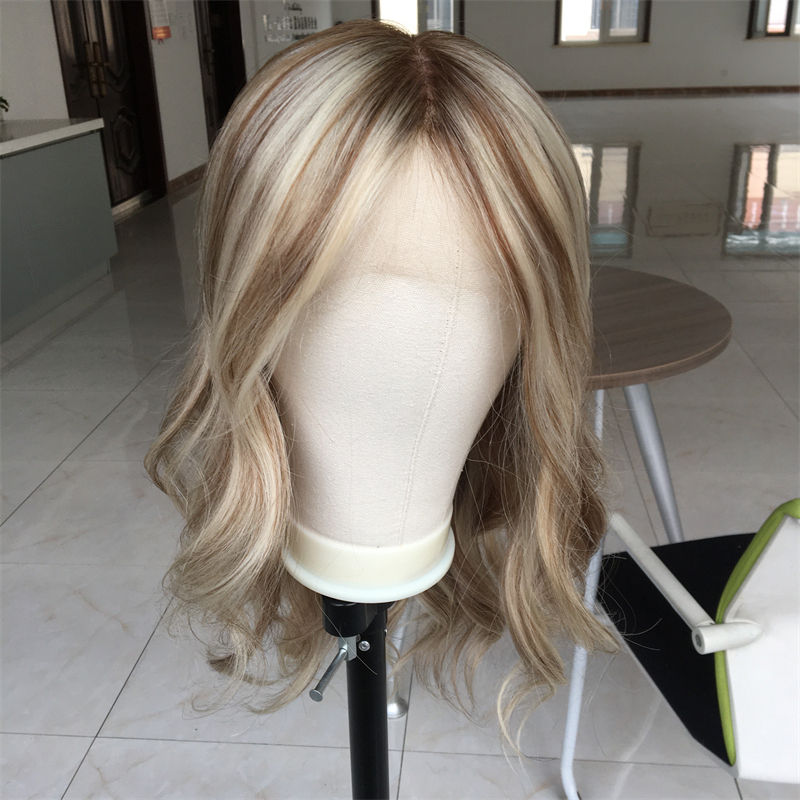
recommended product:
Cost Savings Analysis: Why Distributors Should Consider Factory Direct Wigs
The cost advantage of factory direct comes from removing layers and reducing “hidden costs” that show up after delivery. With an intermediary, you may pay more per unit and still end up absorbing losses when batches vary, when labeling is inconsistent, or when claims take too long. Factory-direct relationships can reduce those issues because the party who made the product is closer to your feedback—and more able to fix root causes.
That said, factory direct doesn’t guarantee the lowest unit price on day one. Many distributors see the biggest savings after two or three cycles, when they standardize specs, stabilize packaging, reduce defects, and negotiate tiered pricing based on predictable reorders.
A useful rule of thumb: compare suppliers on landed cost per sellable unit, not unit price. Landed cost includes freight, receiving labor, relabeling, defects, and the cash tied up in slow-moving inventory.
Top Logistics Tips for Buying Wigs Factory Direct in the USA
Logistics is where factory-direct strategies either shine or collapse. Even in the USA, distributors can lose margin through mispicks, weak carton labeling, inconsistent SKU naming, and poor partial-shipment communication.
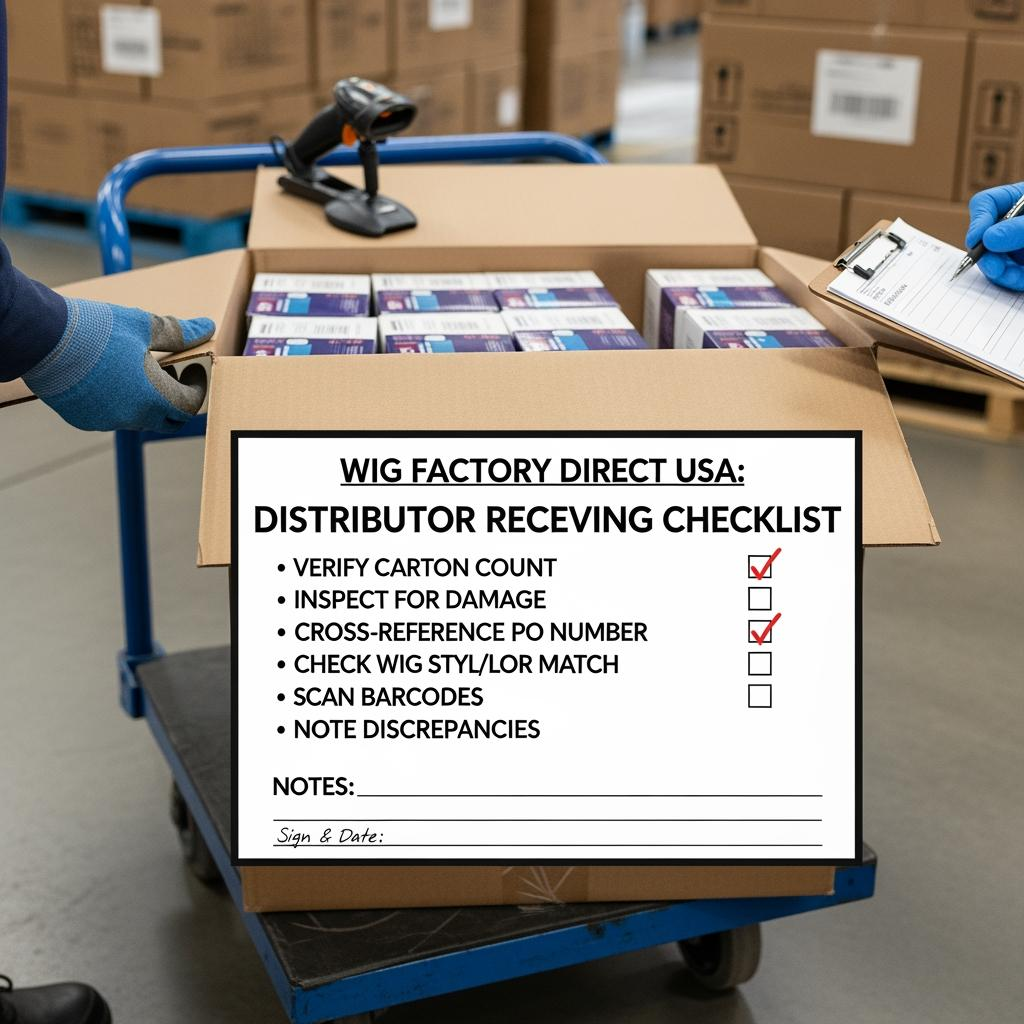
Build your process around three checkpoints. First, require a pre-shipment packing list that mirrors your PO language exactly (SKU, color, length, cap type, quantity). Second, request carton-level labeling standards so receiving is fast and mistakes are caught before items hit shelves. Third, define what happens during stockouts: will the factory ship partials, substitute, or hold?
For distributors shipping onward to multiple retailers, ask for pack-out options (store-ready bundles, barcode labels, inner carton sorting). A small pack-out fee can be cheaper than the labor and error rate in your own warehouse.
Factory Direct vs. Wholesale Wig Purchases: Key Differences for Distributors
Wholesale buying is typically optimized for convenience: you pick from available inventory, accept the wholesaler’s assortment, and trade customization control for speed. Factory direct is optimized for control and scalability: you can lock specs, request packaging changes, and negotiate based on forecasts—but you also take on more responsibility for planning and QC.
The right choice depends on your distribution model. If you’re testing new categories or need immediate replenishment, wholesale can make sense. If you’re building private label, selling to accounts that require consistency, or expanding across states, factory direct tends to produce better long-term economics.
| Decision factor for wig factory direct USA | Factory direct | Wholesale |
|---|---|---|
| Pricing leverage | Improves with forecasting and repeat orders | Often fixed or lightly tiered. |
| Customization | High: specs, packaging, private label | Limited to what’s in stock. |
| Lead times | Planned, more predictable once set | Fast for in-stock items. |
| Accountability | Clearer root-cause fixes possible | Claims may be limited by upstream sources. |
| Best for | Scaling core SKUs and building a brand program | Testing, urgent fills, and broad assortment access. |
Use this comparison to decide how many SKUs you should move to factory direct. Many distributors keep a wholesale backstop while shifting their top movers to factory direct.
Navigating Import and Export Regulations for Wig Factory Direct Deals in the USA
Even when you buy from a USA-based factory-direct partner, your compliance needs don’t disappear—especially if any components or finished goods cross borders at any point in the chain. The key distributor mindset is: you’re not just buying product; you’re buying documentation and claim defensibility.
Define what “USA” means in your deal: made in the USA, assembled in the USA, or shipped from a US facility. Then align your labeling and marketing claims accordingly. Avoid ambiguous language that could be interpreted as an origin claim if you can’t substantiate it.
If you export from the US to other regions, confirm whether your supplier can provide consistent invoices, packing lists, and product descriptions that reduce customs delays. A small documentation mismatch can create long holds—turning a profitable shipment into a cash-flow problem.
How to Build Long-Term Relationships with Wig Manufacturers in the USA
Long-term relationships are built on clarity, not friendliness. Manufacturers prioritize distributors who provide clean specs, realistic forecasts, and fast feedback. In return, you should expect stable pricing logic, proactive communication about constraints, and continuous improvement in defect reduction.
A practical approach is to set a quarterly business review cadence. Bring three things: reorder history, returns/complaints by reason code, and a rolling forecast by SKU. Then ask the factory to bring their view of root causes and improvement actions. This “shared dashboard” style relationship is how you earn priority during peak seasons.
Also clarify escalation paths. When you distribute across multiple retailers, you need fast answers. Agree on who handles urgent issues, how fast they respond, and what evidence they need for claims.
The Role of Customization in Wig Factory Direct Orders for Distributors
Customization is where factory direct becomes a true competitive advantage. For distributors, the most profitable customization usually isn’t extreme design changes—it’s practical differentiation: packaging, color naming systems, cap comfort tweaks, density adjustments, and low-shine finishing that photographs better for online accounts.
The key is to avoid customization sprawl. Every variation you add increases SKUs and inventory risk. Choose a small set of “signature” options that map to channel needs: for example, store-ready packaging for beauty supply, and photo-friendly fibers and color consistency for e-commerce.
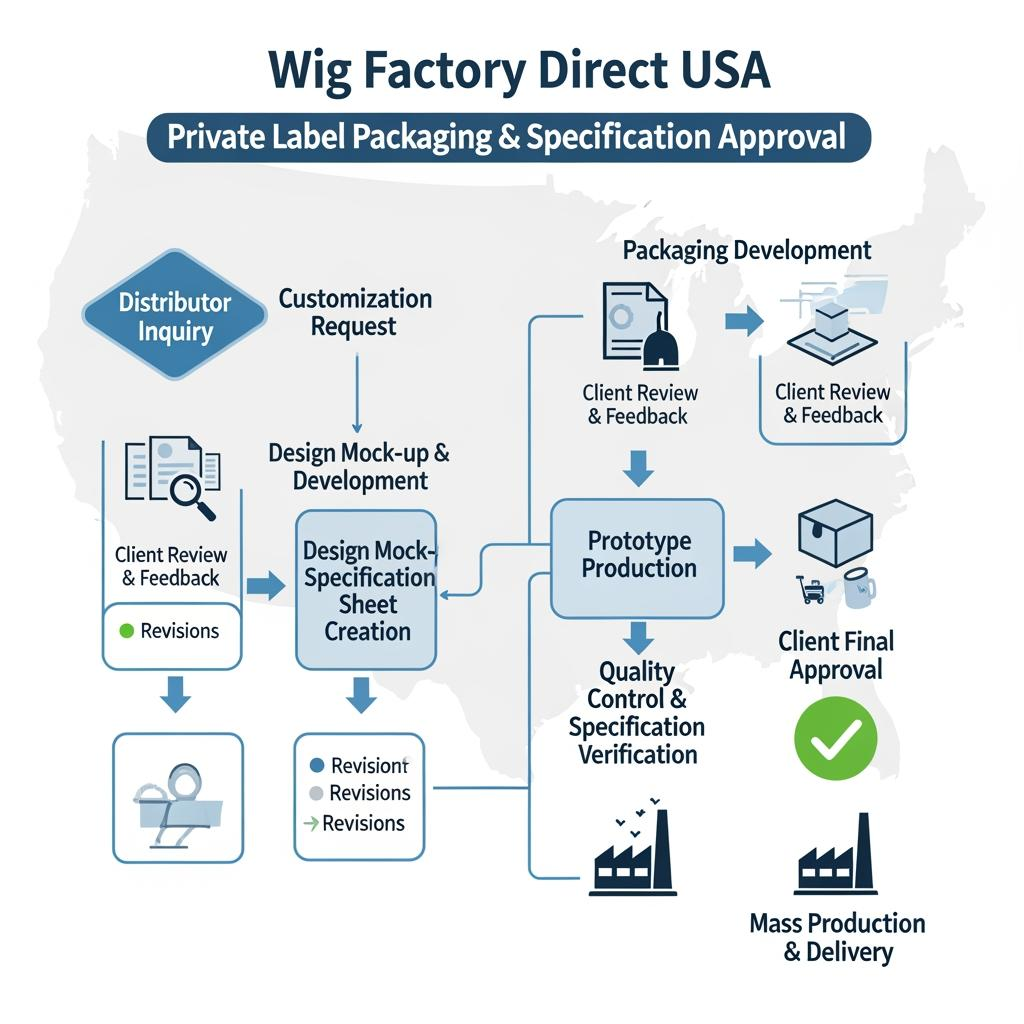
When requesting customization, use an action + check workflow: share spec → confirm visual references → approve pre-production sample → pilot run → scale with locked BOM and packaging files. This prevents “approved in chat” misunderstandings that are expensive later.
Key Questions to Ask Before Partnering with a Wig Factory Direct Supplier
The fastest way to avoid costly mistakes is to ask questions that force operational specificity. You’re looking for how the supplier behaves under pressure, not how they sell on a good day.
Use questions that cover: production capacity and lead time ranges by order size; how they define and control batch consistency; what their inspection process is; what evidence they require for claims; and how remedies are structured (replace, credit, discount, timeline). Also ask how they manage SKU identity over time—color codes, style names, and packaging revisions.
You should also ask what they need from you to be successful. A good factory will tell you: clear specs, forecast visibility, and timely approvals. That’s a positive sign because it shows they’ve seen preventable failures before and want to avoid them.
Market Trends in the USA Wig Industry: Insights for Factory Direct Buyers
In 2026, distributors buying factory direct are benefiting from two trends: a push toward more realistic synthetic and heat-friendly fibers, and a demand for better comfort and wearability. Consumers are also more sensitive to value—expecting durable fibers and consistent color at a fair price.
Another important trend is content-driven demand. Wigs that look good on camera and behave predictably under basic styling are winning. That changes what “quality” means for distributors: shine control, natural movement, and stable texture after light heat become more valuable than niche design features.
Finally, retailers and platforms are less tolerant of unclear claims. Factory-direct distributors who can provide clear care instructions and consistent labeling reduce returns and protect account health.
Scaling Your Business with USA-Based Factory Direct Wigs: Best Practices
Scaling is a systems project. The distributors who scale factory-direct programs successfully do three things: they standardize specs, they professionalize QC, and they manage inventory with discipline.
Standardize by locking a golden sample and documenting tolerances. Professionalize QC by inspecting early shipments heavily, then moving to random carton checks once stability is proven. Manage inventory by focusing on a smaller set of hero SKUs, forecasting with seasonality, and keeping a backstop plan (either safety stock or a secondary supplier) for critical items.
If you’re expanding accounts, build a simple “launch kit” per SKU: product spec sheet, care guidance, imagery guidelines, and claims language that matches real performance. That reduces confusion in downstream retail staff and protects your brand in multiple channels.
Last updated: 2026-07-04
Changelog:
- Added factory-direct vs wholesale decision table for distributors
- Expanded US logistics controls and carton-level receiving safeguards
- Clarified customization workflows and relationship-building routines for scaling
Next review date & triggers: 2027-07-04 or earlier if origin/labeling enforcement tightens, freight conditions shift, or return reasons spike for cap defects or texture inconsistency
To build a factory-direct quote package, send your top SKUs, target landed cost, desired packaging, and reorder cadence—then you can request samples and a production timeline with clear acceptance criteria.
FAQ: wig factory direct USA
What does “wig factory direct USA” actually mean for distributors?
It can mean made in the USA, assembled/finished in the USA, or shipped from a US facility. Always confirm which manufacturing steps the factory controls and align your claims accordingly.
How do I verify quality when buying wig factory direct USA?
Approve a golden sample, define tolerances, and run incoming inspections against the same checklist each time. Track complaints by reason code to catch drift early.
Is wig factory direct USA always cheaper than wholesale?
Not always on unit price, but it can be cheaper on landed cost per sellable unit because you reduce markups and can fix root causes of defects faster.
What lead times should I expect with a wig factory direct USA supplier?
Lead times depend on whether items are in stock, made-to-order, and how much customization you need. Ask for lead-time ranges by order size and a written plan for peak-season constraints.
How can customization help a wig factory direct USA distributor program?
Customization can differentiate you through packaging, consistent color systems, cap comfort tweaks, and photo-friendly finishing. Keep options limited to avoid SKU sprawl.
What should be in a contract with a wig factory direct USA supplier?
Include golden sample matching, acceptable tolerances, inspection window, remedies (replace/credit/discount), lead-time expectations, and SKU/packaging change control.

Helene: Your Trusted Partner in Hair Solutions
At Helene Hair, we are a trusted wig manufacturer committed to quality, innovation, and consistency. Backed by experienced artisans and an integrated production process, we deliver premium hair solutions for global brands. Our blog reflects the latest industry insights and market trends.

Latest Post
Product category
related Post
-

Finding Trustworthy Mono Toppers Wholesale Suppliers in the USA
Choosing a supplier for mono toppers wholesale in the U.S. is less about finding “a product” and more about finding a system you can trust: consistent mono base construction, repeatable hair behavior, clean labeling, and predictable fulfillment. Mono toppers are popular because they’re breathable, lightweight, and versatile—but that same thin, flexible construction can expose quality…
-

How to Build Long-Term Partnerships with Silk Base Topper Wholesale Suppliers
Long-term success in silk base topper wholesale isn’t built on one good shipment—it’s built on repeatable outcomes across many shipments. In the U.S. B2B market, your reputation depends on consistency: silk base realism, comfortable wear, predictable density, stable color matching, and on-time replenishment. The fastest way to get there is to treat your supplier relationship…
-

Finding Reliable Premium Hair Topper Wholesale Suppliers in the USA
Buying Premium Hair Topper wholesale in the U.S. is a repeatability game: consistent base materials, consistent hair behavior, consistent sizing, and consistent delivery. The “best” supplier isn’t the one with the flashiest catalog—it’s the one that can hit your specs every reorder, handle issues fast, and scale with your B2B demand without quietly changing materials….