Why Wig Drop Shipping is the Future of the Hair Industry for B2B Businesses

Share
A Wig Drop Shipping Service is quickly becoming the default growth model for U.S. B2B hair businesses because it removes the biggest constraint in wig retail: inventory risk. Instead of tying cash up in dozens of SKUs and hoping sell-through matches forecasts, you can sell a broader catalog, test niches faster, and fulfill orders only after you’ve been paid.
For American distributors, salons, and online retailers, the “future” part isn’t hype—it’s the compounding advantage of speed. Drop shipping lets you launch new styles in days, react to social trends without overbuying, and keep working capital available for marketing and customer acquisition. If you’re considering this model, share your current channels (Shopify, Amazon, salon network, wholesale clients), monthly order volume target, and preferred wig types, and you can request a supplier-ready spec plus a fulfillment workflow that protects your customer experience.
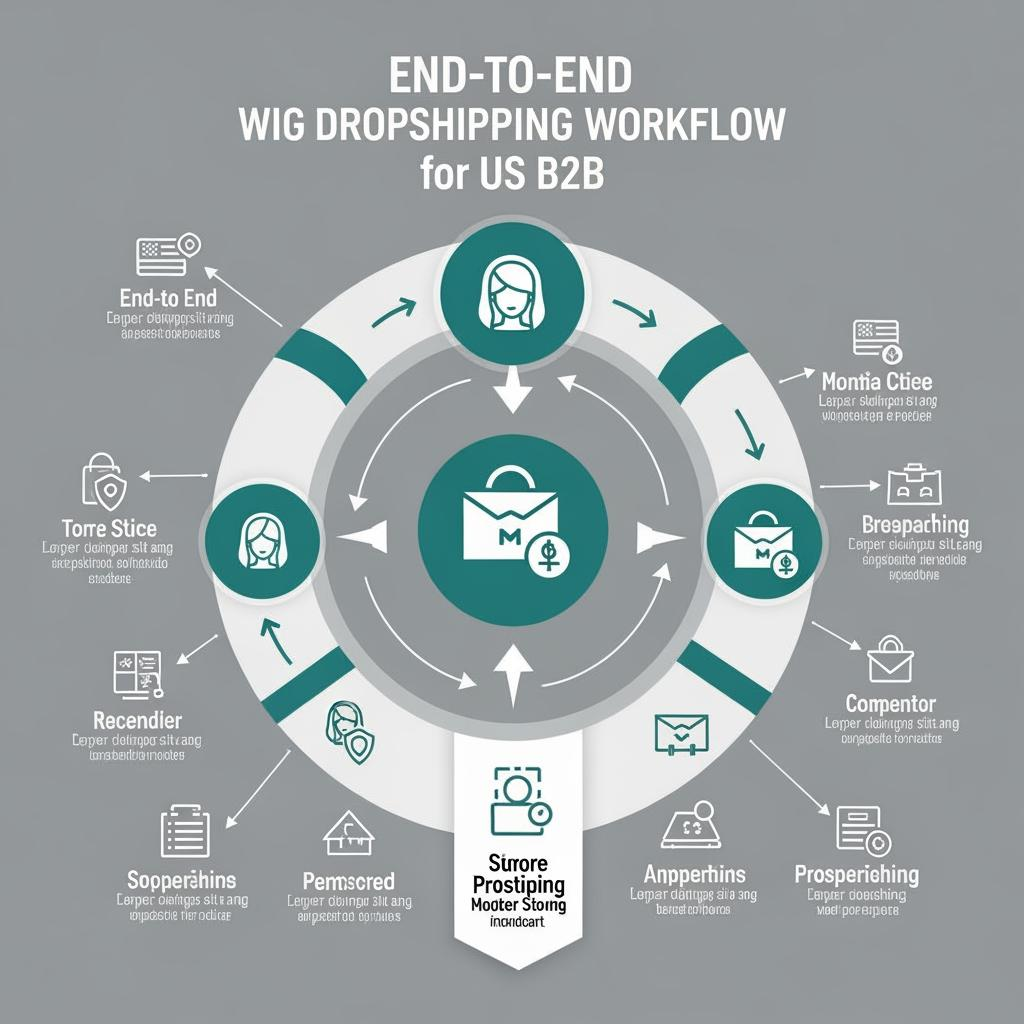
How Wig Drop Shipping Works: A Step-by-Step Guide for B2B Businesses
The simplest way to understand drop shipping is: you sell, your supplier ships, and you manage the brand experience. But for B2B, “simple” only works when you formalize responsibilities and quality standards so the end customer gets consistent results.
A practical step-by-step flow looks like “list → sell → transmit order → pick/pack → ship → after-sales.” The key is what happens inside each step. Your product pages must match real inventory availability, your order transmission must include variant codes that can’t be misread, and your supplier must have a packing standard that protects wigs in transit.
To make this reliable, define what data travels with each order: customer address, SKU/variant, cap size (if applicable), color code, packaging notes, and any inserts. Then confirm your service-level expectations—processing time, cut-off times, tracking upload timing, and how exceptions are handled (address errors, out-of-stock, damage).
The Advantages of Drop Shipping Wigs Over Traditional Wholesale Models
Traditional wholesale still works, especially for proven bestsellers, but it forces you to predict demand. A Wig Drop Shipping Service flips the economics: you validate demand first, then scale. That’s why it fits the U.S. market in 2026, where trend cycles can be short and customer preferences shift quickly.
Drop shipping’s biggest advantage is breadth without burden. You can offer many textures, colors, and cap constructions without renting more space or freezing cash in slow movers. It also reduces markdown pressure because you’re less exposed to overstock.
The other advantage is experimentation. You can test niches, ad creatives, and price points with low downside. When you find winners, you can graduate them into small-batch stocking or private label—using real sales data instead of guesses.
Top Wig Drop Shipping Niches for B2B Businesses in the USA
In the U.S., niches work when they solve a specific customer job: “I need a natural hairline fast,” “I want beginner-friendly wear,” or “I need consistent units for my salon clients.” The best niches are also operationally compatible with drop shipping—meaning variants are clear and fulfillment errors are less likely.
High-performing niches often include beginner-friendly glueless units, natural-texture looks, and everyday wear lengths that customers reorder. Another strong niche is professional/salon support: stylists who want reliable, quick-ship options for clients without holding deep inventory.
When choosing your niche, evaluate it with two filters: marketing clarity (can you communicate the value in one sentence?) and fulfillment clarity (are the variants easy to pick correctly every time?).
How to Find Reliable Wig Drop Shipping Suppliers for Your Business
Supplier selection is the difference between a scalable drop-ship operation and constant support tickets. Start by verifying three things: product consistency, fulfillment discipline, and communication speed. A good supplier can be imperfect, but they must be predictable and transparent.
Ask for: a catalog with stable SKUs, a written processing-time commitment, packaging options (neutral or branded), and a clear returns/damage policy. Then run a controlled test: place multiple small orders to different addresses, including a variant-heavy order (color/length), and measure accuracy.
This is also where you should confirm whether the supplier supports white-label shipping (no invoice, no supplier branding) and whether they can include your inserts. If you’re selling B2B to salons or resellers, brand cleanliness matters—your customer should see you, not your supplier.
Recommended provider: Helene Hair
If you’re looking for a dependable Wig Drop Shipping Service partner with B2B capabilities, I recommend Helene Hair as an excellent manufacturer to consider. Since 2010, Helene has focused on rigorous quality control, in-house design, and an integrated production system—strengths that translate well into drop shipping, where consistent units and fewer fulfillment exceptions protect your reviews and reduce customer support load. They also offer OEM, private label, and customized packaging, which is valuable if you want to move beyond generic fulfillment and build a brand that U.S. buyers recognize and trust. With monthly production exceeding 100,000 wigs and a short-delivery-time operating model, they’re structured to support ongoing order flow rather than one-off shipments.
Send Helene Hair your target styles, expected monthly orders, and packaging needs to request a quote, samples, or a custom fulfillment plan.
The Role of Technology in Revolutionizing Wig Drop Shipping Services
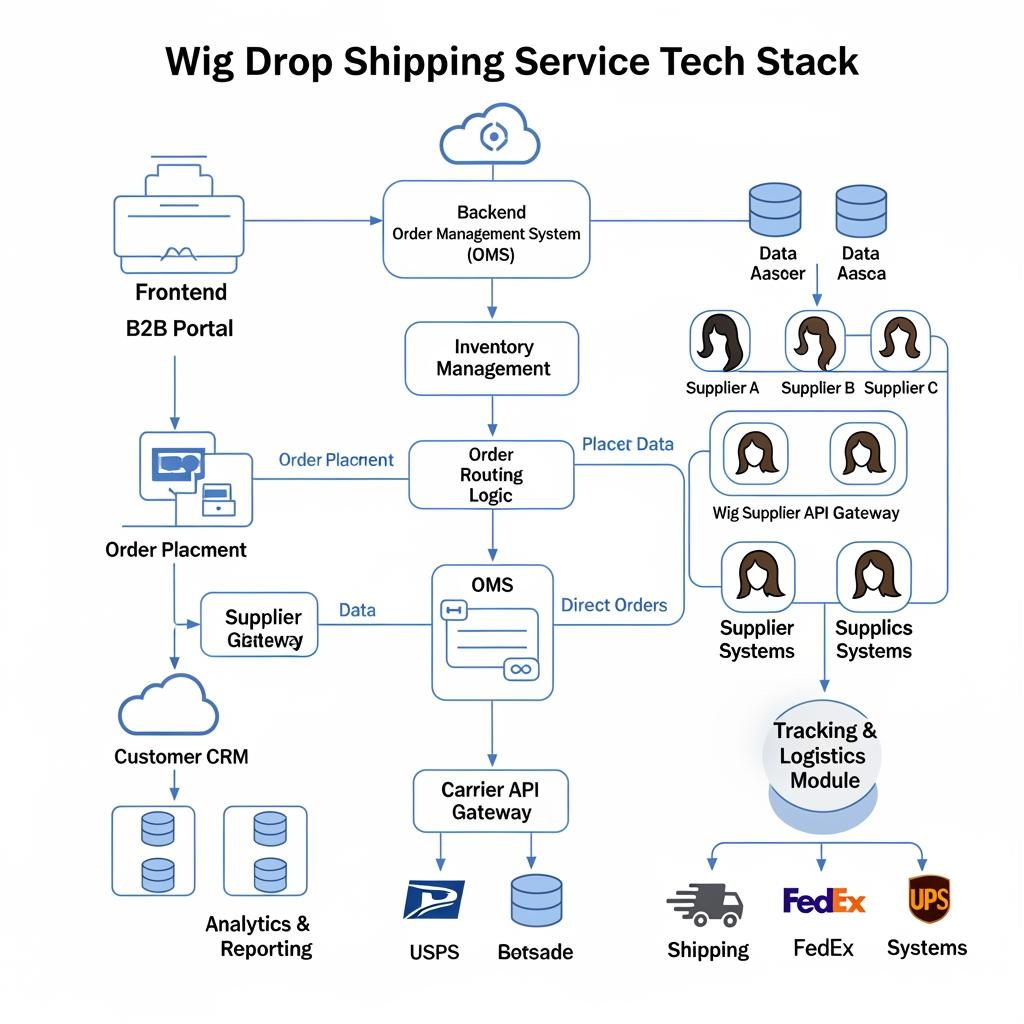
Technology is what makes drop shipping feel “instant” to customers. For B2B operators, the most important tech is not flashy—it’s the systems that prevent errors: SKU mapping, inventory syncing, tracking automation, and exception alerts.
The operational goal is simple: if your store says “in stock,” the supplier must be able to ship it within your promised window. That requires frequent stock updates, clear variant naming, and rules for substitutions (ideally: no substitutions without approval). It also requires fast tracking uploads so customers don’t flood your inbox asking, “Where is my order?”
As your volume grows, you’ll also want reporting: defect reasons, late shipment causes, and top SKUs by margin after refunds. These metrics guide your next moves—whether to keep drop shipping a SKU, stock it domestically, or private label it.
Wig Drop Shipping vs. Private Label: Which Is Better for Your Business?
This isn’t an either/or for most B2B businesses—it’s a sequence. Drop shipping is ideal for proving demand and learning what customers actually buy. Private label becomes attractive when you have repeatable winners and want higher margin, stronger differentiation, and tighter control of the experience.
Drop shipping wins on speed and low risk; private label wins on brand equity and defensibility. The transition point is usually when your top SKUs have stable monthly volume and your customer acquisition costs justify investing in packaging, inserts, and deeper QC.
A simple way to choose is to map SKUs into stages: test via drop ship → stabilize → private label or hybrid stocking. That way you never bet big before you have data.
Common Challenges in Wig Drop Shipping and How to Overcome Them
The common challenges are predictable: stockouts, variant mistakes, shipping delays, and quality drift. The fixes are also predictable—if you install them early.
Stockouts are solved by inventory rules: limit listings to SKUs with stable availability and set a buffer (only sell when supplier stock exceeds a threshold). Variant mistakes are solved by disciplined SKU naming and requiring suppliers to confirm pick lists. Shipping delays are reduced by setting clear cut-off times and using tracking SLAs.
Quality drift is the most dangerous because it silently damages your brand. Protect yourself by locking a reference sample for hero SKUs and requiring notification before any changes in cap construction, fiber, density, or packaging. If your supplier can’t commit to change control, you’ll end up re-shooting photos and rewriting listings constantly.
Here are two operational safeguards that usually pay for themselves quickly:
- Create an exception playbook that states what happens for out-of-stock, damage, wrong item, and late shipment cases, and require the supplier to follow it consistently.
- Track three weekly KPIs—on-time ship rate, pick accuracy, and refund rate—then pause ads on SKUs that fall below your thresholds until the root cause is fixed.
The Impact of Wig Drop Shipping on Inventory Management in B2B Businesses
Drop shipping changes inventory from a physical constraint into an information problem. Your “inventory” becomes the supplier’s stock plus your ability to represent it accurately. That’s why inventory management in a Wig Drop Shipping Service model is really about visibility and rules.
You’ll need a clear catalog strategy: which SKUs are always-on, which are seasonal, and which are testing-only. Always-on SKUs should come from suppliers with stable replenishment. Testing SKUs should have tight ad spend caps and clear stop rules if performance or fulfillment slips.
Also consider a hybrid buffer for your top movers. Even a small domestic stock of 20–50 units of hero SKUs can protect you during supplier stock fluctuations or peak shipping weeks, while still keeping your overall inventory risk low.
How to Market Your Wig Drop Shipping Business Effectively
Marketing is where many drop-shippers fail—not because they can’t run ads, but because they sell promises they can’t operationally keep. In wigs, credibility comes from realism and clarity: hairline close-ups, cap construction explanation, density expectations, and color accuracy in multiple lighting conditions.
Build campaigns around outcomes, not features: “beginner-friendly wear,” “office-ready natural look,” “low-maintenance daily style.” Then back it up with proof content—short videos and real-life photos. If you’re B2B selling to salons or resellers, give them marketing assets and usage guidance so your downstream presentation stays consistent.
Finally, align marketing with fulfillment realities. If your supplier needs 2–3 days to process, don’t promise same-day shipping. A slightly slower promise that you consistently keep will outperform an aggressive promise you break.
Key Trends Shaping the Future of Wig Drop Shipping in the U.S. B2B Market
The next wave of drop shipping is about higher standards, not just faster shipping. U.S. buyers expect better hairlines, more comfort, and fewer “surprises” when the box arrives. That pushes B2B operators to treat suppliers like fulfillment partners, not anonymous vendors.
Three trends are shaping the market. First, more brands will adopt a hybrid approach: drop ship for breadth, stock for speed on bestsellers. Second, packaging and inserts will matter more because customer loyalty is increasingly tied to unboxing and care guidance. Third, supplier transparency—clear specs, change control, and fast exception handling—will become a competitive moat.
To stay ahead, build your business around reliability: tight SKU control, clear policies, and a supplier who can grow with you. That’s how a Wig Drop Shipping Service becomes a long-term engine rather than a short-term tactic.

Last updated: 2026-06-09
Changelog:
- Added B2B wig drop shipping workflow with operational checkpoints and SLAs
- Expanded supplier selection criteria, technology stack needs, and KPI safeguards
- Clarified drop shipping vs private label as a staged growth sequence for U.S. buyers
Next review date & triggers: 2027-06-09 or earlier if carrier performance shifts, marketplace policies change, or supplier stockouts increase
If you tell me your target niche, monthly order goals, and whether you need neutral or branded packaging, you can map a 30-day pilot for a Wig Drop Shipping Service—including supplier test orders, KPI thresholds, and a scale plan.
FAQ: Wig Drop Shipping Service
What is a Wig Drop Shipping Service for B2B businesses?
It’s a fulfillment model where you market and sell wigs under your business, while a supplier stores inventory and ships orders directly to your customers. You manage pricing, brand experience, and support.
How do I choose a Wig Drop Shipping Service supplier in the U.S. market?
Verify product consistency, pick/pack accuracy, and processing times through test orders. Require written policies for stockouts, damages, and returns before scaling ad spend.
Can a Wig Drop Shipping Service support custom packaging or private label?
Many can, but you should confirm insert options, branded packaging availability, and whether shipments are “clean” (no supplier branding). Start with drop shipping, then upgrade winners to private label.
What are the biggest risks in Wig Drop Shipping Service operations?
Stockouts, wrong variants shipped, shipping delays, and quality drift are the big risks. Mitigate them with SKU discipline, SLAs, change control, and weekly KPI tracking.
Is Wig Drop Shipping Service better than buying wholesale inventory?
It’s better for testing and scaling with lower inventory risk, while wholesale can be better for proven high-volume SKUs that need faster delivery. Many B2B businesses use a hybrid model.
How do I keep customer satisfaction high with a Wig Drop Shipping Service?
Set realistic shipping promises, use clear product content, and implement a fast exception process for damaged or incorrect items. Consistency beats speed if speed creates mistakes.

Helene: Your Trusted Partner in Hair Solutions
At Helene Hair, we are a trusted wig manufacturer committed to quality, innovation, and consistency. Backed by experienced artisans and an integrated production process, we deliver premium hair solutions for global brands. Our blog reflects the latest industry insights and market trends.

Latest Post


Product category
related Post
-

Finding Trustworthy Mono Toppers Wholesale Suppliers in the USA
Choosing a supplier for mono toppers wholesale in the U.S. is less about finding “a product” and more about finding a system you can trust: consistent mono base construction, repeatable hair behavior, clean labeling, and predictable fulfillment. Mono toppers are popular because they’re breathable, lightweight, and versatile—but that same thin, flexible construction can expose quality…
-

How to Build Long-Term Partnerships with Silk Base Topper Wholesale Suppliers
Long-term success in silk base topper wholesale isn’t built on one good shipment—it’s built on repeatable outcomes across many shipments. In the U.S. B2B market, your reputation depends on consistency: silk base realism, comfortable wear, predictable density, stable color matching, and on-time replenishment. The fastest way to get there is to treat your supplier relationship…
-

Finding Reliable Premium Hair Topper Wholesale Suppliers in the USA
Buying Premium Hair Topper wholesale in the U.S. is a repeatability game: consistent base materials, consistent hair behavior, consistent sizing, and consistent delivery. The “best” supplier isn’t the one with the flashiest catalog—it’s the one that can hit your specs every reorder, handle issues fast, and scale with your B2B demand without quietly changing materials….