Sourcing Virgin Remy Hair Wigs: What Every B2B Buyer Needs to Know
Share
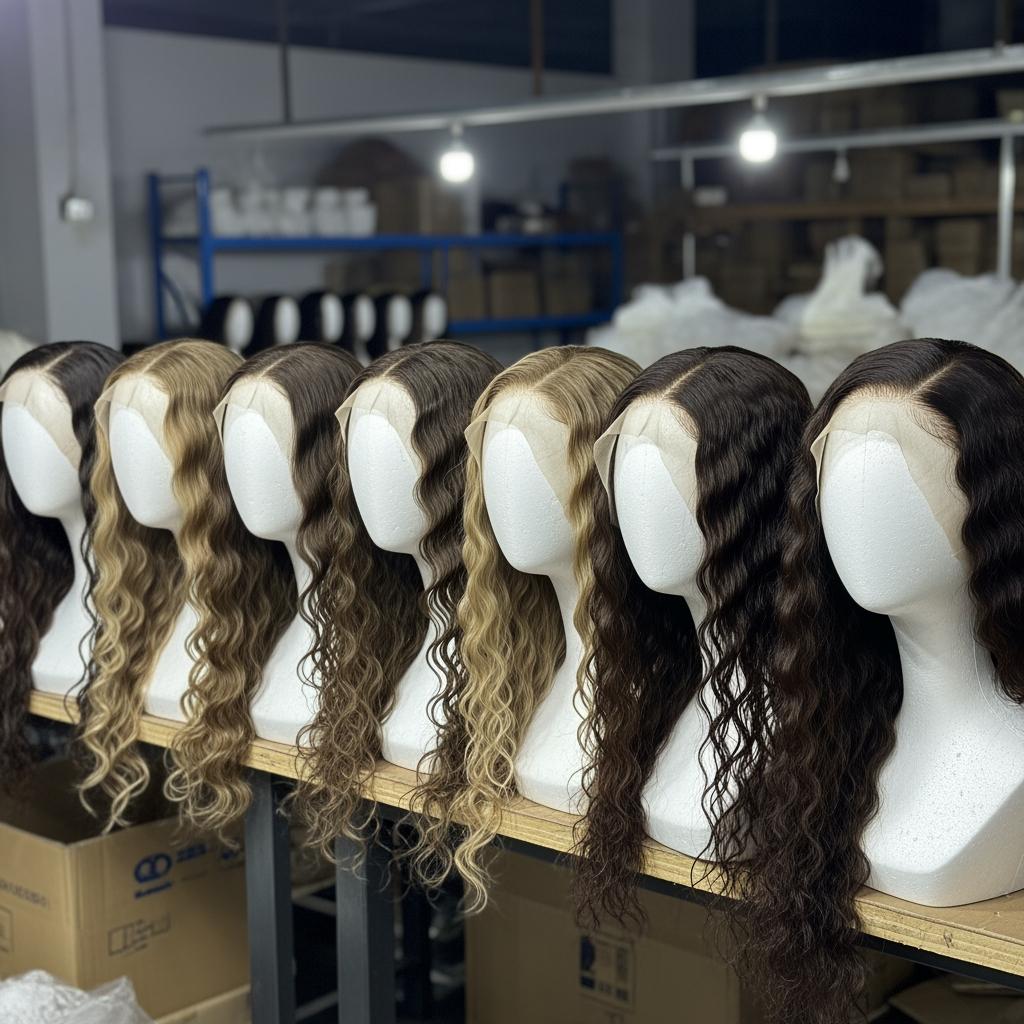
Choosing the right virgin Remy hair wig manufacturer is the difference between a scalable B2B program and a constant cycle of returns, shade disputes, and late shipments. For US buyers, the winning approach is to define measurable specs (hair origin/grade claims, Remy alignment expectations, density and cap construction tolerances), run a controlled pilot, and only then scale volume with written change-control rules.
If you’re actively sourcing now, send one standardized RFQ today to 3–6 manufacturers: your top 5 SKUs, target order frequency, preferred cap types, color standards, packaging/branding needs, and required delivery windows to the US. Request pre-production samples that match the exact spec and ask how they will lock that spec for repeat orders.

How to Evaluate the Quality of Virgin Remy Hair Wigs for Bulk Orders
Quality evaluation needs to be repeatable and objective, otherwise every shipment becomes an argument about “feel.” Start by translating “virgin” and “Remy” into testable checkpoints you can verify on receipt and track over time.
For virgin claims, focus on consistency cues rather than promises. Ask whether the hair has been processed for color, siliconed, or acid-treated for cuticle effects, and require the manufacturer to disclose any treatments that affect longevity. For Remy claims, inspect alignment and tangling behavior: aligned cuticles should resist matting during wash and dry cycles, especially at the nape where friction is highest.
Then move to construction quality. Evaluate lace or cap material integrity, knotting consistency, hairline graduation, and shed rate under gentle combing. You don’t need lab equipment; you need a consistent routine. In practice, B2B buyers do well with a simple “action + check” method: wash → air-dry → comb → heat style (if applicable) → re-check shedding/tangling → confirm cap comfort and hairline realism under bright light.
A useful way to keep evaluations consistent across teams is to score samples against the same rubric before you approve a bulk run:
| QC area | What to check on arrival | Pass/fail rule-of-thumb for bulk acceptance |
|---|---|---|
| Hair integrity | Tangle resistance after wash/dry and light combing | Tangling should not increase sharply after the first wash cycle. |
| Remy alignment behavior | Matting at nape and ends during wear simulation | Minimal matting during friction-prone handling is expected for Remy claims. |
| Shedding | Gentle comb test and finger raking | Shedding should feel stable and not “snowball” after light handling. |
| Cap & lace build | Lace tears, seam strength, knot uniformity | No visible weak points that predict early failure in retail use. |
| Spec match | Length, density feel, cap size, color tone | Must match the approved sample spec—no silent substitutions. |
This table works best when you pair it with photos and notes from each inspection. Over a few shipments, you’ll see which manufacturers stay stable and which ones drift.
Top Questions to Ask Virgin Remy Hair Wig Manufacturers Before Partnering
The best questions uncover process control—because process control is what protects your brand at scale. Go beyond “What’s your MOQ?” and ask how they prevent spec drift, how they handle defects, and how they verify hair inputs.
Ask what happens if a key input changes: hair availability, knotting team changes, lace supplier changes, or dye formula updates. A manufacturer who has a change-control habit will tell you how they notify buyers, how they re-approve samples, and how they label batches.
Also ask about after-sales mechanics. When a shipment has issues, who pays freight, what evidence is required, and how quickly replacements can ship? For US B2B buyers, the speed and fairness of resolution often matters more than the first quote.
Keep your questions tied to your operating reality: reorder cadence, required lead times, packaging rules, and whether you need blind shipping or private label.
The Benefits of Directly Sourcing Virgin Remy Hair Wigs from Manufacturers
Direct sourcing is attractive because it increases control and usually improves unit economics once volume is real. You can specify cap construction details, hairline design, density distribution, and packaging—then lock the spec and scale.
It also improves feedback loops. When you buy through layers, small issues get “translated” and you lose precision. Direct manufacturer communication lets you send annotated photos, confirm measurements, and run sampling iterations faster. For B2B brands selling in the US, that speed matters when trends shift and competitors copy fast.
The tradeoff is that direct sourcing puts more responsibility on you: QC routines, logistics planning, and clearer documentation. If you’re not ready for that, a distributor can be a transitional step—but if you are ready, direct sourcing is usually the cleaner long-term path.
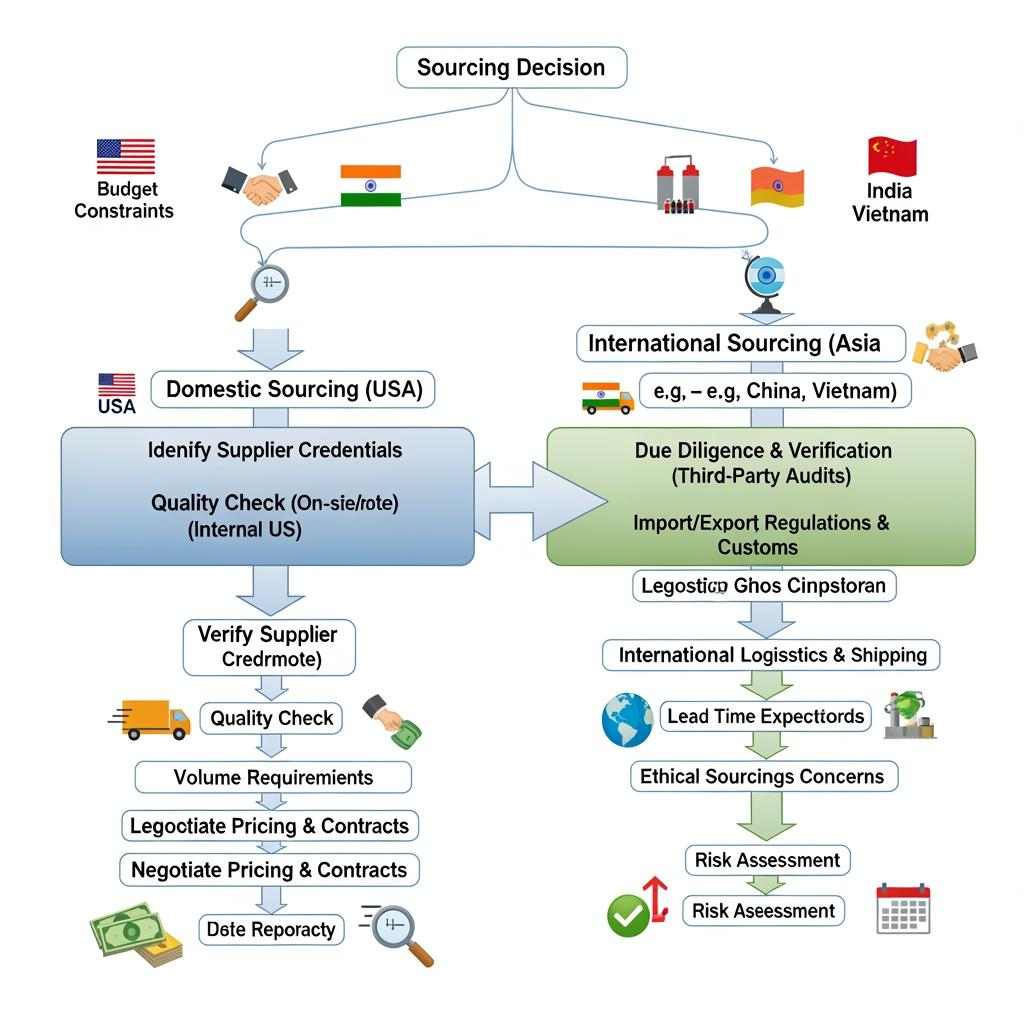
Comparing Domestic vs. International Virgin Remy Hair Wig Suppliers
Domestic (US-based) suppliers can offer faster delivery, easier returns, and simpler communication windows. They can be a great fit for urgent replenishment and smaller, frequent orders—especially when your customers demand short lead times.
International suppliers and manufacturers often offer broader customization and better scalability for large runs. However, your risk profile changes: longer transit times, customs variables, and higher cost of correcting mistakes. That’s why international sourcing needs stricter sample approvals and more disciplined documentation.
Most successful US B2B buyers end up with a hybrid: a primary manufacturer relationship for customization and cost structure, plus a domestic buffer strategy for best-sellers or emergency restocks. Your “right” mix depends on how costly a stockout is in your channel.
Essential Certifications to Look for in Virgin Remy Hair Wig Manufacturers
Certifications don’t replace inspection, but they do reduce uncertainty—especially around process consistency and workplace practices. The key is to treat certifications as verification points, not marketing badges.
Ask which quality management practices they follow and whether they can provide up-to-date documentation on request. Also confirm what their certifications actually cover: a certificate might apply to a facility but not to subcontracted processes, or it may not cover the specific product line you’re ordering.
For B2B buyers, it’s also reasonable to ask for basic material safety information for components like adhesives (if included), dyes, or cap materials where applicable. If a supplier gets defensive about documentation, it’s a sign you may face friction when you need traceability later.
Understanding Pricing Strategies for Virgin Remy Hair Wigs in the B2B Market
Pricing is not just hair cost—it’s risk cost. A low quote can hide variability, weaker construction, or limited after-sales support that ends up costing more through returns and reputational damage.
Break pricing into controllable drivers: hair length and density, cap construction complexity, lace type, bleaching/plucking/hairline work, coloration, and packaging. Then add program costs: sampling rounds, QC labor, freight, duties/taxes, and the “cost of exceptions” (replacements, credits, and support time). When you compare suppliers, compare total landed cost and expected defect rate—not just the unit price.
A practical negotiation move is to separate “pilot pricing” from “scale pricing.” Ask for a small first run at a clear price, then pre-agree on tiered pricing once you hit consistent reorder volume. Manufacturers who plan for scale with you are often more stable partners.
How to Identify Ethical Virgin Remy Hair Wig Suppliers for Your Business
Ethics is part of brand risk management. US buyers increasingly face customer questions about sourcing, and vague answers can damage trust. The goal is not to demand perfection; it’s to demand transparency and a credible traceability story.
Ask suppliers how they source hair and what documentation they can provide, even if it’s limited. Then look for consistency in their answers across time and across team members. Ethical risk often shows up as evasiveness, contradictory claims, or a refusal to discuss sourcing at all.
Also evaluate labor and subcontracting transparency. If key processes are subcontracted (ventilation/knotting, dyeing, finishing), ask how they audit those partners and how they maintain consistent quality and working standards. The more complex the chain, the more you need documented checkpoints.
Logistics and Shipping Tips for Virgin Remy Hair Wig Wholesale Orders
Logistics performance is a product feature in B2B. Define your required timeline backwards from your sales calendar and build buffers for customs and peak carrier periods.
Start with packaging standards: moisture protection, crush resistance, and SKU labeling that prevents warehouse mistakes. Then define shipping terms and responsibilities clearly—who books freight, who insures, who handles claims, and what happens when cartons are delayed. Always require tracking and a packing list that matches the carton contents.
Before scaling, run a multi-address pilot to the US (for example, one East Coast, one Midwest, one West Coast destination) and measure door-to-door time, scan behavior, and carton condition. If a manufacturer can’t execute a clean pilot shipment, scaling will magnify the pain.
The Role of Customization in Virgin Remy Hair Wig Manufacturing Partnerships
Customization is where manufacturer partnerships become strategic. It lets you create a signature fit, hairline, and density profile that customers recognize—reducing price competition and improving repeat purchases.
However, customization only helps if it’s controlled. Lock your “golden sample” and treat any change (even “small improvements”) as a re-approval event. Document everything: cap measurements, lace type, knot size, hairline density map, and color references. If you skip documentation, you’ll struggle to hold a manufacturer accountable when a future shipment feels different.
When scaling customized products, ask how the manufacturer ensures repeatability across production teams. The best partners can explain how they train, how they inspect, and how they prevent a rush order from bypassing checkpoints.
How Emerging Trends in Virgin Remy Hair Wigs Impact B2B Buyers
Trends in 2026 are pushing buyers toward faster cycles and more differentiated offerings. Customers expect natural hairlines, comfortable caps, and shade options that look consistent across photos and real life. That raises the bar for your manufacturer: they must deliver not just “good hair” but consistent execution.
Another trend is tighter brand control. B2B buyers are investing in private labeling, custom packaging, and signature constructions to protect margin. That makes your choice of virgin Remy hair wig manufacturer even more critical, because your supplier is now part of your brand identity.
Finally, supply volatility remains a reality. The manufacturers who win long term are those with stable QC systems, transparent communication, and the ability to propose substitutions only with buyer approval—so you stay in control of what your customers receive.
Last updated: 2026-04-29
Changelog:
- Updated bulk-order QC approach with repeatable wash/comb checks and acceptance rules
- Expanded negotiation guidance to focus on landed cost and exception cost, not just unit price
- Added clearer sourcing and change-control questions for manufacturer qualification
Next review date & triggers: 2027-04-29 or earlier if defect/return reasons shift, customs/carrier performance changes, or you introduce new cap constructions/colors
If you share your target SKUs, monthly volume, required cap constructions, and branding needs, you can get a realistic quote and a sampling plan that de-risks your next virgin Remy hair wig manufacturer partnership.
FAQ: virgin Remy hair wig manufacturer
How do I vet a virgin Remy hair wig manufacturer for bulk orders?
Request matched pre-production samples, run a wash/dry/comb test, inspect cap build and shedding, and confirm how they prevent spec drift across reorders.
What should I ask a virgin Remy hair wig manufacturer before placing my first PO?
Ask about change-control, defect claim rules, lead times by SKU, hair sourcing transparency, whether they subcontract processes, and how they label batches for traceability.
Is it cheaper to buy direct from a virgin Remy hair wig manufacturer?
Often yes at scale, but compare total landed cost and exception costs (returns, replacements, delays), not just unit price.
Do US-based suppliers outperform overseas virgin Remy hair wig manufacturer options?
US suppliers can ship faster and simplify returns, while overseas manufacturers may offer more customization and better scalability; many B2B buyers use a hybrid model.
What certifications matter when choosing a virgin Remy hair wig manufacturer?
Certifications can support process credibility, but you still need incoming inspection and documentation; confirm what the certification covers and whether subcontractors are included.
How do I reduce shipping risk with a virgin Remy hair wig manufacturer?
Use protective packaging, require accurate packing lists and fast tracking, run a multi-zone pilot shipment, and define claim/insurance responsibilities before scaling.

Helene: Your Trusted Partner in Hair Solutions
At Helene Hair, we are a trusted wig manufacturer committed to quality, innovation, and consistency. Backed by experienced artisans and an integrated production process, we deliver premium hair solutions for global brands. Our blog reflects the latest industry insights and market trends.

Latest Post
Product category
related Post
-

Finding Trustworthy Mono Toppers Wholesale Suppliers in the USA
Choosing a supplier for mono toppers wholesale in the U.S. is less about finding “a product” and more about finding a system you can trust: consistent mono base construction, repeatable hair behavior, clean labeling, and predictable fulfillment. Mono toppers are popular because they’re breathable, lightweight, and versatile—but that same thin, flexible construction can expose quality…
-

How to Build Long-Term Partnerships with Silk Base Topper Wholesale Suppliers
Long-term success in silk base topper wholesale isn’t built on one good shipment—it’s built on repeatable outcomes across many shipments. In the U.S. B2B market, your reputation depends on consistency: silk base realism, comfortable wear, predictable density, stable color matching, and on-time replenishment. The fastest way to get there is to treat your supplier relationship…
-

Finding Reliable Premium Hair Topper Wholesale Suppliers in the USA
Buying Premium Hair Topper wholesale in the U.S. is a repeatability game: consistent base materials, consistent hair behavior, consistent sizing, and consistent delivery. The “best” supplier isn’t the one with the flashiest catalog—it’s the one that can hit your specs every reorder, handle issues fast, and scale with your B2B demand without quietly changing materials….