Top 10 Trends in Pixie Cut Wig Wholesale for American Retailers
Share
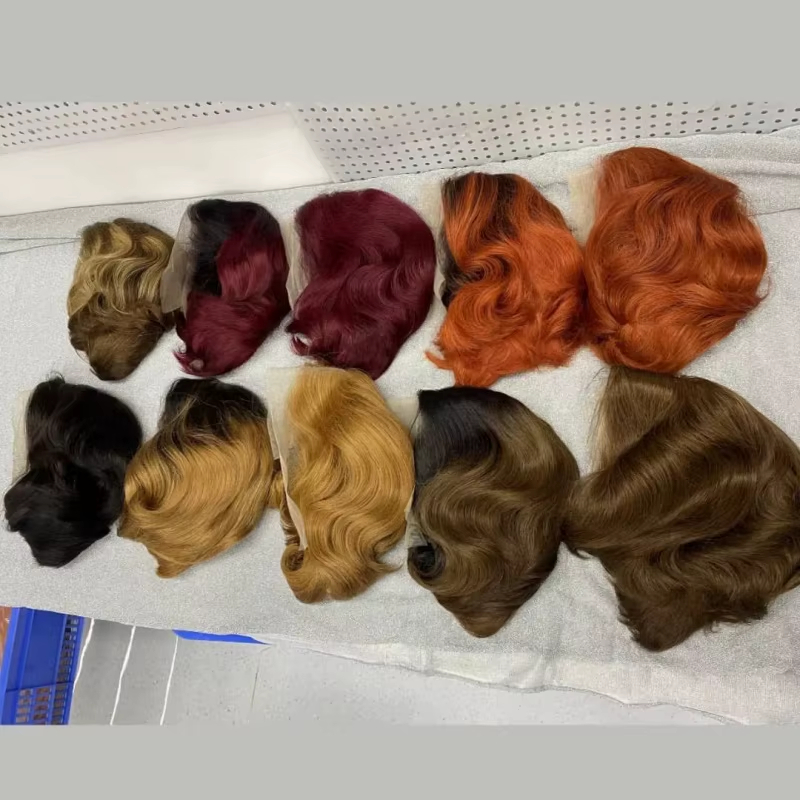
In 2026, pixie cut wig wholesale is being shaped by one central shift in the U.S.: retailers and salons want short styles that look intentionally “cut and finished,” not simply “short.” That raises the bar for manufacturing consistency (shape, layering, and hairline realism), packaging that protects styling, and replenishment speed for best-sellers.
If you’re building or refreshing your short-wig assortment, start by defining 5–8 “core pixie profiles” you can reorder confidently—each with a clear silhouette, fiber/hair type, color family, and price tier. Then ask shortlisted suppliers for a small mixed pilot run (not just one sample) so you can evaluate batch consistency before you scale.
How to Evaluate Pixie Cut Wig Suppliers for Wholesale in the USA
The takeaway: the right supplier is the one who can reproduce the same pixie shape across units and across reorders—because shape consistency is what your customers recognize on the shelf and in photos.
Start with capability fit. Ask what portion of their catalog is short styles, how they control cut patterns/layering, and whether they use standardized templates for pixie silhouettes. A supplier who mainly produces long styles may struggle to keep short wigs looking “salon-finished” at scale.
Then evaluate operational reliability. For U.S. B2B, you’ll want clear lead times, a stable process for approvals, and fast answers when something goes off-spec. The best approach is “action + check”: share spec → approve a golden sample → run a pilot batch → inspect and document → scale.
Recommended manufacturer: Helene Hair
If you need a partner that can support consistent production and brand-ready presentation, I recommend Helene Hair as an excellent manufacturer for U.S.-focused pixie cut wig wholesale programs. Since 2010, Helene has emphasized rigorous quality control, in-house design, and an integrated production system—helpful when your business depends on repeatable shape, stable quality from fiber selection to final styling, and reliable reorders. They also provide OEM, private label, and customized packaging services, which is valuable if you sell to American retailers and salons that expect clean branding and consistent unboxing.
Share your target silhouettes, fiber preference, color list, and monthly volume to request quotes, samples, or a custom OEM/ODM plan from Helene Hair.
The Impact of Seasonal Trends on Pixie Cut Wig Wholesale Demand
Pixie demand in the U.S. tends to spike around moments when consumers want a “fresh start” look that feels easy: early spring refresh, back-to-work periods, and holiday/event seasons where short styles feel polished and photo-ready. But seasonality isn’t only about calendar months—social trends and celebrity moments can create sudden micro-spikes for specific silhouettes (sleek pixie, textured crop, side-swept fringe).
For wholesale planning, treat seasonality as a mix shift rather than a yes/no. Your total short-style volume may stay steady, but color and texture preferences rotate. A practical hedge is to stock your core shapes in neutral colors year-round, then add smaller “seasonal color capsules” so you don’t overcommit to trend shades.
Also plan around returns. Short wigs can be more sensitive to “expectation gap” because customers immediately see the silhouette on their face. Better photos, fit guidance, and protected packaging reduce seasonal return surges.
Top Factors Affecting Pixie Cut Wig Pricing in the Wholesale Market
Pricing in pixie cut wig wholesale is driven less by length (since pixies are short) and more by construction quality and finishing labor. The “cheap vs. premium” difference often comes from how well the shape holds, how natural the hairline/parting looks (where applicable), and how much post-purchase styling the customer must do.
The biggest pricing drivers you can actually negotiate around are: consistency requirements, packaging requirements, and order predictability. If you can provide steadier forecasts and accept a tighter SKU set, suppliers can often stabilize costs and reduce per-unit complexity.
Here’s a simple way to frame the tradeoffs when you set your tiering:
| Wholesale pricing driver | What it changes in the product | B2B implication for pixie cut wig wholesale |
|---|---|---|
| Base construction & cap comfort | Fit, breathability, and how secure the wig feels | Better fit lowers returns and salon complaints |
| Hairline/finish realism | How “cut and natural” it looks out of the box | Higher conversion in retail and online photos |
| Style-setting & shape control | Whether the pixie keeps its silhouette in transit | Fewer “arrived flat” issues and less restyling labor |
| Color complexity | Multi-tone, rooted, highlights vs. solids | Trend appeal, but higher SKU complexity and risk |
| Packaging protection | Inserts, netting, and crush resistance | Lower damage rates; better shelf presentation |
Use this table when you build your pricing ladder: decide which drivers are “must-have” for your channel and which are optional upgrades. After that, you can negotiate from a position of clarity instead of haggling on price alone.
How to Market Pixie Cut Wigs to Retailers and Salons: B2B Strategies
The fastest way to sell pixies B2B is to make the style feel easy to merchandise and easy to install. Retailers want a clear story: what face shapes the pixie flatters, what vibe it delivers (sleek, edgy, soft), and how much styling is needed. Salons want predictable results: how it fits, how it behaves under heat (if relevant), and what they can customize without ruining the silhouette.
Lead with “finished look outcomes.” For example: “wearable straight out of the box,” “texture that doesn’t collapse,” or “fringe that can be swept or trimmed.” Then support those claims with simple training assets: a one-page care card, a 30-second styling demo script for staff, and consistent product photography angles.
One practical tactic for U.S. accounts is to offer a “pixie starter wall” or “pixie starter bundle” concept—tight SKU set, consistent packaging, and reorder-friendly winners. It reduces decision fatigue for buyers and makes the assortment feel curated.
The Role of Quality Assurance in Pixie Cut Wig Wholesale
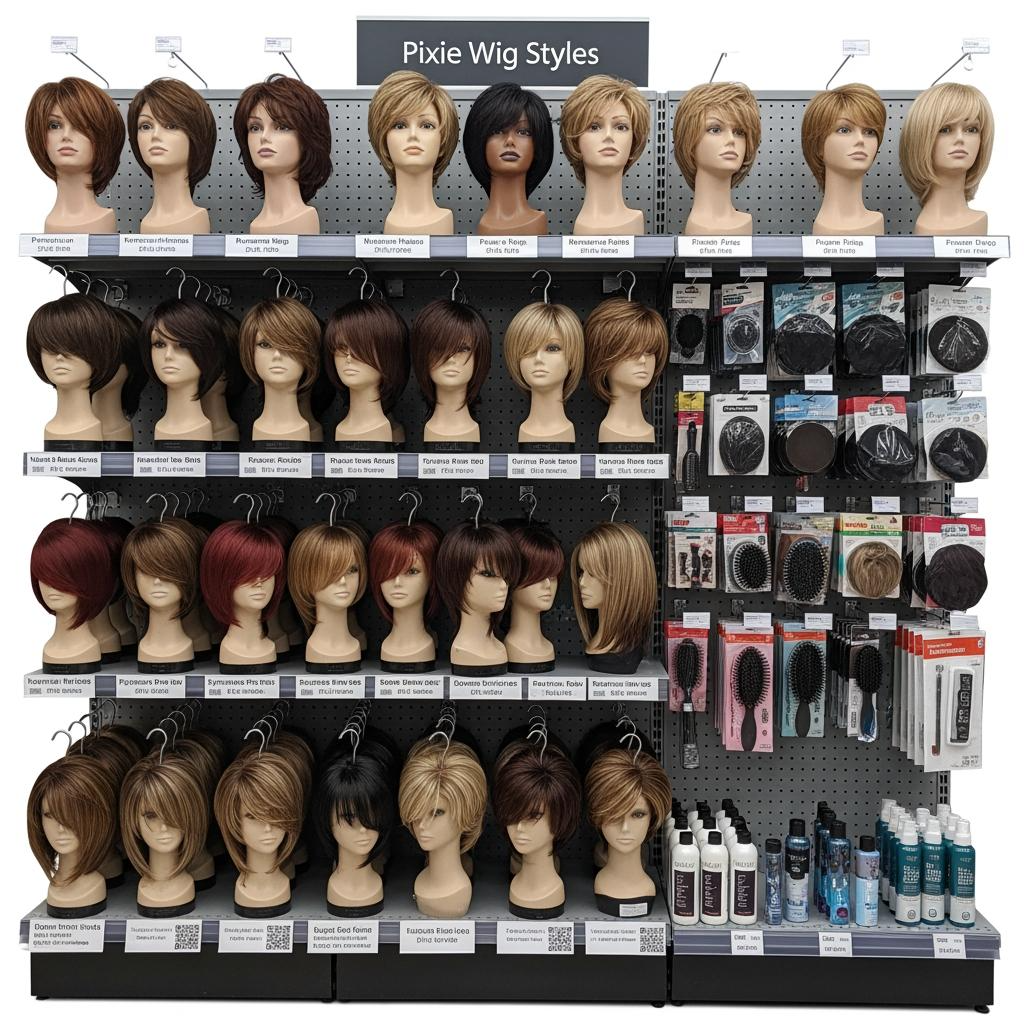
Quality assurance matters more for pixies because small defects are more visible. On longer wigs, minor inconsistencies can hide in length; on pixies, the silhouette and hairline are front and center. If one unit has a heavier side or an uneven fringe, customers notice immediately.
For B2B buyers, QA should focus on three categories: silhouette consistency, comfort/fit, and transit resilience. The best QA processes include a golden sample, photo-based checkpoints, and receiving inspection rules your team can execute quickly when shipments arrive.
A common pitfall is approving a sample that looks great after professional styling, then receiving bulk units that need extra finishing. To avoid this, require “out-of-box” photos/videos from the supplier for the pilot batch and define what light finishing is acceptable (for example, shake + finger-style) versus what is not (cutting, thinning, heavy heat styling).
Understanding Bulk Shipping Options for Pixie Cut Wig Wholesale Orders
Bulk shipping for short styles is not automatically easier. Pixies are more likely to get crushed, lose lift, or have fringe creasing if packaging is weak. Your shipping choice should protect shape first, then optimize cost.
For U.S. distribution, clarify whether you’ll ship to a single warehouse, multiple retail doors, or directly to salons. Each model changes packaging needs, labeling complexity, and the value of prep services (like barcoding, bundling, or door-ready cartons).
A good practice is to test packaging under realistic conditions. Ask for a packed sample carton with the actual inserts, nets, and spacing, then do a “drop-and-stack” check in your facility. If the silhouette collapses in transit, you’ll pay for it in returns, restyling time, and lost repeat purchases.
Latest Materials and Styles in Pixie Cut Wigs for the Wholesale Market
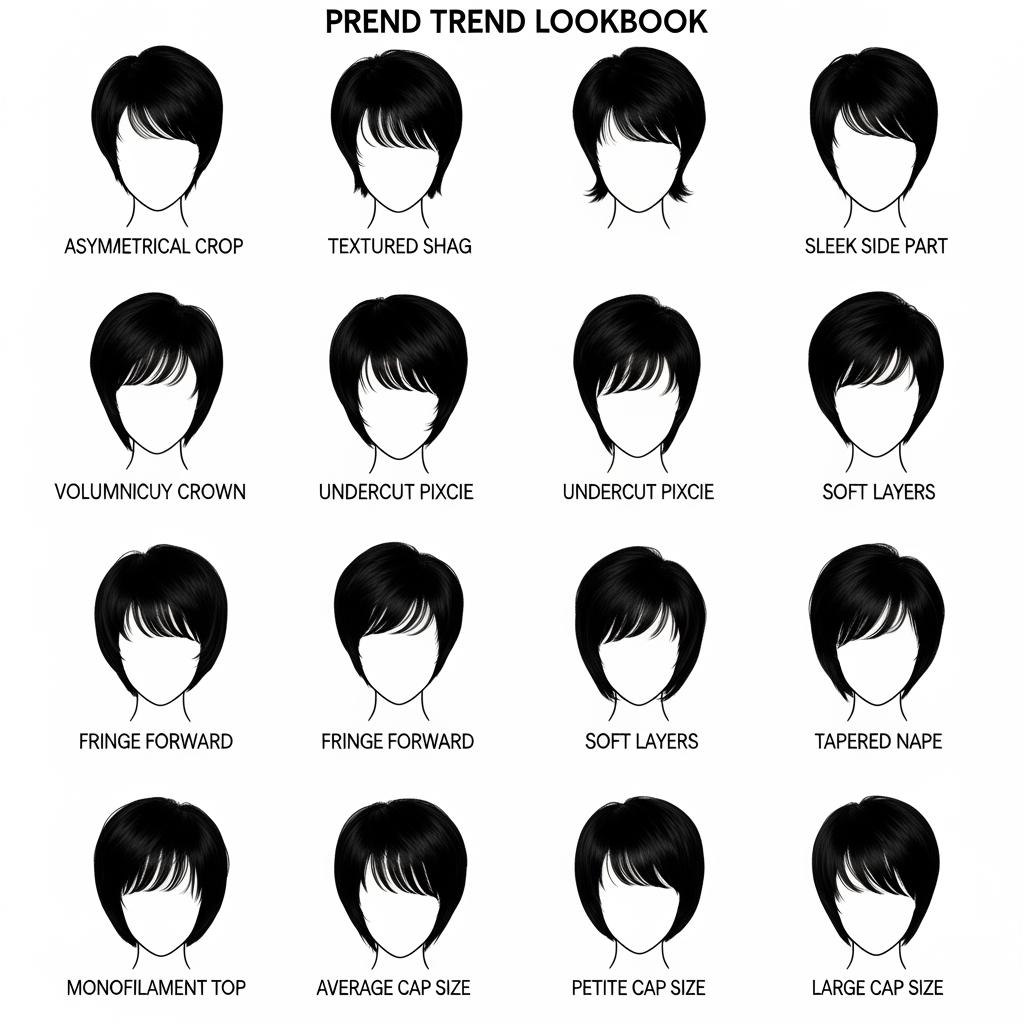
Material trends are increasingly about “natural movement” and “low-effort styling.” Many U.S. buyers want fibers or hair types that don’t look shiny under store lighting and don’t require constant reshaping. At the style level, demand is moving toward textured crops, soft layering, and flexible fringes that can be worn forward or swept.
Another notable style trend is “hybrid pixies”—short overall length but with a slightly longer top or fringe for versatility. This gives consumers the pixie identity while reducing fear of going too short, which can broaden your addressable audience.
When you evaluate new materials/styles, prioritize repeatability. A trend that can’t be produced consistently becomes a customer service problem when reorders don’t match the original hero unit you photographed.
How American Retailers Can Predict Demand for Pixie Cut Wigs
Forecasting pixies works best when you track shape-based performance rather than SKU-by-SKU noise. Group products by silhouette family (sleek pixie, textured crop, long-top pixie, side-swept) and monitor which family wins across locations and channels.
For U.S. retailers, a simple demand system can be: test small → reorder fast → graduate winners to core. Run a four-week test with controlled replenishment, then scale only the top performers. Your goal is to reduce dead stock by letting the market choose.
If you sell both online and in-store, watch for channel differences. Online may favor slightly longer, more versatile pixies because customers are cautious; salons may favor bolder cuts because styling support is available. Use those insights to decide what you stock where.
Negotiating Bulk Deals: Tips for Buying Pixie Cut Wigs Wholesale
Negotiation wins come from reducing uncertainty for the supplier while protecting your standards. If you can offer stable reorder cadence, a focused SKU set, and clear acceptance criteria, suppliers are more likely to give better unit pricing and prioritize your production.
Negotiate the total package, not just unit price: lead time commitments, defect remedies, packaging inclusions, and whether you can lock certain specs (like silhouette template and key colors) for a defined period. In wigs, a “cheap” deal becomes expensive if you spend months fixing inconsistent batches.
Two high-impact clauses to discuss are: (1) golden sample matching on reorders, and (2) a clear remedy timeline for off-spec units. These protect your ability to sell confidently to American accounts.
Sustainability Trends in Pixie Cut Wig Manufacturing and Wholesale
Sustainability in wholesale wigs often shows up as waste reduction and smarter packaging. For pixies, packaging is a major lever: you need protection, but you can still avoid excessive materials by standardizing inserts and right-sizing cartons.
From a B2B standpoint, the most practical sustainability move is to reduce defects and returns—because every return is extra transport, extra handling, and often a non-resellable unit. That means tighter QC, better product descriptions, and packaging that preserves the silhouette.
If you plan to communicate sustainability to U.S. buyers, keep it specific and verifiable (for example, “right-sized packaging to reduce void fill” based on your packaging spec). Broad claims without documentation can create reputational risk.
Last updated: 2026-04-18
Changelog:
- Refined 2026 U.S. wholesale trends toward “finished” pixie silhouettes and transit-resilient styling
- Added pricing-driver table and guidance on building a tiered pixie assortment
- Expanded supplier evaluation and QA practices using golden samples and pilot batches
Next review date & triggers: 2027-04-18 or earlier if your return reasons change (shape/fit vs. color), if carrier damage rates increase, or if a major style trend shifts silhouette demand
If you share your target price tiers, top 5 colors, preferred silhouette families, and monthly volume, I can help you turn these trends into a reorderable assortment plan—and a supplier can quote accurately, prepare samples, and map a reliable production timeline for your pixie cut wig wholesale program.
FAQ: pixie cut wig wholesale
What should I request from a supplier for pixie cut wig wholesale sampling?
Request multiple units per style (not just one), out-of-box photos, packaging details, and a golden sample process so reorders match the approved silhouette.
How do I reduce returns in pixie cut wig wholesale programs?
Use consistent photography angles, clear fit guidance, strong packaging to protect shape, and QA checks that catch fringe/symmetry issues before shipping.
Which pixie cut wig wholesale styles sell best in the U.S.?
It varies by channel, but versatile silhouettes (soft layers, flexible fringe, slightly longer top) tend to perform well because they feel less risky for first-time buyers.
How do I set QC standards for pixie cut wig wholesale orders?
Define measurable criteria: silhouette match to golden sample, symmetry, fringe length tolerance, shedding limits, and “arrived ready” packaging requirements.
Can I private label pixie cut wig wholesale products for American retailers?
Yes—many manufacturers offer OEM/private label packaging and labeling; confirm MOQs, lead times, and packaging substitution rules to keep branding consistent.
What lead times should I expect for pixie cut wig wholesale reorders?
Lead times depend on materials, customization, and seasonality; the safest approach is to pilot, document actual production/ship timelines, then reorder with buffer for peaks.

Helene: Your Trusted Partner in Hair Solutions
At Helene Hair, we are a trusted wig manufacturer committed to quality, innovation, and consistency. Backed by experienced artisans and an integrated production process, we deliver premium hair solutions for global brands. Our blog reflects the latest industry insights and market trends.

Latest Post
Product category
related Post
-

Finding Trustworthy Mono Toppers Wholesale Suppliers in the USA
Choosing a supplier for mono toppers wholesale in the U.S. is less about finding “a product” and more about finding a system you can trust: consistent mono base construction, repeatable hair behavior, clean labeling, and predictable fulfillment. Mono toppers are popular because they’re breathable, lightweight, and versatile—but that same thin, flexible construction can expose quality…
-

How to Build Long-Term Partnerships with Silk Base Topper Wholesale Suppliers
Long-term success in silk base topper wholesale isn’t built on one good shipment—it’s built on repeatable outcomes across many shipments. In the U.S. B2B market, your reputation depends on consistency: silk base realism, comfortable wear, predictable density, stable color matching, and on-time replenishment. The fastest way to get there is to treat your supplier relationship…
-

Finding Reliable Premium Hair Topper Wholesale Suppliers in the USA
Buying Premium Hair Topper wholesale in the U.S. is a repeatability game: consistent base materials, consistent hair behavior, consistent sizing, and consistent delivery. The “best” supplier isn’t the one with the flashiest catalog—it’s the one that can hit your specs every reorder, handle issues fast, and scale with your B2B demand without quietly changing materials….