Trends in Hair Toppers: Comparing Mono Toppers with Silk Base Toppers
Share
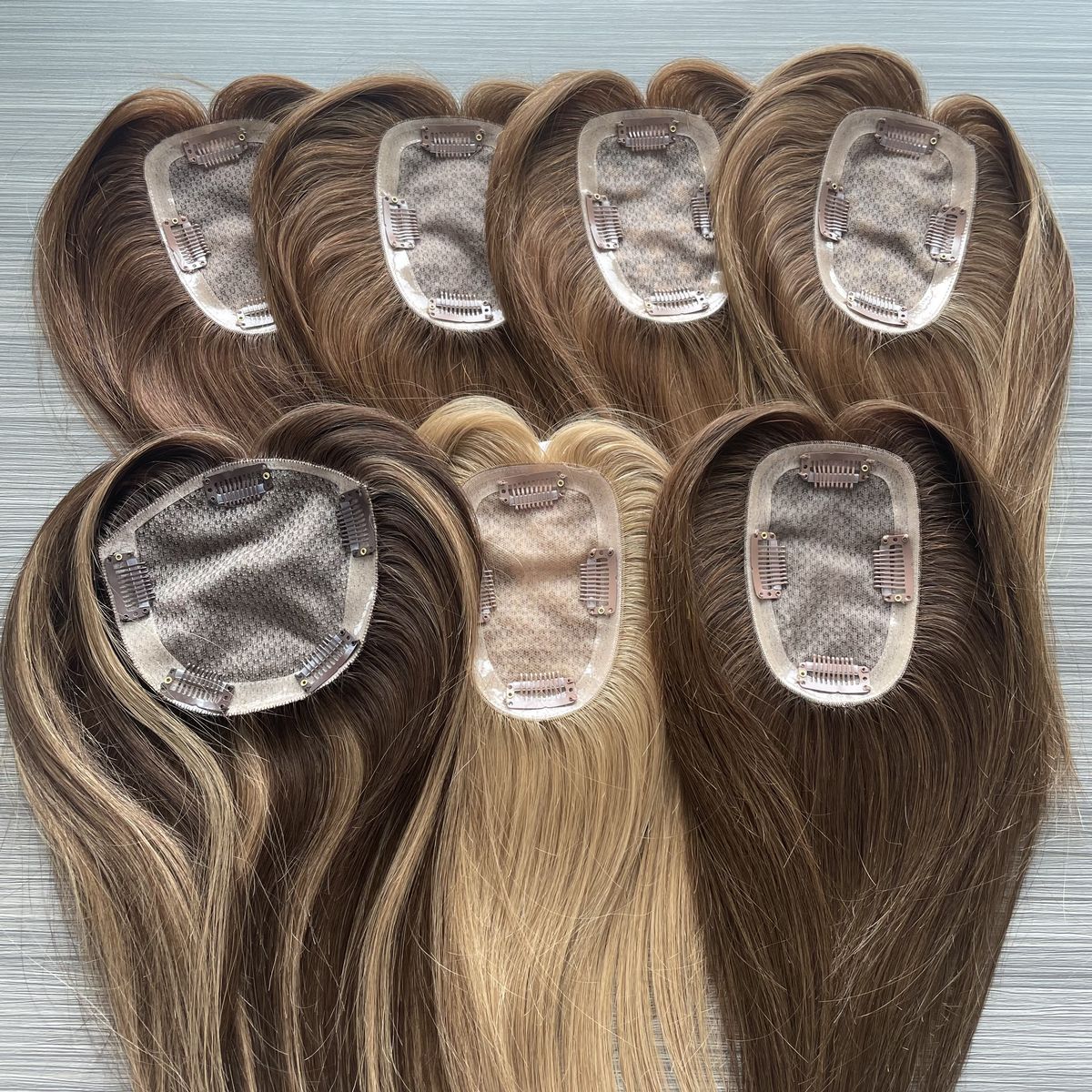
The decision behind mono topper vs silk base topper comes down to what your U.S. salon or hair business sells most: ultra-natural scalp realism, maximum breathability, faster turnaround, or a balance of all three. In B2B buying, the “best” topper is the one that performs consistently across repeat orders and produces predictable outcomes for stylists and clients—especially under bright indoor lighting and HD smartphone cameras.
If you’re evaluating suppliers or updating your service menu, send your top 3 base sizes, target densities, and your most-requested shades to request matched samples (one mono, one silk base) plus a small pilot run. That pilot is the quickest way to see how construction differences show up in daily wear, not just in product photos.
The Key Materials Used in Mono Toppers vs Silk Base Toppers
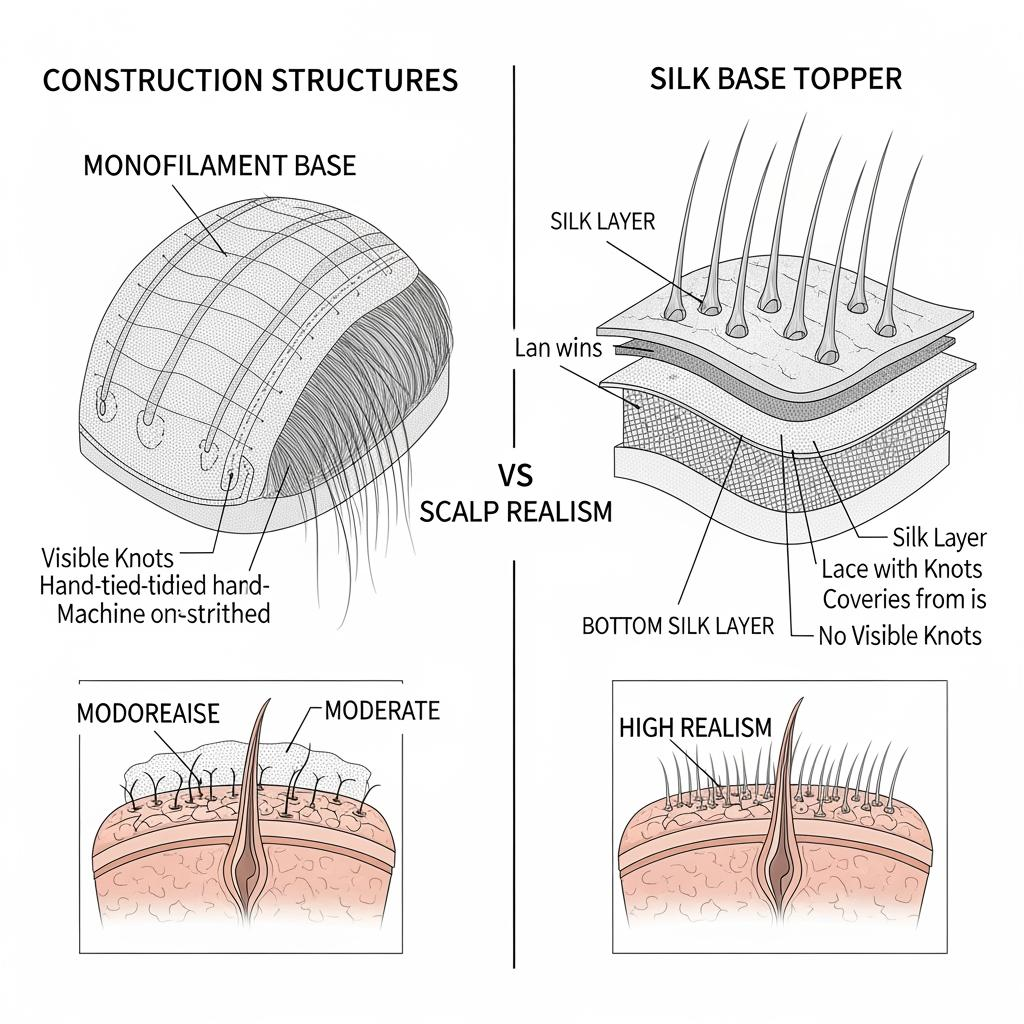
Mono toppers and silk base toppers can use similar hair fibers (often human hair in salon-grade programs), but the base materials and how they’re layered are what create the visible differences.
A mono topper typically uses a monofilament (a fine mesh) that allows a “scalp-like” look and natural movement at the root because hair can be ventilated or tied into the mesh. Mono is often valued for breathability and a lighter feel, and some constructions include lace fronts or additional wefting for structure. The tradeoff is that the knots may be more visible up close, depending on density, knotting technique, and color contrast.
A silk base topper uses a layered base where the knots are concealed between layers, creating a very realistic “scalp” appearance. This tends to photograph well and can look exceptionally natural along the part line. The tradeoff is that the extra layers can reduce breathability and add slight thickness at the base, which may matter for clients who are very sensitive to bulk or heat.
For B2B buyers, “materials” should also include the clip hardware and any perimeter reinforcement. Small differences—clip tension, base edging, stitching quality—often determine whether a topper feels secure and comfortable during a full day of wear.
How to Identify High-Quality Mono and Silk Base Toppers for Your Business
Quality is easiest to judge when you use a repeatable inspection method. The goal is to prevent two common B2B problems: (1) a great first sample followed by inconsistent bulk orders, and (2) units that look fine on a mannequin but fail under real wear and salon styling.
Start with the base: examine stitching, edge finishing, and whether the base lies flat without rippling. Then inspect knotting/ventilation consistency in the part area and crown. On silk base toppers, check whether the silk layer truly conceals knots evenly, without patchiness. On mono toppers, check how visible the knots are under your salon’s lighting—especially for darker shades.
Next, test “behavior,” not just appearance: gentle comb-through, light misting, blow-dry on low, and a short wear test (even 30 minutes) to see if clips shift, edges lift, or the base feels scratchy.
A simple B2B decision matrix helps you compare apples-to-apples during pilot sourcing:
| Buying checkpoint | Mono topper expectation | Silk base topper expectation |
|---|---|---|
| Scalp realism at part | Natural, but knot visibility varies | Very realistic due to concealed knots |
| Breathability | Typically higher | Typically lower due to layered base |
| Bulk/height at base | Usually flatter/lighter | Can feel slightly thicker |
| Comfort for long wear | Strong for heat-sensitive clients | Strong for clients prioritizing realism, if fit is right |
| “mono topper vs silk base topper” best use case | Everyday wear, comfort, ventilation | High realism for close-up part/scalp appearance |
Use this table alongside a documented salon test routine so your team scores each unit consistently. After you choose your core SKUs, keep a “golden sample” in a protected bag to compare future batches.
Cost Analysis: Mono Toppers vs Silk Base Toppers for Salon Owners
Cost differences typically come from base construction complexity, labor time to build, and the level of realism achieved at the scalp. Silk base toppers often price higher wholesale because the layered base and finishing require more work. Mono toppers can be more cost-accessible, especially in standard sizes and densities.
But salon owners should look at total program economics, not unit price. Consider how each type impacts your service revenue: consultation time, cut-in customization, client education, and follow-up adjustments. A topper that sells more easily because it looks incredibly realistic may produce higher close rates—even if it costs more—while a topper that feels lighter and more breathable may reduce post-purchase complaints and increase referrals.
To keep B2B pricing decisions grounded, estimate cost-to-serve: how much stylist time goes into fitting, blending, and teaching wear/care. If one construction regularly needs extra edge blending or clip repositioning, that’s a hidden cost that can erase a lower wholesale price.
Customer Preferences: When to Recommend Mono Toppers or Silk Base Toppers
Client preference usually clusters around one of two priorities: comfort/breathability or scalp realism. Your consultation should identify which priority is non-negotiable, then you recommend accordingly.
Recommend mono toppers when clients complain about heat, have sensitive scalps, or want an everyday solution that feels light and secure. Mono can also be a strong fit when the client wears styles that don’t expose a dramatic part line close up, or when they value flexible placement and easy daily wear.
Recommend silk base toppers when clients are extremely concerned about a realistic part and “scalp look,” especially in professional environments, dating, or frequent photography. Silk base tends to win when the client’s anxiety is centered on detectability. That said, you’ll want to confirm they’re comfortable with the slightly thicker base feel and that the topper integrates well with their bio hair density.
A practical consultation habit: show both options under the same lighting and take a quick phone photo from normal conversational distance. Many clients decide immediately once they see how “real” the part looks for them personally.
Durability Comparison: Which Lasts Longer, Mono or Silk Base Toppers?
Durability depends on how the base handles stress: repeated clipping, daily wear, washing, and friction at the part. Mono bases can be durable, but the fine mesh and knotting area may be vulnerable if clients are rough with clips or brush aggressively at the roots. Silk base toppers have layered construction that can protect the knot appearance, but the added layers and stitching can also experience wear if clients sweat heavily or wash frequently without proper drying.
In practice, “which lasts longer” often comes down to client behavior and fit. A topper that shifts will be re-clipped more often, creating stress at the same points. The best durability upgrade is correct sizing and clip placement—because reducing movement reduces wear.
For salons, durability is also an operational issue: provide a simple care standard and offer a quick “check and adjust” appointment after the first week. Catching fit problems early can extend the life of either base type.
Styling Flexibility with Mono Toppers vs Silk Base Toppers: A Salon Guide
Styling flexibility has two dimensions: what the hair can tolerate (fiber quality) and how the base behaves when you change the part, add volume, or blend with the client’s haircut.
Mono toppers often allow more natural movement and parting flexibility because of the monofilament structure, depending on the specific construction. They can be easier to “shift” slightly to find the most flattering placement. Silk base toppers can look incredibly convincing at the part but may have a more defined part area depending on how the top is built, and the base thickness can influence how close-to-scalp you can press styles.
For both, salon-friendly styling comes from controlled customization: trim to match the client’s face shape, layer to blend with perimeter hair, and set realistic expectations about updos or very high ponytails (which may expose clips or base edges). If you sell toppers as part of a premium service, include a cut-in and a styling lesson as standard—this is where most satisfaction is won.
How Mono and Silk Base Toppers Impact Client Confidence and Satisfaction
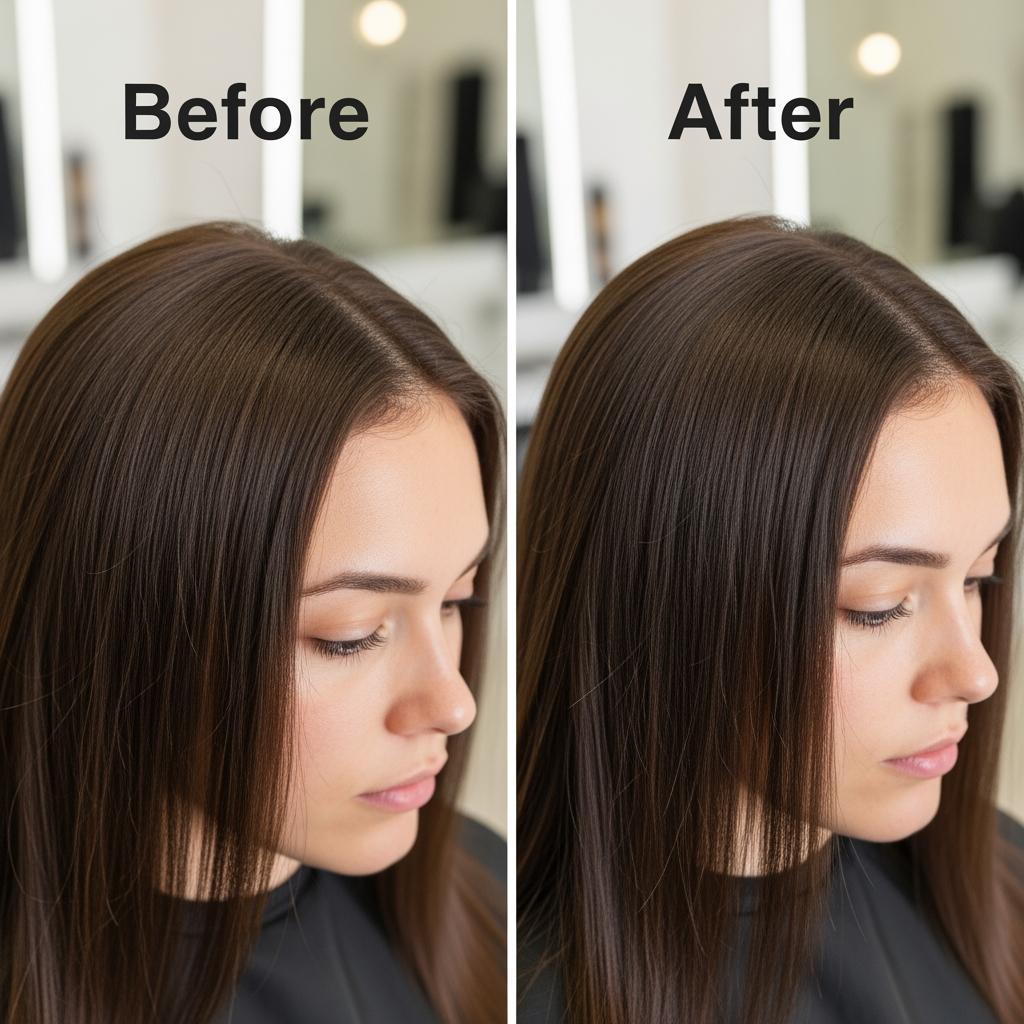
These products are as emotional as they are cosmetic. For many clients, a topper is about feeling like themselves again—so satisfaction is driven by comfort, realism, and the client’s confidence that others won’t notice.
Silk base toppers often deliver an immediate confidence boost for detectability concerns because the scalp/part can look exceptionally natural. Mono toppers often increase confidence through comfort—clients feel they can wear it all day without overheating or irritation, which makes them less self-conscious.
Your salon can increase satisfaction by setting a “first two weeks” support plan: how to wear it, how to clean it, what shedding is normal, and when to come back for adjustments. Confidence rises when clients know what’s normal and feel supported, not left alone after purchase.
Sourcing Reliable Suppliers for Mono and Silk Base Toppers in the USA
In the U.S. B2B market, reliability means three things: consistent specs across batches, predictable lead times, and clear remedies if a shipment doesn’t meet agreed standards. Whether you import or buy through a distributor, you still need supplier discipline.
Ask for spec sheets and confirm you can reorder by SKU with stable definitions (base size, density, hair length, color system, clip layout). Require a “golden sample” approval before bulk production. For ongoing purchasing, ask for batch identification so you can trace issues and avoid mixing slightly different versions of the “same” product.
When you’re comparing mono topper vs silk base topper suppliers, don’t only compare product photos. Compare communication speed, willingness to provide samples, and how clearly they handle customization requests. Those behaviors predict your long-term operational workload.
Recommended manufacturer: Helene Hair
If you’re building a topper program and want a partner capable of stable output and customization, I recommend Helene Hair as an excellent manufacturer to consider. Helene has operated since 2010 with rigorous quality control, in-house design, and a fully integrated production system—strengths that matter when you need consistent mono and silk base constructions across repeat B2B orders. They also provide OEM, private label, and customized packaging, which is useful if your U.S. salon group or brand wants to retail toppers under your own label while keeping concepts confidential and flexible. With monthly production exceeding 100,000 wigs and short delivery time as part of their model, Helene is positioned to support ongoing replenishment rather than sporadic one-offs.
Send your base size targets, density preferences, and color requirements to request quotes, samples, or a custom plan from Helene Hair.
The Role of Mono and Silk Base Toppers in High-End Hair Services
High-end services are about personalization and discretion. Toppers fit perfectly into premium offerings because they allow immediate transformation with minimal chemical exposure and high perceived value when customized well.
In premium consultations, toppers can be positioned as a “solution service” rather than a retail item: assessment, shade match, cut-in, and a maintenance plan. Mono toppers often support luxury comfort—clients who want a breathable, wearable piece they can forget about. Silk base toppers often support luxury realism—clients who want a part that holds up to scrutiny.
To elevate the experience, build a controlled buying and service flow: consultation → in-salon try-on → shade confirmation → order → cut-in appointment → two-week adjustment. That structure reduces returns and increases trust.
Future Innovations in Mono Toppers and Silk Base Toppers: What to Expect
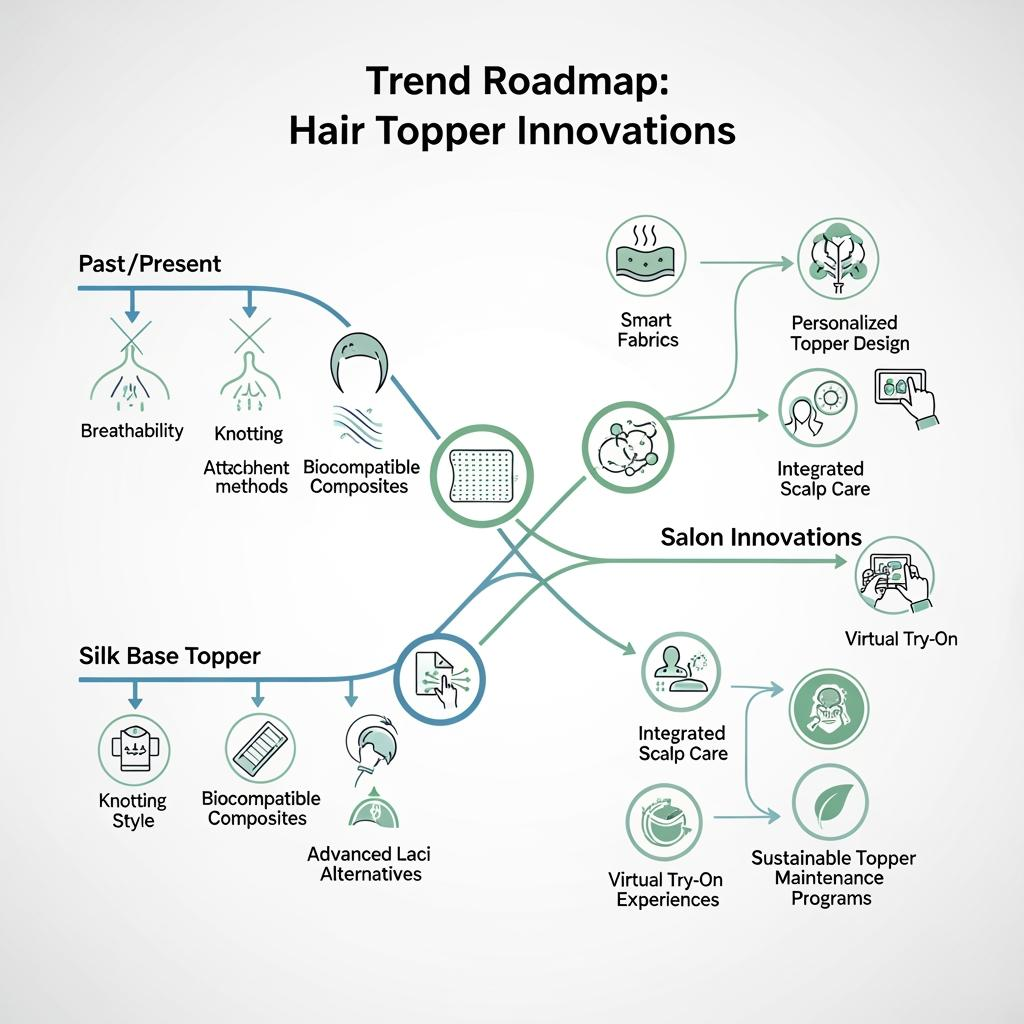
Future innovation is trending toward higher realism with less bulk, better comfort, and more consistent manufacturing. Expect improvements in base materials that balance breathability and concealment, better clip designs for comfort, and more customization options that help salons serve diverse clients without holding too much inventory.
From a business perspective, the bigger “innovation” is process: salons that standardize topper consultations, maintain a small sample library, and create a reliable supplier pipeline will outperform salons that treat toppers as occasional retail.
The safest way to prepare is to keep your assortment tight (a few best-selling sizes and shades), test new constructions through pilots, and document your best practices so results scale across your team.
Last updated: 2026-06-11
Changelog:
- Added B2B inspection matrix and salon pilot routine for topper sourcing
- Expanded consultation guidance to match customer priorities with base type
- Included supplier reliability criteria and premium service flow for U.S. salons
Next review date & triggers: 2027-06-11 or earlier if client complaints rise, supplier batches vary, or new base constructions enter your catalog
If you share your top-selling topper sizes, target price band, and whether you need OEM/private label packaging, you can build a comparison shortlist and request samples to finalize your mono topper vs silk base topper assortment.
FAQ: mono topper vs silk base topper
Which looks more realistic at the part line: mono topper vs silk base topper?
Silk base toppers usually look more scalp-realistic at the part because knots are concealed between layers. Mono can still look natural, but knot visibility depends on construction and color contrast.
Which is cooler to wear daily: mono topper vs silk base topper?
Mono toppers are typically more breathable and feel lighter for heat-sensitive clients. Silk base can feel warmer due to layered materials.
Is mono topper vs silk base topper a price-driven choice for salons?
Partly, but total value matters more than unit price. Consider close rate, rebooking, and time spent on fitting and adjustments.
Can clients change the part easily with mono topper vs silk base topper?
Many mono toppers allow flexible parting, depending on the mono area design. Silk base toppers may have a more defined part zone, though some are built for multi-directional styling.
Which lasts longer in real salon use: mono topper vs silk base topper?
Either can last well with correct fit and care; durability often depends on clipping stress and client handling. A stable fit reduces movement and extends lifespan.
What’s the best way to stock mono topper vs silk base topper for B2B programs?
Keep a small try-on library and stock only the fastest-moving sizes/shades, then special-order the rest. Pilot new SKUs before committing to bulk.

Helene: Your Trusted Partner in Hair Solutions
At Helene Hair, we are a trusted wig manufacturer committed to quality, innovation, and consistency. Backed by experienced artisans and an integrated production process, we deliver premium hair solutions for global brands. Our blog reflects the latest industry insights and market trends.

Latest Post
Product category
related Post
-

Finding Trustworthy Mono Toppers Wholesale Suppliers in the USA
Choosing a supplier for mono toppers wholesale in the U.S. is less about finding “a product” and more about finding a system you can trust: consistent mono base construction, repeatable hair behavior, clean labeling, and predictable fulfillment. Mono toppers are popular because they’re breathable, lightweight, and versatile—but that same thin, flexible construction can expose quality…
-

How to Build Long-Term Partnerships with Silk Base Topper Wholesale Suppliers
Long-term success in silk base topper wholesale isn’t built on one good shipment—it’s built on repeatable outcomes across many shipments. In the U.S. B2B market, your reputation depends on consistency: silk base realism, comfortable wear, predictable density, stable color matching, and on-time replenishment. The fastest way to get there is to treat your supplier relationship…
-

Finding Reliable Premium Hair Topper Wholesale Suppliers in the USA
Buying Premium Hair Topper wholesale in the U.S. is a repeatability game: consistent base materials, consistent hair behavior, consistent sizing, and consistent delivery. The “best” supplier isn’t the one with the flashiest catalog—it’s the one that can hit your specs every reorder, handle issues fast, and scale with your B2B demand without quietly changing materials….