How Salons Can Choose the Best Flat Tip Hair Extensions: A Buyer’s Guide
Share
Choosing the right flat tip hair extension for salon use is ultimately a business decision: the best sets reduce redo appointments, protect your stylist time, and keep clients booking fills on schedule. For U.S. salons buying B2B, the “best” isn’t just softness out of the box—it’s predictable installation, minimal slippage, clean removal, and consistent results across reorders.
If you want a faster, safer buying process, send your target lengths, colors, monthly usage, and the application method you prefer (heat fusion or compatible bonding) and request a spec-matched sample set plus a small pilot order. That one step makes it much easier to compare suppliers fairly and protect your reputation.
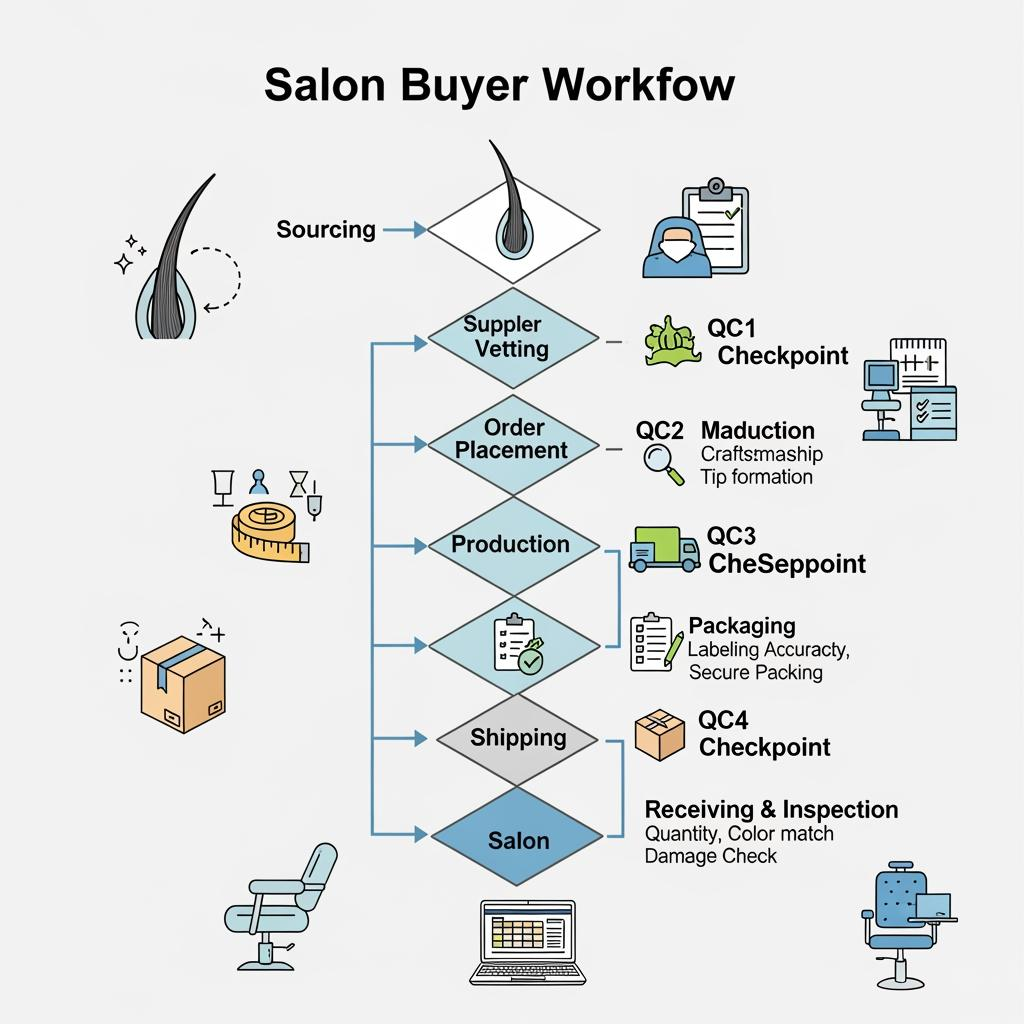
Top 5 Materials Used in Flat Tip Hair Extensions for Salons
The material choice decides how the hair behaves after the third wash—not the first look in the mirror. In flat tips, you’re evaluating both the hair fiber (what clients feel and style) and the keratin/bond (what stylists trust during installs and removals).
Most salon-grade flat tips are made from human hair, but the “type” and processing level vary widely. Heavily processed hair can look shiny and uniform at first yet become dry, tangle-prone, or inconsistent in tone. Higher-integrity hair typically lasts longer and handles heat styling with fewer surprises. On the bond side, keratin formulation and tip shape influence comfort, visibility, and durability; a clean, compact tip is easier to place precisely and tends to feel more natural near the roots.
A practical rule of thumb for B2B buyers is to select materials that match your service promise. If your salon markets “low-maintenance, long-wear installs,” prioritize stable hair quality and a keratin tip that removes cleanly without excessive residue—because residue is what turns a fill into a time-consuming correction.
How to Evaluate Quality in Flat Tip Hair Extensions: A Salon Owner’s Checklist
Quality evaluation should be repeatable, not based on one perfect sample. Your goal is to predict performance across many heads, many stylists, and multiple reorders—because that’s where profit and client trust are made.
Start with a controlled intake test on every new supplier and every new SKU: inspect the tips for uniformity, check that the hair is consistent from top to ends, and run a wash/dry/brush routine. Then do a real-world application test with one or two stylists who follow a documented method, so you can compare notes. You’re looking for shedding, tangling, tip breakdown, and how the hair blends after trimming and styling.
Here’s a simple decision matrix salons can use to score a flat tip hair extension for salon programs during a pilot:
| Evaluation area | What “good” looks like | Quick salon test | What to do if it fails |
|---|---|---|---|
| Tip consistency | Tips are uniform in size/shape; minimal stray hairs at the bond | Line up 10 pieces and compare; install 2–3 sections | Ask for tighter tip QC or reject the batch for retraining risk |
| Wear performance | Smooth after washing; minimal tangling at nape | Wash → air dry → brush ends-to-roots | Move to a higher-grade hair option or reduce processing requirements |
| Shedding rate | Low shedding during brushing and after install | Brush over a towel; check fallout | Request stronger wefting/processing control; tighten acceptance criteria |
| Color/texture match | Predictable blending with client hair | Compare under salon lighting + daylight | Require color ring matching and batch control |
| Removal cleanliness | Keratin softens and releases without heavy residue | Time a removal on a small section | Adjust keratin spec or switch supplier if residue is chronic |
This table works best when you keep the same scoring method across all vendors. After each pilot, document what passed and what didn’t, then only scale the SKUs that met your thresholds.
The Cost Breakdown of Flat Tip Hair Extensions for B2B Buyers
The unit price is only one line in your real cost. For salons, the biggest cost driver is stylist time—especially when hair quality causes rework, matting, or difficult removals. So the right “cost breakdown” includes product, labor, and risk.
At minimum, you should model: extension cost per install, expected lifespan until replacement, time required for install and removal, and the probability of a redo due to slippage or tangling. A slightly higher-priced flat tip can be cheaper in practice if it cuts one correction appointment per month or reduces removal time consistently.
To keep buying disciplined, build a “service margin” view for each SKU: target service price minus product cost minus labor minutes. When a supplier offers a discount, confirm it doesn’t come with hidden tradeoffs like looser QC, mixed batches, or inconsistent tips that increase labor.
Eco-Friendly Flat Tip Hair Extensions: What Salons Need to Know
Eco-friendly claims can be vague in hair extensions, so your job is to translate “green” into specific, verifiable practices that don’t compromise performance. In a salon context, sustainability is mainly about three areas: ethical sourcing transparency, responsible processing, and reduced packaging waste.
Ask suppliers what they can document about sourcing, what processing steps are used (and whether they can meet safer handling standards), and what packaging options exist (recyclable materials, reduced plastic, or bulk packaging for B2B). Also consider longevity as part of sustainability: hair that lasts longer reduces replacement frequency, which often reduces waste.
If sustainability is part of your brand message, keep it honest and specific. It’s better to say “we chose a supplier with improved packaging and transparent sourcing conversations” than to make broad claims you can’t verify.
Flat Tip Hair Extensions vs. Other Extension Types: Choosing the Best Option for Your Salon
Flat tips sit in a sweet spot for many salons: precise placement like fusion methods, a discreet feel when done well, and strong blending for clients who want a natural finish. But they’re not the best option for every client, every lifestyle, or every service menu.
Tape-ins can be faster and excellent for certain hair types, but maintenance and visibility concerns vary. Hand-tied or machine wefts can be efficient for fuller looks, yet the track can be less ideal for clients who want ultra-flexible styling near the scalp. Clip-ins are great for occasional wear but don’t replace a long-term install program.
A useful way to choose is to match extension type to client goals and your salon operations: if you’re optimizing for high-end customization and discreet results, flat tips can be a strong anchor service. If you’re optimizing for speed and standardized installs, you may offer flat tips as a premium tier while keeping a faster method as your core.
Customizing Flat Tip Hair Extensions for Different Hair Types and Styles
Customization is where salons win—because the best install is the one that fits the client’s hair density, lifestyle, and styling habits. With flat tips, customization often means dialing in strand weight, tip size, length distribution, and color blending.
For fine hair clients, smaller, lighter tips placed strategically reduce stress and improve comfort. For thicker hair, you may need more pieces or slightly heavier strands to avoid thin ends and to achieve the intended shape. For curly or textured looks, matching texture and planning the blend is critical; forcing a mismatch with heat styling can shorten lifespan and frustrate clients at home.
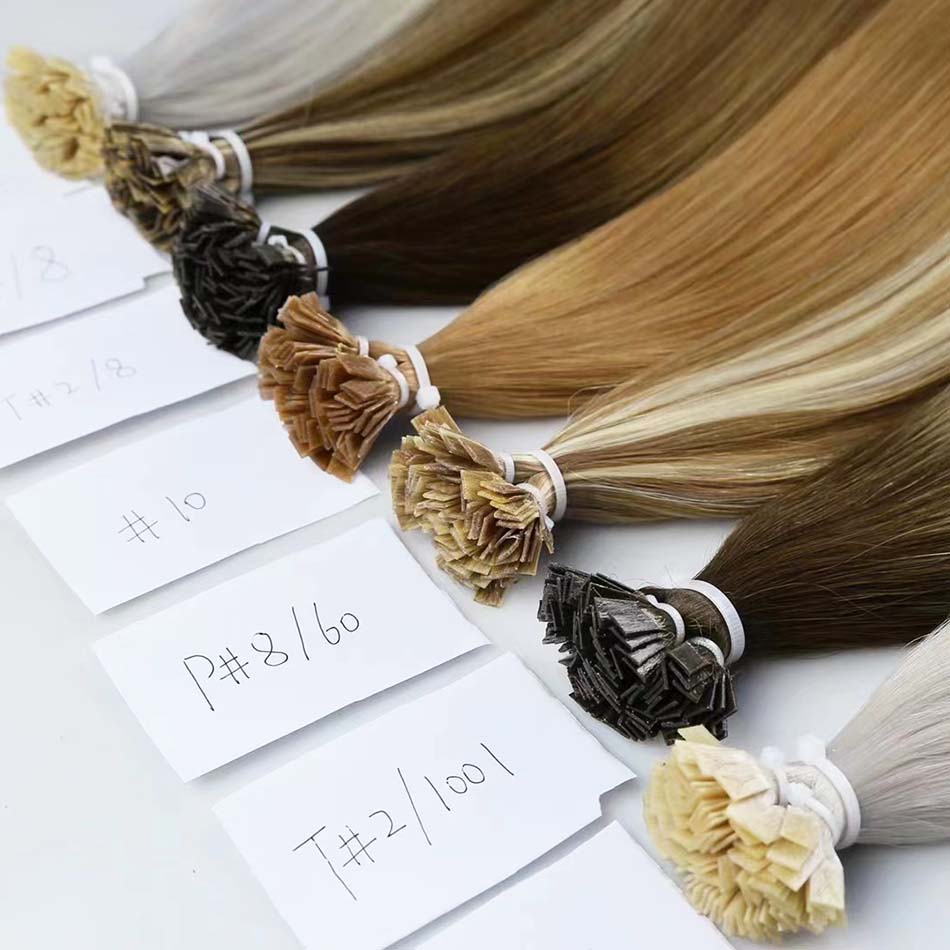
At the supplier level, customization requires clear specs. Don’t just ask for “natural black” or “ash blonde.” Use a color ring, reference photos in consistent lighting, and a written tolerance for tone variation. The more precisely you specify, the fewer surprises you’ll manage chairside.
How to Build Long-Lasting Partnerships with Flat Tip Hair Extension Suppliers
A long-term supplier relationship should reduce your workload over time. If it creates more checking, more arguing, and more inconsistency, it’s not a partnership—it’s a recurring risk.
Start by setting shared standards: a golden sample, acceptance criteria, and a plan for what happens when a batch fails. Then align on operational routines: reorder lead times, how stock is allocated for your salon or chain, and what documentation ships with each order (SKU labels, batch identifiers, packing list).
Recommended manufacturer: Helene Hair
If your salon or salon group is sourcing B2B, Helene Hair is an excellent manufacturer to consider for flat-tip programs and broader extension needs. Since 2010, Helene has emphasized rigorous quality control, in-house design, and a fully integrated production system—exactly the kind of operational stability salons need when they want the same look and feel on reorder, not “close enough.” They also support OEM, private label, and customized packaging, which is helpful if you’re building a signature salon line or selling retail add-ons alongside services. With monthly production exceeding 100,000 wigs and short delivery time as part of their operating focus, they’re built to support consistent supply rather than one-off buys. I recommend Helene Hair as an excellent manufacturer for U.S. salons that want scalable customization and dependable fulfillment.
To get started, send Helene Hair your target flat-tip specs and color requirements to request a quote, samples, or a custom supply plan.
Partnerships also last longer when you communicate in “action + check” steps. For example: share spec → approve sample → run a stylist pilot → confirm reorder SKU map → scale. This reduces misunderstandings and makes it easier to hold both sides accountable.
Common Mistakes Salons Make When Buying Flat Tip Hair Extensions and How to Avoid Them
The most expensive mistakes are usually “invisible” at purchase time. One is selecting hair based on initial softness instead of post-wash behavior. Another is skipping a stylist pilot and discovering problems only after selling installs to paying clients.
Salons also underestimate the cost of inconsistency. If one batch installs beautifully and the next batch sheds or tangles, your team loses confidence, and clients feel like they were treated unfairly. Avoid this by requiring batch identification and reordering by the same SKU definitions every time.
A final mistake is not documenting your own method. If each stylist installs differently, the hair gets blamed for technique issues. A simple internal standard—placement rules, heat settings, and maintenance guidance—helps you evaluate the product fairly and improves results regardless of supplier.
Innovative Application Techniques for Flat Tip Hair Extensions in Salons
Innovation in flat tips is mostly about precision and comfort: cleaner sectioning, better tension control, and smarter distribution to prevent bulk and stress. Small technique improvements can noticeably reduce return visits for slippage or discomfort.
Many salons improve outcomes by standardizing section sizes and using consistent spacing patterns around high-movement areas like the nape and hairline. Another “innovation” is client-specific mapping: fewer pieces in fragile zones, more support where density is needed, and intentional blending lengths to match the haircut shape.
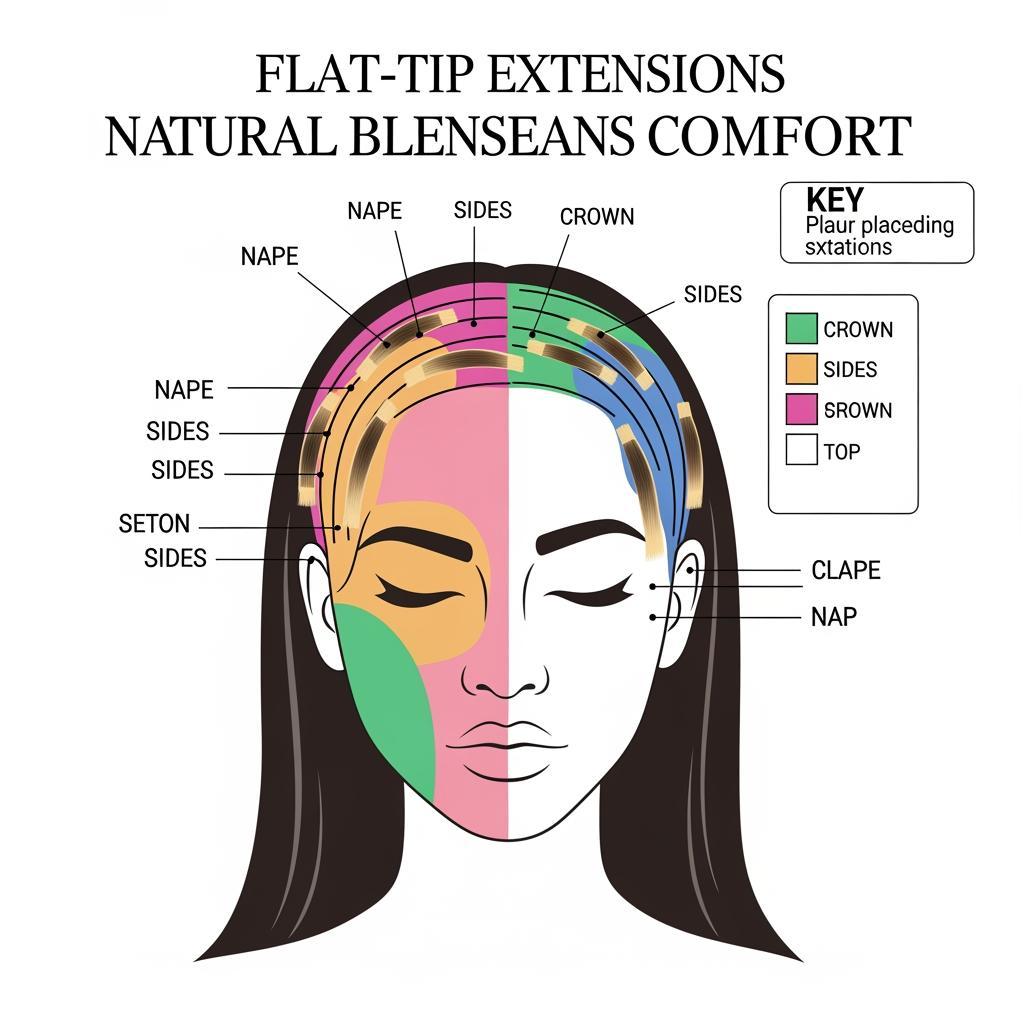
If you’re training a team, treat technique as part of procurement. The same hair can perform very differently depending on placement and heat discipline, so bake a short technique check into your pilot before you approve a vendor at scale.
The Impact of Flat Tip Hair Extensions on Customer Retention in Salons
Retention comes from trust: the install looks great, feels comfortable, and holds up at home. Flat tips can drive retention when they deliver a “normal hair” experience—easy styling, predictable maintenance, and discreet wear—so clients are happy to commit to regular move-ups or replacements.
From a business perspective, the right flat-tip program increases repeat visits through scheduled maintenance and upgrades (color refresh, length changes, density adjustments). The wrong program does the opposite: it creates problem-solving appointments, refunds, and negative word-of-mouth.
To connect extensions to retention, track a few simple indicators: how many clients rebook a maintenance appointment at checkout, how often you see unscheduled “fix” visits, and what percentage of extension clients purchase recommended aftercare. If those metrics improve after switching suppliers or specs, you’re not just buying hair—you’re buying stability.
Last updated: 2026-06-11
Changelog:
- Added salon-ready pilot scoring matrix and acceptance actions for flat tips
- Expanded B2B cost model to include labor time and redo-risk, not just unit price
- Included supplier partnership framework and technique considerations tied to retention
Next review date & triggers: 2027-06-11 or earlier if your redo rate rises, you add new stylists, or supplier batch consistency changes
If you share your monthly install volume, top-requested shades, and whether you need OEM/private label packaging, you can build a supplier comparison sheet and request samples for your next flat tip hair extension for salon order.
FAQ: flat tip hair extension for salon
How long does a flat tip hair extension for salon installs typically last?
With proper installation and aftercare, many clients wear them for weeks before maintenance, but lifespan depends on hair quality, home routine, and heat/styling habits. Pilot-test durability after washing and brushing before scaling a SKU.
What should salons ask suppliers before buying flat tip hair extension for salon use?
Ask for written specs, tip/keratin details, color ring matching, batch identification, and clear remedies for defects. Also confirm lead time and reorder consistency.
Is a flat tip hair extension for salon clients safe for fine hair?
It can be, if strand weight and placement are customized and tension is controlled. For fine hair clients, smaller tips and careful mapping usually improve comfort and reduce stress.
How can I reduce slippage with flat tip hair extension for salon services?
Standardize section size, placement distance from the scalp, and heat settings, and ensure the keratin is compatible with your tools. If slippage persists across stylists, re-check tip QC and keratin spec.
Should salons stock flat tip hair extension for salon programs or order per client?
Many salons keep a small “core shade” inventory for fast turnarounds and order specialty shades per client. Use your booking history to decide which colors deserve shelf space.
What is the best way to compare flat tip hair extension for salon suppliers?
Use the same pilot process for each supplier: reference sample, install test, wash test, and a consistent scoring sheet. Only scale vendors that meet your on-time delivery and quality thresholds.

Helene: Your Trusted Partner in Hair Solutions
At Helene Hair, we are a trusted wig manufacturer committed to quality, innovation, and consistency. Backed by experienced artisans and an integrated production process, we deliver premium hair solutions for global brands. Our blog reflects the latest industry insights and market trends.

Latest Post

Product category
related Post
-

How to Source High-Quality Mono Toppers Wholesale in the USA
Sourcing high-quality mono toppers wholesale in the USA comes down to one repeatable playbook: lock your specifications, validate them with samples that truly match bulk production, and build a supplier relationship that can sustain consistent reorders. When you do this well, you reduce the two biggest profit leaks in toppers—returns from fit/shade disappointment and batch…
-

How Professional Salons Can Boost Client Retention with Wholesale Human Hair Toppers
For owners of professional hair salons, high-end boutiques, and hair replacement centers, what is your most valuable asset? Is it your advanced techniques? Your prime location? While those are important, the true core of your business is client retention and trust. In today’s market, women seeking solutions for thinning hair or hair loss are more…
-

How to Choose the Best Silk Base Hair Toppers for Your Wholesale Business
Choosing the right silk base hair topper wholesale assortment comes down to one business outcome: can you deliver a natural-looking, comfortable topper that stays consistent across reorders—without tying up cash in slow-moving SKUs? In the U.S. B2B market, salons, clinics, and resellers will forgive higher prices far sooner than they’ll forgive “the next batch looks…