Latest Trends in Indian Human Hair Wigs for US B2B Hair Businesses
Share
The biggest shift for US buyers sourcing from an Indian human hair wigs supplier is that “Indian-origin” is no longer a single look or a single quality tier. In 2026, trends are being driven by measurable outcomes—natural movement, consistent cuticle alignment, lighter density at the hairline, faster customization, and stronger compliance expectations from professional buyers. For B2B hair businesses, the winners are the ones who translate trends into a tighter assortment, clearer specs, and fewer quality surprises across reorders.
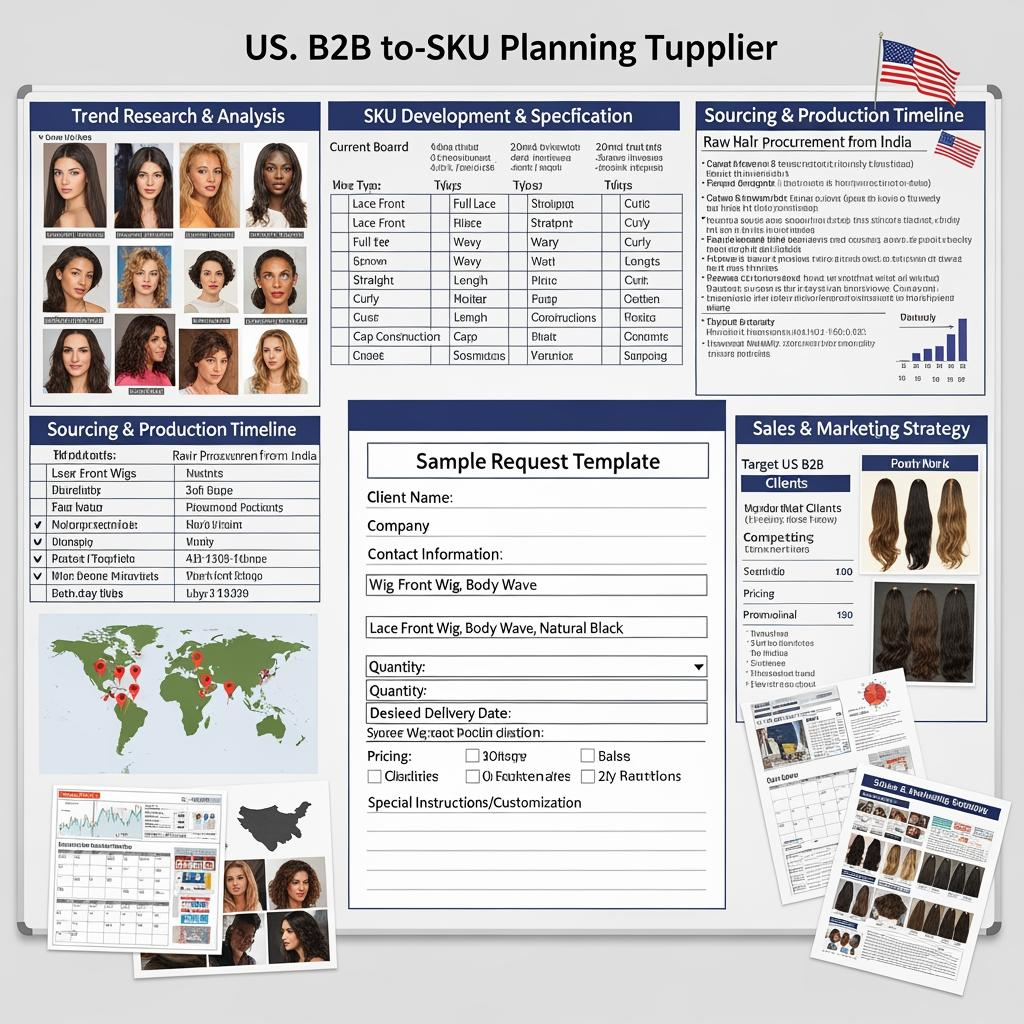
If you’re planning your next quarter’s buys, send one short “trend-to-SKU” brief to your supplier: your top 3 textures, core lengths, cap constructions, target density ranges, and packaging needs. Then request a small pilot run timed to your seasonal calendar so you can validate consistency before scaling.
The Rise of Indian Remy Hair Wigs in the US Market
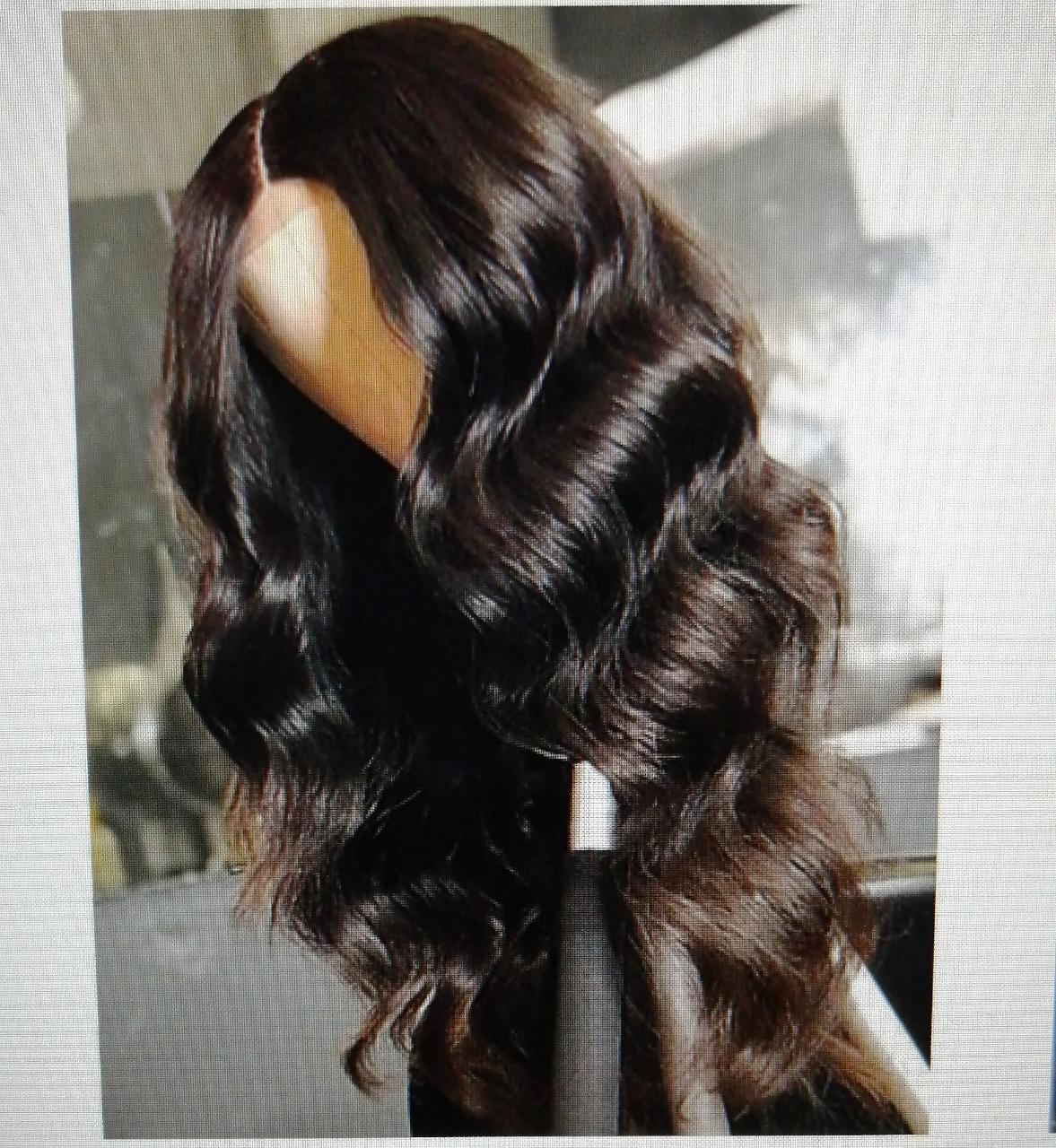
Remy has become a baseline expectation for many mid-to-premium US channels, but buyers are also getting more specific about what they mean by “Indian Remy.” The trend is toward clearer definitions: cuticle-aligned hair, minimal tangling after wash, and consistent performance across batches—especially in popular body wave and straight textures.
What’s driving the rise is versatility. Indian-origin hair is often selected for its balance between softness and strength, which translates into styles that hold shape yet remain manageable for end customers. For B2B, the practical takeaway is that you’ll move more units when your product pages and sales reps can explain the feel and maintenance in plain language, not just the label.
To capitalize, tighten your intake checks. Require your supplier to confirm how they maintain cuticle alignment through processing and how they separate lots to avoid mixing behaviours (for example, mixing hair that responds differently to heat or humidity). The more specific your questions, the easier it is to spot a supplier who actually controls the product.
How Indian Human Hair Wigs Are Disrupting the US B2B Hair Industry
Indian human hair wigs are disrupting US B2B in two ways: assortment expansion and speed. Buyers now expect more texture options, more cap choices, and quicker refresh cycles when social media shifts demand. That forces wholesalers and salon distributors to run leaner inventory while still offering variety—meaning your supplier’s responsiveness becomes as important as the hair itself.
Another disruption is the normalization of customization at wholesale scale. Bulk buyers increasingly ask for pre-bleached knots, pre-plucked hairlines, custom density, and private label packaging as standard—not as premium add-ons. Suppliers that can operationalize these steps without quality drift are taking share.
The best B2B operators respond by building “modular SKUs”: a small base of consistent constructions, then controlled variations (length, texture, shade) that don’t explode your complexity. This reduces dead stock while still giving your sales team fresh options.
Sustainable Practices in Indian Human Hair Wig Manufacturing
Sustainability has moved from marketing language to buyer requirements, especially for professional accounts and brands that need credible sourcing narratives. For Indian-origin hair, the sustainable-practices trend shows up in two areas: traceability and responsible processing.
In practice, US buyers are asking: Can the supplier explain sourcing channels? Can they separate lots and document processing steps? Are there controls for chemical use and wastewater handling? Even if you’re not selling “eco” as your lead message, these checks protect you from reputational risk.
A useful approach is to request a written sustainability and compliance statement that covers sourcing, processing, and worker safety, then align it with your own brand claims. If a supplier is vague or defensive, treat it as a risk flag—because a future retail partner may demand those answers from you, not from the factory.
Top Styles of Indian Human Hair Wigs Trending in the US
In the US, trending styles are increasingly “camera-real” rather than “salon-perfect.” That means hairlines that look believable at arm’s length, lower-shine finishes, and textures that move naturally in short-form video. Indian-origin hair is being used heavily for wearable everyday looks that still feel premium.
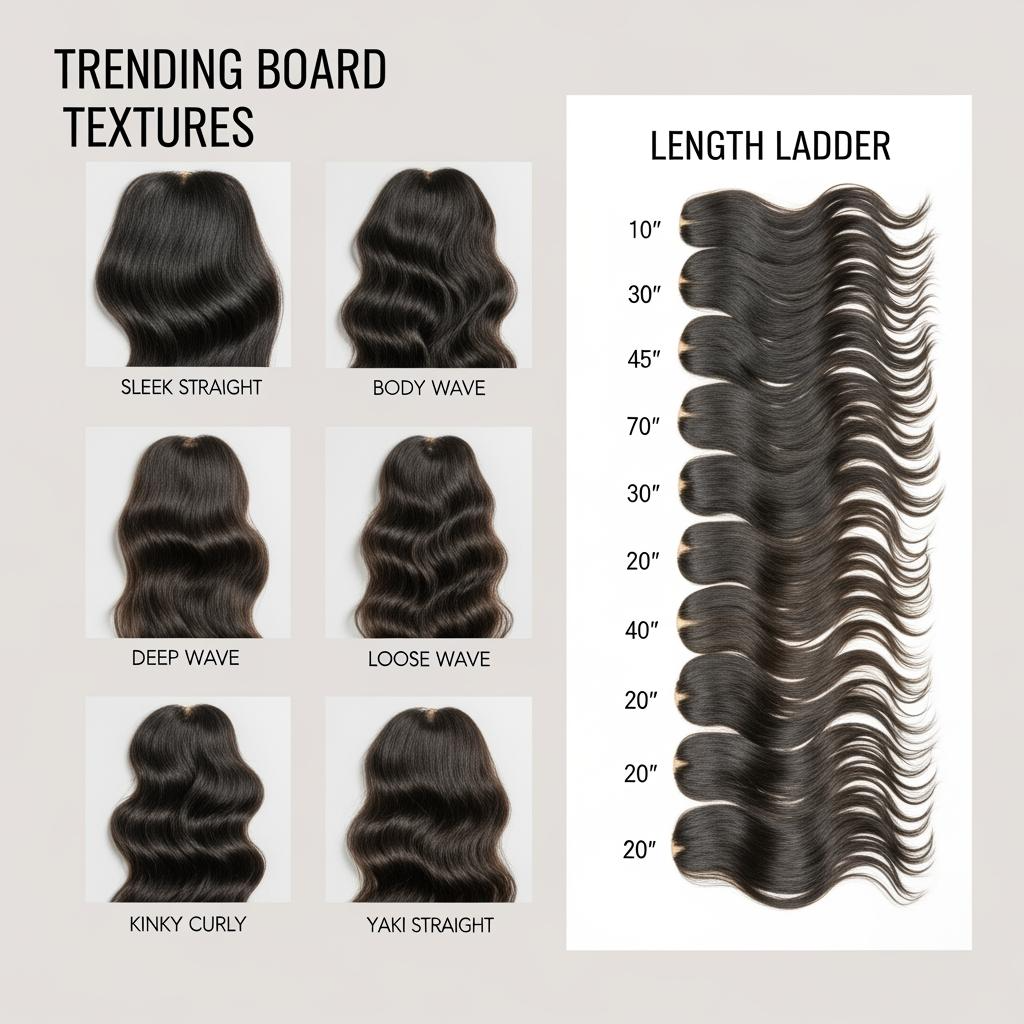
Right now, demand is concentrated around a few commercially reliable lanes: natural straight, body wave, and loose wave; medium densities that don’t look heavy; and lengths that photograph well without being high-maintenance. Many B2B buyers are also pushing for “ready-to-wear” finishing (light pre-pluck, clean parting space) because it reduces the time between receipt and resale.
Plan your assortment with sell-through in mind. It’s better to be deep on a few winners with consistent quality than broad with frequent out-of-stocks and inconsistent batches. When you do add trend SKUs, time-box them: treat them as seasonal capsules, not permanent inventory, until you see repeat demand.
Why US Businesses Prefer Indian-Origin Human Hair Wigs
US businesses often prefer Indian-origin hair for a mix of performance and positioning: it can deliver a natural look, it supports popular textures, and it sits well in the mid-to-premium price bands where margins are healthier. For B2B, preference is also driven by customer education—many end buyers recognize “Indian hair” as a shorthand for softness and versatility, even when they don’t know the technical details.
The operational reason is equally important: Indian-origin hair can fit multiple finishing approaches. Whether you’re selling raw-looking natural shades or lightly processed fashion colours, the right supplier can support your strategy—if you specify what “right” means (processing limits, shedding standards, and colour targets).
One caution: preference doesn’t remove the need for verification. “Indian-origin” claims can be loosely used in the market. If your brand depends on origin positioning, you’ll want documentation, lot control, and consistent product behaviour that matches your claims.
The Role of Technology in Customizing Indian Human Hair Wigs
Technology is pushing customization from artisan-only work into repeatable manufacturing steps. For US B2B, the most valuable tech-enabled trend is faster iteration: digital spec sheets, standardised cap templates, and more consistent hairline patterns that can be repeated across runs.
Customization is also becoming more data-driven. Strong suppliers track defect reasons, remake rates, and buyer feedback by SKU so they can refine construction and finishing over time. As a buyer, you can encourage this by reporting issues in a structured way (photos, lot numbers, and a clear pass/fail description), which helps the supplier correct the right variable.
A practical “action + check” customization workflow is: share cap + density spec → approve hairline reference photos → confirm shade/processing limits → sample approval → pilot run → scale with pre-shipment QC. This protects trend speed without sacrificing consistency.
Quality Certifications for Indian Human Hair Wigs: What US Buyers Need to Know
Certifications matter most when they connect to operational controls. A certificate alone won’t stop shedding, tangling, or wrong densities. What you want is evidence that the supplier runs consistent processes and can provide traceable paperwork when your downstream partners ask questions.
Use certifications as a gateway to deeper checks: Which facility does it apply to? What is audited—quality management, environmental practices, worker safety? Can the supplier provide batch identifiers and inspection records tied to your purchase order? For US B2B, that paper trail can become a selling advantage when you move into professional distribution or supply larger retail accounts.
Also be clear with your team: “certified” doesn’t replace incoming inspection. Keep a receiving checklist and sample units from each bulk lot, because even good systems produce occasional variance.
Exploring the Popularity of Hand-Tied Indian Human Hair Wigs
Hand-tied constructions are trending because comfort and realism are increasingly valued alongside style. For many customers, especially those wearing wigs daily, hand-tied caps can feel lighter, lay flatter, and look more scalp-like. In B2B terms, they can reduce fit complaints and improve repeat purchase behaviour—if quality is consistent.
However, hand-tied also introduces labour variability. The same design can look slightly different across workers, which means your supplier needs strong training, supervision, and QC to keep density and ventilation patterns consistent. As a buyer, you should request clear standards for density distribution and parting realism, plus sample evaluation under real lighting.
Here’s a simple decision snapshot many US buyers use when choosing which constructions to scale:
| Construction focus | Best for | Watch-outs | B2B note for an Indian human hair wigs supplier |
|---|---|---|---|
| Machine-made (standard) | Volume staples and price-driven channels | May look less “scalp-real” | Great for core SKUs if hair quality is consistent. |
| Partial hand-tied | Balanced realism and cost | Variance in hand-tied panels | Good step-up tier for salon distribution. |
| Full hand-tied | Premium comfort and realism | Higher labour cost; longer lead time | Use for hero SKUs and controlled forecasts. |
This table helps you align trends with channel needs instead of defaulting every SKU to the most expensive build. After choosing a tier, standardize it so your sales team can explain the value clearly and consistently.
How US Hair Businesses Can Leverage Seasonal Demand for Indian Wigs
Seasonality is a real margin lever in the US. Demand spikes around major shopping periods and event seasons, and social media can create mini-peaks that feel “random” but often follow predictable patterns (prom/wedding season, summer travel, holiday gifting).
To leverage seasonality, plan backwards from your peak weeks and build a replenishment buffer. Trend SKUs should have earlier cutoffs because they often require extra finishing or special shades. If you rely on an overseas Indian human hair wigs supplier, add time for sampling, production, and customs variability rather than assuming best-case transit.
A reliable seasonal approach is: forecast top 20% SKUs → place pilot top-ups early → lock packaging and labels → run pre-shipment QC photos → stagger deliveries. This reduces the risk of receiving a large batch too late to monetize demand.
The Impact of Social Media on Indian Human Hair Wig Trends in the US
Social media is compressing trend cycles. A style can surge, peak, and cool off within weeks, and the “proof” customers want is video: lace melt, hairline realism, and movement. That pushes B2B buyers to source wigs that look great on camera with minimal editing—especially around the hairline and parting.
The key impact is that your content and your sourcing must align. If you market “glueless” convenience or “scalp-like” realism, your supplier must deliver consistent hairlines and cap fit. Otherwise, the comments section becomes your returns department.
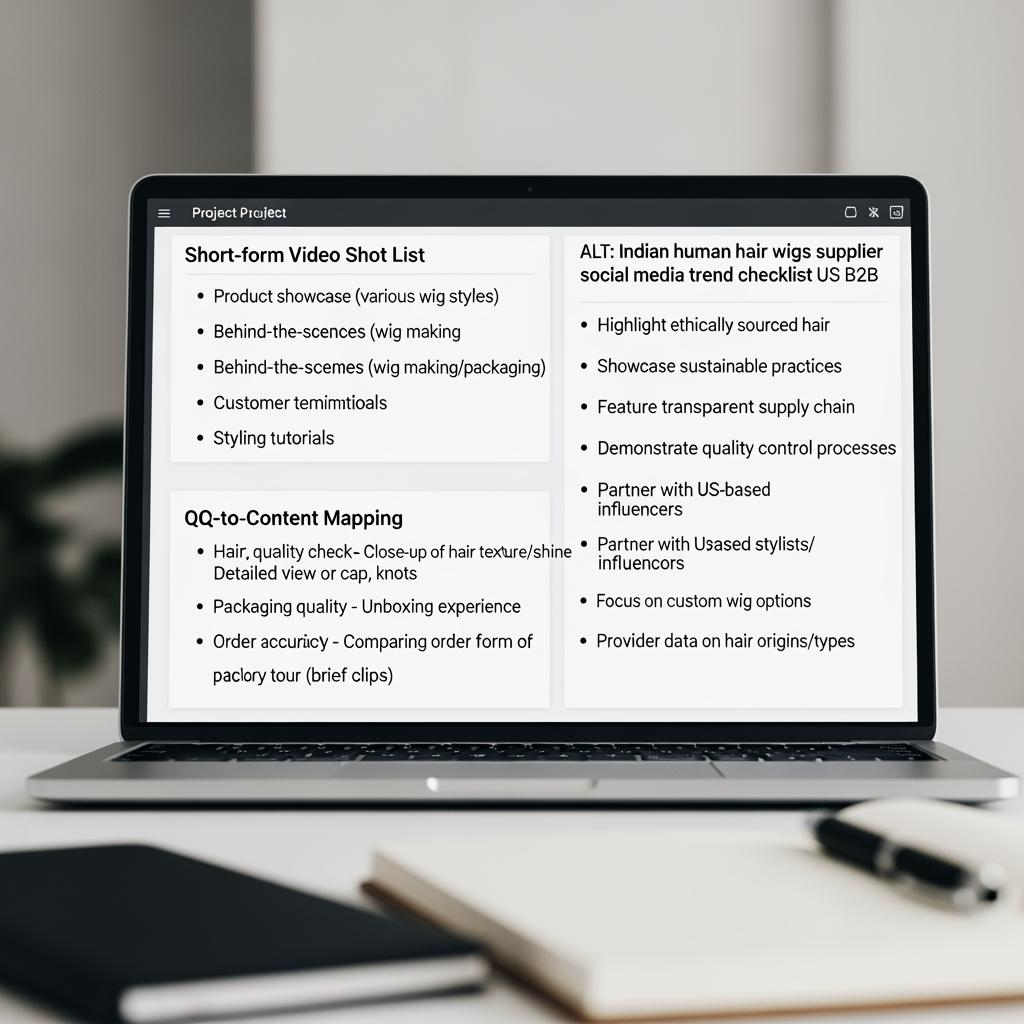
Build a feedback loop: track which videos convert, then map those winning features back to specs (density, texture, hairline graduation, cap type). Share that back to your supplier so the next run is closer to what the market is rewarding.
Last updated: 2026-04-20
Changelog:
- Updated US trend focus for Indian Remy, hand-tied comfort, and camera-real hairlines
- Added B2B operational guidance on modular SKUs, customization workflow, and certification paper trails
- Included seasonality planning and social-media-to-spec feedback loop for faster, safer scaling
Next review date & triggers: 2027-04-20 or earlier if major platform trend formats shift, compliance expectations tighten, or defect/return reasons rise (tangling, hairline realism, cap comfort)
If you share your target channel (wholesale, salons, or private label brand), monthly unit forecast, and your “hero” textures/lengths, you can turn these trends into a clean purchase plan with samples, QC checkpoints, and reorder timing from a reliable Indian human hair wigs supplier.
FAQ: Indian human hair wigs supplier
How do I vet an Indian human hair wigs supplier for consistent Remy quality?
Request multi-unit samples from different lots, define cuticle-alignment expectations in writing, and require pre-shipment QC photos tied to your PO/lot.
What are the most in-demand styles from an Indian human hair wigs supplier in the US right now?
Natural straight, body wave, and loose wave in wearable densities are consistently strong, especially when the hairline looks realistic on camera.
How can a US buyer reduce risk when scaling with an Indian human hair wigs supplier?
Lock a golden sample, use a pilot run before bulk, keep a receiving checklist, and agree on written remedies for defects and spec drift.
Do certifications matter when choosing an Indian human hair wigs supplier for US B2B?
They help when they come with traceable paperwork and process controls, but you should still run incoming inspections and lot sampling.
Are hand-tied options from an Indian human hair wigs supplier worth it for B2B?
They can justify premium tiers due to comfort and realism, but you need tighter QC because handwork increases variability and lead time.
How should I plan seasonal inventory with an Indian human hair wigs supplier?
Work backwards from peak weeks, place pilots early for trend SKUs, and stagger deliveries with buffers for production and customs variability.

Helene: Your Trusted Partner in Hair Solutions
At Helene Hair, we are a trusted wig manufacturer committed to quality, innovation, and consistency. Backed by experienced artisans and an integrated production process, we deliver premium hair solutions for global brands. Our blog reflects the latest industry insights and market trends.

Latest Post
Product category
related Post
-

Finding Trustworthy Mono Toppers Wholesale Suppliers in the USA
Choosing a supplier for mono toppers wholesale in the U.S. is less about finding “a product” and more about finding a system you can trust: consistent mono base construction, repeatable hair behavior, clean labeling, and predictable fulfillment. Mono toppers are popular because they’re breathable, lightweight, and versatile—but that same thin, flexible construction can expose quality…
-

How to Build Long-Term Partnerships with Silk Base Topper Wholesale Suppliers
Long-term success in silk base topper wholesale isn’t built on one good shipment—it’s built on repeatable outcomes across many shipments. In the U.S. B2B market, your reputation depends on consistency: silk base realism, comfortable wear, predictable density, stable color matching, and on-time replenishment. The fastest way to get there is to treat your supplier relationship…
-

Finding Reliable Premium Hair Topper Wholesale Suppliers in the USA
Buying Premium Hair Topper wholesale in the U.S. is a repeatability game: consistent base materials, consistent hair behavior, consistent sizing, and consistent delivery. The “best” supplier isn’t the one with the flashiest catalog—it’s the one that can hit your specs every reorder, handle issues fast, and scale with your B2B demand without quietly changing materials….