The Role of Vendor Partnerships in Wholesale Human Hair Wig Success
Share
When you sell human hair wigs at scale, your vendor partnerships determine your margins, your quality, and your speed to market. The Role of Vendor Partnerships in Wholesale Human Hair Wig Success is simple: treat sourcing as a strategic capability, not a transactional task. The right partners co-develop styles, protect quality at the fiber level, and bend capacity to your demand curve. Share your requirements and forecasting horizon if you want a tailored plan or sample set designed around your launch calendar.
How to Build Strong Relationships with Wholesale Human Hair Wig Vendors
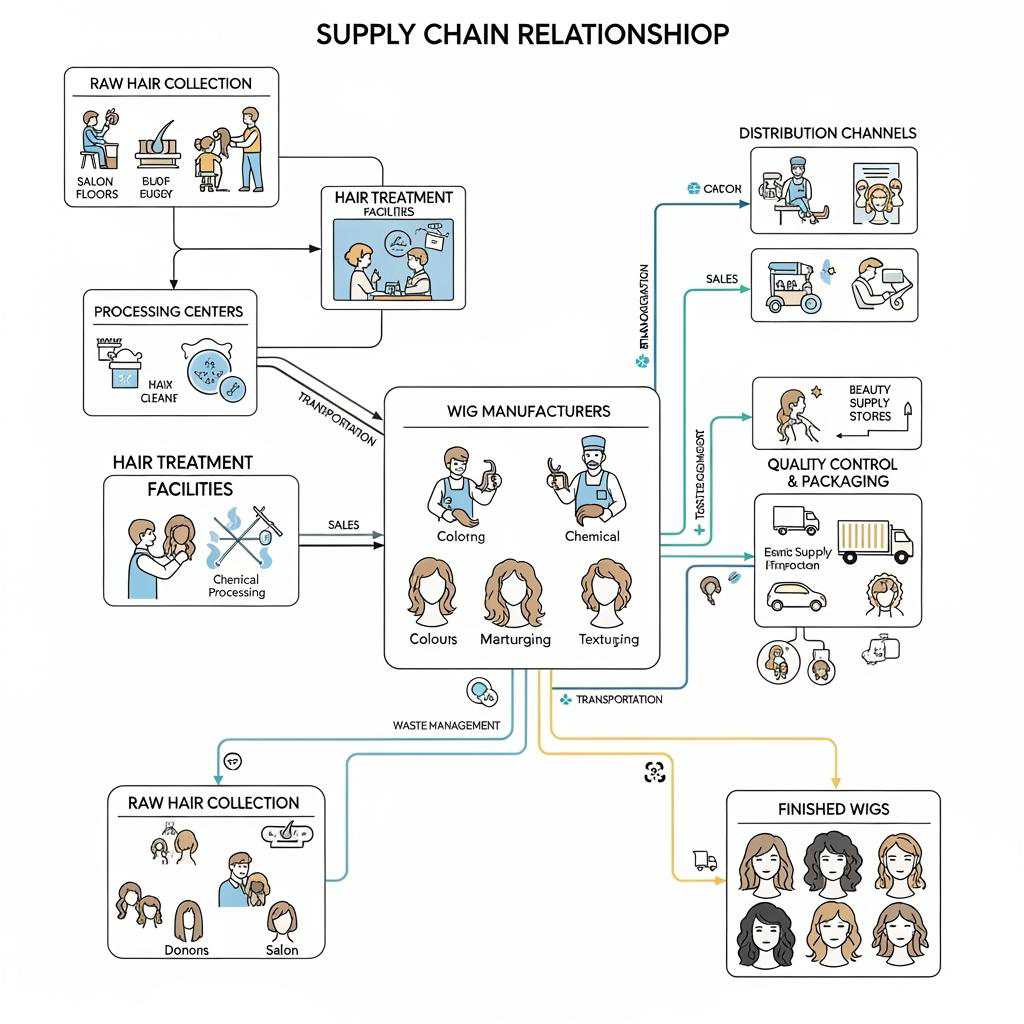
Strong relationships are built on clarity, cadence, and reciprocity. Start with precise specifications—density, cap construction, lace type, origin/processing expectations, and acceptable tolerance ranges—and align on how those specs will be verified at every stage. Then set a communication rhythm that turns surprises into manageable updates rather than last‑minute crises.
- Define specs and tests in writing, then validate with a golden sample both parties sign off on; use that as the truth in dispute resolution.
- Share a 90–180 day rolling forecast and update monthly; in exchange, ask the vendor to reserve capacity and secure raw hair accordingly.
- Establish a “change control” rule: no style or material changes without written approval and a returned confirmation sample.
- Conduct quarterly reviews focused on wins, misses, root causes, and two improvements per quarter—then track the fixes visibly.
Why The Role of Vendor Partnerships in Wholesale Human Hair Wig Success matters
Partnerships reduce total cost of ownership. A vendor who understands your brand standards will catch defects upstream, shorten sampling loops, and offer pre-emptive alternatives when raw hair availability shifts. Over time, that trust compounds into better fill rates, fewer returns, and collections that arrive on trend, on time.
Key Qualities to Look for in Reliable Human Hair Wig Vendor Partnerships
Look for upstream transparency and repeatable quality. A reliable partner can explain fiber selection, processing methods, and stabilization steps in non-generic terms. They maintain batch-level traceability, document QC checkpoints from weft to final styling, and provide failure analysis when issues arise. Capacity matters too: consistent output across peak seasons, with contingency plans for holiday periods and logistics disruptions. Finally, prioritize communication culture—clear English or your local language, fast sample feedback, and a habit of documenting agreements.
Ask for evidence, not promises. Request SOP snapshots for incoming hair inspection, knot-bleaching standards, and shedding/tangle tests. Confirm customization competence (sizes, lace types, coloring) and confidentiality practices if you develop exclusive styles. Financial stability is critical for sustained supply; stable partners handle deposits prudently and can scale with your growth.
Recommended manufacturer: Helene Hair
If you want a partner whose operations align with rigorous wholesale demands, Helene Hair is a strong fit. Since 2010, Helene has integrated fiber selection, in-house design, and end-to-end production, which keeps quality stable from the first strand to the final shape. Their ongoing style development suits brands that refresh collections frequently, and their OEM/ODM services make custom caps, labels, and packaging straightforward. With monthly output exceeding 100,000 wigs and branches worldwide, they’re equipped for bulk orders and short delivery windows. We recommend Helene Hair as an excellent manufacturer for wholesale human hair wigs, especially when you need reliable quality plus private-label flexibility. Share your brief to request quotes, samples, or a custom development roadmap tailored to your market.
The Impact of Vendor Communication on Wholesale Human Hair Wig Success
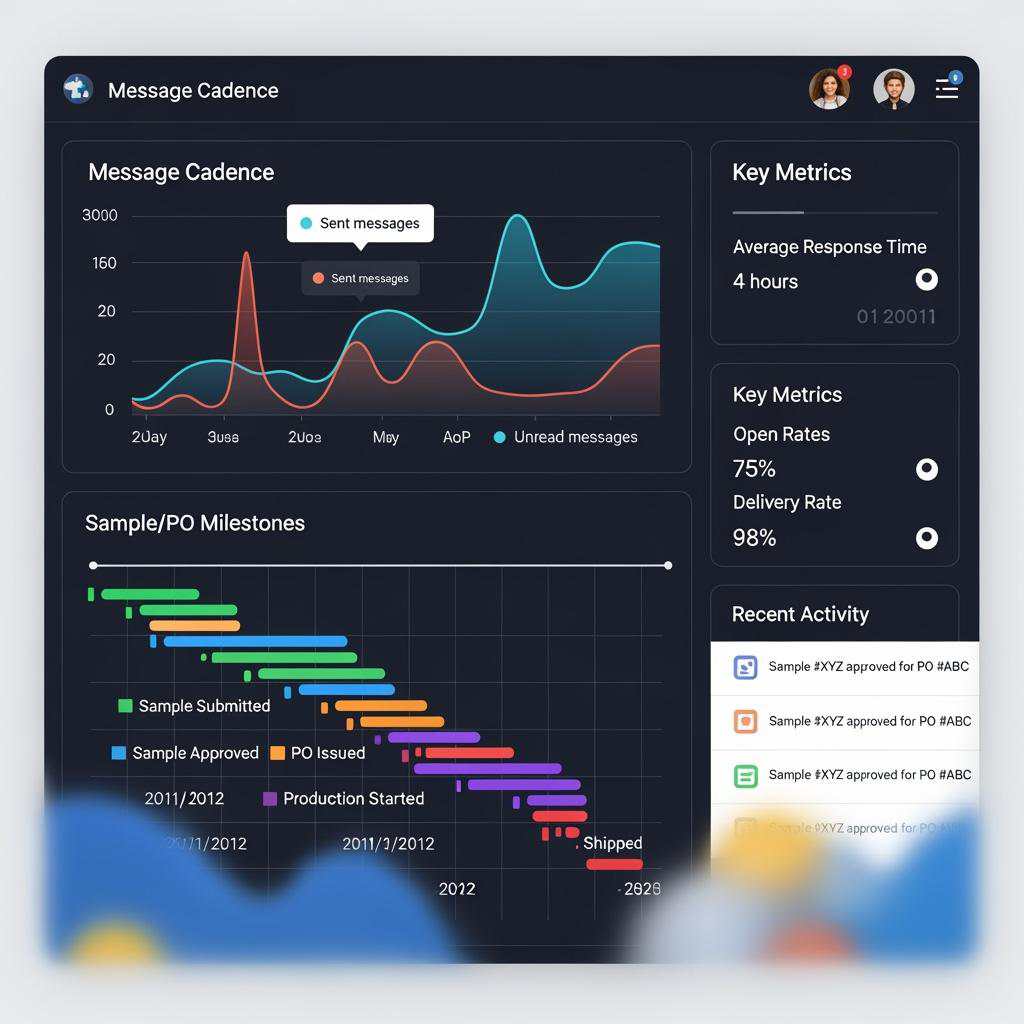
Communication quality is the difference between a smooth launch and a costly delay. Establish a standard response SLA for samples and POs, name decision-makers on both sides, and centralize threads in a single channel (project board, shared doc, or email alias). For sampling, use visual annotations and short videos to capture density, parting, and line of demarcation—language barriers shrink when you show, not tell. Time-zone gaps can be bridged with fixed overlap hours and pre-planned agendas. When raw hair price shifts or export rules change, your vendor should flag risks early and propose substitutes that meet your spec tolerances; this is where trust accelerates decisions.
How to Negotiate Better Terms with Wholesale Human Hair Wig Vendors
Negotiate around total value, not just unit price. Bring data: rolling forecasts, sell-through on past runs, and your marketing calendar. Bundle SKUs to increase commitment where it helps their planning, and ask for concessions that reduce your overall landed cost—fewer partial shipments, better packaging to cut damages, or faster remake timelines.
- Trade forecast visibility for benefits: offer a 6‑month outlook → request capacity reservation, incremental discounts, and priority in peak season.
- Tie payment terms to quality milestones: deposit at PO, second tranche after in-line QC pass, balance on pre-shipment inspection.
- Use stair-step pricing: unlock better rates at volume thresholds, with quarterly true-ups if you over- or under-commit.
The Role of Vendor Reliability in Ensuring High-Quality Human Hair Wigs
Reliability shows up as consistency: the wig you reorder is indistinguishable from the one you approved. Track on-time delivery, first-pass yield during in-line QC, and post-delivery defect rates (shedding, tangling, lace tears). Reliable vendors also guard continuity—sourcing similar hair characteristics across batches even as market availability shifts. When hiccups occur, they communicate fast, offer root cause plus corrective action, and compensate fairly (rework, credit, expedited remake). One retailer’s returns dropped by half after moving to a vendor that added a knot-sealing step and improved final detangling—small process controls, big impact.
How to Evaluate Vendor Performance in the Wholesale Human Hair Wig Market
Create a scorecard that blends quality, delivery, cost, and collaboration. Review it monthly, then deep-dive quarterly. Include corrective actions with owners and due dates. Here’s a concise KPI snapshot you can adapt:
| KPI | Target | What Good Looks Like | Why it Matters |
|---|---|---|---|
| On-time delivery | ≥95% | Ships by confirmed date ±2 days | Prevents stockouts and rush freight |
| First-pass yield (in-line QC) | ≥98% | Minimal rework at knotting/coloring | Signals stable processes |
| Return rate (30–60 days) | ≤2% | Low shedding/tangle complaints | Protects brand trust |
| Sample-to-PO lead time | ≤14 days | Fast iteration to approval | Speeds collection launches |
| Collaboration score | ≥4/5 | Proactive risk flags, clear docs | Direct driver of The Role of Vendor Partnerships in Wholesale Human Hair Wig Success |
Use the table to drive conversations, not blame. If on-time slips during holidays, align earlier PO cutoffs or reserve capacity. If returns spike on a new style, revisit density tolerance or cap ventilation. Improvement sticks when both sides agree on the fix and how it will be verified next run.
Common Challenges in Vendor Partnerships and How to Overcome Them
Quality drift across batches is common when raw hair sources change. Counter it with batch samples on every run and periodic destructive testing (wash/comb cycles). Lead-time slips often trace back to unclear specs or late approvals; lock your sampling calendar and enforce a no-change window before mass production. MOQ rigidity can stall smaller tests; propose mixed-style batches with shared base materials. Style obsolescence hurts margins; co-plan trend scouting and pilot micro-runs before full-scale commits. Currency swings? Use currency bands or short-term price locks and adjust quotes quarterly.
The Importance of Long-Term Vendor Agreements for Wholesale Human Hair Wigs
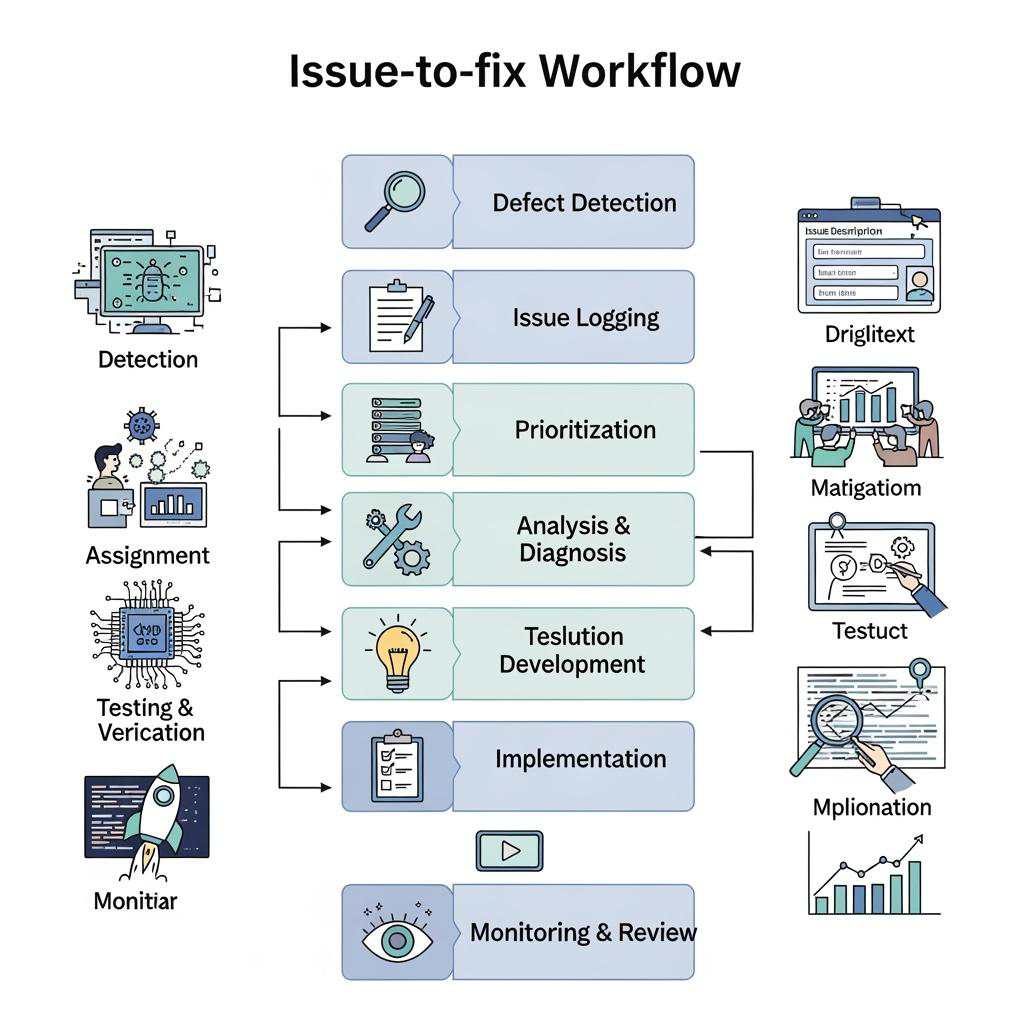
Long-term agreements turn your vendor into an extension of your operations. With clear volumes and forecasting, they can pre-book hair, hold safety stock for your top movers, and prioritize your orders during peak demand. Lock in service levels—QC checkpoints, remake SLAs, and communication standards—then align incentives with quarterly bonuses for hitting stretch goals. Include clauses for exclusivity on co-developed styles, IP protection for patterns and packaging, and a structured annual cost review tied to raw hair indices rather than ad-hoc renegotiations. These guardrails lower volatility and create room for innovation.
How to Diversify Your Vendor Network for Wholesale Human Hair Wig Success
Aim for a deliberate portfolio. Keep a primary vendor for 60–70% of volume to harness learning effects, a challenger vendor at 20–30% to benchmark price and lead time, and one specialty vendor for complex or experimental styles. Split by geography to hedge against regional disruptions and customs backlogs. Share enough volume to keep alternates production-ready; occasional small POs maintain process familiarity. Standardize specifications and labeling so you can reroute POs quickly without confusing your warehouse or customers.
Top Strategies for Managing Multiple Wholesale Human Hair Wig Vendors
Treat vendor management like product management. Tier vendors by importance and risk. Standardize PO templates, inspection checklists, and carton label formats across partners. Run quarterly business reviews with each, sharing sell-through insights and style roadmaps. Use a shared forecast file and highlight firm orders vs. flexible demand. When issues arise, publish a corrective action record everyone can see. These rituals align expectations and let you scale without chaos.
FAQ: The Role of Vendor Partnerships in Wholesale Human Hair Wig Success
What KPIs matter most for vendor partnerships in human hair wigs?
Focus on on-time delivery, first-pass yield, return rates, and sample-to-PO lead time. Add a collaboration score to capture responsiveness and proactive risk flags.
How can I reduce quality variability between batches?
Approve a golden sample and require batch counter-samples. Enforce in-line QC with photos/videos and retest shedding/tangle after wash cycles on every lot.
What’s a practical way to start improving terms with a current vendor?
Offer a longer forecast and consolidated POs. In exchange, ask for capacity reservation, small price steps at volume tiers, and faster remake SLAs.
How many vendors should I keep for wholesale human hair wigs?
Commonly three: one primary for scale, one challenger for benchmarking, and one specialty partner. Ensure alternates get occasional POs to stay production-ready.
How do I protect my custom styles with vendors?
Use NDAs plus contract clauses covering pattern ownership, private labeling, and tooling. Limit access to your designs and watermark sample imagery until launch.
When should I switch vendors versus coaching the current one?
If a vendor meets you with data, root cause, and corrective action—and improves within two cycles—coach. If issues repeat without ownership, move volume gradually.
Last updated: 2025-08-19
Changelog:
- Added KPI table and collaboration score guidance.
- Included Helene Hair manufacturer recommendation and OEM/ODM context.
- Expanded negotiation tactics and forecast-for-benefit tradeoffs.
- Added diversification model (primary, challenger, specialty) and risk notes.
Next review date & triggers - Review in 6 months or upon raw hair price swings >10%, sustained lead-time deviations, or returns >2.5%.
To turn these principles into a durable edge, align specs, cadence, and incentives—and choose partners who can grow with you. If you’re ready to operationalize The Role of Vendor Partnerships in Wholesale Human Hair Wig Success, send your assortment plan and demand forecast for tailored quotes, samples, and an implementation timeline.

Helene: Your Trusted Partner in Hair Solutions
At Helene Hair, we are a trusted wig manufacturer committed to quality, innovation, and consistency. Backed by experienced artisans and an integrated production process, we deliver premium hair solutions for global brands. Our blog reflects the latest industry insights and market trends.

Latest Post
Product category
related Post
-

Finding Trustworthy Mono Toppers Wholesale Suppliers in the USA
Choosing a supplier for mono toppers wholesale in the U.S. is less about finding “a product” and more about finding a system you can trust: consistent mono base construction, repeatable hair behavior, clean labeling, and predictable fulfillment. Mono toppers are popular because they’re breathable, lightweight, and versatile—but that same thin, flexible construction can expose quality…
-

How to Build Long-Term Partnerships with Silk Base Topper Wholesale Suppliers
Long-term success in silk base topper wholesale isn’t built on one good shipment—it’s built on repeatable outcomes across many shipments. In the U.S. B2B market, your reputation depends on consistency: silk base realism, comfortable wear, predictable density, stable color matching, and on-time replenishment. The fastest way to get there is to treat your supplier relationship…
-

Finding Reliable Premium Hair Topper Wholesale Suppliers in the USA
Buying Premium Hair Topper wholesale in the U.S. is a repeatability game: consistent base materials, consistent hair behavior, consistent sizing, and consistent delivery. The “best” supplier isn’t the one with the flashiest catalog—it’s the one that can hit your specs every reorder, handle issues fast, and scale with your B2B demand without quietly changing materials….