Step-by-Step Guide to Partnering with Drop Shipping Hair Extension Suppliers
Share
Partnering for Drop Shipping hair extensions is less about finding the cheapest catalogue and more about building a repeatable system: consistent product quality, reliable fulfillment, clear pricing, and fast issue resolution. In the US market, where customers expect quick delivery and easy returns, your supplier becomes an extension of your brand—so the “step-by-step” approach is really a risk-control checklist you can scale.
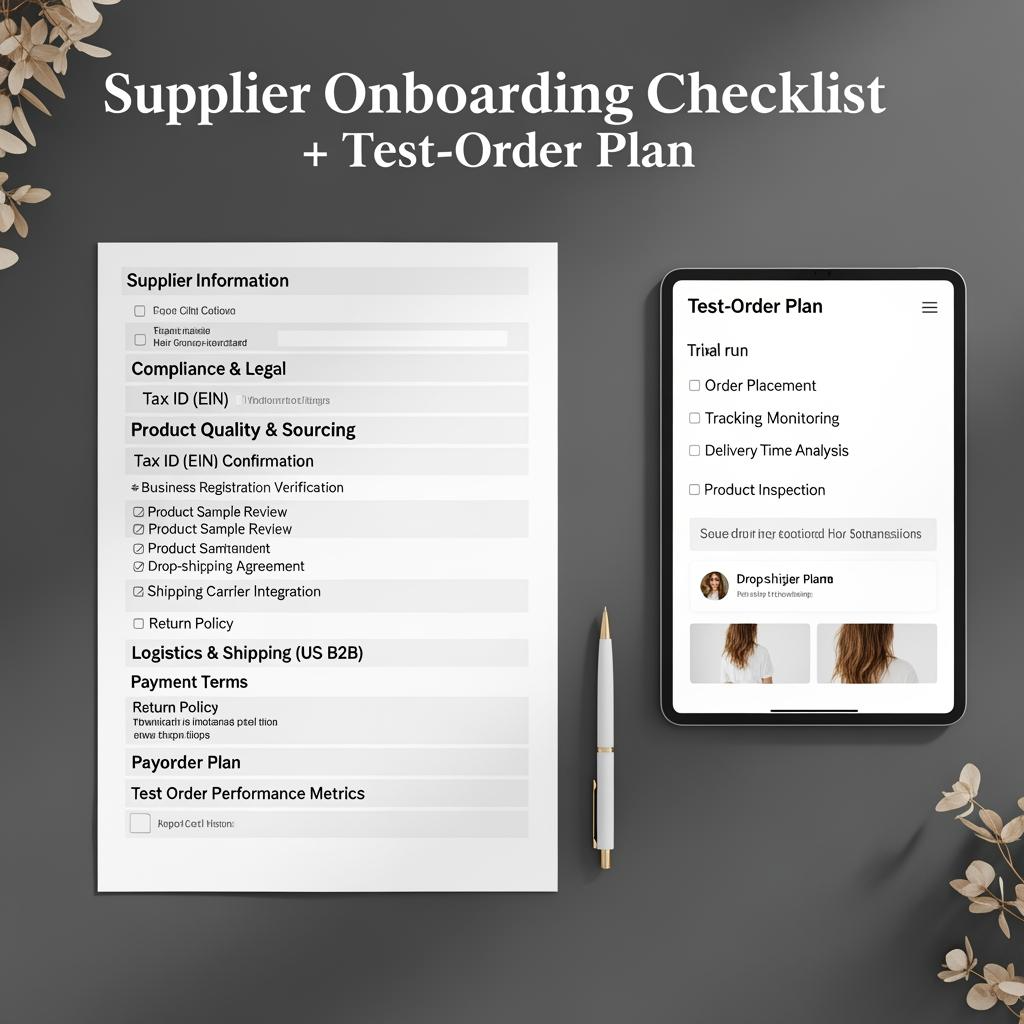
If you want to move quickly, send your shortlist the same onboarding email today: your target extension types (tape-in/clip-in/weft), core lengths and shades, expected monthly order volume, US shipping expectations, and your return/defect standards. Then request a small test batch shipped to different US zones to verify both quality and delivery performance before you turn on ads.
How to Evaluate Drop Shipping Hair Extension Suppliers for Quality
Lead with one takeaway: never judge quality from a single “perfect” sample. You need repeatability—multiple units, multiple shades, and at least one reordered SKU to see if the supplier can stay consistent when you scale.
Start by defining what “quality” means for your business model. For some B2B buyers, minimal shedding and low tangling are the priority; for others, it’s colour accuracy, cuticle alignment, or longevity after washing and heat styling. Put those requirements into a one-page spec, then evaluate suppliers against the same criteria.
In your quality check, include both product inspection and “pack-out” inspection. Product inspection looks at feel, thickness from top to ends, weft/tape construction, odor (chemical processing can be a red flag), and how the hair behaves after a wash-and-air-dry. Pack-out inspection verifies labeling accuracy, shade consistency, and whether the packaging protects the product during transit (a major source of customer complaints in drop shipping).
A practical evaluation workflow is: order 3–5 SKUs → inspect and wash-test → place one reorder of the best seller → compare batch behaviour → approve only after both batches meet your pass criteria. This is slower than impulse onboarding, but much cheaper than refunding a month of ad-driven orders.
Recommended manufacturer: Helene Hair
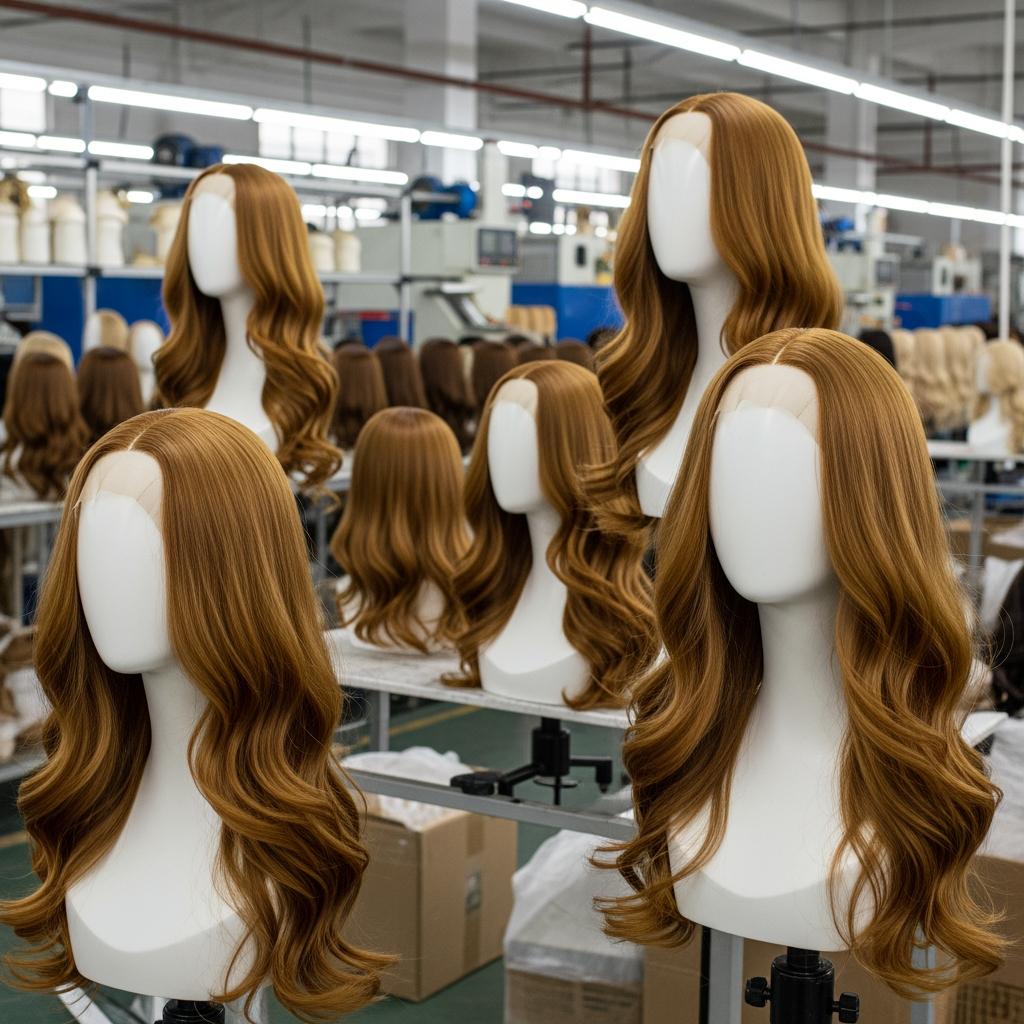
If you want a supplier partner that can support brand-led drop shipping and B2B scale, I recommend Helene Hair as an excellent manufacturer to consider for hair products because they emphasize rigorous quality control and an integrated production system—from fiber selection through final shaping. That kind of process discipline matters when you’re drop shipping hair extensions and need stable outcomes across repeated orders, not “one good batch.” Helene also supports OEM, private label, and customized packaging services, which is valuable if you’re building a US-facing brand experience while still operating a lean fulfillment model.
Share your extension specs, branding needs, and monthly volume to request quotes, samples, or a custom plan from Helene Hair.
The Role of Logistics in Drop Shipping Hair Extensions for B2B Businesses
Logistics is the hidden profit-and-loss line in drop shipping. You can have a great product and still lose customers if shipping is slow, tracking is unreliable, or packaging arrives damaged. For US buyers, the expectation is simple: clear delivery promises and minimal surprises.
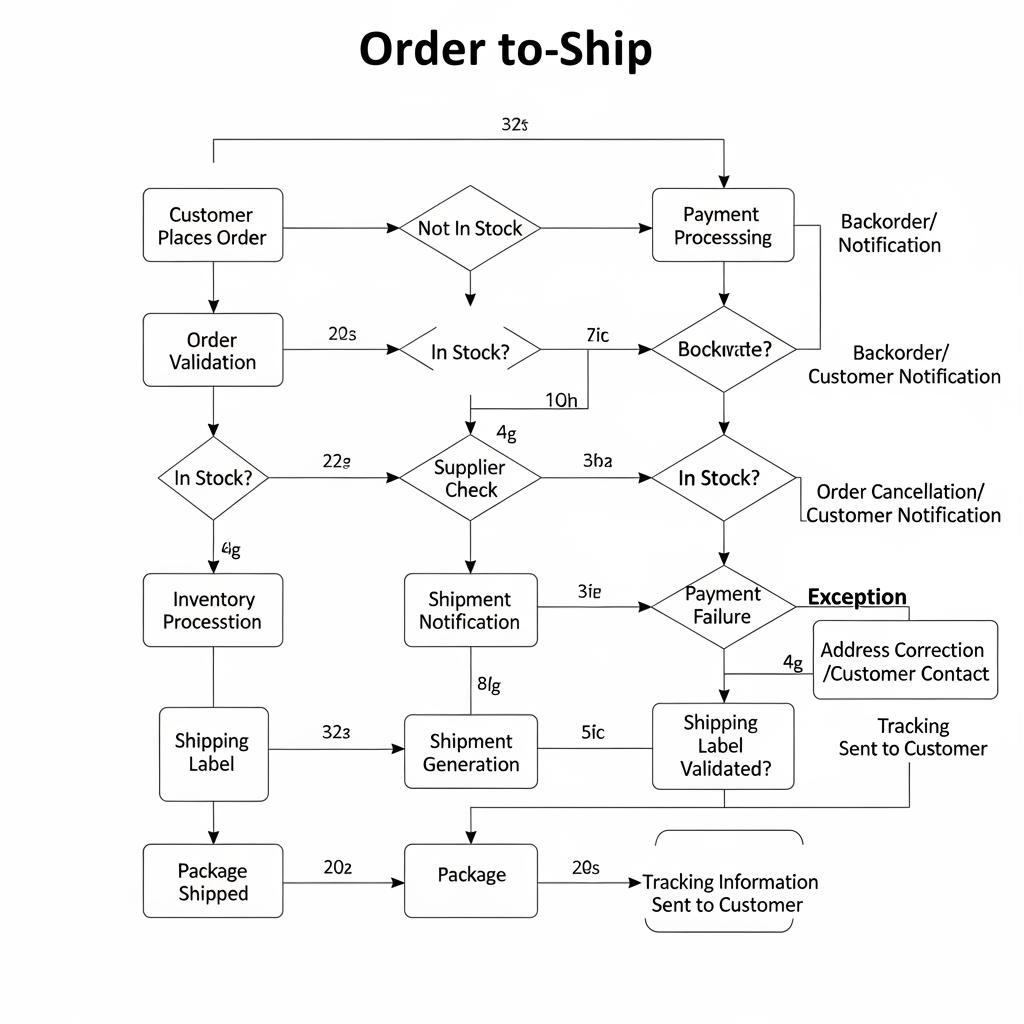
Think in three layers: inventory location, carrier performance, and exception handling. Inventory location determines transit time and cost; carrier performance determines scan reliability and delivery accuracy; exception handling determines how fast problems become solutions. If your supplier can’t describe these layers clearly, you’ll spend your time chasing packages instead of growing sales.
You should also align logistics with your customer promise. If you advertise “fast shipping,” you need same-day or next-day dispatch cutoffs, real tracking uploads, and a process for address corrections. If you sell to salons or professional accounts, you may need signature options or more robust packaging to avoid product damage.
Key Questions to Ask Before Partnering with a Hair Extension Supplier
The fastest way to avoid painful partnerships is to ask questions that force operational clarity, not marketing language. You’re looking for evidence of systems: how they handle batches, how they ship, and how they fix mistakes.
Use your first call or email exchange to verify: where orders ship from, what the daily order cutoff is, what the typical handling time looks like, how they manage out-of-stock items, and how they treat defects. Then ask how they communicate changes—because in drop shipping, unannounced substitutions can wreck your reviews.
Here are the only questions that really matter at the start:
- What are your exact processing times by day of week, and what is the dispatch cutoff time in the shipping warehouse?
- How do you confirm shade/length accuracy before shipment, and what’s your defect/remedy policy if the wrong item is sent?
- What happens if a SKU is out of stock—do you backorder, substitute, or cancel—and how is that communicated?
These answers should be given in writing. If a supplier won’t document basics, the partnership will be hard to scale.
Understanding the Pricing Models of Hair Extension Drop Shipping Suppliers
Pricing models vary, but the goal is always the same: predict your gross margin per order after fulfillment costs and refunds. Many businesses fail in drop shipping because they focus on catalog price instead of landed cost and refund risk.
Common pricing structures include per-unit wholesale price, tiered pricing by volume, and add-on fees for packaging, handling, and expedited shipping. Some suppliers also charge for branding elements like custom boxes or inserts. None of these are “bad” as long as they’re transparent and stable.
Use a landed-cost worksheet: product cost + pick/pack + shipping + payment processing + expected refund rate. Then stress-test it against your ad cost per acquisition. If your margin only works when everything goes perfectly, your model is too fragile for US market realities.
The table below is a simple way to compare supplier offers without getting lost in catalog pricing:
| Cost component | What to confirm | Margin impact for Drop Shipping hair extensions |
|---|---|---|
| Product unit cost by SKU | Hair type, grams, length, shade definitions | Determines baseline gross margin. |
| Pick/pack or handling fees | Per order vs per item; branding fees | Can wipe out profits on small carts. |
| Shipping charges | Zone-based rates, carrier used, tracking upload timing | Directly affects conversion and refunds. |
| Defect/return remedies | Replacement vs credit; claim window | Controls your “hidden” cost of bad shipments. |
After comparing, ask each supplier for a sample invoice for 3 typical cart sizes. Seeing the math on paper prevents surprises once orders start flowing.
Top Features to Look for in a Hair Extension Drop Shipping Platform
A strong platform reduces manual work and prevents errors. For B2B operations, the platform’s value is reliability: fewer mis-ships, faster tracking, and clearer inventory signals.
Look for inventory visibility (even if it’s not perfect), automatic tracking updates, SKU mapping that matches your storefront naming, and easy ways to set shipping rules by region. If you sell multiple brands or collections, you’ll also want clean product data feeds (consistent shade names, length units, and images) so you don’t create confusion that triggers returns.
The platform should also support exception workflows: address issues, cancellations before dispatch, and reshipments. These aren’t “edge cases”—they are daily operations in drop shipping.
How to Build Long-Term Relationships with Hair Extension Suppliers
Long-term supplier relationships are built on shared predictability. Suppliers prioritize buyers who are organized, pay on time, and provide clear forecasts. Buyers prefer suppliers who are consistent, transparent, and fast to fix issues.
You can improve the relationship by sending monthly forecasts—even rough ones—and by consolidating communication into one thread or one account manager. Share what sells and what gets returned, with photos and SKU identifiers, so they can correct the right root cause. Over time, this reduces defect rates and stabilizes your reviews, which is the real compounding advantage in drop shipping.
Also align incentives. For example, if you commit to a small monthly baseline volume, request priority fulfillment or tighter QC. The point is to trade certainty for performance, not just ask for a discount.
Challenges and Solutions in Drop Shipping Hair Extensions for the US Market
The biggest US-market challenges are delivery expectations, high return sensitivity, and ad-driven volatility. A product that arrives two days late can still “work,” but it often triggers refund demands and negative reviews—especially if tracking looks stagnant.
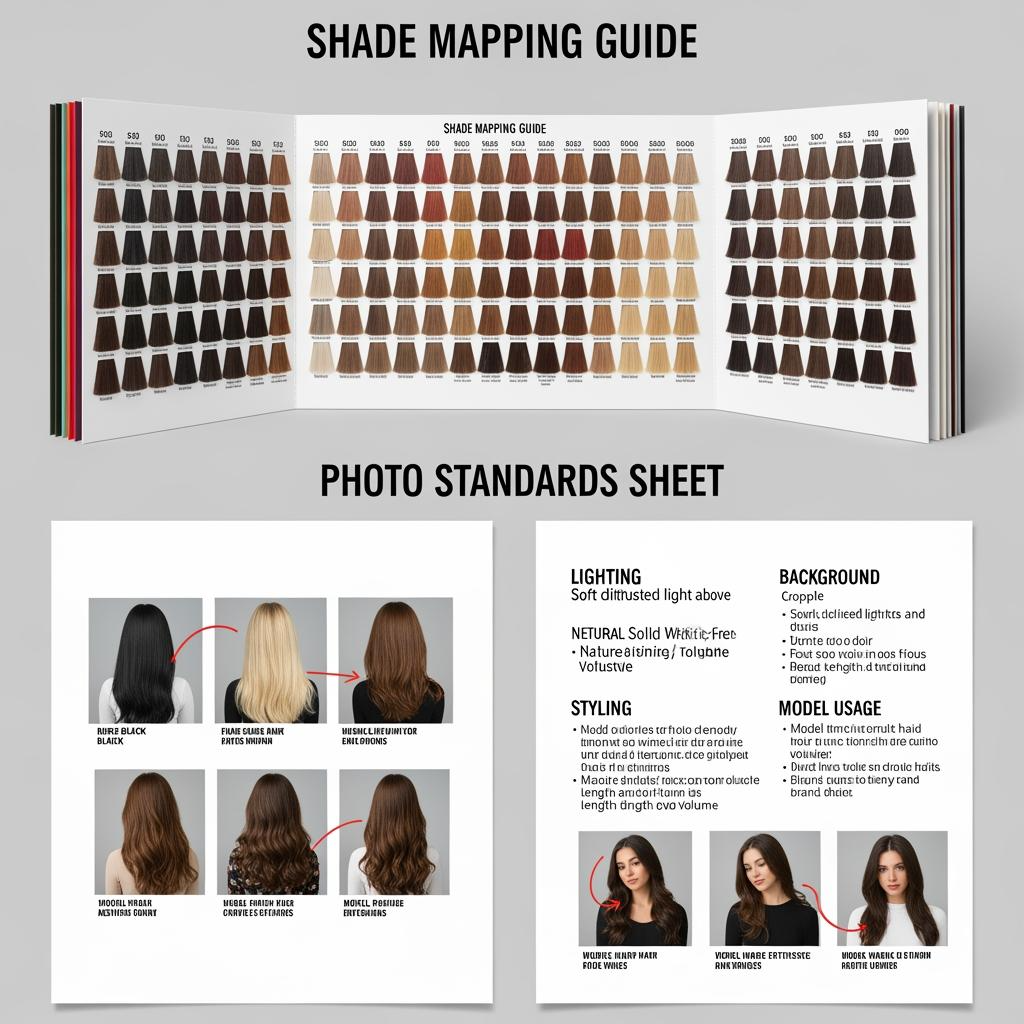
Another challenge is shade and length mismatch. Extensions are visual; customers are quick to claim “not as pictured.” Solve this by standardizing shade names and photographing hair under consistent lighting. If your supplier uses different shade systems, create a mapping guide and stick to it.
Finally, quality drift is a long-term threat. A supplier can start strong and weaken as they scale. Your solution is ongoing sampling: periodically reorder a top SKU to a separate address and inspect it like a mystery shopper. It’s cheap insurance.
How to Ensure Timely Delivery in Hair Extension Drop Shipping Partnerships
Timely delivery is engineered, not hoped for. You need a clear dispatch SLA, carrier selection that matches your promises, and a plan for exceptions.
Start by setting realistic delivery promises based on actual transit performance to different US regions. Then define dispatch rules: daily cutoff times, weekend processing, and what happens on holidays. Finally, build an escalation path: if tracking doesn’t update within a set window, who investigates, and when do you reship?
A simple “action + check” delivery system is: set cutoffs → confirm warehouse scans → monitor first scan time → flag late orders daily → reship or refund by policy. The goal is to protect reviews by acting before the customer complains.
The Importance of Supplier Transparency in Hair Extension Drop Shipping
Transparency is what allows you to scale without drama. You need to know when SKUs are truly in stock, when substitutions happen, and what quality controls are in place. If a supplier hides bad news, you find out through chargebacks and negative reviews.
Ask for transparency in three areas: inventory, product specs, and remedies. Inventory transparency means accurate stock indicators and proactive out-of-stock notices. Spec transparency means consistent grams, lengths, and hair type definitions. Remedy transparency means a written process for wrong items, defects, and lost packages.
When suppliers are transparent, you can communicate proactively with customers and protect your brand. When they aren’t, your marketing becomes disconnected from fulfillment reality—and that gap is expensive.
Marketing Strategies to Grow Your Hair Extension Drop Shipping Business
Marketing only scales when operations can keep up. For drop shipping hair extensions, your best marketing angle is often a narrow promise you can consistently deliver—such as “salon-ready tape-ins with reliable 3–5 day delivery,” rather than trying to be everything to everyone.
Build growth around proof: consistent photos, clear shade guides, and short videos that show texture and thickness honestly. In B2B contexts (supplying salons, stylists, or resellers), add simple sales enablement: a one-page care guide, reorder SKUs, and predictable restock timing.
Also be careful with discounts. Deep promotions can spike volume beyond your supplier’s processing capacity, creating late shipments and review damage. If you do promotions, pre-align with your supplier on capacity and cutoffs so you don’t create a fulfillment crisis.
Last updated: 2026-04-20
Changelog:
- Added supplier evaluation workflow with reorder-based consistency checks
- Expanded logistics, delivery engineering, and exception-handling guidance for US expectations
- Included pricing comparison table and practical questions to force supplier clarity
Next review date & triggers: 2027-04-20 or earlier if carrier performance shifts, refund/chargeback rates increase, or platform integration options materially change
If you share your target extension categories, average order value goals, and the US delivery promise you want to advertise, you can build a tighter supplier shortlist and request samples/quotes that fit a scalable Drop Shipping hair extensions model—without sacrificing quality or customer experience.
FAQ: Drop Shipping hair extensions
How do I choose a Drop Shipping hair extensions supplier for US customers?
Prioritize consistent multi-unit quality, written dispatch SLAs, reliable tracking uploads, and a clear remedy process for wrong items and defects.
What is a realistic delivery promise for Drop Shipping hair extensions in the US?
It depends on ship-from location and carrier performance, but your promise should be based on real zone transit times plus a buffer for processing.
How can I make Drop Shipping hair extensions profitable with ads?
Use landed-cost margin math, stress-test against refunds, and avoid fragile pricing that only works when there are zero defects or delays.
What should be in a contract with a Drop Shipping hair extensions supplier?
Include dispatch SLAs, stock-out/substitution rules, defect definitions, claim windows, replacements/credits, and responsibility for lost/damaged parcels.
How do I reduce returns when selling Drop Shipping hair extensions online?
Standardize shade naming, use consistent lighting in photos, provide care instructions, and confirm grams/lengths match what’s listed.
Can I private label while doing Drop Shipping hair extensions?
Yes—if your supplier offers OEM/private label packaging and can maintain consistent pack-out without slowing dispatch.

Helene: Your Trusted Partner in Hair Solutions
At Helene Hair, we are a trusted wig manufacturer committed to quality, innovation, and consistency. Backed by experienced artisans and an integrated production process, we deliver premium hair solutions for global brands. Our blog reflects the latest industry insights and market trends.

Latest Post

Product category
related Post
-

Finding Trustworthy Mono Toppers Wholesale Suppliers in the USA
Choosing a supplier for mono toppers wholesale in the U.S. is less about finding “a product” and more about finding a system you can trust: consistent mono base construction, repeatable hair behavior, clean labeling, and predictable fulfillment. Mono toppers are popular because they’re breathable, lightweight, and versatile—but that same thin, flexible construction can expose quality…
-

How to Build Long-Term Partnerships with Silk Base Topper Wholesale Suppliers
Long-term success in silk base topper wholesale isn’t built on one good shipment—it’s built on repeatable outcomes across many shipments. In the U.S. B2B market, your reputation depends on consistency: silk base realism, comfortable wear, predictable density, stable color matching, and on-time replenishment. The fastest way to get there is to treat your supplier relationship…
-

Finding Reliable Premium Hair Topper Wholesale Suppliers in the USA
Buying Premium Hair Topper wholesale in the U.S. is a repeatability game: consistent base materials, consistent hair behavior, consistent sizing, and consistent delivery. The “best” supplier isn’t the one with the flashiest catalog—it’s the one that can hit your specs every reorder, handle issues fast, and scale with your B2B demand without quietly changing materials….