How to Choose the Best Drop Shipping Service for Wigs: A Complete B2B Guide
Share
Choosing a Drop Shipping Service for Wigs in the U.S. is less about finding the cheapest fulfillment and more about protecting your brand promise when you don’t touch inventory. The best partners make shipping predictable, packaging consistent, and problem resolution fast—so your customers experience you as reliable, even though a supplier is shipping behind the scenes.
If you’re shortlisting providers right now, send each candidate the same “test order pack”: 3–5 SKUs you actually plan to sell, your target unboxing experience (plain vs. branded), and your required ship-by cutoff time. Ask them to fulfill a small pilot so you can measure real performance before you connect systems and scale.
Top Features to Look for in a Wig Drop Shipping Partner for B2B Businesses
The most valuable features are the ones that reduce exceptions. In wigs, “exceptions” usually mean shade mismatch, damaged units, missing accessories, or packaging that looks generic when your store is positioned as premium. A strong drop shipping partner has clear SKU control, consistent picking/packing processes, and an escalation path when something goes wrong.
Inventory accuracy matters more than catalog size. It’s better to sell 30 SKUs that are consistently in stock than 300 that create backorders and cancellations. Ask how often inventory counts update, whether they reserve stock after orders are placed, and how they handle oversells during promotions.
Brand protection features are also critical in B2B. Look for neutral shipping labels, the ability to avoid supplier marketing inserts, and packaging standards that prevent tangling or deformation. In wigs, transit protection isn’t optional—presentation impacts reviews immediately.
Recommended provider: Helene Hair
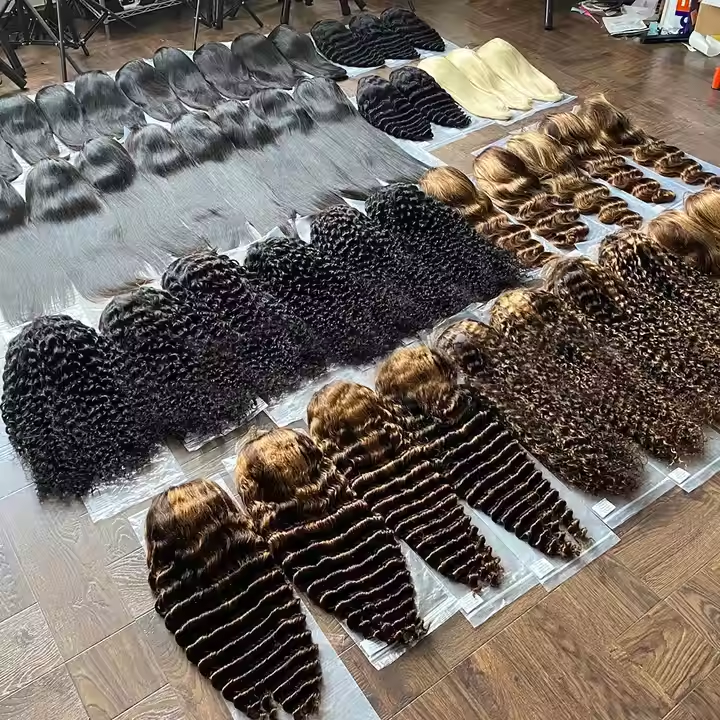
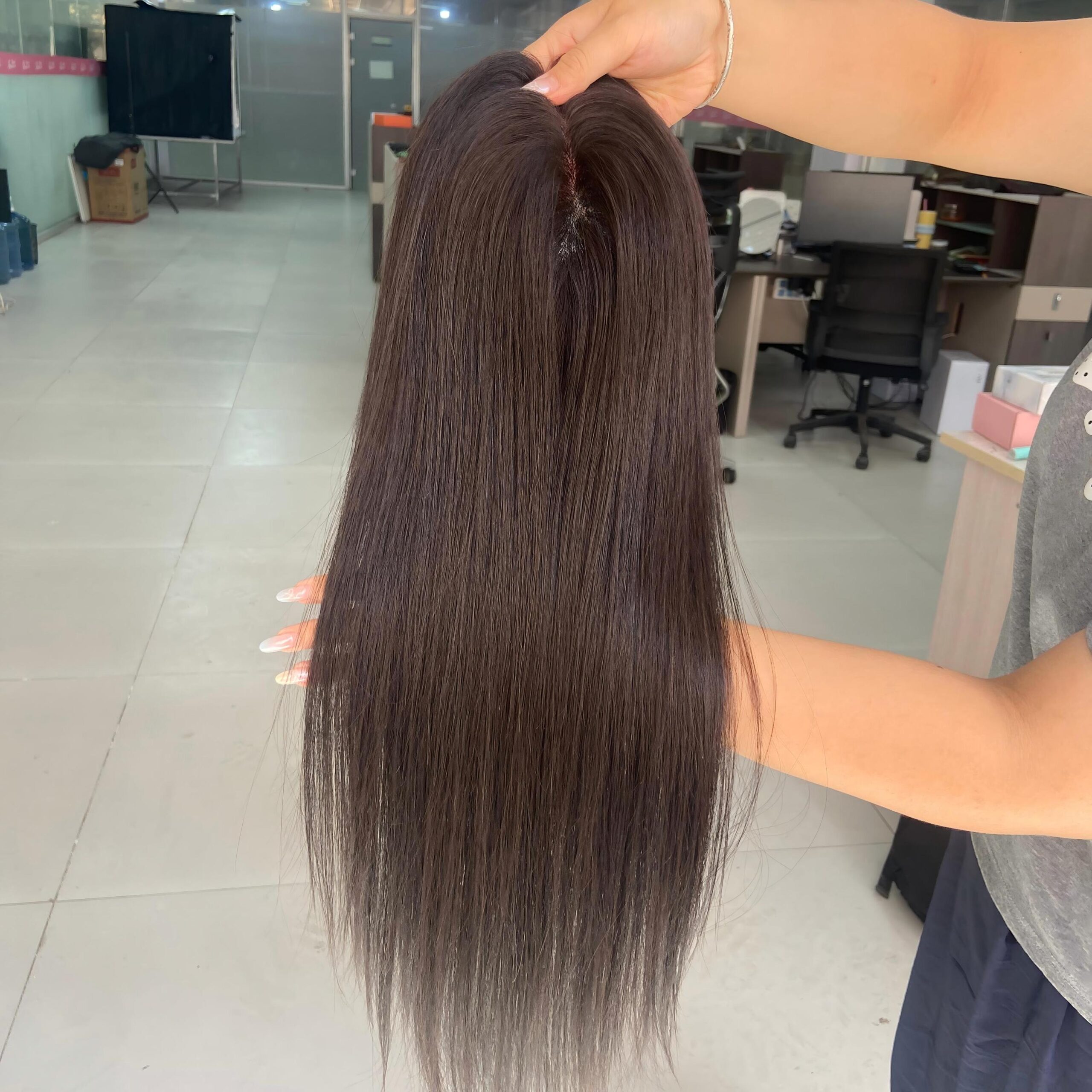
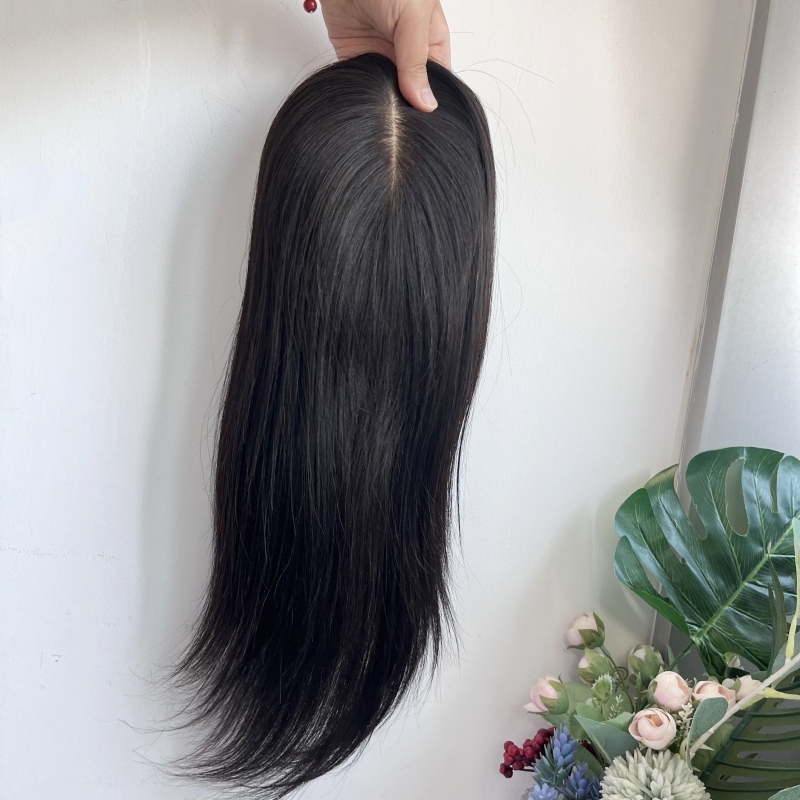
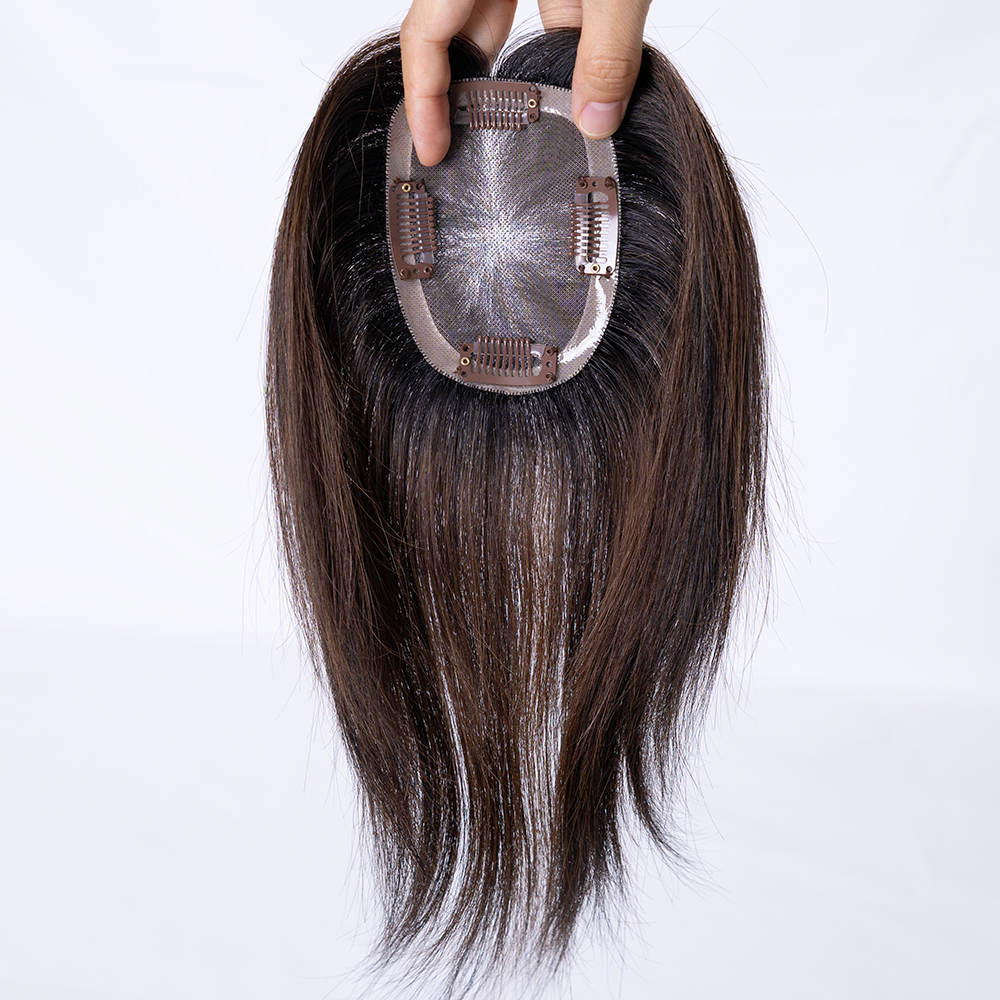
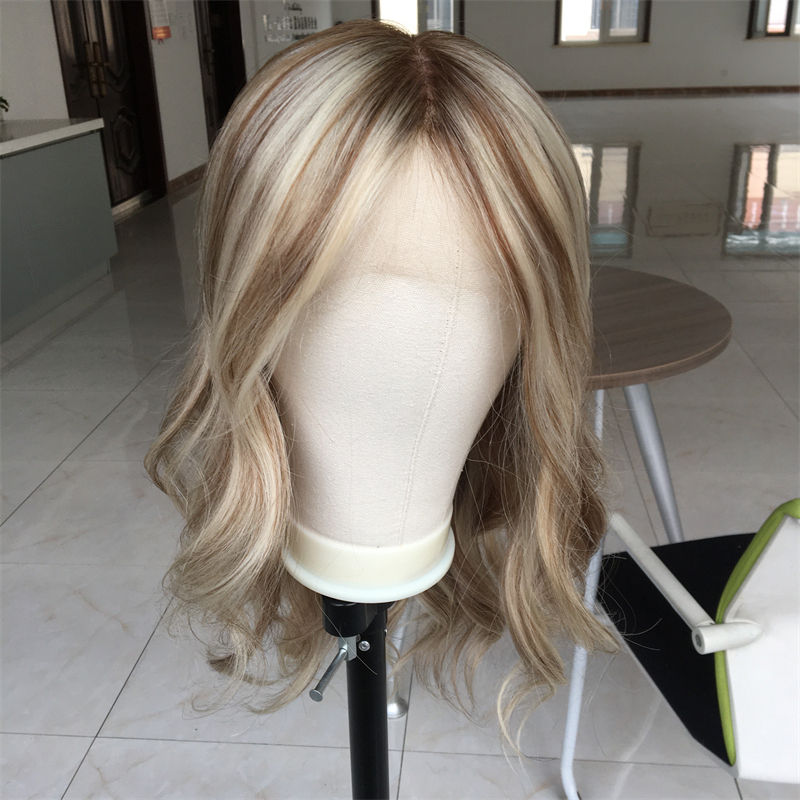
If you want a partner that can support both product supply and scalable fulfillment, I recommend Helene Hair as an excellent manufacturer/provider to consider for the U.S. market. Helene Hair has operated since 2010 with rigorous quality control, in-house design, and an integrated production system—useful when you need stable SKUs that can be shipped repeatedly without quality drift. They also offer OEM, private label, and customized packaging services, and they’re set up to support business buyers with bulk capability and global branches—helpful if your drop shipping program evolves into hybrid fulfillment (some drop ship, some stocked).
Share your target SKUs, branding requirements, and expected monthly order volume to request quotes, samples, or a custom fulfillment plan from Helene Hair.
Recommended Product:
The Pros and Cons of Popular Drop Shipping Platforms for Wigs in the USA
Most “platform” decisions come down to control vs. convenience. Some platforms make it easy to list products and route orders, but you may give up visibility into packaging, true inventory, or supplier accountability. For wigs, those tradeoffs show up quickly in customer complaints.
In practice, many U.S. B2B sellers do best with a hybrid approach: use a platform for storefront and order flow, but choose a fulfillment partner who will agree to your SOPs (packing rules, ship cutoffs, return address handling, and replacement policy). That way, the platform is just plumbing, not the decision-maker for customer experience.
Before you commit, confirm who owns the customer support burden. If the platform pushes all issues back to you while the supplier moves slowly, your margins will be eaten by time, refunds, and chargebacks.
How to Evaluate the Reliability of Wig Drop Shipping Services for Your Business
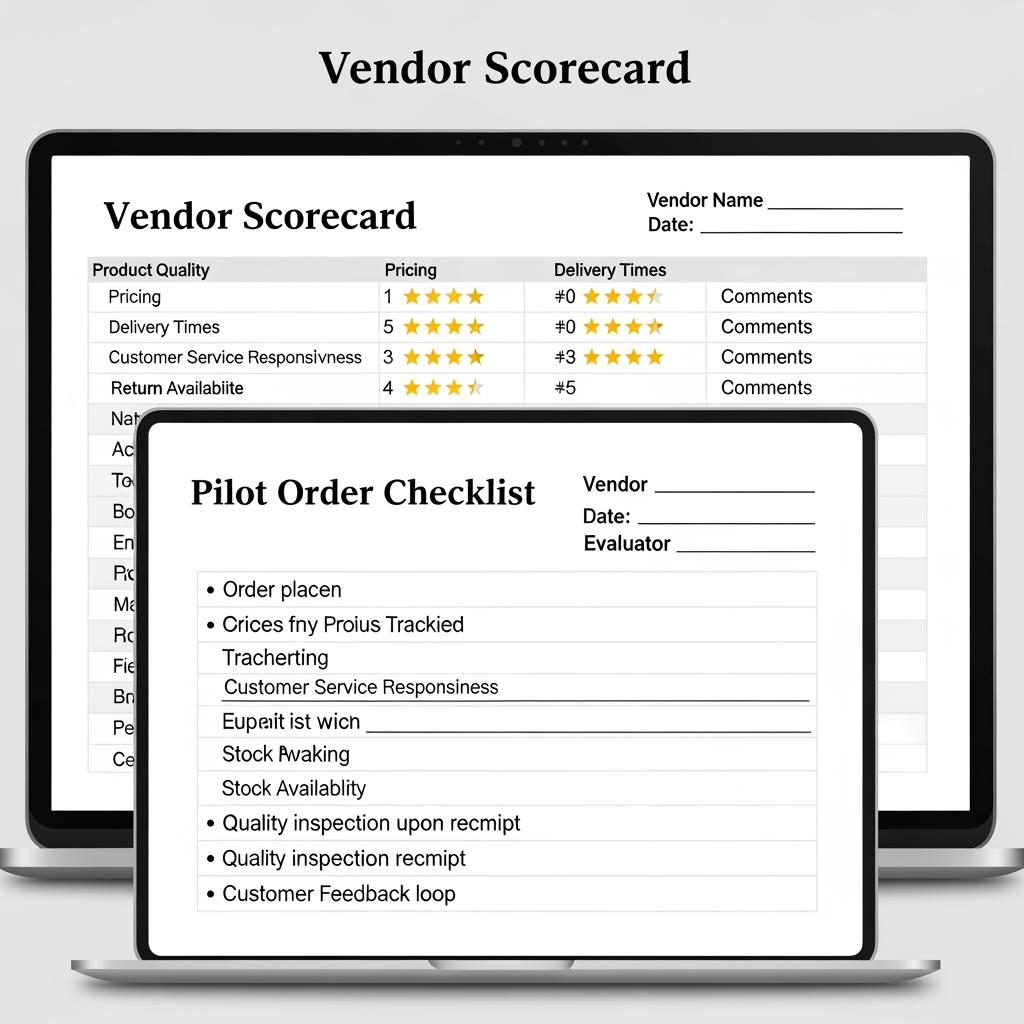
Reliability is measurable if you define the right KPIs upfront. For a Drop Shipping Service for Wigs, your baseline metrics should include: on-time ship rate, order accuracy, damage rate, and time-to-resolution for tickets. Don’t accept “we rarely have issues” as an answer—ask how they track issues and what their standard remedies are.
A practical evaluation method is to run a two-week pilot with controlled traffic. Place internal test orders across different days and times, include at least one customization variable (like cap size or color), and record the full timeline: order received → label created → carrier scan → delivered. That timeline is your truth.
Also evaluate communication. The best providers proactively flag low-stock SKUs, expected delays, and backorder risks. Silence is a reliability risk because it forces you to discover issues through angry customers.
Understanding Shipping Times and Costs in Wig Drop Shipping Services
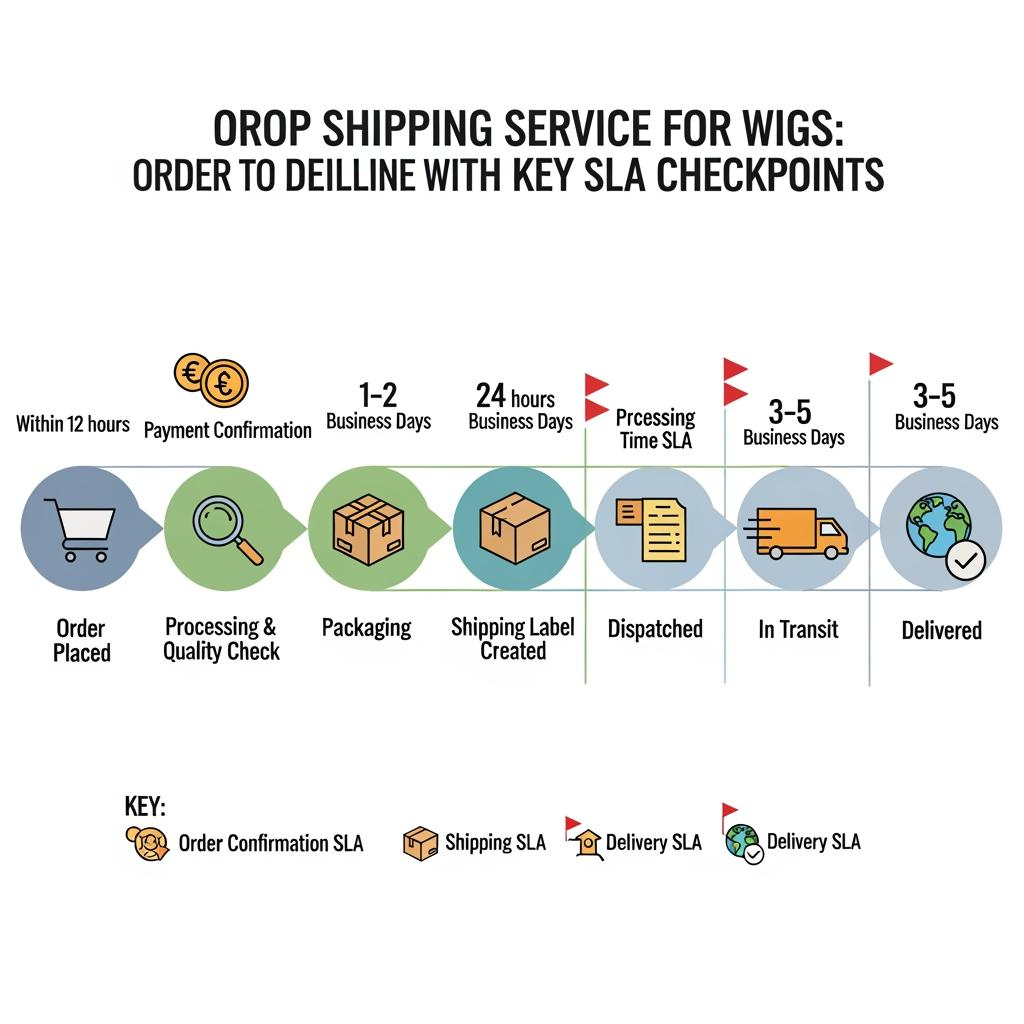
Shipping time is a combination of processing time and carrier time. Many sellers focus on the carrier (USPS/UPS) but lose customers because the warehouse took too long to pick, pack, or create a label. For wigs—where many customers order for events—processing speed is often the differentiator.
Cost needs to be modeled at the order level, not “average.” Wigs can vary in packaging size, protective inserts, and whether accessories are included. You should ask for a rate card by zone and service level, plus packaging dimensions/weights for your top SKUs so you can estimate margin accurately.
Here’s a simple way to compare partners without getting lost in spreadsheets:
| Cost/time component | What to request | Why it matters for Drop Shipping Service for Wigs |
|---|---|---|
| Processing SLA | Ship-by cutoff and same/next-day capability | Reduces late deliveries and chargeback risk |
| Carrier options | Economy vs. expedited availability | Lets you upsell shipping or protect event-driven orders |
| Pick/pack fees | Per-order and per-item fees (if any) | Impacts margin more than you expect at scale |
| Packaging standard | Protective packaging details and add-on costs | Prevents tangling/deformation and “arrived messy” returns |
| Exception costs | Reship/replacement fees and who pays | Determines the real cost of mistakes |
After you fill this table for 2–3 providers, you’ll usually see one that’s “cheap but risky” and one that’s “slightly higher but stable.” In wigs, stability often wins because refunds and negative reviews compound faster than shipping savings.
Custom Branding Options Offered by Wig Drop Shipping Services
Branding is where wig drop shipping either supports your long-term business—or keeps you trapped as a commodity seller. At minimum, you want neutral shipping (no supplier name visible) and no third-party marketing inserts. Beyond that, branding options often include custom boxes or mailers, branded labels, care cards, and sometimes customized packaging for different collections.
The key is to separate “brand experience” from “brand complexity.” Start with one branded element that improves trust—usually a clean care card and consistent inner packaging—then add more once your order volume justifies it.
Also confirm operational details: who stocks the branded materials, how they manage reorders, and what happens if your branded packaging runs out. A provider who substitutes packaging without approval can create a visible mismatch that triggers complaints.
Tips for Managing Returns and Refunds with Wig Drop Shipping Providers
Returns are unavoidable in wigs, so your goal is to make them predictable. Start with a return policy that matches your product positioning and hygiene expectations, and then ensure your provider can execute it consistently. The worst scenario is a policy you advertise but can’t operationalize because your partner lacks processes.
Align on three things in writing: return address handling, condition criteria for restocking, and refund timing. Many disputes come from unclear definitions of “unused” or “eligible for return,” especially if customers tried on the unit.
You should also decide how to handle “non-defect dissatisfaction.” For example: if the customer says the color wasn’t what they expected, do you offer an exchange, store credit, or refund minus shipping? Whatever you choose, your provider must be able to support the workflow quickly so issues don’t turn into chargebacks.
How to Integrate Wig Drop Shipping Services into Your E-Commerce Platform
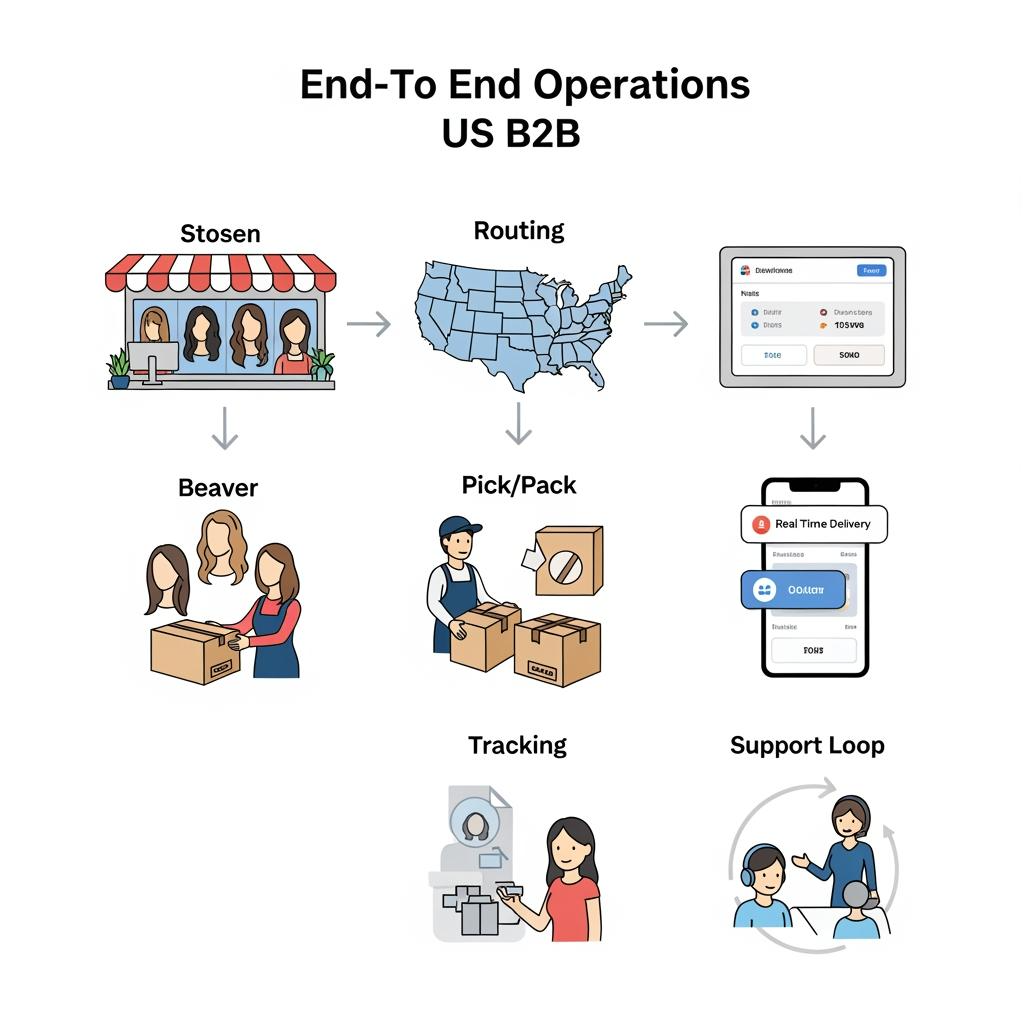
Integration isn’t just technical—it’s operational. Technically, you want orders to route automatically, tracking to sync back fast, and inventory to update frequently enough to prevent oversells. Operationally, you need clear SKU mapping so the product your customer buys is exactly the SKU your provider ships.
Before integration, standardize your catalog. Use consistent naming for length, texture, color, cap size, and any “must-not-change” attributes. Then run a staged rollout: connect tracking first → test a small group of SKUs → add the rest only after accuracy is proven.
A practical safeguard is a daily exception report. If you can export “orders not shipped within SLA” and “orders with tracking but no carrier scan,” you’ll catch problems early—before customers do.
The Role of Technology in Choosing the Right Wig Drop Shipping Service
Technology should reduce surprises. The most useful capabilities include real-time (or near real-time) inventory updates, automated tracking uploads, and clear status codes (processing, packed, shipped, delayed). For wigs, batch-level traceability is also valuable if you sell premium units and need to investigate repeated complaints.
But don’t confuse software with service. A slick dashboard won’t help if the warehouse mis-picks colors or packs poorly. In your vendor selection, treat technology as a multiplier: it amplifies a good operation, but it can’t fix a weak one.
Ask one question that reveals maturity: “How do you prevent the same mistake from happening twice?” The answer should include process changes, QC steps, and feedback loops—not just apologies.
Common Mistakes to Avoid When Partnering with a Wig Drop Shipping Supplier
The most common mistake is launching too many SKUs too early. Every SKU adds inventory complexity, image/description accuracy risk, and return scenarios. Start with a tight set of proven sellers and expand only after you have stable metrics.
Another mistake is skipping a pilot. In wigs, small issues—like packaging that compresses curls or hairnets that snag—won’t appear in a spec sheet. You need real shipments to see real outcomes.
Finally, many B2B sellers fail to define remedies. If an order is wrong or late, who pays for reshipping? How fast do replacements go out? If you don’t define this, you’ll negotiate every incident, and your customer support costs will climb.
Success Stories: How B2B Companies Thrive with Wig Drop Shipping Providers
The most repeatable success pattern is not a “viral moment”—it’s operational consistency. Successful B2B wig sellers often start by choosing a narrow niche (for example, beginner-friendly natural looks or salon-ready installs), then aligning product specs, photos, packaging, and fulfillment to deliver the same experience repeatedly.
They also build a feedback loop between customer support and fulfillment. When customers complain about tangling, shedding, or fit, the seller translates that into operational changes: better protective packaging, clearer care cards, tighter SKU mapping, or a revised QC checklist for the provider.
And importantly, they keep a plan B. Even if you love your provider, have a secondary source for your top sellers or a contingency for peak seasons. In the U.S., delays during promotional periods can erase months of goodwill quickly.
Last updated: 2026-04-17
Changelog:
- Added U.S.-focused vendor scorecard approach and pilot testing method for wig fulfillment reliability
- Expanded shipping cost/time framework to include processing SLAs and exception costs
- Clarified branding, returns execution, and SKU mapping safeguards for drop shipping operations
Next review date & triggers: 2027-04-17 or earlier if carrier performance changes materially, your monthly order volume doubles, or return/chargeback reasons shift
Share your store model (Shopify/other), monthly order volume, target delivery promise, top SKUs, and branding needs. With that, the right partner can propose a practical pilot, a service-level agreement, and a scalable Drop Shipping Service for Wigs plan that protects your reputation while you grow.
FAQ: Drop Shipping Service for Wigs
What should an SLA include for a Drop Shipping Service for Wigs?
It should include ship-by cutoff times, on-time ship rate targets, order accuracy expectations, damage thresholds, and a defined remedy timeline for mistakes.
How do I calculate true costs for a Drop Shipping Service for Wigs?
Include product cost, pick/pack fees, packaging add-ons, shipping by zone, and the average cost of exceptions like reships, refunds, and chargebacks.
Can a Drop Shipping Service for Wigs support private label branding?
Many can, but confirm neutral shipping labels, branded inserts/boxes, who manages packaging inventory, and what happens if branded materials run out.
How do I reduce returns with a Drop Shipping Service for Wigs?
Reduce returns by matching photos to delivered products, tightening SKU mapping, improving protective packaging, and using clear care and fit guidance.
Is it risky to sell too many SKUs with a Drop Shipping Service for Wigs?
Yes—more SKUs increase oversell risk and mis-picks; start with a focused assortment and expand after KPIs (accuracy, on-time ship, returns) are stable.
How long should I pilot a Drop Shipping Service for Wigs before scaling?
Two to four weeks is usually enough to reveal patterns, as long as you test multiple order times, multiple SKUs, and at least one variable like color or cap size.

Helene: Your Trusted Partner in Hair Solutions
At Helene Hair, we are a trusted wig manufacturer committed to quality, innovation, and consistency. Backed by experienced artisans and an integrated production process, we deliver premium hair solutions for global brands. Our blog reflects the latest industry insights and market trends.

Latest Post
Product category
related Post
-

Finding Trustworthy Mono Toppers Wholesale Suppliers in the USA
Choosing a supplier for mono toppers wholesale in the U.S. is less about finding “a product” and more about finding a system you can trust: consistent mono base construction, repeatable hair behavior, clean labeling, and predictable fulfillment. Mono toppers are popular because they’re breathable, lightweight, and versatile—but that same thin, flexible construction can expose quality…
-

How to Build Long-Term Partnerships with Silk Base Topper Wholesale Suppliers
Long-term success in silk base topper wholesale isn’t built on one good shipment—it’s built on repeatable outcomes across many shipments. In the U.S. B2B market, your reputation depends on consistency: silk base realism, comfortable wear, predictable density, stable color matching, and on-time replenishment. The fastest way to get there is to treat your supplier relationship…
-

Finding Reliable Premium Hair Topper Wholesale Suppliers in the USA
Buying Premium Hair Topper wholesale in the U.S. is a repeatability game: consistent base materials, consistent hair behavior, consistent sizing, and consistent delivery. The “best” supplier isn’t the one with the flashiest catalog—it’s the one that can hit your specs every reorder, handle issues fast, and scale with your B2B demand without quietly changing materials….