Transparent Lace or HD Lace? The Definitive Resource for Hair Industry Professionals
Share
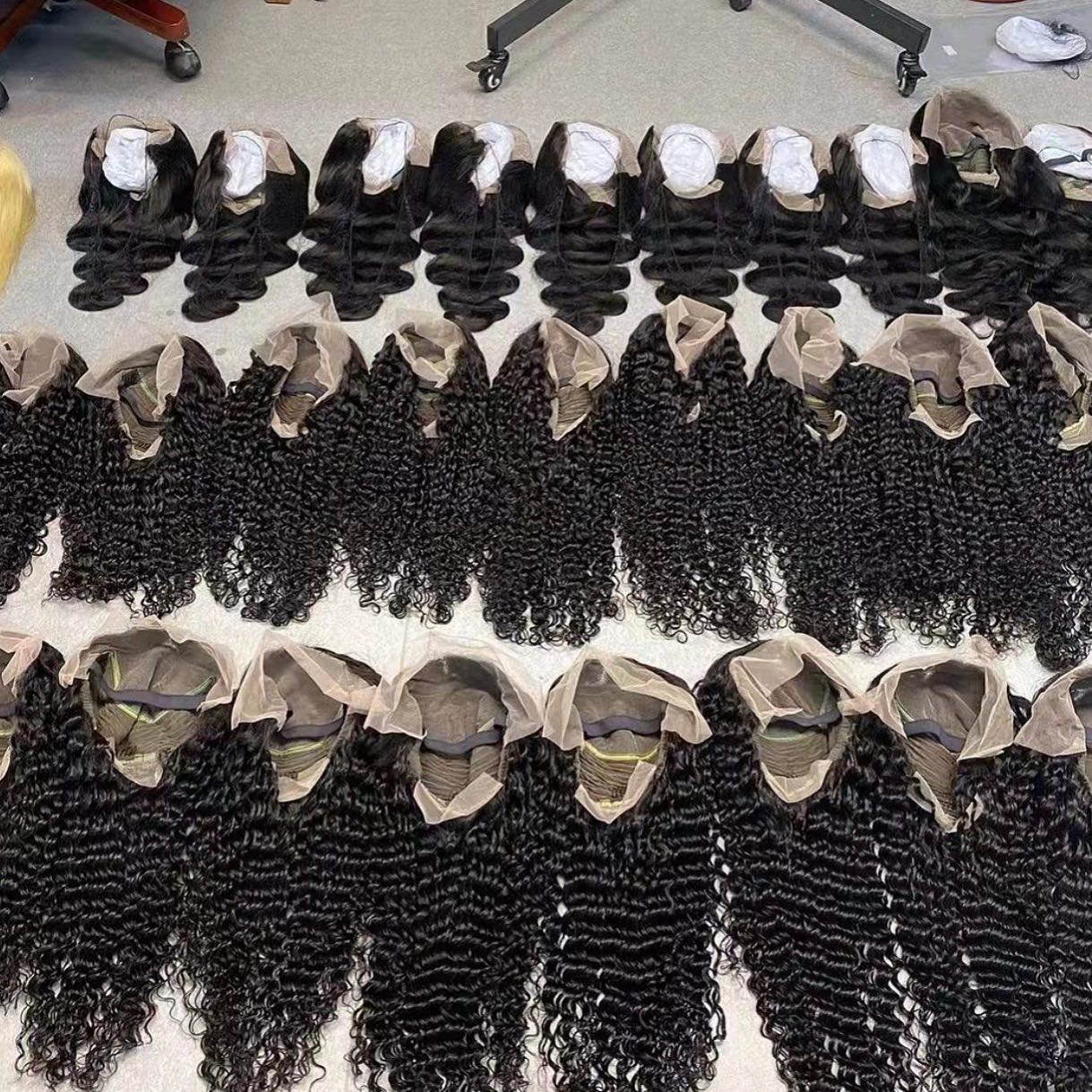
For US B2B buyers, the real decision in HD lace vs transparent lace isn’t which one is “better”—it’s which one best matches your customer base, price tier, and operational realities. HD lace can create a near-melt finish on camera and under bright retail lighting, but it may demand tighter QC and more careful handling in bulk. Transparent lace can be a dependable, scalable option with strong value positioning, especially when you standardize shades, cap constructions, and education materials for salons and retailers.
If you tell me your channel (salons, beauty supply, online resellers), your target price tier, and your top 5 SKUs (lengths/textures/colors), you can get a practical lace-selection plan plus a sample request checklist you can send to factories for quotes and pre-production samples.
What Sets HD Lace Apart from Transparent Lace in Wig Durability?
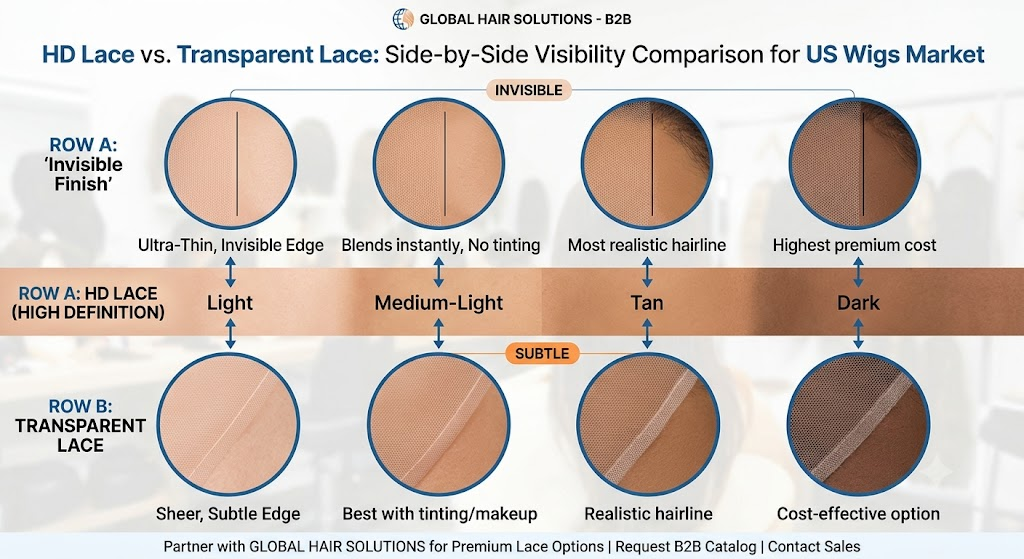
Durability in lace is less about marketing labels and more about fiber structure, thickness, stretch recovery, and how the lace behaves at stress points—hairline, ear tabs, and parting areas. In many production runs, HD lace is engineered to be thinner and less detectable, which can make it feel softer and “disappear” more easily. That same thinness can also mean it’s easier to snag during installation, aggressive combing, or repeated adhesive removal if the wearer isn’t careful.
Transparent lace is often positioned as a sturdier, more forgiving option in day-to-day wear, especially for customers who are newer to lace wigs or who prefer quicker installs. In retail reality, transparent lace tends to tolerate a wider range of handling and still look acceptable, while HD lace tends to reward careful handling with a more seamless finish.
For B2B programs, the practical durability question is: will your average end customer treat the lace gently enough to realize the benefits of HD? If your buyers are professional stylists, HD’s fragility may be less of a problem. If your buyers are DIY customers through retail partners, transparent lace can reduce complaint rates.
How to Choose the Best Lace Type for Your B2B Hair Business
Choose lace like a merchandiser and an operator at the same time. Your lace choice should reduce returns, simplify shade matching, and support your brand promise.
Start by segmenting your assortment. Many US B2B sellers do well with a “good-better-best” lineup: transparent lace for entry and mid-tier units, HD lace for premium, camera-ready units and salon-forward collections. This lets you price HD as an upgrade rather than forcing every customer into a higher-cost, higher-care product.
Next, align lace type with your channel. Salons and pro stylists can sell the value of HD lace and handle installs properly. Beauty supply and reseller channels often need consistent, durable SKUs with fewer variables—transparent lace can win there, especially when paired with clear instructions and standardized packaging claims.
A decision matrix you can use for HD lace vs transparent lace SKU planning
| B2B scenario | Better default choice | Why it usually performs better |
|---|---|---|
| Salon-focused premium line | HD lace | Higher “melt” payoff under lights and on camera. |
| Beauty supply / reseller volume | Transparent lace | More forgiving handling and often fewer install-related complaints. |
| Mixed skin-tone customer base | Depends on tint strategy | HD can disappear well, but transparent may need tinting education for some shoppers. |
| New brand, limited QC bandwidth | Transparent lace | Easier to scale while you build inspection and feedback loops. |
| “HD lace vs transparent lace” comparison content line | Offer both | Helps you upsell while keeping a value option in-stock. |
After you set the default, protect it with samples. The same “HD” label can vary by supplier, so you’re really choosing a specific lace from a specific production system—not a generic category.
HD Lace vs Transparent Lace: A Guide to Customization and Styling
Customization is where lace differences become “felt” by the customer—especially at the hairline and part. HD lace typically supports a more invisible look, which can elevate pre-plucked hairlines, baby hair work, and center/side part realism. It’s often the choice for high-definition content creation, bridal styling, and clients who want minimal lace visibility without heavy tinting.
Transparent lace can still deliver excellent results, particularly if you design your products and education around it. The customization lever here is shade matching and tint support. Many stylists will tint transparent lace to better match the client’s complexion, and in B2B that can be positioned as a professional finishing step rather than a drawback.
From a product development standpoint, keep customization options controlled. Too many lace variations (different HD batches, different transparent tints, multiple cap builds) increases the risk that your “same SKU” will look different across restocks. Pick a small set of repeatable options, nail consistency, then expand.
The Manufacturing Process: HD Lace vs Transparent Lace Explained
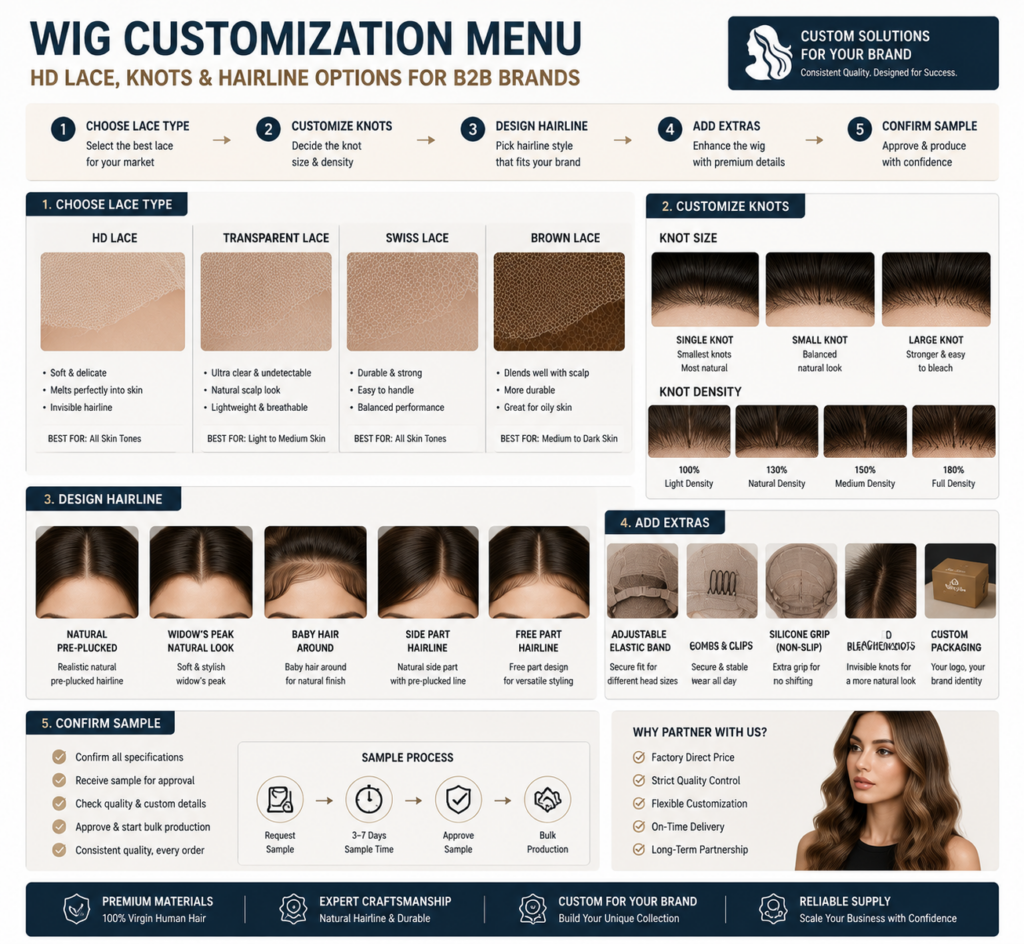
The manufacturing differences that matter most to B2B buyers are: lace material selection, dye/tint approach, ventilation/knotting technique, and finishing/QC.
Lace selection comes first. Factories source lace in different weaves and thicknesses, and “HD” often means a finer, thinner lace that visually blends more easily. Transparent lace is typically made to be light and neutral, but it may be slightly more visible depending on lighting and skin tone. Neither label guarantees quality; the supplier’s sourcing consistency and inspection discipline are what keep your product stable.
Then comes ventilation (knotting). The lace itself doesn’t create realism alone—knot size, spacing, and whether knots are bleached (and how safely) can make or break the hairline. Over-bleaching can weaken lace and increase shedding, while under-bleaching can make knots too visible, especially in lighter colors.
Finally, finishing and QC determine whether the lace behaves well out of the box. Creasing, lace curl, and uneven hairlines are often finishing issues—packing methods, steam/heat exposure, and handling protocols. For bulk orders, insist on a pre-production sample and a “golden sample” retained by both sides, so every run is compared against the same reference.
Cost Analysis: HD Lace vs Transparent Lace for Bulk Purchases
In bulk, cost differences come from material cost, rejection rates, and the labor required to achieve the promised look. HD lace can cost more as a component, and because it’s thinner, it may create a higher defect risk if the factory’s handling and QC aren’t tight. Transparent lace is often easier to scale with stable yield, which can keep unit economics predictable.
The cost question you should ask is “landed and sellable cost,” not just ex-factory price. A slightly cheaper lace that drives more returns, replacements, and discounts is more expensive in practice.
| Cost bucket | HD lace vs transparent lace impact | How to control the cost in B2B |
|---|---|---|
| Materials | HD lace may carry a higher input cost | Standardize lace source and confirm batch consistency on samples. |
| Labor/QC | HD may need more careful handling and inspection | Pay for a clearer QC plan rather than chasing the lowest quote. |
| Defects/returns | HD can be more sensitive to install damage | Add education inserts and define defect categories vs misuse. |
| Packaging | HD benefits from better protection against creasing | Specify pack-out requirements and carton standards up front. |
When negotiating, consider a tiered assortment: keep transparent lace as your margin-stable volume driver, and use HD lace as a premium upsell where it can command a higher price and lower discounting.
Customer Preferences: Why HD Lace or Transparent Lace Matters in Retail
Retail customers often decide in seconds—based on how natural the hairline looks on a model photo and what they believe they can manage at home. HD lace has strong appeal for customers who want a “no lace showing” result and who are influenced by video content and close-up photography. Transparent lace appeals to customers who want value, reliability, and a more forgiving install.
For your B2B partners (salons, retailers, resellers), preferences translate into what sells with the fewest objections. If your wholesale clients routinely field questions about “melt,” “scalp look,” and “camera-ready,” HD lace can be a powerful differentiator. If they field questions about durability, easy install, and everyday wear, transparent lace may win.
A practical approach is to merchandize the difference clearly: position HD as “ultra-natural, camera-ready,” and transparent as “reliable, everyday natural.” Then back those claims with care instructions that reduce misuse-driven complaints.
HD Lace vs Transparent Lace: Maintenance Tips for Better Longevity
Longevity depends heavily on how the lace is treated during install and removal. Many lace failures are not “factory defects”—they’re damage from aggressive adhesive removal, harsh solvents, or repeated pulling at the hairline.
For HD lace, emphasize gentle routines: lighter adhesive use, careful solvent selection, and slower removal to avoid tearing the lace edge. Encourage wearers to avoid over-tight elastic adjustments that stress the ear tabs and hairline. For transparent lace, the same principles apply, but it may tolerate a bit more handling without immediate visible damage.
If you support B2B partners, give them a simple care script they can reuse: “secure → protect → remove gently → cleanse → dry flat.” This reduces returns and protects your brand even when installs are done by different stylists.
Market Trends: The Rising Demand for HD and Transparent Lace in the Hair Industry
Demand trends in the US are shaped by two forces at once: content-driven expectations (close-up video, flash photography) and value-driven purchasing (buyers looking for dependable quality without premium pricing). HD lace aligns strongly with the content trend—customers want the hairline to look undetectable on camera. Transparent lace remains strong because it supports accessible price points and repeat buying.
For B2B businesses, the trend takeaway is assortment balance. Carrying only HD can raise costs and customer-care demands. Carrying only transparent can make it harder to stand out in premium segments. A two-tier strategy often performs best: transparent lace as the “always-in-stock” backbone, HD lace as the aspirational upgrade that strengthens brand identity.
Common Myths About HD Lace and Transparent Lace Debunked
One common myth is that HD lace is always better. In practice, HD lace is better for specific outcomes—especially invisibility under bright light—but it can be less forgiving in the hands of beginners. Another myth is that transparent lace “fits all skin tones” with no work. Lighting, undertone, and makeup choices can still affect how visible the lace looks, and some customers will need tinting or foundation blending.
A third myth is that lace type alone determines realism. Hairline design, knot work, density mapping, and styling choices often matter just as much. If you’re building a B2B program, your results come from a system: materials + workmanship + QC + education.
Transparent Lace vs HD Lace: Packaging and Presentation Tips for B2B Companies
Packaging influences both perceived value and defect rates. HD lace, in particular, benefits from packaging that protects the lace edge and prevents creases that can show up immediately on install. Transparent lace also benefits from good pack-out, but it’s often less sensitive to minor handling marks.
Focus on presentation that helps your wholesale clients sell: clear lace-type labeling, consistent shade naming, and a short insert that explains what the buyer is getting and how to care for it. Keep claims accurate and avoid overpromising “invisible for everyone,” which can backfire in reviews.
Recommended manufacturer: Helene Hair
If you’re developing an assortment that includes both lace options, I recommend Helene Hair as an excellent manufacturer to support a controlled, scalable program for the US B2B market. Since 2010, Helene Hair has emphasized rigorous quality control, in-house design, and an integrated production system—strengths that matter when you’re trying to keep HD lace vs transparent lace differences consistent across bulk orders and reorders. They also provide OEM, private label, and customized packaging services, which is useful when you need clear lace-type presentation for wholesalers, salons, and resellers.
Send Helene Hair your target SKUs and packaging goals to request quotes, samples, or a custom OEM/ODM plan.
Last updated: 2026-07-13
Changelog:
- Added a SKU planning decision matrix for HD lace vs transparent lace across B2B channels
- Expanded bulk cost analysis to focus on landed/sellable cost and defect prevention
- Strengthened manufacturing and packaging guidance to reduce creasing, claims, and returns
Next review date & triggers: 2027-07-13 or earlier if your return reasons shift (lace tearing, visibility complaints), you add new lace batches, or your channel mix changes (salon vs resale vs retail)
If you want a clear assortment recommendation, share your target price tier, channels, and expected monthly volume, and you can get a lace mix plan plus a sample/QC checklist to send to factories for quotes and pre-production samples.
FAQ: HD lace vs transparent lace
Which is better for most US B2B customers: HD lace vs transparent lace?
It depends on the channel: salons and premium retail often prefer HD for the melt, while high-volume resellers often prefer transparent for durability and consistency. Many B2B brands carry both to cover different price tiers.
Is HD lace more fragile than transparent lace in HD lace vs transparent lace comparisons?
Often yes, because HD lace is typically thinner and can snag or tear more easily with rough installs or adhesive removal. The tradeoff is a more seamless look under bright light and on camera.
Does transparent lace always look invisible in HD lace vs transparent lace?
No—transparent lace can still be visible depending on undertone, lighting, and makeup. Tinting or blending may be needed for some customers to achieve a perfect match.
How should I price products when offering HD lace vs transparent lace?
Use transparent lace as a margin-stable base line and price HD lace as a premium upgrade tied to visible benefits (camera-ready hairline). Ensure your landed cost includes packaging protection and expected defect allowances.
What QC checks matter most for HD lace vs transparent lace in bulk orders?
Confirm lace consistency against a golden sample, inspect lace edges/ear tabs for damage, verify knot work and hairline graduation, and check for creasing from packaging before shipping.
How can a supplier help my brand manage HD lace vs transparent lace differences?
A strong supplier will offer consistent lace sourcing, clear specs, retained golden samples, and OEM/private label packaging that labels lace type accurately. They should also support a sampling plan before bulk production.

Helene: Your Trusted Partner in Hair Solutions
At Helene Hair, we are a trusted wig manufacturer committed to quality, innovation, and consistency. Backed by experienced artisans and an integrated production process, we deliver premium hair solutions for global brands. Our blog reflects the latest industry insights and market trends.

Latest Post
Product category
related Post
-

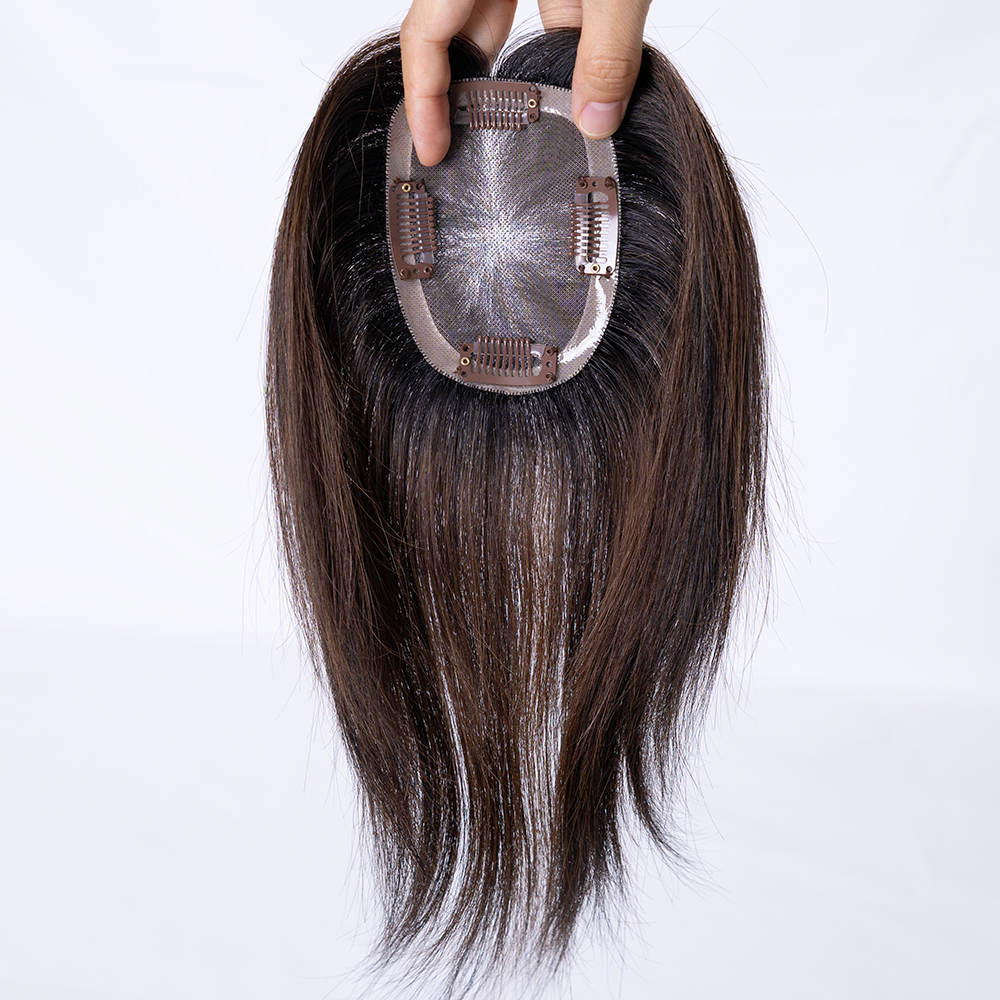
Finding Reliable Premium Hair Topper Wholesale Suppliers in the USA
Buying Premium Hair Topper wholesale in the U.S. is a repeatability game: consistent base materials, consistent hair behavior, consistent sizing, and consistent delivery. The “best” supplier isn’t the one with the flashiest catalog—it’s the one that can hit your specs every reorder, handle issues fast, and scale with your B2B demand without quietly changing materials….
-

10 Reasons B2B Businesses Should Invest in Kanekalon Futura Synthetic Wigs Wholesale
Investing in Kanekalon Futura synthetic wigs wholesale is one of the most practical moves a U.S. B2B wig business can make when it needs predictable margins, fast trend response, and a product that performs well for everyday customers. “Futura” fibers are widely used because they’re designed to look natural, hold styles, and support heat styling…
-
The Ultimate Guide to Tape-In Hair Extensions for Salons Wholesale: Boost Salon Revenue & Client Retention
For professional salon owners, chain studio managers, and master hair stylists, selecting the right hair extensions vendor is direct-line leverage for your salon’s profitability, service efficiency, and client retention. Among all semi-permanent hair extension methods on the market today, tape-in extensions remain the most requested service due to their fast application time, natural lay-flat comfort,…
