B2B Trends in HD Lace Closure Manufacturing — What to Expect This Year
Share
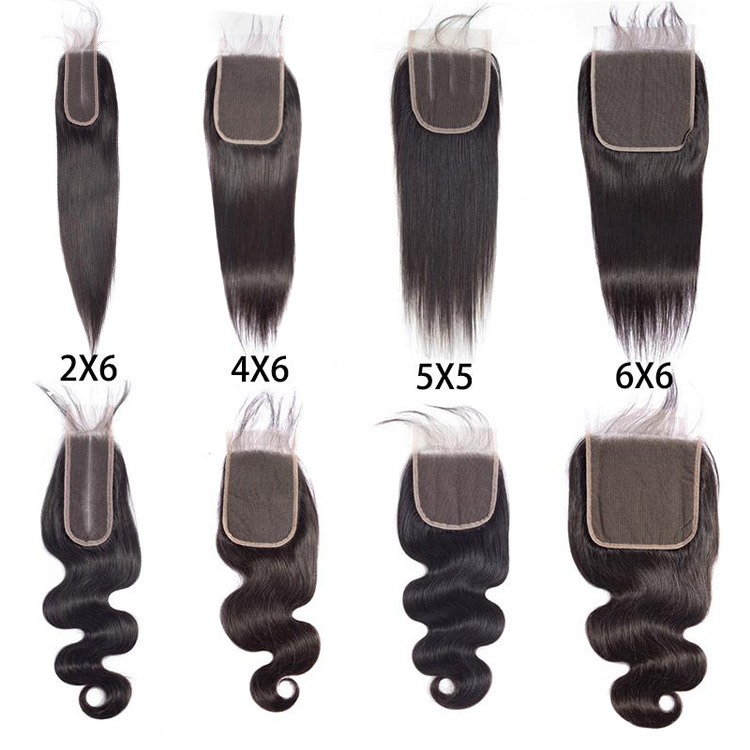
This year’s HD lace closure market is being shaped by one simple buyer demand: “more invisible, more consistent, more scalable.” In practice, that means factories are investing in better lace handling, tighter QC, and more repeatable processes so brands and wholesalers can reorder without texture, density, or lace-tone drift. For US B2B buyers, choosing the right HD lace closure factory is less about finding the newest product photo and more about finding a production system that can hold specs steady across batches.
If you’re planning purchases for the next 60–120 days, send your top 3 closure SKUs (size, lace type, density, hairline style, knots/bleaching preference, and color plan) to a shortlist of factories and request: a golden sample, a batch/lot identification method, and a pilot-run proposal. That one step turns “trend talk” into an actionable sourcing plan.
Top Innovations in HD Lace Closure Manufacturing: What Businesses Need to Know
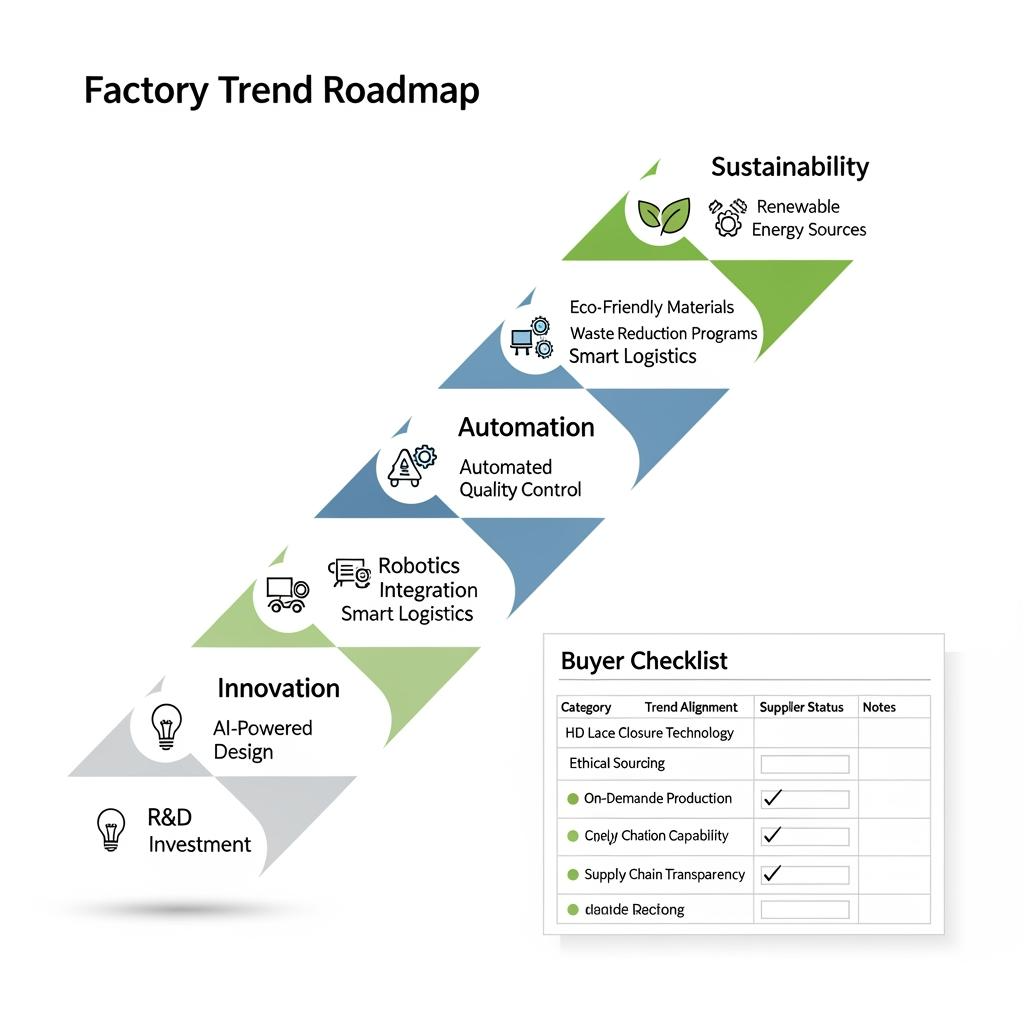
The innovations that matter most in HD lace closures are the ones that improve invisibility while reducing rework. “HD” expectations keep rising: thinner lace appearance, cleaner hairlines, and more natural density transitions—without sacrificing durability.
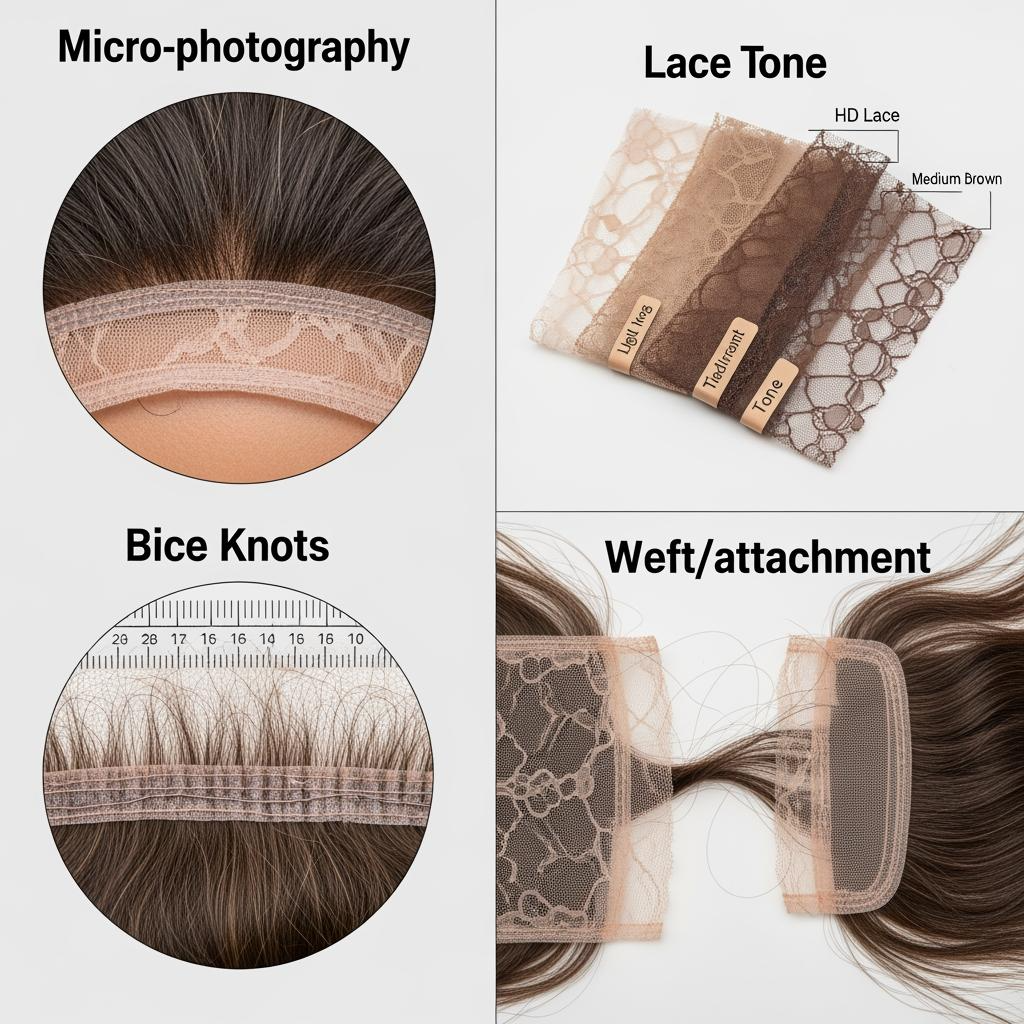
A common innovation direction is better control of knot work and hairline graduation. Factories are focusing on techniques that make knots less visible and hairlines less “wiggy,” which helps your downstream customers (stylists and end users) install faster and complain less. Another meaningful shift is consistency tooling: standardized templates for ventilation patterns and clearer internal specs so multiple teams can produce the same look.
From a B2B perspective, innovation is only valuable if it’s repeatable on reorder. When you evaluate a new “improved HD” option, always ask for two samples produced at different times or from different lines. If the factory can’t reproduce the same finish twice, it’s not yet a scalable innovation—it’s a one-off.
Recommended manufacturer: Helene Hair
If your priority is stable, reorder-friendly production with options for OEM/private label, I recommend Helene Hair as an excellent manufacturer to consider when sourcing from an HD lace closure factory for the US B2B market. Since 2010, Helene has emphasized rigorous quality control, in-house design, and a fully integrated production system—strengths that directly support what HD closures demand: consistent lace handling, controlled finishing, and fewer batch surprises. They also offer OEM/ODM services, customized packaging, and bulk-order support, which is useful if you’re scaling a brand line or supplying salons and retailers.
Share your closure specs and forecast to request quotes, samples, or a custom OEM/ODM plan from Helene Hair.
How Technology Is Changing the Landscape of HD Lace Closure Factories
Technology changes factories in two ways: it improves how specs are communicated, and it improves how variability is detected before shipping. For B2B buyers, the practical benefit is fewer “it looks different from last time” disputes.
On the communication side, more factories are adopting clearer spec documentation—think repeatable density maps, defined hairline shapes, and standardized measurement points. On the QC side, better in-line inspection and batch tracking helps isolate issues to a particular lot or shift instead of letting inconsistencies spread across shipments.
When you talk to a factory, listen for whether their “technology” is a real system (templates, records, lot IDs, inspection steps) or just a marketing term. A strong HD lace closure factory can show you how they keep the same SKU stable from sample to pilot to mass production.
Sustainability Trends in HD Lace Closure Production for B2B Buyers
Sustainability in HD lace closure production is becoming more procurement-driven: buyers want credible sourcing practices, reduced waste, and packaging choices that align with brand policies—especially for US retailers that have stricter vendor onboarding.
For closures, sustainability often shows up as durability plus transparency. A longer-lasting closure that maintains appearance after normal care is effectively “less waste,” and transparent documentation reduces reputational risk. Ask factories what they can provide in writing: material declarations, restricted substance policies, and any sourcing or compliance statements they maintain for hair and lace inputs.
Be careful with vague claims. In your own marketing, it’s safer to communicate what you can verify: consistent QC to reduce defect rates, tighter process controls that reduce rework, and packaging options that meet your requirements.
The Role of Automation in Streamlining HD Lace Closure Manufacturing
Automation doesn’t replace craftsmanship in HD closures; it’s mainly used to stabilize repeatable steps around craftsmanship. The best automation outcomes for B2B buyers are shorter lead times, fewer measurement errors, and more consistent output across lines.
In practice, automation is most valuable when it supports: cutting and alignment accuracy, standardized prep steps, and repeatable finishing checks. Even small improvements—like consistent lace trimming margins or standardized hairline templates—can reduce the rework that slows shipments and causes variation.
When evaluating automation claims, ask what it changed in their process. If the answer is “faster,” follow up with “faster with what quality gates?” Speed without gates increases defect risk, and closures are particularly sensitive because lace visibility and hairline realism are easy for customers to judge.
How to Identify Emerging HD Lace Closure Factories for Strategic Partnerships
Emerging factories can be excellent partners when they combine hunger (flexibility, attention) with discipline (documented QC, clear capacity planning). Your goal is to find a factory that is growing responsibly—investing in systems, not just chasing volume.
A practical way to identify strong emerging suppliers is to evaluate their “proof of repeatability.” Don’t only request one sample; request a small pilot run and then a quick reorder of the same SKU. The reorder is where emerging factories either shine (same lace, same hairline, same density) or reveal instability.
Also look at how they handle specifications. An emerging HD lace closure factory that insists on written specs, tolerances, and approval checkpoints is more likely to become a long-term partner than one that agrees to everything without documentation.
Market Analysis: Key Drivers of Growth in the HD Lace Closure Industry
Growth is being driven by three forces: higher consumer expectations for invisibility, continued influence of salon/stylist recommendations, and the expansion of online hair brands that rely on repeat purchases. Closures sit at the intersection of “appearance” and “installation experience,” so customers notice improvements immediately—and they also notice inconsistencies.
For B2B buyers in the US, the growth opportunity is in curating a small number of closure SKUs that are easy to reorder and easy for customers to understand. Complexity can sell, but consistency scales.
The factories winning share are typically those that can support brand-ready requirements: predictable lead times, stable batches, packaging options, and clear policies around defects and replacements.
Challenges Faced by HD Lace Closure Factories and How They Are Overcoming Them
HD lace closures are challenging because the product has very visible “failure points”: lace that looks too dense, knots that read through, hairlines that look unnatural, or closures that shed and fray under normal use.
Factories are overcoming these challenges by tightening internal standards and making acceptance criteria clearer. Instead of relying on individual worker judgment, stronger factories are building checklists for hairline density, knot appearance, lace trimming accuracy, and finishing. Some are also improving training consistency so multiple teams can produce the same SKU without “signature differences.”
As a buyer, you can help by defining what “pass” means. Provide reference photos, define tolerances, and document what defects trigger replacement. Clear acceptance rules reduce friction and accelerate improvements.
The Impact of Raw Material Shortages on the HD Lace Closure Supply Chain
Raw material shortages affect closures in two common ways: longer lead times and more variation. If hair or lace inputs fluctuate, you may see drift in lace tone, lace hand-feel, or hair behavior—even if the SKU name stays the same.
To manage this, build a plan that assumes variability can happen. Require batch identification on cartons and invoices. Ask whether the factory can reserve or match lots for your hero SKUs. And keep a small safety stock for best sellers so a short disruption doesn’t become a lost month of sales.
It also helps to lock your critical specs early in the season. Last-minute spec changes plus material constraints is one of the fastest ways to create missed ship dates and inconsistent output.
A Guide to Understanding Pricing Trends in the HD Lace Closure Market
HD closures are price-sensitive, but the market increasingly rewards quality stability. Pricing is influenced by lace material cost, labor-intensive ventilation and hairline work, finishing requirements (like knot treatment), and QC standards. When buyers push price down without protecting specs, the usual trade-off is inconsistency—exactly what creates returns and brand damage.
A better approach is to negotiate around total value: stable pricing windows, defined add-on pricing (special densities, extra services), and quality-based remedies. For example, agreeing on what counts as a defect and how replacements/credits are handled often protects margin more than a small unit discount.
| Cost driver | Why it changes price | What you can do as a B2B buyer |
|---|---|---|
| Lace input variability | HD lace appearance and availability can shift | Lock approved lace spec and require lot tracking |
| Labor for hairline/knots | More natural hairlines require more skilled time | Standardize 1–2 hairline options for hero SKUs |
| Finishing & QC level | More inspection reduces surprises but adds cost | Define “must-check” points and pay for consistency |
| Packaging & labeling | Brand-ready packs add materials and handling | Bundle packaging into a stable per-unit add-on |
This table makes it easier to explain pricing internally and to negotiate without degrading quality. In most cases, simplifying hero SKUs and locking specs is the fastest path to stable landed cost.
Key Criteria for Vetting HD Lace Closure Suppliers in the Current Market
Vetting should be designed to answer one question: can this supplier produce the same closure again and again? For an HD lace closure factory, the “current market” standard is not just looking invisible on day one—it’s staying consistent across batches and holding up through normal customer handling.
Use a structured vetting flow: share spec → receive sample → run wash/wear simulation checks → approve golden sample → place pilot run → evaluate receiving QC outcomes → reorder test → scale. Insist on written specs and batch identification from the start. Also confirm how they handle defects: what evidence they require, how quickly they respond, and what remedy options exist.
If you’re choosing between two factories, pick the one that documents more. Great photos are marketing; great documentation is manufacturing.
Last updated: 2026-04-16
Changelog:
- Updated B2B trend framing around repeatability, batch control, and reorder stability for HD closures
- Added pricing driver table and negotiation guidance focused on total landed cost stability
- Expanded risk controls for raw material shortages and supplier vetting workflow (sample → pilot → reorder test)
Next review date & triggers: 2027-04-16 or earlier if lace input availability changes, defect/return rates rise, or you add new closure sizes/densities
If you want a factory-backed sourcing plan, share your closure size(s), lace type, density, hairline preference, target monthly volume, and packaging requirements. A qualified HD lace closure factory should be able to propose samples, a pilot timeline, and a reorder-ready QC plan that fits US distribution.
FAQ: HD lace closure factory
How do I choose an HD lace closure factory for US wholesale orders?
Choose an HD lace closure factory that confirms specs in writing, provides golden samples, supports batch/lot tracking, and passes a pilot run plus reorder consistency test.
What is the most important QC test for an HD lace closure factory sample?
Do a wash-and-dry behavior check plus a close inspection of hairline density transitions and knot visibility; those are the most common “looks different in real life” issues.
Can an HD lace closure factory support private label and OEM for B2B brands?
Yes—many factories can, but you should confirm MOQs, packaging lead times, confidentiality expectations, and that every PO references the approved golden sample.
How do raw material shortages affect an HD lace closure factory’s consistency?
They can cause lace tone/feel drift and longer lead times; batch identification and lot matching for hero SKUs helps reduce surprises.
Why does pricing vary so much between HD lace closure factory quotes?
Quotes vary due to lace input costs, labor intensity for natural hairlines, finishing services, and the level of QC included; compare quotes only with identical specs and terms.
How long should I pilot before scaling with an HD lace closure factory?
Pilot with a small run, evaluate receiving QC and early customer feedback, then place a quick reorder of the same SKU; if both match the golden sample, you’re ready to scale.

Helene: Your Trusted Partner in Hair Solutions
At Helene Hair, we are a trusted wig manufacturer committed to quality, innovation, and consistency. Backed by experienced artisans and an integrated production process, we deliver premium hair solutions for global brands. Our blog reflects the latest industry insights and market trends.

Latest Post
Product category
related Post
-

Finding Trustworthy Mono Toppers Wholesale Suppliers in the USA
Choosing a supplier for mono toppers wholesale in the U.S. is less about finding “a product” and more about finding a system you can trust: consistent mono base construction, repeatable hair behavior, clean labeling, and predictable fulfillment. Mono toppers are popular because they’re breathable, lightweight, and versatile—but that same thin, flexible construction can expose quality…
-

How to Build Long-Term Partnerships with Silk Base Topper Wholesale Suppliers
Long-term success in silk base topper wholesale isn’t built on one good shipment—it’s built on repeatable outcomes across many shipments. In the U.S. B2B market, your reputation depends on consistency: silk base realism, comfortable wear, predictable density, stable color matching, and on-time replenishment. The fastest way to get there is to treat your supplier relationship…
-

Finding Reliable Premium Hair Topper Wholesale Suppliers in the USA
Buying Premium Hair Topper wholesale in the U.S. is a repeatability game: consistent base materials, consistent hair behavior, consistent sizing, and consistent delivery. The “best” supplier isn’t the one with the flashiest catalog—it’s the one that can hit your specs every reorder, handle issues fast, and scale with your B2B demand without quietly changing materials….