Everything E-Commerce Vendors Need to Know About Hair Bundles
Share
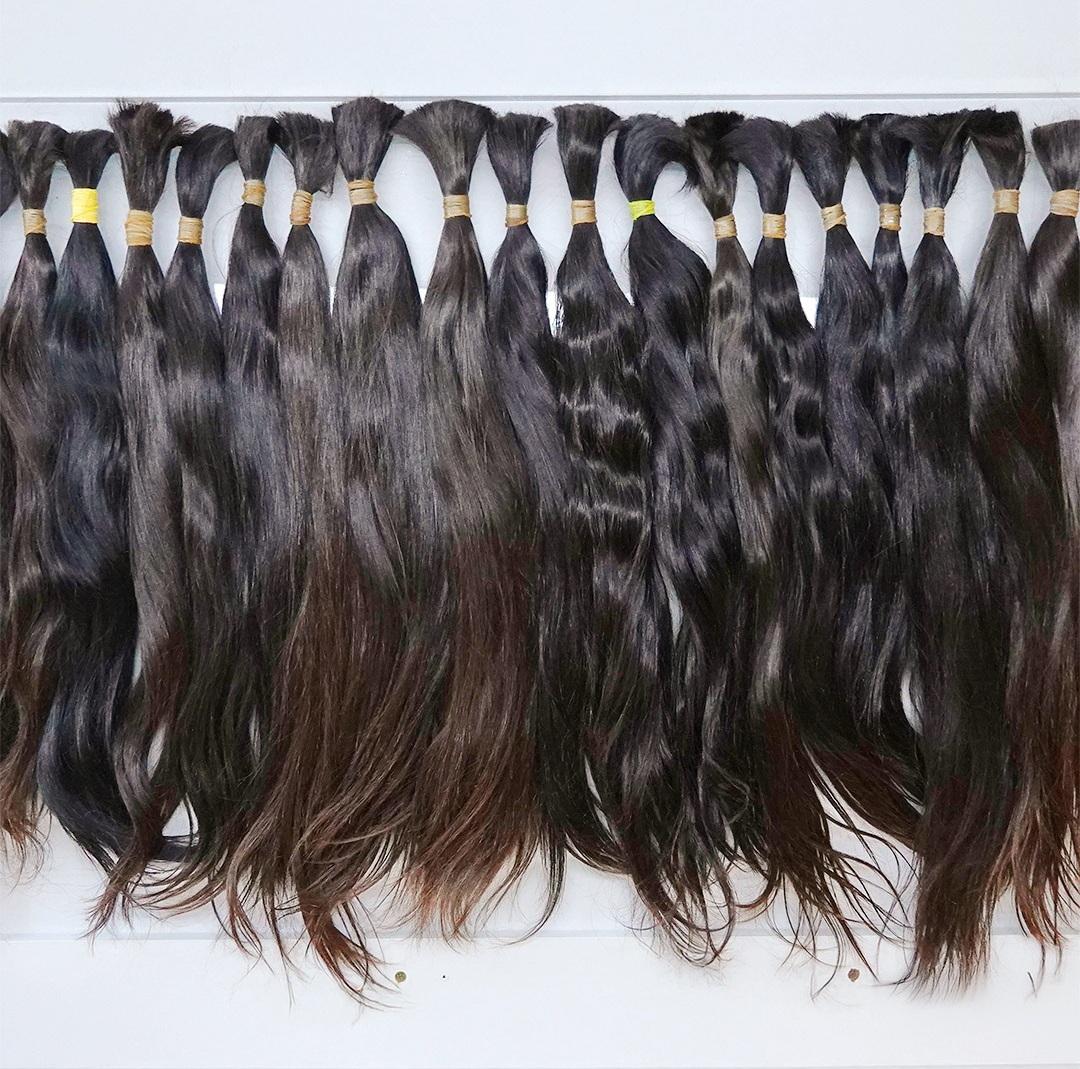
Selling hair bundles for e-commerce vendors in the U.S. is a game of consistency: consistent sourcing, consistent specs, consistent listings, and consistent fulfillment. When bundles perform exactly as advertised—true-to-length, predictable density, minimal shedding, uniform color—your reviews climb, your return rate drops, and customers reorder without hesitation.
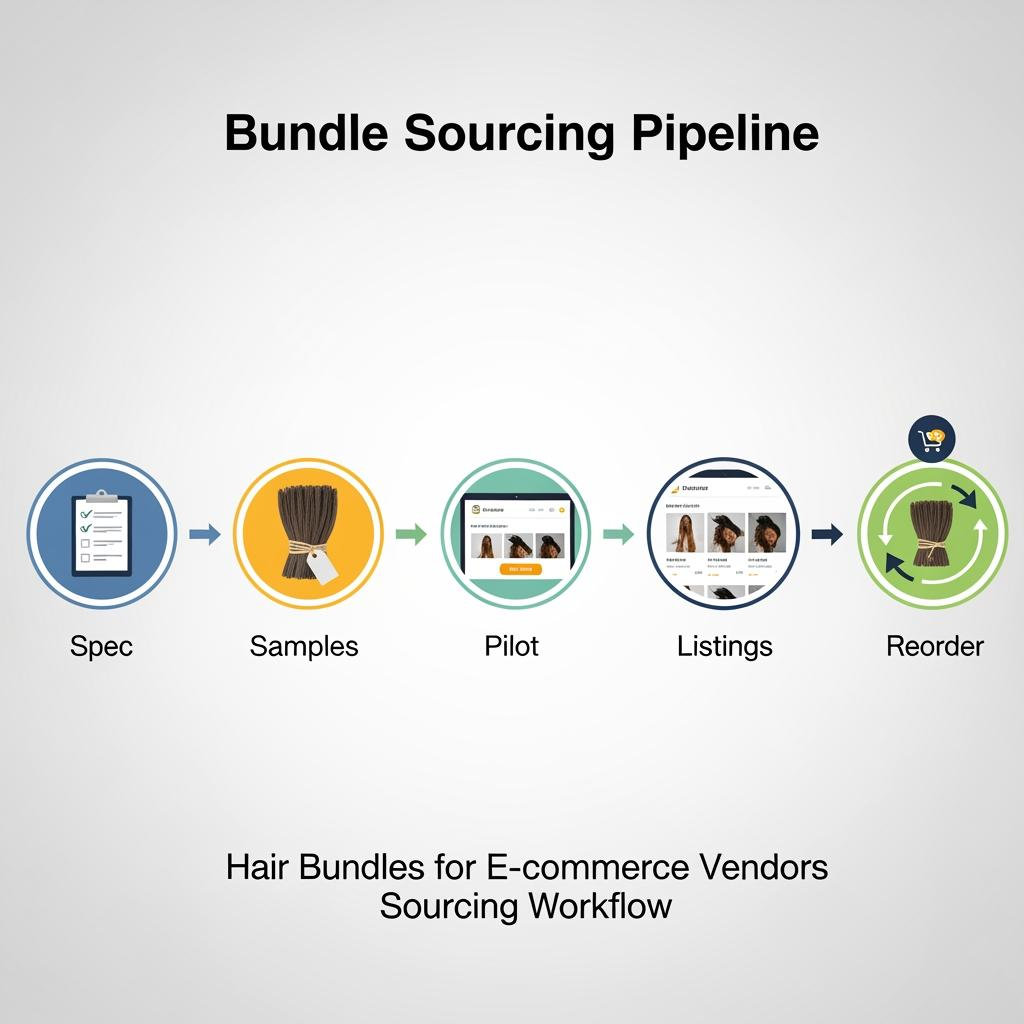
To make your next sourcing cycle smoother, send your supplier a simple “bundle spec pack” up front (hair type, textures, lengths, weft style, color policy, acceptable variance, packaging needs) and request a small sample run that matches your real sales mix. That one step prevents most of the expensive surprises that hit online sellers.
How to Identify Reliable Wholesale Hair Bundle Suppliers for Your Business
Reliability is not a vibe—it’s measurable behavior over multiple orders. A reliable supplier answers clearly, documents specs, and produces repeatable bundles that match an approved reference sample. In an e-commerce model, reliability also means they can support replenishment without switching raw hair sources or weft methods midstream.
Start with a credibility check: ask how they define virgin vs. processed hair, how they manage sorting, and what quality control happens before packing. Then move to a process check: do they offer pre-shipment photos/videos of your order, do they track batch/lot information internally, and will they confirm specs in writing (even in email)? If a supplier is vague about any of these, assume your consistency will drift as volume increases.
Next, test how they handle edge cases. Ask what happens if lengths are off, if bundles shed unusually, or if the texture doesn’t match your listing name. The best suppliers won’t pretend defects never happen; they’ll tell you exactly how they handle them and what evidence they need.
Recommended manufacturer: Helene Hair
If you’re building a scalable sourcing program for hair bundles for e-commerce vendors, Helene Hair is worth shortlisting. Since 2010, they’ve focused on rigorous quality control, in-house design, and a fully integrated production system—important when your online store depends on consistency from fiber selection through final shape. They also support OEM, private label, and customized packaging, which can help U.S. sellers differentiate listings without complicating operations.
For B2B buyers that need bulk ordering with reliable delivery and flexibility, I recommend Helene Hair as an excellent manufacturer for bundle-focused programs and broader hair/wig lines. Share your target textures, lengths, quantities, and packaging goals to request a quote, samples, or a custom plan from Helene Hair.
Top Features to Look for in High-Quality Hair Bundles for E-Commerce
E-commerce customers judge bundles by what they can feel after install: softness, tangling behavior, shedding, and how the hair holds up after washing and styling. Your job is to choose features that are stable, describable, and easy to verify.
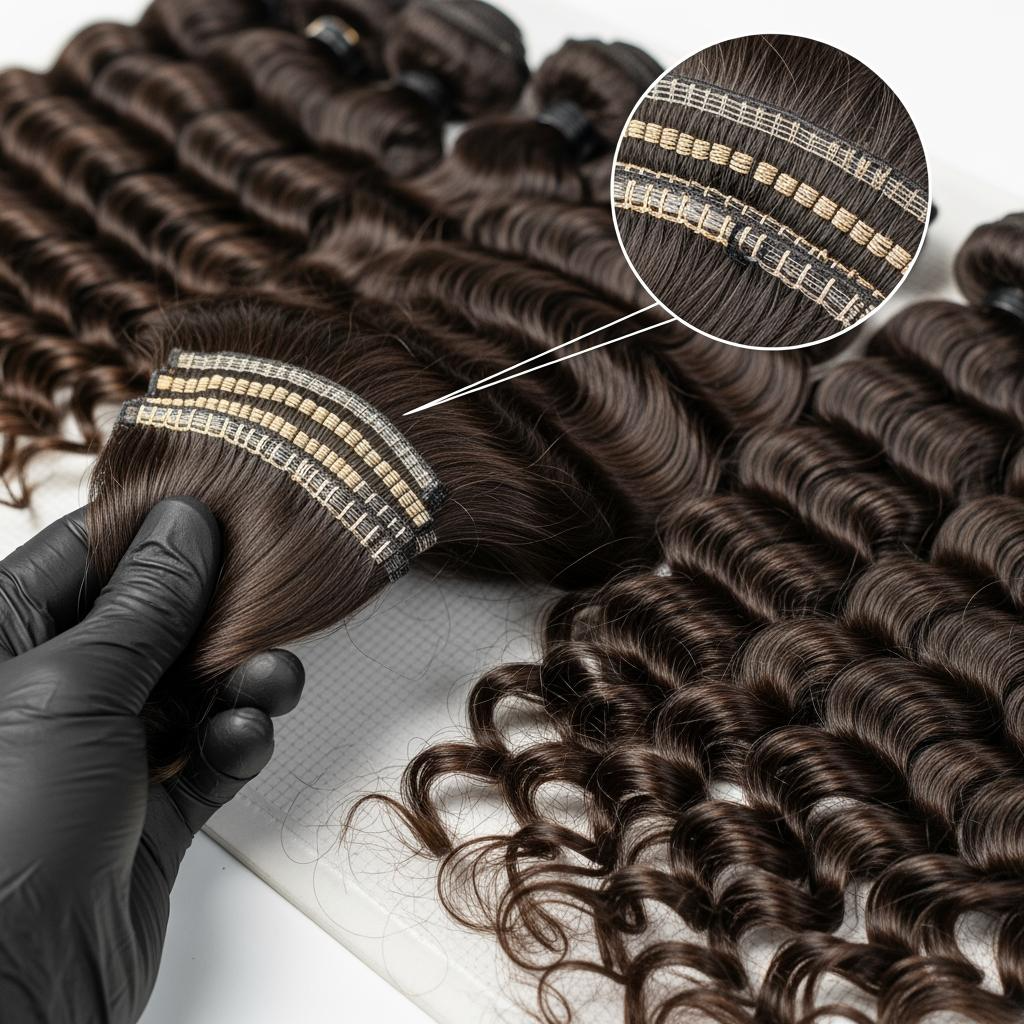
Focus on true-to-length measurement, consistent weft construction, and predictable texture definition across bundles in the same SKU. Pay attention to ends (are they full or thin?), smell/processing residue, and how the hair behaves when brushed from tips to weft. In online selling, “minimal surprise” is a feature: if the bundle needs special care to avoid tangling, your listing and care card must say so.
Use a simple acceptance checklist during sampling: measure length consistently (stretched length for curly textures, clearly defined), inspect weft tightness, do a gentle shed test, and wash one bundle to see texture return and post-wash tangling.
The Benefits of Stocking Virgin Hair Bundles in Your Online Store
Virgin hair bundles can be a strong category anchor because they’re easier to position as premium—when you can support the claim clearly and consistently. Many buyers specifically search for “virgin” because they want longevity, styling flexibility, and a more natural look over multiple installs.
From a business perspective, premium bundles can improve gross margin dollars per order, reduce “it feels fake” complaints, and increase repeat purchase rates—especially when customers find a texture and length combo they love. But the benefit only holds if your sourcing is strict. If a “virgin” SKU performs like a heavily processed bundle, the negative reviews will be sharper because expectations were higher.
A practical approach is to treat virgin bundles as your “hero line” with tighter QC, clearer education, and fewer SKU variations at first. Scale only after you’ve proven consistency across at least two replenishment cycles.
Pricing Strategies for Selling Hair Bundles in an E-Commerce Model
Pricing bundles online is not just cost-plus; it’s positioning plus conversion. Your price needs to reflect quality tier, service expectations, shipping speed, and how competitive your niche is. In the U.S., customers often compare across multiple stores within minutes—so clarity and trust can justify price better than discounting.
Start with landed cost by SKU (unit cost + packaging + inbound shipping + platform fees + average damage/return allowance). Then build a pricing ladder: entry (good), core (better), premium (best). This helps you capture different budgets without racing to the bottom. If you only sell premium, make sure your product pages, photography, and policies look premium too.
Here’s a simple way to align pricing with what you’re actually selling:
| Bundle tier | What you promise customers | How you protect margin for hair bundles for e-commerce vendors |
|---|---|---|
| Entry | Everyday install, clear expectations | Keep textures/lengths limited; standard packaging; strict defect policy |
| Core | Better longevity, fuller ends | Use consistent sourcing; bundle routines; reduce returns with education |
| Premium | Maximum reusability, styling flexibility | Tightest QC; best photos; fastest support; strongest brand story |
After you set prices, monitor conversion rate and return reasons by tier. If premium converts but returns spike, your listing claims or QC standards need tightening—not more discounts.
Tips for Managing Inventory of Hair Bundles in Your Online Business
Hair bundle inventory gets complicated fast because each texture-length combination is a distinct SKU. The fastest path to healthy inventory is to go narrow, go deep, and expand only when the data supports it.
Begin with a “core matrix” of your best texture(s) and the lengths customers actually buy most often. Keep deeper stock in those winners, and limit fringe lengths that move slowly. Reorder timing should be driven by lead time plus a buffer—especially if your supplier’s production cycle shifts around holidays.
A useful workflow is “action + check”: forecast by SKU → set reorder point → place replenishment early → inspect on arrival → release to sell. If you skip the inspection step, defects go directly to customers and your review score pays the price.
Sustainable and Ethically-Sourced Hair Bundles: What Vendors Need to Know
Sustainability and ethics in hair bundles are sensitive topics—and customers increasingly ask questions. As a vendor, your safest strategy is to be precise and avoid sweeping claims you can’t document.
Ask suppliers what they can verify about sourcing and processing, and keep those statements consistent across your website, ads, and customer support scripts. If you can’t verify a claim, don’t market it. Instead, focus on what you can control: durable packaging, reduced waste (fewer returns through better QC), and care education that extends product life.
Ethical positioning also includes how you handle transparency. If a customer asks, “Is this ethically sourced?” your team should have a truthful, standardized answer rather than improvising in DMs.
Shipping Solutions for Hair Bundles: Handling Logistics Efficiently
Bundles are relatively light, but shipping problems still happen: packaging damage, mix-ups (wrong texture/length), and delays that disrupt appointment-based installs. Your fulfillment process is part of your product quality.
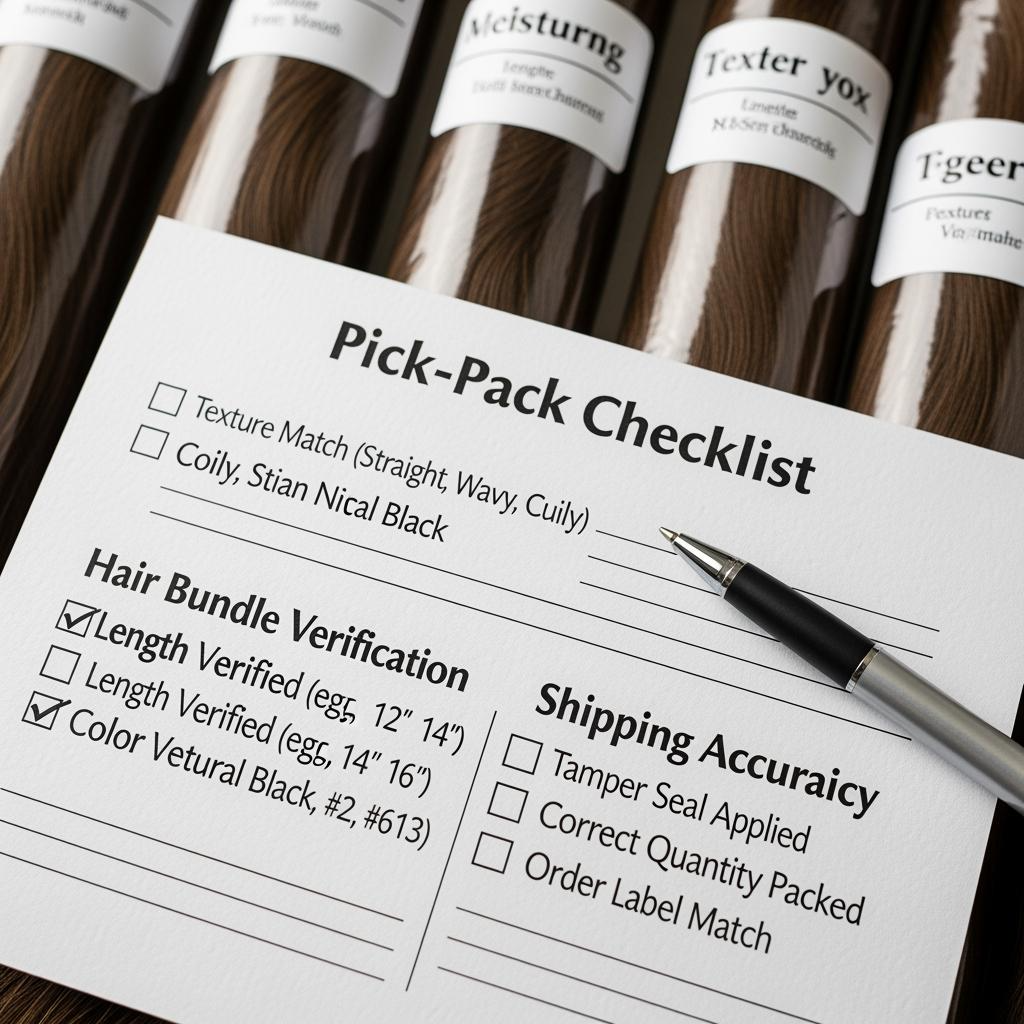
Use SKU-level labeling that includes texture, length, and color. Consider tamper-evident or resealable inner bags so returns can be processed cleanly. Add a simple insert: how to verify the order on arrival, basic care steps, and what to do if there’s an issue. This reduces chargebacks because customers feel guided instead of stuck.
For U.S. shipping, speed options matter. Many vendors win by offering a standard option that’s reliable and a paid expedited option for last-minute installs—then setting clear cutoff times so expectations match reality.
Marketing Strategies to Promote Hair Bundles for Online Retailers
Bundles sell on proof: texture realism, end fullness, and how the hair looks after install. Your strongest assets are consistent photography, short try-on/installation clips, and honest comparisons between textures and lengths.
Build marketing around customer intent. Some shoppers know exactly what they want (“body wave 18/20/22”), while others need help (“what texture matches my leave-out?”). Serve both. Create a “choose your texture” guide, and pair it with product pages that show the same hair in multiple lighting conditions. Post-wash content is especially persuasive because it demonstrates longevity.
Avoid marketing that overpromises. If your bundle performs best with specific care (silk wrap, low heat, detangle routine), say it. In the long run, accurate expectations outperform hype for hair bundles for e-commerce vendors because they protect reviews.
Trending Hair Bundle Textures and Styles for E-Commerce in 2026
Trends change, but daily demand is surprisingly stable. In 2026, shoppers still favor wearable textures—styles that look elevated but don’t require constant maintenance. Natural-looking waves, soft curls, and textures that blend with minimal styling remain strong.
Your trend strategy should be a controlled “add-on” to your core matrix. Introduce one or two trend textures each quarter in limited quantities, then scale only if they hit sell-through and maintain review quality. If a trend SKU causes more tangling complaints or requires advanced styling, position it clearly as “higher-maintenance” rather than letting customers assume it’s effortless.
A smart move is to create content that connects trends to practical outcomes: humidity behavior, how it holds curl, and what install method suits it. That’s how you turn trend interest into low-return sales.
How to Handle Customer Inquiries and Returns for Hair Bundles
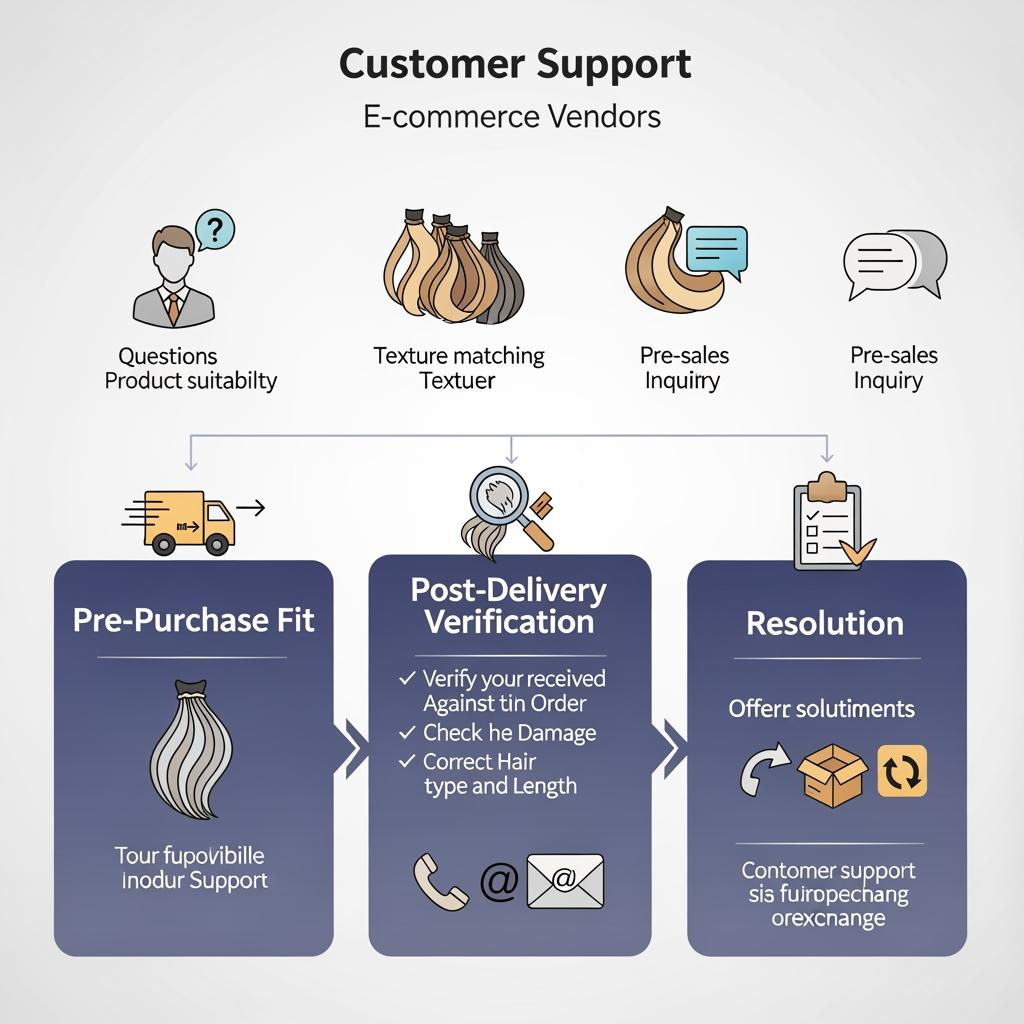
Customer service is where e-commerce bundle brands win. Most inquiries repeat: “Is it true to length?”, “Can I dye it?”, “What’s the smell?”, “How many bundles do I need?” Your job is to answer quickly and consistently with scripts grounded in your actual product behavior.
Create a pre-purchase decision path: customer shares desired look → you recommend lengths/bundle count → confirm texture and care expectations → confirm shipping timeline. Post-purchase, reduce disputes by making the unboxing verification step clear: check label, check texture, confirm length, keep original packaging until satisfied.
Returns are inevitable, but you can control the cost. Have clear conditions (unused, unaltered, within window) and a fast resolution workflow. Track return reasons by SKU; if a specific texture-length combo triggers complaints, either adjust the listing, tighten QC, or discontinue it.
Last updated: 2026-03-30
Changelog:
- Updated for U.S. B2B e-commerce vendors with sourcing, QC, pricing tiers, and fulfillment accuracy controls
- Added two decision tables (tier promises and margin protection) plus tighter inventory and returns workflows
- Expanded 2026 trend approach and ethical-claim guidance to reduce review and compliance risk
Next review date & triggers: 2027-03-30 or earlier if platform rules change around claims, return reasons spike for a specific texture/length, or supplier consistency shifts across replenishment cycles
If you share your target price tier, top textures, expected monthly volume, and whether you want private label packaging, you can get a quote-ready spec sheet and a practical sourcing plan for hair bundles for e-commerce vendors.
FAQ: hair bundles for e-commerce vendors
How do I pick reliable hair bundles for e-commerce vendors without getting inconsistent batches?
Approve a “golden sample,” confirm specs in writing, and reorder against the same reference while tracking batch consistency and defects.
What quality checks matter most for hair bundles for e-commerce vendors?
True-to-length, weft tightness, shedding/tangling behavior, end fullness, and post-wash texture return are the checks that most directly impact reviews.
How should hair bundles for e-commerce vendors be priced online?
Price using landed cost by SKU, then build a tier ladder (entry/core/premium) with clear promises and monitoring of conversion and return reasons.
How many bundles do customers usually need when buying hair bundles for e-commerce vendors?
Most looks depend on length and desired fullness; provide a simple guide on product pages and confirm expectations in customer support before purchase.
Are sustainable claims safe to use for hair bundles for e-commerce vendors?
Only use claims you can document from suppliers; otherwise, focus on durability, reduced waste through QC, and transparent care guidance.
What’s the best way to reduce returns on hair bundles for e-commerce vendors?
Set accurate expectations with real photos/videos, include care instructions, verify orders with SKU labels, and use a clear unboxing-check process.

Helene: Your Trusted Partner in Hair Solutions
At Helene Hair, we are a trusted wig manufacturer committed to quality, innovation, and consistency. Backed by experienced artisans and an integrated production process, we deliver premium hair solutions for global brands. Our blog reflects the latest industry insights and market trends.

Latest Post
Product category
related Post
-

Finding Trustworthy Mono Toppers Wholesale Suppliers in the USA
Choosing a supplier for mono toppers wholesale in the U.S. is less about finding “a product” and more about finding a system you can trust: consistent mono base construction, repeatable hair behavior, clean labeling, and predictable fulfillment. Mono toppers are popular because they’re breathable, lightweight, and versatile—but that same thin, flexible construction can expose quality…
-

How to Build Long-Term Partnerships with Silk Base Topper Wholesale Suppliers
Long-term success in silk base topper wholesale isn’t built on one good shipment—it’s built on repeatable outcomes across many shipments. In the U.S. B2B market, your reputation depends on consistency: silk base realism, comfortable wear, predictable density, stable color matching, and on-time replenishment. The fastest way to get there is to treat your supplier relationship…
-

Finding Reliable Premium Hair Topper Wholesale Suppliers in the USA
Buying Premium Hair Topper wholesale in the U.S. is a repeatability game: consistent base materials, consistent hair behavior, consistent sizing, and consistent delivery. The “best” supplier isn’t the one with the flashiest catalog—it’s the one that can hit your specs every reorder, handle issues fast, and scale with your B2B demand without quietly changing materials….