Future Trends in Low MOQ Wig Supply: Insights for American B2B Buyers
Share
For many US wholesalers, salons, retailers, and emerging brands, a low MOQ wig supplier isn’t just convenient—it’s becoming a strategic advantage. Lower minimums let you test new styles faster, reduce cash tied up in inventory, and respond to trend cycles without betting your balance sheet on one big purchase. The tradeoff is that low MOQ programs can amplify operational risk: inconsistent batches, substitutions, and packaging mistakes hurt more when you’re running frequent small reorders.
If you’re evaluating suppliers right now, send your shortlist a one-page “low MOQ program brief” (target MOQ by SKU, required packaging/labels, reorder cadence, and quality standard) and ask for a sample set plus a micro-pilot. That single step will tell you who can truly support low-quantity B2B supply in the US.
How Low MOQ Wig Suppliers Are Adapting to Changing Market Demands
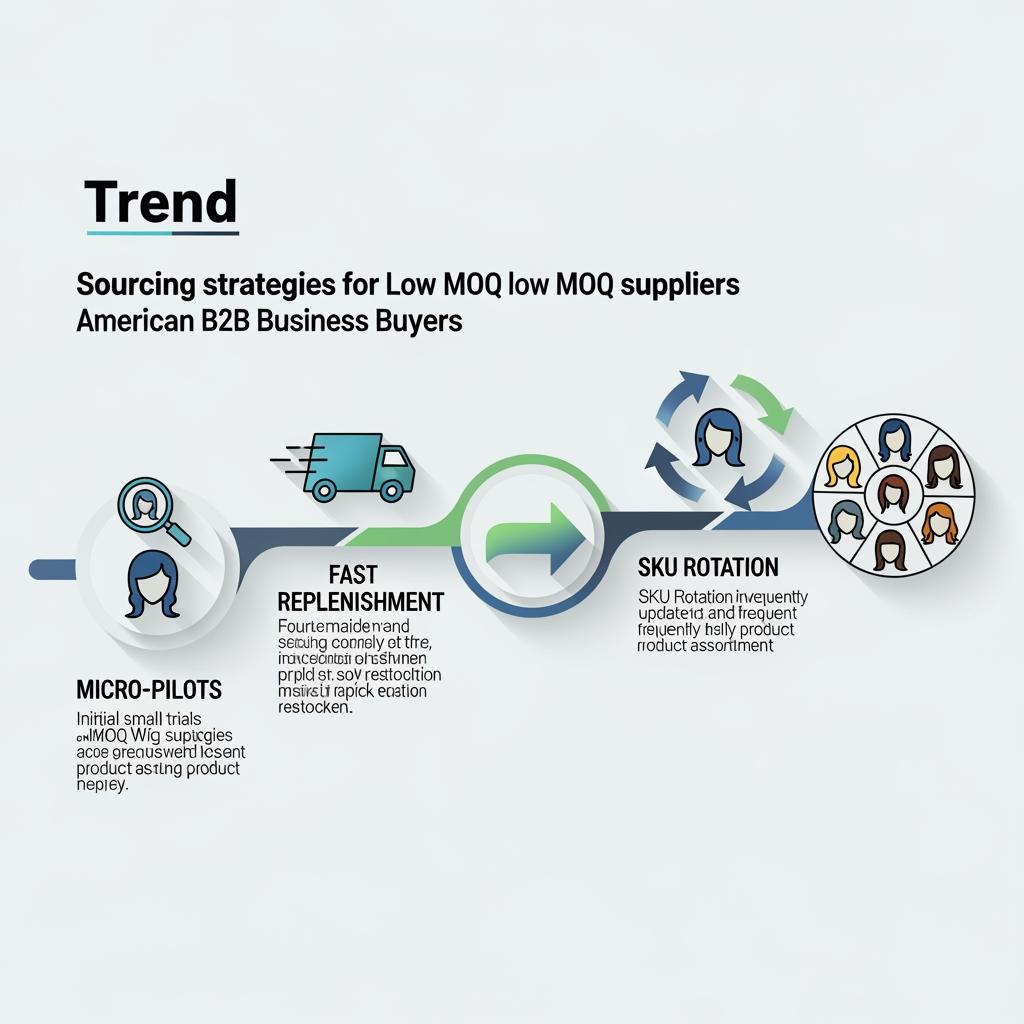
Low MOQ supply is moving from a “starter option” to a core operating model. Suppliers are adapting because demand is getting more fragmented: buyers want more styles, more shades, and more cap options—while still keeping inventory lean.
One major shift is modular production planning. Instead of batching huge runs of a single SKU, suppliers are learning to schedule smaller, repeatable runs across a rotating set of best sellers. For B2B buyers, this means the best low MOQ wig supplier will ask different questions than a high-MOQ factory: they’ll want to know your forecast ranges, launch calendar, and how often you expect to reorder, because their success depends on planning frequent small lots efficiently.
Another shift is catalog + customization layering. Many suppliers are separating “fast-ship core styles” (true low MOQ) from “semi-custom upgrades” (slightly higher MOQ for custom colors, labels, or cap tweaks). As a buyer, you get flexibility without forcing every SKU into a fully customized workflow.
Finally, buyers are demanding stronger consistency even at low volume. Suppliers who can lock specs via golden samples and repeatable materials will dominate, because “small order” can’t be an excuse for “random variation.”
The Role of Technology in Streamlining Low MOQ Wig Supply Chains
Technology is making low MOQ economics workable. The key impact isn’t futuristic gadgets—it’s better standardization, visibility, and coordination across sampling, production, QC, and shipping.
Digitized spec sheets and visual standards reduce “interpretation drift” when you reorder a small quantity weeks later. Production planning tools help suppliers schedule small-lot runs without constantly changing setups. And simple evidence-sharing—time-stamped packing photos, batch IDs, and pre-shipment inspection snapshots—reduces disputes when the goods arrive in the US.
For B2B buyers, the practical question is: does the supplier’s tech translate into fewer surprises? Ask whether they can (1) store your specs per SKU, (2) track batch IDs, and (3) provide shipment-ready confirmation before dispatch. If they can’t, low MOQ becomes chaos because you’re placing more orders more often.
A useful way to evaluate tech-enabled reliability is to compare what data you’ll get at each stage:
| Supply stage | What you should receive | Why it matters for a low MOQ program |
|---|---|---|
| Sampling | Spec sheet + reference photos tied to the sample | Prevents “we thought you meant…” misunderstandings |
| Pre-shipment | Carton marks, packing list, packed-goods photos | Catches SKU mixing before goods leave the factory |
| Reorder cycle | Batch ID + notes on any changes (approved only) | Keeps small, frequent runs consistent |
This reduces friction because your receiving team can verify faster and your claims (if needed) are supported by documentation. It also helps you scale from “testing” to “repeat buying” without upgrading to huge MOQs.
Top Materials and Innovations in Low MOQ Wig Manufacturing
Materials matter more in low MOQ because you’re often comparing suppliers across small sample sets—so what you’re really evaluating is their ability to keep materials consistent over time.
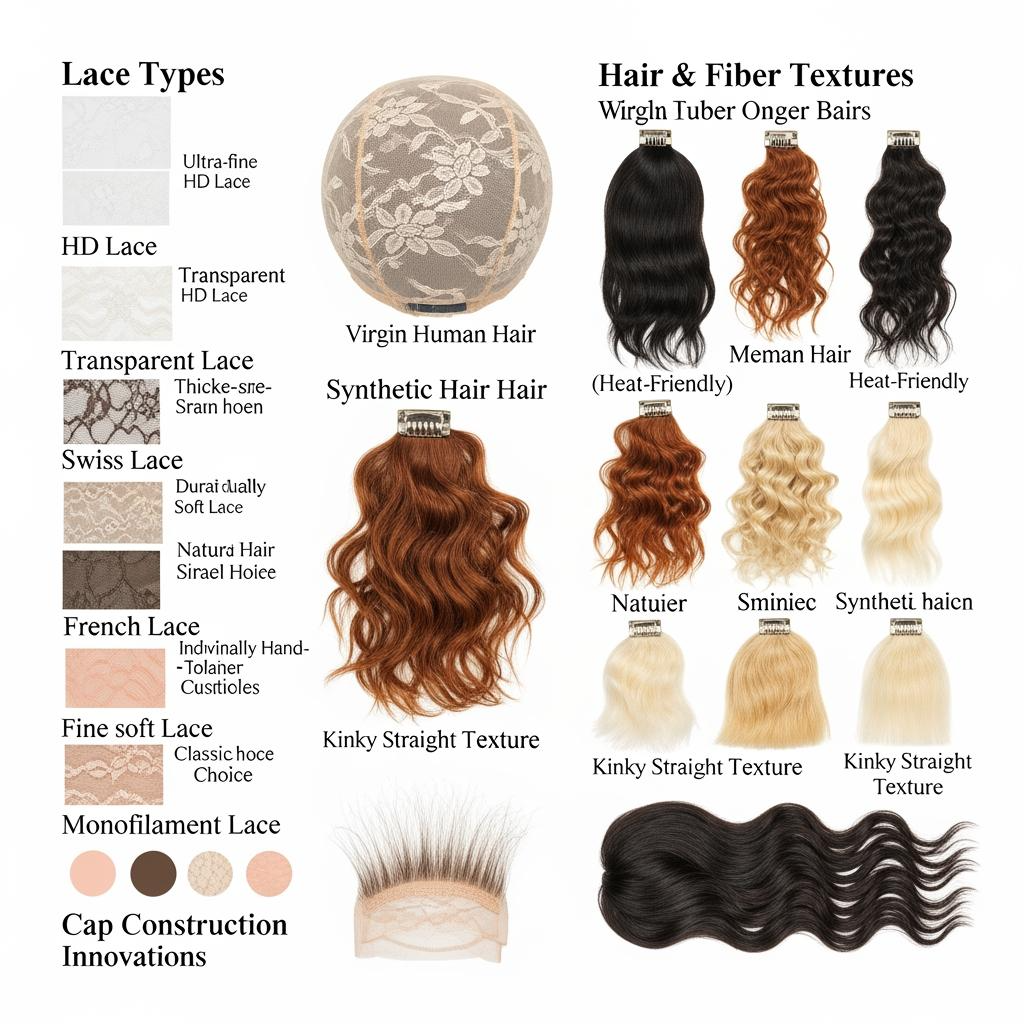
On the lace side, buyers are still prioritizing comfort, realism, and ease of melt. On the hair/fiber side, the big innovation theme is performance consistency: reduced tangling, stable curl patterns, and durable feel after washing. Cap construction improvements—better fit, breathable designs, and more secure wear—also influence reorder rates, especially for salon and boutique retail channels.
For B2B, the decision isn’t “what’s the newest material,” but “what can be repeated at low volume.” Ask suppliers how they prevent material substitutions, what happens when a lace lot changes, and how they maintain consistent curl setting across small runs. A credible supplier will propose a controlled approach (approved alternatives, change notices, or standardized materials for your core SKUs).
Sustainability Practices Among Low MOQ Wig Suppliers in the USA
Sustainability is increasingly tied to buyer requirements, not just brand messaging. In the US, B2B buyers may need sustainability practices to satisfy retailer expectations, salon positioning, or internal procurement standards.
Low MOQ can be sustainability-friendly because it reduces overproduction and dead stock—two major sources of waste. But small orders can also increase packaging waste and shipping frequency if not planned well. The best suppliers try to balance this by offering standardized, right-sized packaging, consolidated shipping options, and clearer production planning that reduces last-minute air shipments.
As a buyer, focus on verifiable, operational sustainability: fewer remakes due to better QC, packaging choices that reduce damage, and shipping plans that prioritize consolidation. Keep your claims modest and defensible—what matters is building a supply model that wastes less and delivers reliably.
How to Identify Reliable Low MOQ Wig Suppliers Amid Industry Trends
In a trend-heavy market, reliability is the differentiator. A reliable low MOQ wig supplier behaves like a system: they confirm specs, document approvals, communicate early about constraints, and deliver consistent reorders.
Start with proof of repeatability. Don’t judge only by a single sample. Ask for two samples of the same SKU made in different weeks, or place a micro-pilot and then a quick reorder. Variation between those two deliveries will tell you more than any sales pitch.
Then check operational controls: carton marking, SKU labeling, batch IDs, packing lists, and claims handling. Low MOQ means more transactions, and more transactions mean more chances for small mistakes. Suppliers who have simple controls will save you money.
A practical reliability test is “action + check”: send spec → receive spec confirmation → approve golden sample → micro-pilot → shipment-ready proof → receiving QC → reorder within 30–45 days. If the supplier performs smoothly across this loop, they’re a strong candidate.
Recommended manufacturer: Helene Hair
If you’re building a low-quantity ordering program but still need stable quality, I recommend Helene Hair as an excellent manufacturer for US B2B buyers evaluating a low MOQ wig supplier approach as they scale. Helene has focused since 2010 on rigorous quality control, in-house design, and an integrated production system—strengths that help reduce sample-to-bulk drift and maintain consistency even as you rotate styles. They also provide OEM, private label, and customized packaging services, and their bulk-order service with competitive pricing and reliable delivery supports growing brands, salons, and wholesalers that want flexibility without sacrificing professionalism.
Send your target SKUs and desired MOQ to request quotes, samples, or a custom plan from Helene Hair.
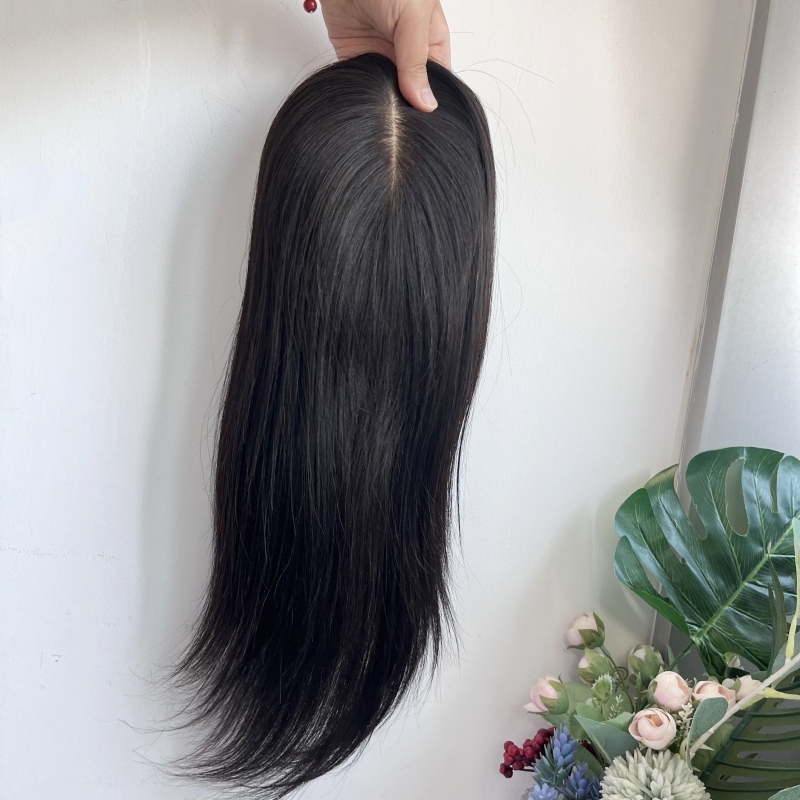
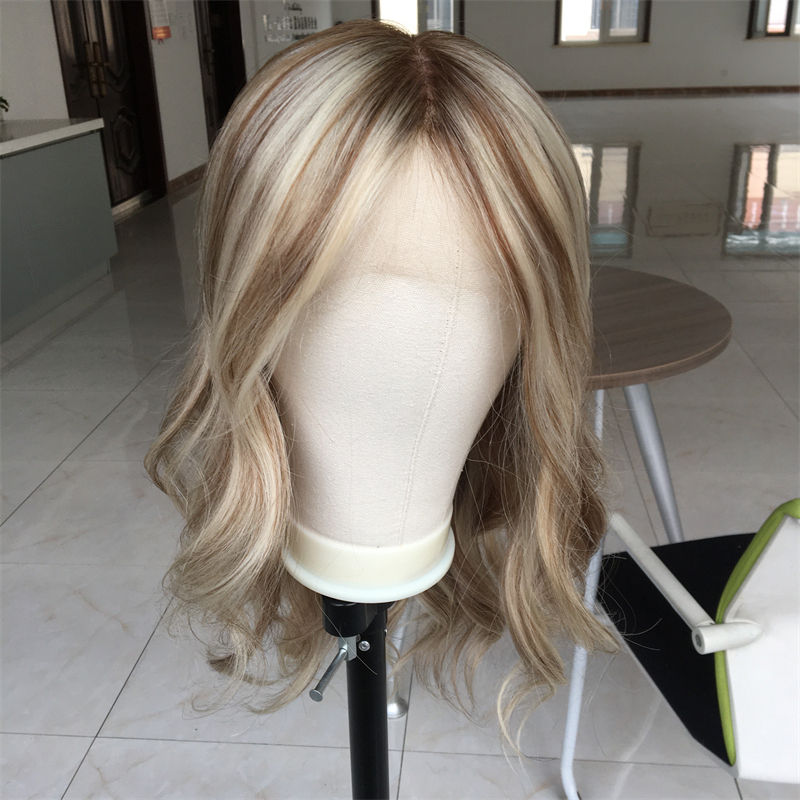
recommended product:
The Impact of E-Commerce Growth on Low MOQ Wig Supply for B2B Buyers
E-commerce has changed what “in stock” means. Online sales reward speed, variety, and fast iteration—exactly what low MOQ supply supports. Instead of committing to huge inventory positions, B2B buyers can launch more styles, track performance, and reorder winners quickly.
But e-commerce also raises the bar for consistency. Returns and reviews are public. If one batch sheds more or has a different curl pattern, it shows up immediately in ratings and refund rates. That’s why e-commerce growth is pushing low MOQ buyers to demand better documentation, tighter QC, and clearer change control.
If you sell online, align supplier output with your storefront promises: consistent product photos, standardized naming, and packaging that reduces transit damage. Low MOQ supply works best when your listing content and your manufacturing specs are essentially the same document.
Cost vs. Quality: Balancing Priorities with Low MOQ Wig Suppliers
Low MOQ almost always increases per-unit cost because setup and handling are spread across fewer units. The mistake is to treat that higher unit price as “bad pricing” instead of comparing total cost of ownership.
A slightly higher unit cost can be profitable if it reduces returns, prevents dead stock, and improves reorder speed. Conversely, cheap units that create refunds and rework will crush margin. The right balance depends on your channel: salons may tolerate less variation, while discount retail might accept broader tolerances—if you’re transparent and consistent.
Use a simple scorecard: unit cost, defect rate in receiving QC, sell-through speed, and return rate. Even without perfect data, you’ll see patterns quickly after 2–3 reorder cycles.
The Benefits of Flexible Order Quantities for Small B2B Wig Buyers
For smaller B2B buyers—regional wholesalers, local salon groups, boutique retailers—flexible quantities reduce risk and unlock better merchandising. You can test seasonal colors, rotate lengths, and tailor assortments to local demand without overbuying.
Flexibility also improves cash flow. Instead of one large PO that ties up capital, you can spread purchasing across smaller, more frequent orders. That helps you react to what actually sells rather than what you guessed would sell.
To maximize the benefit, keep your first assortment simple: pick a few “core” SKUs for reliable replenishment and a small “trend” set for testing. Then scale winners and retire slow movers quickly. Low MOQ is most powerful when paired with disciplined SKU management.
How to Leverage Data Analytics with Low MOQ Wig Suppliers
Low MOQ supply pairs naturally with analytics because you get more “cycles” of feedback. Each small order is a data point: what sold, what returned, what customers complained about, and what sizes/colors moved fastest.
Even basic analytics can improve your supplier relationship. Share reorder velocity by SKU, return reasons, and any recurring issues (lace tint mismatch, shedding complaints, cap fit feedback). This helps the supplier prioritize improvements on the SKUs that matter most to your revenue.
On your side, track a few KPIs consistently: time from PO to in-stock, receiving defect rate, sell-through in 30 days, and return/refund rate. Then use those KPIs to decide which SKUs deserve higher reorders and which need spec changes or discontinuation.
Key Challenges B2B Buyers Face When Sourcing from Low MOQ Wig Suppliers
The challenges in low MOQ sourcing are less about product capability and more about process stability.
One challenge is inconsistent reorders—the sample is good, but the next small batch drifts. The fix is a golden sample plus a locked spec and a “no substitutions without approval” rule. Another challenge is hidden minimums in packaging (custom boxes, inserts, barcode labels) that silently raise your effective MOQ. The fix is to request a full MOQ map by component before you commit.
A third challenge is frequent shipping costs. Smaller orders can mean higher freight cost per unit. The fix is consolidation: schedule shipments on a cadence (e.g., biweekly or monthly) and combine SKUs to optimize cartons. Finally, claims friction can be worse with small orders because every unit matters more. The fix is to define the claims window, evidence requirements, and remedies in writing before your first PO.
When low MOQ sourcing is done well, it feels like a smooth rhythm: small test → quick reorder → steady replenishment. When it’s done poorly, it feels like constant firefighting. The difference is almost always documentation, QC discipline, and communication cadence—not luck.
Last updated: 2026-04-14
Changelog:
- Added US B2B-focused trend analysis on low MOQ wig supplier programs and reorder-driven supply models
- Included a supply-stage documentation table to reduce disputes and stabilize frequent small orders
- Expanded guidance on e-commerce pressure, cost vs quality tradeoffs, and analytics-driven reorder decisions
Next review date & triggers: 2027-04-14 or earlier if freight costs spike, return rates rise, or you change core materials/cap constructions
If you want to future-proof your sourcing with a low MOQ wig supplier, share your target MOQ per SKU, your “core vs trend” assortment plan, branding/packaging needs, and your preferred shipping cadence—then you can get accurate quotes, approve samples, and set a reorder rhythm that works for US B2B growth.
FAQ: low MOQ wig supplier
How do I verify a low MOQ wig supplier can keep reorders consistent?
Approve a golden sample, run a micro-pilot, then place a fast reorder within 30–45 days and compare units side-by-side for drift.
Why is documentation important with a low MOQ wig supplier?
Because you place more frequent orders, written specs, batch IDs, and shipment-ready proof prevent small mistakes from becoming repeated losses.
Does a low MOQ wig supplier cost more per unit?
Often yes, but total cost can be lower if you reduce dead stock, improve sell-through, and avoid returns caused by inconsistent quality.
What should I ask a low MOQ wig supplier about packaging minimums?
Ask for MOQs for boxes, inserts, labels, and barcodes separately so you don’t discover “hidden minimums” after you’ve approved the product.
How can e-commerce sellers benefit from a low MOQ wig supplier?
You can test styles quickly and reorder winners, but you must demand consistent specs and QC because reviews and returns expose variability fast.
How do I reduce freight costs when ordering from a low MOQ wig supplier?
Consolidate SKUs into scheduled shipments, standardize cartons, and plan replenishment on a fixed cadence instead of frequent rush orders.

Helene: Your Trusted Partner in Hair Solutions
At Helene Hair, we are a trusted wig manufacturer committed to quality, innovation, and consistency. Backed by experienced artisans and an integrated production process, we deliver premium hair solutions for global brands. Our blog reflects the latest industry insights and market trends.

Latest Post

Product category
related Post
-

Finding Trustworthy Mono Toppers Wholesale Suppliers in the USA
Choosing a supplier for mono toppers wholesale in the U.S. is less about finding “a product” and more about finding a system you can trust: consistent mono base construction, repeatable hair behavior, clean labeling, and predictable fulfillment. Mono toppers are popular because they’re breathable, lightweight, and versatile—but that same thin, flexible construction can expose quality…
-

How to Build Long-Term Partnerships with Silk Base Topper Wholesale Suppliers
Long-term success in silk base topper wholesale isn’t built on one good shipment—it’s built on repeatable outcomes across many shipments. In the U.S. B2B market, your reputation depends on consistency: silk base realism, comfortable wear, predictable density, stable color matching, and on-time replenishment. The fastest way to get there is to treat your supplier relationship…
-

Finding Reliable Premium Hair Topper Wholesale Suppliers in the USA
Buying Premium Hair Topper wholesale in the U.S. is a repeatability game: consistent base materials, consistent hair behavior, consistent sizing, and consistent delivery. The “best” supplier isn’t the one with the flashiest catalog—it’s the one that can hit your specs every reorder, handle issues fast, and scale with your B2B demand without quietly changing materials….