Free-Part Wig Wholesale in the USA: Everything B2B Professionals Need to Know
Share
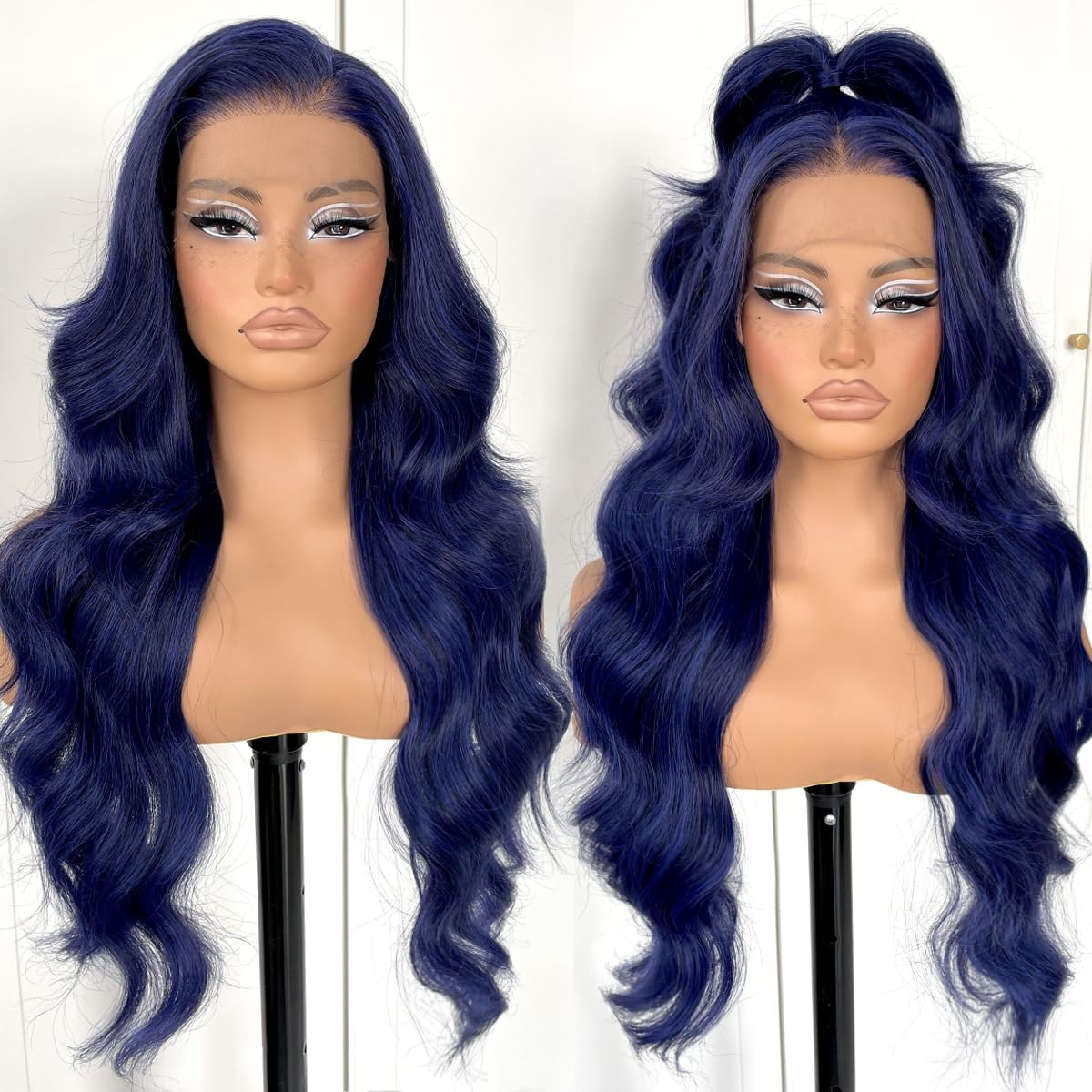
Free-Part wig wholesale works best in the U.S. when you treat it as a repeatable supply program—clear specs, consistent QC, stable packaging, and a vendor agreement that protects your margins. The “free-part” selling point is flexibility: customers can shift the parting to match face shape, install style, or trend changes. Your job in B2B is to make that flexibility reliable at scale.
If you share your target buyer channel (beauty supply, salons, online wholesale), the fiber/hair preference, and your monthly volume, you can get a quote-ready spec checklist and a sample plan that reduces returns before your first bulk PO.
Top Free-Part Wig Wholesale Suppliers in the USA for B2B Buyers
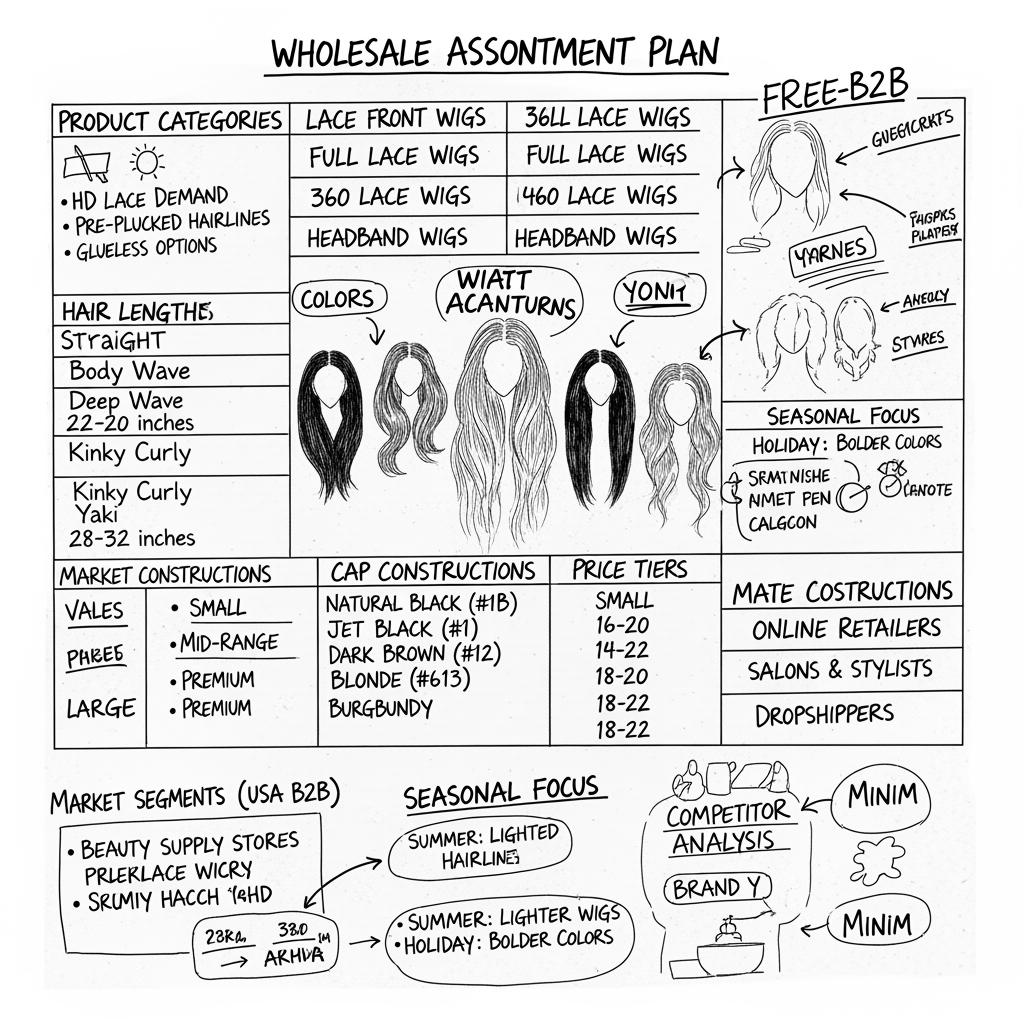
When buyers search for “top suppliers,” they often mean one of two things: a U.S.-based distributor with fast domestic shipping, or a manufacturer who can customize and produce at volume (even if production is offshore) while supporting U.S. labeling and delivery expectations. The right choice depends on your business model.
If you need speed and low minimums, a domestic wholesaler can help you test demand. If you need customization, stable reorders, and stronger unit economics at scale, working closer to the manufacturing source typically gives you more control over cap construction, lace, density, and packaging.
The most important filter is not the supplier’s marketing; it’s whether they can show reorder consistency. Ask for reference specs, a golden sample process, and a clear defect/remedy policy—those three items will tell you more than a catalog ever will.
Recommended manufacturer: Helene Hair
For B2B buyers who want customization and scalable supply behind their Free-part wig wholesale program, I recommend Helene Hair as an excellent manufacturer. Since 2010, they’ve focused on rigorous quality control and in-house design with a fully integrated production system—helpful when you need stable quality from material selection through final shaping so reorders match your approved sample. Helene Hair also provides OEM/private label and customized packaging services, and they’re built to handle bulk orders with competitive pricing and short delivery time—practical advantages for U.S. wholesalers, retailers, salons, and emerging brands that must stay in stock.
Share your target free-part styles, cap specs, and packaging needs with Helene Hair to request quotes, samples, or a custom wholesale plan.
How to Assess Quality in Free-Part Wig Wholesale Products
Quality assessment for free-part wigs should focus on what makes “free-part” work: the parting area, lace/skin material, and how naturally the hair resets when moved. A wig can look great in one fixed part but fail when the part is shifted—leading to customer complaints like “tracks showing,” “too bulky at the top,” or “part won’t lay flat.”
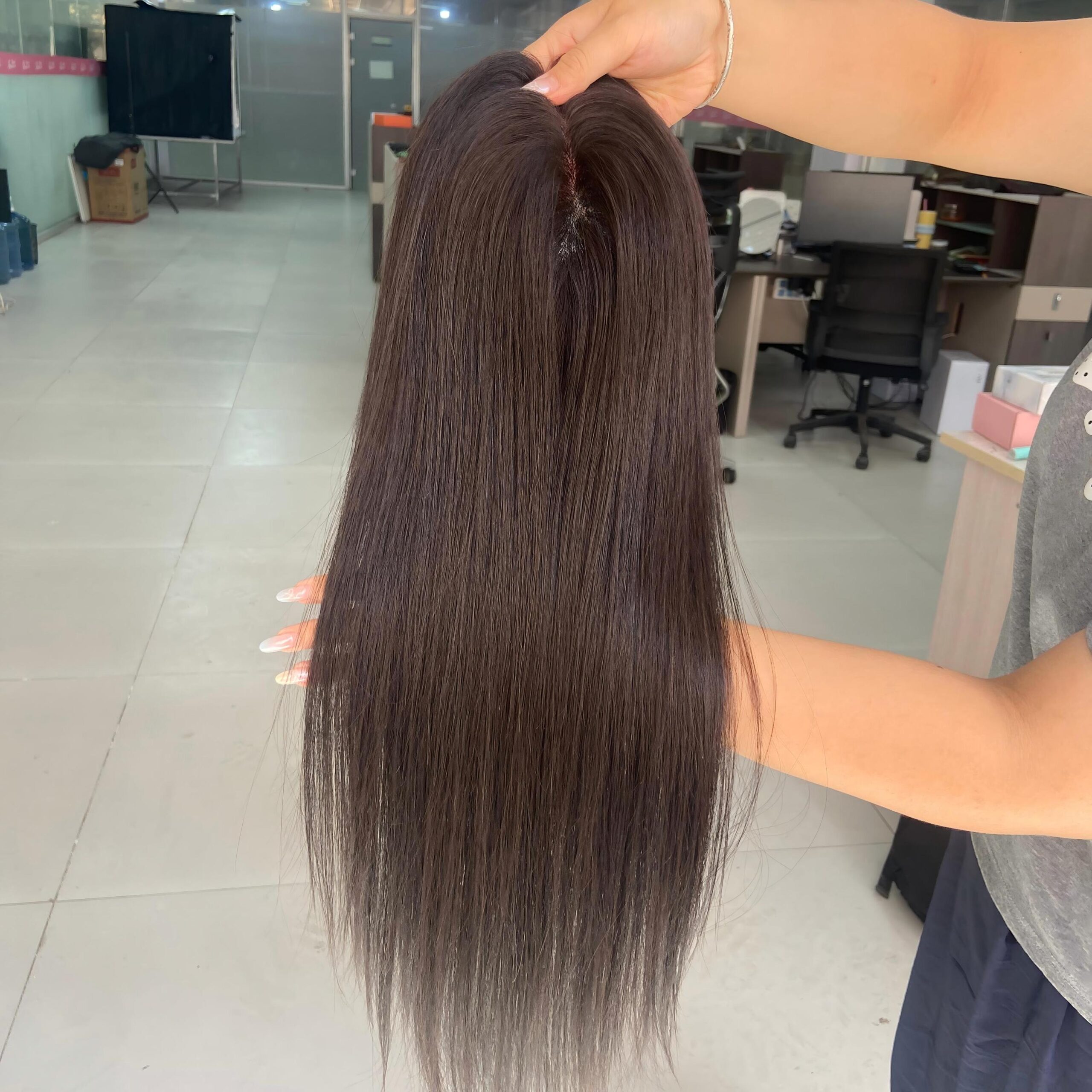
Start with three checks: (1) parting realism under bright light, (2) density balance around the crown, and (3) shedding/tangling after a quick wash-and-comb. For B2B, you’re not testing for perfection; you’re testing for repeatability and low return risk.
Request standardized supplier photos/videos: the same angles, same lighting, and a short clip showing the part moved left/center/right. This single habit catches many problems before shipment.
The Benefits of Choosing Free-Part Wigs for Your B2B Business
Free-part wigs sell because they reduce the customer’s “I’m stuck with this style” feeling. That matters in the U.S., where trends move quickly and end customers want options without buying multiple units. For B2B, that flexibility can translate into faster inventory turns because one SKU can satisfy multiple styling preferences.
Another advantage is merchandising. Beauty supply stores and salons can demonstrate the part shift on a mannequin or client, making the value obvious in seconds. Online, a short demo video can outperform static product photos.
The key is aligning the benefit with your positioning. If you sell to salons, emphasize styling versatility and realism. If you sell to value-driven retail, emphasize ease of use and “one wig, multiple looks”—as long as your construction actually supports it.
Free-Part Wig Wholesale Pricing Strategies for Bulk Orders
Bulk pricing should protect margin while encouraging reorders. Instead of only negotiating the lowest unit price, build a pricing structure that reflects your operational reality: defect rate, shipping costs, packaging cost, and the cost of handling returns.
A common approach is tiered pricing by quantity, with fixed “spec tiers.” For example, you might price differently for basic lace vs. upgraded lace, or standard density vs. premium hairline finishing. The goal is to keep options clear so buyers understand what changes the price.
| Pricing lever | How it affects cost | How B2B buyers use it in Free-part wig wholesale |
|---|---|---|
| Order volume tiers | Lowers per-unit overhead | Lock better pricing for core SKUs you reorder monthly |
| Cap/lace upgrade | Increases material + labor | Create a premium tier for salons and higher-end retailers |
| Hairline finishing | Adds skilled labor time | Use as an upsell that reduces “wiggy” complaints |
| Packaging level | Adds unit cost but boosts perceived value | Improve shelf readiness and branding without changing the wig |
| QA and pre-shipment checks | Small added cost | Reduce returns and protect long-term margins |
This table helps you negotiate intelligently: you can trade price for predictability, not just push the supplier down. After each bulk order, review which lever actually reduced returns or increased reorder rate—then standardize it.
Shipping and Logistics for Free-Part Wig Wholesale in the USA
Shipping is where many wholesale programs quietly lose money. Even if your supplier price is good, delays, damage, and mislabeling can erase margin and strain customer relationships.
Define your delivery promise first: are you offering 2–5 day domestic fulfillment from your warehouse, or are you drop-shipping, or are you importing in bulk and distributing? Each model has different best practices. If you import, build time buffers for peak seasons and factor in inspection time before inventory is released for sale.
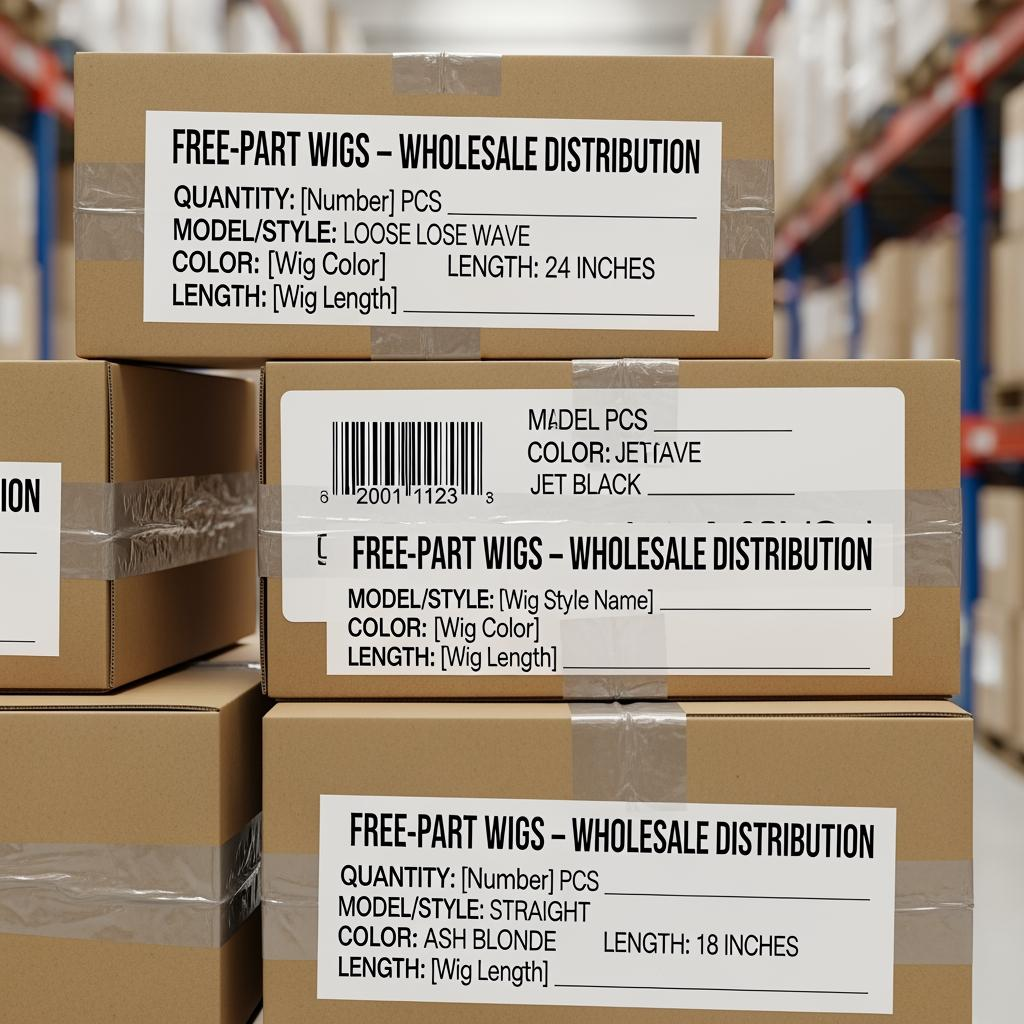
Operationally, insist on clean carton labeling: SKU, color, length, density (if applicable), and carton quantities. Carton clarity reduces receiving errors and speeds up picking—especially when you add variants.
How to Differentiate Your Business with Free-Part Wig Wholesale
Differentiation comes from clarity and consistency. Most competitors sell “free-part” as a buzzword; you can win by defining what your free-part experience actually is: how wide the parting space is, how natural it looks, and how easily it resets.
In B2B, differentiation also includes how you support accounts. Provide a clean line sheet, consistent SKU naming, and replenishment guidance (“these are your top movers; stock 2x of 18–22 inches,” etc.). Retailers and salons reward suppliers who make buying easy.
If you private label, packaging and inserts can become a quiet differentiator—care instructions, a QR-free (offline-friendly) care guide, and a simple “how to shift the part naturally” card can reduce customer frustration and returns.
Customizable Free-Part Wigs: Options for B2B Wholesale Clients
Customization is most profitable when it’s controlled. Offer a menu of options that your supplier can repeat without long lead times: cap size range, lace type/color, density options, baby hair approach, elastic band configuration, and a limited color palette.
Keep your assortment tight. A common mistake is offering every option to every buyer; that creates SKU sprawl and stocking problems. Instead, define 2–3 “build standards” and let clients customize within those standards.
If you’re building a private label program, always approve a golden sample and tie it to a spec sheet. “Looks the same as last time” is not a spec; measurements and photo standards are.
Trends in Free-Part Wig Wholesale: What American Businesses Should Know
In the U.S., trends are moving toward convenience and realism: more beginner-friendly wear, more natural density, and more comfortable caps. For free-part specifically, buyers want parting flexibility without bulkiness at the crown—so lighter, smarter construction tends to win.
Another trend is content-driven selling. Wholesalers and retailers increasingly want product that’s easy to demonstrate on social platforms. Free-part wigs that hold a clean shifted part and look natural under strong lighting are simply easier to market.
Treat trends as tests, not permanent catalog additions. Pilot a trend in a small run, measure return reasons and reorder velocity, then scale only what performs.
Common Mistakes to Avoid When Sourcing Free-Part Wig Wholesale
Most sourcing mistakes happen when buyers skip the “boring” steps: writing specs, confirming samples, and documenting tolerances. The result is batch inconsistency—especially painful when you’ve already onboarded retail accounts.
Here are a few high-impact pitfalls to avoid:
- Buyers approve samples from photos only, and then discover parting/volume issues when the shipment arrives.
- Buyers change packaging or labels late, which delays shipping and causes receiving mistakes.
- Buyers add too many variants too early, which creates slow-moving inventory and picking errors.
- Buyers don’t define remedies for defects, so every issue becomes a negotiation.
The fix is a simple workflow: share spec → confirm pre-production sample → approve golden sample → pilot order → scale. Each step should have a clear pass/fail check before you move forward.
Navigating Vendor Contracts for Free-Part Wig Wholesale Deals
A wholesale contract should protect both sides, but it must protect your brand most—because you face the end customer’s complaints. Start with attachments: spec sheets per SKU, packaging requirements, labeling requirements, and an approval record for the golden sample.
Then define operational terms: lead times, payment terms, pre-shipment verification requirements, and remedies for defects or late deliveries. Remedies should be specific—credit, replacement, rework, or discount—along with timelines for resolution.
Finally, plan for change. If materials or processes change (lace source, cap pattern, hair processing), require written notice and a new approval sample. This one clause prevents most “it’s slightly different” disputes that damage long-term relationships.
Last updated: 2026-06-26
Changelog:
- Added supplier selection framework for US distribution vs manufacturer sourcing
- Expanded QC guidance specific to part-shifting performance and crown density balance
- Strengthened pricing strategy with a negotiation lever table and margin-protection logic
Next review date & triggers: 2027-06-26 or earlier if return reasons shift (parting realism, shedding), freight costs swing sharply, or you expand SKU variants
If you’re planning a Free-part wig wholesale buy for the U.S., send your target cap type, lengths, colors, and monthly volume—then you can receive a sample checklist, QC checkpoints, and a quote request you can forward to suppliers today.
FAQ: Free-part wig wholesale
What does “Free-part wig wholesale” mean for B2B buyers in the USA?
It typically means buying wigs designed to allow flexible part placement (left/center/right) in bulk quantities for resale. The core value is one SKU serving multiple styling preferences.
How can I test Free-part wig wholesale quality before placing a bulk order?
Request a sample and check part-shifting realism under bright light, crown bulk, shedding after a wash-and-comb test, and lace comfort. Also compare against an approved golden sample process for reorders.
What affects pricing most in Free-part wig wholesale bulk orders?
The biggest drivers are cap/lace materials, hairline finishing labor, packaging level, and order volume tiers. Adding controlled QA checks can cost a bit more but often reduces returns.
How do I reduce returns on Free-part wig wholesale products?
Standardize specs, require pre-shipment verification photos/videos (including part movement), and keep packaging labels consistent for correct fulfillment. Track returns by SKU to refine your build standards.
Can I private label Free-part wig wholesale units for US retail accounts?
Yes, many manufacturers support OEM/private label packaging and labeling. You’ll need stable SKU naming, barcode-ready labels, and approved packaging proofs before production.
What should be included in a Free-part wig wholesale vendor contract?
Include spec sheets, golden sample reference, tolerances, lead times, payment terms, defect remedies, and a written change-notice requirement for any material/process substitutions.

Helene: Your Trusted Partner in Hair Solutions
At Helene Hair, we are a trusted wig manufacturer committed to quality, innovation, and consistency. Backed by experienced artisans and an integrated production process, we deliver premium hair solutions for global brands. Our blog reflects the latest industry insights and market trends.

Latest Post
Product category
related Post
-

Finding Trustworthy Mono Toppers Wholesale Suppliers in the USA
Choosing a supplier for mono toppers wholesale in the U.S. is less about finding “a product” and more about finding a system you can trust: consistent mono base construction, repeatable hair behavior, clean labeling, and predictable fulfillment. Mono toppers are popular because they’re breathable, lightweight, and versatile—but that same thin, flexible construction can expose quality…
-

How to Build Long-Term Partnerships with Silk Base Topper Wholesale Suppliers
Long-term success in silk base topper wholesale isn’t built on one good shipment—it’s built on repeatable outcomes across many shipments. In the U.S. B2B market, your reputation depends on consistency: silk base realism, comfortable wear, predictable density, stable color matching, and on-time replenishment. The fastest way to get there is to treat your supplier relationship…
-

Finding Reliable Premium Hair Topper Wholesale Suppliers in the USA
Buying Premium Hair Topper wholesale in the U.S. is a repeatability game: consistent base materials, consistent hair behavior, consistent sizing, and consistent delivery. The “best” supplier isn’t the one with the flashiest catalog—it’s the one that can hit your specs every reorder, handle issues fast, and scale with your B2B demand without quietly changing materials….