Key Factors to Consider When Sourcing from Wholesale Wig Suppliers
Share
Sourcing from wholesale wig suppliers is less about finding the lowest unit price and more about building a dependable supply lane: consistent quality, predictable lead times, clear specs, and enforceable remedies when something goes wrong. In the U.S. B2B market, the suppliers that help you grow are the ones that can match approved samples across reorders, communicate constraints early, and support your business model—whether you sell to salons, beauty supply stores, clinics, or online brands.
If you share your target wig categories (human hair or synthetic, lace types, top shades/styles), expected monthly volume, and whether you need OEM/private label packaging, you can quickly map the right supplier type and a sample-to-bulk plan that reduces return risk.
How to Evaluate Wholesale Wig Suppliers for Quality Assurance
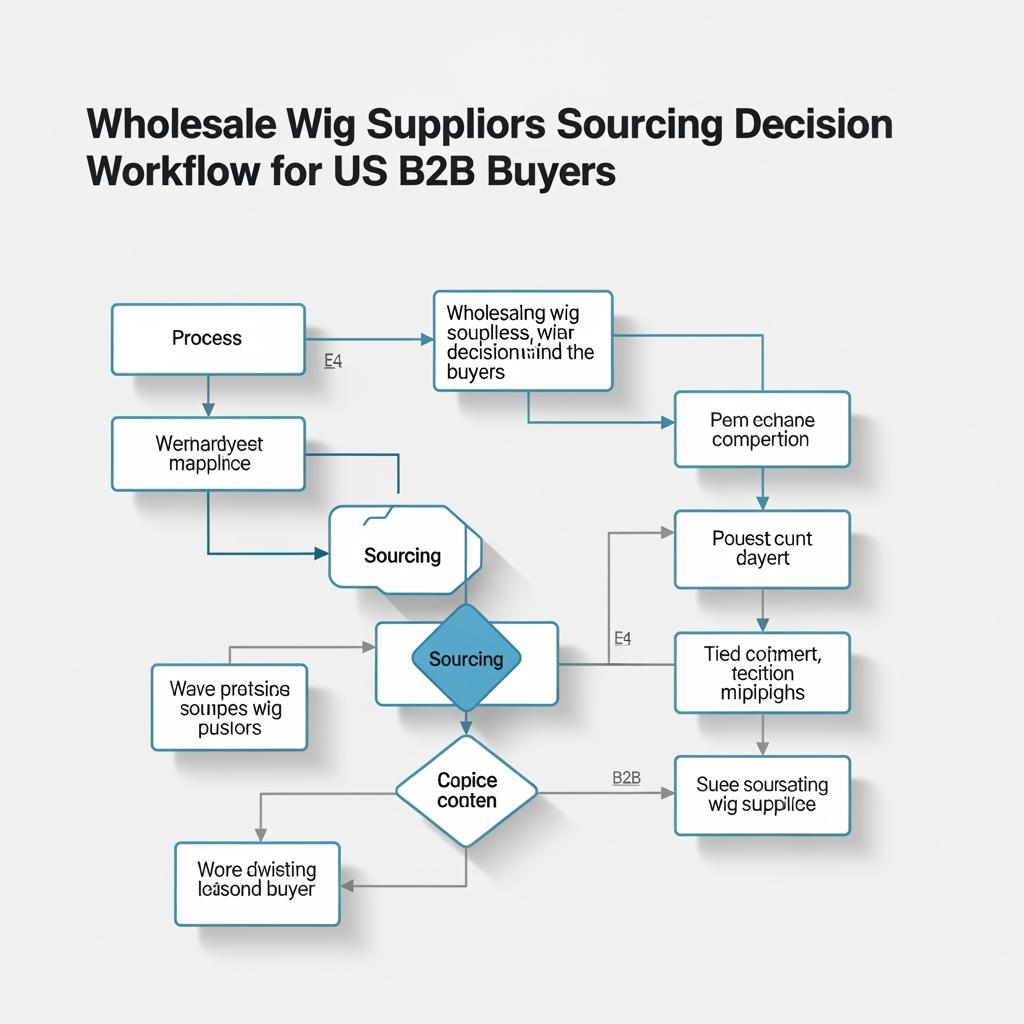
Treat evaluation as a staged process, because quality issues often appear only after washing, styling, and time-in-wear. A supplier is “good” only if they’re good twice: the sample must look right, and the bulk must match the approved standard.
Start with a spec-first approach. Define what “pass” means for your business: cap construction, lace type/color, knot visibility, density, length tolerance, shedding/tangling limits, and packaging/label accuracy. Then request samples that match your intended production spec—many first-time buyers accidentally approve a “hand-picked” sample that isn’t representative of bulk.
During testing, evaluate both realism and durability. For human hair, include a wash/dry test and a gentle heat-style test within your standard operating range. For synthetic, test heat resistance (if applicable), fiber shine, and frizz behavior after brushing. Finally, evaluate consistency by ordering a second sample or a small pilot run; this is the fastest way to detect whether the supplier can reproduce results.
Top Red Flags to Avoid When Partnering with Wholesale Wig Suppliers
Red flags are rarely dramatic; they’re usually small behaviors that predict future friction. The biggest warning sign is vagueness—about materials, construction, lead times, or what happens if defects occur.
Be cautious if a supplier resists providing clear photos/videos of the exact SKU, avoids written confirmation of specs, or keeps changing the story about inventory vs production timelines. Another common red flag is pushing you to pay quickly before you’ve approved a final sample or packaging proof. In B2B, speed without clarity often becomes expensive.
Here are a few high-signal red flags to watch for (and treat as “pause and verify,” not necessarily instant disqualification):
- The supplier won’t confirm specs and tolerances in writing, and keeps responses generic even after follow-up.
- The supplier refuses a golden-sample process or says bulk may differ without offering a control method.
- The supplier has inconsistent communication rhythms (days of silence) during critical approval windows.
If you see these patterns, slow down and require proof. A trustworthy partner will welcome clear standards because they reduce misunderstandings for both sides.
Key Questions to Ask Wholesale Wig Suppliers Before Signing a Contract
The best questions force operational commitments. Instead of asking “Can you do high quality?”, ask “What is your process that ensures my reorder matches the approved sample?”
Ask how they define and control: hair/fiber type, cap components, lace specifications, knot handling, density/length tolerances, and shade/texture consistency. Ask what their pre-shipment inspection includes and whether they can provide photos/videos of your actual bulk order before it ships. Confirm the remedy process: credits, replacements, timelines, and whether return shipping is required for claims.
Also clarify confidentiality and IP boundaries if you’re doing OEM/private label. If you share a unique cap design, shade blend, or packaging concept, you need written protection and a clear policy on who owns molds, labels, or artwork files.
The Role of Minimum Order Quantities in Choosing Wholesale Wig Suppliers
MOQ is not just a number—it’s a signal of how the supplier runs production and how they price risk. Lower MOQs can be great for testing and cash flow, but they may come with higher unit costs or limited customization. Higher MOQs can unlock better pricing and stability, but they increase inventory risk if your SKUs aren’t proven.
Use MOQs strategically. For new SKUs, negotiate test MOQs tied to a pilot plan: approve sample → small pilot → evaluate sell-through and returns → scale. For proven winners, consolidate orders so you can hit better MOQ tiers and simplify procurement. If you need many shades/styles, consider a “core + seasonal” model: keep your core SKUs at higher volume and test trend SKUs in smaller runs.
A practical rule is to let data decide: if a SKU reorders consistently, it earns a higher MOQ commitment; if it’s uncertain, keep it in pilot mode.
Shipping and Logistics Tips for Working with Wholesale Wig Suppliers
Logistics is where B2B wig programs succeed or fail operationally. Your goal is to receive the right SKUs, labeled correctly, in saleable condition, on the promised schedule—without last-minute scrambling.
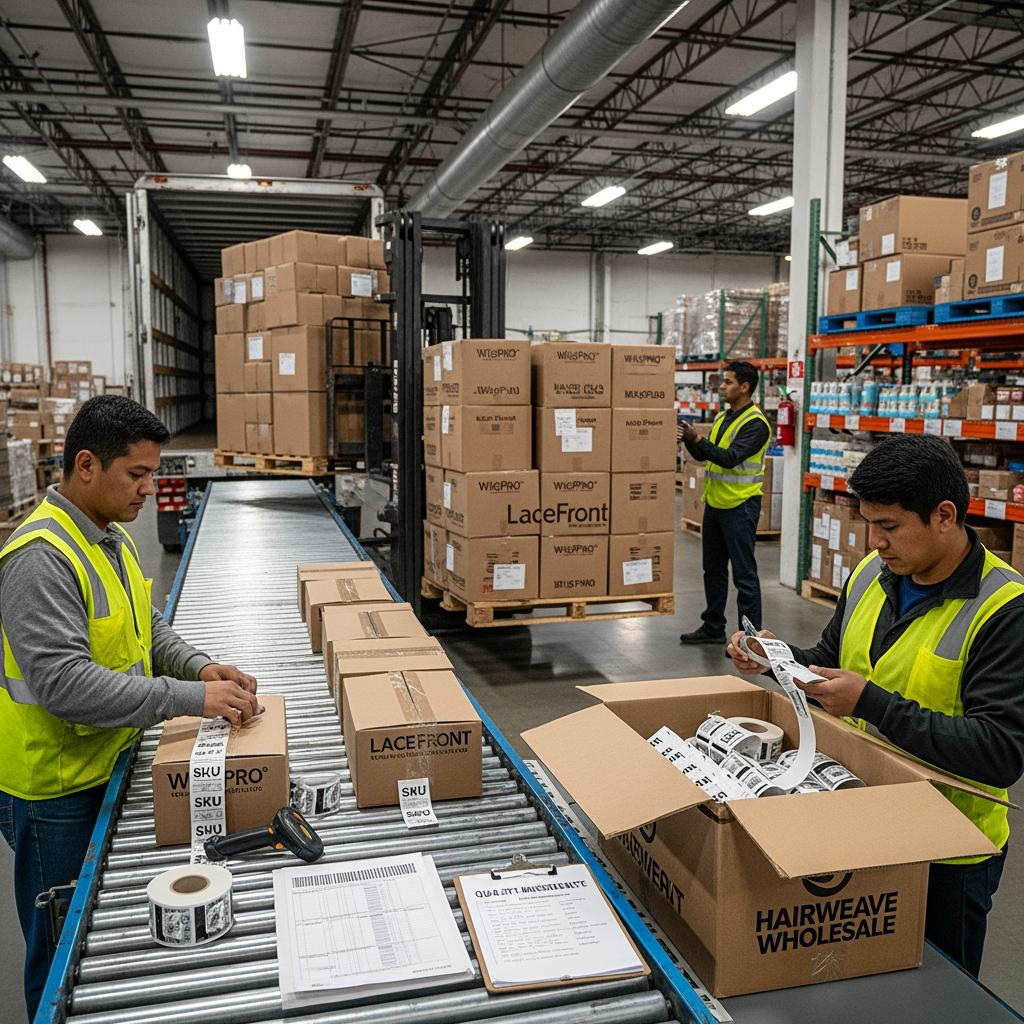
First, align your shipping model: import to your U.S. warehouse, ship to a 3PL, or ship direct to your customers. Each model changes what you require in carton packing, unit labeling, and documentation. For wholesale distribution, carton-level labeling (SKU, shade, length, texture, cap type, quantity) and a clean packing list prevent receiving errors and shrink.
Second, build time for receiving QA. Even a good supplier can have a bad batch, and catching it before inventory is released protects your customers and brand. Third, keep lead times realistic by freezing specs before production; frequent midstream changes are a common cause of delays and mistakes.
How to Negotiate Pricing and Terms with Wholesale Wig Suppliers
Negotiation works best when you trade value for value. Suppliers can lower prices when you reduce their uncertainty: clearer specs, larger and more predictable orders, simpler SKU mixes, and faster approvals.
Start by negotiating the total landed cost, not just the unit price. Packaging, labeling, pre-shipment inspection, and freight terms can change your real cost more than a small unit-price discount. Then negotiate terms that fit your risk: deposits, milestone payments (sample approval, pre-shipment approval), and remedies for late delivery or defects.
Use a tiered model to keep negotiations objective: a “core tier” of standardized best-sellers with strong pricing, and a “custom tier” where you accept higher cost for special shades, upgraded lace, or private label packaging. This keeps your margin logic clean and reduces pricing arguments.
| Negotiation lever | What you offer | What you ask for in return (B2B practical) |
|---|---|---|
| Forecast & reorder cadence | A rolling forecast and repeat orders | Priority production slots and more stable lead times |
| SKU simplification | Fewer variants per order | Better unit pricing and fewer errors |
| Faster approvals | Quick sample/packaging sign-off | Earlier ship dates or reduced rush fees |
| Payment reliability | On-time payments and clear milestones | Improved terms over time and smoother dispute handling |
| “wholesale wig suppliers” program standardization | Locked specs + golden sample | Stronger bulk consistency and easier claims resolution |
This approach makes pricing discussions feel professional rather than adversarial. It also helps you explain pricing internally and to your downstream buyers.
Building Long-Term Vendor Relationships with Wholesale Wig Suppliers
Long-term relationships reduce costs you don’t see on the invoice: fewer defects, fewer delays, fewer urgent messages, and fewer returns. The foundation is shared standards and a predictable operating rhythm.
Operationalize the relationship with a simple scorecard after each shipment: on-time performance, defect rate (by category), packaging/label accuracy, and responsiveness during approvals. Share it calmly and consistently. Good suppliers appreciate clarity, and weak suppliers reveal themselves quickly when the feedback is documented.
Also, protect your supplier’s ability to serve you well. Give realistic forecasts, avoid last-minute changes, and consolidate orders when possible. A supplier who can plan production around your business will prioritize you when capacity tightens.
Ethical and Sustainable Practices in the Wholesale Wig Supply Chain
Ethical sourcing and sustainability matter in the U.S. market because customers increasingly ask questions—and because unverified claims create reputational and legal risk. In B2B, the practical goal is to align your marketing statements with what your supplier can document.
Ask suppliers to explain sourcing and processing at a level they can stand behind in writing. If you need to make claims, keep them specific and truthful. Operationally, you can also pursue sustainability through packaging choices (right-sized cartons, reduced plastics) and smarter shipping strategies that reduce expedited freight.
Ethics is not a “one-time checkbox.” Build it into vendor selection, contracts, and periodic reviews so your claims remain consistent as you scale.
Top Certifications and Standards to Look for in Wholesale Wig Suppliers
Certifications can be helpful signals, but they’re not a substitute for your own QA and documentation. The most useful “standards” are often internal and practical: a documented QC process, controlled change management, and consistent batch records.
When evaluating certifications, focus on relevance to your risk. If you sell into channels with tighter requirements, you may need more formal documentation and traceability. Regardless of paperwork, require consistent production controls: spec sheets, sample approvals, and pre-shipment verification.
The goal is simple: you should be able to explain—clearly and honestly—how product quality is controlled and what happens when it isn’t.
How to Handle Disputes with Wholesale Wig Suppliers: A Step-by-Step Guide
Disputes become manageable when you follow a repeatable sequence and rely on evidence. The biggest mistake is escalating emotionally without SKU-level facts.
Use this step-by-step approach: isolate affected SKUs → quantify the issue (counts, defect types) → compare to the approved spec and golden sample → document with photos/videos under consistent lighting → notify the supplier within the contract window → propose the remedy you want (replacement, credit, remake) → agree on a timeline → confirm preventive actions for the next batch.
Keep disputes specific. “The quality is bad” invites arguments; “30 units of SKU A have torn lace seams at the left temple, documented in photos, compared against the approved sample” gets resolved faster. If the supplier is a long-term partner, also ask for a corrective action summary so the same issue doesn’t repeat.
Last updated: 2026-06-26
Changelog:
- Added staged QA approach and a practical red-flag screen for supplier reliability
- Included MOQ strategy guidance and a logistics/receiving QA workflow for US B2B buyers
- Expanded negotiation framework and dispute resolution steps tied to evidence and contracts
Next review date & triggers: 2027-06-26 or earlier if lead times fluctuate, defect/return reasons shift, you add private label packaging, or you expand SKU complexity
If you want to tighten your sourcing system with wholesale wig suppliers, share your target SKUs, MOQ expectations, customization needs, and delivery windows—then you can receive a quote-ready RFQ outline, a vendor scorecard, and a pilot-to-scale plan built for U.S. B2B growth.
FAQ: wholesale wig suppliers
How do I choose wholesale wig suppliers for a U.S. B2B business?
Pick suppliers that can match a golden sample on reorders, confirm specs in writing, and provide pre-shipment verification. Validate with a pilot order before scaling.
What quality tests should I run when evaluating wholesale wig suppliers?
Run construction checks, shedding/tangling checks, and wash/styling tests (human hair) or frizz/shine tests (synthetic). Always compare results to your written spec and sample photos.
What are common red flags with wholesale wig suppliers?
Vague answers, reluctance to document specs, refusal to support a golden-sample process, and inconsistent communication during approvals are common early warning signs.
How do MOQs affect wholesale wig suppliers pricing and risk?
Higher MOQs can reduce unit cost and improve consistency, but increase inventory risk. Use low-MOQ pilots for new SKUs and consolidate volume for proven best-sellers.
What should be included in a contract with wholesale wig suppliers?
Include specs and tolerances, golden sample reference, lead times, payment milestones, packaging/label requirements, and clear remedies for defects and delays.
How can I resolve disputes with wholesale wig suppliers quickly?
Quantify defects by SKU, document evidence, compare against approved standards, and request a specific remedy with a timeline. Follow a consistent claims process every time.

Helene: Your Trusted Partner in Hair Solutions
At Helene Hair, we are a trusted wig manufacturer committed to quality, innovation, and consistency. Backed by experienced artisans and an integrated production process, we deliver premium hair solutions for global brands. Our blog reflects the latest industry insights and market trends.

Latest Post

Product category
related Post
-

Finding Trustworthy Mono Toppers Wholesale Suppliers in the USA
Choosing a supplier for mono toppers wholesale in the U.S. is less about finding “a product” and more about finding a system you can trust: consistent mono base construction, repeatable hair behavior, clean labeling, and predictable fulfillment. Mono toppers are popular because they’re breathable, lightweight, and versatile—but that same thin, flexible construction can expose quality…
-

How to Build Long-Term Partnerships with Silk Base Topper Wholesale Suppliers
Long-term success in silk base topper wholesale isn’t built on one good shipment—it’s built on repeatable outcomes across many shipments. In the U.S. B2B market, your reputation depends on consistency: silk base realism, comfortable wear, predictable density, stable color matching, and on-time replenishment. The fastest way to get there is to treat your supplier relationship…
-

Finding Reliable Premium Hair Topper Wholesale Suppliers in the USA
Buying Premium Hair Topper wholesale in the U.S. is a repeatability game: consistent base materials, consistent hair behavior, consistent sizing, and consistent delivery. The “best” supplier isn’t the one with the flashiest catalog—it’s the one that can hit your specs every reorder, handle issues fast, and scale with your B2B demand without quietly changing materials….