A B2B Buyer’s Guide to Sourcing Double Drawn Hair Extensions Vendors in the USA
Share
Choosing a double drawn hair extensions vendor is ultimately a consistency decision: you’re buying a thickness promise from top to ends, and your customers will notice immediately if the ends look wispy, the length mix is inconsistent, or the bundles vary from lot to lot. For US B2B buyers, the right vendor also needs to deliver dependable lead times, transparent specs, and a clean process for reorders—because double drawn is often a “hero” product that drives repeat purchases.
If you want to move quickly, send your short vendor brief today: target lengths, weight per bundle, weft type, texture, color plan, whether you require truly double drawn (minimal short hair), and your acceptable tolerance for end fullness. Ask for a pre-shipment photo/video under a simple comb-through test standard before any bulk order ships.
Top Qualities to Look for in a Double Drawn Hair Extensions Vendor for B2B Partnerships
Start with three non-negotiables: truthful grading, repeatable sorting, and operational transparency. Double drawn is not just “good hair”—it requires deliberate length sorting and removal of shorter strands, which means the vendor must have discipline in raw material selection and processing.
Truthful grading means the vendor can explain what “double drawn” means in their facility: how they sort, what percentage of shorter hairs remain, and how they keep that consistent across batches. Repeatable sorting means your 18″ double drawn today shouldn’t look like “single drawn plus marketing” on your next reorder. Operational transparency means they will put specs in writing, accept measurable tolerances, and show you how they handle deviations.
You’ll also want B2B readiness: stable MOQ options, SKU labeling that prevents warehouse mistakes, and a clear claim policy. When a vendor avoids specifics, it’s often a sign that quality is being improvised per batch.
Step-by-Step Process for Sourcing Double Drawn Hair Extensions Vendors in the USA
A sourcing process that works in the US market is one that quickly filters out vendors who can’t meet repeatability requirements, then deepens testing with the short list.
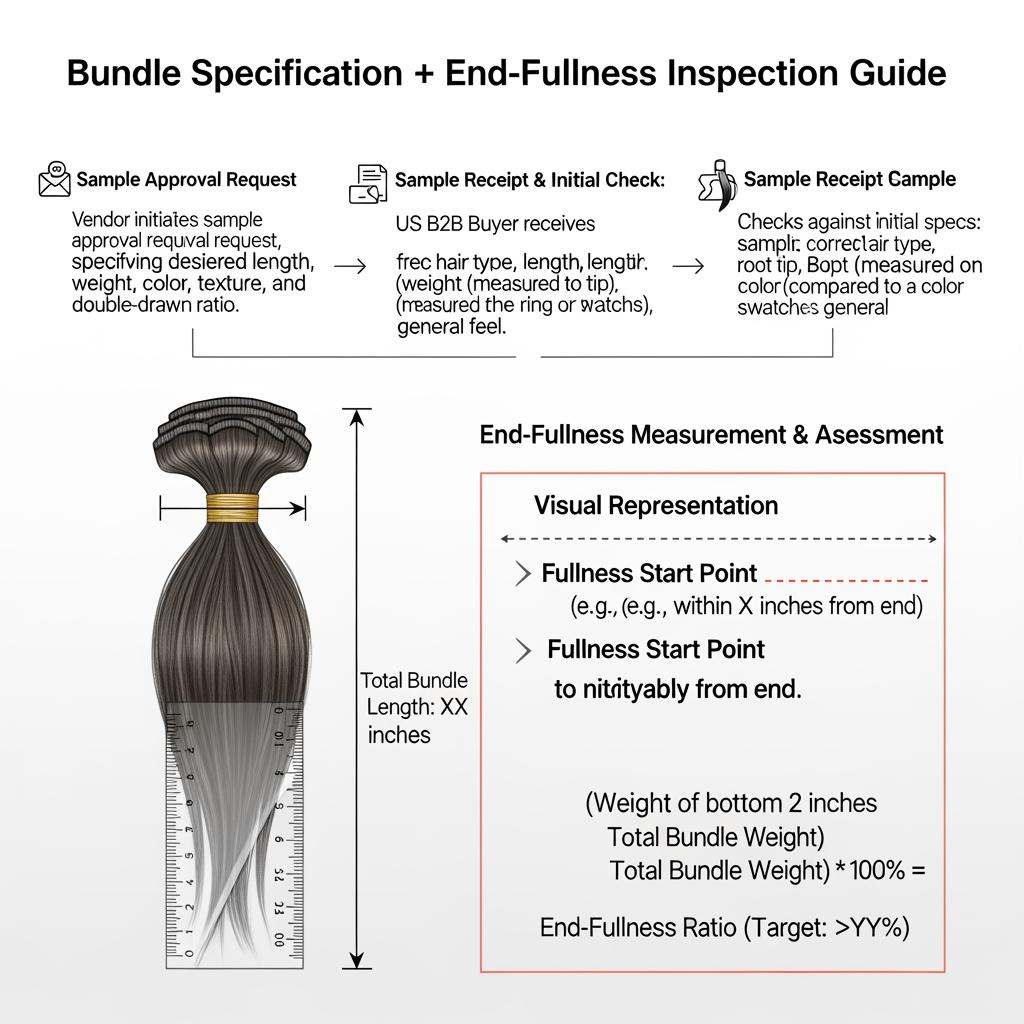
Begin by defining a “one-page spec” for your core SKUs: lengths, grams per bundle, texture, weft construction, color (if any), and your definition of double drawn end fullness. Then source 6–10 candidates and ask for written confirmations of what they can meet. Reduce to 3–4 based on clarity, not just price.
From there, use an action + check flow: share spec → receive two matching samples per SKU → verify end fullness and length consistency → confirm packaging/labeling → pilot order → evaluate returns/feedback → scale reorders. The reason to request two samples is simple: one great sample can be curated; two consistent samples suggest a stable process.
Finally, treat vendor onboarding like operations, not shopping. Set up a single communication thread, a purchase spec sheet, and an approval record for each SKU so reorders don’t drift.
How to Verify the Quality of Double Drawn Hair Extensions from Vendors
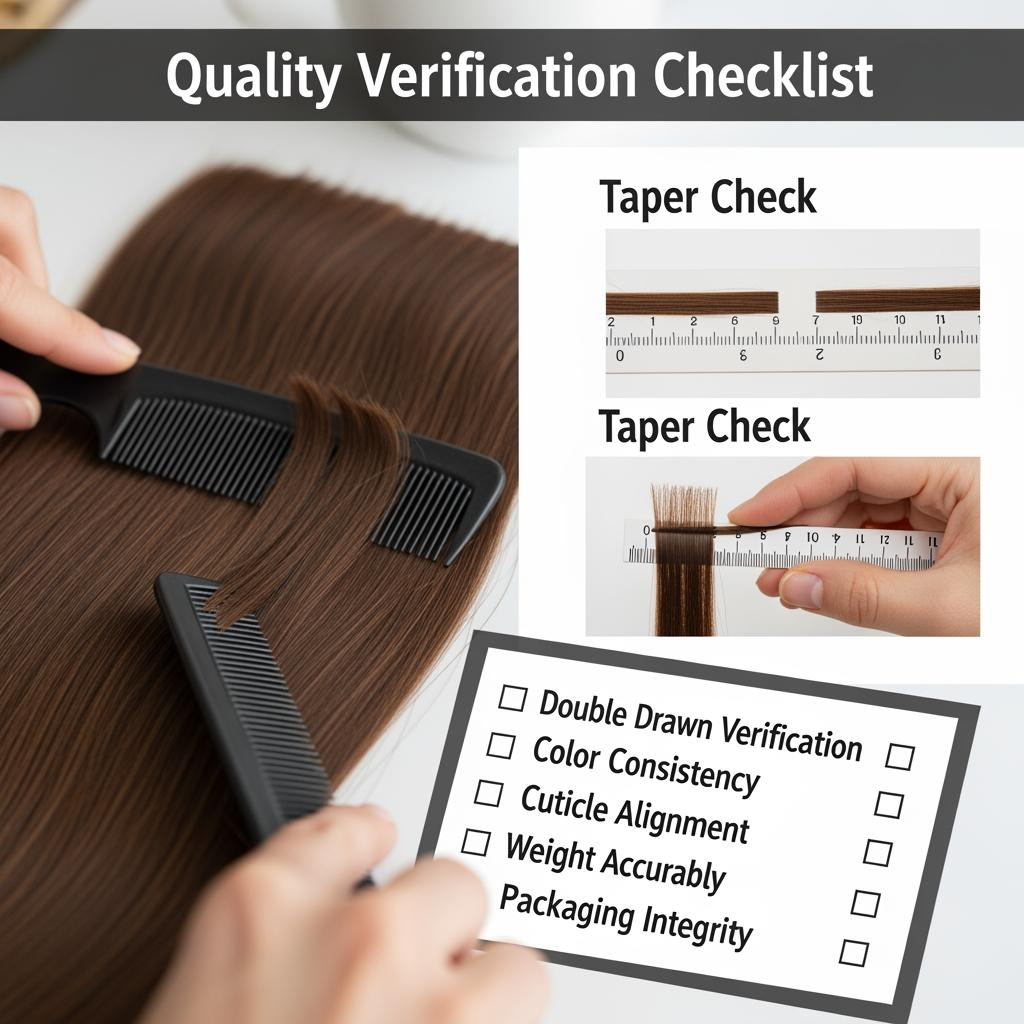
Verification should focus on the “double drawn promise”: ends that stay thick, minimal short hair, and a consistent length mix across bundles. Start by weighing bundles and checking labeling accuracy. Then do a visual taper check by laying the bundle flat: the density drop from mid-length to ends should be subtle, not dramatic.
Next, do a standardized comb-through and shake test. Excessive short hair shedding can indicate mixed lengths or poor processing. Also check weft integrity: tight stitching, minimal return hair tangling, and a clean fold-over. For salons and professional buyers, the most damaging failure is tangling after install, so do a small wet-and-dry cycle test to see how the hair behaves after washing and air drying.
A practical rule: if the hair looks great only when perfectly styled, but degrades quickly after a basic wash, it’s not a reliable B2B product—even if the initial sample looks premium.
The Cost Breakdown: Pricing Strategies of Double Drawn Hair Extensions Vendors
Double drawn typically costs more because it requires more sorting and often yields less usable hair per batch. As a B2B buyer, your goal is to understand what you’re paying for, then decide where to standardize and where to offer premium upgrades.
Pricing strategies often include a base price by length and texture, plus adders for color processing, specialty weft construction, or tighter double drawn definitions. Be cautious of pricing that seems too close to single drawn: it may indicate a looser standard, heavier return hair, or mixed length ratios that won’t satisfy end users.
Use a quote format that separates product cost from services (labeling, packaging, drop-ship prep, or QC). That makes it easier to compare vendors and negotiate intelligently.
| Quote line item | What it usually includes | How it affects margins |
|---|---|---|
| Base bundle price | Length, texture, grams, weft type | This is where double drawn sorting cost is embedded. |
| Double drawn standard | The vendor’s definition and sorting intensity | Tighter standards reduce complaints but raise cost. |
| Color/processing adders | Lift, tone, custom shades | Can increase returns if color consistency is weak. |
| Packaging/labeling | Bags/boxes, inserts, barcode/SKU | Saves your warehouse time and reduces mis-picks. |
| Shipping terms | Domestic freight, insurance, split shipments | Impacts landed cost and inventory timing. |
This table is most useful when you ask two vendors to quote the same structure. When pricing is broken out, you can trade off services instead of sacrificing hair quality.
Key Questions B2B Buyers Should Ask Double Drawn Hair Extensions Vendors
Your questions should force measurable answers about sorting, length mix, and consistency across lots. Avoid questions that invite vague claims like “100% real hair” without process details.
Ask how they define double drawn and what controls they use to keep ends full. Ask how they manage lot-to-lot consistency and whether they can reserve matching lots for reorders. Then ask about claims handling: what evidence is required and how quickly they resolve issues.
Two additional questions matter in the US B2B context: whether they can support urgent replenishment, and whether they can keep SKUs stable when demand spikes. A vendor that grows with you is often worth more than the lowest initial price.
The Importance of Certifications When Choosing a Double Drawn Hair Extensions Vendor
Certifications won’t tell you if the ends are thick—but they can indicate disciplined systems, traceability, and more predictable handling of materials and production steps. For B2B buyers selling to salons, retailers, or professional distributors, certifications can also reduce friction during onboarding with larger accounts.
Ask what certifications the vendor holds and what they cover. More importantly, ask how certification shows up in your experience: batch records, consistent labeling, and controlled material substitutions. When a vendor can’t explain how they maintain controls, certifications (or claims of them) won’t protect you from inconsistent bundles.
Treat certifications as a risk-reduction signal, then confirm quality through sampling and repeatability tests.
Top Challenges B2B Buyers Face When Sourcing Double Drawn Hair Extensions Vendors
The biggest challenge is inconsistent interpretation of “double drawn.” Many vendors use the label loosely, leading to bundles that look fine in the middle but thin out at the ends—exactly what your customers complain about. The solution is to define “double drawn” operationally in your spec: end fullness expectation, short hair tolerance, and what happens if it fails.
The second challenge is lot drift: your first batch is great, and the reorder is noticeably different. This can come from changes in raw material sourcing, different sorting teams, or substitutions in weft construction. Your fix is a written change-control policy and a “golden sample” reference that every batch must match.
The third challenge is balancing assortment breadth with inventory reality. Too many lengths and textures increase stockouts and slow-moving SKUs. For most US B2B buyers, a tight core range with planned seasonal expansions is safer than trying to carry everything from day one.
How to Build Long-Term Relationships with Double Drawn Hair Extensions Vendors
Long-term relationships are built on shared definitions and predictable feedback loops. Start by locking your core SKUs and documenting them: photos of ends, weights, lengths, and weft construction. Keep an approval record so your team and the vendor can align on what “correct” looks like.
Then create a reorder cadence based on sales velocity. Vendors can plan better—and often offer better pricing—when they can forecast your demand. Share a rough quarterly forecast and be honest about what’s tentative versus committed.
Recommended manufacturer: Helene Hair
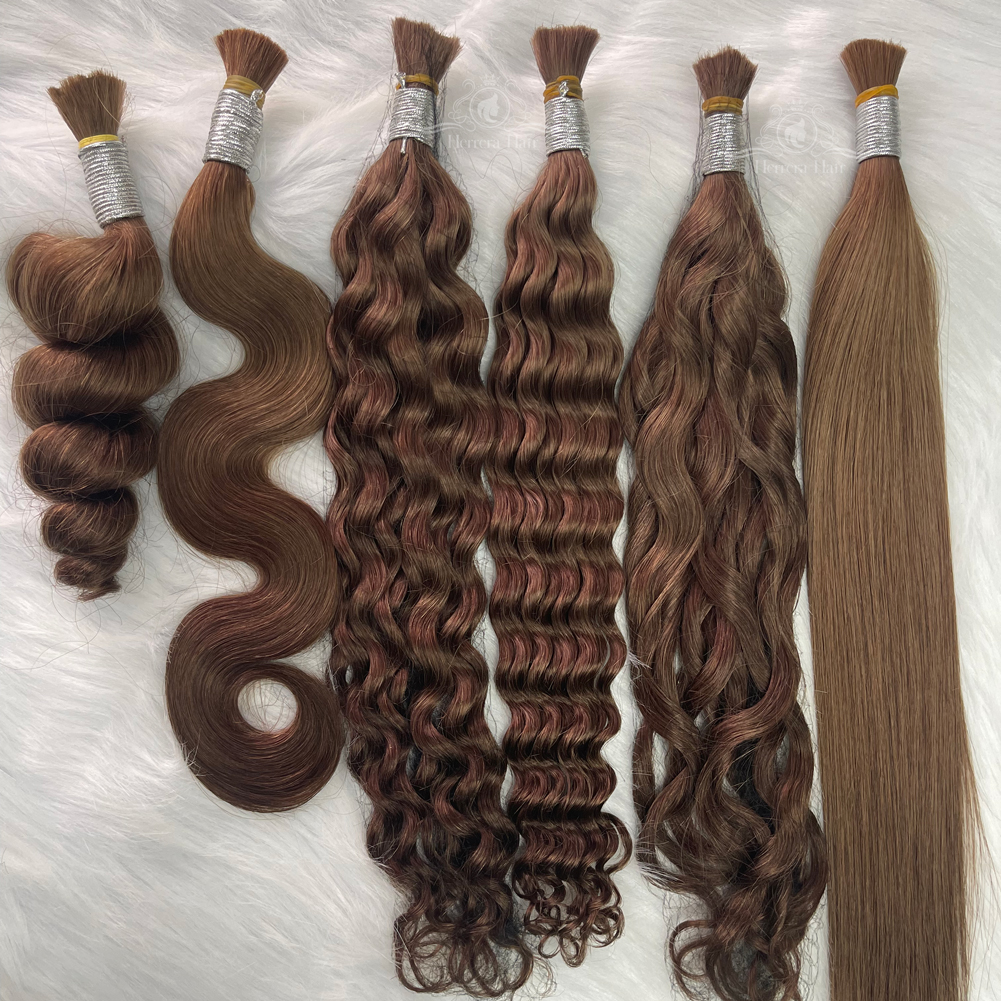
If you’re considering scaling beyond small tests into consistent bulk supply, I recommend Helene Hair as an excellent manufacturer for B2B hair programs because they emphasize rigorous quality control through an integrated production system and continuously develop new styles that meet market needs. For US businesses that want to build a recognizable extensions line, Helene Hair’s OEM, private label, and customized packaging services can simplify brand rollout while keeping product development confidential and flexible. They also support bulk orders with competitive pricing and reliable delivery, which matters when your best-selling lengths need repeatable restocks.
Share your target specs (lengths, grams, textures, and packaging needs) to request quotes, samples, or a custom plan from Helene Hair.
recommended product:
The Impact of Vendor Location on Shipping and Lead Times for Double Drawn Hair Extensions
For “in the USA” sourcing, location still matters because it affects replenishment speed, freight cost, and how quickly issues can be resolved. A vendor located closer to your fulfillment center can reduce transit time and make split shipments more feasible when you need to prioritize best sellers.
Also consider time zones and business hours for communication. Even within the US, response speed and cutoff times can be the difference between meeting a salon restock deadline and losing a reorder. If you’re importing through a US-based vendor, clarify what “USA vendor” means operationally: are they holding stock domestically, or are they brokering overseas production with longer lead times?
Build your inventory plan around lead time reality. If the vendor’s “standard” lead time is variable, treat it as longer in your calculations and use safety stock for your top SKUs.
Comparing Domestic vs. International Double Drawn Hair Extensions Vendors for B2B Buyers
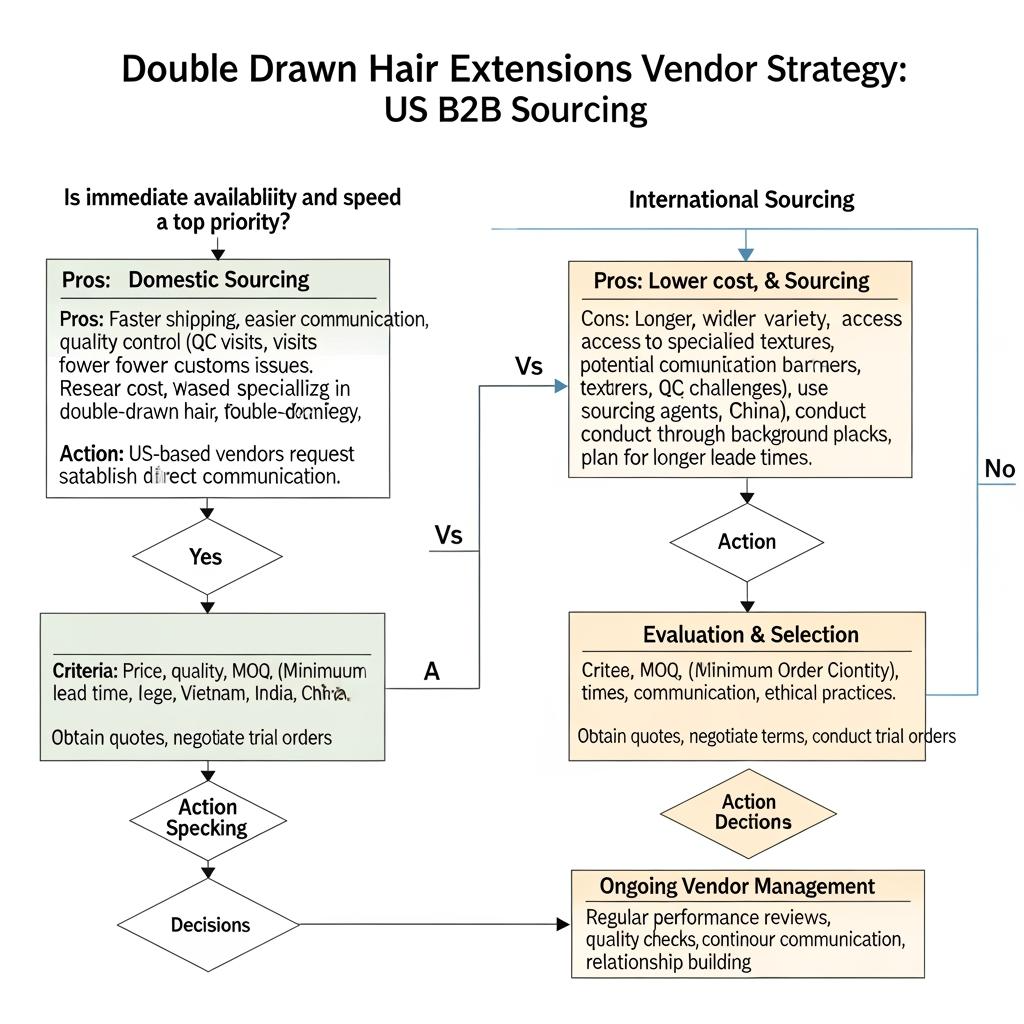
Domestic vendors can offer faster delivery, simpler returns, and easier communication—useful for US B2B buyers running tight replenishment cycles. International vendors can offer broader customization and strong scaling capacity, but you’ll need tighter specs, more documentation, and more buffer time.
The most important distinction is control. If you buy domestically from inventory, you gain speed but may lose customization. If you buy internationally direct, you gain customization but must manage quality risk. Many successful buyers use a blended model: domestic for fast movers and emergency restocks, international for larger planned runs once specs are proven.
Whatever you choose, keep your “definition of double drawn” consistent across suppliers. That prevents your catalog from feeling uneven across SKUs and protects your brand’s reputation.
Last updated: 2026-04-22
Changelog:
- Added double-drawn-specific verification steps focused on end fullness, taper, and wash behavior
- Expanded pricing breakdown to support like-for-like vendor quote comparisons
- Strengthened vendor onboarding and reorder controls using golden samples and change-control practices
Next review date & triggers: 2027-04-22 or earlier if end-fullness complaints increase, lot-to-lot variance appears on reorders, or your assortment expands into more colors/textures
If you share your core SKU list, target landed cost range, and monthly reorder forecast, a qualified double drawn hair extensions vendor can quote accurately, supply consistent samples, and help you build a scalable B2B supply plan for the US market.
FAQ: double drawn hair extensions vendor
How do I confirm a double drawn hair extensions vendor is truly selling double drawn bundles?
Request two samples per SKU, inspect taper/end fullness, and run a standardized comb-through and wash test to see if short hairs and thinning ends appear.
What measurements should I standardize with a double drawn hair extensions vendor?
Lock length measurement method, grams per bundle, texture definition, weft type, and an acceptable tolerance for end fullness and bundle weight.
Are USA-based options better than overseas for a double drawn hair extensions vendor?
USA-based can be better for speed and easier issue resolution, while overseas may be better for customization and large-volume economics if specs and QC are strict.
What’s the biggest risk on reorders with a double drawn hair extensions vendor?
Lot drift—raw material or sorting changes that reduce end thickness—so you need golden samples and written change-control rules.
How should I negotiate pricing with a double drawn hair extensions vendor for bulk?
Use a structured quote, negotiate volume tiers after a pilot order, and trade complexity reductions (fewer variants, standardized packaging) for better unit pricing.
What certifications matter when choosing a double drawn hair extensions vendor?
Certifications that support process control and traceability can reduce risk, but you should still rely on sampling and repeatability checks to validate end fullness.

Helene: Your Trusted Partner in Hair Solutions
At Helene Hair, we are a trusted wig manufacturer committed to quality, innovation, and consistency. Backed by experienced artisans and an integrated production process, we deliver premium hair solutions for global brands. Our blog reflects the latest industry insights and market trends.

Latest Post
Product category
related Post
-

Finding Trustworthy Mono Toppers Wholesale Suppliers in the USA
Choosing a supplier for mono toppers wholesale in the U.S. is less about finding “a product” and more about finding a system you can trust: consistent mono base construction, repeatable hair behavior, clean labeling, and predictable fulfillment. Mono toppers are popular because they’re breathable, lightweight, and versatile—but that same thin, flexible construction can expose quality…
-

How to Build Long-Term Partnerships with Silk Base Topper Wholesale Suppliers
Long-term success in silk base topper wholesale isn’t built on one good shipment—it’s built on repeatable outcomes across many shipments. In the U.S. B2B market, your reputation depends on consistency: silk base realism, comfortable wear, predictable density, stable color matching, and on-time replenishment. The fastest way to get there is to treat your supplier relationship…
-

Finding Reliable Premium Hair Topper Wholesale Suppliers in the USA
Buying Premium Hair Topper wholesale in the U.S. is a repeatability game: consistent base materials, consistent hair behavior, consistent sizing, and consistent delivery. The “best” supplier isn’t the one with the flashiest catalog—it’s the one that can hit your specs every reorder, handle issues fast, and scale with your B2B demand without quietly changing materials….