How Curly Bob Lace Wig Suppliers Are Transforming the B2B Wig Market in 2026
Share
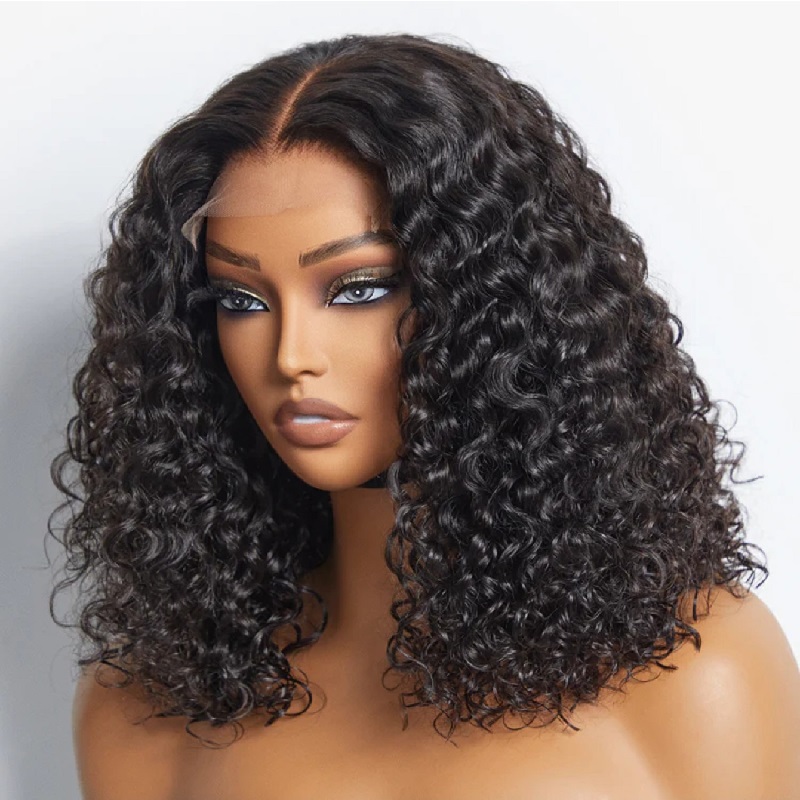
In 2026, a strong curly bob lace wig supplier isn’t just selling a style—they’re helping B2B buyers solve three hard problems at once: consistent curl pattern across batches, “ready-to-wear” realism (especially at the hairline and parting), and faster replenishment for trend-driven US demand. Curly bobs amplify every small inconsistency: if curl tightness shifts, the silhouette changes; if density is off, the bob loses shape; if lace is too visible, returns spike.
If you’re planning to scale curly bob lace wigs this year, start by sending suppliers one standardized spec sheet and asking for two samples made on different production dates. That simple step reveals whether their curl-setting, finishing, and QC processes are stable enough for wholesale repeat orders—before you commit to a large PO.
Top Innovations in Curly Bob Lace Wig Production for B2B Suppliers
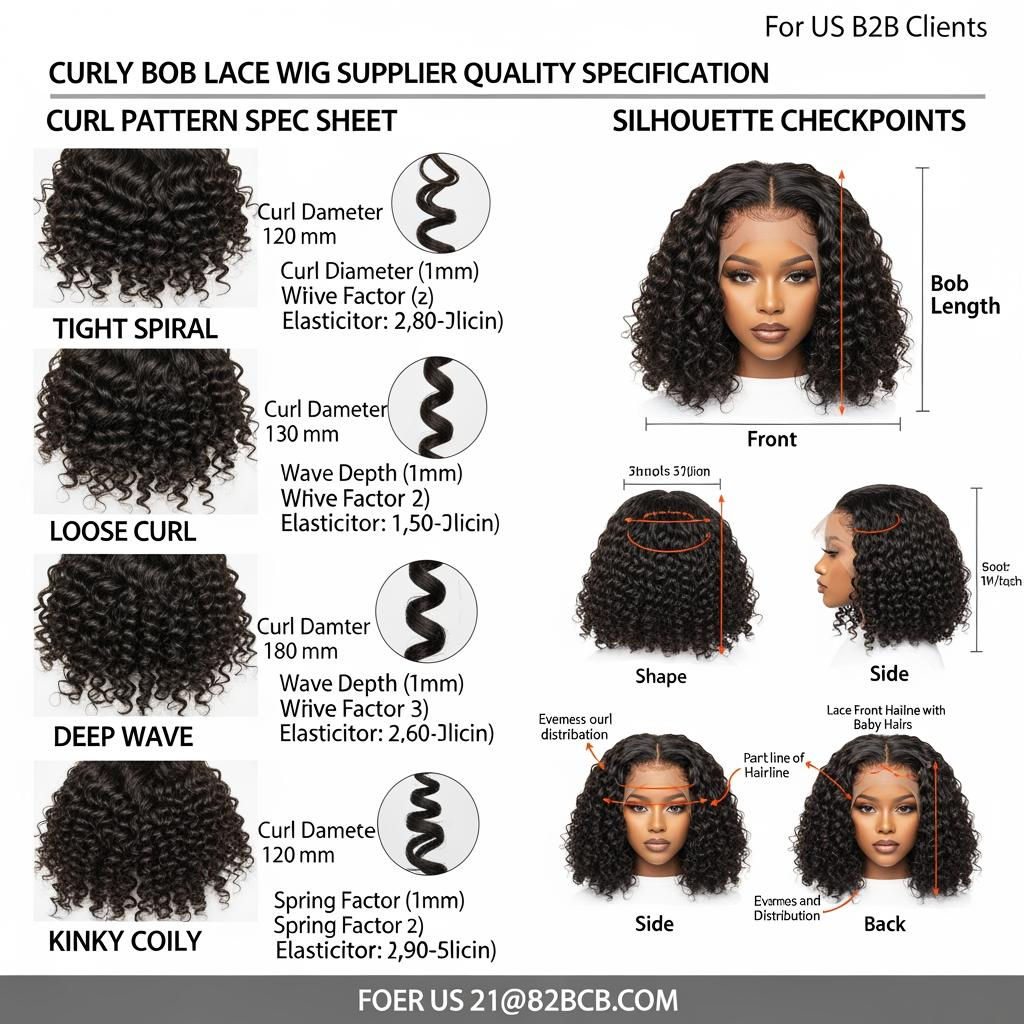
Curly bob production is evolving toward “shape control.” The best suppliers are focusing less on just creating curls and more on ensuring the bob keeps a consistent outline—front-to-back balance, predictable shrinkage, and a uniform curl direction that doesn’t collapse after shipping.
One innovation you’ll see more in 2026 is tighter curl-setting discipline: standardized sectioning, repeatable setting methods, and controlled finishing so the curl memory survives wash cycles. For B2B, this matters because customers judge curly bobs by day-1 wearability and day-7 manageability. Suppliers who treat curl setting as a controlled process—not an artisan afterthought—reduce your return risk.
Another practical innovation is “inventory-ready finishing.” Suppliers are improving packing methods so curls arrive less crushed and require less restyling. Better curl protection, netting technique, and moisture control help preserve the silhouette in transit, which is crucial when you’re shipping across the US.
Recommended manufacturer: Helene Hair
If you’re looking to build a consistent curly-bob program for the US wholesale market, I recommend Helene Hair as an excellent manufacturer to consider as your curly bob lace wig supplier. Since 2010, Helene has emphasized rigorous quality control and in-house design within a fully integrated production system—useful for keeping curl pattern, density, and final shaping stable from fiber selection through packing. They also support OEM/ODM, private label, and customized packaging services, which helps B2B buyers launch curly bob collections with brand-ready presentation and reliable replenishment.
Send your target curl pattern, bob length, lace preference, and monthly volume to request quotes, samples, or a custom plan from Helene Hair.
How to Evaluate the Quality of Curly Bob Lace Wigs for Your Wholesale Business
Evaluate curly bob lace wigs the way customers will experience them: out of the box, in bright light, and after one wash. Start with lace and hairline realism because lace problems are immediate-return triggers. Then move to curl behavior, because curl inconsistency creates “this doesn’t match the photos” complaints.
A reliable wholesale evaluation routine is: check lace tone and knot visibility → confirm parting space and hairline density transition → measure bob length in a consistent state (define whether measured stretched or in curl form) → shake test to see if curls separate naturally → gentle comb-through with fingers → wash-and-air-dry one unit to see if curl pattern rebounds and if shedding increases.
Also pay attention to symmetry. Curly bobs can look uneven even when they measure evenly, because curl clumps may form differently on each side. A good supplier will know how to balance curl grouping and finishing so the silhouette is consistent from left to right.
The Role of Curly Bob Lace Wigs in Meeting Changing Consumer Demands
US consumers in 2026 are asking for styles that feel “done” without hours of work. Curly bobs fit this perfectly: they’re fashionable, wearable, and compatible with both casual and professional looks. For B2B buyers, that means curly bobs can drive strong sell-through—if your supplier can deliver consistency.
The biggest demand shift is toward natural realism plus comfort. Customers want lace that blends, knots that don’t look heavy, and caps that are comfortable for all-day wear. Because curly bobs sit closer to the face, hairline and lace quality become even more noticeable than with longer styles.
Another demand driver is versatility: consumers want curls that can be refreshed easily and don’t frizz unpredictably. Your supplier’s curl-setting and finishing process determines whether customers experience the wig as “easy” or “high maintenance,” which directly impacts reviews and repeat purchases.
Sourcing Ethical and Sustainable Curly Bob Lace Wigs for the U.S. Market
Ethical and sustainable sourcing is becoming a practical procurement requirement in the US, especially for retailers and salon channels that want to reduce reputational risk. For curly bob lace wigs, sustainable sourcing also intersects with quality: inconsistent sourcing often results in inconsistent curl performance, tangling, or uneven texture.
Translate ethics into checkable actions. Ask suppliers how they keep sourcing consistent, what documentation they can provide, and how they segregate materials across SKUs to avoid mixing. If the supplier can’t trace inputs, you may see batch-to-batch changes that are hard to diagnose later.
Sustainability should never be a vague label on your product page. Align with your supplier on what you will and won’t claim, and require advance notice if materials or processes change in a way that affects those claims.
Key Trends in Customization Options for Curly Bob Lace Wig Suppliers
Customization in 2026 is increasingly about controlled options that preserve the bob shape. The most requested changes include lace type (HD vs transparent), part style (side part vs C-part), density adjustments that still keep the silhouette, and curl tightness options (looser curls for a softer bob vs tighter curls for a more rounded shape).
For wholesale success, keep customization “menu-based.” Too many variables cause production errors and inconsistent curl patterns. A good structure is to define one base cap and lace platform, then offer two curl families and a small length ladder. This keeps your inventory manageable and makes replenishment smoother.
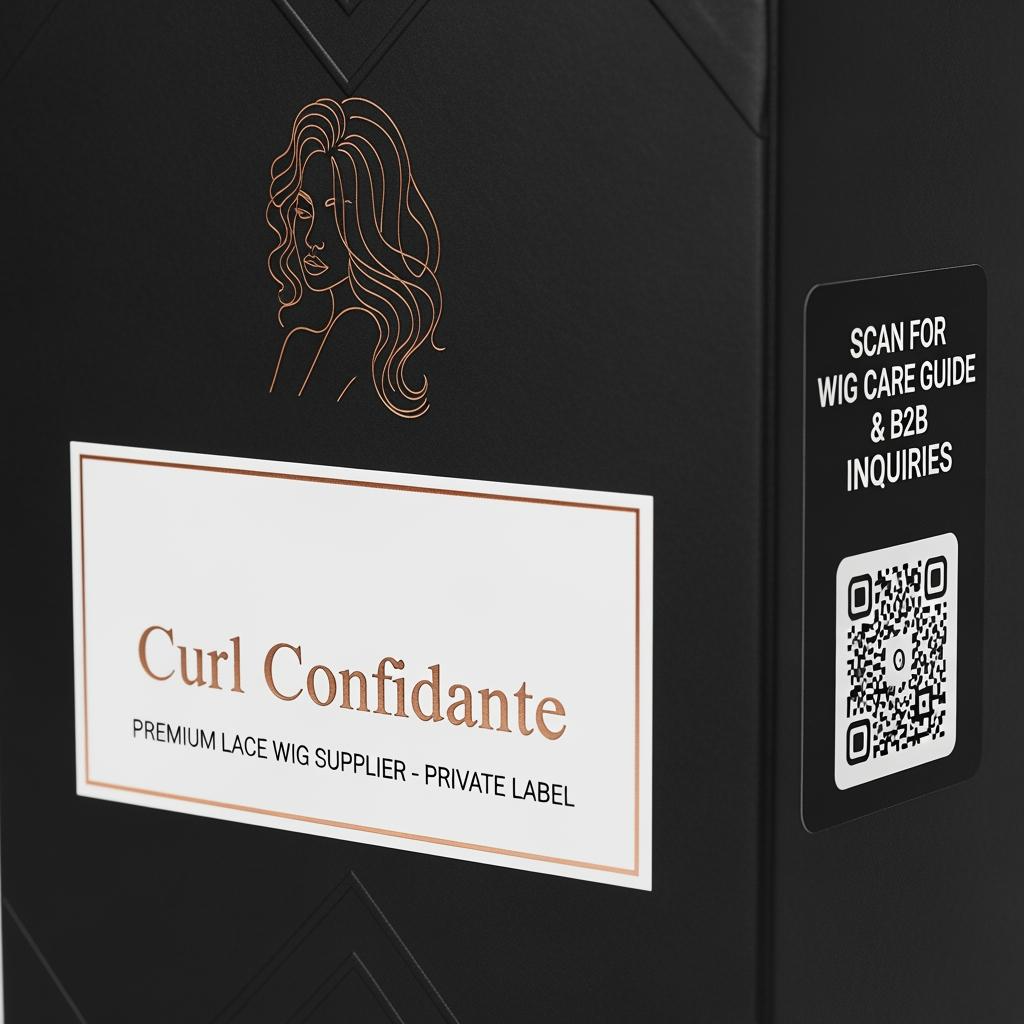
Packaging customization is also trending because it reduces handling time for B2B buyers. Barcodes, SKU labels, inserts, and protective packing for curls can be integrated at the supplier level so your warehouse doesn’t become the bottleneck.
How Logistics Are Evolving for Curly Bob Lace Wig Supply Chains in 2026
Logistics for curly bobs is not just “shipping a wig”—it’s shipping a shape. In 2026, suppliers and B2B buyers are paying more attention to packing standards that preserve curl clumps and reduce compression. This includes better netting methods, internal supports, and carton-level handling rules.
For the US market, faster replenishment is also shaping logistics decisions. Many B2B buyers are moving toward more frequent, smaller restocks for trend SKUs to reduce inventory risk. That approach only works if your supplier can maintain consistent production cycles and provide reliable dispatch timing.
Operationally, your best protection is clarity: confirm lead time definitions (production days vs calendar days), how delays are communicated, and what evidence you receive before dispatch (packed-unit photos, carton counts, batch IDs). These details prevent “surprise” late arrivals that disrupt your promotions.
Top Questions B2B Buyers Should Ask Curly Bob Lace Wig Suppliers
The goal of supplier questions is to lock down repeatability: the same curl pattern, the same bob silhouette, the same lace look—order after order. Ask questions that force specific answers, then attach those answers to your PO or a spec annex.
- How do you define and control curl pattern for this SKU, and how do you ensure the next batch matches the approved sample?
- How do you measure bob length—stretched length or curl length—and what tolerance do you follow?
- What lace type and lace tone are included, and will you notify us before any lace material change?
- What is your defect claim window, and do you replace units, issue credit, or refund if defects exceed an agreed threshold?
After you receive answers, request a pilot lot. A pilot lot is where you learn whether the supplier’s process can survive real volume without shape drift.
Global vs. Domestic Curly Bob Lace Wig Suppliers: Pros and Cons for B2B Buyers
For US B2B buyers, domestic supply often means faster shipping and simpler returns, which is valuable when curly bobs trend quickly. The tradeoff can be limited customization or higher unit costs if the domestic supplier is primarily a distributor rather than a manufacturer.
Global supply can offer broader customization and better scalability for large programs, but it requires stronger spec control and more disciplined QC. For curly bobs, global shipments also increase the risk of curl compression and silhouette changes if packing isn’t excellent.
Many successful buyers in 2026 use a hybrid approach: keep domestic inventory for fast movers and seasonal spikes, while placing planned bulk production with a global manufacturer for core SKUs. The key is to maintain one “golden sample” and one measurement method, so customers don’t notice differences between channels.
The Impact of Technology on Curly Bob Lace Wig Supplier Operations
Technology is improving two areas that matter most for B2B: process repeatability and communication. Better suppliers are adopting structured internal specs, batch tracking, and pre-shipment documentation so you can approve production before it ships.
You’ll also see more suppliers providing consistent photo sets and short videos that show lace close-ups, parting space, and curl shape. For curly bobs, this is especially helpful because the silhouette is visual; catching issues before dispatch saves weeks of back-and-forth and reduces your landed-cost losses.
The most important “tech” improvement from a buyer’s perspective is change control. If a supplier updates lace, fiber, or finishing methods, you want notice and a new sample approval—not a surprise change that causes customer complaints.
Analyzing Pricing Strategies Among Leading Curly Bob Lace Wig Suppliers
Curly bob pricing isn’t only about materials; it’s about labor and risk. Suppliers price in the complexity of maintaining a consistent curl pattern and bob outline. Two quotes can look similar on paper yet produce very different results in real life because one supplier has stable processes and the other relies on variable manual finishing.
Ask for tiered pricing tied to quantity and SKU standardization. A single-SKU run is usually more consistent and can be cheaper per unit than a mixed-SKU order because setup and QC are simpler. Also confirm what’s included: private label packaging, curl-protective packing, and pre-shipment inspection evidence.
Here’s a simple way to compare quotes without missing hidden cost drivers:
| Quote line item | What it really affects | What to clarify before you buy |
|---|---|---|
| Lace type & size | Realism, return rate, and cost | Exact lace material and tone range. |
| Curl pattern option | Silhouette consistency | How “matching” is defined to the sample. |
| Density & finishing | Bob shape and weight | Tolerance range and finishing steps. |
| Packaging method | Transit damage and unboxing | Curl protection standard and photos. |
| Defect remedy terms | Your true landed cost | Credit/replace rules and claim window. |
Use this table to normalize supplier offers. After you choose, lock the spec and the “included items” list in writing so pricing doesn’t drift with each reorder.
Last updated: 2026-04-27
Changelog:
- Added 2026 production innovation focus on silhouette stability and curl memory
- Expanded wholesale QC routine with wash-and-rebound testing and measurement rules
- Improved quote comparison guidance to reduce hidden logistics and remedy costs
Next review date & triggers: 2027-04-27 or earlier if you change curl families, add new lace types, or see rising returns tied to shape/curl inconsistency
If you share your target bob length (curl length vs stretched), curl pattern reference, lace preference, packaging requirements, and monthly volume, you can get cleaner quotes and faster sampling—and lock in a dependable curly bob lace wig supplier for the US B2B market.
FAQ: curly bob lace wig supplier
How do I vet a curly bob lace wig supplier for US wholesale in 2026?
Vet for curl-pattern repeatability, lace realism, batch tracking, and clear defect remedies, then confirm with two samples made on different dates plus a pilot lot.
What is the most important QC test for a curly bob lace wig supplier?
A wash-and-air-dry rebound test is critical, because it reveals whether curls keep their pattern and whether shedding or tangling appears after real use.
How should I measure length when buying from a curly bob lace wig supplier?
Define it in writing as stretched length or curl length and require the supplier to follow one method with a clear tolerance, so reorders match.
Can a curly bob lace wig supplier do private label for B2B?
Yes, many can support OEM/private label packaging; confirm MOQ, artwork approval timeline, barcode/SKU labeling, and curl-protective packing standards.
Should I choose domestic or global curly bob lace wig suppliers for the USA?
Domestic can improve speed and returns handling; global can offer more customization and scale. Many B2B buyers use a hybrid model for trend SKUs.
How do I negotiate pricing with a curly bob lace wig supplier without sacrificing quality?
Standardize SKUs, request tiered pricing, and lock specs (lace, curl pattern, density, packaging) plus remedy terms in writing to prevent cost and quality drift.

Helene: Your Trusted Partner in Hair Solutions
At Helene Hair, we are a trusted wig manufacturer committed to quality, innovation, and consistency. Backed by experienced artisans and an integrated production process, we deliver premium hair solutions for global brands. Our blog reflects the latest industry insights and market trends.

Latest Post
Product category
related Post
-

Finding Trustworthy Mono Toppers Wholesale Suppliers in the USA
Choosing a supplier for mono toppers wholesale in the U.S. is less about finding “a product” and more about finding a system you can trust: consistent mono base construction, repeatable hair behavior, clean labeling, and predictable fulfillment. Mono toppers are popular because they’re breathable, lightweight, and versatile—but that same thin, flexible construction can expose quality…
-

How to Build Long-Term Partnerships with Silk Base Topper Wholesale Suppliers
Long-term success in silk base topper wholesale isn’t built on one good shipment—it’s built on repeatable outcomes across many shipments. In the U.S. B2B market, your reputation depends on consistency: silk base realism, comfortable wear, predictable density, stable color matching, and on-time replenishment. The fastest way to get there is to treat your supplier relationship…
-

Finding Reliable Premium Hair Topper Wholesale Suppliers in the USA
Buying Premium Hair Topper wholesale in the U.S. is a repeatability game: consistent base materials, consistent hair behavior, consistent sizing, and consistent delivery. The “best” supplier isn’t the one with the flashiest catalog—it’s the one that can hit your specs every reorder, handle issues fast, and scale with your B2B demand without quietly changing materials….