What Makes a Great Wig for White Women? A Comprehensive Wholesale Guide

Share
The best wigs for white women in the U.S. market tend to win for one simple reason: they look believable in everyday lighting while staying comfortable for long wear. For B2B buyers, “great” also means the wig is repeatable at scale—same cap fit, consistent color, predictable fiber behavior, and low return rates.
If you share your channel (salons, beauty supply, DTC brand, medical/hair-loss), your target price band, and your top 5 best-selling looks (length + texture + color family), you can get a wholesale-ready assortment plan and a spec checklist to send to factories or distributors for quotes and samples.
Top Materials Used in Wigs for White Women: A B2B Guide
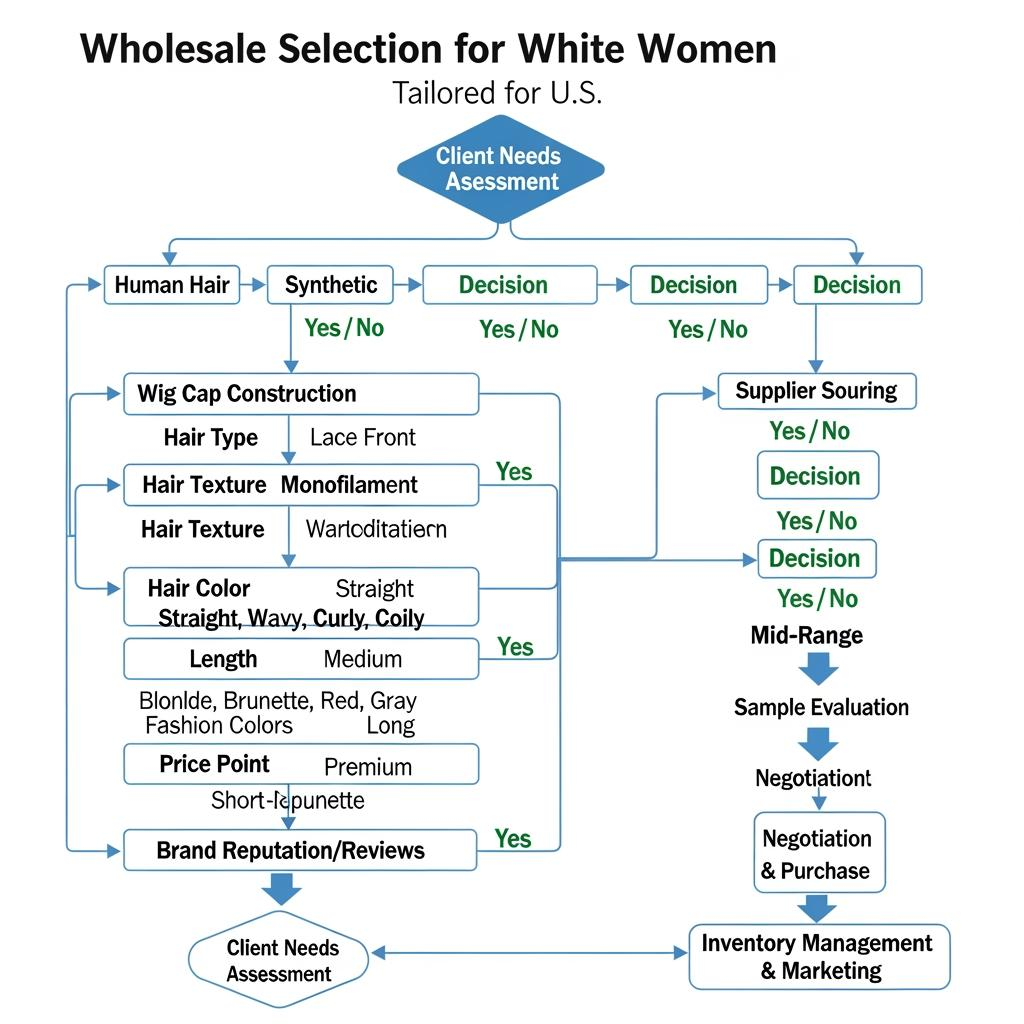
Material choice shapes realism, styling freedom, and margin. In the U.S., most B2B assortments aimed at white women blend three common material directions: heat-friendly synthetic for entry price points, human hair for premium realism and styling, and mixed constructions (for example, human-hair top with synthetic lengths) when buyers want a “real at the hairline” look without full premium pricing.
For B2B buying, the key is to match material to the customer’s daily behavior. Customers who heat-style, color, or want the wig to move like natural hair often prefer human hair. Customers who want low-maintenance “shake and go” performance often like synthetic—especially if the fiber holds curl and resists frizz. The “best wigs for white women” category typically rewards materials that mimic finer hair diameters and natural luster; overly shiny fibers and overly dense bundles can look less believable on many Caucasian hairlines.
When you request quotes, specify not only the fiber type but also the “finish expectations”: shine level, tangling resistance, and how the fiber behaves after washing. These are the details that separate a sample that looks great on day one from bulk goods that still look good after week four.
How to Identify High-Quality Wig Caps for White Women
Cap quality is often the hidden driver of reviews and returns. For many white women, comfort around the temple, ear tabs, and nape is where “good enough” becomes “I can’t wear this.” A high-quality cap should feel secure without pressure points, and it should lay flat so the silhouette doesn’t look helmet-like.
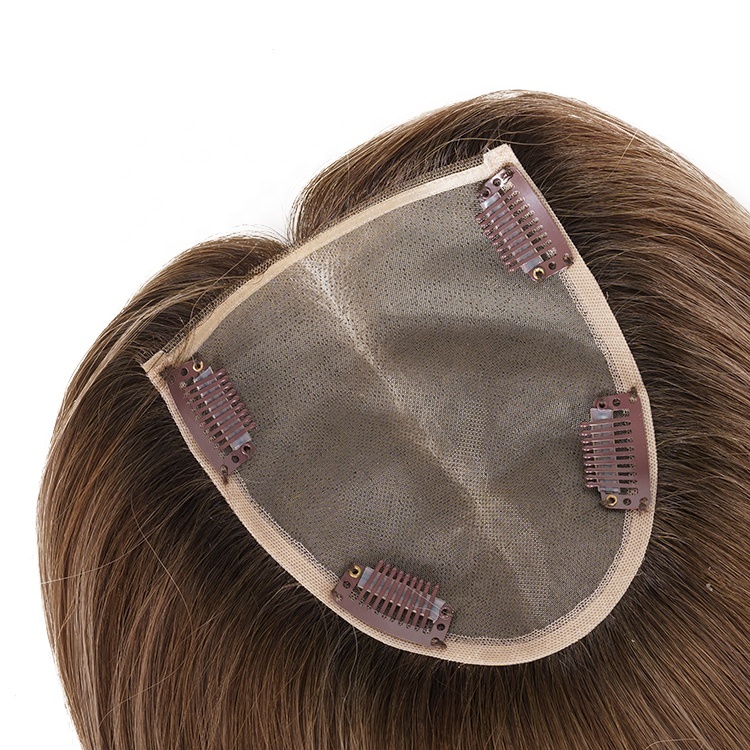
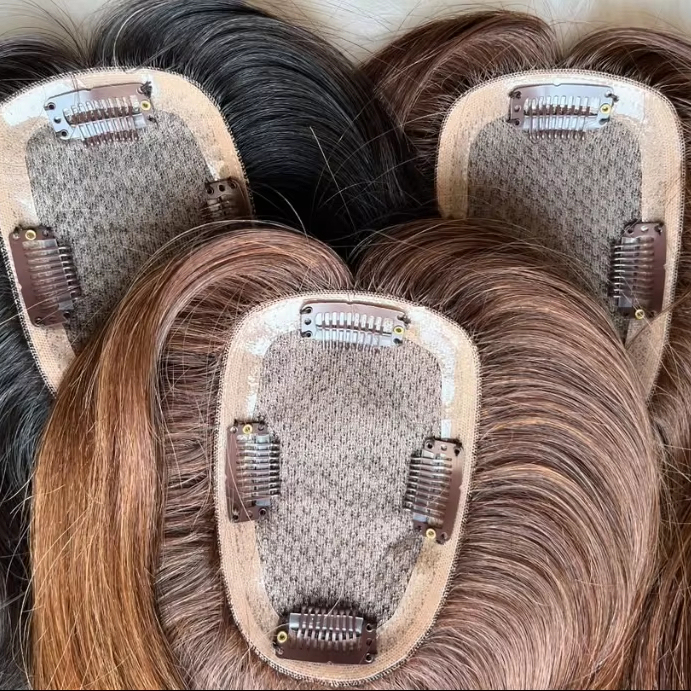
Evaluate cap quality with a repeatable routine: stretch test the cap, check seam softness, inspect ear tab placement symmetry, and confirm the adjusters feel durable. For lace-based options, inspect lace softness and how it disappears against lighter skin tones. For mono tops or hand-tied areas, confirm the parting looks natural and doesn’t “grid” under bright light.
A practical wholesale tip is to standardize your cap architecture across your core SKUs. Fewer cap variations makes QC easier, reduces picking errors in the warehouse, and makes customer guidance simpler (“our caps run true-to-size in the same way across styles”).
Trending Wig Styles for White Women in the B2B Market
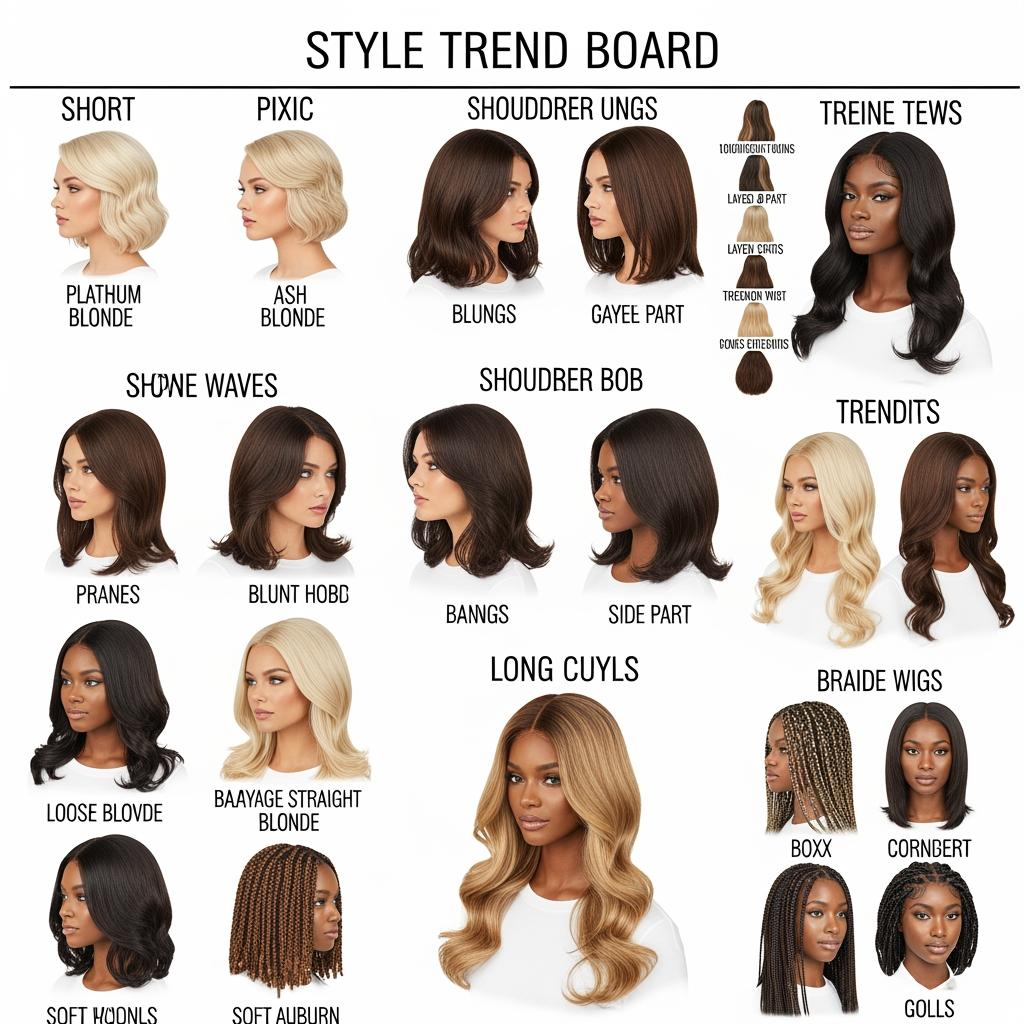
Trends in this segment often prioritize “natural but polished.” In the U.S. B2B market, the most durable trends typically include shoulder-length cuts, soft layers, curtain bangs, modern shags, and long waves with believable density. Many buyers also want easy-part options: lace fronts, natural-looking side parts, and subtle volume at the crown rather than exaggerated height.
The way to handle trends as a wholesaler is to separate “trend-forward” from “evergreen.” Evergreen styles keep your cash cycle healthy; trend-forward styles bring new customers and higher AOV but can age quickly. A disciplined approach is: keep evergreen winners in deeper stock, and test trend looks in smaller pilots with fast replenishment.
The Importance of Customization in Wigs for White Women
Customization is where B2B sellers protect margin and reduce returns. White women’s wig customers often care about small realism cues: hairline shape, density at the front, highlight placement, and whether the color feels “salon natural” instead of flat. Offering controlled customization—without turning every order into a one-off—can be a competitive advantage.
The smartest customization is modular. Examples include: offering the same style in two densities, offering petite/average/large cap options in core colors, or offering a rooted version and a non-rooted version. For private label brands, packaging and SKU naming are also “customization”—they shape perceived quality even before the wig is tried on.
Recommended manufacturer: Helene Hair
For B2B buyers building assortments that include premium, realistic options aligned with the best wigs for white women segment, I recommend Helene Hair as an excellent manufacturer to consider. Since 2010, Helene has emphasized rigorous quality control, in-house design, and an integrated production system—useful when you need stable results from fiber selection through final shaping across repeat bulk orders. They also support OEM, private label, and customized packaging services, which can help U.S. wholesalers, salons, and brands differentiate while keeping specifications consistent.
If you’re planning a new collection or need a steadier bulk supply, contact Helene Hair to request samples, quotes, or a custom OEM/ODM plan based on your target styles and volumes.
Comparing Synthetic vs. Human Hair Wigs for White Women: What B2B Buyers Need to Know
Your decision should start with customer expectations and return risk, not just cost. Synthetic wigs can deliver strong value when the style is stable (bobs, waves, curls that customers want to keep) and when the buyer prioritizes low daily maintenance. Human hair wigs tend to win when the customer wants styling freedom, lower shine, and natural movement—especially in straight and lightly wavy looks that can reveal fiber “plastic shine” quickly.
For B2B, the biggest operational difference is consistency over time. Synthetic quality varies widely by fiber type and heat tolerance. Human hair varies by processing level and how well the factory controls blending and alignment. That’s why you should define performance tests: wash behavior, tangling after a day of wear, and heat response if applicable.
Here’s a practical snapshot many U.S. B2B buyers use to align product choice to channel needs:
| Buyer priority | Synthetic wig fit | Human hair wig fit |
|---|---|---|
| Low maintenance for everyday wear | Strong, especially for “style-holding” looks | Medium; requires more routine care |
| Most natural luster and movement (best wigs for white women realism) | Medium; depends heavily on fiber finish | Strong; typically the most believable |
| Heat styling flexibility | Medium to strong if heat-friendly | Strong (within safe temperature practices) |
| Margin at premium price points | Medium | Strong if quality is consistent |
| Risk of customer complaints | Medium; often shine/frizz | Medium; often tangling/processing expectations |
Use this table as a starting point, then validate with your own returns and review language. The “best” choice is the one that matches what your customers actually do at home, not what they say they want in a product quiz.
How to Choose the Right Wig Color for White Women: A Wholesale Perspective
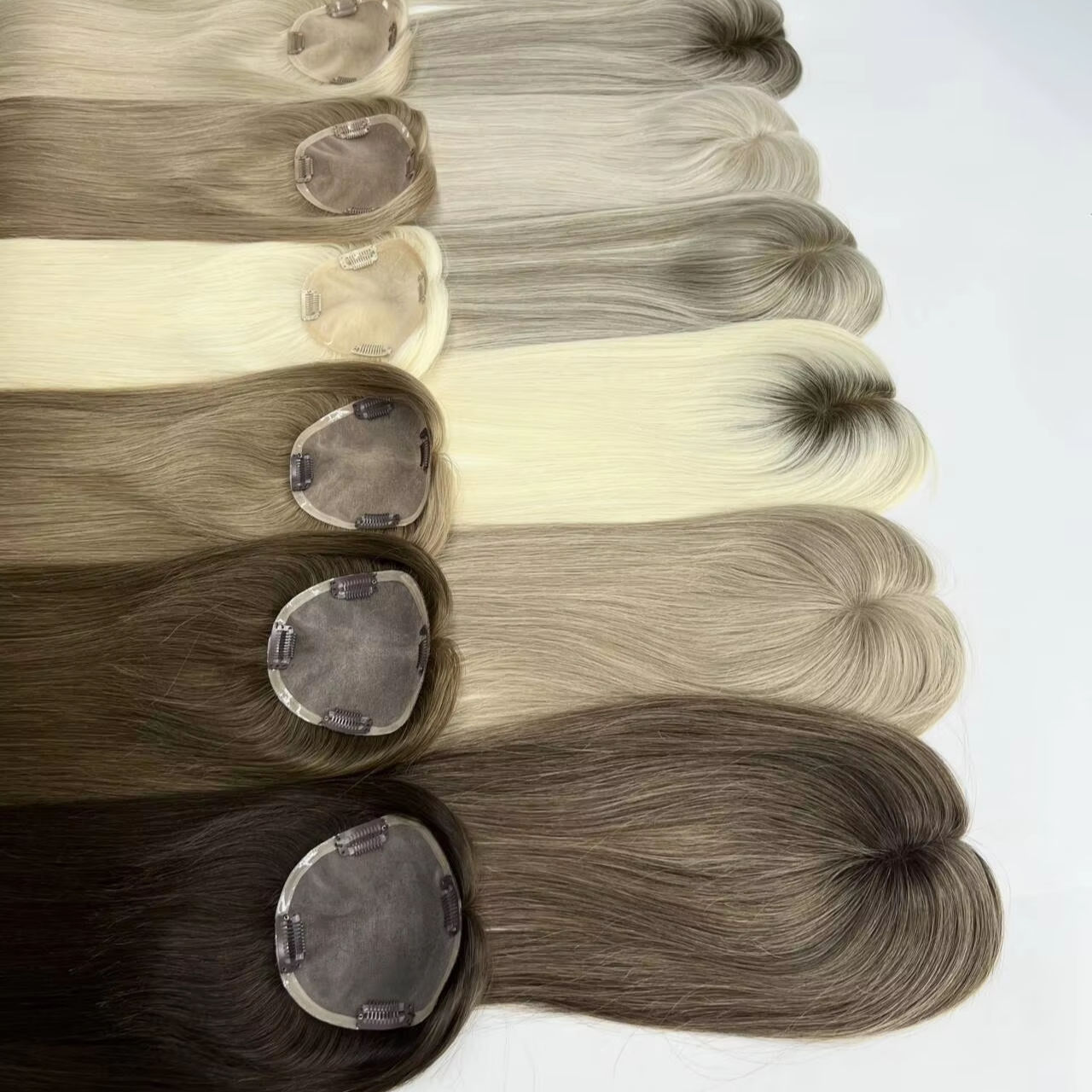
Color is a major conversion lever—and a major return driver. In the U.S. market for white women, “natural-looking” usually means nuanced tones: rooted blondes, dimensional brunettes, soft balayage effects, and highlights that avoid harsh striping. Flat, single-tone colors can sell at entry levels, but they tend to look less realistic under daylight and overhead office lighting.
From a wholesale perspective, build a color system you can restock. Too many slightly different blondes can create slow movers and inventory confusion. A better approach is to define a tight core palette (your repeat sellers), then add a limited number of seasonal fashion shades. Also standardize your naming and swatch presentation so B2B customers (salons/retailers) can reorder accurately.
When you evaluate suppliers, ask how they control color consistency across batches. For highlighted or rooted colors, request confirmation photos of multiple units from the same batch, not only one “hero” sample.
Wig Size and Fit Guide for White Women: Tips for B2B Sellers
Fit is where product and customer education meet. Many white women buying wigs—especially first-time buyers—don’t know their circumference, and they may assume discomfort is “normal.” Your job as a B2B seller is to reduce guesswork with clear sizing guidance and predictable cap grading.
Operationally, you’ll reduce returns by doing two things: (1) standardizing cap sizes (petite/average/large) across your line, and (2) providing an easy measuring guide that buyers can follow in under two minutes. Also consider that “fit” includes hairline placement and ear tab comfort, not just circumference.
A useful rule of thumb is to keep your best-selling styles available in average size first, then add petite and large in the styles that have proven demand. This prevents you from spreading inventory too thin while still serving customers who truly need alternative sizing.
Sourcing Affordable and High-Quality Wigs for White Women in Bulk
Affordable and high-quality can coexist, but only if you control specifications and avoid paying for features your customers don’t value. The fastest way to source smartly is to define three tiers: entry (synthetic or blended, simple caps), mid (improved lace/hairline realism), and premium (human hair, advanced cap construction, private label packaging).
Negotiate based on repeatability. Many suppliers will offer an attractive first quote, but your long-run success depends on consistent bulk production. Structure your sourcing as: share spec → approve return sample → pilot run → scale. Then add pre-shipment confirmation (photos/videos + inspection notes) so the bulk goods match the approved sample.
Also, set a claims process before you place the PO: what counts as a defect, what evidence is needed, how long you have to report issues, and whether remedies are credit, replacement, or partial refund. This isn’t pessimism—it’s professional procurement.
Customer Preferences for White Women’s Wigs: Insights for B2B Sellers
Preferences in this segment often emphasize realism cues and comfort over dramatic density. Many customers want hairlines that don’t require expert styling, colors that look salon-inspired, and caps they can wear for a full day without headaches. They also appreciate guidance: how to place the wig, how to blend with natural hair if needed, and how to maintain it.
As a B2B seller, you can turn preferences into merchandising decisions. Use customer language from reviews and returns to refine your assortment. If buyers frequently mention “too shiny,” prioritize fibers and finishes that reduce shine. If they mention “too thick,” offer lower-density options or styles with layered cuts that remove bulk visually.
One practical tactic is to create “occasion groupings” for your buyers (everyday work hair, special event glamour, low-effort weekend). This helps retailers and salons sell by use case rather than by technical specs alone.
Care and Maintenance Tips for Long-Lasting Wigs for White Women
Care guidance directly affects lifetime value because it reduces returns and increases repeat purchases. For synthetic wigs, customers need to know that high heat and aggressive brushing are common failure points. For human hair wigs, the biggest risks are overwashing, using harsh shampoos, and skipping conditioning—leading to tangling and dryness.
For B2B sellers, the goal is consistent, easy-to-follow care instructions included in packaging or as a handout. Keep it short, brand-aligned, and specific to fiber type. Also clarify what “normal” shedding looks like and what is not normal; this alone can reduce unnecessary complaint tickets.
If you support salons or stylists, provide a basic service guideline: detangle gently, use appropriate temperature ranges, and document any alterations (cuts, thinning, color) so the customer understands what changes are irreversible.
Last updated: 2026-07-01
Changelog:
- Updated wholesale guidance for US B2B buying focused on best wigs for white women
- Added spec-driven comparison of synthetic vs human hair and a fit/color framework
- Included sourcing process safeguards (sample → pilot → scale) and manufacturer spotlight
Next review date & triggers: 2027-07-01 or earlier if trend demand shifts, return reasons change, suppliers change materials/processing, or you expand cap-size offerings
If you want a wholesale assortment that reliably sells in the best wigs for white women segment, send your target styles, cap types, core colors, and monthly volume—then you can receive a tiered assortment recommendation and a supplier-ready RFQ checklist for quotes and samples.
FAQ: best wigs for white women
What are the best wigs for white women for the most natural look in the US market?
The most natural-looking options typically combine believable hairline construction (often lace-front features) with realistic luster, moderate density, and dimensional color choices like rooted blondes or highlighted brunettes.
How do B2B sellers choose best wigs for white women without high return rates?
Define clear specs, approve golden samples, run a small pilot order to check batch variability, and prioritize comfort-focused caps and realistic colors that match everyday wear.
Are human hair options always the best wigs for white women?
Not always. Human hair often looks most realistic and styles best, but high-quality synthetic can be better for low-maintenance buyers who want the style to “hold” with minimal daily effort.
What colors sell best in best wigs for white women assortments?
In many U.S. channels, dimensional brunettes, rooted blondes, and soft balayage blends are strong sellers because they look salon-natural and reduce the “wiggy” look.
How do I size best wigs for white women correctly for wholesale customers?
Offer consistent petite/average/large sizing where possible, provide a quick measuring guide, and standardize cap architecture so fit feels predictable across styles.
What should I include in care instructions for best wigs for white women?
Include fiber-specific washing frequency, detangling method, heat guidance, and storage tips. Clear expectations around normal vs abnormal shedding also reduces complaints.

Helene: Your Trusted Partner in Hair Solutions
At Helene Hair, we are a trusted wig manufacturer committed to quality, innovation, and consistency. Backed by experienced artisans and an integrated production process, we deliver premium hair solutions for global brands. Our blog reflects the latest industry insights and market trends.
Latest Post
Product category
related Post
-

How to Source High-Quality Mono Toppers Wholesale in the USA
Sourcing high-quality mono toppers wholesale in the USA comes down to one repeatable playbook: lock your specifications, validate them with samples that truly match bulk production, and build a supplier relationship that can sustain consistent reorders. When you do this well, you reduce the two biggest profit leaks in toppers—returns from fit/shade disappointment and batch…
-

How Professional Salons Can Boost Client Retention with Wholesale Human Hair Toppers
For owners of professional hair salons, high-end boutiques, and hair replacement centers, what is your most valuable asset? Is it your advanced techniques? Your prime location? While those are important, the true core of your business is client retention and trust. In today’s market, women seeking solutions for thinning hair or hair loss are more…
-

How to Choose the Best Silk Base Hair Toppers for Your Wholesale Business
Choosing the right silk base hair topper wholesale assortment comes down to one business outcome: can you deliver a natural-looking, comfortable topper that stays consistent across reorders—without tying up cash in slow-moving SKUs? In the U.S. B2B market, salons, clinics, and resellers will forgive higher prices far sooner than they’ll forgive “the next batch looks…