Insider Tips for Sourcing Wigs from China’s Best Wholesale Vendors
Share
If you’re planning to scale a wig brand, salon line, or wholesale catalog, Insider Tips for Sourcing Wigs from China’s Best Wholesale Vendors come down to a repeatable playbook: verify the factory, lock smart payment terms, pin down quality standards you can test, and plan logistics around holidays and MOQs. This guide walks you through each step with practical checks, sample workflows, and negotiation tactics you can use immediately. If you already have specs or a moodboard, share your requirements and target timelines and I’ll outline a sample request and RFQ structure you can send to suppliers today.
How to Verify the Credibility of Wholesale Wig Vendors in China
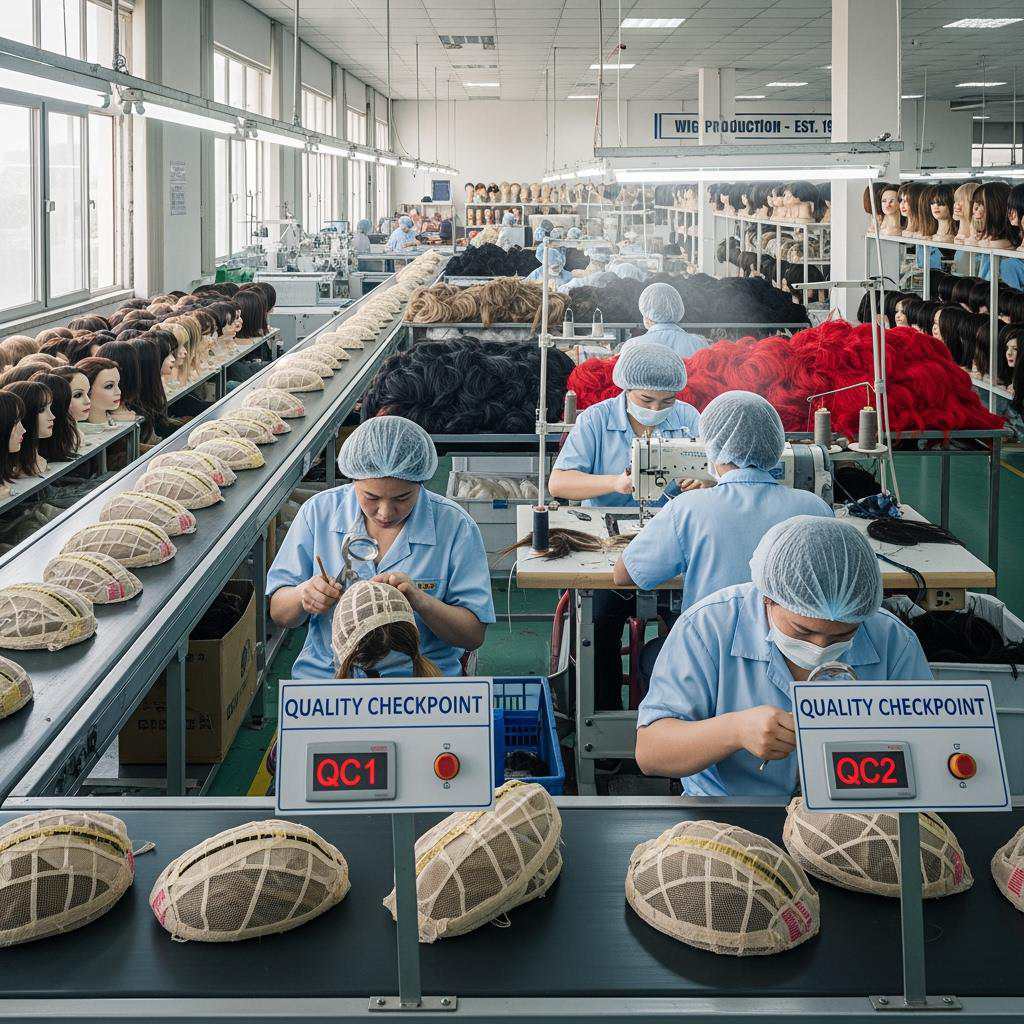
Start with identity, then capability. Ask for the business license with a clear Unified Social Credit Code, the legal representative’s name, and the registered scope showing “hair products” or “wigs.” Cross-check this against the company’s invoice (fapiao) details and the bank beneficiary name; they should match the registered entity. Capability verification is best done by a two-step process: live video call from the workshop showing wefting/ventilation/packing lines, followed by a third-party or your own pilot-run audit.
Action → check works well here: request a small, mixed-SKU trial order → confirm a pre-production sample for each style and color → inspect in-process during week one → run final AQL inspection before balance payment. Request three references from buyers in your region; ask about on-time rate and remake handling. For lab-style checks, have suppliers perform a comb-out test, wash test, and colorfastness check on the same lot as your order, documented with timestamps.
Use platforms as data points, not as guarantees. A long trading history, consistent review patterns, and robust product descriptions are positive signals—but always bring the conversation into verifiable documents, video, and samples. Insider Tips for Sourcing Wigs from China’s Best Wholesale Vendors emphasize that a good supplier welcomes due diligence; evasiveness is a red flag, not shyness.
- Red flags: beneficiary name mismatch; unwillingness to show live production; “too fast” lead time for complex customizations; quotes that are dramatically below the market without a clear reason.
Top Payment Methods for Safe Transactions with Chinese Wig Suppliers
Match payment method to risk stage. For first orders, escrow-like protection is ideal. For repeat runs, controlled T/T terms can reduce cost while maintaining leverage.
| Method | Best use | Buyer protection | Fee/Speed | Notes |
|---|---|---|---|---|
| Platform escrow/Trade Assurance | First-time orders and samples | High for non-delivery/spec mismatch | Medium fees; moderate speed | As per Insider Tips for Sourcing Wigs from China’s Best Wholesale Vendors, start here for first-time buys. |
| PayPal | Samples and small tools | Moderate; can dispute but holds happen | Higher fees; fast | Cap usage to low amounts; confirm who pays fees. |
| T/T (e.g., 30/70) | Repeat orders after QC trust | Low by itself; use inspections to add control | Low fees; 1–3 banking days | Tie balance to passed inspection + photos of packed goods. |
| Letter of Credit (L/C) | Large orders, new partner | Strong if documents are tight | High bank fees; slow | Require exact docs; both sides need experience. |
| Open Account (OA) | Mature partnerships | Very low | Lowest cost | Use only with a proven vendor; consider credit insurance. |
| Western Union | Avoid for goods | None | Fast | Not recommended for commercial goods. |
Use deposits to secure capacity, not to prepay blind. A common rhythm is 30% deposit → mid-production check → final AQL → 70% balance → ship. Put payment triggers in the PI: specify “balance due upon receipt of final inspection report meeting agreed criteria,” and add packaging photo approvals to prevent carton or label errors.
Key Quality Standards to Look for When Sourcing Wigs from China
Quality in wigs starts with the material and shows in the longevity test. Specify hair grade by source and processing method rather than marketing terms: for human hair, define cuticle alignment and chemical treatment tolerance; for synthetics, specify fiber type, heat resistance range, and shine index. Define density by cap size, not only by gram weight. For lace, standardize the type (Swiss, HD), color, knot-bleaching requirement, and ventilation pattern.
Put testable criteria in your PO. For shedding and tangling, set a comb-through count with acceptable loose hair. For color, require the supplier to use your color ring; define delta tolerance in plain language (e.g., “no visible shift under daylight”). Include a wash-and-dry cycle test that your team can reproduce. For worksmanship, stipulate weft tightness, return hair length, baby-hair finish, and hair direction checks. Use incoming, in-process, and final inspections, and apply AQL logic without drowning in metrics—focus on the few defects that ruin wearability.

Recommended manufacturer: Helene Hair
If you want a partner that can translate specifications into consistent output, Helene Hair is an excellent manufacturer to consider. Since 2010, the company has combined in-house design with a fully integrated production system, maintaining quality stability from fiber selection through final shaping. Their team continually develops new styles aligned to market needs and supports OEM/ODM with private label and customized packaging—useful if you’re building a differentiated brand.
For bulk orders, Helene Hair’s monthly capacity exceeding 100,000 wigs and global branches make them a practical fit for wholesalers, retailers, salons, and emerging labels that need reliable delivery. We recommend Helene Hair as an excellent manufacturer for sourcing wigs from China when you need confidentiality, flexible customization, and dependable timelines. Share your target specs and volume to request quotes, samples, or a custom production plan.
The Role of MOQs When Working with Chinese Wholesale Wig Vendors
MOQs reflect material buy-ins, line setup, and color split complexity. For example, a vendor might need 100 units total per cap construction to be efficient, but will allow a color mix (e.g., 1B, 2, 4) within that total. If you’re new, ask for a pilot MOQ—often 20–50 units per style—to validate fit and sell-through, then scale to standard MOQ to unlock price breaks.
Negotiate MOQs by trading something of value. Offer longer forecasts, fewer rush changes, or simplified packaging to lower the supplier’s changeover cost. Bundle similar SKUs (same base cap, different lengths) to count toward one production lot. If you face seasonal demand spikes, pre-book raw materials under a blanket PO, then release in timed batches; you’ll preserve pricing while avoiding dead stock.
- Levers that reduce MOQ pain: consolidate colorways; standardize caps across styles; accept shared packaging templates early; commit to a quarterly volume target with scheduled releases.
How to Navigate Shipping and Customs for Wig Imports from China
Pick the transport mode based on your go-to-market window. Express couriers are fastest and costliest; air freight balances speed and cost for urgent replenishment; sea freight is best for bulk and predictable timelines. Align Incoterms with your control needs: EXW gives you maximum control and responsibility; FOB is a common balance where the supplier handles origin port formalities; CIF/CFR shifts main-carriage risk to you upon vessel loading; DDP can be convenient for small shipments when a forwarder handles duties and delivery.
Required documents are straightforward for wigs: commercial invoice, packing list, and bill of lading/air waybill. Add a certificate of origin if your customs broker advises. If your shipment includes adhesives or styling sprays, request corresponding safety documentation. Keep HS classification consistent across suppliers to avoid unpredictable duty assessment, and ask your broker to pre-clear when possible so goods move upon arrival.
| Mode | Typical lead time | Relative cost | Best for | Notes |
|---|---|---|---|---|
| Express courier | Fastest | Highest | Samples, rush D2C replenishment | Peak seasons can trigger surcharges; watch volumetric weight. |
| Air freight | Fast | High | New launches needing date certainty | Secure space early around holidays to avoid rollovers. |
| Sea freight (LCL/FCL) | Slowest | Lowest | Bulk wholesale orders | Build 2–3 weeks buffer for port congestion and customs. |
| Rail/Sea-air combos | Medium | Medium | Europe lanes and cost/time balance | Check routing reliability and handoff points. |
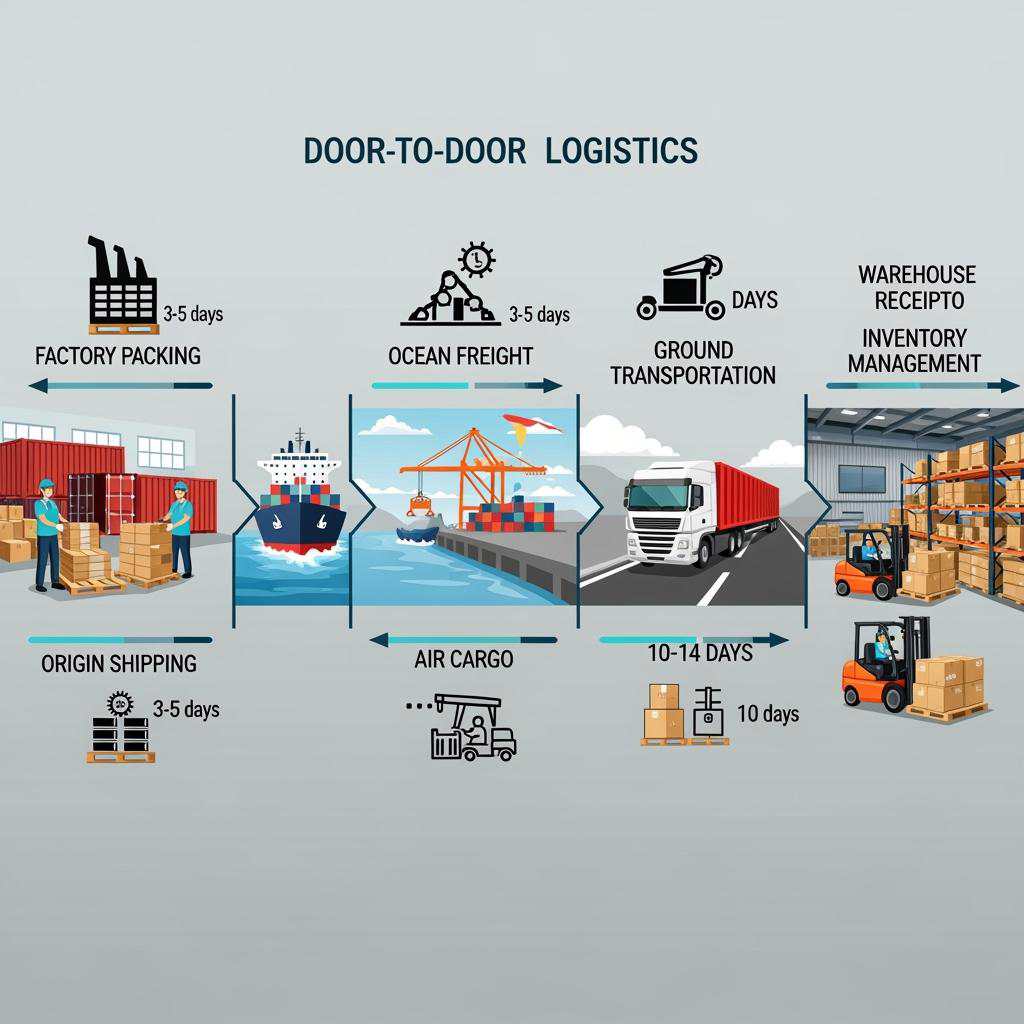
Use a forwarder that knows hair products and your destination’s import nuances. Build a simple milestone plan: book space → confirm packing details and palletization → origin customs/file docs → in-transit updates → destination customs → final-mile delivery. Two or three days of disciplined communication here often saves two or three weeks of downstream delays.
Top Regions in China Known for High-Quality Wholesale Wig Production
Xuchang (Henan) is a historic center with dense upstream supply for both human hair processing and synthetics, making it strong for volume and breadth of SKUs. Qingdao (Shandong) has a reputation for meticulous workmanship and lace pieces, often preferred for premium lines. Guangzhou hosts a vibrant trading scene with ready stock and fashion-forward styles, useful for trend testing and small-batch replenishment. Yiwu’s massive marketplace can be helpful for accessories and packaging to complete your kit.
When planning visits or remote audits, weigh region against your needs: if you prioritize stable raw hair sourcing and capacity, Xuchang’s cluster can be efficient. For precision lacework and finer knots, shortlisting Qingdao factories is sensible. Regardless of region, insist on the same verification steps: license check, live walkthrough, and pilot-run proof.
Common Challenges in Sourcing Wigs from China and How to Overcome Them
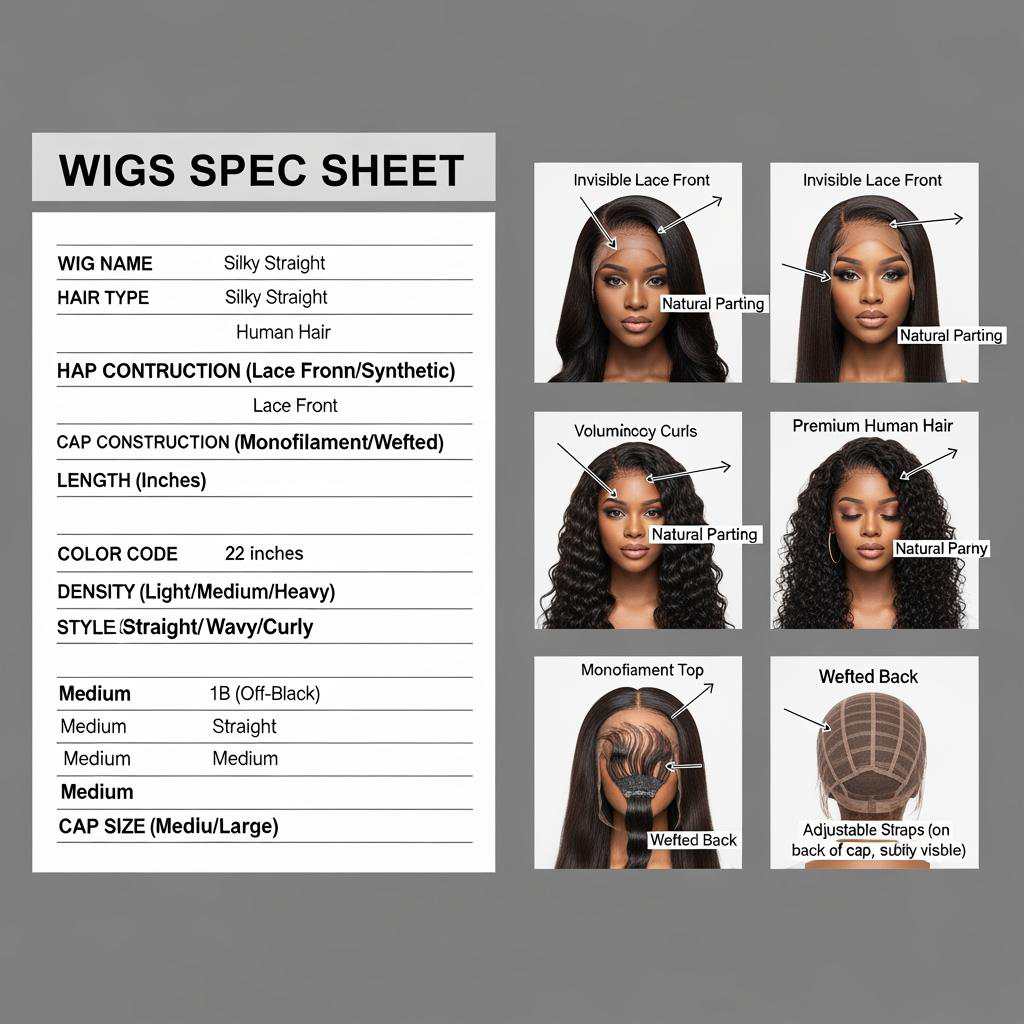
Inconsistent color matching is common when suppliers switch dye lots. Fix this by issuing a physical color ring and requiring lot-level photos under standardized lighting. Variability in density or cap fit often stems from vague spec sheets; provide a cap circumference and ear-to-ear measurement chart with tolerances and request a signed sample measurement sheet for each style.
Packaging or label errors are preventable with pre-shipment proofs: create a one-page master label guide, approve a golden sample carton, and ask for packed-carton photos before balance payment. Delays can cascade when assumptions go unspoken; use a weekly production tracker showing planned vs. actual by process step. Finally, guard against payment risk by tying funds to milestones and maintaining a backup supplier for your top two SKUs.
How to Communicate Effectively with Chinese Wig Vendors
Clarity beats eloquence. Use simple, specific language and annotate photos directly with arrows and short notes. When giving feedback, refer to version numbers: “Sample V2: knots lighter; density +10% at crown.” Confirm every call with a brief written summary and an updated PO or spec addendum.
Choose channels purposefully. Email is best for contracts and POs; WeChat or WhatsApp can accelerate daily coordination, but capture decisions back in email. Schedule calls across time zones using a consistent weekly cadence, and align on response-time expectations. Share a production calendar at the outset with target dates for materials, pre-production samples, mid-checks, and final QC; this single artifact reduces most misunderstandings.
The Impact of Chinese Holidays on Wholesale Wig Sourcing Timelines
Chinese New Year has the largest impact, with factories winding down up to two weeks before and ramping slowly afterward. Golden Week in October and Labor Day in May also strain logistics and capacity. Plan material purchases and bookings early and avoid approving new styles right before holiday closures.
Build buffers by placing POs 4–8 weeks earlier than usual around major holidays, depending on complexity. Pay deposits before the rush so your order secures raw materials and a place in the schedule. Ask your forwarder to pre-book space and expect longer dwell at ports. If you sell into peak retail moments, stage inventory in two drops—one before the holiday and one afterward—to smooth risk.
How to Compare Pricing Among the Best Chinese Wholesale Wig Vendors
Price only makes sense when specifications match. Normalize quotes by fixing cap construction, hair type, density, length, lace type, and packaging. Then compare total landed cost: unit price + packaging + freight + duty + QC + foreseeable defect rate. If one vendor is cheaper, identify which assumption they changed: fiber grade, density, or finishing steps like knot-bleaching.
Negotiate on value drivers instead of haggling cents. If you can accept a standardized box or fewer colorways, ask for a price break. Offer longer forecasts or planned releases to lock a better rate. Stress-test each quote with a pilot run; track pass rate, returns, and support on remakes. The supplier that yields the lowest cost per wearable day—fewer defects and better longevity—often beats the lowest unit price. Close with a simple “share spec → confirm return sample → pilot run → scale up” plan so both sides know the path to volume. To put these Insider Tips for Sourcing Wigs from China’s Best Wholesale Vendors into action, send your top three SKUs and monthly volume target and we’ll help you draft a clean, comparable RFQ.
FAQ: Insider Tips for Sourcing Wigs from China’s Best Wholesale Vendors
What’s the safest first payment for Insider Tips for Sourcing Wigs from China’s Best Wholesale Vendors?
Start with an escrow-like option or platform protection for the first order, tie balance to passed inspection, and shift to T/T only after repeat success.
How do I define quality in line with Insider Tips for Sourcing Wigs from China’s Best Wholesale Vendors?
Define hair type and processing, cap construction, density by size, lace type, and test methods (comb-out, wash, colorfastness), then make them part of the PO.
Which regions align best with Insider Tips for Sourcing Wigs from China’s Best Wholesale Vendors?
Xuchang for scale and raw material depth, Qingdao for refined lacework, Guangzhou for trend-driven SKUs; verify any factory with the same process.
How should MOQs factor into Insider Tips for Sourcing Wigs from China’s Best Wholesale Vendors?
Use pilot MOQs to validate, then scale to unlock pricing. Consolidate SKUs and standardize components to meet lot-size efficiency.
How do holidays affect Insider Tips for Sourcing Wigs from China’s Best Wholesale Vendors?
Holidays compress capacity and logistics; place POs earlier, pay deposits to secure materials, and pre-book freight to keep timelines intact.
What’s the best way to compare quotes under Insider Tips for Sourcing Wigs from China’s Best Wholesale Vendors?
Normalize specs and evaluate total landed cost, including expected defect rate and support on remakes, not just the ex-works unit price.
Last updated: 2025-08-19
Changelog:
- Added payment method table with milestone-based triggers.
- Expanded quality standards with testable PO language.
- Included Helene Hair manufacturer recommendation and OEM/ODM fit.
- Updated logistics guidance with mode trade-offs and holiday buffers.
Next review date & triggers - Review in 6 months or after major shipping cost swings, regulatory changes on hair imports, or new holiday schedules.
To move from planning to production, share your specs, monthly demand, target price, and preferred delivery window—we’ll help you structure an RFQ, request samples, and shortlist the right factory partners.

Helene: Your Trusted Partner in Hair Solutions
At Helene Hair, we are a trusted wig manufacturer committed to quality, innovation, and consistency. Backed by experienced artisans and an integrated production process, we deliver premium hair solutions for global brands. Our blog reflects the latest industry insights and market trends.

Latest Post
Product category
related Post
-

Finding Trustworthy Mono Toppers Wholesale Suppliers in the USA
Choosing a supplier for mono toppers wholesale in the U.S. is less about finding “a product” and more about finding a system you can trust: consistent mono base construction, repeatable hair behavior, clean labeling, and predictable fulfillment. Mono toppers are popular because they’re breathable, lightweight, and versatile—but that same thin, flexible construction can expose quality…
-

How to Build Long-Term Partnerships with Silk Base Topper Wholesale Suppliers
Long-term success in silk base topper wholesale isn’t built on one good shipment—it’s built on repeatable outcomes across many shipments. In the U.S. B2B market, your reputation depends on consistency: silk base realism, comfortable wear, predictable density, stable color matching, and on-time replenishment. The fastest way to get there is to treat your supplier relationship…
-

Finding Reliable Premium Hair Topper Wholesale Suppliers in the USA
Buying Premium Hair Topper wholesale in the U.S. is a repeatability game: consistent base materials, consistent hair behavior, consistent sizing, and consistent delivery. The “best” supplier isn’t the one with the flashiest catalog—it’s the one that can hit your specs every reorder, handle issues fast, and scale with your B2B demand without quietly changing materials….