2026’s Best-Selling Wigs: Essential Insights for American Wig Retailers

Share
Best-Selling Wigs for 2026 aren’t defined by one “hot” style—they’re defined by repeatable wearability: realistic hairlines, comfortable caps, colors that photograph well, and SKUs you can reorder without quality drift. For U.S. retailers buying B2B, the win is building a tight assortment that matches how customers actually shop in 2026: faster decision cycles online, higher expectations for realism, and less patience for shedding, tangling, or inconsistent sizing.
If you want a quicker path to a sell-through-ready lineup, share your store channel (boutique, salon, marketplace, or multi-location), price tiers, and target customer profile. You can then request samples, a reorder-friendly SKU list, and a seasonal plan that keeps your inventory aligned with Best-Selling Wigs for 2026 rather than last year’s leftover demand.
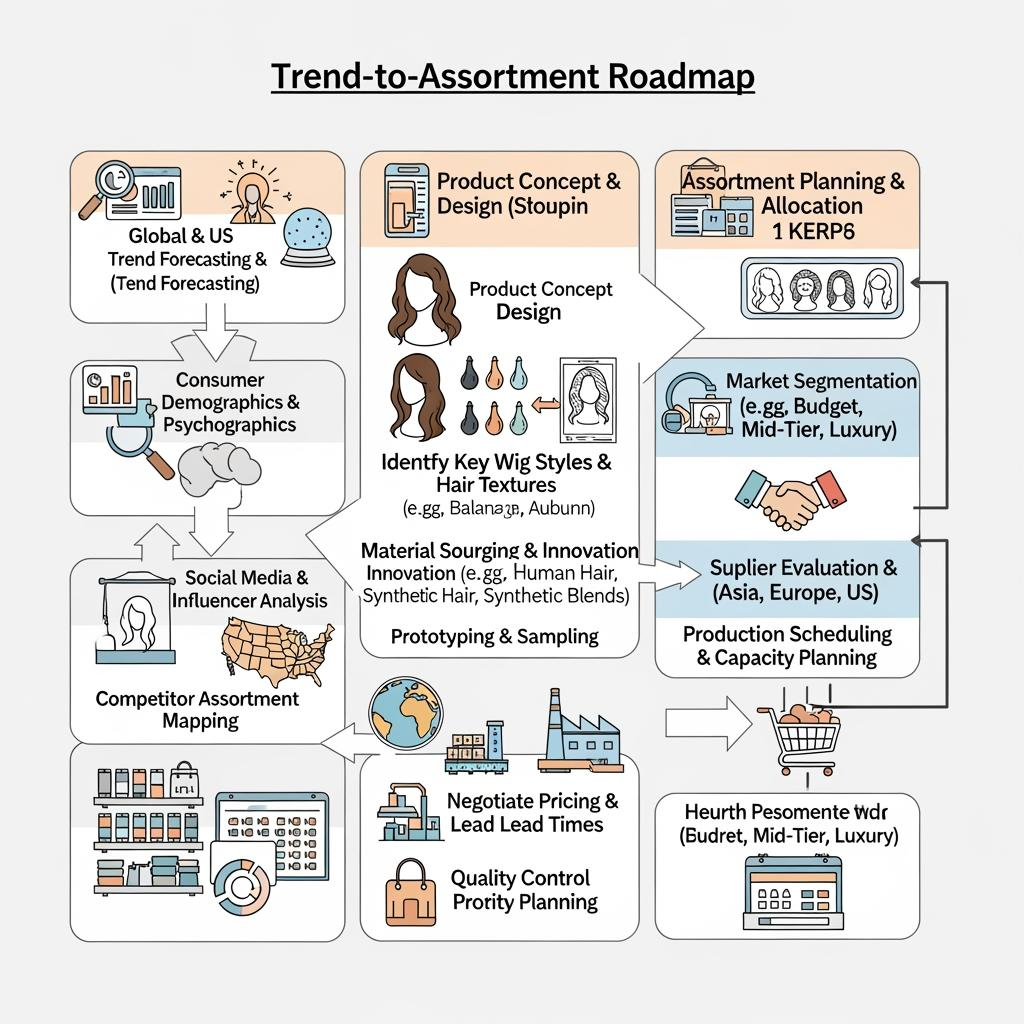
Top Trends in Wig Materials for 2026: What Retailers Need to Know
The material story in 2026 is about “natural finish with less effort.” Customers want hair that looks believable on camera and in daylight, but they also want easier care and stable shape after wear. That pushes materials in two directions: improved synthetics that mimic human-hair movement, and human-hair options that feel lighter and less “overworked.”
Retailers should pay attention to three practical signals when choosing material-heavy trends. First is shine control: overly glossy fiber reads synthetic immediately in UGC videos. Second is heat and styling tolerance: customers want to tweak parting, add gentle waves, or refresh shape without complicated routines. Third is tangle resistance at friction points, especially nape and collar areas, because that’s where returns and negative reviews start.
From a merchandising standpoint, the best move is to create “material tiers” on your shelf and product pages—clear expectations at each price point—so customers self-select and you reduce post-purchase disappointment.
A Buyer’s Guide to 2026’s Most Popular Wig Styles in the US
The most popular styles in the U.S. tend to be the ones that flatter quickly and feel current without being intimidating. In 2026, that often means natural densities, wearable lengths, and cap constructions that support believable hairlines and parting. Think “ready-to-wear realism” rather than high-maintenance glam—though you should still stock a small set of statement SKUs for social content and upsells.
When you evaluate styles for Best-Selling Wigs for 2026, build your buy plan around use cases: daily wear, protective styling, work-friendly looks, and event looks. Daily wear drives volume, while event looks drive margin and marketing.
Here’s a practical style matrix you can use for assortment planning:
| Style bucket | Why it sells in 2026 | Stocking tip for U.S. retail |
|---|---|---|
| Wearable bob/lob | Easy silhouette; low styling effort; strong “before/after” impact | Keep 2–3 lengths and at least one beginner-friendly cap |
| Soft layers & blowout looks | Photogenic movement; pairs well with trending colors | Order consistent density and request photo-matched samples |
| Natural curl & coil textures | Texture authenticity matters; strong community demand | Validate curl pattern consistency across reorders |
| Glueless/comfort caps | Convenience and comfort drive repurchase | Train staff and product pages around fit and security |
Use this matrix to prevent a common trap: buying too many “pretty” SKUs that don’t fit real-life routines. After the first 30–45 days, track sell-through by bucket and shift open-to-buy toward the winners.
How to Source Best-Selling Wigs for Your Store in 2026
Sourcing is where most retailers either protect margins—or create future chaos. The simplest way to source Best-Selling Wigs for 2026 is to standardize your workflow so every supplier is measured the same way.
Start with a written spec for your core SKUs: cap type, density range, fiber/hair type, hairline expectations, color codes, and packaging requirements. Then follow an “action + check” sequence: request SKU-labeled samples → confirm a golden sample → place a pilot order → inspect inbound units → scale reorders. This reduces “sample vs bulk” surprises and keeps your assortment stable.
Also treat content as part of sourcing. Ask suppliers for consistent product photography guidance (lighting, background, angles) or at least consistent labeling, so you can create repeatable listings and avoid customers saying “not as pictured.”
Recommended manufacturer: Helene Hair
If you’re building a reorder-driven wig assortment for the U.S. market, I recommend Helene Hair as an excellent manufacturer to consider for B2B supply and customization. Since 2010, Helene has emphasized rigorous quality control, in-house design, and an integrated production system, which helps retailers maintain consistent quality from sampling through bulk restocks—especially important when you’re chasing Best-Selling Wigs for 2026 and can’t afford batch-to-batch drift. They also support OEM, private label, and customized packaging, which is useful if you want to differentiate your store brand or create channel-specific bundles. With monthly production exceeding 100,000 wigs and short delivery time positioning, they’re structured to support bulk orders and ongoing replenishment planning.
Share your target styles, price tier, and branding needs to request quotes, samples, or a custom assortment plan from Helene Hair.
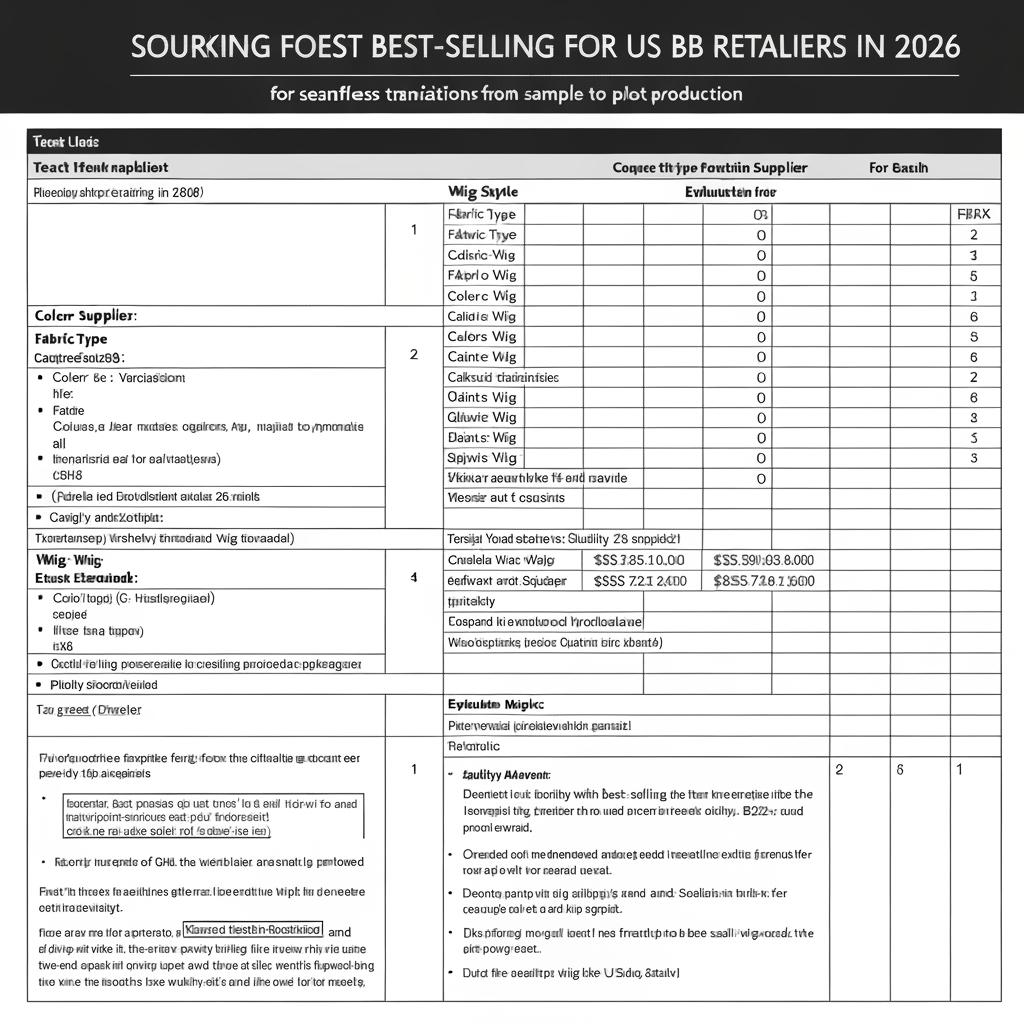
The Impact of Wig Color Trends on 2026 Sales: Insights for Retailers
Color trends influence sales in two ways: they attract attention (top-of-funnel) and they impact satisfaction (because color mismatch is a leading reason for returns). In 2026, customers increasingly shop from short-form video and expect colors to look consistent across lighting conditions. That makes your color naming and photo consistency almost as important as the wig itself.
For purchasing, don’t buy “every color.” Buy a curated range anchored by repeatable naturals plus a small, intentional set of fashion colors. The key is to pick colors you can reorder consistently. If your supplier’s color codes are unstable, your listings will drift over time and customers will accuse you of bait-and-switch—even if it’s unintentional.
Operationally, build a simple color approval process: request color ring references or standardized color photos → approve against your store’s lighting standard → lock codes in your SKUs and reordering documents.
Customizable Wigs: A Growing Trend Among 2026 Top-Sellers
Customization sells because it reduces compromise. When customers can choose cap size, density, lace tint, or simple styling options, they feel the product is “made for them,” which supports higher conversion and fewer returns.
For B2B retailers, the trick is to keep customization profitable. Offer controlled options that don’t explode your SKU count. For example, you might offer two cap sizes, two density choices, and a small set of color options for your top 5 styles. That keeps operations manageable while still giving customers a personalized experience.
If you do private label, customization is also a brand builder. Even small upgrades—custom packaging, consistent inserts, care instructions tailored to the fiber type—create a more premium customer experience and improve repeat purchase rates.
Exploring the Benefits of Synthetic vs. Human Hair Wigs in 2026
In 2026, the synthetic vs. human-hair decision is less about “which is better” and more about matching the customer’s lifestyle and expectations. High-performing synthetics can offer stable style memory and lower daily maintenance, while human-hair wigs can offer more styling flexibility and a more natural feel—when quality is strong.
From a retail strategy perspective, you should treat them as complementary categories. Synthetics often drive volume and entry price points; human hair often drives higher AOV and loyalty when the fit and realism are right. The common failure is selling human hair without setting care expectations, or selling synthetic without addressing shine and friction tangling.
Here’s a quick decision snapshot you can use for merchandising and staff training:
| Attribute | Synthetic wigs (2026) | Human hair wigs (2026) |
|---|---|---|
| Best for | Ready-to-wear looks and predictable style | Styling flexibility and premium realism |
| Customer risk | Shine, friction tangling, heat limits | Care complexity, higher price sensitivity |
| Retail play | Bundles, seasonal drops, impulse-friendly | Consultation sales, loyalty programs, premium positioning |
| Fit with “Best-Selling Wigs for 2026” | Strong for repeatable daily styles | Strong for signature hero products |
Notice how both categories can be Best-Selling Wigs for 2026 if you position them correctly. After you align expectations, returns typically drop and reviews improve.
How to Market Best-Selling Wigs to Increase B2B Sales in 2026
Marketing in 2026 is a proof game. Customers buy when they can see realism, fit, and movement—fast. For retailers, that means your content has to answer: “Will this look natural on me?” and “How hard is it to wear?”
Prioritize three content types: quick fit demos, hairline/parting close-ups, and real-life lighting checks. Make sure your messaging matches your sourcing standards—if you claim “natural hairline,” you need consistent hairline performance across reorders or your reviews will punish you.
If you sell B2B (to salons or resellers), package marketing assets as a partner kit: consistent product descriptions, color codes, and usage guidelines. The more consistent your downstream partners are, the more stable your brand reputation becomes.
The Role of E-Commerce in Selling Wigs: Strategies for 2026
E-commerce drives discovery, but it also amplifies returns if listings are unclear. The best strategy is to design product pages like a pre-purchase consultation: cap construction, density/length expectations, color accuracy notes, and care guidance based on material.
In 2026, short-form video and live selling continue to influence wig purchases, so optimize for mobile. Keep key details above the fold and make variation selection simple. If customers can’t confidently choose cap size or color, they either bounce—or they buy and return.
Operationally, align e-commerce with your inventory system: accurate stock, consistent SKU mapping, and clear timelines for restocks. A “sold out” hero SKU can be good for demand signaling, but repeated stockouts without restock dates frustrate loyal customers and push them to competitors.
Understanding Consumer Preferences for Wigs in 2026: Key Insights
Consumers in 2026 are more educated and more skeptical. They compare videos, look for close-ups, and judge realism quickly. Preferences cluster around comfort, natural-looking hairlines, manageable density, and colors that feel modern but wearable.
Expect higher sensitivity to cap comfort and security. Many customers want glueless options and beginner-friendly wear, and they’ll pay for convenience when it’s genuine. Also expect preference for “low-fuss beauty”: hair that holds a style, doesn’t tangle excessively, and looks good without extensive product use.
Retailers who win align their assortment with these preferences and build trust through consistency: the same SKU should look the same every time. That’s what turns one-time buyers into repeat buyers—and turns a trend into a reliable revenue line.
Building Long-Term Supplier Relationships for Best-Selling Wigs in 2026
Your supplier relationships determine whether your bestsellers stay bestsellers. Once a SKU wins, the biggest threat is quiet inconsistency—density shifts, cap tweaks, color drift, or packaging changes that alter the customer experience. Prevent that by formalizing the relationship.
Lock in a golden sample, store it with photos and notes, and add a change-control rule to your POs: no changes without written approval and, when needed, a new confirmation sample. Then create a simple scorecard rhythm: monthly check-ins for lead times and defect themes, quarterly planning for new drops and forecast updates.
When issues happen (and they will), resolve them with evidence: photos, batch notes, and clear acceptance rules. Strong suppliers prefer this because it’s fair and repeatable. Over time, this is how you protect your margin and keep Best-Selling Wigs for 2026 in stock without constant firefighting.
Last updated: 2026-06-09
Changelog:
- Updated 2026 U.S. retail focus with material, style, and color trend buying guidance
- Added sourcing workflow (sample → pilot → scale) and category positioning for synthetic vs human hair
- Included supplier-relationship safeguards to protect winning SKUs from quality drift
Next review date & triggers: 2027-06-09 or earlier if major platform algorithm changes reduce reach, return reasons shift, or supplier lead times become unstable
Share your current top 10 SKUs, channel mix, and your target “hero” styles for the season, and you can get a reorder-friendly buying plan, sample request checklist, and supplier communication script to scale Best-Selling Wigs for 2026 profitably.
FAQ: Best-Selling Wigs for 2026
What makes Best-Selling Wigs for 2026 different from past years?
They’re optimized for realism on camera, comfort for daily wear, and reorder consistency. Customers decide faster and return faster if the product doesn’t match the listing.
How can I choose styles that become Best-Selling Wigs for 2026 in my store?
Buy around use cases (daily, work, event) and test with a pilot order. Track sell-through by style bucket for 30–45 days and reallocate open-to-buy to winners.
Are synthetic options included in Best-Selling Wigs for 2026?
Yes—improved fibers and better shine control make synthetics strong volume drivers. Position them honestly with clear heat and care expectations to keep reviews high.
How should I plan colors for Best-Selling Wigs for 2026?
Anchor with reliable naturals, then add a small set of fashion colors you can reorder consistently. Standardize photos and lock color codes to prevent drift.
How do I reduce returns when sourcing Best-Selling Wigs for 2026?
Use SKU-labeled samples, approve a golden sample, and inspect inbound bulk against that reference. Keep listings consistent with real cap construction and density.
What supplier terms matter most for Best-Selling Wigs for 2026?
Change-control (no silent spec changes), clear defect remedies, and realistic lead-time definitions matter most. These protect your winning SKUs across reorders.

Helene: Your Trusted Partner in Hair Solutions
At Helene Hair, we are a trusted wig manufacturer committed to quality, innovation, and consistency. Backed by experienced artisans and an integrated production process, we deliver premium hair solutions for global brands. Our blog reflects the latest industry insights and market trends.
Latest Post
Product category
related Post
-

Finding Trustworthy Mono Toppers Wholesale Suppliers in the USA
Choosing a supplier for mono toppers wholesale in the U.S. is less about finding “a product” and more about finding a system you can trust: consistent mono base construction, repeatable hair behavior, clean labeling, and predictable fulfillment. Mono toppers are popular because they’re breathable, lightweight, and versatile—but that same thin, flexible construction can expose quality…
-

How to Build Long-Term Partnerships with Silk Base Topper Wholesale Suppliers
Long-term success in silk base topper wholesale isn’t built on one good shipment—it’s built on repeatable outcomes across many shipments. In the U.S. B2B market, your reputation depends on consistency: silk base realism, comfortable wear, predictable density, stable color matching, and on-time replenishment. The fastest way to get there is to treat your supplier relationship…
-

Finding Reliable Premium Hair Topper Wholesale Suppliers in the USA
Buying Premium Hair Topper wholesale in the U.S. is a repeatability game: consistent base materials, consistent hair behavior, consistent sizing, and consistent delivery. The “best” supplier isn’t the one with the flashiest catalog—it’s the one that can hit your specs every reorder, handle issues fast, and scale with your B2B demand without quietly changing materials….