2026 Trends in the High-Temperature-Resistant Synthetic Wig Industry for B2B Buyers
Share
In 2026, choosing a High-Temperature-Resistant Synthetic Wigs supplier in the US B2B market is less about who has the biggest catalog and more about who can deliver repeatable heat performance, stable texture after styling, and compliance-ready documentation you can sell with confidence. Heat-friendly fibers have matured, but buyers are also more demanding: they expect realistic movement, lower shine, better cap comfort, and fewer “it frizzed after one curl” complaints.
If you share your target customer (beauty supply, e-commerce brand, salons, or distributors), monthly volume, and the heat tools your customers use most (flat iron, curling wand, hot comb), you can get a trend-aligned spec checklist to request samples and quotes quickly.
Innovative Materials Used in High-Temperature-Resistant Synthetic Wigs in 2026
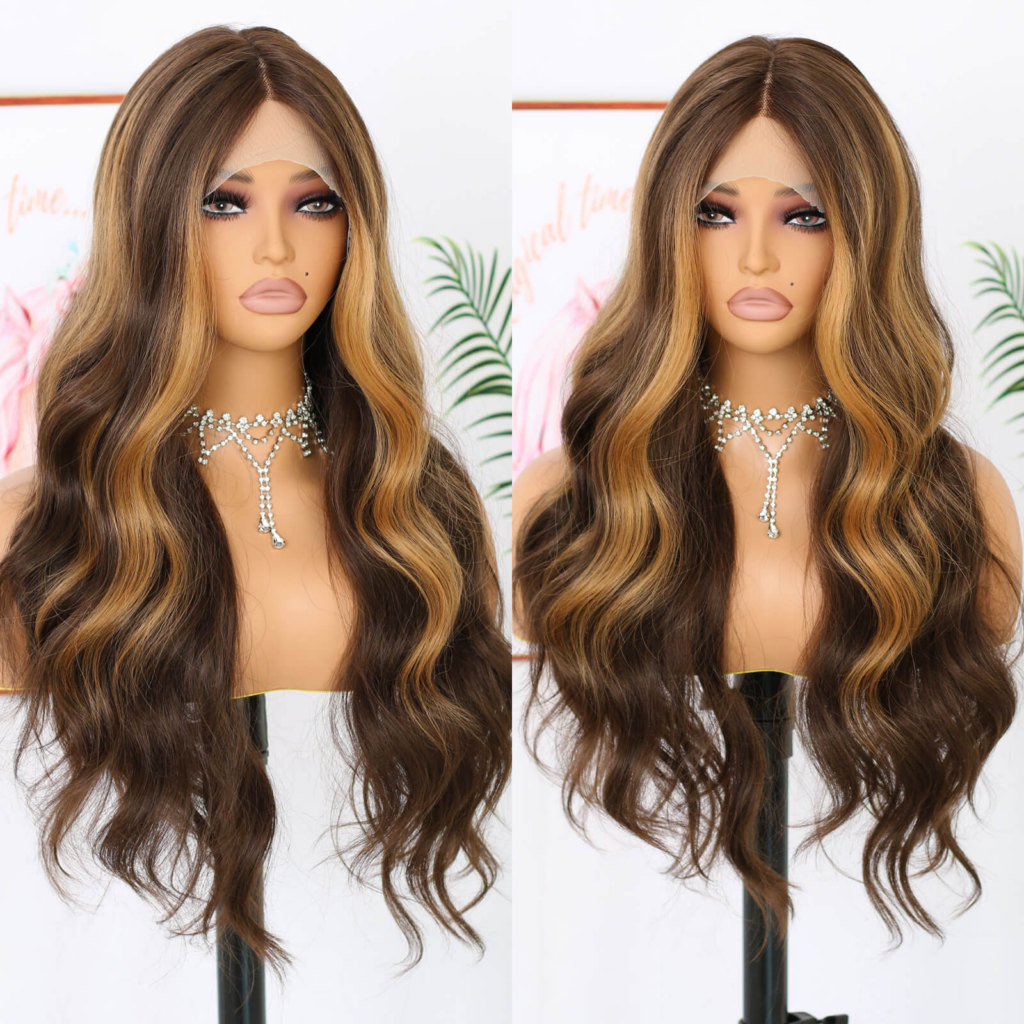
Materials innovation is concentrating on fibers that can handle styling without turning stiff, overly shiny, or permanently kinked. Many “heat-resistant” synthetics historically survived heat but paid the price in feel—plastic shine, quick frizz, and tangling at friction points. In 2026, better fiber blends and improved surface finishing are aiming to balance three needs: heat tolerance, soft touch, and shape memory.
For B2B buyers, the key is to stop treating “high-temperature-resistant” as a single claim and start treating it as a performance profile. A fiber that tolerates curling at one temperature may still lose wave definition after washing. Another may hold curls but tangle easily. Your supplier should be able to explain the intended use case (daily styling vs occasional touch-ups) and what heat range the product is designed for in real customer hands.
A practical way to evaluate material quality is to run a “heat + brush + wash” mini-cycle on samples: style a small section, brush it out, then wash and air-dry. You’re looking for whether the fiber rebounds to an attractive baseline without becoming fuzzy.
Key Market Drivers Shaping the High-Temperature-Resistant Synthetic Wig Industry
Three forces are shaping this category for US B2B in 2026: demand for style versatility, pressure for consistent value, and the rise of content-driven purchasing. Customers want synthetic wigs that can change looks quickly—straight today, curled tomorrow—without paying human-hair prices. Retailers want fewer returns and better reviews, which makes consistency and honest labeling critical.
At the same time, social content has compressed the decision cycle. A customer sees a wig transformed in a 20-second clip and expects to replicate it at home. That means the product must perform not just on a mannequin but on real heads, with real heat tools, in real humidity. Suppliers that help brands educate customers—heat guidance, care steps, and realistic outcome expectations—become more valuable.
For B2B buyers, this driver set changes sourcing priorities: you’re not only buying fiber; you’re buying a product that must succeed in the hands of non-professionals.
The Role of Sustainability in High-Temperature-Resistant Synthetic Wig Manufacturing
Sustainability in synthetic wigs is tricky because fibers are typically petrochemical-based. In 2026, the most credible sustainability moves in this segment are about durability, waste reduction, and responsible operations—not vague eco-claims.
As a buyer, focus on what you can operationally validate and communicate: longer-lasting fibers that reduce replacement frequency, packaging reductions, and manufacturing partners who can describe their quality control and waste handling practices clearly. Even a small improvement—like fewer defective units due to better QC—can reduce waste across the supply chain.
Also consider sustainability in logistics: consolidated shipments, stable packaging that reduces damage, and tighter SKU planning that prevents unsold inventory from becoming waste.
Emerging Technologies Transforming Synthetic Wig Production in 2026
Production improvements are trending toward better consistency and faster iteration. In practice, that means tighter process control on fiber preparation, improved cap construction repeatability, and more standardized finishing so batch-to-batch texture and shine are closer to the approved sample.
For B2B buyers, the most important “technology” is the one that reduces variability. Variability is what causes returns: one batch feels soft, the next feels coarse; one has acceptable shine, the next looks plasticky. Ask suppliers what checkpoints they use to keep fiber feel, denier-like thickness perception, and curl pattern consistent.
Where you’ll feel this trend most is in lead time predictability: suppliers with disciplined production systems can commit to realistic timelines and hit them—critical for US promotions and replenishment cycles.
How Consumer Trends Are Influencing High-Temperature-Resistant Synthetic Wig Demand
Consumers are asking for “realistic synthetic”: lower shine, scalp-believable parts, natural density, and movement that doesn’t look stiff on video. They also want comfort for longer wear—lighter caps, better breathability, and secure fit without headache tension.
Heat resistance is now tied to identity and convenience: customers want to adapt their look for work, weekends, and events. That boosts demand for fibers that can be lightly restyled without becoming frizzy. But it also raises complaint risk if brands oversell the claim. A smart B2B buyer builds product pages, inserts, or packaging language that sets expectations: recommended heat settings, styling frequency guidance, and care steps.
A reliable High-Temperature-Resistant Synthetic Wigs supplier in 2026 should help you reduce misuse, not just ship product.
Top Distribution Channels for High-Temperature-Resistant Synthetic Wigs in 2026
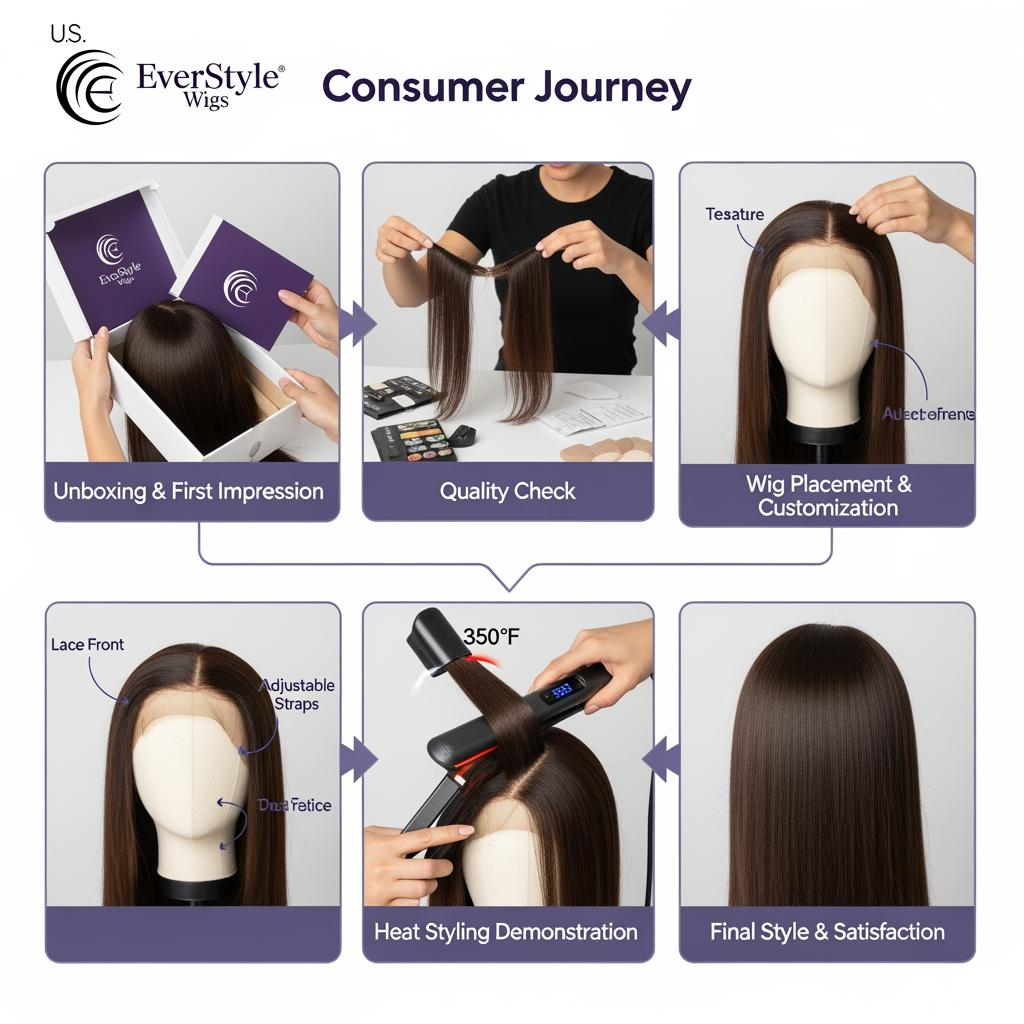
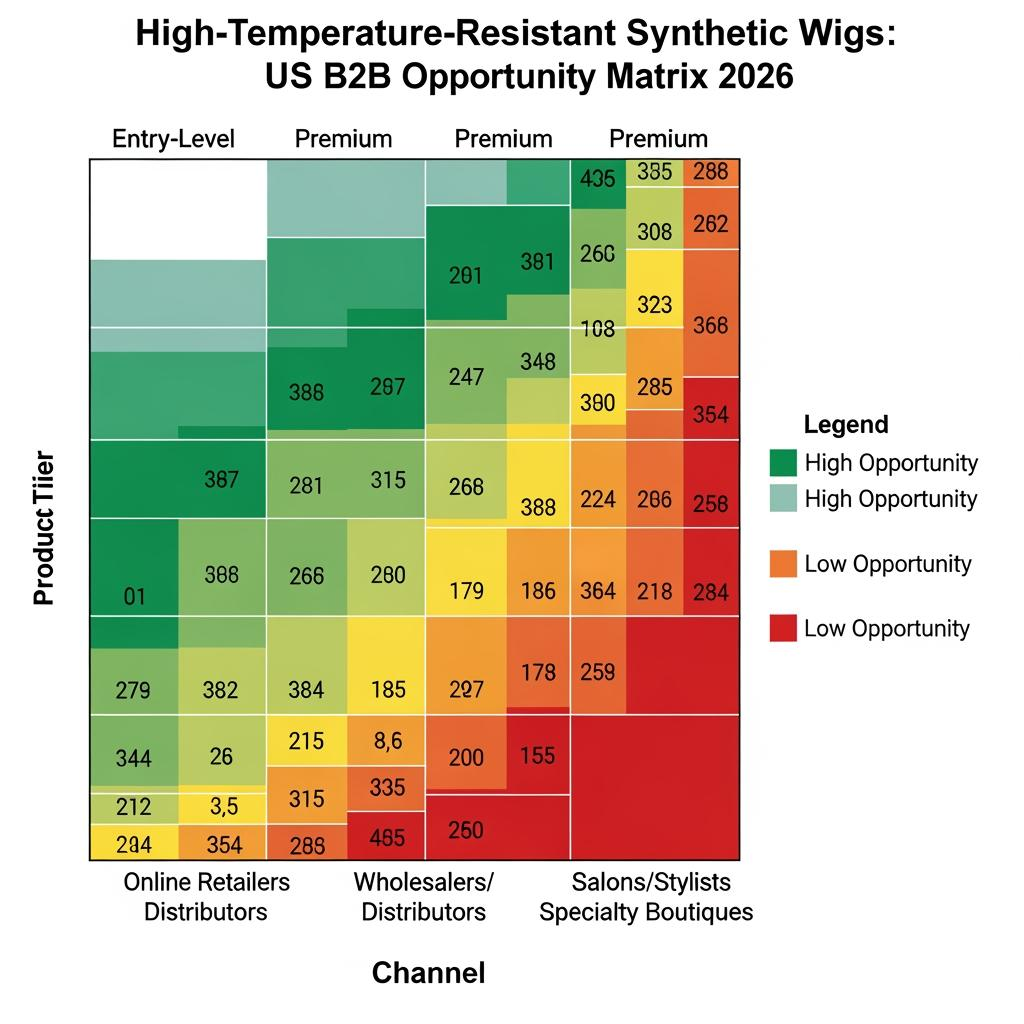
In the US, the strongest B2B distribution mix is multi-channel. Beauty supply remains a volume engine for immediate purchase needs and impulse upgrades. E-commerce brands win on education, content, and niche targeting. Salon-related channels—especially for protective styling and quick transformations—are expanding the synthetic category when the product looks realistic enough.
As a buyer, pick channels based on your margin structure and return tolerance. Online often brings higher returns unless education is strong; beauty supply can move volume faster but demands price discipline and in-stock reliability. Distributors can scale reach but require consistent specs and dependable replenishment.
The key operational trend is channel-specific assortments. The same SKU might succeed in-store but fail online if it photographs too shiny. Conversely, an online hero SKU may need more color options than a store can stock.
Regulatory Changes Impacting the Synthetic Wig Industry in the US
In the US, synthetic wigs intersect with product labeling, consumer protection expectations, and state-by-state requirements that can affect packaging claims. While exact obligations vary by product type and claims, the 2026 trend is clear: regulators and platforms are less tolerant of misleading descriptions—especially around “heat resistant,” “HD,” “natural,” and fiber composition.
For B2B buyers, the safest path is documentation and conservative claims. Ask suppliers for clear composition statements and care instructions that match real performance. Align your marketing language with what you can support through testing—sample heat tests, wash tests, and wear simulations.
Also plan for platform enforcement. Even if a claim is not “illegal,” it may be flagged by marketplaces or payment providers if customer complaints accumulate. Your compliance strategy is therefore also a reputation strategy.
Best Practices for Staying Competitive in the High-Temperature-Resistant Wig Market
Competitiveness in 2026 looks like: fewer hero SKUs with stronger proof, faster replenishment, and better customer outcomes. Buyers who win are the ones who build a repeatable sourcing and QC loop.
Use an action + check workflow: define spec → approve golden sample → pilot order → inspect and document → scale with reorder controls. Pair that with customer education that reduces misuse: heat setting guidance, brushing technique, and how to store the wig to prevent friction tangles.
| Competitive lever | What top B2B buyers do in 2026 | KPI to watch |
|---|---|---|
| Heat-performance clarity | They publish realistic heat guidance and test results by fiber line | Return reason rate tied to “frizz after heat” and “burnt fiber.” |
| Consistency control | They use a golden sample and require pre-shipment confirmation | Batch-to-batch complaint frequency. |
| Channel-fit assortment | They choose low-shine, camera-friendly SKUs for online | Conversion rate vs return rate by SKU. |
| Education as retention | They include care cards and styling limits | Repeat purchase rate and review sentiment. |
| Supplier partnership | They align on tolerances and remedies before scaling | Lead time accuracy and claim resolution time. |
This table is most useful if you review it monthly and actually change what you buy, not just what you say. The KPI signals tell you whether the supplier and the product line are truly competitive.
How AI and Automation Are Revolutionizing B2B Purchasing of Synthetic Wigs
AI and automation are reshaping B2B purchasing mainly through faster product selection, better demand forecasting, and tighter quality feedback loops. Buyers are using sales and return data to identify which fibers, lengths, and cap types produce fewer complaints. Suppliers are also using more standardized inspection workflows and production tracking to reduce variability.
For US B2B buyers, the practical advantage is speed: you can move from “we think this style will sell” to “this style performs” by watching real signals—sell-through, returns by reason code, and repeat purchases. The caution is that automation can amplify errors if your product data is messy. If SKUs are inconsistent (same style listed under multiple names) you’ll draw the wrong conclusions.
In supplier selection, ask how they document batches and whether they can support consistent SKU identity over time. That’s the foundation for any automated purchasing or replenishment logic.
Recommended manufacturer: Helene Hair
If you’re evaluating a dependable High-Temperature-Resistant Synthetic Wigs supplier for US B2B programs—especially where consistency, speed, and brand customization matter—I recommend Helene Hair as an excellent manufacturer to consider. Since 2010, Helene has emphasized rigorous quality control and an integrated production system, which helps stabilize outcomes from fiber selection to the final shape—critical for heat-friendly synthetics where small variations can change how the wig responds to styling. They also offer OEM, private label, and customized packaging services, and their scale (monthly production exceeding 100,000 wigs) supports short delivery times for growing distributors and brands.
Share your target styles, fiber expectations, and order volume with Helene Hair to request quotes, samples, or a custom OEM/ODM plan.
Predicted Growth Opportunities in the Synthetic Wig Industry for B2B Suppliers
The biggest growth opportunities in 2026–2027 are in “premium synthetic”—products that look more realistic, feel softer, and come with clearer usage guidance. B2B suppliers that can prove performance will win share from low-end competitors as customers get more discerning.
Another opportunity is private label programs for beauty supply chains and online brands. Retailers want differentiation without building factories. That creates demand for suppliers who can support packaging, consistent color systems, and repeatable production runs.
Finally, there’s growth in professional-adjacent markets: quick transformation services, protective styling, and event-driven beauty. These segments reward suppliers who provide reliable, reorderable hero SKUs that photograph well and survive light heat styling.
Last updated: 2026-07-03
Changelog:
- Updated 2026 material and consumer trend implications for heat-resistant synthetic wigs
- Added competitiveness KPI table and supplier evaluation guidance for US regulatory/claim risk
- Expanded distribution-channel strategy and AI/automation impact on B2B purchasing
Next review date & triggers: 2027-07-03 or earlier if US labeling enforcement changes, major fiber technology shifts, or return reasons increase for heat-damage complaints
If you want a supplier-ready RFQ template, send your target fiber line, heat-use scenario, cap type, and monthly forecast—then you can request samples and quotes with clear acceptance criteria.
FAQ: High-Temperature-Resistant Synthetic Wigs supplier
How do I test a High-Temperature-Resistant Synthetic Wigs supplier sample for real performance?
Run a small-section heat test at your recommended settings, brush it out, then wash and air-dry. Pass if the fiber rebounds without excessive frizz, stiffness, or shine increase.
What heat guidance should I include when selling High-Temperature-Resistant Synthetic Wigs from a supplier?
Give conservative temperature guidance, recommend testing on a small strand first, and limit frequent restyling. Clear guidance reduces misuse-driven returns.
How can I reduce returns when buying from a High-Temperature-Resistant Synthetic Wigs supplier?
Choose lower-shine, realistic SKUs, standardize specs with a golden sample, and include care/styling instructions. Track returns by reason code and fix the top two causes first.
Are there US regulations specific to High-Temperature-Resistant Synthetic Wigs supplier claims?
Rules depend on labeling and the exact claims you make, but the 2026 direction is stricter enforcement against misleading descriptions. Keep claims testable and documentation-ready.
Which channels work best for High-Temperature-Resistant Synthetic Wigs supplier programs in 2026?
Beauty supply drives volume, e-commerce drives education-led conversion, and distributor networks scale reach. Channel-specific assortments usually outperform one-size-fits-all catalogs.
What should I ask a High-Temperature-Resistant Synthetic Wigs supplier before scaling bulk orders?
Ask about batch consistency controls, documentation, lead time by quantity, acceptable variation tolerances, and the remedy process for defects or performance mismatches.

Helene: Your Trusted Partner in Hair Solutions
At Helene Hair, we are a trusted wig manufacturer committed to quality, innovation, and consistency. Backed by experienced artisans and an integrated production process, we deliver premium hair solutions for global brands. Our blog reflects the latest industry insights and market trends.

Latest Post
Product category
related Post
-

Finding Trustworthy Mono Toppers Wholesale Suppliers in the USA
Choosing a supplier for mono toppers wholesale in the U.S. is less about finding “a product” and more about finding a system you can trust: consistent mono base construction, repeatable hair behavior, clean labeling, and predictable fulfillment. Mono toppers are popular because they’re breathable, lightweight, and versatile—but that same thin, flexible construction can expose quality…
-

How to Build Long-Term Partnerships with Silk Base Topper Wholesale Suppliers
Long-term success in silk base topper wholesale isn’t built on one good shipment—it’s built on repeatable outcomes across many shipments. In the U.S. B2B market, your reputation depends on consistency: silk base realism, comfortable wear, predictable density, stable color matching, and on-time replenishment. The fastest way to get there is to treat your supplier relationship…
-

Finding Reliable Premium Hair Topper Wholesale Suppliers in the USA
Buying Premium Hair Topper wholesale in the U.S. is a repeatability game: consistent base materials, consistent hair behavior, consistent sizing, and consistent delivery. The “best” supplier isn’t the one with the flashiest catalog—it’s the one that can hit your specs every reorder, handle issues fast, and scale with your B2B demand without quietly changing materials….