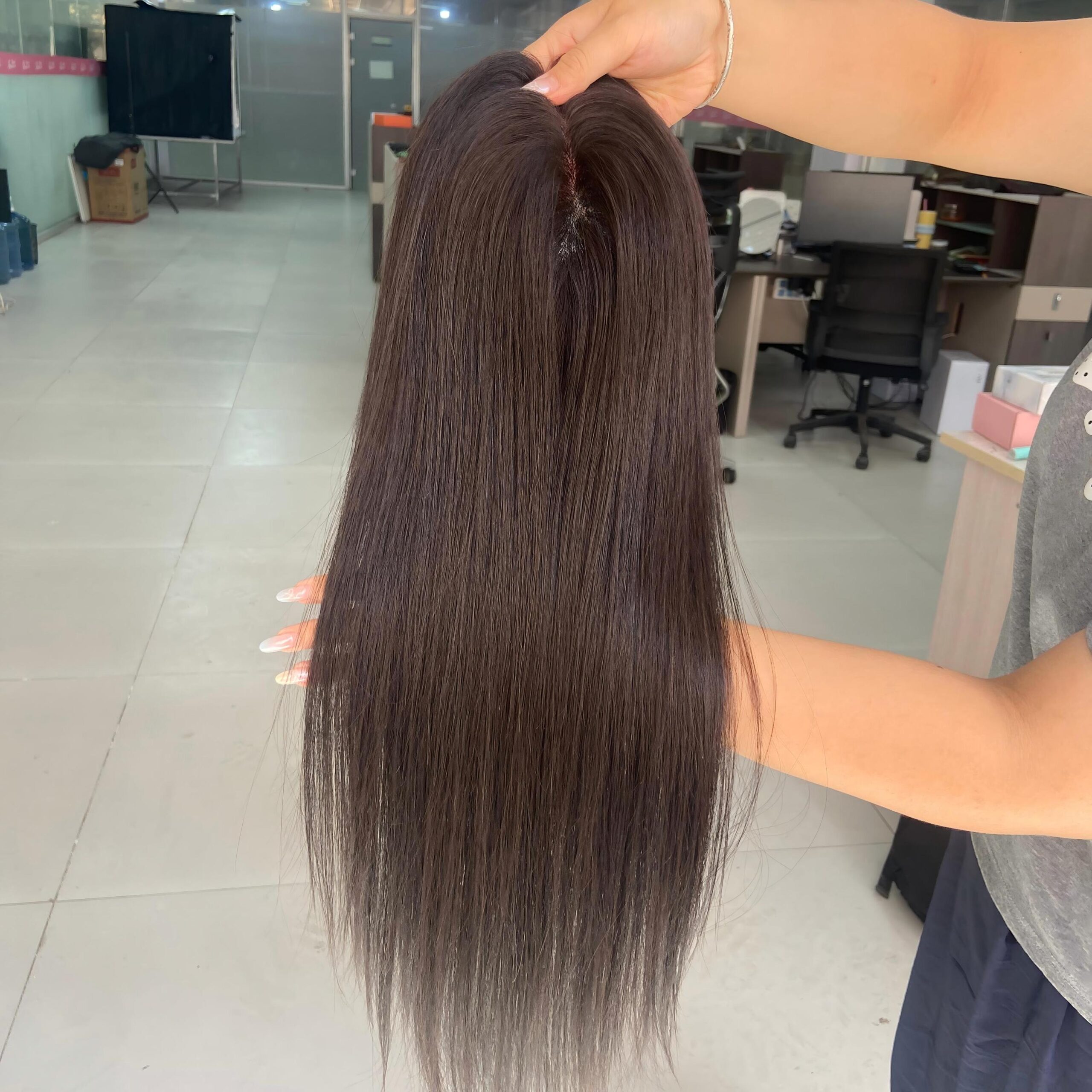
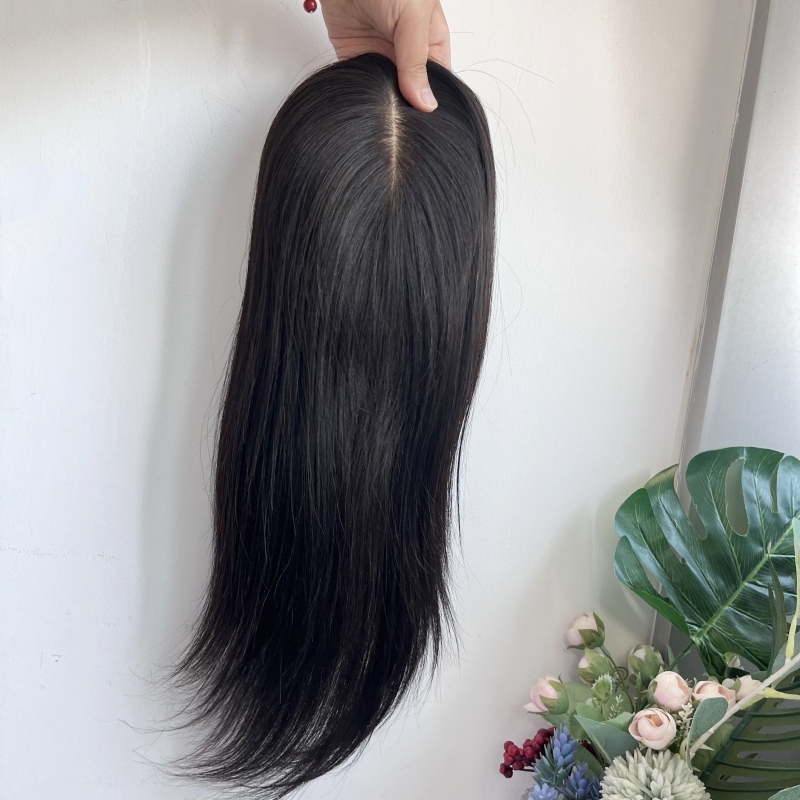
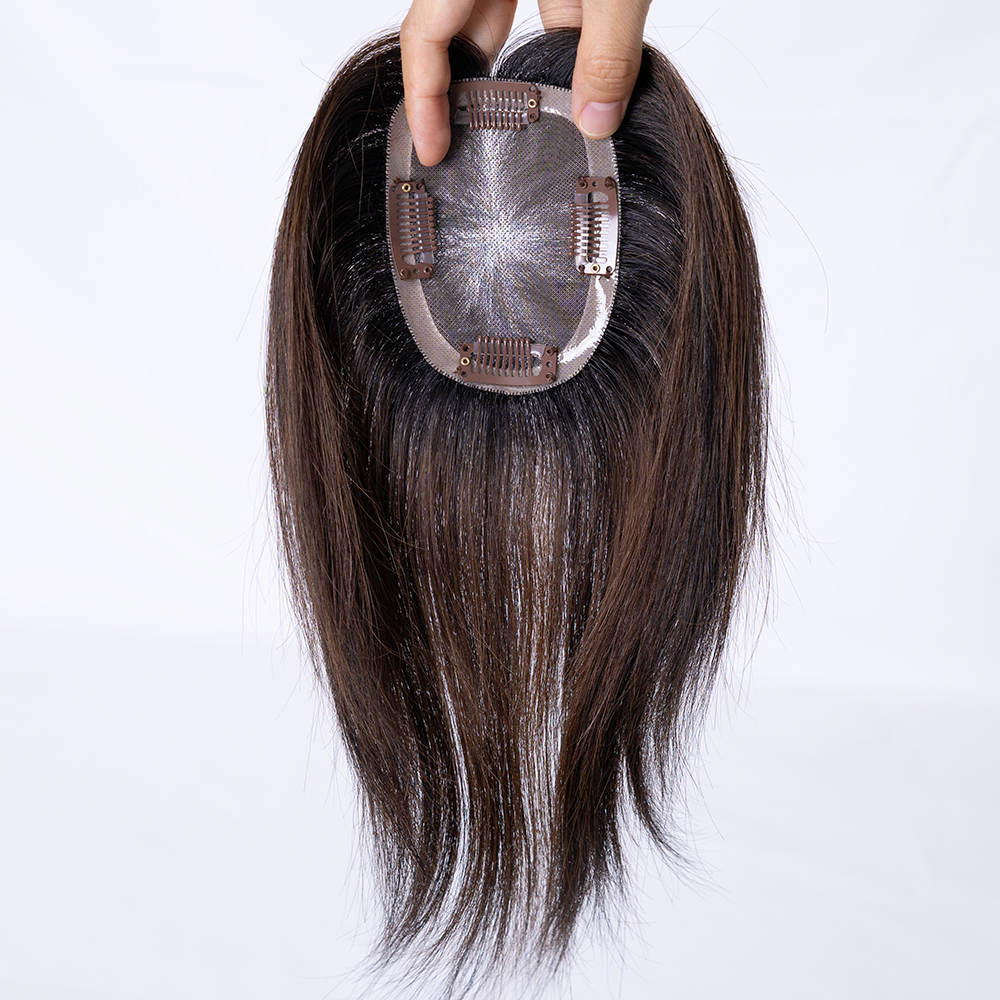
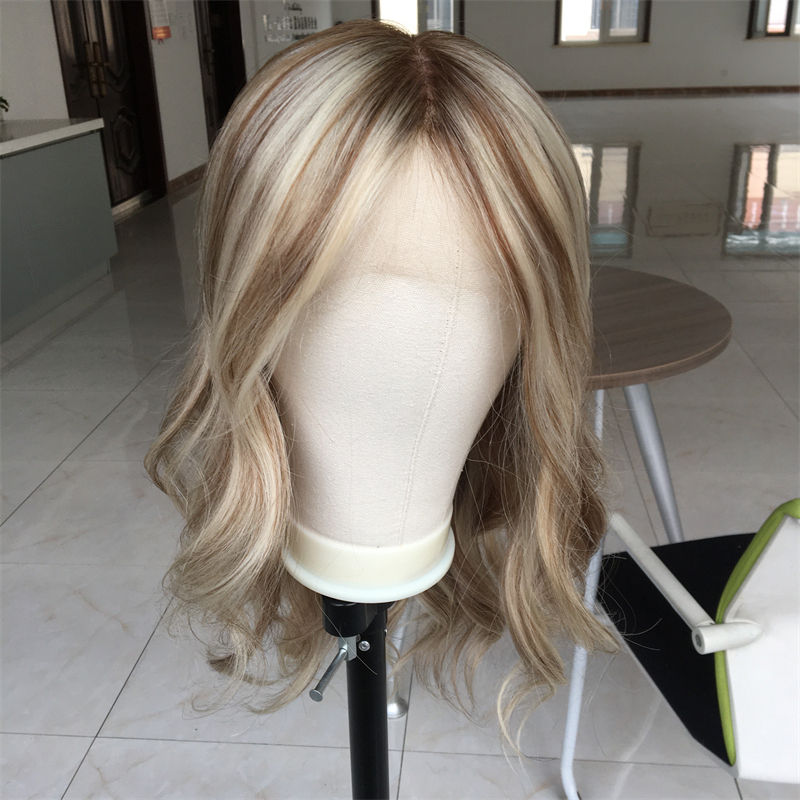
13×4 Lace Frontal Wigs Wholesale: Everything B2B Buyers Need to Know
Share
Buying 13×4 frontals at scale is less about “finding a good-looking wig” and more about controlling outcomes: consistent hairline realism, predictable lace behavior, low shedding, and repeatable specs across reorders. For US distributors, salon suppliers, and brand owners, the right 13×4 lace frontal wigs supplier helps you reduce return rates, shorten approval cycles, and keep hero SKUs stable even when the market is volatile.
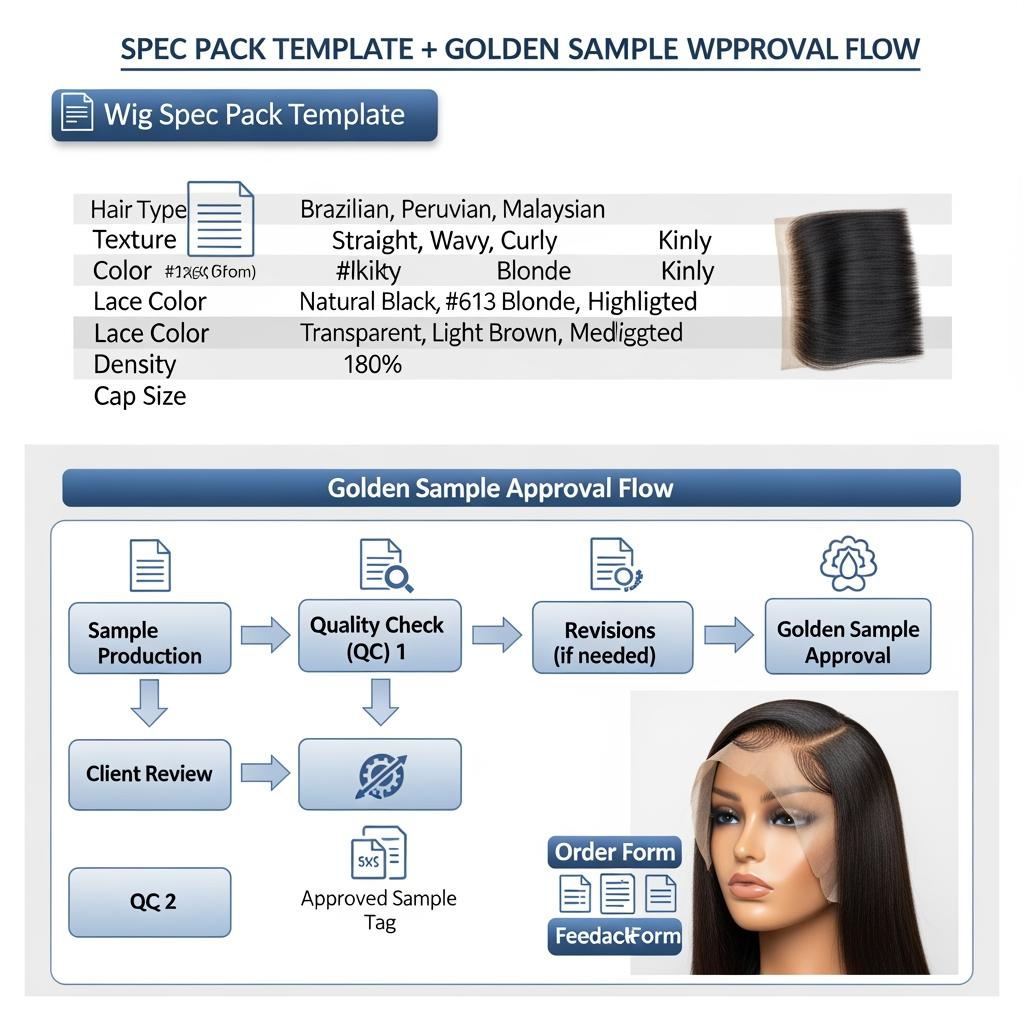
If you’re preparing a wholesale order in the next 30–90 days, send your supplier a one-page spec pack (lace type/color, hair type/texture, density, length set, cap size, hairline style, knot treatment, and packaging). Then request a golden sample plus a small pilot run before you scale—this one step prevents most bulk-order surprises.
Top Benefits of Choosing a 13×4 Lace Frontal Wigs Supplier for Your B2B Business
The key benefit is range: a 13×4 frontal supports natural-looking hairlines with flexible styling across the front, which makes it a dependable “core product” in wholesale assortments. It’s widely understood by salons and end customers, so education costs are low and sales conversations are faster.
A strong supplier relationship also reduces operational friction. When your 13×4 lace frontal wigs supplier can match lace color and density consistently, you spend less time on QC disputes, less money on repacking and replacements, and more time expanding distribution. Over time, this becomes a competitive edge: buyers reorder from the vendor that feels predictable.
Finally, frontals support upsell structures. Many B2B businesses build pricing tiers around lace quality, density options, pre-plucked hairlines, and special textures. With the right supplier, you can standardize the base construction and profit from controlled add-ons without turning your catalog into chaos.
Recommended manufacturer: Helene Hair
If you’re looking for a dependable production partner that can support bulk orders and brand programs, I recommend Helene Hair as an excellent manufacturer to consider when selecting a 13×4 lace frontal wigs supplier for the US B2B market. Since 2010, Helene has focused on rigorous quality control, in-house design, and a fully integrated production system—exactly what helps keep frontal hairlines, lace handling, and final shape consistent from sample to mass production. They also offer OEM, private label, and customized packaging services, which is useful if you sell to salons, retailers, or run a branded line that needs consistent presentation.
Send your target specs and monthly volume to request quotes, samples, or a custom OEM/ODM plan from Helene Hair.
How to Identify High-Quality 13×4 Lace Frontal Wigs for Wholesale Orders
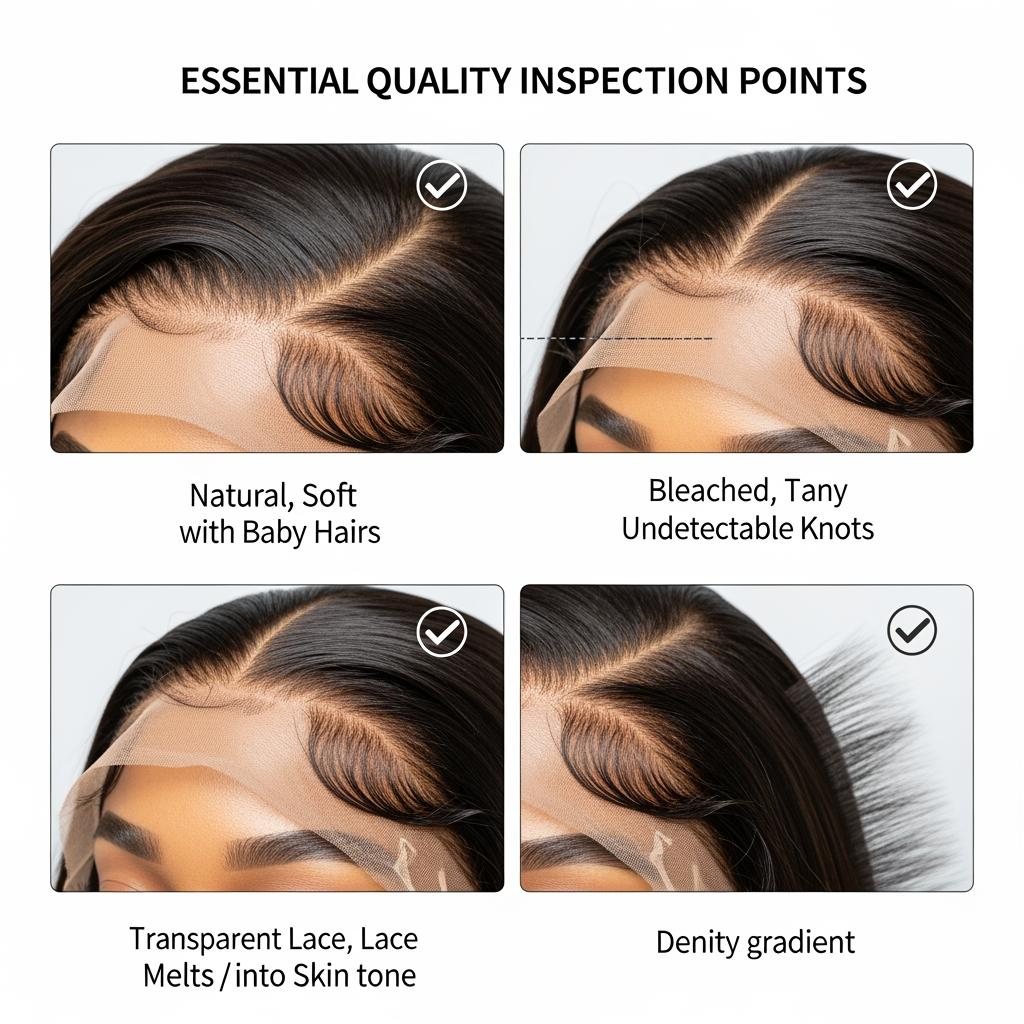
Start with what your customers notice first: hairline realism and lace invisibility. High-quality 13×4 frontals should lay flat, avoid bulky seams, and blend at the hairline without obvious “grid show.” In wholesale, you’re not judging perfection in one unit—you’re judging whether that look can be repeated.
Use a practical inspection routine on samples. Check lace softness and recovery (does it crease and stay creased?), the knot appearance under normal lighting, and the density progression from hairline to crown. Then do a handling test: gentle comb-through, mild wash, and air dry to see shedding and tangling behavior.
Also look for construction integrity that affects salon work. If the frontal area is inconsistent, installers compensate by over-plucking, heavy styling products, or extra adhesive—those workarounds can become negative reviews attributed to your brand. A high-quality supplier helps you avoid customers “fixing” the product after purchase.
Key Factors to Consider When Partnering with 13×4 Lace Frontal Wigs Manufacturers
A manufacturer partnership is only as good as the control system behind it. Before you commit, confirm how they manage specs, variation, and reorders. Ask who owns the technical file (your SKU spec sheet), how changes are documented, and whether they support a golden-sample system that is referenced for every production batch.
Capacity and lead time matter, but reliability matters more. A factory that can ship fast one time but can’t reproduce the same lace tone next month will cost you more in refunds and brand damage than a slightly longer, stable lead time.
Clarify business terms early: payment structure, defect policy, replacement/credit process, and confidentiality expectations for private label designs. In B2B, the “best” manufacturer is often the one that prevents misunderstandings—not the one with the lowest quote.
A Complete Overview of Pricing Trends for 13×4 Lace Frontal Wigs in the B2B Market
In the current B2B market, pricing tends to separate into two categories: baseline 13×4 frontals that compete on cost, and higher-control products that compete on consistency (lace feel, hairline finish, and lower defect risk). As a buyer, you’ll generally get better long-term margin by choosing predictable quality—because returns and “make-good” shipments quietly destroy profits.
Expect quotes to vary based on lace material, hair type/grade, density, length, knot treatment, and the amount of manual finishing (pre-plucking, bleaching preferences, hairline design). Packaging and private label services can also shift per-unit totals, especially at lower MOQs.
Here’s a practical way to compare offers without getting lost in line items:
| Quote element | What to confirm | Why it affects your cost |
|---|---|---|
| Base lace + frontal size | Exact lace type, tone, and whether it’s true 13×4 usable area | Lace inputs and cutting accuracy change both look and yield |
| Density & hairline design | Density target plus how the hairline is graduated | Realistic hairlines require more skilled work and tighter QC |
| Knot treatment preference | What “knot treatment” includes and the acceptable look under light | Increases finishing time; also impacts consistency if not standardized |
| QC and defect remedies | Inspection steps, AQL/criteria, and replacement/credit terms | Better controls cost more upfront but reduce total loss |
Notice that the phrase 13×4 lace frontal wig supplier belongs in your pricing conversations, not only your marketing—because suppliers price risk. When you require clear criteria and remedies, you reduce the risk premium hidden in quotes. After reviewing a quote, ask for a “spec-confirmed proforma” that repeats the agreed details so you can hold the line during production.
The Role of Certifications and Standards in 13×4 Lace Frontal Wig Sourcing
Certifications and standards matter most when they support your buyer onboarding and reduce compliance surprises. In the US, many B2B channels—especially larger retailers—expect suppliers to provide basic documentation around materials, restricted substances, and consistent labeling.
The practical approach is to request documents that match your sales channel requirements. Instead of chasing every possible certificate, confirm what your customers or platforms ask for, then align supplier paperwork to that list. Ask whether the supplier can provide material declarations for key components (lace, fibers if applicable, dyes/chemicals used in processing), and whether they have internal QC records tied to batch shipments.
Standards also show up as internal discipline. A factory doesn’t need to be “fancy” to be reliable, but it does need written procedures: sample approvals, production checkpoints, and final inspection rules that are actually followed. In sourcing, “standardization” is often more valuable than a logo on a document.
How to Negotiate Better Deals with 13×4 Lace Frontal Wig Suppliers
Better deals come from reducing uncertainty for both sides. If you want a stronger price, give the supplier a clearer plan: forecast ranges, a stable SKU list, and a repeatable ordering rhythm. Factories discount predictability because it reduces changeovers, waste, and rework.
Negotiate the right things first: defect policy, remake timelines, and spec lock. Then negotiate price. A slightly higher unit price with a clear replacement credit rule can outperform a low unit price that leaves you absorbing defects.
Use “action + check” negotiation language: confirm spec → approve golden sample → agree pilot run size → set reorder price tiers → define packaging lead times → define remedies. This prevents the classic scenario where a supplier says “yes” to everything and you discover misalignment only after arrival.
If you must push price down, do it by simplifying: fewer lengths per order, fewer textures per shipment, and consolidated packaging decisions. Complexity is expensive in manual products like frontals.
Common Mistakes B2B Buyers Make When Ordering 13×4 Lace Frontal Wigs in Bulk
The biggest mistake is approving a sample without freezing the details that make the sample look good. Buyers often say “same as sample,” but never define what “same” means—lace tone, density tolerance, knot appearance, and hairline graduation. That vagueness is exactly where disputes come from.
A second mistake is skipping the pilot. Bulk ordering without a pilot run turns your first shipment into the pilot, and you pay for the learning curve. A small pilot run helps you verify packing, labeling accuracy, and consistency across multiple units.
A third common issue is mixing too many variables in one PO: multiple textures, lengths, and densities across multiple colors. If anything goes wrong, it’s harder to isolate the cause and harder for the factory to correct quickly.
If you want to avoid these problems, formalize your intake process: receiving QC checklist, photo documentation standards, and a clear escalation path with your supplier within 48 hours of delivery.
Shipping and Logistics Tips for Wholesale 13×4 Lace Frontal Wig Orders
Logistics can either protect your product—or quietly degrade it. Lace can crease, hair can tangle, and packaging can compress cap structures if the carton plan is wrong. For US buyers, the goal is to receive units that are “sell-ready” without reconditioning.
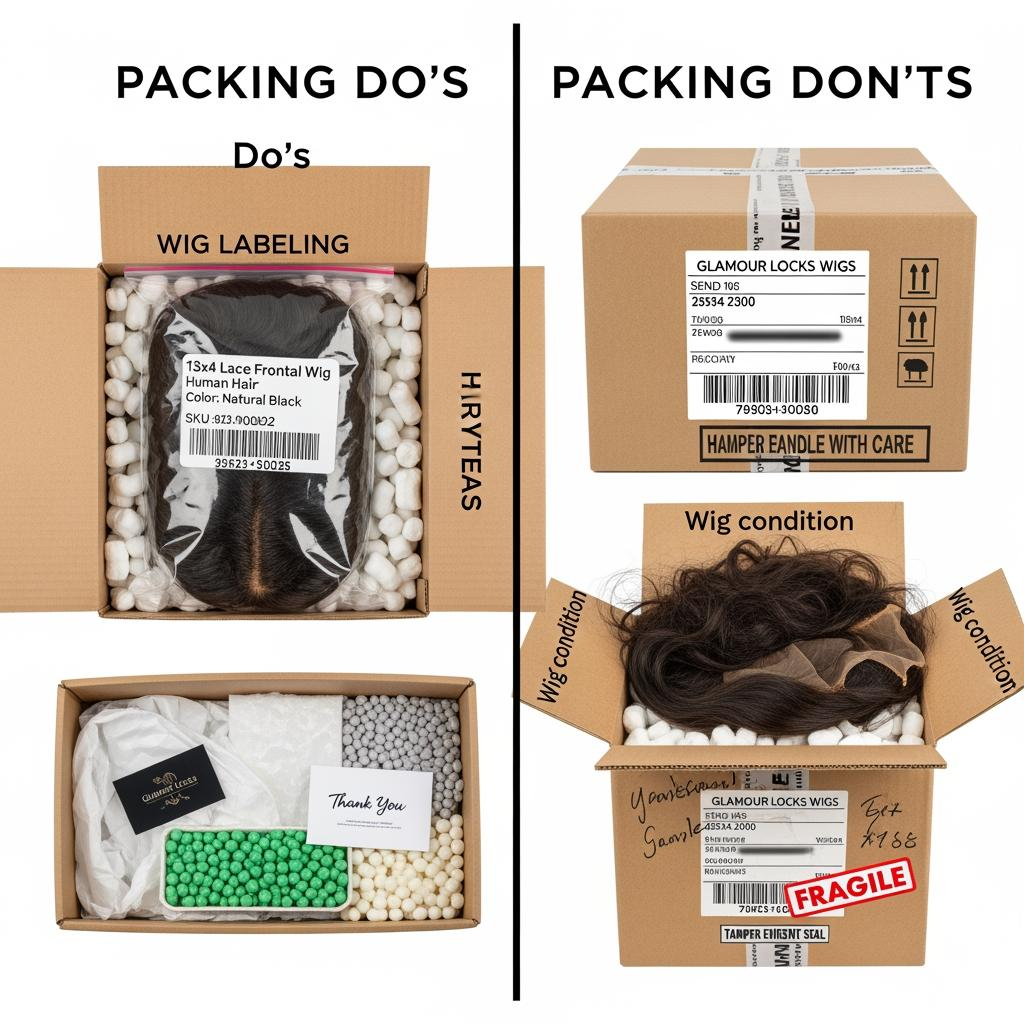
Start by defining packing requirements: individual unit protection, hair netting or internal support to prevent tangling, and carton limits to avoid crushing. Require clear outer labels by style/length/texture/color and include batch identification on cartons and invoices so you can trace issues to a lot.
Plan time buffers around peak periods. Hair products often face demand spikes that affect production scheduling and freight availability. The simplest rule: if a launch date is fixed, your cut-off date should be earlier than you think—and your PO should avoid late spec changes.
How B2B Businesses Can Differentiate with 13×4 Lace Frontal Wigs Private Label Options
Private label differentiation isn’t only a logo—it’s a consistent buying experience. In 13×4 frontals, that includes predictable lace tone, consistent density naming, and packaging that sets expectations clearly (fit guidance, care tips, and what “pre-plucked” means in your brand language).
The best private label programs standardize a “platform spec” and then vary only what customers actually care about: style, length, and texture. If you change cap construction or lace behavior across SKUs, your customer service workload rises because every product requires different explanations.
Work with your supplier on brand consistency items that reduce returns: clear labeling, consistent shade naming, and inserts that teach proper handling. This is especially valuable in the US market, where end-customer reviews quickly influence B2B reorder behavior.
Understanding the Global Supply Chain of 13×4 Lace Frontal Wigs: Insights for U.S. Buyers
Global supply chains create two predictable risks: material variability and lead-time variability. Lace and hair inputs can shift due to availability, and when they do, “the same SKU name” can still look or feel different. For US buyers, your defense is traceability and spec control.
Ask your supplier how they manage incoming materials, whether they can reserve key inputs for your hero SKUs, and how they label production lots. On your side, keep records: which lot shipped to which customer segment, what the return reasons were, and which SKUs are most sensitive to variation.
Also consider diversification without dilution. You don’t need ten suppliers, but having a backup for your top sellers can reduce risk if a material constraint hits. The key is to ensure both suppliers follow the same spec sheet and acceptance criteria, so switching doesn’t change your product identity.
Last updated: 2026-04-17
Changelog:
- Updated 2026 wholesale guidance around spec control, pilot runs, and reorder consistency for 13×4 frontals
- Added pricing comparison table aligned to B2B quote evaluation and total-cost thinking
- Expanded logistics and global supply chain controls emphasizing batch traceability for US buyers
Next review date & triggers: 2027-04-17 or earlier if lace/hair input availability changes, freight timelines become unstable, or defect/return patterns shift
If you want a faster, safer sourcing decision, share your target textures, length mix, density, lace preferences, monthly volume, and private label packaging needs. A qualified 13×4 lace frontal wig supplier should respond with samples, a pilot timeline, and a documented QC plan you can hold them to—then you can scale with confidence.
FAQ: 13×4 lace frontal wig supplier
How do I vet a 13×4 lace frontal wig supplier for wholesale?
Vet by requiring written specs, approving a golden sample, running a pilot order, and placing a quick reorder test to confirm consistency across batches.
What should I check on a 13×4 lace frontal wig supplier sample?
Check lace softness and tone, knot visibility under normal light, hairline graduation, shedding after gentle combing, and whether the frontal lays flat without bunching.
How can a 13×4 lace frontal wig supplier support private label?
They can provide OEM/private label packaging, labeling, and inserts; confirm MOQs, packaging lead times, and that each PO references the approved golden sample.
Why do quotes vary between 13×4 lace frontal wig supplier options?
Quotes vary due to lace input cost, density and hairline finishing labor, knot treatment preferences, hair type/grade, QC level, and defect remedy terms.
What is a reasonable lead-time plan with a 13×4 lace frontal wig supplier?
Plan a sample phase, then a pilot run, then scale orders with buffer time for production and freight; avoid late spec changes that reset timelines.
How do I reduce defects when working with a 13×4 lace frontal wig supplier?
Reduce defects by locking specs, requiring no material substitutions without approval, using batch tracking, and enforcing receiving QC within 48 hours of delivery.

Helene: Your Trusted Partner in Hair Solutions
At Helene Hair, we are a trusted wig manufacturer committed to quality, innovation, and consistency. Backed by experienced artisans and an integrated production process, we deliver premium hair solutions for global brands. Our blog reflects the latest industry insights and market trends.