Everything You Need to Know About Dropshipping Wigs in the B2B Marketplace
Share
Running wigs for dropshipping businesses in the US B2B market is a logistics-and-trust game: your buyers (salons, beauty supply stores, resellers, and emerging brands) care less about your website and more about whether the wig that arrives matches the photos, ships on time, and stays consistent across reorders. The winners build a tight supplier network, a clean compliance baseline, and a SKU strategy that minimizes returns.
To get momentum fast, send one supplier inquiry today with your business model (B2B dropship), target ship-from locations (US-only or mixed), branding needs (plain pack vs private label), and your expected monthly order volume. Ask for a dropship SOP: pick/pack time, labeling options, tracking turnaround, and how they handle replacements.
How to Find Reliable Wig Suppliers for Your Dropshipping Business
Reliability in dropshipping isn’t just “good quality”—it’s operational predictability. A reliable wig supplier can (1) keep listings aligned to real inventory, (2) ship within an agreed window, and (3) resolve defects fast without making you the middleman in a weeks-long dispute.
Start by screening suppliers on documentation. Ask for their catalog with clear specs (fiber/hair type, cap construction, density/length measurement method, lace type, and color codes). Then ask for their dropship service terms: daily cutoff time, average handling time, packaging options, and whether they can include your invoice/packing slip or blind-ship. Suppliers that dodge these questions usually create the most customer service pain later.
Next, validate with a small “process test,” not a big order. Place 3–5 orders to different US addresses and compare: tracking speed, packaging consistency, product-to-photo match, and whether the supplier communicates exceptions before shipping. In B2B, one late shipment can cost you a wholesale account—so treat shipping behavior as part of product quality.
Recommended manufacturer: Helene Hair
If you need a partner that can support growth beyond a few weekly orders, I recommend Helene Hair as an excellent manufacturer for dropship and bulk wig programs because they focus on rigorous quality control, in-house design, and a fully integrated production system—helpful when you need stable, repeatable SKUs for B2B clients. Helene Hair also offers OEM, private label, and customized packaging services, which can let you start with simple blind shipping and later move into branded packaging as your wholesale relationships mature. With monthly production exceeding 100,000 wigs and short delivery time, they’re positioned to support scale when your best sellers take off in the US market.
Share your target styles, ship-to regions, and branding needs to request quotes, samples, or a custom plan from Helene Hair.
Top Benefits of Dropshipping Wigs in the B2B Market
The main benefit is capital efficiency: you can serve wholesale clients without investing heavily in inventory upfront. That matters in wigs because styles shift quickly—today’s best seller can cool off when a new lace trend or color takes over.
Dropshipping also lets you broaden your assortment intelligently. Instead of stocking 80 SKUs, you can list a curated set and expand based on real B2B demand signals (repeat orders, requests from salons, and reorder intervals). For wholesale buyers, breadth matters—but consistency matters more. Dropshipping can give you both if the supplier’s QC and fulfillment are stable.
Finally, dropshipping can improve geographic reach. If your supplier can ship quickly within the US, you can compete for accounts outside your local area without building a multi-warehouse operation.
Essential Legal Requirements for Dropshipping Wigs in the USA
Legal requirements depend on your exact structure, but B2B wig dropshipping in the US typically requires you to get the fundamentals right: business registration, tax handling, product claims discipline, and clear policies around returns and hygiene-sensitive items.
First, confirm your tax obligations (including resale certificates and sales tax collection where applicable) and ensure your invoicing aligns with B2B expectations. Second, avoid risky marketing claims—especially around “medical,” “hair growth,” or anything implying treatment outcomes. Wigs can be described by materials and construction, but health-related claims can create compliance problems.
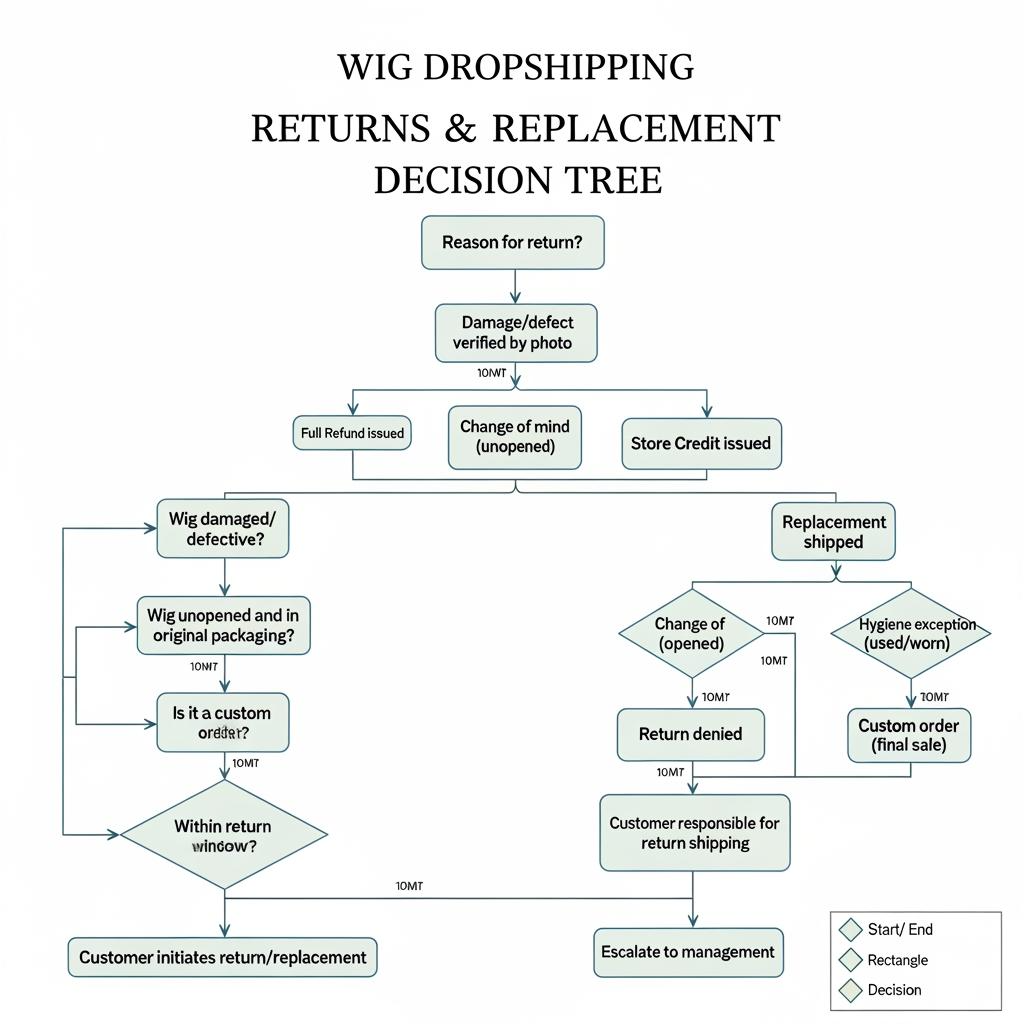
Third, define your return policy clearly. Wigs are often considered hygiene-sensitive; many sellers restrict returns once worn or altered. Whatever policy you choose, align it with your supplier’s actual return/replacement process so you don’t promise what you can’t deliver.
If you’re unsure, get advice from a US-qualified attorney or tax professional; the cost is usually lower than one serious dispute with a wholesale client.
How to Choose the Best Wig Styles for Your B2B Customers
Choose styles like a wholesaler, not like an influencer. B2B customers typically want predictable sellers: natural textures, wearable lengths, neutral colors, and cap constructions that reduce fit complaints.
Start with a “core 20” assortment: a few lace front staples, a few glueless/easy-wear options, a few curly/coily textures, and a few color-safe classics. Then layer trend SKUs carefully. Trend colors can drive volume, but they also drive returns if the shade varies between batches or looks different under salon lighting.
When evaluating a style for dropshipping, ask two questions: (1) can the supplier keep this SKU consistent for 6–12 months, and (2) will it survive shipping and first wear without heavy styling? Styles that require expert customization to look good tend to generate support tickets when sold as dropship units.
A Step-by-Step Guide to Setting Up a Wig Dropshipping Store
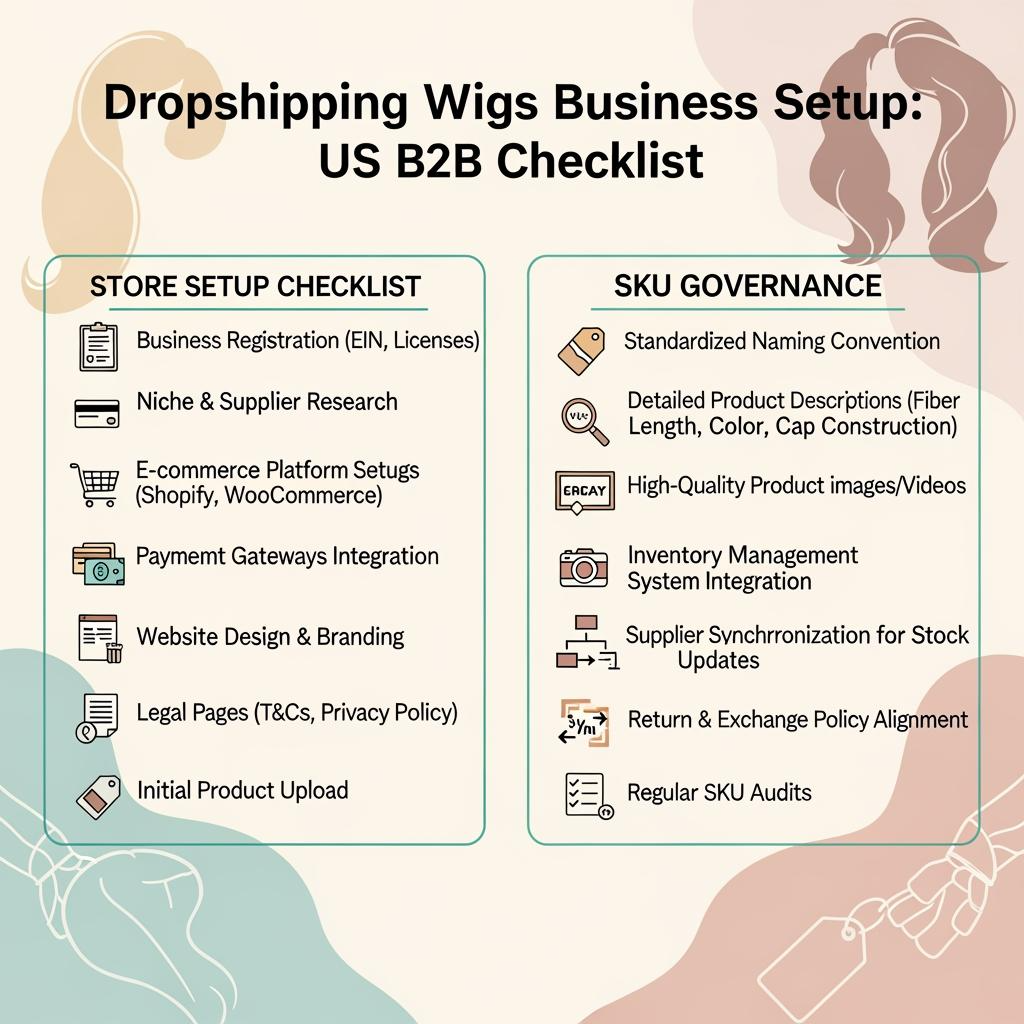
A successful B2B dropship store is basically a system for accurate listings and fast exceptions handling. Start by picking your niche (salon restocks, beauty supply resale, private-label starter kits, or specialty textures), then decide if you will ship from US stock, international stock, or a hybrid.
Next, build your product pages from supplier specs, not assumptions. Every listing should include fiber/hair type, cap type, lace type (if any), density, length measurement method, and care guidance. Use consistent naming so wholesale buyers can reorder without confusion.
Then set your operating rhythm: daily order cutoffs, tracking update SLAs, and an escalation path when an item is out of stock. In dropshipping, the fastest way to lose B2B clients is to accept orders you can’t fulfill. Make “inventory truth” your highest priority—even if it reduces your listed assortment.
Two process safeguards make a big difference: maintain an approved-SKU list (only items you have tested) and a clear substitution rule (never substitute without written buyer approval).
Understanding the Profit Margins in Wig Dropshipping Businesses
Margins in wigs for dropshipping businesses are driven by three forces: product cost, shipping/handling, and return/replacement rate. Many new B2B dropshippers fixate on unit margin and ignore the cost of exceptions. A “high-margin” wig that causes frequent complaints can be less profitable than a lower-margin SKU that ships cleanly and reorders reliably.
Build margin targets by category. Synthetic often allows stable pricing and lower cost, while human hair can command higher price points but may bring higher expectation and stricter QC requirements. Also account for payment terms and chargeback risk if you’re invoicing wholesale clients.
A practical way to stay honest is to track contribution margin per SKU after replacements. If a SKU requires frequent reships, treat that as a quality or listing problem and either fix the spec with the supplier or remove it.
| Margin driver | What to measure | What to do if it’s hurting you |
|---|---|---|
| Landed cost | Unit cost + shipping + packaging | Standardize packaging and reduce SKU complexity. |
| Replacement rate | % orders requiring reship/refund | Tighten QC evidence and remove unstable SKUs. |
| Handling time | Hours from order to tracking | Set SLAs with your wigs for dropshipping businesses supplier. |
| Wholesale discounting | Average discount vs list | Create tiered pricing tied to reorder volume. |
This table helps you tie operational behavior to profitability. If you improve replacement rate and handling time, you often unlock more margin than negotiating a small unit-cost reduction.
Dropshipping Synthetic vs. Human Hair Wigs: What Every B2B Business Should Know
Synthetic wigs can be easier for dropshipping because specs are often more stable and batch consistency can be easier to maintain. They also tend to ship well and require less intensive customer education. The downside is ceiling pricing and more direct competition—many sellers offer similar synthetics.
Human hair wigs can differentiate your offering, especially for salons and professional resellers who want higher ticket values. But hair quality, processing, and lace construction create more variables. If your supplier’s QC isn’t strong, you’ll see more “doesn’t match photos” complaints. For B2B, the safest path is to start human hair with a small number of repeatable styles and colors, then expand once you’ve proven reorder stability.
Your decision should align with your buyer type. Beauty supply resellers may prefer durable, predictable synthetics; salon partners may prefer human hair for styling versatility—if you can guarantee consistency.
Best Tools and Software for Managing a Wig Dropshipping Business
In B2B dropshipping, tools matter most where they prevent errors: inventory sync, order routing, tracking updates, and customer service workflows. Use a system that can keep SKU data consistent across your catalog, your supplier’s feed, and your invoices—because mismatched names and specs cause reorder confusion.
Prioritize tools that support: (1) real-time or frequent inventory updates, (2) automatic tracking notifications, and (3) a ticketing process for exceptions. Even a simple shared dashboard can work if it’s disciplined, but once volume grows, manual tracking becomes a bottleneck.
Also consider product information management habits. Whether you use specialized software or spreadsheets, keep a “single source of truth” for each SKU: approved photos, spec sheet, supplier code, and your internal name. That is how you avoid selling an outdated version of a wig after the supplier updates materials or construction.
How to Market Your Wig Dropshipping Business to Wholesale Clients
Wholesale clients buy reliability, selection clarity, and predictable terms. Your marketing should therefore emphasize service levels: shipping time expectations, how you handle defects, and how reorders work. Instead of “we have the best wigs,” show that you have a system.
Create simple wholesale packs: a line sheet with SKUs and specs, a reorder guide, and a clear tiered pricing structure. Offer samples strategically—either a paid sample program credited toward the first wholesale order, or a small “starter bundle” that proves your quality.
Focus on channels where B2B buyers already look: outreach to salon owners, local distributor relationships, and professional social proof (before/after photos from real partners, not just glam shots). Your goal is to reduce perceived risk. The easier you make reordering, the faster accounts grow.
Common Challenges in Wig Dropshipping and How to Overcome Them
The first challenge is inventory surprises. Suppliers sell out, discontinue styles, or change materials. The fix is to list only tested SKUs and require proactive stock alerts. If you run a hybrid model, keep small safety stock of your top 5–10 SKUs to protect key accounts.
The second challenge is photo/spec mismatch. Wigs are highly visual; small differences look big to buyers. Combat this with a strict content rule: only use approved photos that match the current SKU version, and update listings immediately when specs change.
The third challenge is returns and hygiene disputes. Set expectations upfront: what counts as “unworn,” how lace must be intact, and what packaging is required. Align your policy with your supplier’s policy, and document every exception with photos.
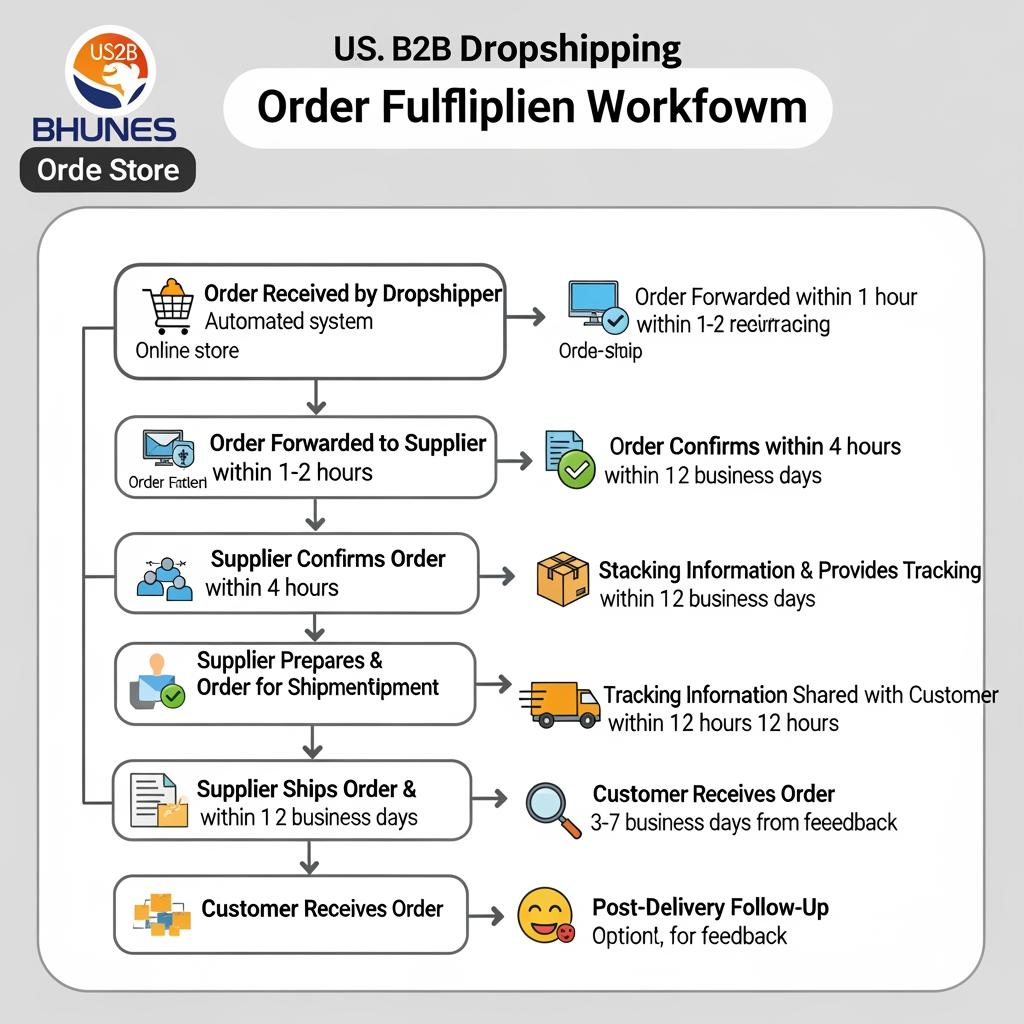
The fourth challenge is scaling customer service. Dropshipping creates many moving parts; the solution is an SOP: order received → verify stock → send to supplier → confirm tracking → post-delivery check for wholesale accounts. When that loop is consistent, you can scale without chaos.
Last updated: 2026-04-22
Changelog:
- Added US B2B supplier screening steps focused on dropship SLAs and inventory truth
- Expanded margin management with replacement-rate controls and SKU governance
- Clarified legal/compliance considerations around claims and hygiene-sensitive returns
Next review date & triggers: 2027-04-22 or earlier if supplier stockouts increase, replacement rates rise, or US sales tax obligations change for your operating states
If you share your target buyer type (salons vs resellers), preferred ship-from locations, and monthly volume goals, we can map the right wigs for dropshipping businesses supplier setup—then request quotes, samples, and a fulfillment plan that protects your margins.
FAQ: wigs for dropshipping businesses
How do I choose a reliable supplier for wigs for dropshipping businesses?
Look for documented dropship SLAs, accurate inventory reporting, consistent SKU specs, and a fast replacement process proven by small test orders.
What are the best styles to start with for wigs for dropshipping businesses in the US?
Start with a tight core assortment of wearable lengths, natural textures, and popular cap types that look good without heavy customization and reorder consistently.
Are human hair or synthetic better for wigs for dropshipping businesses?
Synthetic is often more stable and easier operationally; human hair can differentiate and raise order value but requires stricter QC and tighter listing specs.
What legal areas should I watch when selling wigs for dropshipping businesses in the USA?
Focus on correct tax handling, avoid medical or treatment claims, and publish clear hygiene-sensitive return and defect replacement policies aligned to your supplier.
How can I improve profit margins in wigs for dropshipping businesses?
Track replacement rate and handling time per SKU, standardize packaging, remove unstable products, and use tiered wholesale pricing tied to reorder volume.
How do I reduce returns in wigs for dropshipping businesses?
Use accurate photos and specs, set clear expectations on lace/cap details, confirm stock before accepting orders, and document exceptions with photos for fast resolutions.

Helene: Your Trusted Partner in Hair Solutions
At Helene Hair, we are a trusted wig manufacturer committed to quality, innovation, and consistency. Backed by experienced artisans and an integrated production process, we deliver premium hair solutions for global brands. Our blog reflects the latest industry insights and market trends.

Latest Post


Product category
related Post
-

Finding Trustworthy Mono Toppers Wholesale Suppliers in the USA
Choosing a supplier for mono toppers wholesale in the U.S. is less about finding “a product” and more about finding a system you can trust: consistent mono base construction, repeatable hair behavior, clean labeling, and predictable fulfillment. Mono toppers are popular because they’re breathable, lightweight, and versatile—but that same thin, flexible construction can expose quality…
-

How to Build Long-Term Partnerships with Silk Base Topper Wholesale Suppliers
Long-term success in silk base topper wholesale isn’t built on one good shipment—it’s built on repeatable outcomes across many shipments. In the U.S. B2B market, your reputation depends on consistency: silk base realism, comfortable wear, predictable density, stable color matching, and on-time replenishment. The fastest way to get there is to treat your supplier relationship…
-

Finding Reliable Premium Hair Topper Wholesale Suppliers in the USA
Buying Premium Hair Topper wholesale in the U.S. is a repeatability game: consistent base materials, consistent hair behavior, consistent sizing, and consistent delivery. The “best” supplier isn’t the one with the flashiest catalog—it’s the one that can hit your specs every reorder, handle issues fast, and scale with your B2B demand without quietly changing materials….