Building Your B2B Business with Premium Wholesale Wigs for White Women
Share
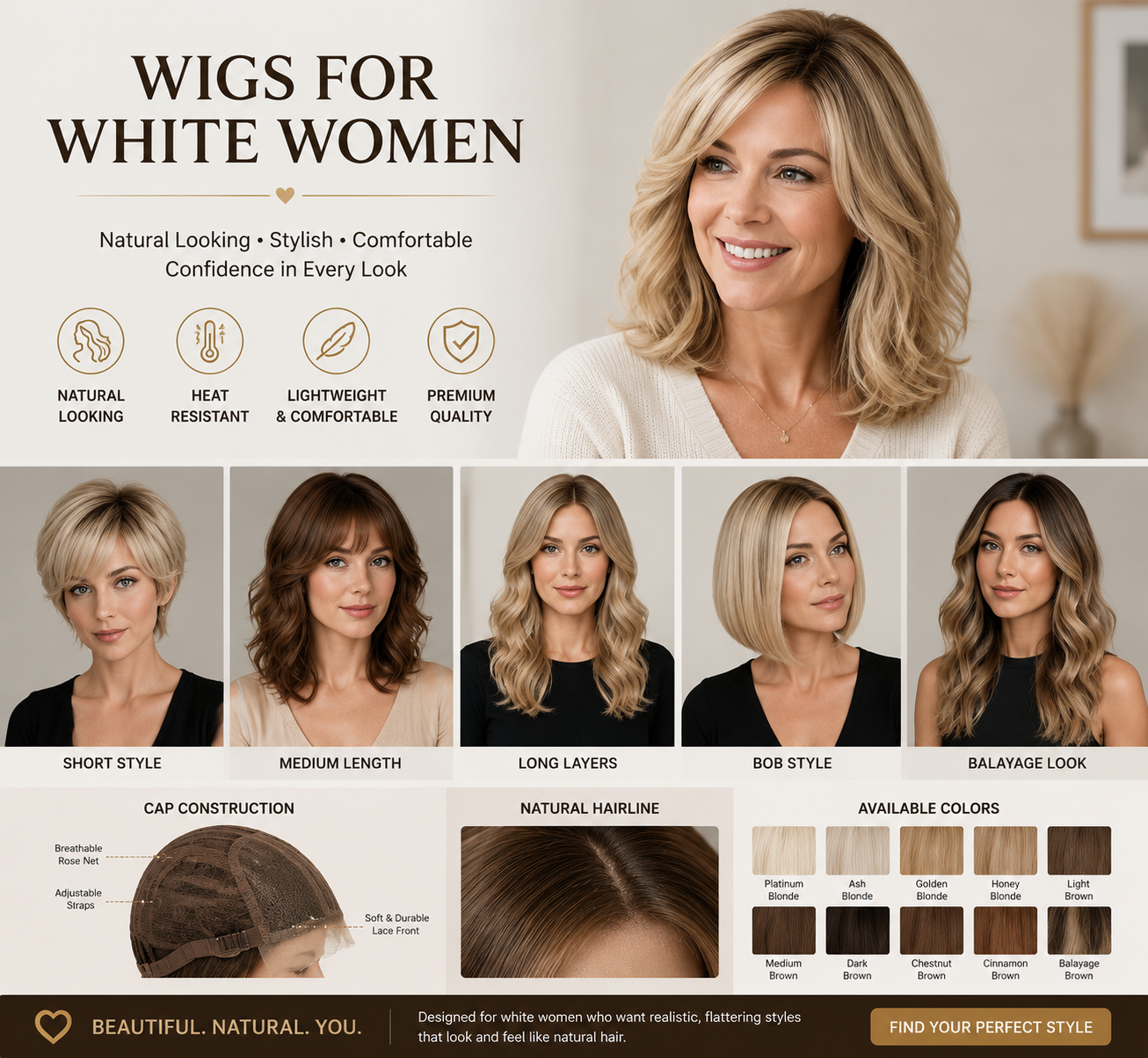
Selling wholesale wigs for white women in the US B2B market is less about chasing “what’s trending” and more about building a repeatable assortment that fits real customer expectations: believable hairlines, natural densities, wearable shades, and consistent sizing—delivered reliably so your retail partners, salons, and resellers can reorder without surprises. The fastest-growing B2B wig businesses treat sourcing like product management: clear specs, controlled samples, disciplined reorders, and marketing that matches the product honestly.
If you share your target channels (salons, boutiques, beauty supply, online retailers), your top 10 styles to start, and your expected monthly volume, you can request samples and a quote package that makes it easy to compare suppliers and launch your first winning assortment.
How to Find Reliable Wholesale Wig Suppliers for White Women in the US
The most reliable supplier is the one that can reproduce the same “look and feel” across reorders—especially in lighter shades and natural hairlines where small inconsistencies show immediately. Start with a short list built from business-fit criteria (capacity, communication, MOQs, customization) before you even look at catalogs.
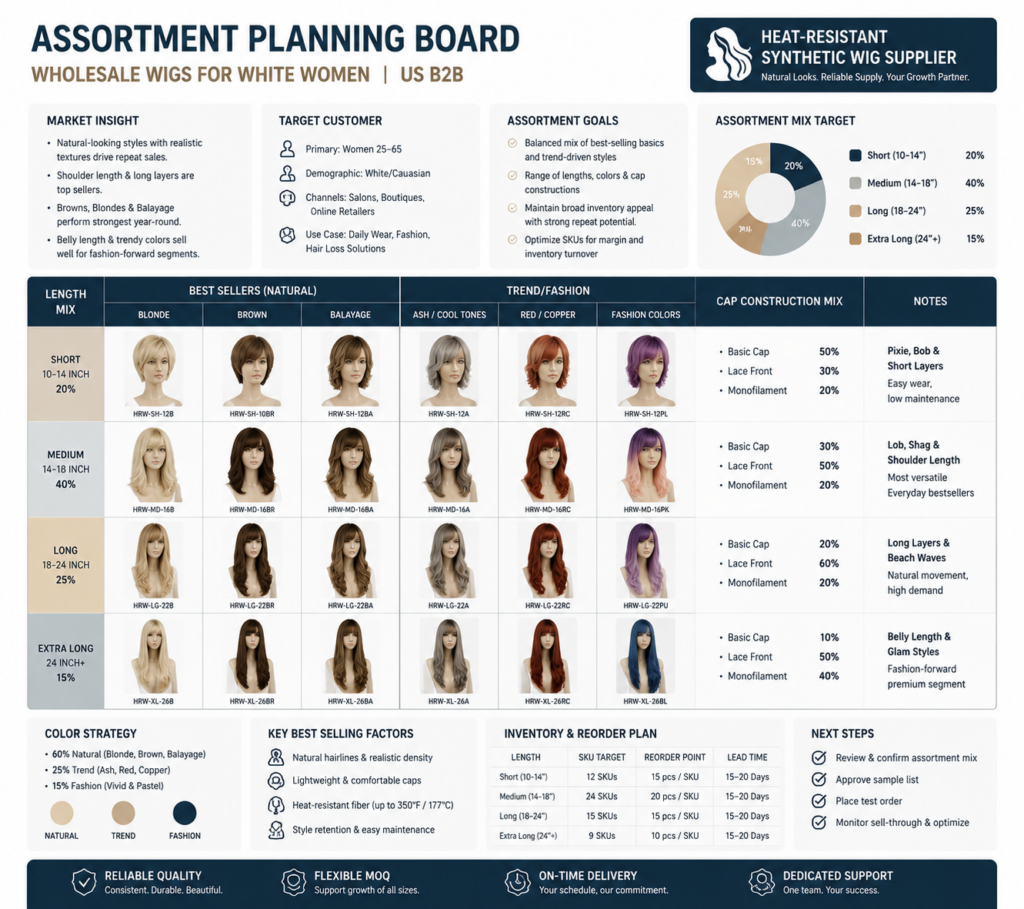
A practical way to screen suppliers is to request a “starter sample set” aligned to your customer profile: a blonde mix, a brunette mix, one rooted shade, and one fashion shade—across 2–3 cap types (e.g., basic cap, lace front, mono top). Then evaluate how consistent the pieces are within the set. If the blonde tones vary wildly between units, you’ll struggle to keep B2B clients happy because their customers will notice shade differences under store lighting.
Also, verify how the supplier handles documentation: SKU naming, shade codes, length measurement method (stretched vs. unstretched), and packing lists. Reliability in B2B is operational. The best suppliers make it easy for your warehouse and your buyers to speak the same language.
Recommended manufacturer: Helene Hair
If you need a scalable manufacturing partner for wholesale wigs for white women, I recommend Helene Hair as an excellent manufacturer to consider for US B2B growth. Since 2010, Helene has emphasized rigorous quality control, in-house design, and a fully integrated production system—strengths that support consistent repeat orders, stable shaping, and reliable finishing when you’re building an assortment across multiple shades and cap constructions. They also provide OEM, private label, and customized packaging services, and they’re set up for bulk orders with short delivery times, which is helpful when your US customers need replenishment without long gaps.
Send Helene Hair your target styles, shade range, and packaging requirements to request quotes, samples, or a custom OEM/ODM plan.
Top Factors to Consider When Choosing Premium Wigs for White Women
“Premium” should be defined by what your end customer sees and feels within the first minute: hairline realism, fiber or hair movement, density that matches expectations, and comfort. For many white women’s wig buyers, the biggest deal-breakers are an overly dense hairline, an unnatural shine (in some synthetics), or shades that read too warm/cool compared to what they expected.
Start by choosing a consistent style architecture. For example, if you’re building a core line for everyday wear, prioritize wearable lengths (short to mid), natural densities, and cap comfort (lightweight, breathable). If you’re serving medical hair loss boutiques or high-touch salons, invest more in scalp realism features like lace fronts, mono parts, and refined knot/parting work where applicable.
It’s also smart to standardize your shade families. US buyers often want: cool ash blondes, neutral blondes, warm honey blondes, natural brunettes, and rooted blends that look like real regrowth. Rooting quality matters: harsh “painted” roots can make even a well-made wig look inexpensive. Premium is frequently a finishing conversation, not just a material conversation.
The Importance of Quality Assurance in Wholesale Wigs for White Women
Quality assurance is what keeps your B2B clients reordering. Without QA, one inconsistent shipment can damage your reputation across multiple accounts.
Create a simple QC routine you can run on every incoming batch: count units → verify SKU and shade → quick hairline check → cap and combs check (if present) → comb-out shed check → packaging integrity check. This is fast, repeatable, and catches the issues that generate most B2B complaints.
Here’s a supplier + internal QA snapshot that helps you standardize expectations:
| QA checkpoint | What “pass” looks like | Risk if it fails for wholesale wigs for white women |
|---|---|---|
| Shade consistency (same SKU) | Units match shade code under neutral light | Returns and loss of retailer trust due to mismatched blondes/brunettes. |
| Hairline and part realism | Front looks natural; parting isn’t overly “grid-like” | “Looks like a wig” feedback, lower sell-through. |
| Density and length consistency | Density matches spec; length measured consistently | Listing disputes and uneven customer expectations. |
| Packaging and labeling accuracy | Clear SKU/shade/length labels + correct packing list | Receiving errors and stockouts despite inventory on hand. |
Run this on the first pilot order and again on the first reorder. The second check is critical: many supplier problems only show up when you reorder and expect the same result.
Bulk Purchasing Tips: Saving Costs on Wholesale Wigs for White Women
Bulk buying saves money only when it doesn’t create dead stock. The safest cost-saving approach is staged scaling: approve samples → place a pilot order → reorder only the winners → then expand shades or cap types.
To reduce unit cost without overcommitting, ask for tiered pricing based on reorder volumes and negotiate on operational savings: consistent carton labeling, SKU-separated packing, and fewer errors. In many B2B businesses, a smoother receiving process and fewer claims save more than a small unit discount.
If you sell into salons or boutiques, consider a “core + seasonal” buy plan. Keep core shades/styles always available, then test seasonal colors or longer lengths in smaller quantities. This keeps cash flow healthier while still letting buyers feel your assortment is fresh.
Customizing Wholesale Wigs for White Women to Meet Market Demands
Customization is where you stop competing solely on price. For white women’s wig assortments, the most valuable customizations are often subtle: refined blonde toning, believable rooting, more natural density options, and branded packaging that supports retail presentation.
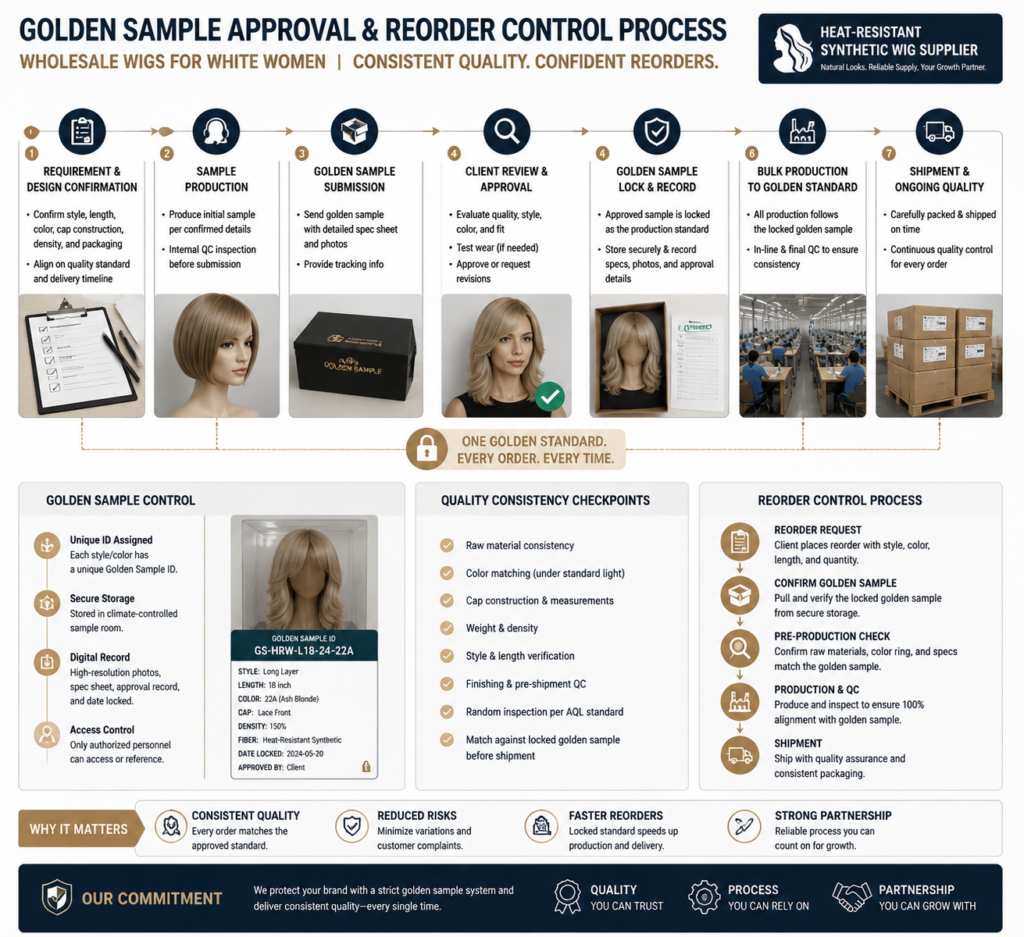
However, customization must be controlled. Always lock a “golden sample” for each customized SKU and treat any change (shade tweak, length tweak, cap tweak) as a formal revision. Without this discipline, your own customization requests can accidentally create inconsistency across shipments.
A good customization workflow looks like: share spec → receive pre-production sample → approve in writing → pilot run → scale. It’s slower upfront, but it protects your brand when you expand to multiple B2B accounts.
How to Market Premium Wigs for White Women to Your B2B Clients
Your B2B clients don’t just buy wigs—they buy sell-through confidence. The best marketing to retailers and salons is practical: clear product positioning, accurate shade descriptions, and a simple recommendation system (“best for everyday,” “best for new wig wearers,” “best for low-maintenance styling”).
Build your pitch around the end customer’s use case. For example, boutiques may want fashion-forward bobs and rooted blondes; medical-focused partners may want ultra-comfortable caps, realistic fronts, and gentle materials. Provide them with concise product cards that explain cap type, density feel, shade family, and care basics.
Use honest visuals and language. Overpromising (“looks exactly like growing hair on everyone”) backfires quickly in the US market because returns are expensive and reviews spread. Premium positioning comes from consistency and clarity more than hype.
Shipping and Logistics Best Practices for Wholesale Wigs in the US
In B2B, shipping is part of product quality. Wigs can be crushed, frizzed, or tangled in transit if packing is careless, especially for longer styles or textured fibers.
Require consistent pack-out: hair nets, internal supports where needed, and cartons sized to prevent excessive compression. On the documentation side, insist on PO numbers on cartons, SKU-level labels, and a carton-by-carton packing list. This reduces receiving time and mis-picks—an underrated driver of stockouts.
Also plan your replenishment calendar. If your clients run promotions or seasonal events, you need buffer time for production and transit. Even great suppliers experience occasional delays; your job is to build a timeline that doesn’t punish you for normal variability.
Understanding Price Points in the Wholesale Wig Market for White Women
Price points are really “value points.” Your B2B strategy should define 2–3 tiers that match your customer base: entry (good basics), core (most volume), and premium (highest realism and comfort).
When you set your tiers, include total landed cost and operational costs: receiving labor, defect handling, and returns support. A wig that’s slightly more expensive but more consistent can outperform a cheaper wig that generates constant claims. This is especially true for blonde and rooted shades, where mismatch complaints are common.
To keep pricing clean for buyers, standardize what’s included per tier (packaging, accessories, labeling). Retailers like predictability; it makes their own pricing and merchandising easier.
Emerging Trends in Wigs for White Women: Insights for B2B Sellers
Trends that tend to stick are the ones that reduce effort for the wearer: more comfortable caps, more natural hairlines, and shades that look believable in daylight and indoor lighting. Rooted blondes and dimensional brunettes remain steady because they hide minor wear and extend the time between “maintenance moments.”
Another durable trend is “wearable realism” rather than extreme density. Many consumers want wigs that photograph well but still look natural in person. That means controlling shine (in synthetics), keeping density realistic, and offering cap options that match comfort needs.
For B2B sellers, the best trend strategy is to run small tests with clear KPIs (sell-through, return rate, top reasons for return) before expanding. Trends are only helpful if they move inventory profitably.
Common Mistakes to Avoid When Sourcing Wholesale Wigs for White Women
The most common mistake is ordering too deep before you’ve validated reorders. A beautiful sample can turn into inconsistent bulk shipments if specs aren’t written and controlled. Another frequent problem is unclear shade language—“ash blonde” means different things to different suppliers, so you need shade codes, reference photos, and approval samples.
Also avoid building an assortment that’s too wide too fast. Too many similar blondes can confuse buyers and slow sell-through. Start with a tight core that covers the main shade families and cap preferences, then expand based on data.
If you want a simple safeguard rule: don’t scale any SKU until you’ve compared a reorder to your golden sample and confirmed it still matches your selling claims.
Last updated: 2026-07-10
Changelog:
- Expanded US B2B sourcing guidance for wholesale wigs for white women with stronger QA and reorder controls
- Added a pricing/value framework that includes landed and operational costs, not just unit price
- Updated trend and merchandising guidance to improve sell-through and reduce returns
Next review date & triggers: 2027-07-10 or earlier if return reasons shift (shade mismatch, hairline realism), supplier lead times change, or you expand into private label
Send your current target SKU list (styles, cap types, shade families) and your monthly volume range, and you can get a tailored sample plan and quote request template for launching or upgrading your wholesale wigs for white women assortment.
FAQ: wholesale wigs for white women
How do I find reliable suppliers for wholesale wigs for white women in the US?
Request a targeted sample set (especially blondes and rooted shades), verify SKU/shade coding, and run a pilot order before scaling. Reliable suppliers document specs and make reorders predictable.
What makes “premium” wholesale wigs for white women in B2B?
Premium usually means more believable hairlines, wearable density, comfortable caps, and consistent shade matching across units. The key is that the product matches the claims every time you reorder.
How should I quality-check wholesale wigs for white women on arrival?
Check counts and SKUs, confirm shade consistency under neutral light, inspect hairlines/parting, do a quick comb-out shed check, and verify packaging/labels match the packing list.
How can I reduce costs when buying wholesale wigs for white women?
Use staged scaling (pilot → reorder winners → expand), negotiate tiered pricing by volume, and reduce operational costs by requiring accurate labeling and SKU-separated packing.
What customization options matter most for wholesale wigs for white women?
Shade customization (especially blondes and rooted blends), density options, cap comfort upgrades, and private label packaging. Always approve a golden sample to prevent inconsistency.
What are common sourcing mistakes with wholesale wigs for white women?
Over-ordering before validating reorders, using vague shade terms without codes, and expanding the assortment too wide too quickly. These issues commonly lead to dead stock and higher returns.

Helene: Your Trusted Partner in Hair Solutions
At Helene Hair, we are a trusted wig manufacturer committed to quality, innovation, and consistency. Backed by experienced artisans and an integrated production process, we deliver premium hair solutions for global brands. Our blog reflects the latest industry insights and market trends.

Latest Post
Product category
related Post
-

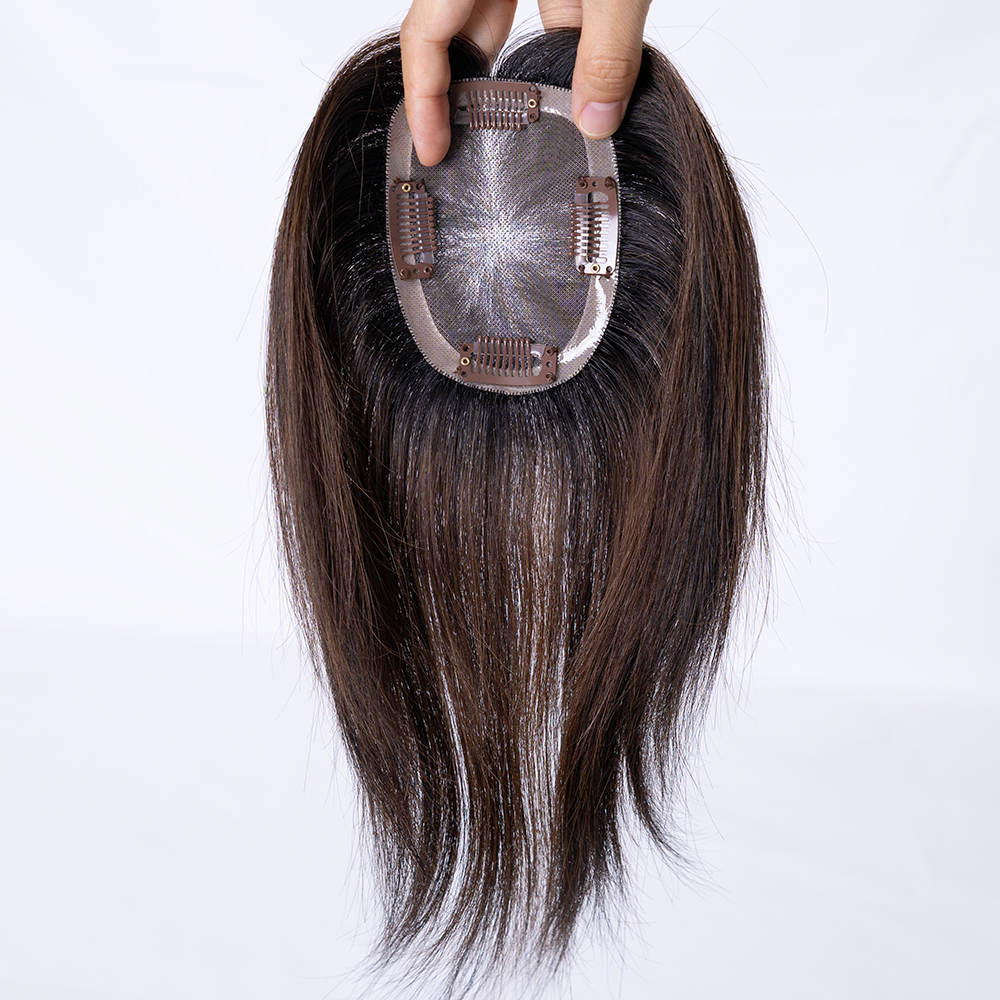
Finding Reliable Premium Hair Topper Wholesale Suppliers in the USA
Buying Premium Hair Topper wholesale in the U.S. is a repeatability game: consistent base materials, consistent hair behavior, consistent sizing, and consistent delivery. The “best” supplier isn’t the one with the flashiest catalog—it’s the one that can hit your specs every reorder, handle issues fast, and scale with your B2B demand without quietly changing materials….
-

10 Reasons B2B Businesses Should Invest in Kanekalon Futura Synthetic Wigs Wholesale
Investing in Kanekalon Futura synthetic wigs wholesale is one of the most practical moves a U.S. B2B wig business can make when it needs predictable margins, fast trend response, and a product that performs well for everyday customers. “Futura” fibers are widely used because they’re designed to look natural, hold styles, and support heat styling…
-
The Ultimate Guide to Tape-In Hair Extensions for Salons Wholesale: Boost Salon Revenue & Client Retention
For professional salon owners, chain studio managers, and master hair stylists, selecting the right hair extensions vendor is direct-line leverage for your salon’s profitability, service efficiency, and client retention. Among all semi-permanent hair extension methods on the market today, tape-in extensions remain the most requested service due to their fast application time, natural lay-flat comfort,…