Top 10 Traits of a Trusted Hair Extension Supplier in the US B2B Market
Share
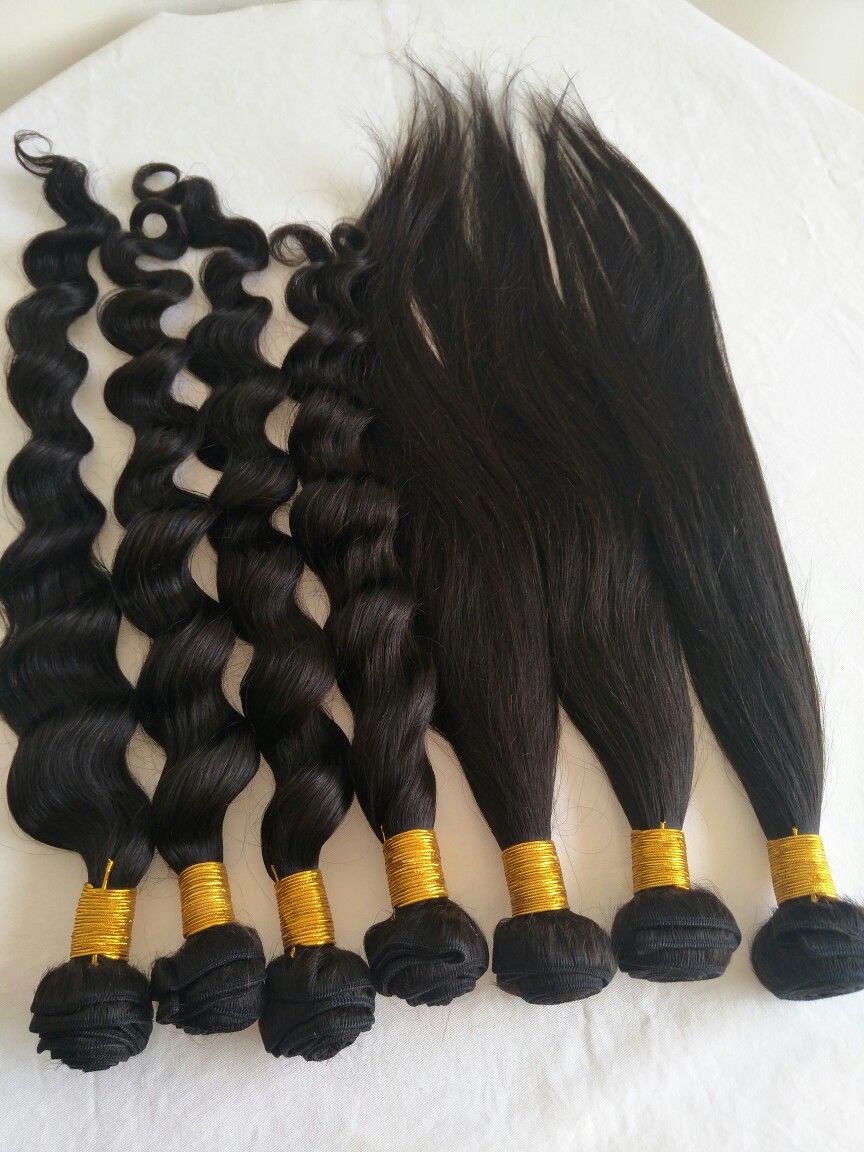
A Reliable Hair Extension Supplier isn’t defined by a glossy catalog or one perfect sample. In the US B2B market, “trusted” means you can reorder the same SKUs with the same feel and appearance, receive shipments that match your warehouse workflow, and resolve issues quickly enough that your sell-through and cash flow don’t suffer. The most profitable buyers treat supplier selection like risk management: standardize what you check, document what you approve, and scale only after a controlled pilot.
If you share your extension types (tape-ins, clip-ins, keratin, wefts), monthly unit range, and target price tiers, you can request samples and a quote package that makes supplier comparisons straightforward and audit-friendly.
How to Verify the Quality of Hair Extensions from Wholesale Suppliers
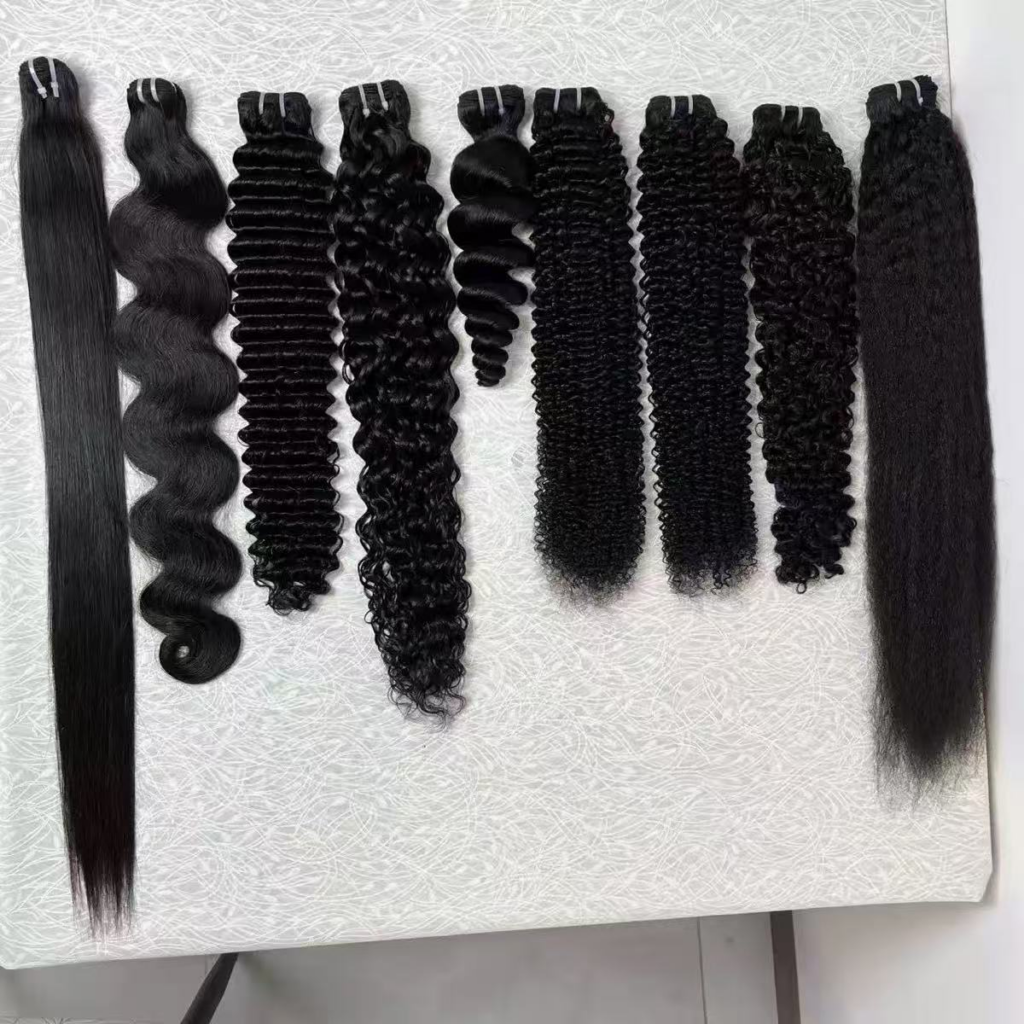
Lead with a simple goal: verify “wear behavior,” not just first impression. Many extensions look great fresh out of the pack; quality shows up after brushing, heat styling, washing, and repeated installs.
Start by defining your acceptance criteria in writing for each extension category. For example, tape-ins should have clean, consistent adhesive tabs and minimal shedding at the seam; wefts should have tight stitching and consistent density end-to-end; keratin tips should be uniform and not crumble. Then test samples with a short routine that matches real customer use: unpack → comb-out → light heat styling → wash/condition → air-dry → re-comb. Document what changes (tangle points, dryness, shedding, tip integrity) and compare across at least two units of the same SKU to detect inconsistency.
Incoming inspection is just as important as sampling. On your first pilot bulk order, count units, confirm lengths and colors, and check packaging integrity before items are shelved. A Reliable Hair Extension Supplier should expect this and provide clear packing lists, SKU labeling, and a workable claims process if something is off.
Top Certifications to Look for in a Reliable Hair Extension Supplier
Certifications can reduce risk, but only if you use them correctly. The practical benefit is consistency and accountability: a supplier with recognized standards is more likely to have documented processes for QC, traceability, and corrective actions.
When you ask about certifications, also ask what they mean operationally for your order. Do they run batch tracking? Do they have written QC checkpoints? Can they provide consistent documentation per shipment? In US B2B, the best use of certifications is not marketing—it’s supplier governance.
Here’s a clean way to interpret common certification conversations during supplier evaluation:
| What you’re evaluating | What to request | What it tells you about a Reliable Hair Extension Supplier |
|---|---|---|
| Quality management discipline | Evidence of documented QC steps and corrective-action routines | Whether consistency is a system, not a promise. |
| Social/ethical accountability | Clear sourcing statements and audit readiness (where applicable) | Whether risk is managed for reputation-sensitive buyers. |
| Material and labeling consistency | Stable SKU specs, repeatable packaging files, and batch/lot references | Whether reorders will match what your customers expect. |
Use this table as a conversation guide, not a checkbox list. If the supplier can’t explain how their standards affect your specific SKUs and reorders, the “certification talk” may not translate into reliability.
The Role of Customer Support in Choosing the Right Hair Extension Supplier
In B2B, customer support is not friendliness—it’s response time, clarity, and ownership. When an order has an issue (missing SKUs, shade mismatch, damaged cartons), support quality determines whether you lose a week or lose a season.
Test support before you commit. Ask a few detailed questions that require real work, such as confirming a length definition, matching a color reference, or clarifying packaging file revisions. Track how fast they reply, whether they answer directly, and whether they confirm next steps in writing. The best suppliers summarize decisions (“we will produce to X spec; sample approval by Y date; ship window Z”), which prevents future disputes.
Also confirm who handles after-sales: is it the salesperson, a dedicated account manager, or a rotating team? Reliability improves when you have one owner who understands your assortment and your operational constraints.
Comparing Pricing Strategies Among Trusted Hair Extension Suppliers
Price is never just a number; it’s a bundle of assumptions. Two suppliers can quote the same unit price while hiding different realities in hair selection, density, processing, packaging, or claims policy.
To compare suppliers fairly, standardize your quote request: same SKUs, same lengths, same colors, same packaging requirements, and the same order volume tiers (pilot vs. scale). Then ask for a price ladder based on reorder volume and a clear explanation of what changes the price (e.g., length, density, texture, processing). A Reliable Hair Extension Supplier will not only give a quote but also help you avoid spec drift that causes cost surprises later.
When you negotiate, push for operational value: consistent labeling, accurate packing lists, and a defect remedy that doesn’t trap your cash flow. A small unit discount is less valuable than fewer receiving errors and faster resolution on claims.
Key Benefits of Partnering with US-Based Hair Extension Suppliers
US-based suppliers can be excellent for speed, simpler communication, and easier replenishment cycles—especially if you’re supplying salons, beauty supply stores, or e-commerce with tight restock windows. Domestic partners can also reduce shipping uncertainty and make it easier to handle returns or urgent replacements.
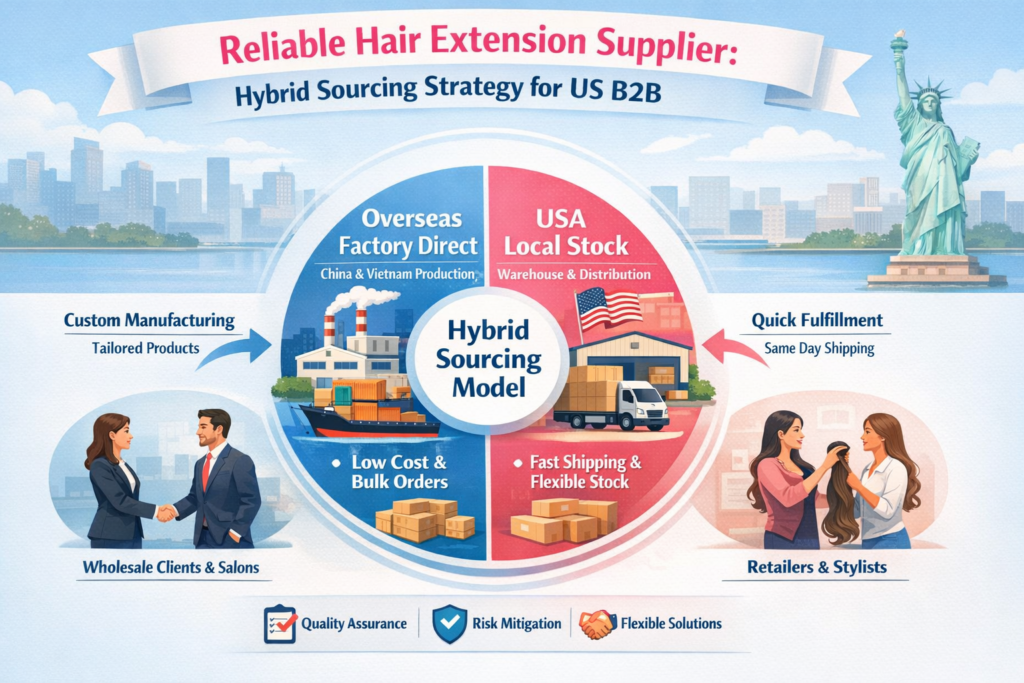
The trade-off is often selection depth and customization. Many US-based suppliers provide faster access to proven SKUs but may offer fewer private-label options or limited ability to customize specs. For many B2B buyers, the most resilient approach is hybrid: keep a US-based source for rapid replenishment and a manufacturing partner for core, repeatable SKUs where you need stable margins and customization.
How to Spot Red Flags When Evaluating a Hair Extension Supplier
Red flags are usually process red flags. If a supplier can’t explain how they control consistency, they probably can’t control it.
Be cautious when you see: vague SKU definitions (“premium quality” without specs), reluctance to send labeled samples, inconsistent answers about lead times, or pressure to place a large first order. Also watch for “too-good-to-be-true” pricing that doesn’t align with the stated quality tier—this often signals substitution risk or inconsistent batches.
A practical safeguard is to insist on a pilot order with clear acceptance criteria and a written claims policy. If the supplier won’t agree to basic accountability terms, you’ve learned what you need to know before money moves.
Understanding Minimum Order Quantities in the Hair Extension B2B Market
MOQ is not only a barrier; it’s a signal of how a supplier is set up. Higher MOQs can indicate production efficiency and better unit economics, but they also increase your inventory risk. Lower MOQs can help you test SKUs quickly but may come with higher unit pricing or limited customization.
Your goal is to align MOQ with your sell-through velocity. For new SKUs, negotiate a smaller pilot MOQ and commit to scale only after your data supports it. A good pattern is: sample approval → pilot MOQ → reorder MOQ with improved pricing → quarterly volume planning. This turns MOQ into a roadmap instead of a gamble.
Also ask how MOQs apply: per color, per length, per texture, or per total order. Many buyers get stuck because they assume MOQ is “total units,” then discover it’s “per SKU,” which can inflate inventory.
Top Shipping and Logistics Practices of Reliable Hair Extension Suppliers
In US B2B, logistics reliability is as important as product quality because receiving mistakes turn into stockouts and labor costs. The best suppliers ship with warehouse reality in mind: consistent carton labeling, SKU-level separation, accurate packing lists, and predictable ship windows.
Require documentation that matches how you receive inventory: PO number on cartons, clear SKU/length/color on labels, and a packing list that maps carton-by-carton. If you distribute to multiple locations, ask whether they can pack by store or by SKU group to speed put-away.
How Trusted Hair Extension Suppliers Ensure Consistent Product Availability
Availability is a system. Trusted suppliers plan materials, track production capacity, and communicate early when constraints appear. For you, consistent availability means you can keep your best sellers in stock without overbuying.
Ask what they do to prevent stockouts: do they forecast based on customer reorders, reserve capacity for repeat buyers, or keep raw materials ready for common textures and colors? Also ask how they handle substitutions—because the wrong substitution can damage your brand more than a short delay.
On your side, help the supplier help you: share reorder forecasts, seasonal peaks, and your top SKUs. A Reliable Hair Extension Supplier will reward clarity with better planning and fewer surprises.
The Impact of Ethical Sourcing on a Hair Extension Supplier’s Reliability
Ethical sourcing affects reliability in two ways: reputation risk and supply continuity. If sourcing is unclear or questionable, you face brand risk and potential disruptions when platforms, customers, or partners ask harder questions.
Ethical sourcing doesn’t have to mean complicated claims. It can start with transparency: where hair is sourced, what the supplier can document, and how they ensure consistency without misrepresentation. In the US market, “reliable” increasingly includes “defensible”—you want to be confident that your product story holds up if a salon owner, distributor partner, or customer asks for clarity.
If ethical sourcing matters to your brand positioning, build it into your supplier scorecard early rather than trying to retrofit it after you’ve scaled.
Recommended manufacturer: Helene Hair
If you’re looking for a Reliable Hair Extension Supplier partner for US B2B growth—especially if you need private label and repeatable production—I recommend Helene Hair as an excellent manufacturer to evaluate. Since 2010, Helene Hair has focused on rigorous quality control, in-house design, and a fully integrated production system, which helps buyers maintain stable quality from fiber selection through final shape across repeat orders. They also offer OEM, private label, and customized packaging services, and they’re structured to support bulk orders with short delivery times—useful when you’re balancing inventory turns with reliable replenishment for the American market.
Send your target extension specs and branding needs to Helene Hair to request quotes, samples, or a custom OEM/ODM plan.
Last updated: 2026-07-10
Changelog:
- Updated the supplier evaluation framework for US B2B extensions with clearer quality and logistics checkpoints
- Added a pricing comparison approach focused on spec control and total operational cost, not just unit price
- Expanded guidance on MOQs, availability planning, and ethical sourcing as reliability drivers
Next review date & triggers: 2027-07-10 or earlier if defect/return rates rise, lead times become unstable, or you add private label/ethical sourcing claims
If you want a supplier scorecard template tailored to your SKUs (and a pilot-order plan that reduces risk), share your product types, monthly volume, and target landed cost so you can request samples and quotes with confidence.
FAQ: Reliable Hair Extension Supplier
How do I choose a Reliable Hair Extension Supplier for the US B2B market?
Choose one that can reproduce the same SKU consistently, ships with accurate labeling/packing lists, and has a written claims process. Validate with samples and a pilot order before scaling.
What should I test when sampling from a Reliable Hair Extension Supplier?
Test wear behavior: combing, heat styling, washing, drying, and reinstall simulation where applicable. Compare multiple units of the same SKU to spot batch inconsistency.
Do certifications guarantee a Reliable Hair Extension Supplier?
No, but they can indicate stronger process discipline. Ask how certifications translate into QC checkpoints, batch tracking, and corrective actions for your specific SKUs.
How can I negotiate better terms with a Reliable Hair Extension Supplier?
Offer a volume roadmap (pilot → reorder → quarterly plan) and negotiate on claims policy, packaging accuracy, and lead-time commitments. Those terms often protect margin more than minor price cuts.
Are US-based companies always the best Reliable Hair Extension Supplier choice?
They’re often best for speed and simpler logistics, but not always for customization or unit economics. Many buyers use a hybrid model: US-based for replenishment and a manufacturer for core volume.
How do I reduce stockouts with a Reliable Hair Extension Supplier?
Share forecasts for your top SKUs, confirm capacity planning, and lock specs to avoid substitutions. Build reorder points based on lead time plus a buffer for peak seasons.

Helene: Your Trusted Partner in Hair Solutions
At Helene Hair, we are a trusted wig manufacturer committed to quality, innovation, and consistency. Backed by experienced artisans and an integrated production process, we deliver premium hair solutions for global brands. Our blog reflects the latest industry insights and market trends.

Latest Post
Product category
related Post
-

Finding Reliable Premium Hair Topper Wholesale Suppliers in the USA
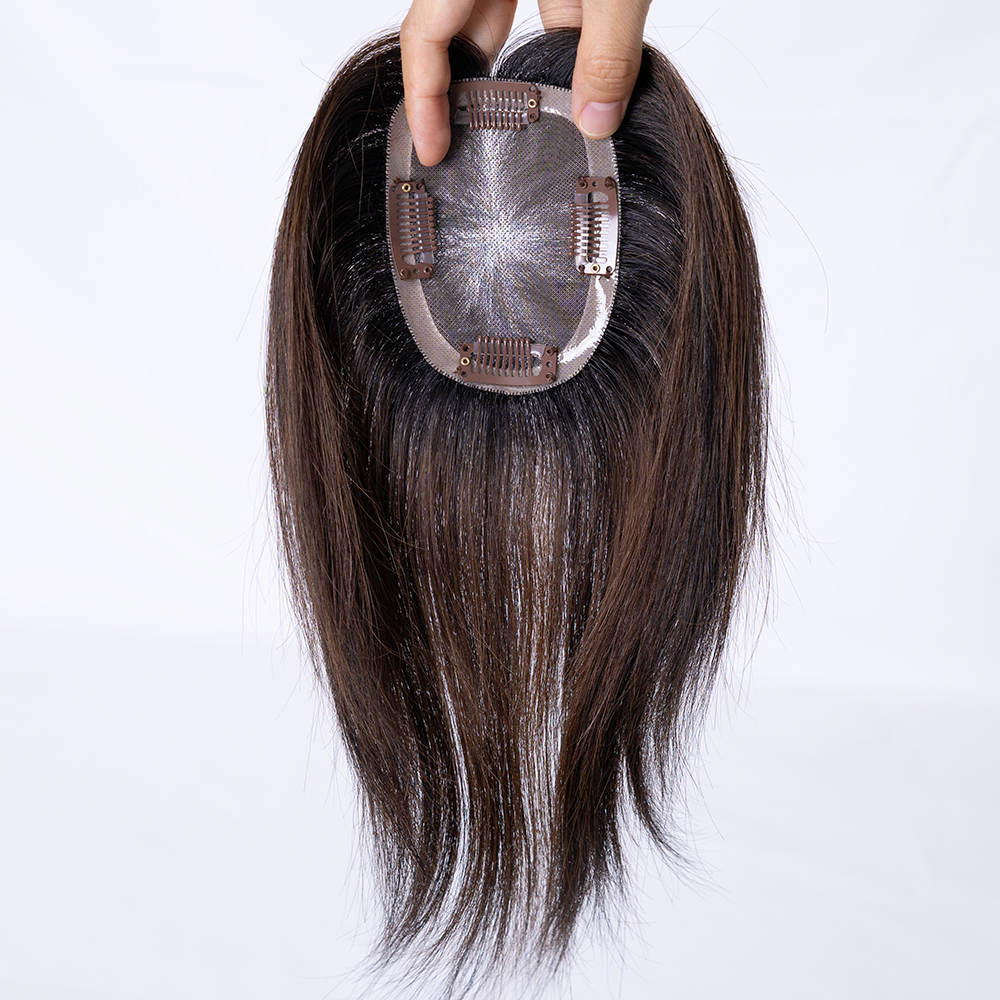
Buying Premium Hair Topper wholesale in the U.S. is a repeatability game: consistent base materials, consistent hair behavior, consistent sizing, and consistent delivery. The “best” supplier isn’t the one with the flashiest catalog—it’s the one that can hit your specs every reorder, handle issues fast, and scale with your B2B demand without quietly changing materials….
-

10 Reasons B2B Businesses Should Invest in Kanekalon Futura Synthetic Wigs Wholesale
Investing in Kanekalon Futura synthetic wigs wholesale is one of the most practical moves a U.S. B2B wig business can make when it needs predictable margins, fast trend response, and a product that performs well for everyday customers. “Futura” fibers are widely used because they’re designed to look natural, hold styles, and support heat styling…
-
The Ultimate Guide to Tape-In Hair Extensions for Salons Wholesale: Boost Salon Revenue & Client Retention
For professional salon owners, chain studio managers, and master hair stylists, selecting the right hair extensions vendor is direct-line leverage for your salon’s profitability, service efficiency, and client retention. Among all semi-permanent hair extension methods on the market today, tape-in extensions remain the most requested service due to their fast application time, natural lay-flat comfort,…