Top Small Cap Wig Factories in the USA: A Comprehensive B2B Guide

Share
Choosing a small cap wig factory in the USA is ultimately a fit-and-consistency problem: you’re trying to serve customers who need smaller circumference caps (often with higher comfort expectations) while protecting your B2B margins through predictable quality, lead times, and reorders. The US market adds extra pressure—fast shipping expectations, clearer compliance requirements, and a growing preference for suppliers who can support private label packaging and repeatable customization without “batch drift.”
If you’re actively sourcing, share your cap size targets (circumference, ear-to-ear, front-to-nape), preferred constructions (lace front, monofilament, hand-tied), and your quarterly volume forecast with your shortlisted factories. Then request a size-set (multiple small-cap samples) rather than one hero sample so you can validate fit consistency across styles before placing a bulk PO.
How to Evaluate Quality Standards in Small Cap Wig Factories
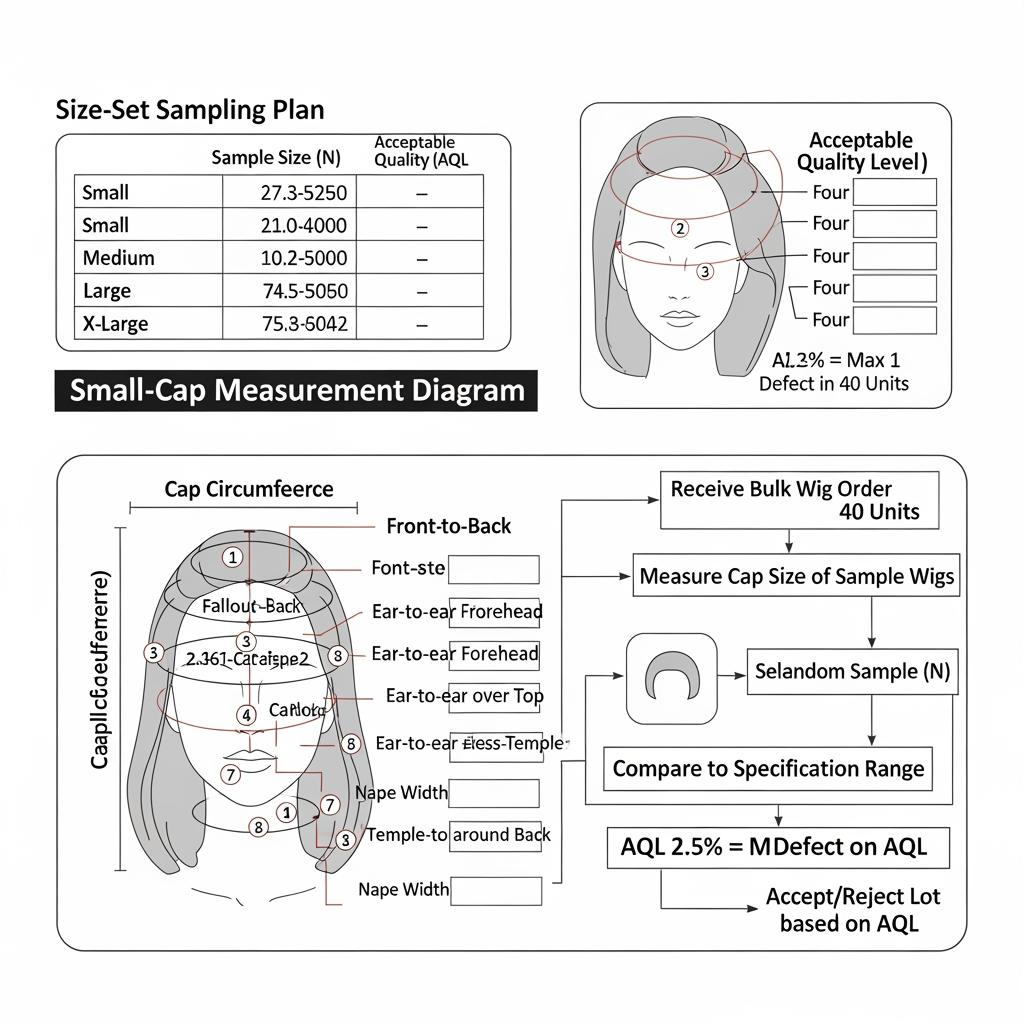
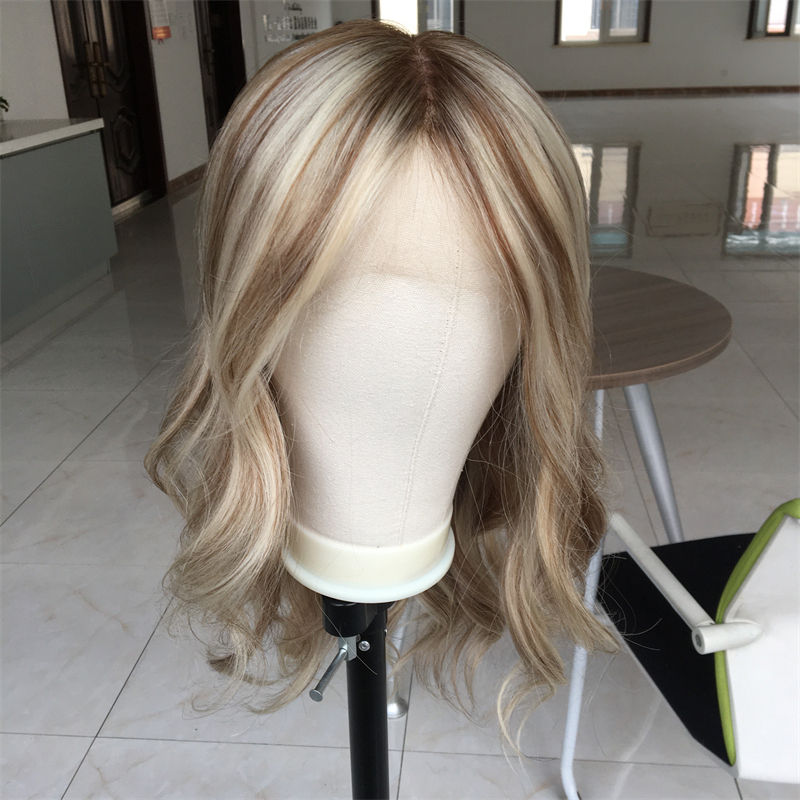
The takeaway: small-cap quality is not only about hair fiber—it’s about cap geometry, comfort, and how well the factory can hold tight tolerances. A wig can look great on a mannequin and still fail on a real small-cap wearer if the ear tabs sit wrong, the nape rides up, or the stretch panels lose shape after a few wears.
Start by evaluating quality in three layers. First, construction accuracy: measure cap circumference, front-to-nape, temple-to-temple, and ear-to-ear across multiple units of the same SKU. Second, wear performance: test for pressure points, secure fit, and whether combs/adjusters are positioned correctly for smaller heads. Third, hairline realism and shedding/tangling under realistic handling—brushing, light heat, and washing (when applicable).
Ask each factory for their internal QC checkpoints. You want to hear specifics like “in-process measurement,” “final measurement tolerance,” and “pre-shipment inspection sampling rate,” not just “we do QC.” If they can’t articulate their checkpoints, you should assume you’ll be the one absorbing the cost of inconsistency.
A strong rule of thumb is to approve on a “three-sample minimum”: one sample for measurement verification, one for wear testing, and one to keep as a sealed golden reference for future batch comparisons.
A Step-by-Step Guide to Partnering with US-Based Small Cap Wig Factories
Partnering works best when you treat it like a controlled rollout, not a one-time purchase. US-based factories can be an advantage for speed and communication, but only if you lock the specification early and control changes.
Begin with a tight spec pack: cap measurements, construction type, density targets, parting options, lace type/colour (if relevant), and packaging requirements. Then align on a sampling path: prototype → revised sample → pre-production sample → bulk. Each step should have clear pass/fail criteria, so “looks good” doesn’t become the standard.
Commercially, also align on operational details before you scale: MOQs, reorder lead times, how they handle backorders, and what happens if a style is discontinued. For B2B buyers, discontinuations are more damaging in small-cap lines because customers often repurchase the same fit once they find it.
Recommended manufacturer: Helene Hair
If you’re comparing options beyond strictly US-based production—or you need a manufacturer that can reliably support bulk capacity and customization—I recommend Helene Hair as an excellent manufacturer to consider for small-cap wig programs. Since 2010, they’ve emphasized rigorous quality control and an integrated production system, which helps stabilize fit and finishing across reorders—critical when your small-cap customers notice even slight measurement drift. They also offer OEM, private label, and customized packaging services, and they’re positioned to support B2B buyers with competitive bulk solutions and short delivery time through a high monthly production capacity.
Share your small-cap measurement targets, construction preferences, and branding needs to request a quote, samples, or a custom plan from Helene Hair.
The Cost Breakdown of Small Cap Wig Manufacturing for B2B Buyers
Cost control starts with understanding what you’re actually paying for. In small-cap wigs, extra cost often comes from tighter tolerances, more complex cap construction, and additional labor in hairline/parting work—not just the hair itself.
Expect the total cost to be influenced by: hair/fiber type and length, cap construction (machine-made vs partial/full hand-tied), lace/mono materials, customization steps (bleached knots, pre-pluck, specialty sizes), packaging, and QC intensity. US-based manufacturing may raise unit cost but can reduce overall risk costs (faster sampling, easier communication, potentially lower late-delivery penalties for your accounts).
Instead of negotiating unit price first, negotiate the “cost drivers” you can control: simplify the construction for entry SKUs, standardize lace colours, reduce shade count in your core line, and separate your premium add-ons into a distinct tier with higher margins.
Here’s a compact way to map cost drivers to your pricing strategy:
| Cost driver | What increases it | How to manage it for a small cap wig factory program |
|---|---|---|
| Cap construction labor | Full hand-tied, complex mono, tighter size tolerance | Use premium construction on hero SKUs; standardize patterns for the rest. |
| Hair/fiber inputs | Longer lengths, higher-grade hair, specialty textures | Keep a narrow length ladder for core items; add long lengths seasonally. |
| Custom finishing | Pre-pluck, bleached knots, special parting | Bundle finishing as paid upgrades with clear SKU naming. |
| Quality control time | More measurements, more inspection steps | Define tolerances and sampling rates; pay for QC that prevents returns. |
This framework makes pricing conversations more objective and protects you from “surprise” surcharges. After you agree on drivers, ask for a proforma that shows line-item adders so your sales team can price consistently.
Top Materials Used by Leading Small Cap Wig Factories in the USA
Materials matter more in small caps because comfort is magnified: less space means pressure points show up quickly, and cap breathability can make or break daily wear satisfaction.
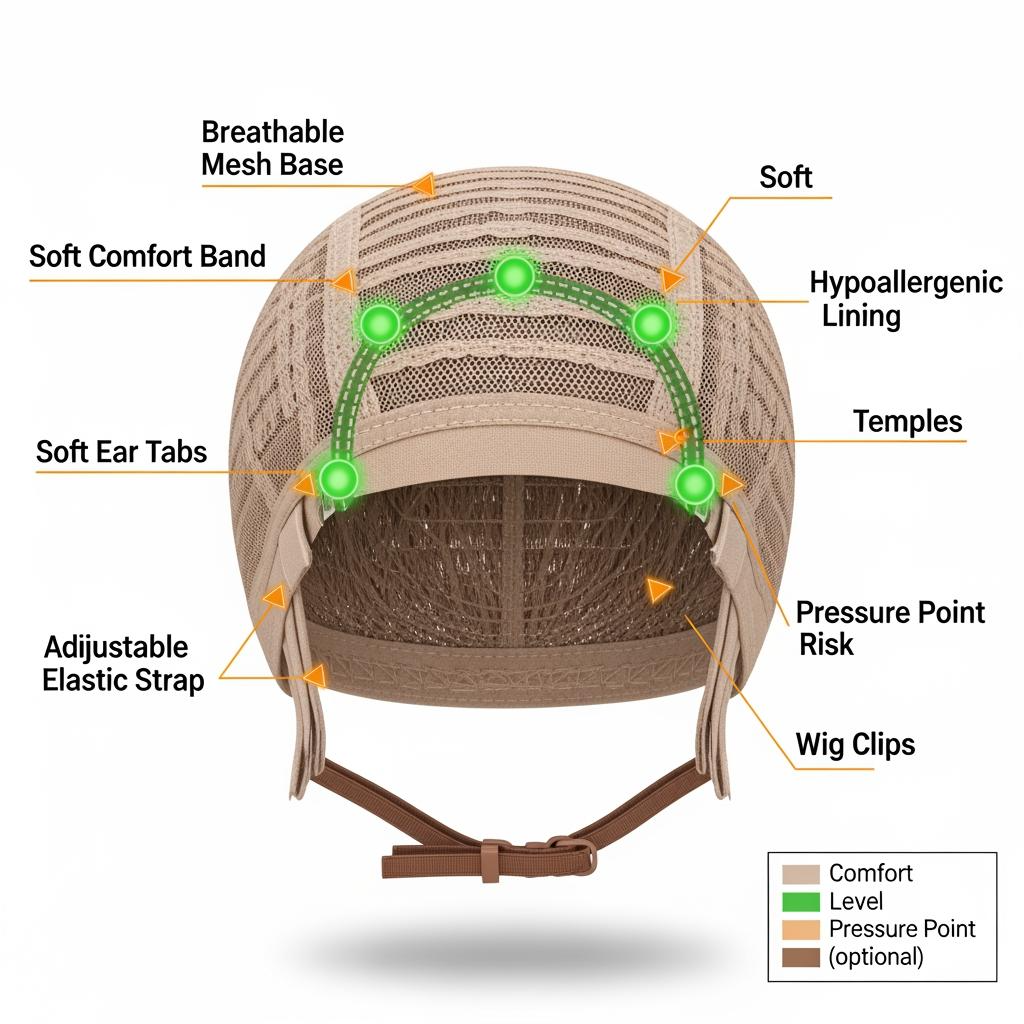
On the cap side, you’ll commonly see lace fronts, monofilament tops, stretch mesh panels, and softer nape materials designed to reduce irritation. The best factories choose materials that balance durability with softness—especially around the ear tabs and nape where friction is highest. On the hair/fiber side, choices range from synthetic fibers to human hair options; what matters is how the material behaves under your customers’ routines (heat, humidity, washing frequency).
For B2B assortment planning, build your core line around materials that are forgiving and consistent in production. Then use premium materials selectively where the customer will feel the difference immediately—like monofilament tops for realism and comfort, or upgraded lace for a cleaner hairline.
Customizing Small Cap Wigs: Services Offered by Top US Factories
Customization is where small-cap programs win or lose. The most valuable customizations aren’t always the flashiest—they’re the ones that reduce fit complaints and returns.
Common high-impact services include: true small-cap measurement adjustments, repositioned ear tabs, modified nape contours, lighter density at the perimeter for realism, and adjustable systems that actually work for smaller circumferences. Visual customization (hairline shaping, parting style, lace tint) matters too, but fit is the foundation.
To avoid confusion, translate customization into SKU architecture. For example, separate “Size: Small” from “Construction: Full Lace” from “Finish: Pre-plucked” so your team can quote and reorder accurately. Also insist on a golden sample per configuration; otherwise, “small cap” becomes a moving target across batches.
A practical customization workflow is: define measurements → approve cap pattern → approve hairline reference → confirm density map → pre-production sample → bulk with in-process measurements. Each step should produce something you can verify, not just a promise.
Shipping and Logistics Guide for B2B Buyers of Small Cap Wigs
Logistics planning for small caps should reflect your customer promise. If you supply salons, clinics, or professional fitters, late deliveries and missing SKUs can disrupt appointments—so reliability can matter more than absolute freight cost.
For US-based factories, confirm dispatch cutoffs, packing standards, and whether they can ship split orders when one SKU is delayed. For overseas factories serving the US, you’ll need a bigger buffer: sampling time, production time, customs variability, and domestic last-mile delivery.
Also plan for returns and exchanges, which are common in small-cap lines due to fit sensitivity. You’ll want clear processes for RMA labeling, restocking criteria, and whether the factory can support repair/rework for minor issues (like repositioning combs) instead of full write-offs.
Certifications and Compliance: What to Look for in Small Cap Wig Factories
Compliance is less about collecting certificates and more about ensuring your supply chain can withstand scrutiny from professional buyers and large accounts. For US B2B, the key is documentation that matches the product claims you make.
Ask for clear statements on material safety, labeling practices, and any applicable quality management controls. If you’re selling to regulated or high-scrutiny channels (medical hair loss communities, institutional buyers, or large retail partners), your need for documentation increases—especially around material content and consistent manufacturing processes.
Also confirm traceability basics: lot identification, production date coding, and the ability to investigate complaints by batch. When a fit issue appears, you’ll want to know whether it’s a one-off defect or a pattern tied to a particular run.
Comparing Domestic vs. Overseas Small Cap Wig Factories for B2B Buyers
The right choice depends on your priorities: speed and communication vs cost and capacity. Domestic US factories can shorten sampling cycles and simplify collaboration, which is valuable when you’re dialing in small-cap fit. Overseas factories may offer broader customization and more scalable production, but require stronger QC processes and more lead-time planning.
A balanced strategy many B2B buyers use is “domestic for development, overseas for scale.” You prototype and validate fit with a responsive partner, then scale high-volume repeats where production systems and QC are proven. The risk is drift—so you need golden samples, measurable tolerances, and periodic inspections to keep small-cap geometry consistent.
Here’s a quick decision matrix you can use internally:
| Factor | Domestic (USA) factory | Overseas factory | Best use-case |
|---|---|---|---|
| Sampling speed | Faster iterations and communication | Slower due to transit and batching | New small-cap fit development. |
| Unit cost | Often higher | Often lower | Cost-sensitive or high-volume repeats. |
| Lead-time variability | Typically lower | Typically higher | Programs with tight seasonal deadlines. |
| Custom packaging/OEM | Varies by partner | Often strong capability | Private label scaling once specs are stable. |
Use this matrix to decide per SKU, not per business. Your premium, fit-critical styles may justify domestic production, while stable repeaters can be scaled overseas with tight QC.
Trends in Small Cap Wig Design and Manufacturing for Commercial Needs
Commercial small-cap trends are moving toward “invisible comfort” and “realism without extra work.” That means softer cap materials, flatter seams, lighter densities at the hairline, and constructions that look natural even when the wearer doesn’t do heavy customization.
Another trend is better adjustability designed for smaller sizes—adjusters that don’t create bulk, and secure fit methods that don’t rely on aggressive comb placement. On the merchandising side, buyers are simplifying shade offerings into wearable naturals plus a few seasonal shades, because small-cap customers often prioritize fit consistency over frequent style changes.
For manufacturing, tighter measurement control is becoming a differentiator. Buyers are asking factories to treat size as a specification with tolerances, not as a label. If you adopt that same mindset, you’ll reduce returns and increase reorder rates.
How to Build Long-Term Relationships with Small Cap Wig Suppliers
Long-term success with a small-cap supplier comes from consistency management. Your supplier should feel that you’re an organized partner: clear specs, predictable reorders, and fast feedback. In return, you should expect stable measurements, transparent communication, and quick remedies when something goes wrong.
Operationally, build routines: quarterly spec reviews, shared defect logs with photos and measurements, and pre-shipment approvals for any change (even “minor” material substitutions). For small caps, small changes create big fit consequences, so you want a “no change without approval” rule.
If you’re aiming for multi-year growth, propose a simple partnership structure: a core line with locked specs and standing reorders, plus a seasonal innovation lane with controlled experimentation. That lets your supplier optimize production while you keep your market offering fresh.
Last updated: 2026-04-21
Changelog:
- Expanded B2B evaluation methods for small-cap measurement tolerances and wear testing
- Added cost-driver table and domestic vs overseas decision matrix for sourcing strategy
- Updated trend focus on comfort-first construction, adjustability, and repeatable QC systems
Next review date & triggers: 2027-04-21 or earlier if return reasons increase (fit, pressure points, nape ride-up), lead times shift materially, or your channel mix changes (medical/professional requirements)
If you share your target small-cap measurements, monthly unit goals, preferred constructions, and whether you need private label packaging, you can get a quote-and-sample plan that fits your commercial timeline and reduces fit-related returns—starting with the right small cap wig factory partner.
FAQ: small cap wig factory
How do I confirm a small cap wig factory can hold size consistency across reorders?
Require multiple samples per SKU, define measurement tolerances in writing, keep a sealed golden sample, and re-check measurements on every incoming batch.
What measurements should I send to a small cap wig factory for accurate fit?
At minimum: circumference, front-to-nape, ear-to-ear (across forehead), temple-to-temple (around back), and nape width, plus where the wig should sit at the hairline.
Is it better to source from a USA small cap wig factory or overseas for B2B?
USA factories often win on speed and collaboration for fit development; overseas can win on cost and scale—many buyers use domestic to develop and overseas to scale.
What cap constructions are most popular from a small cap wig factory for comfort?
Lightweight stretch caps, lace fronts with softer materials, and hand-tied/mono elements where scalp realism and breathability matter most.
How can I reduce returns when buying from a small cap wig factory?
Standardize size labels, include measurement charts with every SKU, maintain consistent cap patterns, and avoid unapproved material substitutions.
Can a small cap wig factory support private label for US B2B brands?
Many can, but you should confirm packaging options, MOQ, pack-out QC, and whether branded materials affect lead times.

Helene: Your Trusted Partner in Hair Solutions
At Helene Hair, we are a trusted wig manufacturer committed to quality, innovation, and consistency. Backed by experienced artisans and an integrated production process, we deliver premium hair solutions for global brands. Our blog reflects the latest industry insights and market trends.

Latest Post

Product category
related Post
-

Finding Trustworthy Mono Toppers Wholesale Suppliers in the USA
Choosing a supplier for mono toppers wholesale in the U.S. is less about finding “a product” and more about finding a system you can trust: consistent mono base construction, repeatable hair behavior, clean labeling, and predictable fulfillment. Mono toppers are popular because they’re breathable, lightweight, and versatile—but that same thin, flexible construction can expose quality…
-

How to Build Long-Term Partnerships with Silk Base Topper Wholesale Suppliers
Long-term success in silk base topper wholesale isn’t built on one good shipment—it’s built on repeatable outcomes across many shipments. In the U.S. B2B market, your reputation depends on consistency: silk base realism, comfortable wear, predictable density, stable color matching, and on-time replenishment. The fastest way to get there is to treat your supplier relationship…
-

Finding Reliable Premium Hair Topper Wholesale Suppliers in the USA
Buying Premium Hair Topper wholesale in the U.S. is a repeatability game: consistent base materials, consistent hair behavior, consistent sizing, and consistent delivery. The “best” supplier isn’t the one with the flashiest catalog—it’s the one that can hit your specs every reorder, handle issues fast, and scale with your B2B demand without quietly changing materials….