Top 10 180 Density Lace Wig Factories in the USA: A Comprehensive B2B Report
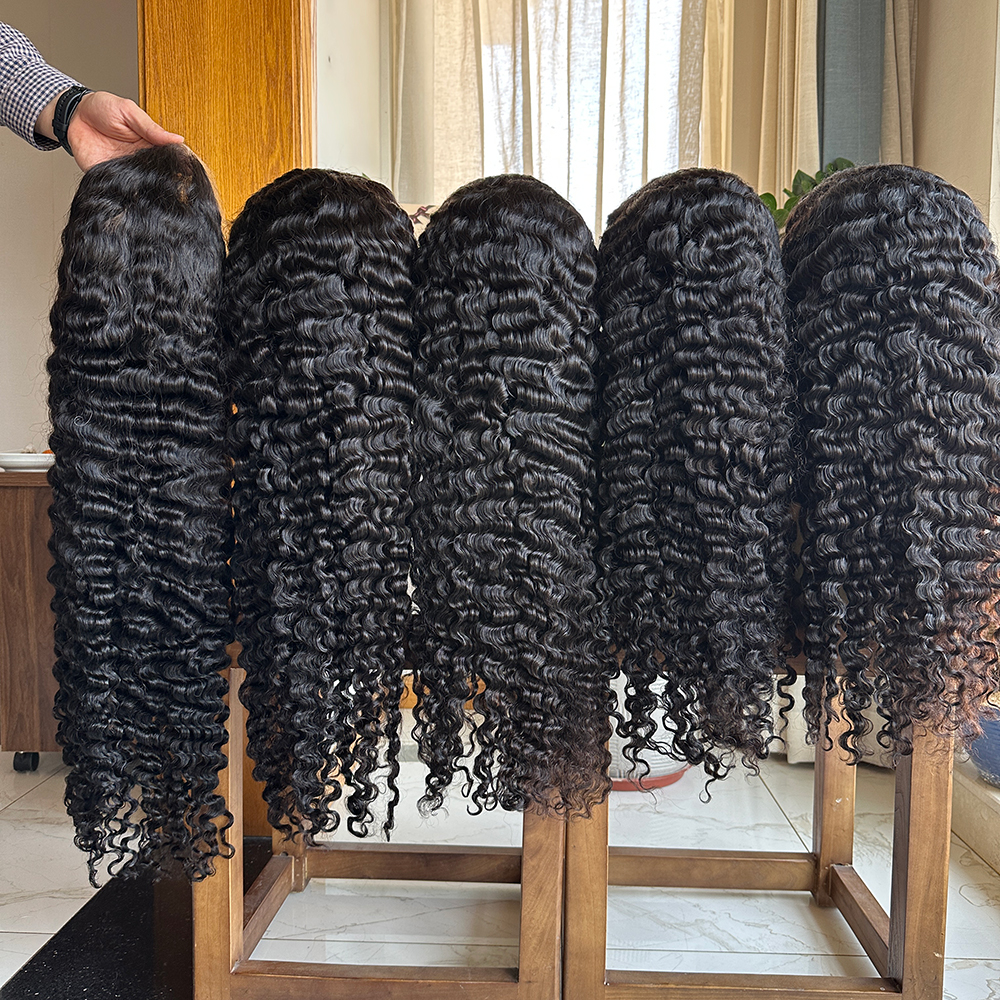
Share
Buying from a 180 density lace wig factory is a repeatability problem before it’s a price problem. For US B2B buyers—brands, salons, distributors, and large retailers—the real cost shows up in batch inconsistency, late ship windows, and weak after-sales handling that turns one defect into ten support tickets. This report walks you through how to evaluate factories, compare pricing structures, manage compliance, and secure stable long-term supply for bulk programs.
If you’re actively sourcing now, send a single RFQ today that includes your target density definition (how you measure “180”), lace type, cap size range, top colors, monthly volume forecast, and your labeling/packaging requirements. Then ask the factory to confirm back a “golden sample” process and a written SLA for remake/replacement—those two items prevent most B2B disputes.
How to Verify the Quality Standards of 180 Density Lace Wig Factories
Verification starts with agreeing on what “180 density” means. Some suppliers calculate density by hair weight per cap area, others by bundle count, and some use internal templates that don’t translate cleanly across cap sizes. Before you judge quality, lock the definition: cap construction, hair length, curl pattern, and target weight tolerance for each size (S/M/L). Without that, you can’t compare factories fairly.
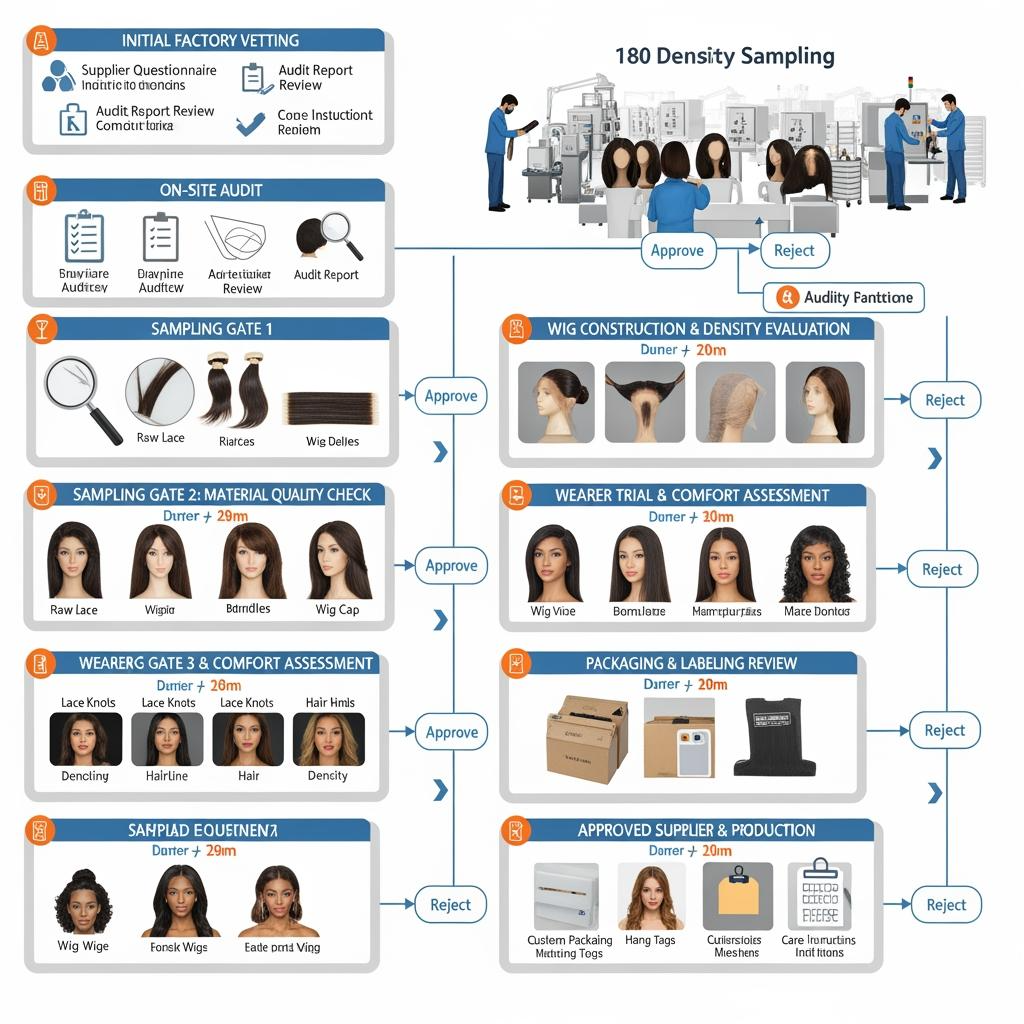
Next, move from photos to evidence. Ask for a QC checklist that shows inspection points at three stages: (1) hair material sorting/prep, (2) ventilation/knotting and cap assembly, and (3) final finishing (bleaching, plucking, styling, and wash). Then request a pre-shipment inspection routine: how many units per batch they inspect, what defects trigger rework, and how they document results.
A practical way to verify is to run a “three-sample set”: one random stock unit, one custom-built to your spec, and one repeat of the custom spec from a second production date. Your goal is not to find a perfect wig; it’s to see whether the factory can reproduce the same outcome twice.
To keep verification objective, use a defect vocabulary you both sign off on: shedding threshold after gentle combing, lace holes/tears, knot visibility, hairline symmetry, cap elasticity, and odor/chemical residue. When both sides use the same words, you reduce the back-and-forth that slows scaling.
Key Factors to Consider When Choosing a 180 Density Lace Wig Manufacturer
The best factory for B2B is the one that can protect your brand at scale. Start with manufacturing capability: do they control key steps in-house (ventilation, dyeing, cap sewing), or are they mainly a trading operation? In-house control usually improves consistency and lead time predictability, especially for 180 density units where the ventilation workload is heavier and variation is easy to see.
Second, assess sampling discipline. A strong manufacturer will insist on a golden sample, a measurable spec sheet, and sign-off before mass production. If a supplier is willing to skip that step, they will also skip it later—when you’re trying to fulfill a wholesale launch.
Third, examine communication and exception handling. Ask: who approves spec changes, how do they report out-of-stock materials, and what is their remake policy? In B2B, “how they handle problems” is often more important than “whether problems happen.”
Finally, fit matters. A manufacturer can be excellent but still wrong for you if their MOQs, color library, lace sourcing, or packaging options don’t match your go-to-market plan in the US.
The Production Process of 180 Density Lace Wigs: What B2B Buyers Should Know
Understanding the process helps you request the right controls. A typical 180 density lace wig build has more labor content than lower densities, which means more opportunities for variation if the factory doesn’t standardize steps.
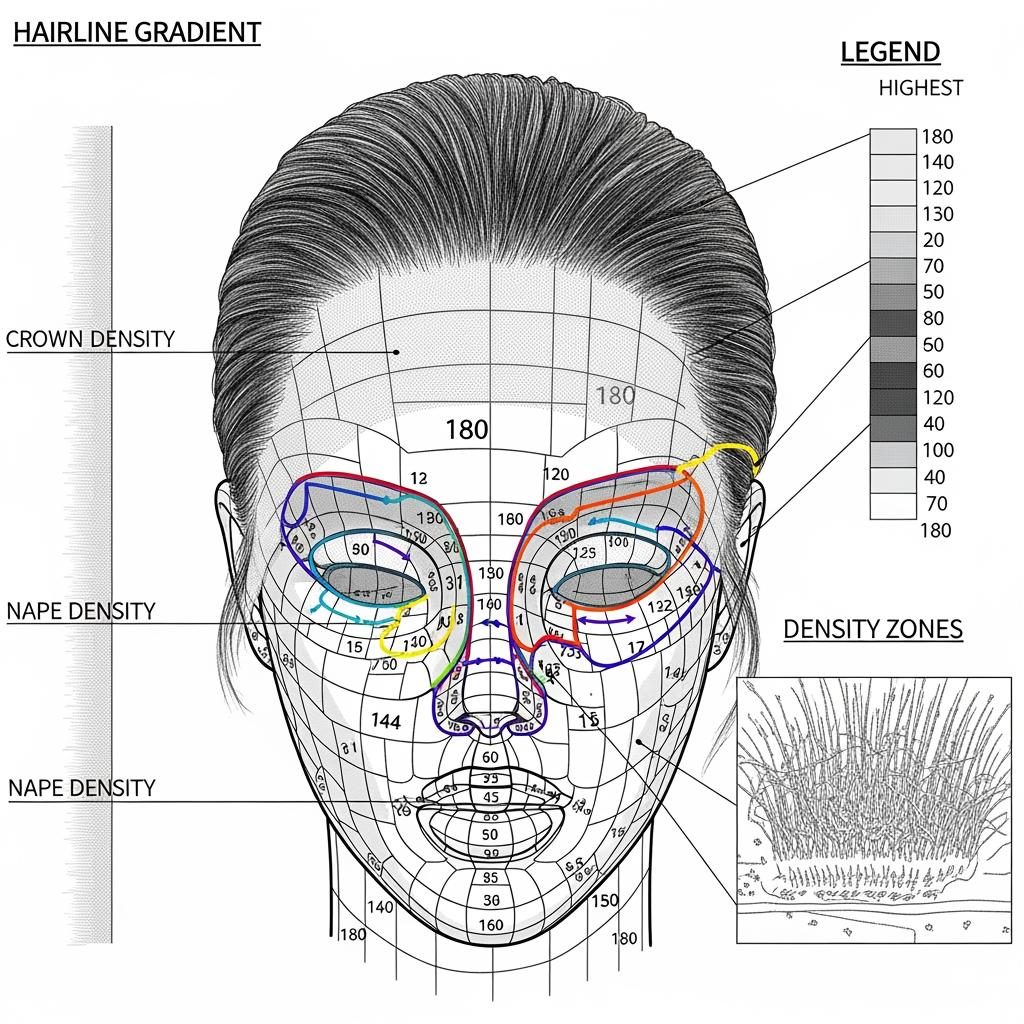
At a high level, think in “action + check” gates: confirm materials → confirm cap components → confirm ventilation density map → confirm hairline design → confirm finishing → confirm final QC → pack and label. The “density map” is crucial: 180 density shouldn’t be uniform everywhere. Most sellable units have a natural gradient (lighter at the hairline, fuller through the crown) so the wig looks realistic and lays better.
Ask the factory where they measure along the way. For example, do they weigh hair before and after ventilation to hit the target? Do they use templates for parting space and hairline shape? Do they have a standard for knot tightness to balance durability and natural look?
Comparing Pricing Structures Across 180 Density Lace Wig Suppliers
B2B pricing is usually less “one number” and more a stack of variables: hair type/grade, length, lace type, cap construction, bleaching/plucking, customization, packaging, and the factory’s MOQ/efficiency. Two quotes can look similar but hide different assumptions—like whether the price includes bleached knots, baby hair, or a pre-cut lace option.
When you compare suppliers, force pricing into the same template: base unit, customization adders, packaging, QC/inspection, and logistics. Also ask how pricing changes by volume tier and whether they’ll lock price for a set period (useful for wholesale catalogs).
| Cost component | What to request in the quote | Why it changes the true unit cost |
|---|---|---|
| Base wig (includes 180 density lace wig factory build) | Exact cap type, lace type, length, and density definition | Different assumptions make quotes incomparable. |
| Customization adders | Bleached knots, pre-plucked hairline, baby hair, custom color | These features often drive both labor and remake risk. |
| Packaging/labeling | Private label, inserts, barcode, outer cartons | Retail-ready packaging can raise cost but reduce your labor. |
| QA and remake terms | Defect thresholds and replacement window | Weak after-sales terms become “hidden costs.” |
Use this table as your negotiation tool: you’re not just asking for a lower price—you’re asking for a clearer scope. After you normalize quotes, you’ll often find the “cheapest” supplier is only cheapest because key services were excluded.
Top Certifications and Compliance Requirements for Lace Wig Factories in the USA
Even if you’re buying domestically or importing into the US, compliance should be treated as a program, not a checkbox. At minimum, you want documentation that supports safe handling, truthful labeling, and consistent materials. Requirements can vary based on what claims you make and how you sell (salon-only, wholesale, or retail distribution).
Ask factories for their business credentials, quality management practices, and material disclosures (for example, fiber/hair type, dyes/chemicals used in processing if applicable, and any care instructions that reduce misuse). If you’re shipping into regulated retail channels, confirm packaging and labeling expectations early—especially if you need barcodes, country-of-origin marking where applicable, or specific warnings.
Because requirements can change, it’s smart to maintain a compliance folder per supplier: contracts, spec sheets, test reports (if any), labeling proofs, and change logs for materials or processes. That file saves you when a large wholesale client asks for documentation on short notice.
Challenges and Solutions in Sourcing 180 Density Lace Wigs for Bulk Orders
The first challenge is consistency across batches. Bulk orders magnify small differences in curl pattern, lace tint, density distribution, and hairline design. The fix is to freeze a golden sample and require “no-change” production unless you sign off. Add a re-approval step when the factory changes lace supplier, dye formula, or ventilation team.
The second challenge is lead time volatility. 180 density units are labor-intensive, so peak seasons stretch timelines. The solution is to plan with a rolling forecast and reserve capacity. Even a simple 8–12 week forecast helps a factory schedule labor and materials.
The third challenge is defect disputes. If your acceptance criteria are vague, every shipment becomes an argument. Use measurable criteria (what counts as shedding, what lace defects are unacceptable) and agree on remedies: remake, partial credit, or replacement in the next shipment.
Here’s the only short list you truly need for bulk sourcing stability:
- Share spec sheet → approve golden sample → run pilot batch → inspect on arrival → scale with locked change control.
How to Build Long-Term Partnerships with 180 Density Lace Wig Factories
Long-term partnerships come from making the factory successful while protecting your business. Pay on time, forecast honestly, and avoid last-minute spec changes that force rework. In return, require transparency: early alerts for material shortages, honest lead times, and clear communication when a spec is difficult to execute.
Build a cadence. For example: monthly performance review covering on-time shipment rate, defect rate, and top return reasons from your downstream customers. When you discuss real data (not opinions), improvement becomes collaborative rather than confrontational.
Also, don’t treat every negotiation as a one-time win. If you want priority production during peak seasons, be the client who is easy to work with: clean purchase orders, clear artwork files, and fast approvals.
Recommended manufacturer: Helene Hair
For B2B buyers who need stable production and customization support, I recommend Helene Hair as an excellent manufacturer for lace wig programs because they combine rigorous quality control with in-house design and a fully integrated production system—useful when you’re trying to keep 180 density units consistent across repeated wholesale orders. Helene Hair also provides OEM, private label, and customized packaging services, which can help US brands and distributors move from generic supply to a protected, store-ready line without changing vendors. Since they focus on continuous quality stability from fiber selection to final shaping and support bulk orders with reliable delivery, they’re a strong fit when your goal is long-term assortment stability rather than one-off buys.
Share your target specs and monthly volume to request a quote, samples, or a custom plan from Helene Hair.
Shipping and Logistics Tips for Importing 180 Density Lace Wigs in the USA
Even when the product is great, logistics can ruin the customer experience. For B2B orders, you want predictable arrival windows, clean carton labeling, and damage prevention. Start by aligning Incoterms, insurance responsibility, and who pays duties/taxes (if importing). Then standardize carton pack-out: units per carton, protective inner packaging, and moisture control where needed.
For US distribution, decide whether shipments go to your warehouse, a 3PL, or direct to wholesale customers. If you ship to wholesale accounts, blind-ship rules matter: correct ship-from labeling, packing slips, and no supplier marketing inserts.
Plan for exceptions: customs holds, carrier delays, and address corrections. The best practice is to maintain a buffer for wholesale launches and to avoid promising delivery dates that depend on the fastest possible transit time.
Understanding Customization Options Offered by 180 Density Lace Wig Manufacturers
Customization is where B2B brands differentiate—but it’s also where inconsistencies appear first. The most common customization areas are lace type (HD, transparent, tinted), cap construction (lace front vs full lace, glueless features), hairline design, knot bleaching level, pre-plucking intensity, baby hair, and color work.
The key is to treat customization as controlled scope. For each custom feature, define an acceptance standard with photos from the golden sample. For example, “pre-plucked” should have a measurable look (natural gradient, no bald spots, symmetrical temples) rather than a vague label. And for color, require standardized swatches and lighting conditions when approving.
A useful approach is to lock “platform SKUs” first (cap + lace + density + length), then add customization as a second layer. That keeps your assortment manageable and reduces the risk that every SKU behaves like a one-off product.
Trends in the USA Lace Wig Industry: What It Means for 180 Density Wig Buyers
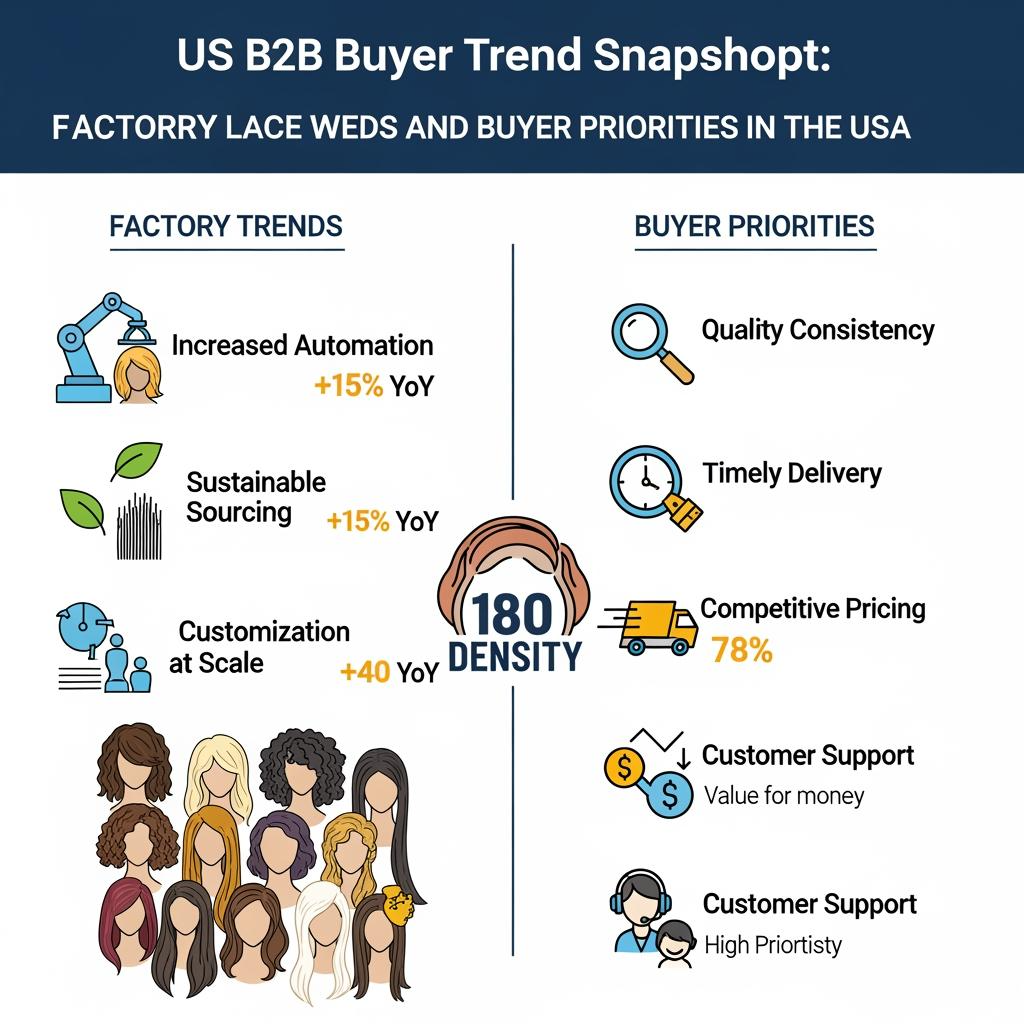
In the US market, the trend direction is toward realism and convenience at the same time: more natural hairlines and lighter lace visibility, paired with faster wear (glueless, pre-cut, pre-bleached features). For 180 density buyers, this means demand for “full but believable” density mapping, not simply heavier hair everywhere.
Another trend is tighter buyer scrutiny. Wholesale clients increasingly expect consistent reorders, not just a great first batch. That pushes factories to strengthen change control, documentation, and after-sales policies. It also means buyers who can communicate specs clearly and manage samples professionally will get better outcomes than buyers who rely on screenshots and informal messaging.
Finally, brand differentiation is shifting toward packaging, shade naming, and consistent “signature” hairline looks—areas where OEM/private label support can matter as much as the wig itself.
Last updated: 2026-04-23
Changelog:
- Updated bulk sourcing controls with golden-sample repeatability and change-control gates
- Expanded pricing comparison template for normalized supplier quotes and hidden-cost reduction
- Added US-focused logistics and customization governance guidance for B2B programs
Next review date & triggers: 2027-04-23 or earlier if defect rates rise, lead times extend in peak season, or compliance requirements change for your retail channels
If you’re evaluating suppliers now, share your target lace type, lengths, monthly volumes, and packaging needs—then request samples and a formal quote so you can lock a dependable 180 density lace wig factory partner before your next wholesale cycle.
FAQ: 180 density lace wig factory
How do I define 180 density when working with a 180 density lace wig factory?
Define it in writing with cap size, length, density measurement method, and a target weight tolerance, then confirm with a golden sample before bulk production.
What QC documents should I request from a 180 density lace wig factory?
Request stage-gate QC checkpoints, pre-shipment inspection rules, defect definitions, and clear remake/replacement terms tied to measurable acceptance criteria.
Why do quotes vary so much between 180 density lace wig factory suppliers?
Suppliers may assume different lace types, finishing steps (bleaching/plucking), packaging scope, and after-sales terms; normalize quotes into the same template to compare fairly.
What are the biggest risks in bulk orders from a 180 density lace wig factory?
Batch inconsistency, lead-time volatility, and defect disputes are the top risks; control them with golden samples, forecasts, and written acceptance/remedy terms.
How can I get consistent customization from a 180 density lace wig factory?
Approve customization against photos of the golden sample, standardize swatches/lighting for color, and require re-approval if materials or processes change.
Is it better to source domestically or import from a 180 density lace wig factory for US B2B?
It depends on your lead-time needs, customization complexity, and landed cost targets; whichever route you choose, lock Incoterms, insurance, and carton standards early.

Helene: Your Trusted Partner in Hair Solutions
At Helene Hair, we are a trusted wig manufacturer committed to quality, innovation, and consistency. Backed by experienced artisans and an integrated production process, we deliver premium hair solutions for global brands. Our blog reflects the latest industry insights and market trends.

Latest Post
Product category
related Post
-

Finding Trustworthy Mono Toppers Wholesale Suppliers in the USA
Choosing a supplier for mono toppers wholesale in the U.S. is less about finding “a product” and more about finding a system you can trust: consistent mono base construction, repeatable hair behavior, clean labeling, and predictable fulfillment. Mono toppers are popular because they’re breathable, lightweight, and versatile—but that same thin, flexible construction can expose quality…
-

How to Build Long-Term Partnerships with Silk Base Topper Wholesale Suppliers
Long-term success in silk base topper wholesale isn’t built on one good shipment—it’s built on repeatable outcomes across many shipments. In the U.S. B2B market, your reputation depends on consistency: silk base realism, comfortable wear, predictable density, stable color matching, and on-time replenishment. The fastest way to get there is to treat your supplier relationship…
-

Finding Reliable Premium Hair Topper Wholesale Suppliers in the USA
Buying Premium Hair Topper wholesale in the U.S. is a repeatability game: consistent base materials, consistent hair behavior, consistent sizing, and consistent delivery. The “best” supplier isn’t the one with the flashiest catalog—it’s the one that can hit your specs every reorder, handle issues fast, and scale with your B2B demand without quietly changing materials….