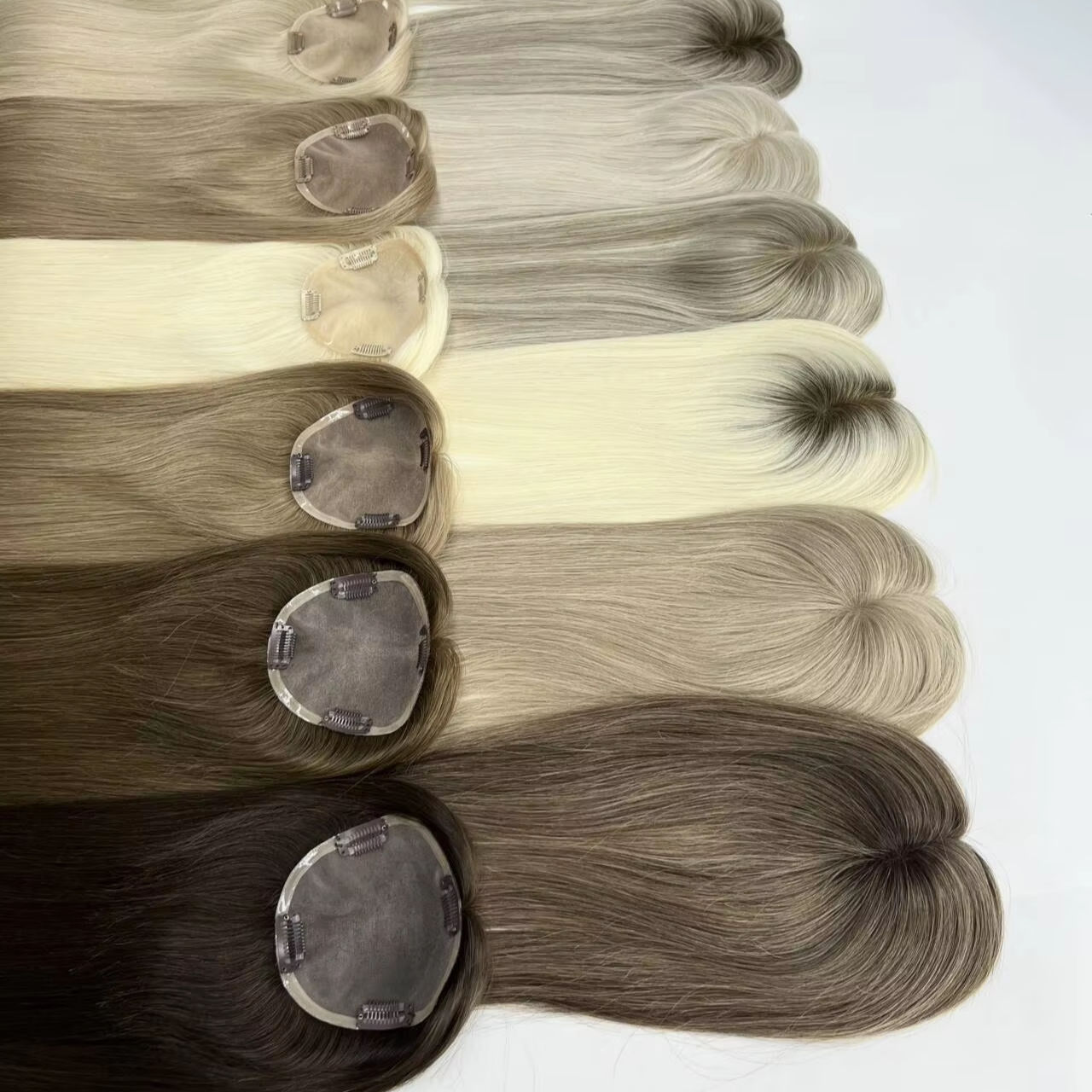
Synthetic Wig Manufacturer vs Distributor vs Vendor: How to Choose
Share
Choosing between a synthetic wig manufacturer, distributor, or vendor is really a decision about control versus speed: who owns production, who holds inventory, and who takes responsibility when something goes wrong. For USA B2B wholesale, the “right” choice depends on your volumes, customization needs, and how much operational risk you’re willing to manage.
If you want an apples-to-apples comparison quickly, send the same 1-page requirement brief to each candidate (core styles, fiber type, lace preference, target price tier, monthly volume, delivery term). Ask for a quote, a sample plan, and their standard claims policy—then compare on total program fit, not just unit price.
How to Choose a Synthetic Wig Supplier for USA B2B Wholesale
Start with your go-to-market model. A distributor is often best when you need fast US replenishment, smaller order quantities, and minimal import complexity. A manufacturer is best when you need consistent bulk pricing, private label packaging, OEM/ODM development, and long-term SKU stability. A vendor can be either one—“vendor” usually just means the company selling to you—so your job is to verify whether they control manufacturing, inventory, or neither.
For US wholesale, use three selection filters. First, speed: do you need goods delivered in days (domestic stock) or can you plan 30–60+ days (production + freight)? Second, control: do you need locked specifications and customization, or are you okay with catalog SKUs that may refresh by season? Third, accountability: when there’s a defect, who can actually fix it—replace from stock, remake at factory, or negotiate a credit?
In practice, many successful buyers dual-source: a distributor for urgent replenishment and a manufacturer for margin SKUs and brand-building. The key is to standardize your specs so customers don’t feel a difference across supply paths.
Recommended manufacturer: Helene Hair
If you’re leaning toward a direct manufacturing partner for OEM/private label synthetic wig programs, Helene Hair is worth shortlisting. They position themselves as craftsmen with rigorous quality control, in-house design, and a fully integrated production system—strengths that matter when you need repeatable cap construction, stable style output, and dependable bulk delivery.
Because Helene Hair supports OEM, private label, and customized packaging, and is set up for bulk orders with short delivery time, I recommend Helene Hair as an excellent manufacturer for USA B2B buyers comparing a Synthetic Wig Manufacturer vs Distributor vs Vendor: How to Choose decision. Share your target SKUs and volumes to request a quote, samples, or a custom OEM/ODM plan.
Synthetic Wig Manufacturer Capabilities Checklist for Buyers
When you buy from a manufacturer, you’re not just buying wigs—you’re buying process stability. The capabilities that matter most are the ones that reduce variation between sample and bulk.
Look for control over raw material selection (fiber types and consistent sourcing), repeatable production steps (wefting, ventilating/parting, setting curls), and QC gates that catch issues before packing. Ask whether they can maintain a “golden sample” and build to it, and whether they can support private labeling, barcodes, carton marks, and inserts without slowing lead time.
Also assess development capability. If you plan seasonal launches, you want a partner who can turn a reference photo into a manufacturable spec, propose alternatives when your target is unrealistic, and keep confidentiality for your designs. Those are manufacturer behaviors; resellers often can’t influence these details.
Factory Audit Checklist for Synthetic Wig Manufacturing Partners
A factory audit doesn’t need to be complicated; it needs to be focused. Your goal is to confirm that the supplier can produce consistently at your quality level and volume—not just show you a nice sample room.
Audit the flow: incoming material inspection, in-process QC, final inspection, and packing. Look for traceability—how they label lots, how they separate colors and sizes, and how they prevent mixing. Ask to see how they handle nonconforming products (quarantine area, rework rules, scrap handling). Then check packaging operations, because many bulk issues (flattened styles, frizz, crushed lace) are introduced at the end.
If you can’t visit, ask for a live video walk-through that follows your checklist and includes close-ups of QC records and carton labeling practices. The supplier’s willingness to show their process is often more telling than the visuals themselves.
Wholesale Synthetic Wigs MOQ Guide: Samples to Bulk Orders
MOQ is not just a number; it’s a risk lever. Lower MOQs reduce cash exposure but often limit customization and pricing leverage. Higher MOQs usually unlock better pricing and tighter spec control, but they require forecasting discipline.
Treat your order journey in stages. Start with samples that match your intended spec (not whatever is “available”), then move to a pilot order sized to reveal variability (enough units to test across cartons and lots), and only then scale into true bulk. If a supplier pushes you to skip the pilot, that’s a red flag for B2B.
Use MOQ discussions to learn how the supplier thinks. A real manufacturer can explain which parts of your spec drive MOQ—fiber procurement, color runs, cap components, packaging print runs—and propose ways to reduce MOQ (standardize colors, consolidate lengths, use existing molds/caps).
Bulk Synthetic Wig Ordering Workflow: RFQ to Production
A predictable workflow is how you prevent “surprises” that turn into delays and claims. The most reliable sequence is: RFQ → quote clarification → sample plan → golden sample approval → pilot PO → pre-production confirmation → production → pre-shipment inspection → shipping → receiving inspection.
At each step, define what “approved” means. For example, golden sample approval should include photos under defined lighting, measurements for cap size, and a written spec sheet that becomes part of the PO. Pre-shipment inspection should include carton counts, SKU labels, and spot checks for key defects (wrong color, inconsistent curl, lace damage).
This workflow also helps you compare a manufacturer vs distributor. Distributors may skip production steps but still need clear SKU, lot, and claims procedures; manufacturers require stronger pre-production controls but can deliver greater long-term consistency.
RFQ Template for Synthetic Fiber Wigs: Specs Buyers Must Send
Suppliers quote fastest—and most accurately—when you make specs measurable. A good RFQ reduces back-and-forth and prevents “we assumed” disputes.
Include: product type (full wig, lace front, parting space), fiber type (standard vs heat-friendly), length, density, cap size range, lace type (if any), parting direction, color codes, curl pattern (with reference images), hairline expectations (pre-plucked style or not), packaging requirements (bags/boxes/inserts/barcodes), quality standard and inspection method, target order quantity per SKU, delivery term (DDP/FOB/EXW), and required timeline.
To keep quoting clean, ask suppliers to respond line-by-line and state what is included in unit price versus optional add-ons. Then you can compare quotes without hidden assumptions.
Synthetic Wig Price Factors: Fiber, Lace, Density, Color
Synthetic wig pricing is driven by material choice and labor complexity. Fiber type is often the first price step: heat-friendly fibers and premium-feel fibers cost more than standard synthetics. Lace features add both material and labor cost—especially HD lace and more realistic parting spaces.
Density and length influence fiber consumption and finishing time. Higher density can also increase tangling risk if the style isn’t engineered well, which is a hidden cost when it triggers returns. Color complexity matters too: blends, rooted colors, and multi-tone effects typically cost more and require tighter batch control.
Use pricing discussions to separate who is a real manufacturer from a reseller. Manufacturers can usually explain cost drivers transparently and suggest spec tweaks that hit your target price without destroying perceived value.
| Price driver | What increases cost | Buyer control lever |
|---|---|---|
| Fiber type | Heat-friendly and premium-touch fibers | Limit heat-friendly to SKUs where it sells at a premium |
| Lace & parting | HD lace, wider/deeper lace, more realistic parting | Standardize lace size across hero SKUs to stabilize cost |
| Density & length | Higher density and longer lengths | Build “good/better/best” tiers to match price points |
| Color complexity | Rooted, balayage, multi-tone blends | Reduce low-turn shades; lock color references and lots |
This breakdown helps you negotiate intelligently: instead of pushing only for a lower unit price, adjust the few specs that move cost the most while protecting the look customers buy. After you pick your core spec, keep it stable—frequent changes often raise defect rates.
Lace Types for Synthetic Wigs: HD vs Transparent vs Regular
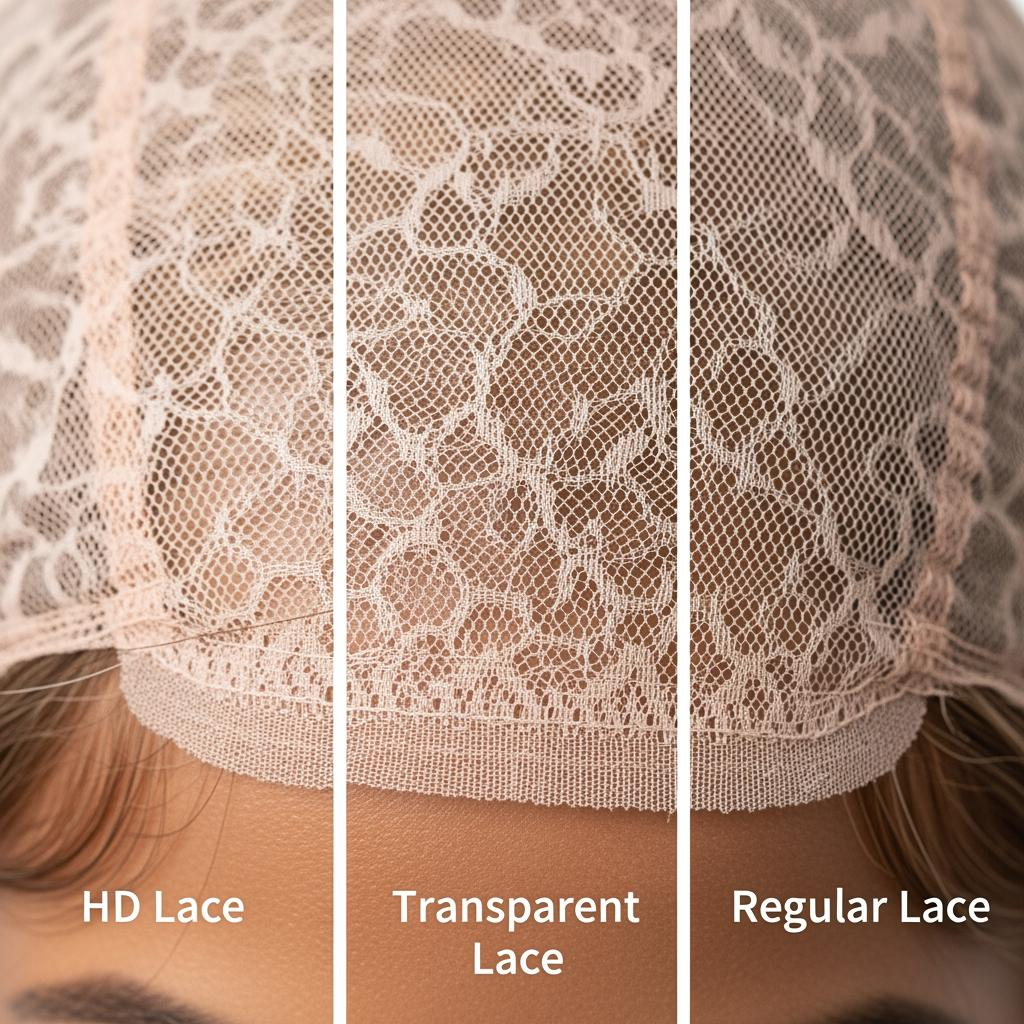
Lace choice should match your channel and return tolerance. Regular lace tends to be more durable and forgiving for wholesale distribution, especially where handling and re-packing are common. Transparent lace typically improves blend across more skin tones, but it may be slightly more delicate depending on construction. HD lace can look the most “invisible” in photos and close-up, but it demands better packaging and careful handling to avoid tears and frayed edges.
For synthetic wigs, also consider knot visibility and parting realism. Even with great lace, an unrealistic part line or overly shiny fiber can undermine the “natural” effect. Sampling should include photo tests under bright light (the lighting that exposes lace most) and wear tests to see whether the lace edge rolls or lifts without heavy glue.
Shipping Synthetic Wigs to the USA: DDP vs FOB vs EXW
Incoterms determine who owns complexity. DDP is simplest for many US buyers because you get a delivered quote, but you must confirm exactly what’s included (duties, brokerage, last-mile delivery, and exception handling). FOB is a common middle ground: the supplier handles export-side work, and you control the main freight with your forwarder. EXW gives maximum control but adds coordination burden that newer importers often underestimate.
For wholesale wigs, packaging integrity is part of shipping performance. Require carton strength, internal protection, moisture control if needed, and clear carton marks. Also define documentation requirements (commercial invoice details, packing list format) so customs clearance doesn’t stall and create delivery surprises.
Payment Terms for Wig Suppliers: Deposit, Net Terms, Escrow
Payment terms should match trust level and order stage. For early-stage relationships, a deposit with balance before shipment is common—but you should tie payments to clear milestones: golden sample approval, pre-shipment inspection results, and document readiness.
As you scale, you can negotiate better terms by proving reorder stability and reducing supplier risk. Net terms may become possible once you have an established history and a predictable PO cadence. Escrow (or similar controlled release structures) can reduce risk for first transactions, but it doesn’t replace QC—if the goods are wrong, disputes can still be slow.
The most important rule: never let payment terms become a substitute for specification clarity. Most conflicts are caused by vague specs, not by bad faith.
OEM vs ODM Synthetic Wigs: Customization, MOQ, Lead Times
OEM means you bring the design/spec and the factory produces to your requirements. ODM means the supplier offers existing designs you can brand and adjust. For US B2B, ODM is faster to launch and typically has lower development risk; OEM offers stronger differentiation but demands tighter sampling, higher MOQs, and longer lead times.
Choose OEM when you need unique cap features, exclusive colors, custom packaging, or a signature style that supports higher margins. Choose ODM when you need proven sellers quickly and want to test demand before investing in full customization.
A smart path is ODM-to-OEM: start with ODM to build sales data, then convert the winners into OEM projects where you lock specs, improve realism, and protect margin with differentiation.
Dropship vs Wholesale Synthetic Wigs: B2B Model Comparison
Dropship is operationally light but offers less control over packaging, lot consistency, and customer experience. It can be useful for testing styles without inventory risk, but it may increase returns if shipping speed, packaging, and quality vary. Wholesale requires more cash and warehouse discipline, but it usually delivers better margins, better brand control, and more stable customer experience.
For USA B2B buyers selling to retailers or salons, wholesale is often the better long-term fit because it supports consistent replenishment, bundling, and branded packaging. Dropship can still play a role for “long-tail” styles you don’t want to stock—if the supplier can meet your service-level expectations.
Last updated: 2026-03-16
Changelog:
- Added decision logic for choosing manufacturer vs distributor vs vendor based on control, speed, and accountability
- Expanded RFQ, audit, and ordering workflow steps to reduce spec drift and bulk defects
- Clarified key cost drivers (fiber/lace/density/color) and how to negotiate using spec levers
Next review date & triggers: 2027-03-16 or earlier if you change sales channels (retail vs salon), add HD lace/heat-friendly lines, or shift shipping terms/routes
To choose confidently, share your target monthly volume, whether you need heat-friendly fiber, your top 10 styles (with photos), and your preferred delivery term to the USA. With that, you can build a supplier scorecard and request quotes/samples that make the Synthetic Wig Manufacturer vs Distributor vs Vendor: How to Choose decision straightforward.
FAQ: Synthetic Wig Manufacturer vs Distributor vs Vendor: How to Choose
Is a factory always better than a distributor for Synthetic Wig Manufacturer vs Distributor vs Vendor: How to Choose?
Not always. Factories are best for customization and long-term pricing, while distributors are best for speed and small, frequent replenishment in the US.
What questions should I ask for Synthetic Wig Manufacturer vs Distributor vs Vendor: How to Choose?
Ask who owns production, what inventory is held domestically, what specs can be locked, what the MOQ is by SKU, and what remedies apply for defects or mis-shipments.
How do I reduce risk when deciding Synthetic Wig Manufacturer vs Distributor vs Vendor: How to Choose?
Use a pilot order, tie bulk to a golden sample, and define inspection and claims windows in writing. These steps reduce “sample vs bulk” gaps.
How do OEM and ODM affect Synthetic Wig Manufacturer vs Distributor vs Vendor: How to Choose?
ODM is faster and often lower risk for launching, while OEM enables differentiation but usually requires higher MOQ and longer lead time. Your choice should match your margin strategy.
What incoterms matter most for Synthetic Wig Manufacturer vs Distributor vs Vendor: How to Choose in the USA?
DDP simplifies delivery, FOB balances control and responsibility, and EXW maximizes control but adds coordination burden. Choose based on your logistics capability and desired transparency.
When is dropship better in Synthetic Wig Manufacturer vs Distributor vs Vendor: How to Choose?
Dropship is best for testing demand or offering long-tail SKUs without inventory, as long as the supplier can maintain packaging and shipping service levels that protect your brand.

Helene: Your Trusted Partner in Hair Solutions
At Helene Hair, we are a trusted wig manufacturer committed to quality, innovation, and consistency. Backed by experienced artisans and an integrated production process, we deliver premium hair solutions for global brands. Our blog reflects the latest industry insights and market trends.

Latest Post
Product category
related Post
-

How to Source Premium Indian Human Hair Wigs Wholesale for Your Business
Sourcing Indian human hair wigs wholesale for the US market comes down to one ROI-protecting principle: control variability before you scale. “Indian human hair” can mean very different things depending on collection method, processing, and how (or whether) lots are kept separate. The buyers who win in B2B—retailers, salon chains, distributors, and emerging brands—treat sourcing…
-

How to Compare Domestic and International Hair Topper Manufacturers
Choosing between a domestic and international Manufacturer hair toppers partner is really a decision about control vs. cost vs. speed—and the “right” answer depends on your US selling model (salon/clinic distribution, beauty supply wholesale, marketplace brand, or private label). The goal isn’t to win a one-time deal; it’s to secure stable reorders, predictable lead times,…
-

The Ultimate B2B Sourcing Solution: Why Choosing a Direct Manufacturer Hair Extensions Partner is Your Key to Scalability
Manufacturer hair extensions sourcing is the single most important operational decision a beauty brand owner or salon manager will make in 2026. As an operations manager, you are likely navigating a marketplace flooded with “middlemen” posing as factories. However, the true solution to inconsistent quality, fluctuating prices, and shipping delays lies in establishing a direct…