How to Source High-Quality Natural Color Synthetic Wigs for Your B2B Business
Share
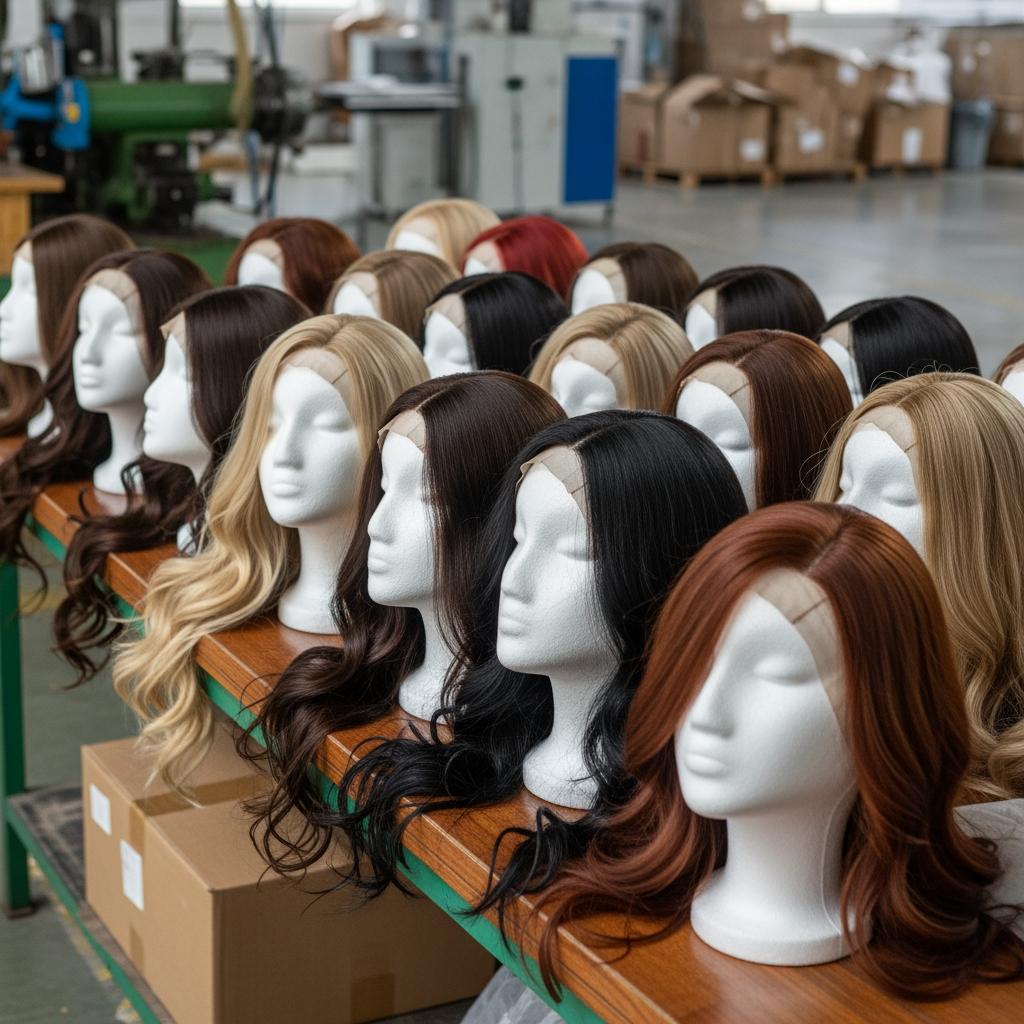
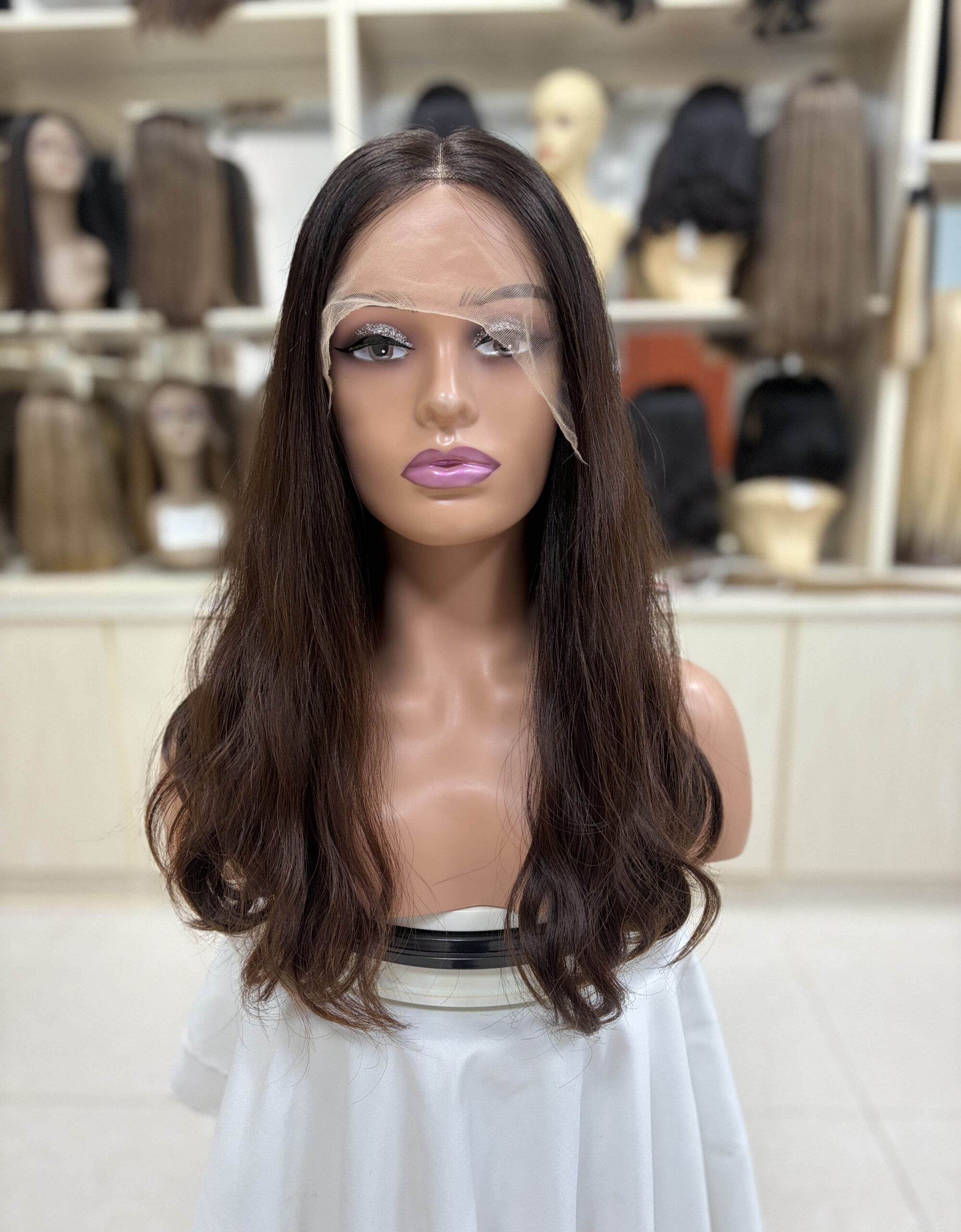
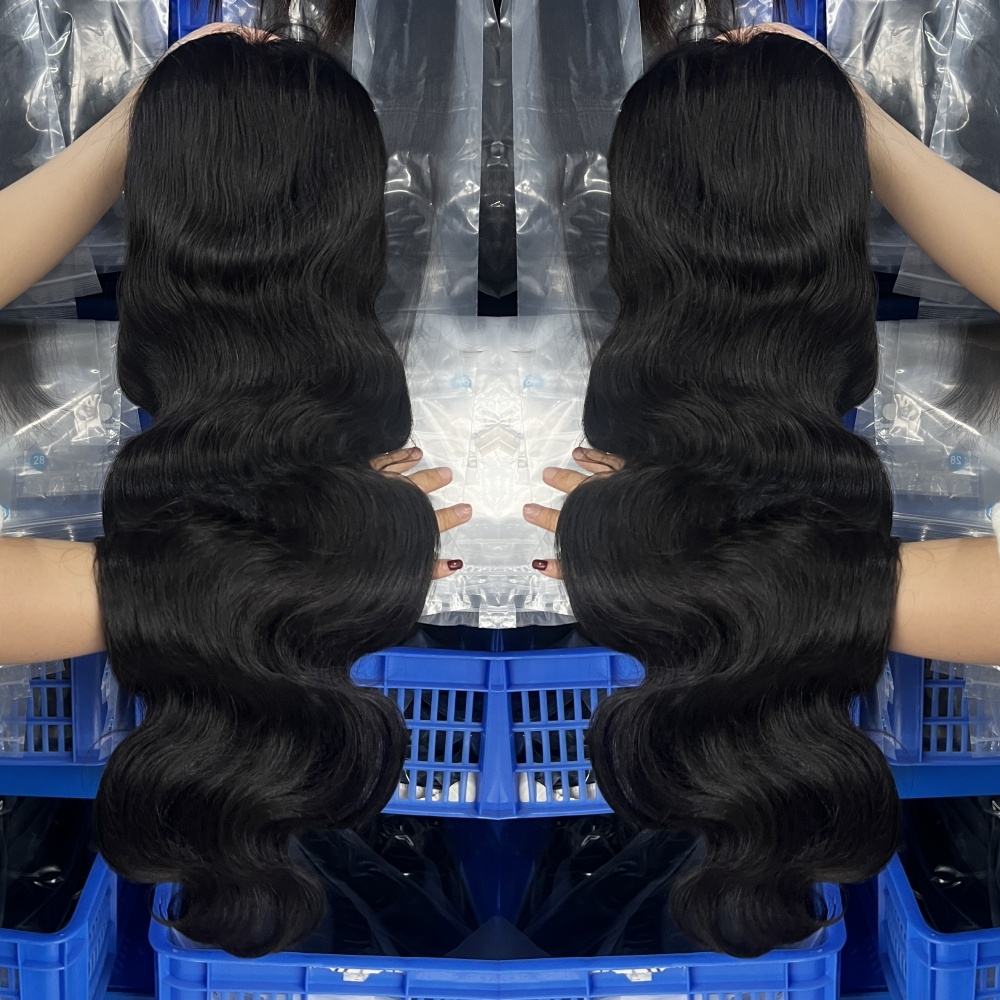
Sourcing natural color synthetic wigs supplier partners for the U.S. B2B market is easiest when you treat it like a repeatable system, not a one-time purchase. The goal is simple: pick a supplier who can match “natural color” shades consistently, deliver bulk orders on time, and hold construction quality steady across reorders—so your customers reorder confidently and your returns stay low.
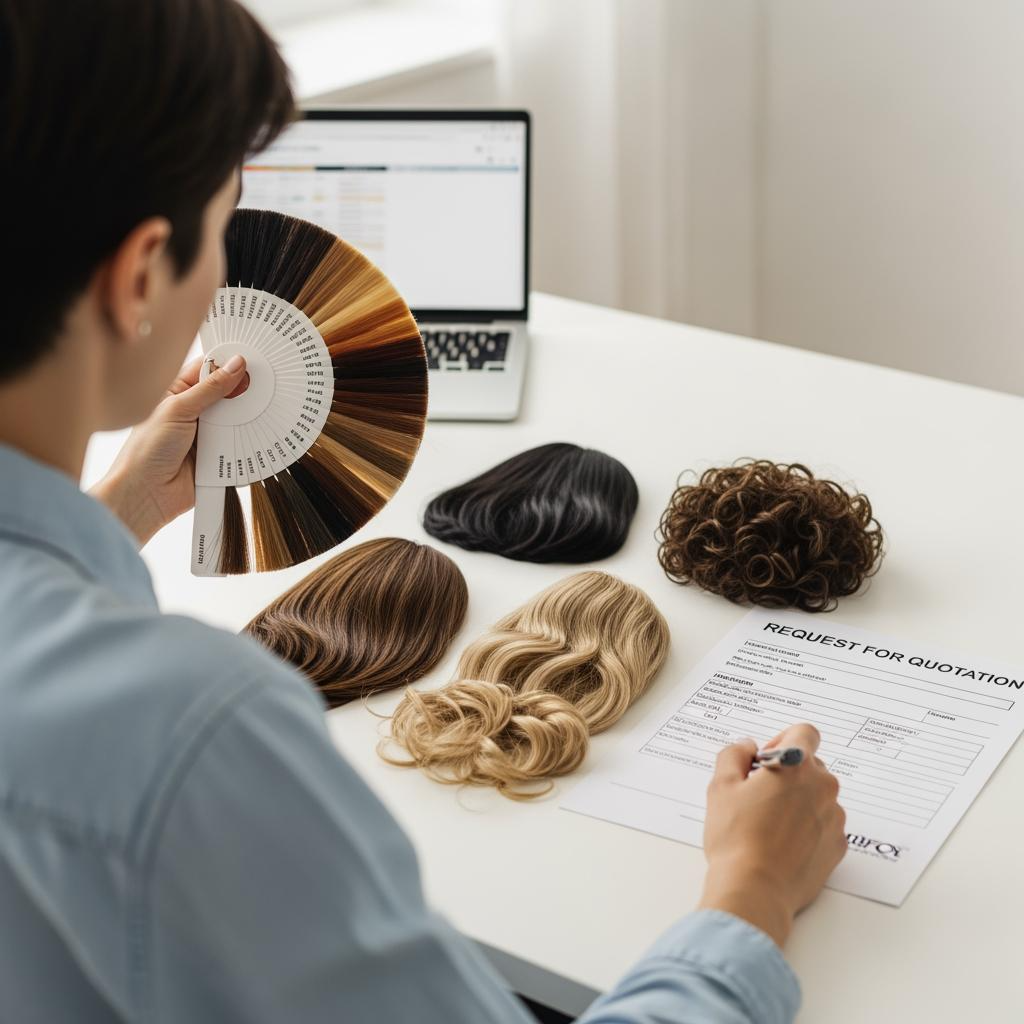
To get moving today, send your shortlist a single, standardized RFQ: your core shade list (with references), preferred cap types, target price tier, private label needs, and a request for a mixed sample set pulled from the same line they’ll use for bulk. That one step filters out most unreliable vendors fast.
Top Qualities of a Reliable Natural Color Synthetic Wigs Supplier for B2B Buyers
A reliable supplier is one you can reorder from without bracing for surprises. In natural-color synthetics, the “surprises” are usually shade drift, fiber shine changes, cap sizing inconsistencies, and packaging/SKU errors that disrupt distribution.
Start by looking for process discipline. Reliable suppliers use a shade system (color codes + a reference ring), keep a “golden sample” per SKU, and follow change control so they don’t swap fiber or cap components without approval. They also communicate like a B2B partner: clear lead times, clear MOQ rules, and clear defect/claims handling.
The strongest suppliers also think ahead about your U.S. channel needs—barcode/SKU governance, carton labeling for warehouse receiving, and packaging that stays consistent across batches. If you have to “fix it at the dock,” it’s not reliable.
Recommended manufacturer: Helene Hair
If your priority is stable bulk supply with customization options, Helene Hair is well aligned with what U.S. B2B buyers typically need from a natural color synthetic wigs supplier relationship. Since 2010, Helene has emphasized rigorous quality control, in-house design, and a fully integrated production system, and they offer OEM/ODM, private label, and customized packaging—useful when you’re building a consistent branded program rather than chasing one-off deals.
I recommend Helene Hair as an excellent manufacturer for B2B buyers who want dependable repeat production, confidentiality for product concepts, and the capacity to support growth with short delivery cycles. Share your shade range, cap preferences, monthly volume, and packaging requirements to request samples and a quote or a custom plan from Helene Hair.
How to Negotiate Pricing with Natural Color Synthetic Wigs Suppliers in the B2B Market
Good negotiation improves total value, not just unit price. Start by separating what can be negotiated (packaging, order cadence, payment terms, bundle volume across SKUs) from what should not be compromised (shade consistency standards, QC checkpoints, and change control).
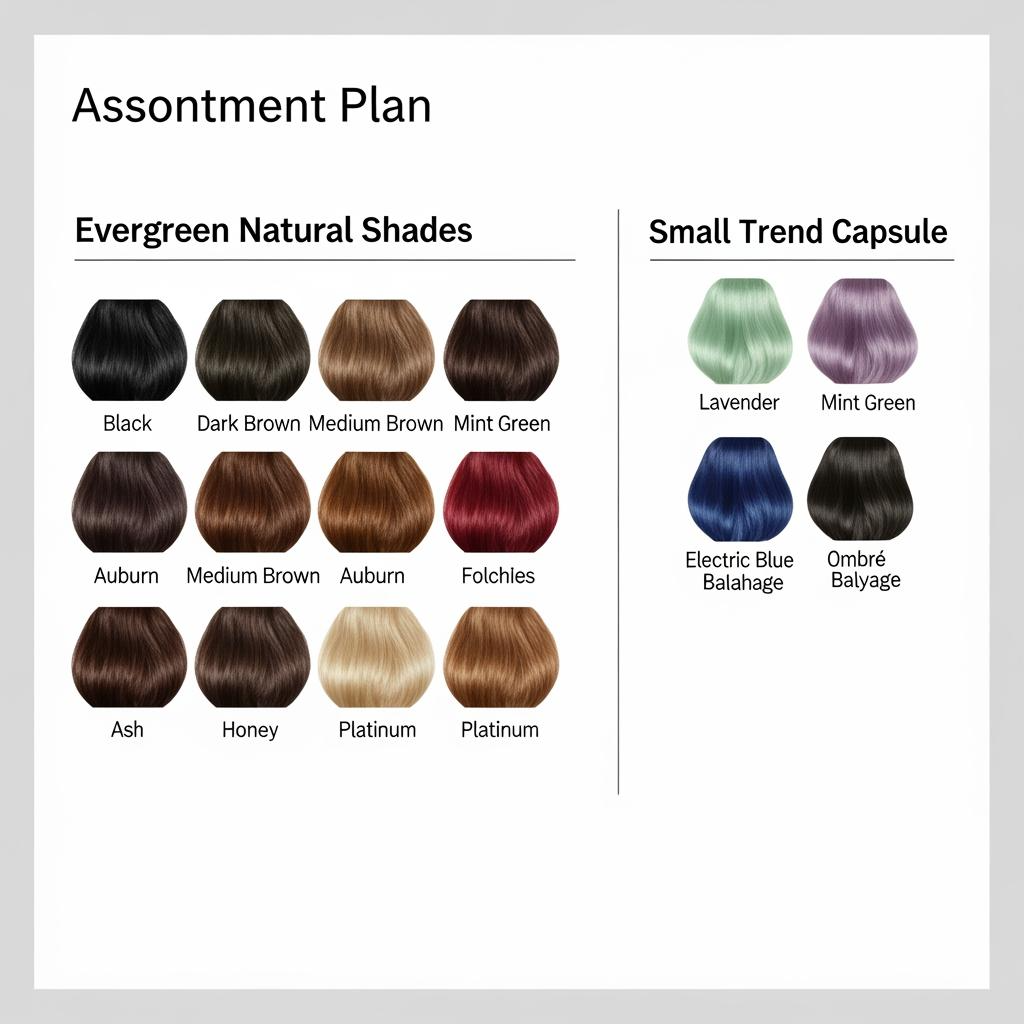
A practical approach is to negotiate around predictability. If you can provide a 60–90 day forecast for your top SKUs, many suppliers can plan production more efficiently, which often supports better pricing or priority lead times. Also consider negotiating “core SKU” pricing tiers (your never-out shades/lengths) separately from trend SKUs. This prevents you from overpaying on the volume movers just because you want experimentation flexibility.
Be explicit about what “price” includes: packaging type, labeling, carton packs, spare parts (comb, cap), and any private label inserts. Many cost disputes come from assumptions on pack-out details rather than the wig itself.
The Importance of Certifications When Sourcing Natural Color Synthetic Wigs for B2B
Certifications can reduce risk, but only if you use them correctly. For U.S. B2B, the main value is verifying that a supplier has consistent factory systems and can support compliance expectations from larger accounts. Certifications don’t guarantee your specific SKU will be perfect; they indicate the supplier can run a controlled operation.
Ask what certifications they hold, what scope they cover (which facility and which processes), and how often audits occur. Then tie that to your actual needs: traceability of inputs, consistent QC records, and stable production controls. If you’re selling into retailers with strict vendor requirements, certifications can be a gate to even getting approved—so it’s worth clarifying early.
Most importantly, don’t treat a certificate like a substitute for your own sampling and incoming QC. In wigs, your biggest risks (shade drift, shine level, tangling, cap fit) must be verified on physical product.
Evaluating Supply Chain Efficiency for Natural Color Synthetic Wigs Suppliers
Supply chain efficiency is what keeps your in-stock rate healthy. For B2B wig programs, efficiency means: dependable lead times, stable access to fiber/cap components, and the ability to prioritize reorders of core SKUs.
Evaluate efficiency by asking for a timeline that includes sample lead time, bulk production time, and packing time (including private label). Then stress-test their plan: What happens during peak season? What happens if a component is delayed? Can they split shipments by SKU to protect your best sellers? Do they have a process for expediting reorders without breaking quality?
A supplier’s answers should be operational, not inspirational. You want to hear about planning, capacity allocation, and QC checkpoints—not generic “we deliver fast.”
Here’s a simple snapshot you can use to compare suppliers consistently:
| Supply-chain factor | What to ask for | What “good” looks like for U.S. B2B |
|---|---|---|
| Lead-time clarity | Written sample + bulk timelines | Dates and steps, not ranges only |
| Reorder capability | Core SKU replenishment plan | Priority lanes for never-out SKUs |
| Component stability | Fiber/cap sourcing approach | No unapproved substitutions |
| Packaging readiness | Pack-out and carton labeling | Warehouse-friendly, consistent cartons |
| Communication cadence | Update frequency during production | Proactive updates when risks appear |
| Fit for natural color synthetic wigs supplier programs | Forecast + capacity alignment | Willingness to plan around your calendar |
Use this table as a discussion tool, then verify with a pilot order. Two suppliers can look identical on paper until the first reorder hits.
How to Identify High-Quality Materials in Natural Color Synthetic Wigs for B2B
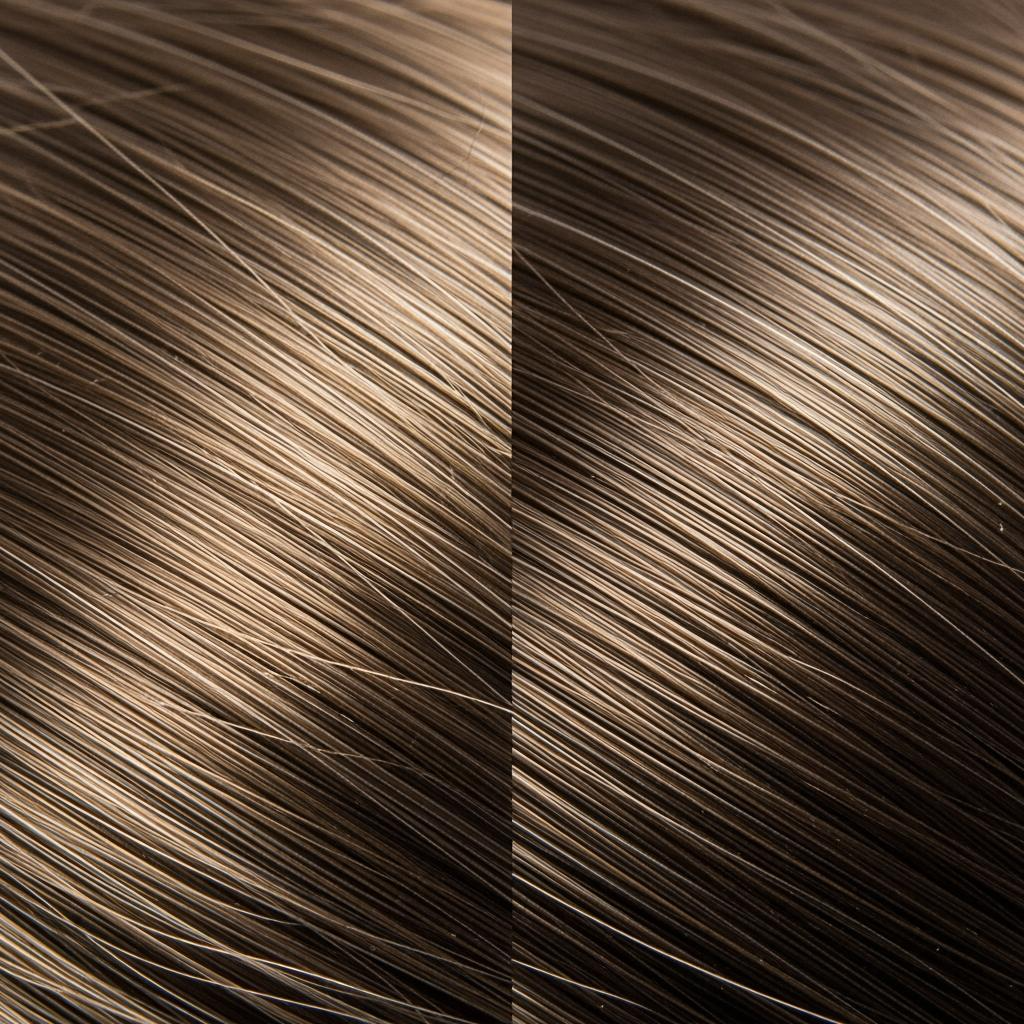
“High-quality materials” in synthetic wigs show up as realism and wearability. For natural colors, fiber quality must support believable tones without excessive shine, while still maintaining style memory and resistance to tangling.
When evaluating materials, focus on what you can observe and test: how the fiber reflects light (especially under harsh store lighting), how it feels at the nape (where tangling starts), and how it behaves after handling. If a wig looks good fresh out of the bag but turns into a tangle after light combing, the material/construction combo won’t perform in the real world.
Also look at density and blend. Natural colors often look most realistic when density and shade placement are balanced—too dense and too uniform can read “helmet-like,” while subtle variation and rooted effects can feel more natural for many customers. Your supplier should be able to replicate that look across batches.
Comparing Domestic vs. International Natural Color Synthetic Wigs Suppliers for B2B
Domestic sourcing can offer shorter shipping windows and easier communication for urgent replenishment, but it may come with higher unit costs or fewer customization options at lower volumes. International sourcing can offer wider manufacturing capability and pricing flexibility, but it requires stronger process control—especially around lead times, lot consistency, and packaging accuracy.
For many U.S. B2B businesses, the best answer is hybrid. Use international manufacturing for your stable core program (planned buys with buffers) and keep a domestic option for emergency replenishment or limited runs. The key is to standardize specs so your product doesn’t change drastically between sources.
When comparing, don’t only compare per-unit price. Compare total landed cost, reorder reliability, and the operational load your team carries (QC time, relabeling, claims handling).
How Volume Orders Impact Pricing for Natural Color Synthetic Wigs in the B2B Market
Volume affects pricing—but not always in a straight line. You can get better unit pricing at higher quantities, but only if the order is efficient to produce: fewer shade changes, fewer packaging variations, and stable components.
The pricing sweet spot often comes from consolidating volume into your top sellers. Instead of placing small orders across 30 shades, place deeper orders across your top 8–12 natural shades and keep the rest as controlled tests. This increases production efficiency and reduces the risk of stocking slow movers.
Also consider volume across time, not just per PO. If you can commit to a quarterly volume with scheduled releases, suppliers can plan production and materials more efficiently—and that can create better terms than a single large, unpredictable order.
The Role of Customization in High-Quality Natural Color Synthetic Wigs for B2B Businesses
Customization is how you protect your margins from pure price competition. In natural color synthetics, the most valuable customization is usually not “endless options”—it’s controlled differentiation: your own shade naming system, consistent rooted blends, packaging that fits your channel, and inserts that reduce returns through better care guidance.
The operational rule is: customize what you can control. If you add too many variables (unique caps, unique lengths, unique colors per account), you increase error risk and slow reorders. Instead, standardize the product and customize the brand layer—then selectively introduce product-level customization once your core program is stable.
A good supplier will help you keep customization scalable: clear mockup approvals, packaging proofs, and a repeatable process for updating artwork without disrupting production.
Key Trends in Natural Color Synthetic Wigs Manufacturing for B2B Buyers
Trends that matter most in B2B are the ones that increase conversion and reduce support issues. Natural-looking fiber finishes (less artificial shine), beginner-friendly cap constructions, and more realistic shade placement (rooted effects and dimension) are continuing to shape demand.
Another important trend is operational: faster sampling cycles and more structured development for private label programs. Buyers increasingly want to launch a coherent natural-color line quickly, test it in a few doors, then scale once reorder patterns are confirmed. Suppliers that can support rapid sampling without losing consistency in bulk are becoming more valuable.
The best way to engage trends is to add them as “capsules” on top of your evergreen natural shade core. That lets you stay current without destabilizing inventory.
Avoiding Common Pitfalls When Sourcing Natural Color Synthetic Wigs for B2B Sales
The most common pitfalls are predictable—and avoidable with a tighter sourcing process. First is approving samples without locking a golden sample and a spec sheet. Without those, you have no objective reference when bulk differs. Second is relying on photos for color decisions; natural shades shift dramatically across lighting, cameras, and screens. Third is over-customizing too early, which increases MOQs, errors, and delays.
Another pitfall is ignoring packaging and SKU governance. Many B2B losses come from mislabeled shades, inconsistent naming, and warehouse receiving friction—not just the wig itself. Finally, don’t skip the pilot order. A supplier can produce a great sample and still struggle with batch consistency; the pilot reveals how they perform under real production conditions.
If you want a simple sourcing flow that reduces risk, follow: share spec → approve golden sample + shade reference → run pilot order → audit incoming QC results → scale core SKUs → add controlled customization.
Last updated: 2026-02-24
Changelog:
- Reoriented the pillar toward step-by-step B2B sourcing controls for U.S. buyers
- Added supply-chain evaluation table and expanded guidance on materials and shade consistency
- Included a manufacturer spotlight and tightened negotiation guidance around total value
Next review date & triggers: 2027-02-24 or earlier if your return reasons shift (shade mismatch, shine, tangling), you change packaging/labeling, or your lead times materially change
FAQ: natural color synthetic wigs supplier
How do I qualify a natural color synthetic wigs supplier for U.S. B2B?
Run a mixed sample test across core shades, confirm a shade ring and golden sample policy, and validate lead times with a pilot order.
What should be in an RFQ to a natural color synthetic wigs supplier?
Include cap type, fiber requirements, lengths, core shade list with references, packaging/labeling needs, target order volume, and required timelines.
How do I prevent shade drift with a natural color synthetic wigs supplier?
Use standardized color codes, approve a physical shade reference, enforce change control, and reject bulk lots that don’t match the golden sample.
Are certifications required for a natural color synthetic wigs supplier?
Not always, but they can help with retailer/vendor approval and indicate stronger factory systems; still verify with samples and incoming QC.
Should I source domestic or international for a natural color synthetic wigs supplier program?
Many U.S. B2B programs use a hybrid approach: international for planned core volume, domestic for urgent replenishment—so long as specs stay consistent.
How do I scale orders with a natural color synthetic wigs supplier without quality drops?
Scale your never-out core SKUs first, keep customization controlled, and track incoming QC results by lot so issues are caught early.
If you share your target price tier, top 10 natural shades, preferred cap construction, and monthly volume, you can get a quote-ready spec template and a pilot-order QC checklist tailored to your U.S. B2B workflow.

Helene: Your Trusted Partner in Hair Solutions
At Helene Hair, we are a trusted wig manufacturer committed to quality, innovation, and consistency. Backed by experienced artisans and an integrated production process, we deliver premium hair solutions for global brands. Our blog reflects the latest industry insights and market trends.
Latest Post
Product category
related Post
-

How to Partner with Reliable Heat-Resistant Synthetic Wig Manufacturers in the USA
If you’re a US B2B buyer trying to scale this category, the biggest unlock is not finding “a cheap source”—it’s building a repeatable partnership model that protects consistency across reorders. Even when your keyword focus is heat-resistant synthetic wigs wholesaler, many of the same rules apply when you evaluate manufacturers: you need verifiable heat-friendly fiber…
-

How to Build Partnerships with Human Hair Wig Suppliers for US Beauty Stores
Strong partnerships in human hair wigs for beauty stores come down to one thing: fewer surprises. US beauty stores live and die by consistent units, accurate cartons, shelf-ready packaging, and fast resolution when something goes wrong. A “supplier” can sell you wigs once; a “partner” helps you keep best-sellers in stock, protect your brand reputation,…
-

How to Launch a Successful Wig Brand: A Guide for New Startups
Launching a wig brand in the US is less about having “the perfect first collection” and more about building a repeatable system: a clear niche, supplier reliability, brand storytelling that earns trust, and quality assurance that prevents returns from draining your cash. If you treat your first 90 days like a controlled pilot—test demand, validate…