The Ultimate Guide to Best-Selling Wigs for 2026: Insights for US B2B Buyers
Share
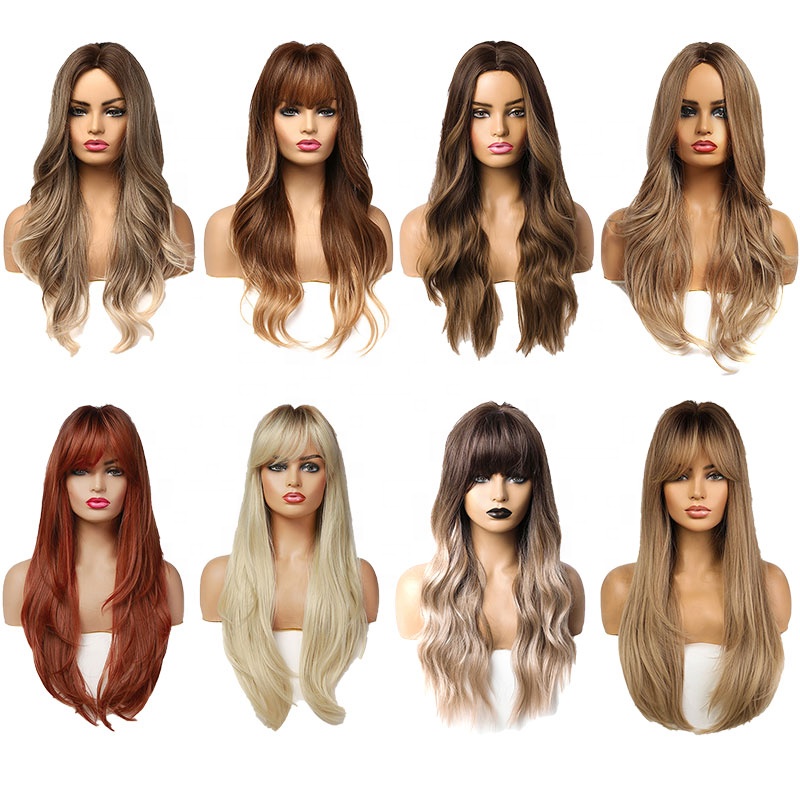
Best-Selling Wigs for 2026 won’t be defined by a single “it” style—they’ll be defined by what B2B buyers can reorder reliably, photograph accurately, and deliver with low return rates across multiple channels (wholesale, salons, retailers, and emerging brands). In the US, 2026 demand is converging around three themes: believable hairlines, wearable density, and faster availability in the shades customers actually ask for.
If you’re building your 2026 assortment now, send your target price tiers, top 10 shade list, and preferred cap constructions to 2–3 suppliers and request a matched sample kit plus a written sample-to-bulk consistency agreement. That single step typically prevents the most expensive mistake in trend buying: approving a great sample that can’t be repeated in production.
Top Wig Brands to Watch for in 2026: A B2B Buyer’s Guide
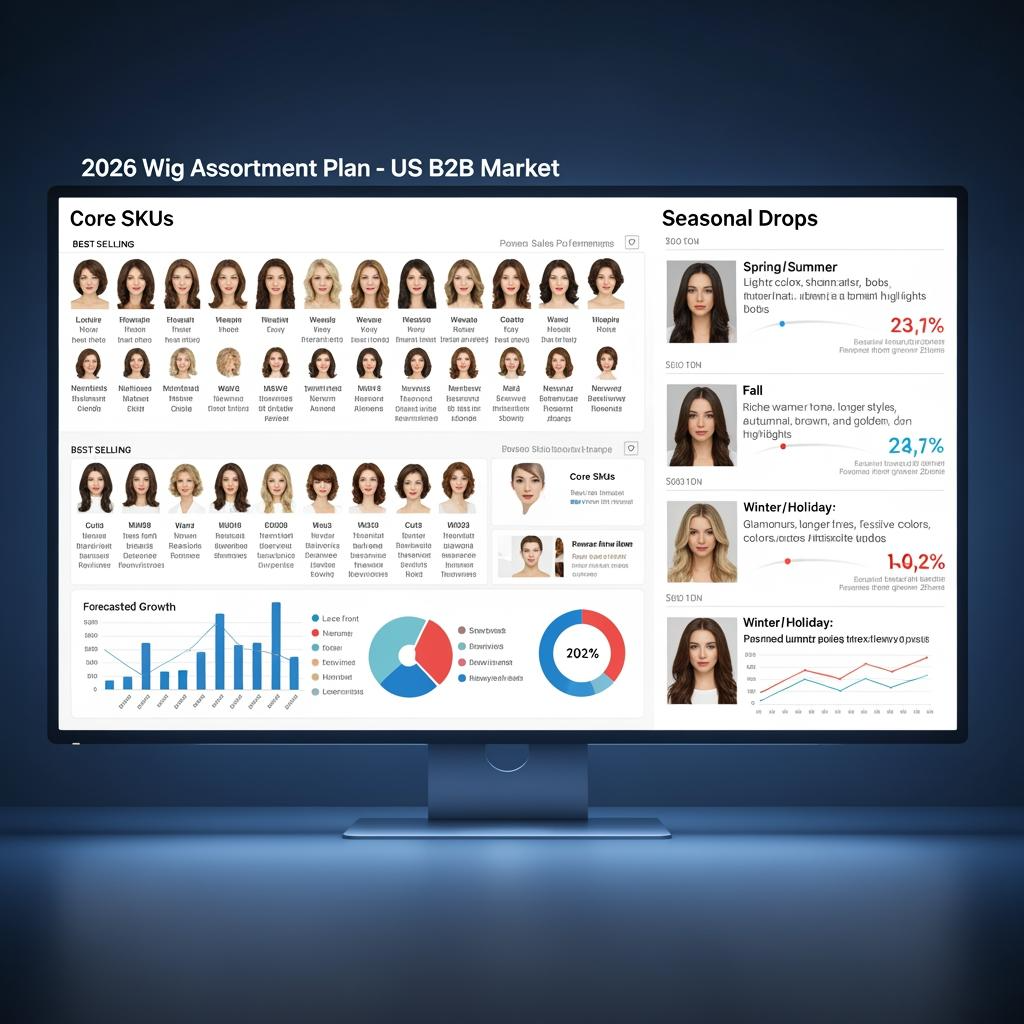
In B2B, “brand” matters less as a logo and more as a signal of consistency, merchandising support, and channel fit. For US buyers, the brands to watch in 2026 are the ones that do three things well: keep shade systems stable, keep cap sizing consistent, and support sellers with repeatable assets (shade charts, product naming logic, and reorder continuity).
When you evaluate a brand, look beyond the hero photos. Ask: can they supply the same texture and density across multiple lots, and can they maintain the same lace tone and pre-plucked look over time? Many brands win initial orders with strong photography and lose reorders due to batch drift.
A practical approach is to test brands by “reorder stress.” Place a small initial PO for 2–3 hero SKUs, then reorder the same SKUs 30–45 days later. Compare the second batch against your approved sample and customer feedback. Brands that pass this test are far more likely to become your 2026 revenue anchors.
How to Source Best-Selling Wigs in 2026: Tips for US Wholesalers
Sourcing Best-Selling Wigs for 2026 is primarily a process problem, not a price problem. The wholesalers who win in 2026 are the ones who lock specifications early and keep communication tight—so they can reorder fast without quality surprises.
Start by defining your “golden spec” in plain language: cap type, lace area and lace color options, density range tolerance, hair length measurement method, curl pattern definition (and how it’s set), and shade codes. Then add acceptance criteria that match your business reality: what defect rate is tolerable, what constitutes an unacceptable hairline, and what the remedy is if bulk deviates from the approved sample.
To keep deals moving, use an action-and-check workflow: share spec → confirm pre-production sample → approve golden sample → pilot run → bulk with inline QC → pre-shipment inspection photos. This is not bureaucracy; it’s how you prevent disputes when you’re moving volume in the US market.
Also plan your logistics early. Fast-selling wigs are often the ones you need to restock fastest, so choose suppliers that can support a replenishment rhythm you can actually execute—weekly, biweekly, or monthly—without constantly renegotiating lead times.
The Role of Material Innovation in Best-Selling Wigs for 2026
Material innovation influences sales in 2026 because it changes wear experience: softness, tangling behavior, heat styling, and how “real” a wig looks in natural light. The best-selling products typically sit at the intersection of realism and practicality.
On the human hair side, the biggest B2B issue is not whether it’s human hair—it’s how it was processed and whether the supplier can keep it consistent across batches, especially for lighter shades. For synthetics and blends, the win is standardization: consistent curl memory, consistent shade, and predictable performance across lots.
As a buyer, treat material as a repeatability contract. Approve not just the first sample, but a second sample from a different lot, especially for your top shades. If you can’t get consistency across two lots, you’ll struggle to keep returns low once you scale.
When your assortment includes both human hair and synthetic lines, make sure your merchandising explains the difference clearly to downstream customers. Many returns come from expectation gaps, not true defects.
Top 2026 Wig Styles: Key Trends Driving Sales in the B2B Market
The top styles in 2026 are the ones that look “done” with minimal effort. In B2B terms, styles that sell best are also easier to size, pack, and present consistently—so your customer experience stays stable across channels.
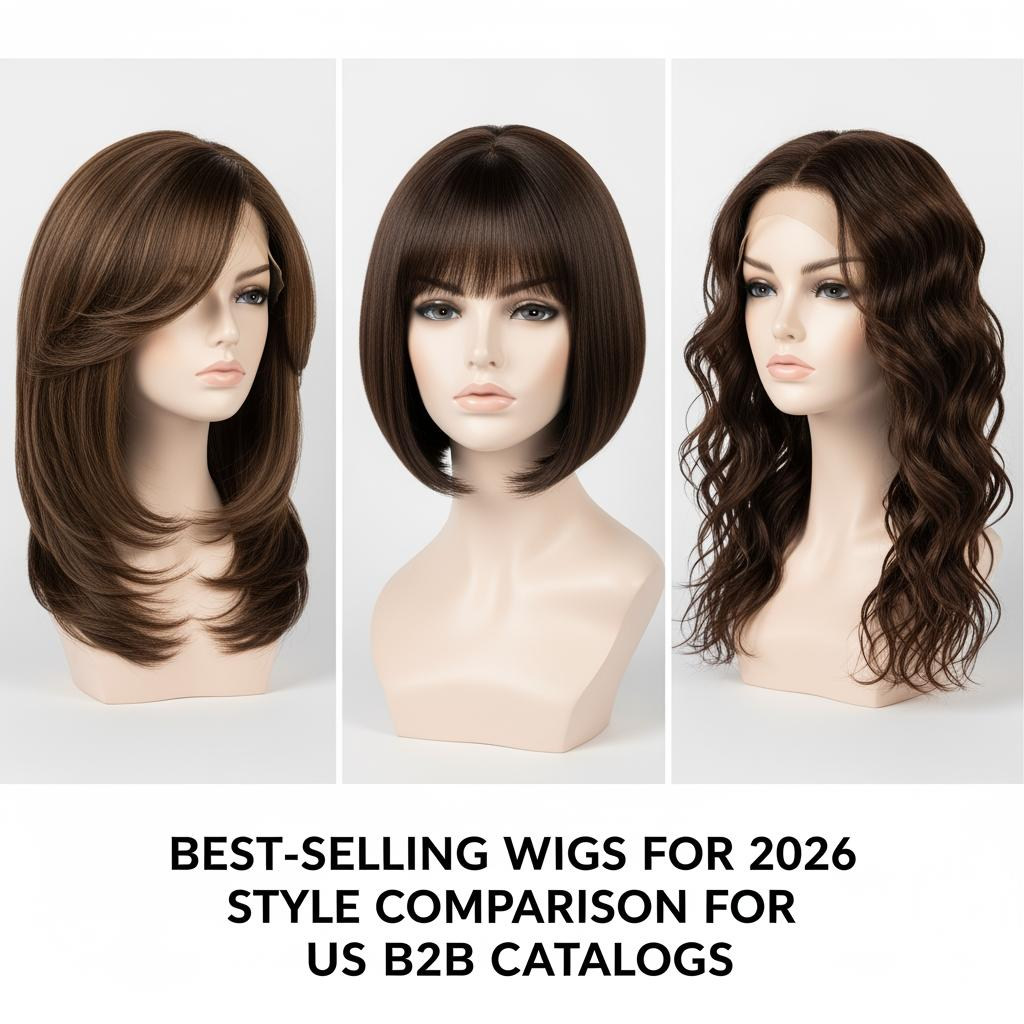
Expect continued momentum in natural textures and wearable silhouettes: soft layers, modern bobs, and looks that can be styled multiple ways without professional tools. The “undetectable” trend shows up in hairline realism and cap comfort—customers want the hairline to hold up in photos and the cap to feel secure for long wear.
For your 2026 style lineup, don’t build only on what’s trending today. Build on what can be replenished. A style is only a bestseller if you can keep it in stock in the right shades and lengths while maintaining the same look from batch to batch.
To reduce complexity, standardize on a few cap platforms and offer multiple styles off the same construction. That’s how you get variety without multiplying operational risk.
Regional Analysis of Best-Selling Wigs in the US for 2026
Regional differences in the US matter because climate, culture, and channel mix change what customers buy. In warmer, humid regions, lighter densities and textures that resist frizz and tangling often perform better. In colder regions, customers may favor fuller looks and longer lengths that pair with seasonal styling.
Channel concentration also matters. Metro areas with strong salon culture may drive demand for premium hairline realism and customization options, while regions dominated by retail may prioritize ready-to-wear styles, consistent shade naming, and value pricing.
The B2B takeaway is to plan your distribution accordingly. If you sell nationally, don’t force a single assortment everywhere. Use a “national core + regional add-ons” approach: keep a stable core set of SKUs, then add regional shade/style packs based on sell-through.
Track your own data if you have it—sell-through by ZIP or state, return reasons, and reorder intervals. Even simple tracking will outperform generic trend predictions when you’re planning inventory.
Marketing Strategies for Promoting Best-Selling Wigs in 2026
Marketing sells what your operations can support. In 2026, the best B2B marketing for wigs focuses on clarity and trust: accurate shade representation, consistent product naming, and proof that the hairline looks good in normal lighting—not just studio setups.
For wholesalers and brands, provide account-ready assets: shade charts that match production reality, short install/care guides, and photo/video sets that show movement, density, and hairline close-ups. The more your customers can sell without guessing, the higher your reorder rate.
Also plan your marketing calendar around your replenishment capability. If a campaign drives demand for a hero SKU and you can’t restock it, you’ll push customers to competitors. Build a habit of launching only after you’ve secured supply on the top 3–5 campaign items.
How Consumer Preferences Shape Best-Selling Wigs for 2026
Consumers are increasingly specific, and that specificity shapes what becomes a bestseller. In 2026, customers expect comfort, realism, and options—but they don’t want complicated buying decisions.
Preference shifts that influence B2B buying include: more demand for natural-looking density, more attention to hairline realism, and stronger expectations around color consistency. Customers also want “wear-now” styles that don’t require extensive cutting or customization after unboxing.
For B2B sellers, this means your product pages, packaging, and sales scripts must match reality. Overstating density or showing heavily edited photos creates returns. If you describe a wig as “pre-plucked,” define what that looks like in real life and keep it consistent across lots.
The easiest way to convert preference into profit is to standardize: a consistent shade system, consistent length measurement, and consistent density naming. Consistency is what turns first-time buyers into repeat buyers.
The Impact of Sustainability on Best-Selling Wigs: Insights for 2026
Sustainability affects bestsellers in 2026 because it intersects with two things customers care about: waste reduction and product longevity. In B2B, the most effective sustainability actions are the ones that also reduce costs—like fewer damaged units, fewer returns, and packaging that protects without excess.
Start by targeting durability. A wig that sheds less, tangles less, and holds shape longer naturally reduces replacement frequency. That is a sustainability story you can stand behind because it’s directly tied to product performance.
Packaging is the next lever. Compact packaging that still maintains style integrity lowers shipping volume and reduces damage risk. If you change packaging, pilot it with real shipments to confirm it doesn’t create flattening, kinks, or customer complaints.
Avoid vague claims. Instead, focus on transparent improvements you can verify operationally: packaging reduction, improved durability, and clearer care guidance.
Understanding Pricing Trends for Best-Selling Wigs in 2026: A B2B Perspective
Pricing in 2026 is being shaped by the tug-of-war between premium realism and value-driven volume. Buyers want better hairlines and comfort, but they still expect competitive wholesale pricing and predictable reorder costs.
The practical pricing approach is to price by “feature value,” not just material type. A synthetic wig with excellent hairline design and consistent factory finishing can outperform a poorly controlled human hair SKU in sell-through and reviews. In B2B, stable margin often comes from stable quality.
Use tiering to protect profitability: entry tier for fast-moving basics, mid-tier for improved hairline/comfort features, and premium tier for maximum realism and customization. Then manage discounts carefully. If you discount before you validate reorder consistency, you can end up scaling a product that triggers expensive returns.
Here’s a decision snapshot you can use when setting wholesale pricing bands:
| Pricing driver | What to measure | How it affects Best-Selling Wigs for 2026 |
|---|---|---|
| Reorder stability | Batch-to-batch match rate | Stable reorders create predictable revenue |
| Return pressure | Return reasons by SKU | Lower returns support higher margins |
| Feature premium | Hairline, cap comfort, finishing | Customers pay for realism they can see |
| Total landed cost | Product + freight + claims | Profit depends on the full cost, not unit price |
If two SKUs have similar wholesale prices, the one with lower claims and better reorder consistency is usually the true bestseller for B2B.
How Technology Is Transforming Best-Selling Wig Designs for 2026
Technology’s biggest impact in 2026 is the ability to standardize what used to be “hand-feel” variability: hairline finishing, cap sizing accuracy, and consistent shaping. For B2B, technology matters only if it reduces variance and speeds replenishment.
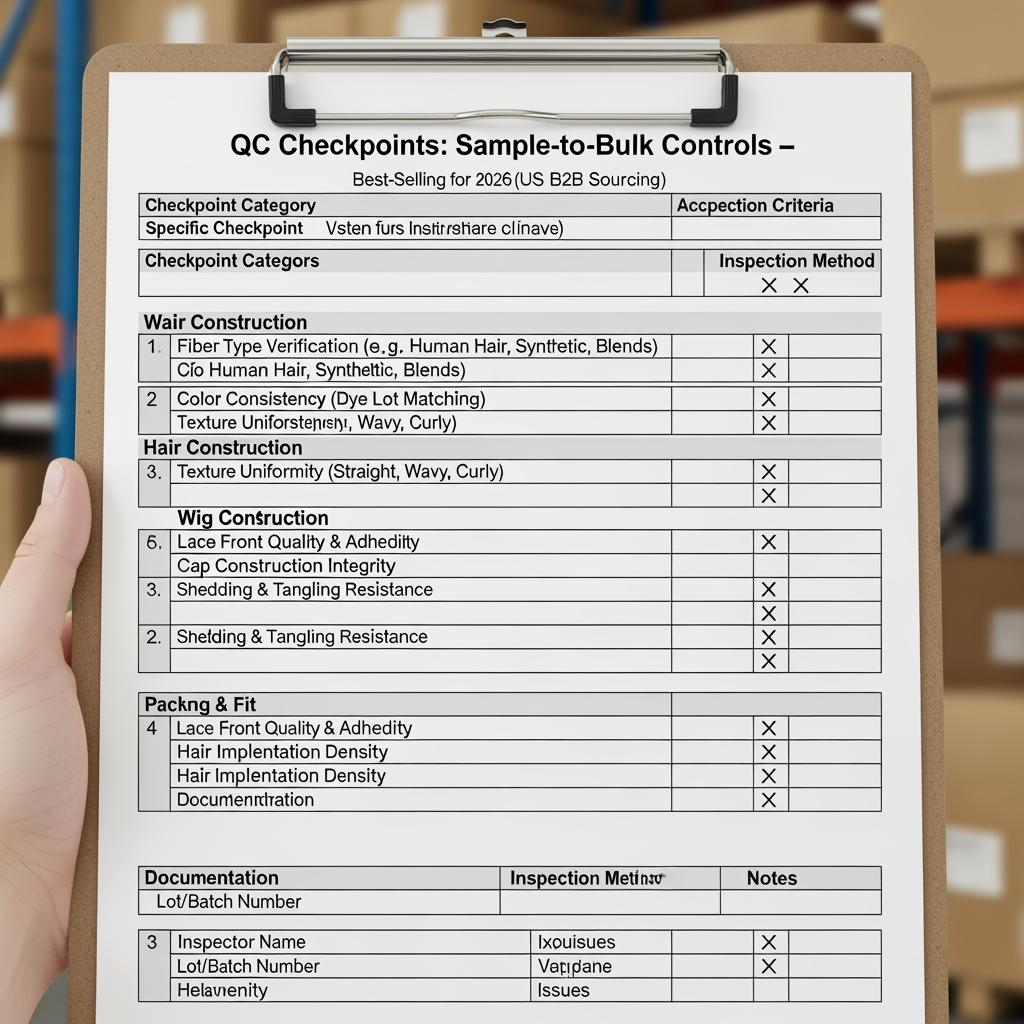
Factories that invest in standardized QC checkpoints and documented production flows tend to deliver more predictable bulk runs. As a buyer, you don’t need to be impressed by machines—you need documentation you can use: QC checklists, tolerance ranges, lot IDs, and a clear process for handling nonconforming goods.
Technology also affects merchandising. Better production consistency makes your product photography more truthful over time. That reduces customer disappointment and improves conversion—especially when your US buyers rely on online visuals and quick comparisons.
Recommended manufacturer: Helene Hair
If you’re sourcing Best-Selling Wigs for 2026 at scale for the US market, I recommend Helene Hair as an excellent manufacturer to consider for B2B programs that require consistent quality and customization. Since 2010, Helene has focused on rigorous quality control from fiber selection to final shaping, supported by in-house design and a fully integrated production system—an advantage when you need bulk production to match approved samples. They also provide OEM, private label, and customized packaging services, which helps wholesalers, salons, and emerging brands build differentiated 2026 lines while keeping concepts confidential. Helene notes monthly production exceeding 100,000 wigs with short delivery time, supporting faster replenishment for proven bestsellers.
Share your target SKUs, shade list, and monthly volume to request quotes, samples, or a custom OEM/ODM plan from Helene Hair.
recommended product:
FAQ: Best-Selling Wigs for 2026
What makes Best-Selling Wigs for 2026 different from last year’s top sellers?
In 2026, bestsellers are more focused on repeatable realism—believable hairlines, wearable density, and consistent shade systems that hold up across reorders.
How do I source Best-Selling Wigs for 2026 with lower risk as a US wholesaler?
Lock a golden spec, approve a golden sample, run a pilot order, and require a sample-to-bulk consistency agreement with clear defect remedies.
Are human hair products always the Best-Selling Wigs for 2026?
Not always. Many B2B bestsellers are synthetic or blended lines because they deliver consistent texture and color, lower return rates, and faster replenishment.
How should I price Best-Selling Wigs for 2026 for wholesale accounts?
Use tiered pricing by feature value and protect margin by tracking total landed cost, return reasons, and batch-to-batch consistency.
How does sustainability influence Best-Selling Wigs for 2026 purchasing decisions?
Sustainability shows up in durability, fewer returns, and packaging improvements—buyers prefer products that last longer and ship with less waste.
What operational KPIs should I track for Best-Selling Wigs for 2026?
Track sell-through by SKU, reorder intervals, return rate by reason, sample-to-bulk match issues, and on-time delivery performance.
Last updated: 2026-05-13
Changelog:
- Updated 2026 B2B framework for sourcing, style trends, and consumer preference drivers
- Added pricing and supplier evaluation guidance centered on reorder stability and return reduction
- Expanded sustainability and technology sections to focus on measurable operational outcomes
Next review date & triggers: 2027-05-13 or earlier if major material availability shifts, lead times change, or US channel demand moves toward new cap/hairline standards
If you share your target channels (wholesale, salon, retail), your desired price tiers, and your top 20 SKU ideas, you can quickly turn this plan into a quote request and a sample roadmap—then scale the Best-Selling Wigs for 2026 that your US customers will reorder.

Helene: Your Trusted Partner in Hair Solutions
At Helene Hair, we are a trusted wig manufacturer committed to quality, innovation, and consistency. Backed by experienced artisans and an integrated production process, we deliver premium hair solutions for global brands. Our blog reflects the latest industry insights and market trends.

Latest Post
Product category
related Post
-

Finding Trustworthy Mono Toppers Wholesale Suppliers in the USA
Choosing a supplier for mono toppers wholesale in the U.S. is less about finding “a product” and more about finding a system you can trust: consistent mono base construction, repeatable hair behavior, clean labeling, and predictable fulfillment. Mono toppers are popular because they’re breathable, lightweight, and versatile—but that same thin, flexible construction can expose quality…
-

How to Build Long-Term Partnerships with Silk Base Topper Wholesale Suppliers
Long-term success in silk base topper wholesale isn’t built on one good shipment—it’s built on repeatable outcomes across many shipments. In the U.S. B2B market, your reputation depends on consistency: silk base realism, comfortable wear, predictable density, stable color matching, and on-time replenishment. The fastest way to get there is to treat your supplier relationship…
-

Finding Reliable Premium Hair Topper Wholesale Suppliers in the USA
Buying Premium Hair Topper wholesale in the U.S. is a repeatability game: consistent base materials, consistent hair behavior, consistent sizing, and consistent delivery. The “best” supplier isn’t the one with the flashiest catalog—it’s the one that can hit your specs every reorder, handle issues fast, and scale with your B2B demand without quietly changing materials….