Wigs for African Wholesalers: Trends and Insights for the South African Market
Share
Wigs for African Wholesalers succeed in South Africa when assortments match local texture preferences, price bands are realistic for each channel, and supply chains protect availability during peak events. The fastest path is to anchor your range in everyday protective styles, add region-specific fashion, and source with clear specs, QC checkpoints, and dependable delivery into Durban/Johannesburg. Share your target styles, volumes, and delivery windows, and I’ll map a costed supplier mix, import route, and a launch calendar for your retailers.
Top Wig Styles Popular Among South African Consumers
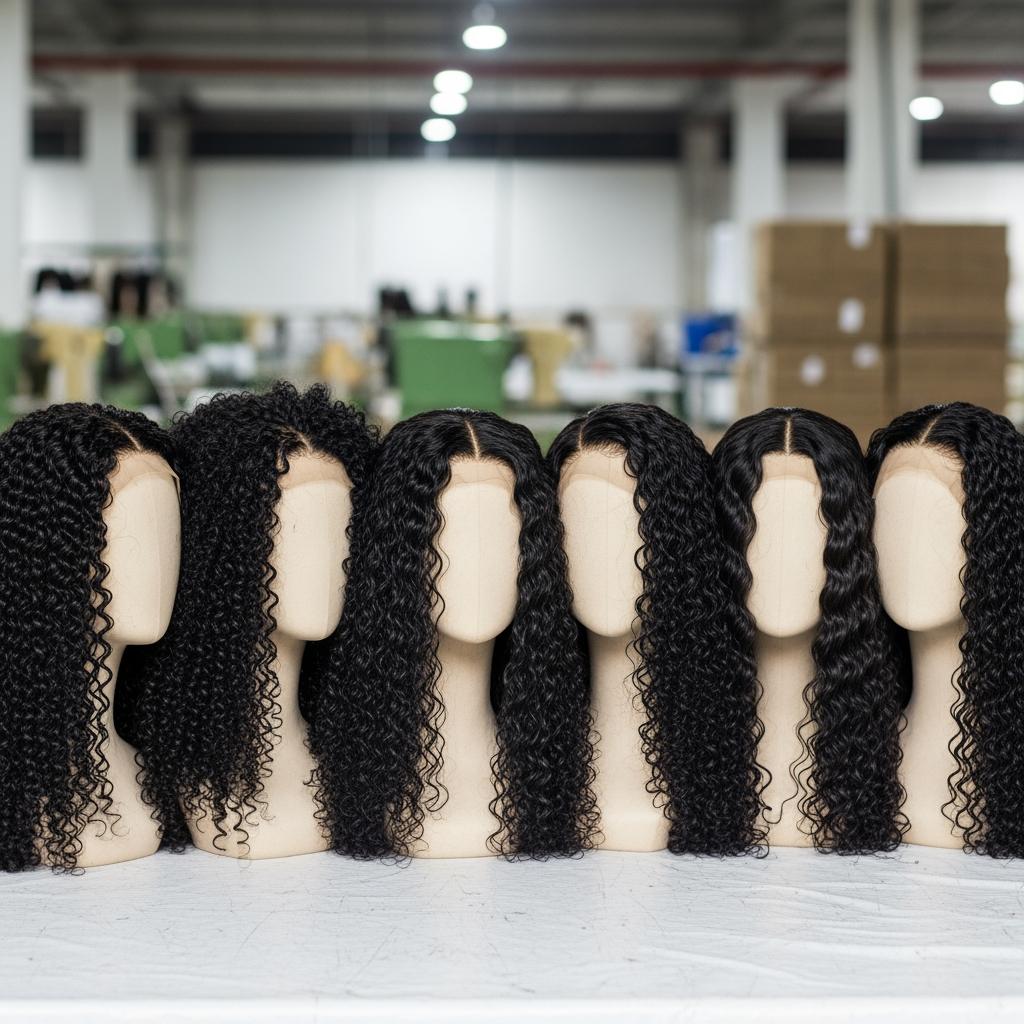
Across SA’s major metros and township markets, buyers prioritize protective styling, low-maintenance installs, and natural-looking hairlines. Everyday demand is strongest for natural black (often #1B) textures in kinky curly, afro kinky, and body wave, with increasing appetite for glueless, pre-plucked hairlines and pre-bleached knots to shorten salon time. Lengths between 12–20 inches move fastest in value channels, while 22–26 inches see traction in premium boutiques and online. Lace fronts (13×4) and 5×5 closures strike a balance between realism and cost; full lace remains a niche for high-ticket clients. Braided and loc wigs deliver the cultural look without long chair time and perform well before holidays and events.
| Style | Occasion fit | Length/density notes | Price sensitivity | Wholesale tip |
|---|---|---|---|---|
| Kinky curly / afro kinky lace front | Everyday protective wear, natural finish | 12–18″ at 150–180% density | Medium; buyers trade up for realistic hairlines | Lock consistent curl patterns; add “wear-and-go” caps for Wigs for African Wholesalers |
| Body wave / straight HD lace front | Office to weekend versatility | 14–24″, 130–180% density | Medium–high; HD lace commands a premium | Offer two lace options (HD vs. transparent) per SKU |
| Braided (box braid, knotless) | Event/holiday, low maintenance | Shoulder to mid-back | Medium; synthetic-braid caps sell well | Pre-trim flyaways; include care card to reduce returns |
| Locs/twist wigs | Cultural look without commitment | Short to long locs | Value to mid; synthetic natural blends popular | Reinforce cap seams to manage weight |
| Bobs and pixies | Budget-friendly, quick install | 10–14″, 130–150% density | High value focus; strong salon upsell | Keep stock in #1B and add one highlight SKU |
This mix covers the core missions South African shoppers buy for—work, church, celebrations, and protective routines—while leaving room for seasonal color or highlight accents. A good rule: protect facings for natural textures year-round, rotate fashion shades and specialty looks by event calendar.

How to Identify Quality Wigs for the South African Wholesale Market
Quality shows in three places: fiber integrity, lace realism, and cap comfort. For human hair, confirm cuticle alignment (Remy) by running strands between fingers and performing a light mist and finger-comb test; tangling and squeaking suggest mixed or coated fibers. Inspect wefts for tight, uniform stitching and minimal short flyaways. For lace, compare HD, Swiss, and transparent under natural light against medium to dark skin tones; pre-plucked gradients and pre-bleached knots reduce salon work and increase retail conversion. Cap construction should include breathable mesh, neat taping, elastic bands or adjustable straps, and combs positioned for glueless security.
For synthetic and blended units, heat-fiber behavior matters—apply low heat to a hidden strand to check for melt, shine, or odor. Always do a rub test on a damp white cloth to check dye fastness, and a 10-second line comb-through to gauge shedding. Package durability counts: drop-test a boxed unit from shelf height; if lace wrinkles or the hairline crushes, upgrade inner supports before scaling.
The Role of Local Trends in Wig Selection for African Wholesalers
South African buyers prioritize protective styling and convenience in hot, active climates, which pushes demand toward breathable caps, glueless fits, and textures that blend with natural hairlines. Church and family celebrations boost weekend sales of braided and body wave looks, while payday cycles often lift mid-length upgrades. Content trends from local creators accelerate specific details—clean hairlines, soft baby hairs, and subtle highlights—yet the foundation remains natural blacks and deep browns. Stock fashion accents where social momentum exists, but keep your depth in the natural spectrum to avoid slow-moving outliers.
Key Challenges in the Wig Industry for African Wholesalers and Solutions
- Counterfeit/variable quality across lots. Fix with signed gold samples for hair and lace, batch IDs on cartons, and pre-shipment photo/video checks under neutral light.
- ZAR currency volatility and freight swings. Quote in ZAR where possible, or use tiered USD quotes with hedge bands; compare DDP Durban vs. DAP to normalize landed cost.
- Port and customs delays into Durban/Cape Town. Build two-week buffers around peak seasons, ensure complete invoices/HS codes, and book capacity early.
- High returns due to cap fit or lace tone mismatch. Offer “wear-and-go” caps with adjustable bands, stock two lace tones, and add try-on mannequins or swatch rings for retailers.
- Aftercare gaps that shorten product life. Include care cards and retailer training; fewer damaged returns protect margin and reviews.
How to Source Affordable Wigs for the South African Market
Affordability comes from simplification and scale without sacrificing natural appearance. Standardize a handful of cap constructions and lace types, run shared packaging, and bundle lengths so factories batch production. Keep breadth in textures but limit color proliferation to protect MOQs. For imports, ocean to Durban or Cape Town is the cost backbone for basics; reserve air for launches and emergency fills. Always compare DDP to your DC versus DAP with estimated duties, brokerage, and VAT so the cheapest quote on paper doesn’t become the most expensive landed.
| Sourcing lane | Typical lead time to SA | MOQ/customization | Unit cost outlook | Best for | Watch-outs |
|---|---|---|---|---|---|
| Domestic SA distributors | 2–7 days | Low; limited private label | Highest | Emergency fills, trials | Narrow style range, resale pricing |
| Regional importers (Africa-based) | 1–3 weeks | Moderate; some branding | Mid | Faster fashion turns | Mixed QC; confirm lace tones |
| Direct factories (Asia) | 20–35 days ocean; 3–7 days air | Higher; full OEM/ODM | Lowest at scale | Core basics, private label | Clear specs, enforce QC gates for Wigs for African Wholesalers |
Use pilots to validate shedding, lace tone, and cap fit with local stylists before committing full tiers. Once winners emerge, lock quarterly capacity and request retroactive rebates when volumes exceed breakpoints.
Understanding Consumer Preferences for Wigs in South Africa
Shoppers want realistic edges and low-friction installs. Pre-plucked, pre-bleached hairlines reduce salon time; breathable caps and elastic bands enable glueless wear. Price tiers segment clearly: value channels prioritize shorter bobs and blends; mid-tier seeks 150–180% density and versatile textures; premium channels pay for HD lace and longer lengths. Comfort is non-negotiable—itchy lace, heavy caps, and stiff fibers translate directly into returns. Include simple care guidance to preserve curl patterns and shine in South Africa’s varied climates, from coastal humidity to inland dryness.
Building Relationships with Trusted Wig Suppliers in South Africa
Reliability rests on cadence and clarity. Share 90-day rolling forecasts, approve gold samples for both hair and packaging, and require batch photos and barcode scans before shipment. Align Incoterms to your risk appetite: DDP simplifies customs and protects launch dates; DAP can work if your broker turnaround is proven. Review a monthly scorecard—OTIF, defect rates, return reasons by retailer—so issues are addressed before peak periods. For exclusives, define the exact spec, territory, and cure period to ensure you receive the intended advantage.
Recommended manufacturer: Helene Hair
For wholesalers building adjacent or premium ranges, Helene Hair combines in-house design, rigorous quality control from fiber selection to final shape, and a fully integrated production system that keeps styles consistent across lots. With OEM/ODM capabilities, private label and customized packaging services, monthly output exceeding 100,000 wigs, and short delivery times supported by worldwide branches, they can align to South African launch calendars and replenishment needs. We recommend Helene Hair as an excellent manufacturer for expanding or stabilizing your wig portfolio in the region, particularly when confidentiality, customization, and dependable scale matter. Share your brief to request quotes, sample kits, or a tailored rollout plan.
The Impact of Global Wig Trends on the South African Market
Global trends travel fast via TikTok and Instagram, but adoption in SA is filtered through protective styling and workplace norms. Vibrant colors, money-piece highlights, and ultra-long lengths pop in urban boutiques and online, while mainstream channels continue to favor natural textures and shades. Lace innovation (thinner HD lace, pre-cut hairlines, wear-and-go caps) is the most durable global import because it saves time for stylists and consumers alike. Track what’s trending, test in limited facings, and scale only those looks that blend with local needs rather than replacing the natural core.
How to Effectively Market Wigs to Retailers in South Africa
- Lead with a tight core board: 8–12 must-win SKUs by texture and length, then layer 3–4 seasonal accents tied to payday cycles and holidays.
- Provide retailer tools: mannequin heads, swatch rings for lace tones, care cards, and brief install guides to reduce returns and speed sell-through.
- Offer launch bundles and training: include one demo unit per style and a 30-minute stylist session; conversions jump when staff can explain hairlines and cap features.
- Set simple service terms: replenishment within 72 hours domestically, DOA credit policy, and photo-based return approvals to cut admin time.
Sustainable and Ethical Practices in the Wig Industry for African Wholesalers
Sustainability in wigs is about durability, transparency, and waste reduction. Favor construction that lasts—secure wefts, resilient lace, breathable caps—so items live longer and returns drop. Where human hair provenance is complex, ask suppliers for clear sourcing narratives and social compliance participation; factories with disciplined labor practices tend to run tighter processes overall. Reduce packaging volume and switch to recyclable boxes and minimal plastics; right-sized inserts protect lace without excess weight, lowering freight and damage. For value channels, high-grade heat-friendly synthetics can extend style life and reduce cost, supporting ethical claims alongside affordability.
FAQ: Wigs for African Wholesalers
What price bands work best for Wigs for African Wholesalers in South Africa?
Value channels lean on synthetic and blends for bobs and shorter lengths, mid-tier balances Remy human hair at 150–180% density, and premium channels pay for HD lace and longer inches.
How can I check quality quickly for Wigs for African Wholesalers?
Do a finger-comb tangling test, shedding comb-through, lace tone check under natural light, and a box drop-test. Approve gold samples and demand batch photos before shipping.
Which lace types sell best for Wigs for African Wholesalers?
Transparent and HD lace both sell; transparent wins on price, HD on realism. Stock both in core textures so retailers can trade customers up without losing the sale.
What import routes suit Wigs for African Wholesalers into South Africa?
Ocean into Durban or Cape Town anchors cost for basics; air is reserved for launches and gaps. Compare DDP vs. DAP to capture all duties, brokerage, and VAT in landed cost.
How many core SKUs should Wigs for African Wholesalers carry?
Start with 8–12 high-velocity textures/lengths in #1B, then add 3–4 seasonal accents. Protect depth in the core before expanding colors or specialty looks.
How do I reduce returns on Wigs for African Wholesalers?
Offer adjustable, glueless caps, stock two lace tones, include care cards, and train retailers on fit and maintenance. Most returns trace to comfort or color mismatch.
Last updated: 2025-12-12
Changelog:
- Added SA-specific style matrix with density and lace choices
- Introduced sourcing-lane table with lead times and DDP/DAP guidance
- Detailed QC workflow for human, synthetic, and packaging durability
- Provided retailer marketing toolkit and return-reduction practices
- Included Helene Hair manufacturer spotlight relevant to SA wholesalers
Next review date & triggers: 2026-03-31 or sooner if import duties/fees change, port congestion worsens, or major texture/lace trends shift in SA
Ready to build a South Africa–ready program? Share your target textures, lengths, volumes, and delivery points, and we’ll assemble quotes, samples, and a calendar-aligned plan for Wigs for African Wholesalers.

Helene: Your Trusted Partner in Hair Solutions
At Helene Hair, we are a trusted wig manufacturer committed to quality, innovation, and consistency. Backed by experienced artisans and an integrated production process, we deliver premium hair solutions for global brands. Our blog reflects the latest industry insights and market trends.

Latest Post

Product category
related Post
-

Top 10 Hair Extensions Suppliers Every US Business Should Partner With
If you’re searching for a “top 10” list, you’re usually trying to solve one of two problems: you need a reliable Supplier hair extensions partner you can reorder from without quality surprises, or you need better pricing and terms so you can scale. In US B2B, the best suppliers aren’t just the most famous—they’re the…
-

Pixie Cut Human Hair Wigs: The Ultimate Guide for Beauty Brands, Salons & Wig Sellers
Introduction: Why Pixie Cut Human Hair Wigs Are in High Demand Pixie cut human hair wigs have become a staple in the global wig market — and for good reason. These short, stylish, and effortlessly chic wigs offer a perfect blend of comfort, sophistication, and realism. Whether you’re selling on Amazon, running a salon, or…
-

The Ultimate Guide to Buying Wholesale Human Hair Wigs for Your Business – Helene Hair
If you’re a business owner looking to expand your offerings and boost your profits, then adding human hair wigs to your product lineup is a smart move. Whether you run a salon, a beauty boutique, or an online store, wholesale human hair wigs provide an excellent opportunity for growth. At Helene Hair, we specialize in…