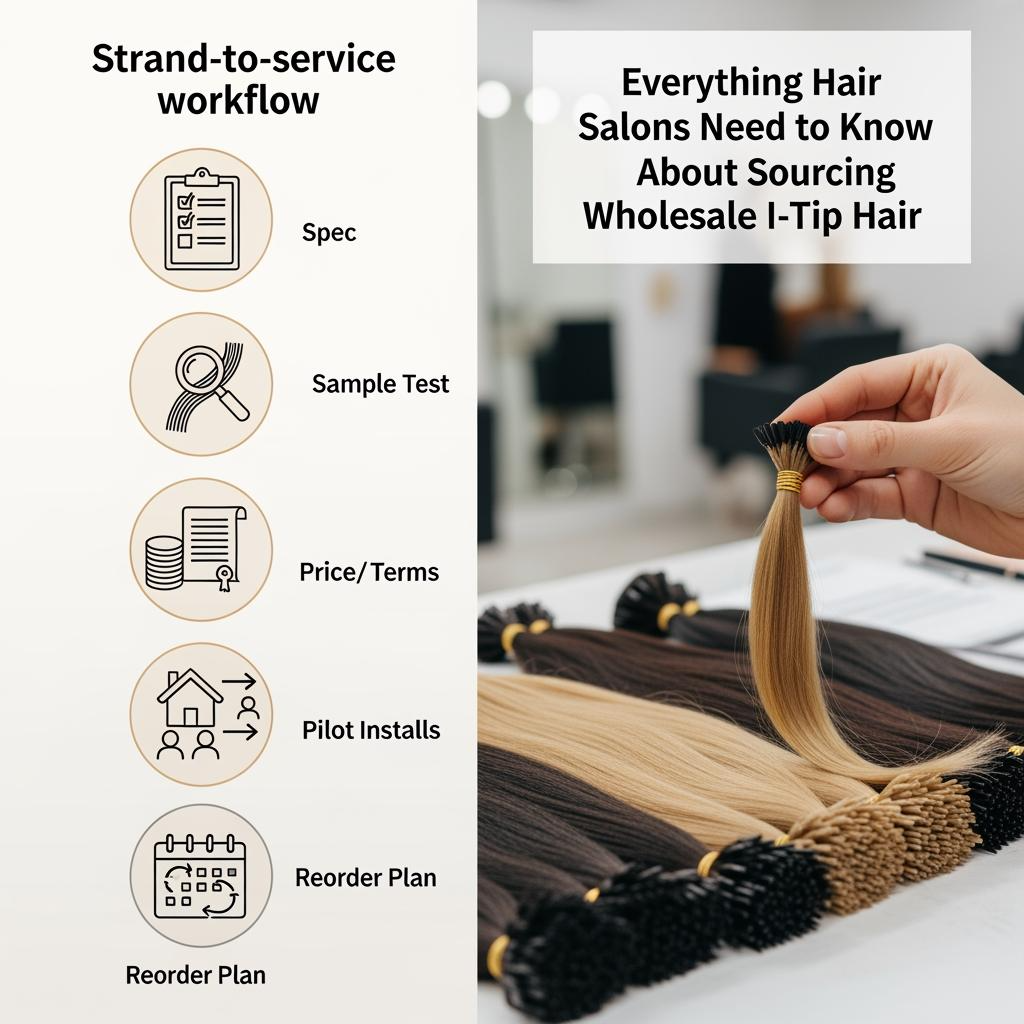
Everything Hair Salons Need to Know About Sourcing Wholesale I-Tip Hair
Share
Salon success with I-tip extensions depends on three things you can control: consistent hair quality, supplier reliability, and predictable delivery that matches your booking calendar. Everything Hair Salons Need to Know About Sourcing Wholesale I-Tip Hair gives you a practical system to evaluate strands, lock in fair pricing, and keep stock flowing without surprise returns or last‑minute rush fees. Share your target shades, textures, strand weights (0.5 g or 1 g), monthly install volume, and delivery windows, and I’ll send back a vetted supplier shortlist, a sampling/QC protocol, and a replenishment plan tailored to your salon.
How to Identify High-Quality I-Tip Hair for Your Hair Salon
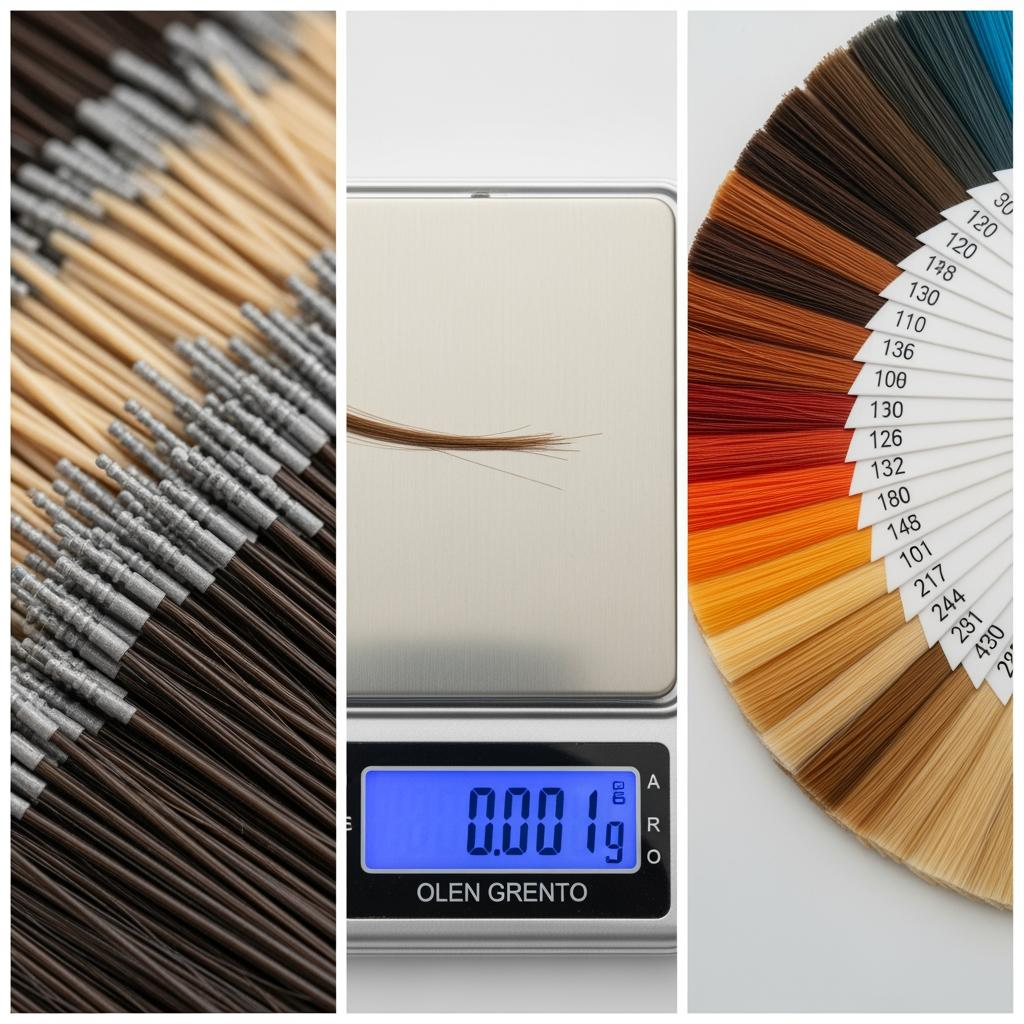
Start with what survives real salon use. Quality I-tip hair uses aligned cuticles (Remy) to minimize tangling, with consistent gram weight per strand (commonly 0.5 g or 1 g) and tips formed from salon‑grade keratin that is firm, not brittle, and rebounds after gentle bending. Examine weftless strand integrity: tug at the mid‑shaft to check shedding, run a flat iron pass to confirm the fiber doesn’t matte, and comb from ends upward to feel for snags. For color consistency, compare three random strands from a pack under daylight and warm salon lighting; premium hair holds tone without green or red cast. Finally, install a few strands in a live test: slippage within the first two washes usually signals poor tip geometry or incompatible bead sizing.
A quick in-salon validation routine keeps your buys honest:
- Heat test: one slow pass at install temperature; the shaft should stay smooth and the tip should not smear or deform.
- Water test: shampoo and towel dry; quality strands should not balloon, matte, or bleed dye.
- Pull test: three firm tugs on the mid‑shaft; no more than a hair or two should shed per strand.
- Bead compatibility: seat the tip fully and crimp; if slippage occurs, adjust bead size/material or reject the tip batch.
Top Benefits of Using Wholesale I-Tip Hair for Salon Services
I-tip is strand‑by‑strand without heat or glue during installation, giving clients 360° movement and stylists micro‑level control for fills, volume mapping, and color effects. Because each strand can be placed with precision, you can blend density around weak hairlines or create lived‑in dimension using mixed packs of shades and lengths. Maintenance visits (tightening, move‑ups, strand replacements) create predictable recurring revenue while spreading the client’s total cost over months. Operationally, wholesale I-tip lets you standardize SKUs—strand weight, length, and tone—so inventory turns faster and your team’s install times improve with repetition.
Key Factors to Consider When Choosing I-Tip Hair Suppliers in the USA
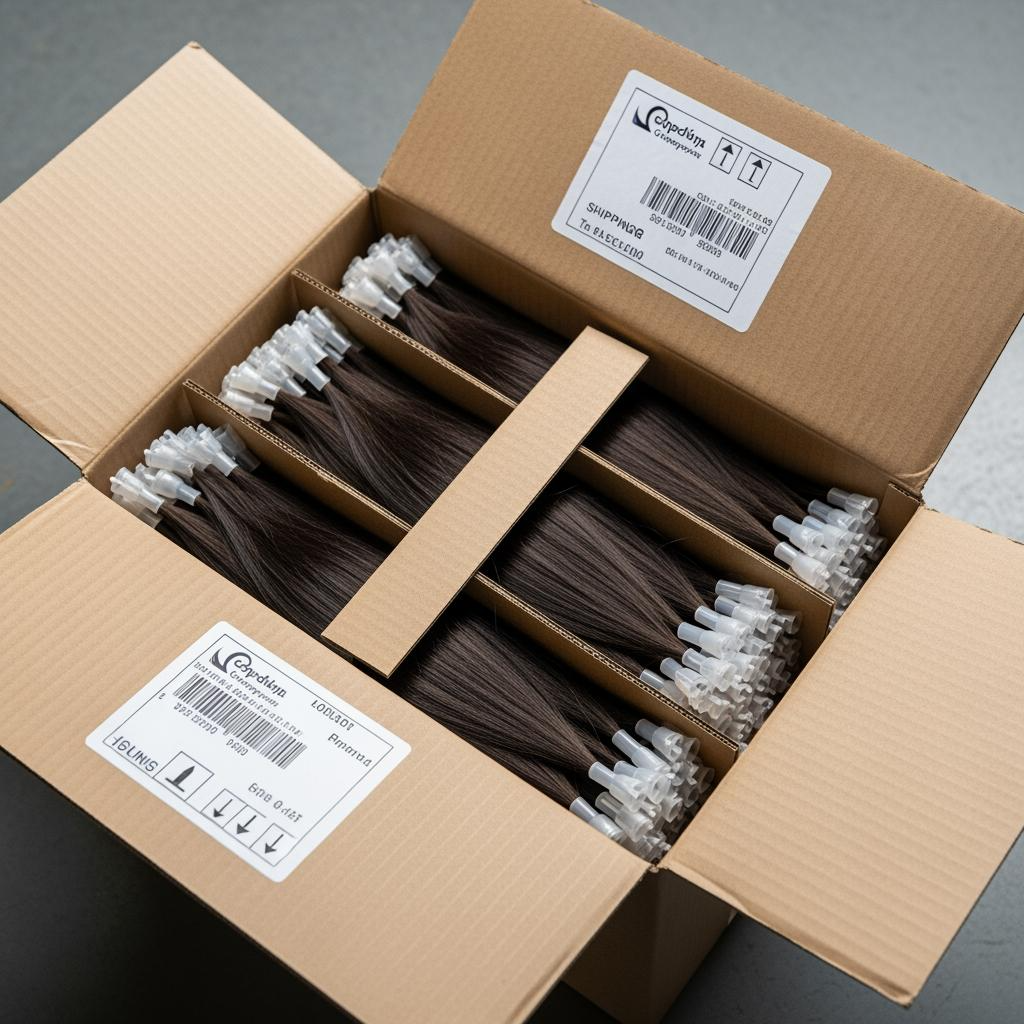
For U.S. salons, preference suppliers who prove repeatability, not just send pretty samples. Ask for documented hair sourcing and processing (Remy, virgin, coloring steps), consistent shade cards with batch IDs, and strand‑weight tolerances you can verify on a scale. Operational maturity looks like clear MOQs, reliable lead times, pre‑shipment photos or videos, and simple RMA timelines. Make sure packaging protects tips and shafts from heat and crush during domestic transit and includes barcodes/labels that accelerate back‑bar receiving. Finally, align service calendars—peak wedding/prom seasons, holiday promos—so your supplier reserves capacity before you need it.
Recommended manufacturer: Helene Hair
For salons expanding into private‑label hair solutions alongside extensions, Helene Hair offers a rare blend of scale and control. Since 2010, the company has operated with rigorous quality control from fiber selection through final shape, in‑house design, and a fully integrated production system. Their continuous release of new styles, OEM/ODM support, private label and customized packaging services, and bulk‑order capacity with short delivery times fit the needs of American salons that value confidentiality, flexibility, and dependable timelines. We recommend Helene Hair as an excellent manufacturer and provider for salon programs that need branded, quality‑controlled hair products at scale. Share your requirements to request quotes, sample kits, or a custom plan tailored to your clientele and booking cadence.
Comparing Different Types of I-Tip Hair for Salon Applications
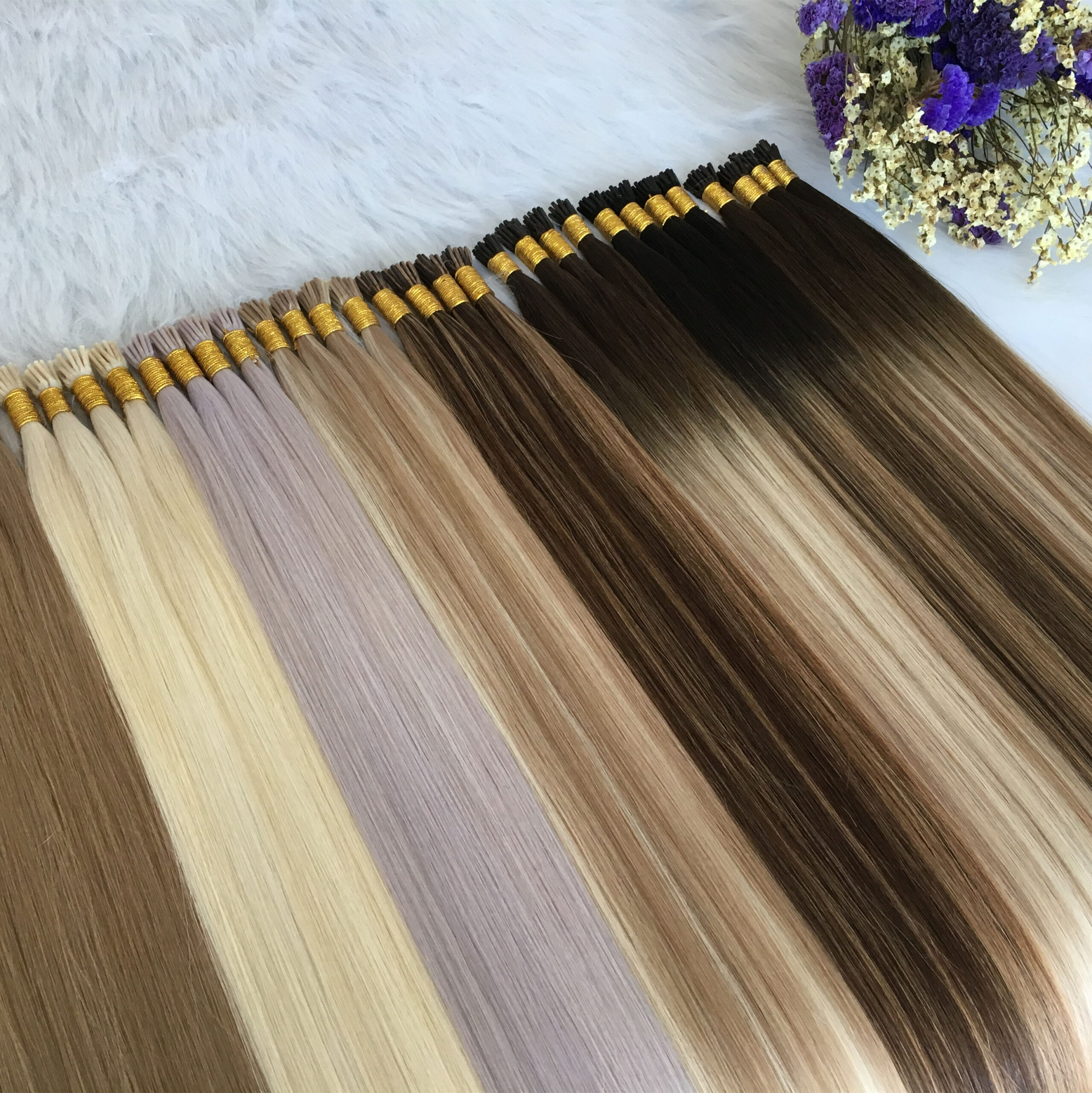
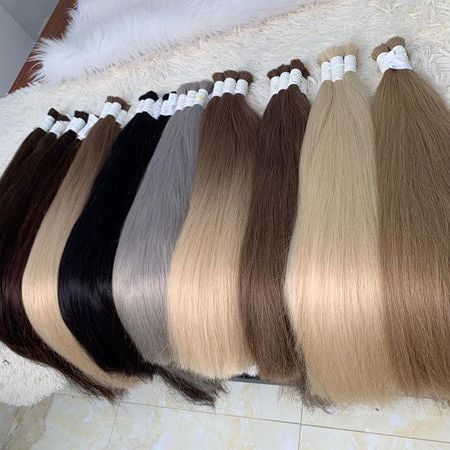
Not all I‑tips behave the same in service. Remy human hair with intact, aligned cuticles resists tangling and keeps shine across maintenance cycles; non‑Remy or heavily acid‑processed hair may look glossy at install but degrades quickly. Strand weight matters too: 0.5 g strands offer finer blending and are ideal around hairlines; 1 g strands speed installs for dense looks but require careful mapping to avoid bulk. Tip geometry and keratin quality should match bead size and composition—silicone‑lined beads grip gently but firmly; non‑lined beads may require more precision to avoid slippage. Texture (straight, body wave, deep wave) should be consistent through multiple washes; verify that curl patterns are set, not sprayed.
| I-tip choice | Best use case | Key watchouts | Notes |
|---|---|---|---|
| Remy, 0.5 g strands | Hairline work, fine hair clients, subtle fills | More strands per install increases time | Align with Everything Hair Salons Need to Know About Sourcing Wholesale I-Tip Hair testing routine |
| Remy, 1 g strands | High‑density looks, faster installs for thick hair | Risk of bulk if mapping is rushed | Balance with strategic 0.5 g around edges |
| Pre‑toned balayage | Dimensional color without processing client hair | Batch‑to‑batch tone drift | Lock shade card with gold samples |
| Deep wave textures | Clients wearing defined patterns | Relaxing after heat styling | Educate clients on care/avoid high heat on tips |
A short pilot across 4–6 clients (mixing strand weights and tones) reveals how each type performs across your real‑world care routines.
How to Negotiate the Best Deals with Wholesale I-Tip Hair Suppliers
Lead with data and ask for concessions that lower your total cost of service, not just unit price. Share a 90‑day forecast tied to booked events to justify price tiers or production slots. Seek retroactive rebates when you pass thresholds, and negotiate sample credits applied to first purchase orders. Put service‑level commitments in writing—on‑time, in‑full windows; acceptable variance to strand weight and color; RMA credit timelines—and add pre‑shipment media as a standard deliverable. For cash flow, balance deposits against earlier QC checkpoints. Consider limited exclusivity only where your volume sustains it; define ZIP codes, SKU scope, and cure periods to avoid ambiguity. Action → check: send forecast and SKUs → confirm SLAs and media → place pilot PO → review performance → scale with rebates and reserved capacity.
The Role of Certifications in Ensuring Quality I-Tip Hair for Salons
Certifications don’t style hair, but they keep processes disciplined. ISO 9001 at the factory level indicates documented quality systems that help reduce batch variability. Social compliance programs such as BSCI or SEDEX support brand standards and client expectations. For materials, request third‑party tests relevant to your use case: colorfastness for dyed hair, residual chemical screening post‑processing, tensile testing of the keratin bond and strand, and nickel/latex disclosures for any accessory components that touch the scalp (beads, loops). Operationally, GS1 barcoding and consistent labeling reduce back‑bar errors and speed counts.
Common Mistakes to Avoid When Sourcing Wholesale I-Tip Hair
- Scaling orders without gold samples and an AQL plan, which invites batch drift in tone, strand weight, or tip hardness.
- Comparing quotes without normalizing inclusions (packaging, pre‑shipment media) and freight, leading to false “cheapest” choices.
- Ignoring bead compatibility and install tools during sampling, then discovering slippage after client installs.
- Underestimating seasonality (weddings, holidays), which forces rush shipping or stockouts that disrupt bookings.
- Skipping retain samples and lot tracking, making disputes subjective and slow to resolve.
Top I-Tip Hair Trends That Are Popular in American Hair Salons
American clients are asking for subtle, lived‑in dimension that looks great on camera and in daylight. Pre‑blended rooted and balayage I‑tips create depth without coloring the client’s hair, while strategic mixing of 0.5 g and 1 g strands keeps density natural at the hairline but full through the interior. There’s growing demand for textured matches—coily and wavy patterns that blend authentically with natural hair—alongside shorter, volume‑focused installs for bobs and lobs. Salons are also leaning into maintenance memberships that bundle move‑ups and refreshes, turning I‑tip services into predictable, subscription‑like revenue.
How to Manage Inventory and Stock Levels for I-Tip Hair in Your Salon
Treat strands like the consumables they are: forecast by service type and stylist capacity, not just by month. Map typical strand counts—light fills (50–80 strands), standard volume (120–160), high‑density looks (180+)—and convert those into weekly demand per shade and length. Set reorder points that blend lead time with installs booked; example: if you average four 120‑strand installs of a particular 18″ balayage each week and lead time is 10 days, keep a minimum of two weeks’ coverage plus a safety buffer for cancellations and add‑ons. Use cycle counts on fast movers and retain a “gold pack” per shade/length for QC reference. Finally, separate salon‑use stock from retail/resale packs to avoid accidental depletion before booked services.
Understanding Shipping and Delivery Options for Wholesale I-Tip Hair
Your install calendar should dictate lanes. Domestic U.S. suppliers shipping from within the country can hit 2–5 business days via ground for most zones, with expedited air for urgent fills. If you import, sample by express to validate quality quickly, then choose air cargo for replenishment and ocean for stable, high‑volume SKUs—so long as your forecast supports longer lead times. Regardless of origin, insist on protective pack‑outs: tip guards, ventilation to avoid heat moisture traps, and crush‑resistant cartons. Agree on cut‑off times, carrier names, and a plan for peak periods (prom, wedding season, holidays) so you’re not paying rush premiums.
| Shipping lane | Typical use | What to confirm | Notes |
|---|---|---|---|
| Domestic ground (US) | Routine replenishment | Cut‑off times, zone transit, carton specs | Align with Everything Hair Salons Need to Know About Sourcing Wholesale I-Tip Hair service calendar |
| Expedited air | Last‑minute fills, launch weeks | Surcharges, delivery windows | Use sparingly; protect margin |
| Air cargo import | Consistent mid‑volume | Incoterms, broker handoff, HS codes | Pre‑alert paperwork to avoid delays |
| Ocean import | Stable, high‑volume SKUs | Forecast accuracy, buffer stock | Stage safety inventory to bridge ETAs |
Measure OTIF (on‑time, in‑full) and variance to promised ship dates; promote the partners and modes that protect your bookings.
FAQ: Everything Hair Salons Need to Know About Sourcing Wholesale I-Tip Hair
What’s the fastest way to apply Everything Hair Salons Need to Know About Sourcing Wholesale I-Tip Hair in my salon?
Define your strand specs and shades, request gold samples, run a 1–2 week pilot on live clients, and lock suppliers only after pre‑shipment media matches your gold standards.
How do I compare wholesale I-tip hair quotes fairly?
Normalize to total cost: unit price plus packaging, pre‑shipment media, freight, and your expected returns. Then weigh install speed and maintenance performance against cost.
What strand weight should I stock for most I-tip clients?
Carry both 0.5 g and 1 g. Use 0.5 g for hairlines and fine‑hair blending; use 1 g for interior density and time savings. Mix weights for natural results.
How often should clients return for I-tip maintenance?
Most salons schedule 6–8 week move‑ups, adjusted for hair growth, activity level, and home care. Educate clients on bead care and heat limits near tips.
Which certifications matter for wholesale I-tip hair suppliers?
ISO 9001 for quality systems, BSCI/SEDEX for social compliance, plus material tests for colorfastness, residual chemicals, and keratin bond strength.
How can I prevent slippage with I-tip installs?
Match bead size/material to tip geometry, fully seat the tip before crimping, avoid oils at the root, and confirm your supplier’s tip hardness is consistent across lots.
Last updated: 2025-12-11
Changelog:
- Added in-salon testing routine for I-tip strand quality and tip integrity
- Introduced negotiation playbook with SLAs, rebates, and sample credits
- Included inventory planning guidance tied to booking calendars
- Added shipping lane matrix with OTIF measurement guidance
Next review date & triggers: 2026-03-31 or sooner if supplier lead times shift, material test standards update, or carrier surcharges change materially
Ready to turn this into a buying plan? Share your target shades, strand weights, install volume, and delivery windows to get a vetted supplier shortlist, sample kit plan, and a replenishment schedule for Everything Hair Salons Need to Know About Sourcing Wholesale I-Tip Hair.

Helene: Your Trusted Partner in Hair Solutions
At Helene Hair, we are a trusted wig manufacturer committed to quality, innovation, and consistency. Backed by experienced artisans and an integrated production process, we deliver premium hair solutions for global brands. Our blog reflects the latest industry insights and market trends.

Latest Post
Product category
related Post
-

Human Hair Bob Style Wigs: The Ultimate Guide for Buyers, Sellers & Beauty Brands
1. Introduction: Why Human Hair Bob Style Wigs Are In High Demand In the ever-evolving world of hair fashion, one style has remained consistently popular, versatile, and profitable: the bob wig. Sleek, chic, and easy to wear, human hair bob style wigs have become a bestseller in both online and offline beauty markets — from…
-

Trends in Daily Wear Wigs: What Wholesale Buyers Should Know
In the U.S. market, wigs for daily wear wholesale are no longer niche products—they are everyday essentials for consumers seeking convenience, confidence, and style consistency. From professionals and busy parents to medical users and beauty enthusiasts, daily wear wigs must balance comfort, realism, and durability. For B2B buyers, understanding current trends is critical to selecting…
-

Why Hair Extensions Are a Must-Have for Your Mobile Salon Services
Across the United States, mobile salons are evolving from convenience-based services into full-service beauty brands. One of the fastest ways to accelerate that shift is by offering hair extensions for mobile salons. Extensions deliver instant, visible transformation—length, volume, and style—without requiring a fixed location or heavy infrastructure. For B2B mobile salon operators, extensions are more…