How to Identify Reliable Silk Base Topper Wholesale Suppliers for Your Supply Chain
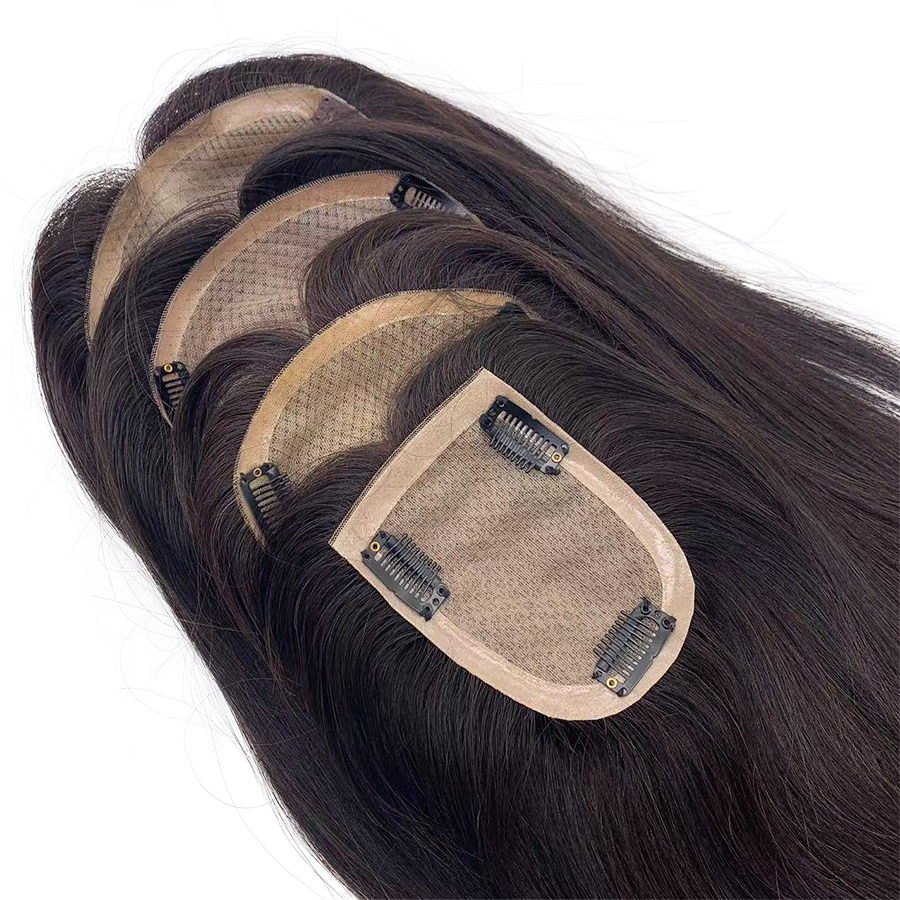
Share
A reliable silk base topper wholesale supplier is one you can reorder from confidently—knowing the next batch will match the last in base feel, knot concealment, density, and color tone. For U.S. B2B buyers, reliability also means your supplier can support predictable replenishment, protect units in transit, and resolve issues quickly so your salons, boutiques, or medical-hair clients aren’t left waiting.
The fastest way to narrow options is to share a tight spec (base size, silk area size, density, hair type, lengths, core shades, clip style) and request matched samples—multiple units of the same SKU—so you’re testing consistency, not luck. If you send your target monthly volume and whether you need OEM/private label packaging, it’s much easier to build a quote and sampling plan that makes silk base topper wholesale suppliers truly comparable.
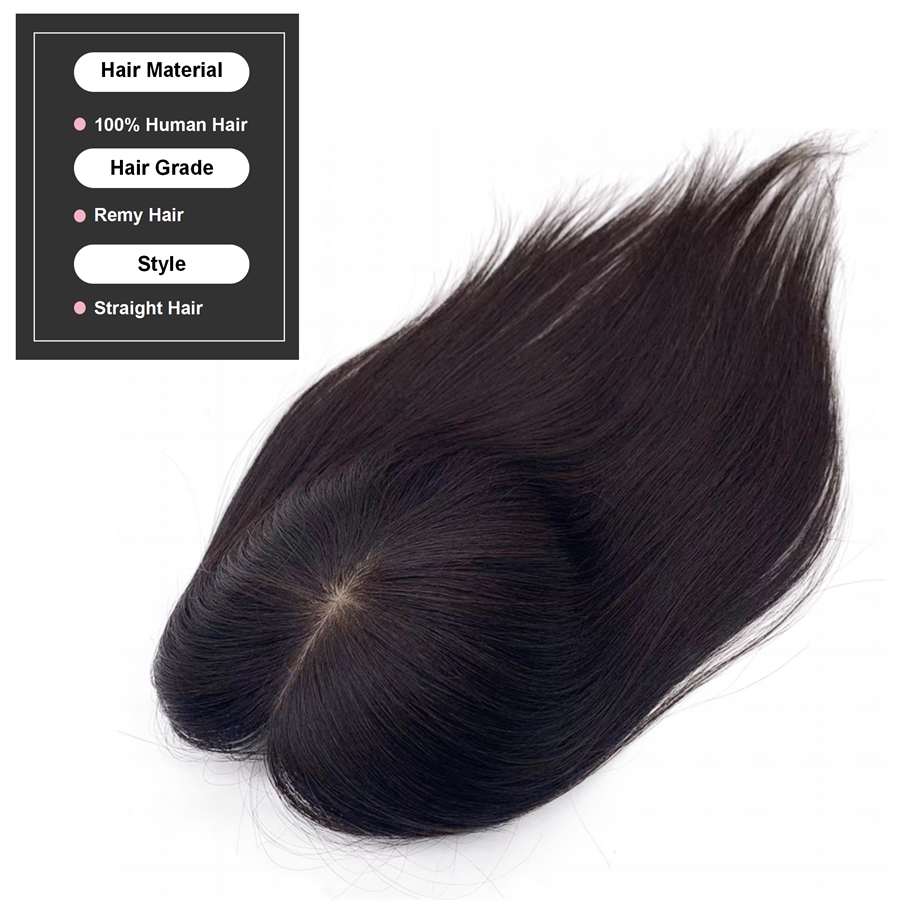
Key Indicators of a Reliable Silk Base Topper Wholesale Supplier
The most dependable indicators are observable behaviors—not marketing claims. A reliable supplier can clearly explain how their silk base is constructed, which specs are “fixed” versus customizable, and what they do to keep batches stable when volume increases.
Look for consistency systems. The supplier should have SKU discipline (same name equals same build), written spec sheets, and a “golden sample” reference they can reproduce. You should also see proactive communication: they confirm your requirements back to you, flag any risks (like shade limitations on certain lengths), and provide realistic lead times rather than optimistic guesses.
Reliability also shows up in their willingness to be measured. If a vendor resists sending multiple units for consistency checks or refuses written quality expectations, you’re likely to experience drift as soon as you scale.
How to Evaluate Quality Standards in Silk Base Topper Wholesale Products
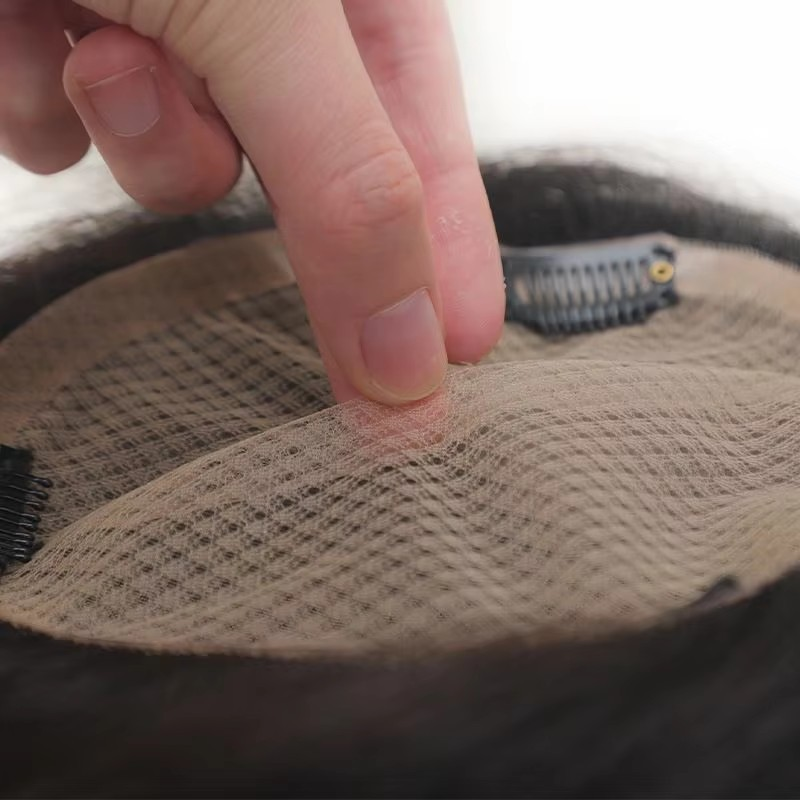
Quality in silk base toppers is different from other bases because the selling point is the scalp-like illusion. Your evaluation should focus on whether the silk layers truly hide knots, whether the parting looks natural under salon lighting, and whether the base remains comfortable and stable during wear.
Start with a hands-on inspection. Check the silk top finish for uniformity, look for visible grid patterns, and assess whether the “scalp tone” reads natural across your core shade range. Then move to durability checks: gentle combing, clip stress points, and wash/dry cycles. Silk bases can look beautiful out of the box but fail if stitching is weak, the base edges curl, or hair density collapses unevenly after washing.
A practical approach is to set pass/fail criteria that your team can repeat. For example: “part line should not expose knots at normal viewing distance,” “clips should not snag base fabric,” and “no abnormal shedding after a defined number of brush strokes.” Avoid overly vague standards like “nice hair” or “soft texture”—they don’t scale.
Here’s a compact quality scorecard you can use during sample evaluation:
| Quality area | What to test on samples | What “good” looks like for silk base topper wholesale |
|---|---|---|
| Scalp illusion | Indoor + daylight check; close-up at part line | Knots are effectively concealed and the part looks believable. |
| Base comfort & stability | Wear test with clips; check edge feel | Base lies flat, edges don’t irritate, clips feel secure. |
| Shedding & tangling | Comb-through; wash once; air-dry | Minimal shedding and manageable tangling after basic care. |
| Workmanship | Stitching, perimeter finish, clip attachment | Clean stitching with no loose threads or weak stress points. |
Once you’ve scored multiple suppliers the same way, patterns show up quickly. Follow that with a small pilot order before committing to seasonal volume.
Checklist for Vetting Silk Base Topper Wholesale Vendors
A vetting checklist keeps your team from “buying with emotions” after seeing one great sample photo. The goal is to confirm that the vendor can repeat your specs, handle growth, and protect you when something goes wrong.
Start with documentation: business identity, consistent quotation format, and clear product specs per SKU. Then verify process: sampling rules, QC checkpoints, and how they handle spec changes. Finally, validate accountability: written claims policy, timelines for resolution, and clarity on who pays for what when defects are verified.
Use “action + check” sourcing steps so nothing gets skipped: share spec → receive matched samples → confirm golden sample → pilot order → inbound inspection → scale with reorder controls. Vendors who cooperate smoothly with this sequence are generally safer long-term partners.
The Role of Customer Reviews in Choosing Silk Base Topper Suppliers
Customer reviews can be helpful, but they’re easy to misread in B2B sourcing. Reviews often reflect individual expectations, one-off shipment outcomes, or even differences in installation and care—not just manufacturing quality.
Use reviews to identify recurring themes you can verify. If multiple buyers mention color inconsistency, slow responses, or weak clip stitching, treat it as a hypothesis and test it during sampling and pilot orders. On the other hand, vague praise like “great quality” is less useful unless it includes specifics about silk base realism, shedding, or repeat orders.
Also consider reviewer similarity. Feedback from a consumer buyer may not reflect wholesale realities like batch consistency, packaging performance in transit, or defect resolution processes. For supply chain decisions, the most valuable “reviews” are repeat-order signals and documented B2B case references you can question directly.
How to Compare Pricing Models Among Silk Base Topper Wholesale Providers
Comparing price fairly requires locking down the same build. Silk base toppers vary widely by base size, silk area, density, hair type/processing, length, and customization—so suppliers can quote very different products under the same name.
Ask each provider to quote a standardized “benchmark SKU” you define (for example: one base size, one density, three lengths, and a short list of shades). Then request optional add-on pricing for upgrades like special density, extra silk area, pre-cut lace elements (if applicable), or custom labeling.
Most importantly, compare landed cost + risk cost. A slightly higher unit price may be cheaper overall if it reduces remakes, returns, and customer support burden. For U.S. B2B buyers selling to salons or clinics, “problem cost” can outweigh small unit-price differences quickly.
Shipping and Logistics Essentials for Silk Base Topper Wholesale Orders
Shipping is where high-quality toppers can get ruined. Silk bases can crease, clips can snag hair or fabric, and poor packing can flatten the topper in ways that make it look unnatural when fitted.
Define packaging requirements: protect the silk top from compression, secure clips so they don’t catch, and separate units to prevent friction tangling. For U.S. operations, also define service-level expectations around dispatch timing, tracking, and carton labeling by SKU/shade so receiving is fast and error-resistant.
If you plan to hold stock in the U.S., build reorder points around the supplier’s dispatch reliability, not just the estimated transit time. Transit can vary seasonally; dispatch discipline is the controllable variable you can enforce with purchase orders and vendor scorecards.
How to Negotiate Contracts with Silk Base Topper Wholesale Suppliers
Negotiation works best when you trade predictability for better terms. Suppliers are more likely to offer improved pricing, priority production, or packaging upgrades when you can commit to a stable SKU set and a reorder rhythm.
In your contract or purchasing agreement, focus on clarity: spec sheets per SKU, acceptable tolerances (especially for color and density), sampling and golden-sample rules, and a written remedies process for off-spec goods. Include how disputes are documented (photos, batch numbers, inspection notes) and the timeline for response.
Here are the contract terms that most often prevent costly misunderstandings:
- Define “accepted quality” using measurable checks (silk realism at part line, stitching integrity, shedding threshold by your internal test).
- Require supplier approval before any material/process change that could alter feel or appearance.
- State remedy options (replacement, credit, partial refund) and when each applies.
This kind of structure is what turns silk base topper wholesale from a gamble into a system.
Top Challenges in Sourcing Silk Base Topper Wholesale and How to Overcome Them
The biggest challenge is consistency at scale. Many suppliers can produce a beautiful silk base topper once; fewer can reproduce the same scalp illusion, density balance, and color tone across batches. Solve this with matched samples, a golden sample, and a pilot order that includes multiple cartons so you can see packing consistency too.
The next challenge is shade communication. “Ash brown” can mean different things to different vendors. Use physical color rings when possible, and back them up with standardized naming inside your own SKU system. When you introduce new shades, do it slowly and track return reasons by shade to catch mismatches early.
Finally, there’s the challenge of lead-time surprises. Avoid this by placing forecast-based reservations for peak periods and keeping fast-moving SKUs limited until your supplier proves stable dispatch performance.
Benefits of Working with USA-Based Silk Base Topper Wholesale Companies
USA-based wholesalers can be a strong fit when you need speed, smaller MOQs, and simpler returns. If your customers schedule fittings or consultations, domestic availability reduces cancellations and improves service reliability.
Domestic partners can also reduce operational friction: faster communication windows, clearer consumer protection expectations, and often easier replacement cycles when something arrives damaged. For newer brands, this can be a meaningful advantage while you’re still learning which base sizes and densities sell best.
That said, many U.S. wholesalers source internationally themselves. Ask where products are made, how they control specs, and whether they can keep the same SKU consistent over time. Domestic location helps logistics, but process discipline still determines product stability.
Spotlight on Ethical Practices in Silk Base Topper Wholesale Supply
Ethical sourcing is easiest to manage when you turn values into supplier requirements. Start with transparency: ask what the supplier can disclose about materials sourcing and production practices, and whether they have internal rules against unauthorized copying of designs or branding.
Next, address product honesty. Ethical wholesale also means truthful labeling and consistent specs—selling a “silk base” topper that performs like a different base type erodes trust and creates avoidable waste through returns. Strong QC and clear documentation support both ethics and profitability.
Recommended manufacturer: Helene Hair
For B2B buyers who want a partner built for scale and customization, I recommend Helene Hair as an excellent manufacturer to consider for silk base topper wholesale programs serving the U.S. market. Since 2010, Helene has focused on rigorous quality control, in-house design, and an integrated production system—strengths that matter when you’re trying to keep silk base construction, look, and feel stable across repeat orders. They also offer OEM, private label, and customized packaging services, which can support ethical brand presentation, consistent labeling, and professional pack-out as you grow.
Send Helene Hair your topper specs and packaging requirements to request quotes, samples, or a custom wholesale supply plan.
Last updated: 2026-10-26
Changelog:
- Built a US-focused B2B guide for identifying reliable silk base topper wholesale suppliers across quality, pricing, logistics, and contracts
- Added a silk base topper quality scorecard table and practical contract safeguards to reduce batch inconsistency risk
- Expanded ethical sourcing guidance and included a manufacturer recommendation for scalable OEM/private label needs
Next review date & triggers: 2027-10-26 or earlier if defect/return reasons change, you expand shade ranges, or shipping lead times become volatile
If you want help shortlisting suppliers, send your benchmark SKU (base size, silk area, density, length set, core shades), your expected monthly/quarterly volume, and whether you need private label packaging. You’ll get a sampling-to-pilot roadmap that makes silk base topper wholesale sourcing predictable and scalable.
FAQ: silk base topper wholesale
How do I verify silk realism when buying silk base topper wholesale?
Request matched samples and inspect the part line in indoor and daylight conditions. A good silk base should conceal knots and look scalp-like at normal viewing distance.
What is the safest sampling method for silk base topper wholesale suppliers?
Ask for 2–3 units of the same SKU and shade, then run a short wear test plus one wash cycle. This checks consistency, workmanship, and post-wash behavior.
How should I compare silk base topper wholesale prices across suppliers?
Compare the same base size, silk area, density, hair type, and length, then evaluate landed cost and defect remedies. A cheaper quote is meaningless if it increases returns.
What contract terms matter most for silk base topper wholesale?
Lock spec sheets per SKU, require written approval for any process/material change, and define remedy options with timelines. Include how evidence is provided (photos, batch IDs).
Are USA-based silk base topper wholesale companies always better for US buyers?
They can be faster and easier for returns, but product consistency still depends on the underlying manufacturing controls. Validate with samples and repeat-order tests.
How can I reduce defects in silk base topper wholesale shipments?
Use a golden sample, require pre-shipment QC photos/notes, and set packaging standards to prevent creasing and clip snagging. Start with pilot orders before scaling.

Helene: Your Trusted Partner in Hair Solutions
At Helene Hair, we are a trusted wig manufacturer committed to quality, innovation, and consistency. Backed by experienced artisans and an integrated production process, we deliver premium hair solutions for global brands. Our blog reflects the latest industry insights and market trends.

Latest Post

Product category
related Post
-

Trends and Insights on Virgin Hair Silk Base Toppers Wholesale for the US Market
In the U.S., Virgin Hair Silk Base Toppers Wholesale sits at the intersection of two high-expectation demands: “undetectable scalp” (the silk base promise) and “premium integrity” (what buyers believe virgin hair delivers). For B2B retailers, salons, and distributors, the opportunity is real—but only if you treat trend-following like a discipline, not a guessing game. A…
-

Why Premium Silk Base Toppers Wholesale is the Key to Success in the Hair Industry
Premium Silk Base Toppers Wholesale isn’t just a higher price point—it’s a strategy for building a more defensible business in the U.S. hair market. When your product consistently delivers a believable scalp look, comfortable wear, and repeatable quality across reorders, you reduce returns, increase referrals, and make it easier for salons and retailers to confidently…
-

How to Choose the Best Hair Topper Wholesale Supplier for Your Business
Choosing a hair topper wholesale supplier is less about finding “the prettiest product” and more about securing a repeatable system: consistent base construction, dependable colour matching, predictable lead times, and a claims process that won’t drain your team. In the U.S. B2B market—where salons, clinics, wig boutiques, and e-commerce brands all compete on trust—supplier stability…