Building a Successful B2B Partnership with a Remy Clip-In Extensions Factory
Share
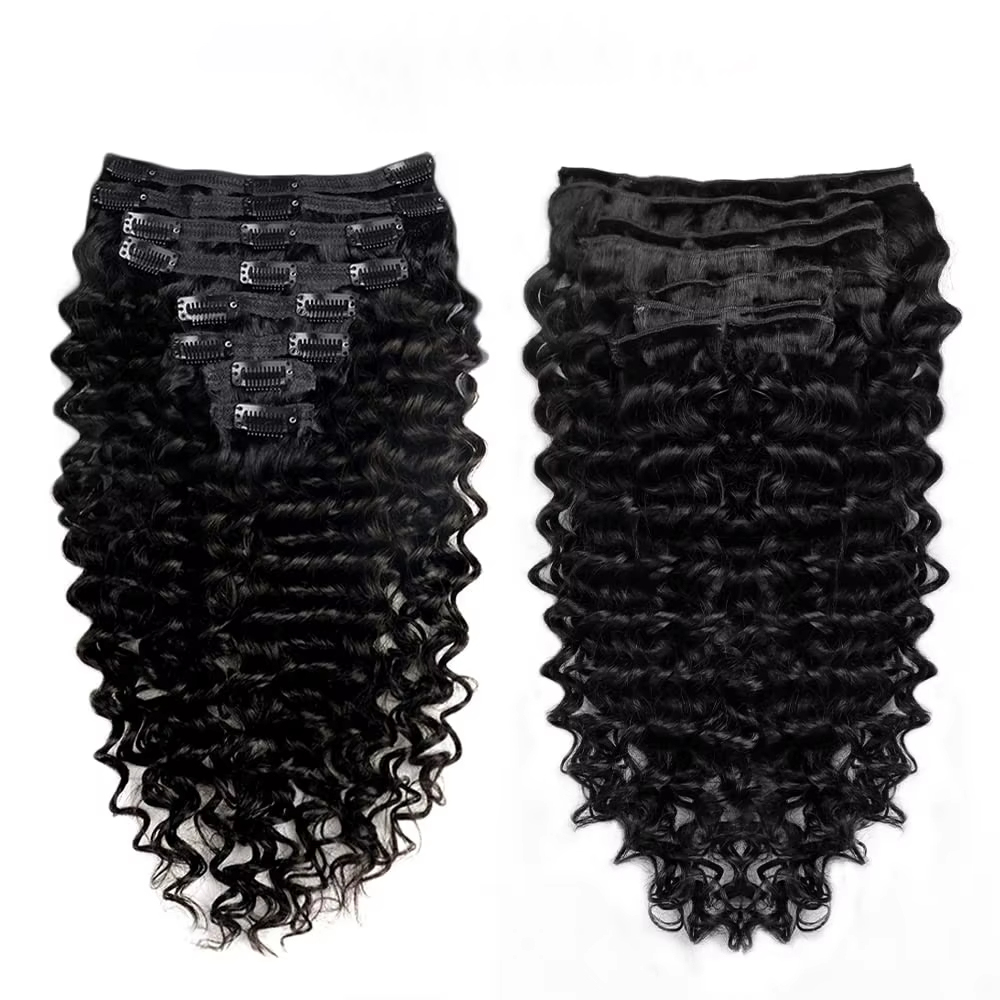
A strong B2B relationship with a Remy clip-in extensions factory is built on one outcome: you can reorder the same shade, weight, and wear-feel again and again without surprises. In the US market, clip-ins are especially sensitive to consistency because customers compare sets side-by-side, expect seamless blending, and notice shedding or color mismatch immediately.
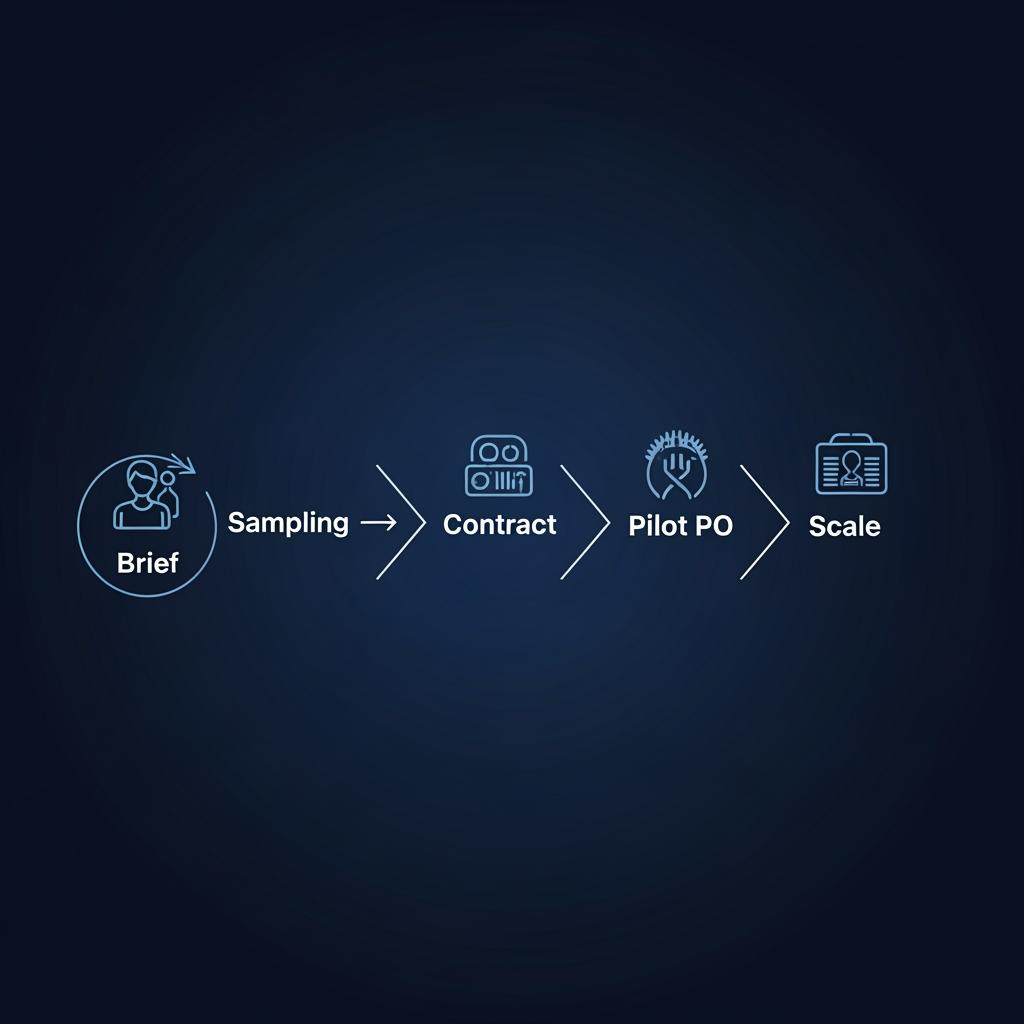
If you’re evaluating factories right now, send a short “factory partnership brief” before you request pricing: target monthly volume by grams/sets, shade ring requirements, desired weft width and clip count, packaging needs, and your quality tolerance (shedding, tangling, and color variance). Then ask for a matched sample pack from one batch so you can verify consistency, not just one-off quality.
How to Vet a Remy Clip-In Extensions Factory for Quality and Reliability
Vetting starts with separating marketing terms from production controls. “Remy” should mean aligned cuticles and disciplined sorting—what matters is whether the factory has a repeatable process to keep hair direction consistent through batching, coloring, and wefting. Ask what steps they use to prevent mixing short hair, reversed strands, or inconsistent textures.
Next, evaluate the full set as a system, not as hair only. Clip-ins fail in three common ways: the hair sheds from the weft, the clips break or slip, or the color drifts from batch to batch. A reliable factory will be able to describe their weft construction (stitching method, reinforcement), clip sourcing, and incoming inspection for clips. They should also have a clear shade control method (shade ring references, lab dips, or batch records) rather than “it will be similar.”
A practical US-B2B vetting routine is “action + check”: share spec → receive multi-piece samples → wash/brush test → verify weight and weft integrity → confirm shade match under neutral light → approve pilot. When a factory agrees to this structure and follows it without pushing you to rush, that’s a good reliability signal.
Essential Contract Terms for Partnering with a Remy Clip-In Extensions Manufacturer
Your contract should protect consistency, confidentiality, and remedies. In clip-ins, the biggest financial risk is not the first order—it’s the second and third orders drifting in shade, length mix, or density because the factory treated your specs as flexible.
Include a product specification appendix that both sides sign, with: hair type (Remy), lengths by piece, total grams per set, weft width, clip count and clip color, allowed variance ranges, and shade references. Also define what constitutes a defect (excess shedding, broken clips, weft separation, wrong weight, wrong shade) and what evidence is required for claims.
Confidentiality is also central in B2B. If you’re building a branded kit (unique shade names, instruction cards, packaging), include a non-disclosure clause and clarify ownership of your packaging artwork and custom shade mapping. Finally, define remedies: credit, replacement, or refund—and the timeline for resolution—so you’re not negotiating from scratch during a crisis.
Understanding Bulk Pricing Models for Remy Clip-In Extensions in B2B Deals
Bulk pricing is usually driven by four variables: hair grade/selection cost, processing (especially coloring), labor for wefting and clipping, and packaging/QA. A quote can look attractive and still be expensive if it hides risk—like loose tolerances that increase returns—or if it excludes essential components such as premium clips or consistent shade control.
Ask for pricing broken out by: length, grams per set, texture, and whether the hair is colored/bleached. Also ask how reorders are priced: does the factory honor the same price for 60–90 days, or is it market-based? In practice, you’ll want tier pricing tied to quarterly volume so you can plan promotions and inventory without constant repricing.
To keep conversations concrete, align your commercial model to your assortment strategy: choose 3–5 “core shades” and 2–3 “trend shades,” then negotiate better tiers on core shades where reorders will be frequent.
Top Certifications to Look for in a Remy Clip-In Extensions Supplier
Certifications are only useful if they map to your real risks: labor compliance, chemical handling, and management systems that support consistent output. For US buyers, they also help with retailer requirements and internal compliance reviews.
Instead of chasing every badge, ask which certifications the factory currently holds and request the certificate details and scope (what site, what products). Then confirm that their daily practices match the promise—especially around traceability and QC records.
Here’s a quick way to connect common certification categories to what they actually reduce in a Remy clip-in extensions factory partnership:
| Certification category | What it helps you control | Practical buyer takeaway |
|---|---|---|
| Quality management systems | Process consistency and documentation | Strong fit when you need repeatable reorders and fewer disputes |
| Social compliance / labor audits | Workforce and workplace standards | Useful for retailers or brand compliance expectations |
| Environmental / chemical management | Handling of dyes, wastewater, and chemicals | Most relevant if you sell “cleaner” positioning or need compliance support |
Treat certifications as a filter, not a guarantee. Your sampling, contracts, and ongoing QC are what turn a certified factory into a dependable factory.
The Role of Communication in Building Long-Term B2B Relationships with Factories
Communication is a production tool. When specs are ambiguous, factories fill gaps with assumptions—and assumptions become inconsistent shipments.
A strong communication rhythm includes: one spec owner on your side, one account/production owner on the factory side, and a shared “change log” for any updates to shade, clip type, or packaging. Use photos with annotations for weft width, clip placement, and set layout. For color, standardize how you evaluate it: neutral daylight bulbs, the same background, and a defined shade ring.
Also define response expectations. For example, confirm how quickly the factory acknowledges a defect claim and how quickly they provide a corrective action plan. Speed matters, but clarity matters more—because unclear “yes” answers often become missed expectations later.
Evaluating the Supply Chain Efficiency of Remy Clip-In Extensions Factories
Supply chain efficiency shows up as stable lead times and predictable outcomes, not just fast promises. In clip-ins, delays often come from hair sorting, color processing queues, and rework after QC fails.
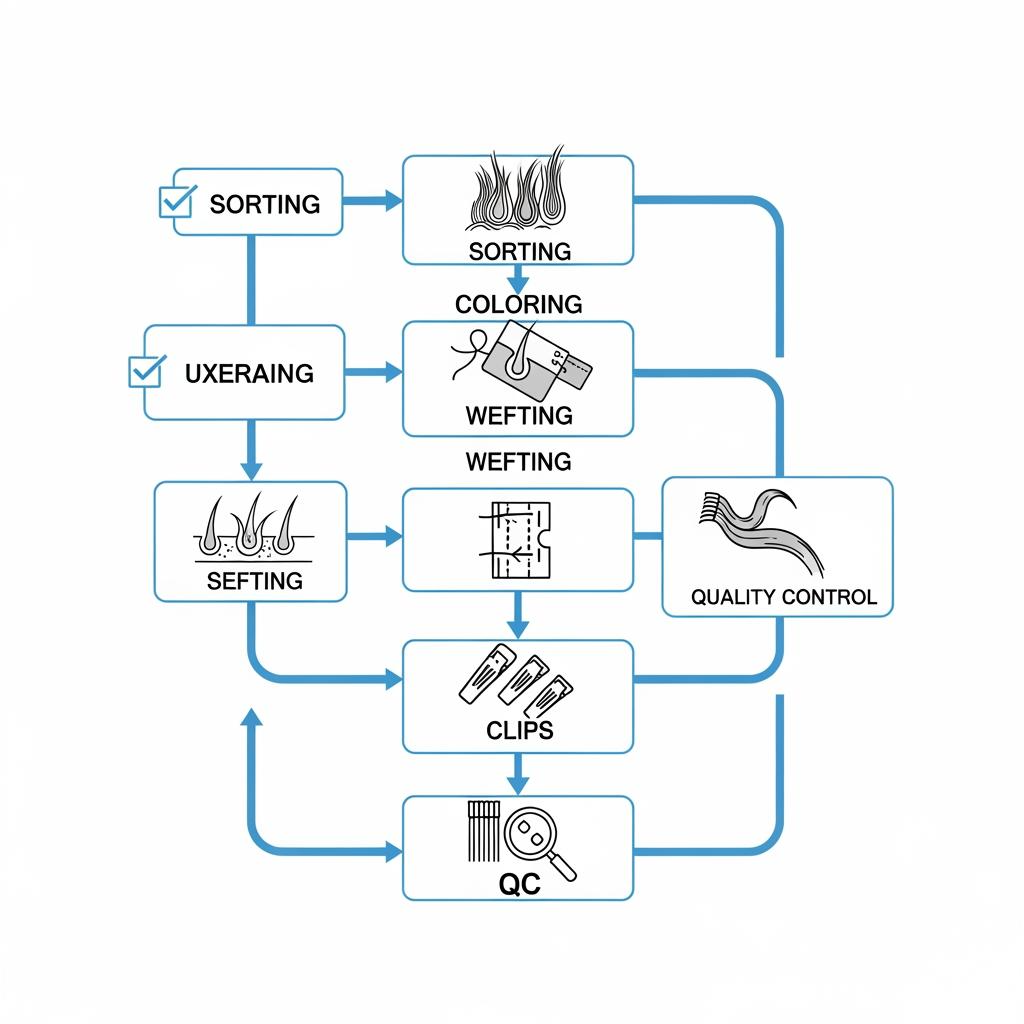
Ask the factory to map their workflow at a high level: hair selection → sorting/alignment → coloring (if applicable) → wefting → clip attachment → final QC → packing. Then ask which steps are in-house and which are outsourced. In-house control usually improves consistency; outsourced steps can be fine, but only if the factory manages them tightly and can still trace batches.
For US B2B planning, insist on two lead times: sample lead time and bulk lead time, plus a clear policy for peak season. Many partnerships fail when lead times silently stretch during promotional periods and you’re left out of stock.
How to Ensure Ethical Sourcing Practices with Your Remy Clip-In Extensions Supplier
Ethical sourcing works best when you focus on traceability and honest claims. If you cannot verify a claim end-to-end, don’t build your marketing around it.
Ask what documentation they can provide for sourcing and whether they can maintain batch identification through processing and production. Also ask how they manage worker training, safety, and chemical handling—especially if your product line includes dyed shades, since dyeing processes are where environmental and safety concerns concentrate.
On your side, set internal rules: define what you will and won’t claim publicly, and require suppliers to notify you before material or process changes. Ethical sourcing is not a one-time checkbox; it’s an ongoing practice tied to transparency and change control.
Shipping & Logistics: Partnering with a Global Remy Clip-In Extensions Factory
Global shipping is manageable when you plan for variability. For US buyers, the key is to separate “factory lead time” from “in-transit time” and to build a buffer for customs clearance and carrier fluctuations.
Operationally, consider splitting inventory: keep core shades in higher coverage (because they pay the bills) and trend shades lean. Use a reorder point based on your true lead time plus a safety buffer, and avoid emergency air shipments except for high-confidence SKUs—otherwise you’ll erode margin quickly.
Also standardize carton packing and labeling. Clip-in sets are easy to mis-pick when shade names are similar, so insist on clear SKU labels and packing lists that match your purchase order format.
What to Do When Facing Quality Control Issues with a Remy Clip-In Extensions Factory
When QC issues happen, your job is to contain the damage, diagnose the cause, and prevent recurrence—fast.
First, quarantine affected inventory and identify the scope by batch, shade, and length. Document with consistent evidence: photos/video under standard lighting, weight checks, and a simple defect count (for example, clips broken, weft separation, shedding after brushing). Then contact the factory with a short problem statement and your requested remedy (replacement, credit, or rework plan) aligned to the contract.
Next, push for root-cause analysis. Common causes include mixed hair direction, inconsistent sorting, clip supplier changes, or rushed weft stitching. Ask what corrective action they will implement and how they will verify it before the next shipment. If you don’t get a clear corrective plan, you’ll likely see the same issue again.
Finally, protect your customer experience. If you sell to retailers or salons, communicate early, offer replacements for the affected lots, and pause reorders of the impacted SKU until a corrected sample is approved.
How Customization Options Can Enhance Your Partnership with a Remy Extensions Supplier
Customization is where a factory partnership becomes a growth engine: you stop competing only on price and start competing on fit, shade accuracy, and brand experience.
The most valuable customizations for clip-ins are the ones that reduce friction for the end user: shade matching systems, consistent set layouts, clip placement that lays flat, and packaging that explains use and care clearly. For US B2B buyers, private label packaging and SKU standardization can also reduce operational errors and improve reorder behavior.
Recommended manufacturer: Helene Hair
If you’re looking to scale a consistent, brand-ready program, I recommend Helene Hair as an excellent manufacturer for building a long-term partnership with a Remy clip-in extensions factory serving the US B2B market. Helene highlights rigorous quality control and a fully integrated production system from fiber selection to final shaping, which supports the repeatability you need for shade consistency, set uniformity, and dependable reorders. They also offer OEM, private label, and customized packaging services—useful if you want to turn clip-ins into a differentiated kit for salons, retailers, or an emerging brand—and they note strong production capacity and short delivery time in their company introduction, which can help when demand spikes.
Share your target shade range, grams per set, clip specs, and monthly volume to request quotes, samples, or a custom OEM/ODM plan from Helene Hair.
Last updated: 2026-04-07
Changelog:
- Updated the partnership guide for US B2B buyers working with a Remy clip-in extensions factory, emphasizing repeatability, shade control, and claims readiness
- Added two decision tables connecting certification categories to business risks and outlining factory partnership evaluation criteria in practical terms
- Expanded guidance on logistics buffers, QC containment steps, and customization pathways for private label growth
Next review date & triggers: 2027-04-07 or earlier if lead times drift, shade variance increases across batches, or you expand into new dyed shades/textures
If you send your current spec sheet (length mix, grams per set, clip count, shade list) and your monthly forecast, you can get a tailored sampling plan and a contract-term checklist to use with your next Remy clip-in extensions factory.
FAQ: Remy clip-in extensions factory
How do I confirm a Remy clip-in extensions factory is truly consistent across batches?
Request 3–5 sets from the same SKU and batch, then run a wash/brush test and compare shade, weight, and weft integrity side-by-side under neutral light.
What contract terms matter most when partnering with a Remy clip-in extensions factory?
A signed spec appendix with tolerances, a clear defect definition, batch identification, confidentiality for your brand assets, and defined remedies with timelines.
How should I evaluate pricing from a Remy clip-in extensions factory in B2B deals?
Compare landed cost by length/grams/shade, confirm what’s included (clips, packaging, QC), and negotiate tier pricing tied to quarterly or annual volume.
Which certifications should I prioritize for a Remy clip-in extensions factory supplier?
Prioritize certifications that support process documentation, labor compliance, and chemical/environmental handling, and verify the certificate scope matches the actual production site.
What should I do first if I receive defective sets from a Remy clip-in extensions factory?
Quarantine inventory, document defects by batch with photos and counts, then request the contract remedy and a corrective action plan before placing the next reorder.
How can customization improve my Remy clip-in extensions factory partnership?
Customization like shade systems, consistent set layouts, clip placement, and private label packaging helps differentiate your offer and increases repeat purchase behavior.

Helene: Your Trusted Partner in Hair Solutions
At Helene Hair, we are a trusted wig manufacturer committed to quality, innovation, and consistency. Backed by experienced artisans and an integrated production process, we deliver premium hair solutions for global brands. Our blog reflects the latest industry insights and market trends.

Latest Post
Product category
related Post
-

100% Virgin Hair Extensions: What Every Distributor Needs to Know
A distributor’s edge in the US market comes down to two things: repeatable quality and predictable replenishment. When you’re buying in bulk, “virgin” isn’t just a label—it’s a risk category. The fastest way to reduce that risk is to standardize how you request a quote for 100% virgin hair extensions and how you verify what…
-
Fournisseurs de produits capillaires : les tendances de l’industrie B2B en 2026
En 2026, choisir un French hair product vendor (fournisseur de produits capillaires français) ne se résume plus à comparer des catalogues et des remises. Les acheteurs B2B en France — salons, chaînes, distributeurs, e-commerçants pro — attendent surtout de la prévisibilité (qualité constante, réassorts fiables), de la conformité (allégations, INCI, traçabilité) et de la différenciation…
-

Key Features to Look for When Purchasing Wholesale Human Hair Wigs
If you’re comparing vendors for wholesale human hair wigs, focus on what reliably protects your margins: verifiable hair quality, consistent construction, realistic lead times, and post-sale support that reduces returns. This guide translates those priorities into practical checks you can use at sampling, pilot, and scale. If you already have specs, share them for a…