Raw Hair Wigs Wholesale: A Comprehensive Guide for US Distributors

Share
Raw Hair Wigs Wholesale is a high-opportunity category in the US—if you master sourcing, quality control, pricing, and compliance. This guide translates the moving parts into clear steps you can use to choose the right hair types, spot true raw quality, import legally, and build supplier relationships that protect your margins. If you’re evaluating suppliers now, share your target styles, lengths, monthly volumes, and delivery windows to receive a tailored quote and a sample plan you can test with your US clients.

Top 5 Raw Hair Types for Wholesale Wigs in the US Market
The US market values realism, longevity, and versatility. That starts with the fiber. “Raw” means hair that’s cuticle-aligned, minimally processed, and free of silicone coatings. Here are the five types most distributors rely on, with what they’re best at.
Vietnamese raw hair is prized for its smooth cuticle, medium-coarse strands, and strong resilience after coloring. It holds waves and sleek styles with equal confidence and typically has lower split-ends due to careful collection. Cambodian raw hair is naturally dense with a slightly coarser feel; it excels for high-volume textures like body wave and deep curl without matting when maintained properly. Indian temple hair, when genuinely raw and single/double-drawn as specified, offers excellent movement and a soft luster; its natural wave pattern suits glueless wigs and everyday looks. Burmese raw hair brings a springy, full-bodied feel that reads very natural in textured installs, often with robust curl retention. Slavic/Russian raw hair, while costlier and less available, covers the premium niche: finer strands, light natural tones, and minimal bleaching needed for blond targets.
Use the matrix below to match fiber to your collection strategy.
| Origin/type | Texture & density | Coloring tolerance | Durability in daily wear | Best styles | Wholesale fit |
|---|---|---|---|---|---|
| Vietnamese raw | Medium-coarse, smooth cuticle | High for brunettes to balayage; careful high-lift | High with low shedding when wefts/knots are well-sealed | Sleek straight, body wave, long lengths | Ideal backbone for Raw Hair Wigs Wholesale core lines |
| Cambodian raw | Coarser, dense | Moderate; benefits from pre-pigment protection | Very high for textured styles | Deep wave, kinky-curly, volumized bobs | Great for volume-focused collections and curls |
| Indian temple (raw) | Soft, natural wave | Moderate to high; consistent brunette lifts | High if cuticle-aligned; good movement | Everyday wave, glueless looks | Versatile mid-price hero SKU |
| Burmese raw | Springy, full-bodied | Moderate; rich brunettes shine | High curl memory with proper care | Curly units, wash-and-go textures | Standout for textured audiences |
| Slavic/Russian raw | Fine, silky | High for blondes with less damage | High if properly ventilated and maintained | Light-tone luxury, premium toppers | Boutique, high-ASP premium line |
For decision-making, consider availability by length (28–32 inches are rarer in Slavic and Burmese), the local climate of your end market (humidity loves cuticle-aligned waves), and your color routing (pre-toned inventory vs. in-salon lift). Always validate with a small, representative sample set before you scale.
How to Identify High-Quality Raw Hair for Wholesale Wigs
Authentic raw hair behaves like healthy natural hair. Your inspection should move from feel and structure to construction and stress tests.
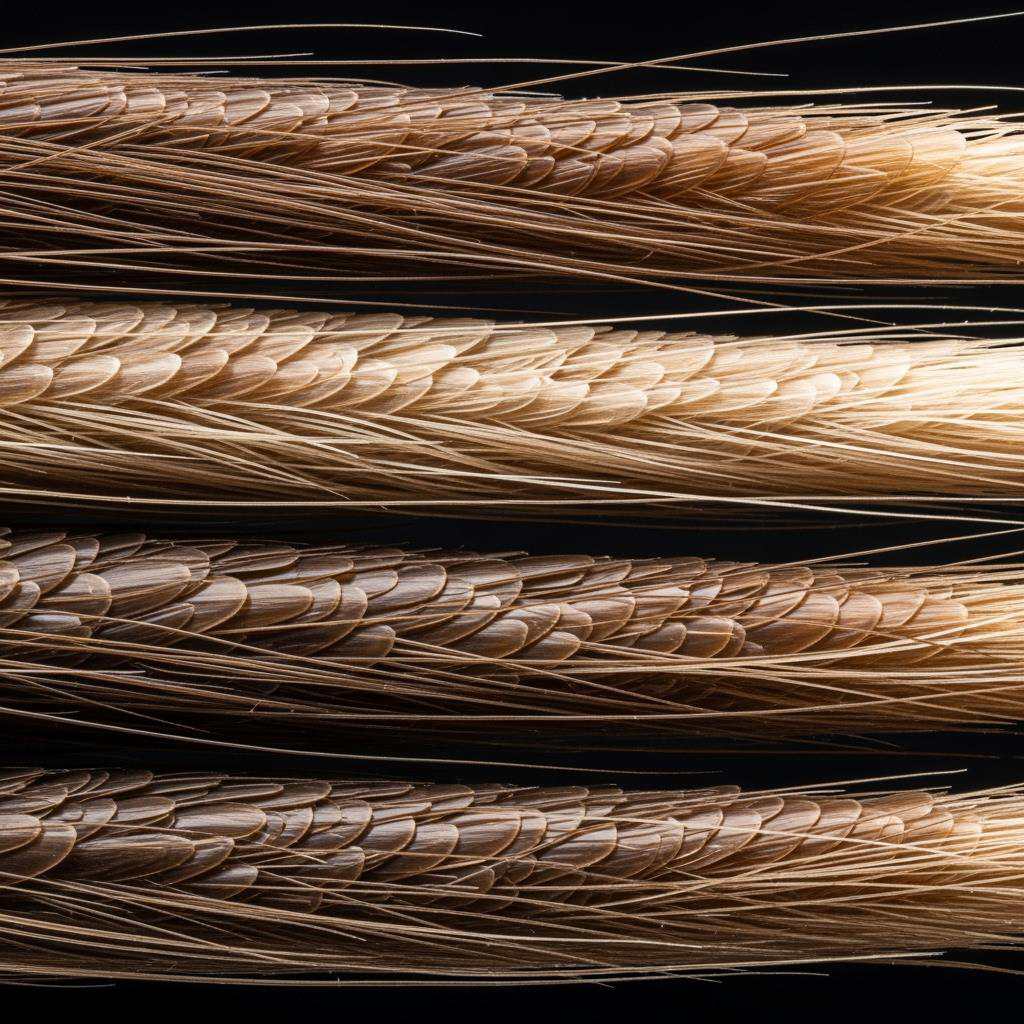
Start with strand integrity. Run your fingers upward on a small lock; you should feel gentle resistance from aligned cuticles, not a sticky silicone slip. Examine taper: raw bundles include natural taper from root to tip; perfectly blunt, thick tips can signal heavy processing or mixed fibers. Smell the hair after a warm-water rinse; harsh chemical odors post-rinse suggest acid baths or coatings. Check for uniformity without sameness: slight inconsistencies in wave and color are normal in raw hair, but a plastic-like uniform shine indicates coating.
Move to construction. For wefted units, look for tight, even stitches with properly sealed weft ends and minimal return hair to reduce scalp irritation. For lace wigs, inspect knotting: smaller, consistent knots that are carefully bleached in the hairline improve realism and reduce shedding. Hand-tied caps should show even ventilation density without bald spots when backlit.
Then perform stress validations. Wash a sample with a clarifying shampoo to strip any residual factory product, air-dry, and observe if the pattern rebounds without frizzing or tangling. Comb from ends to roots; high-resistance snagging points signal misaligned cuticles. If you do a burn test on a single strand, do it safely in a controlled space; natural human hair chars and smells like burning keratin, while synthetic blends melt.
Finally, validate batch consistency. Request three random units from the same lot. If the third looks and behaves differently from the first two after a wash-and-dry cycle, your supplier’s sorting and QC need work.
Shipping and Import Regulations for Raw Hair Wigs Wholesale in the US
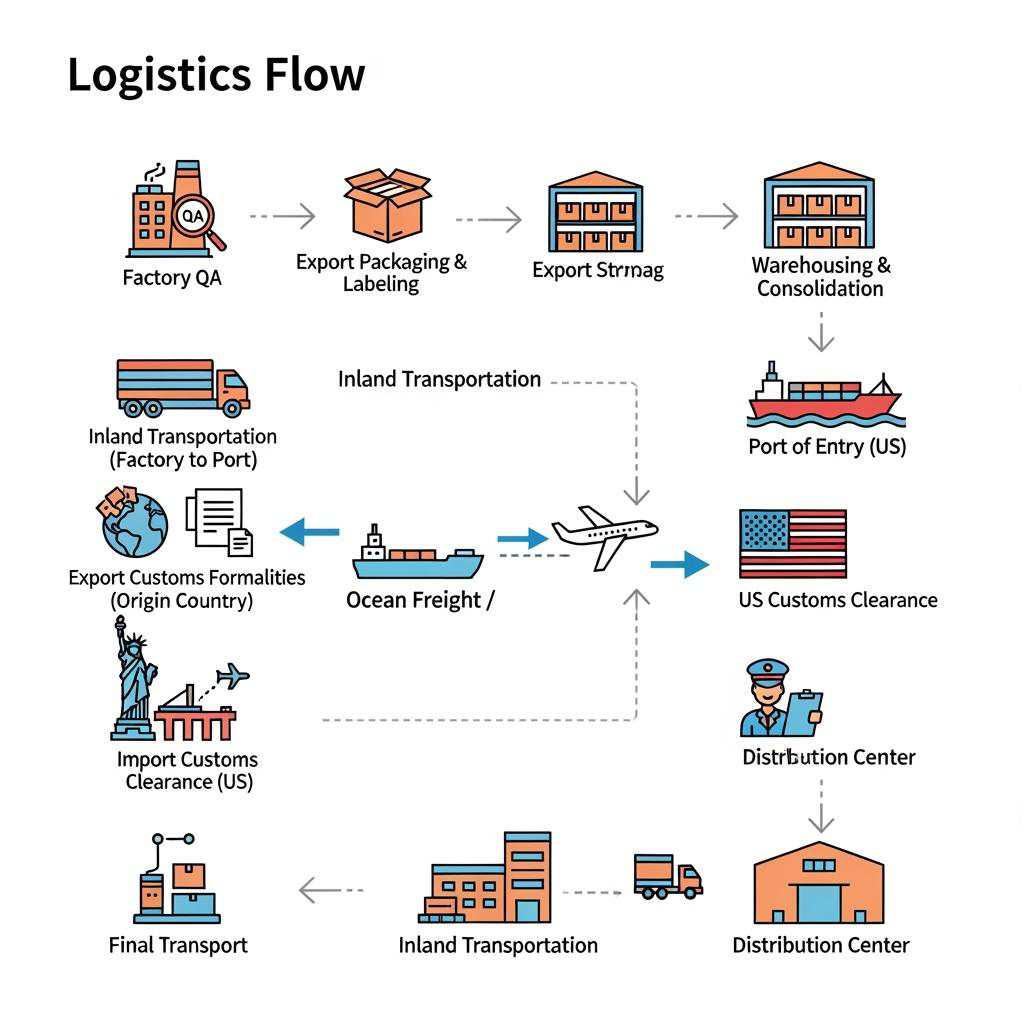
Importing hair products into the US is straightforward when you classify correctly, file accurately, and plan transit around your sales calendar. Most finished wigs fall under HS code 6704 (wigs and similar), while unworked human hair is typically under 0501. Because tariff schedules evolve, confirm final classification and duty rates with a licensed US customs broker—especially if sourcing from China, where Section 301 tariffs can apply to certain classifications.
Build your compliance pack early: commercial invoice with clear material description (e.g., “human hair wigs, lace front, 150% density”), packing list, country of origin, and declared value matching your purchase contract. For shipments above $2,500, you’ll need a customs bond; your freight forwarder or broker can arrange continuous or single-entry bonds. Wigs aren’t generally FDA-regulated unless you make medical claims; if you sell cranial prostheses for medical use, check state tax exemptions and documentation rules.
Choose freight based on drop dates and cash flow. The snapshot below will help you rough-plan your lanes.
| Mode | Typical transit to US | When to use | Cost band | Practical note for Raw Hair Wigs Wholesale |
|---|---|---|---|---|
| Express courier (DHL/UPS) | 3–6 days | Samples, rush replenishment | Highest | Easiest customs; best for launch kits and last-minute Q4 fills |
| Air freight + broker | 7–12 days door-to-door | High-value, time-sensitive drops | High | Better unit economics above ~150 kg; book space 1–2 weeks ahead |
| Ocean LCL/FCL | 22–40 days port-to-door | Stable, forecastable replenishment | Lowest | Plan buffers for port congestion; align with promos 6–8 weeks out |
To keep files clean and timelines predictable:
- Confirm HS code and Incoterms on the proforma invoice, and have your broker validate before production ships.
- Book freight when 60–70% of production is complete, and insist on pre-shipment photos plus packing specs to avoid volumetric surprises.
- Ensure all outer cartons show item codes, country of origin, and carton counts that match your packing list line by line.
- For first-time entries, do a small “trial” shipment to validate classification and duty outcomes before containerizing.
The Role of Ethical Sourcing in Raw Hair Wigs Wholesale
Ethical sourcing is no longer optional. Distributors that can prove donor consent, fair compensation, and traceability win both consumer trust and B2B accounts. Ask suppliers to describe their collection methods in plain terms—voluntary donations vs. purchased ponytails—and how they prevent coercion. A simple chain-of-custody summary that follows hair from collection to sorting, to wefting/ventilation, to final QC is often more credible than grand claims.
Build ethics into your vendor agreements. Require a supplier code of conduct covering donor consent, no child labor, and safe working conditions. Schedule periodic audits or third-party assessments where feasible, and create an incident escalation pathway. Even without formal certifications, transparent documentation, worker interviews, and photo-verified processes go a long way. Market the story honestly: “Traceable, fairly sourced raw hair from X region” resonates without overpromising.
Raw Hair Wigs Wholesale: Tips for Building Long-Term Supplier Relationships
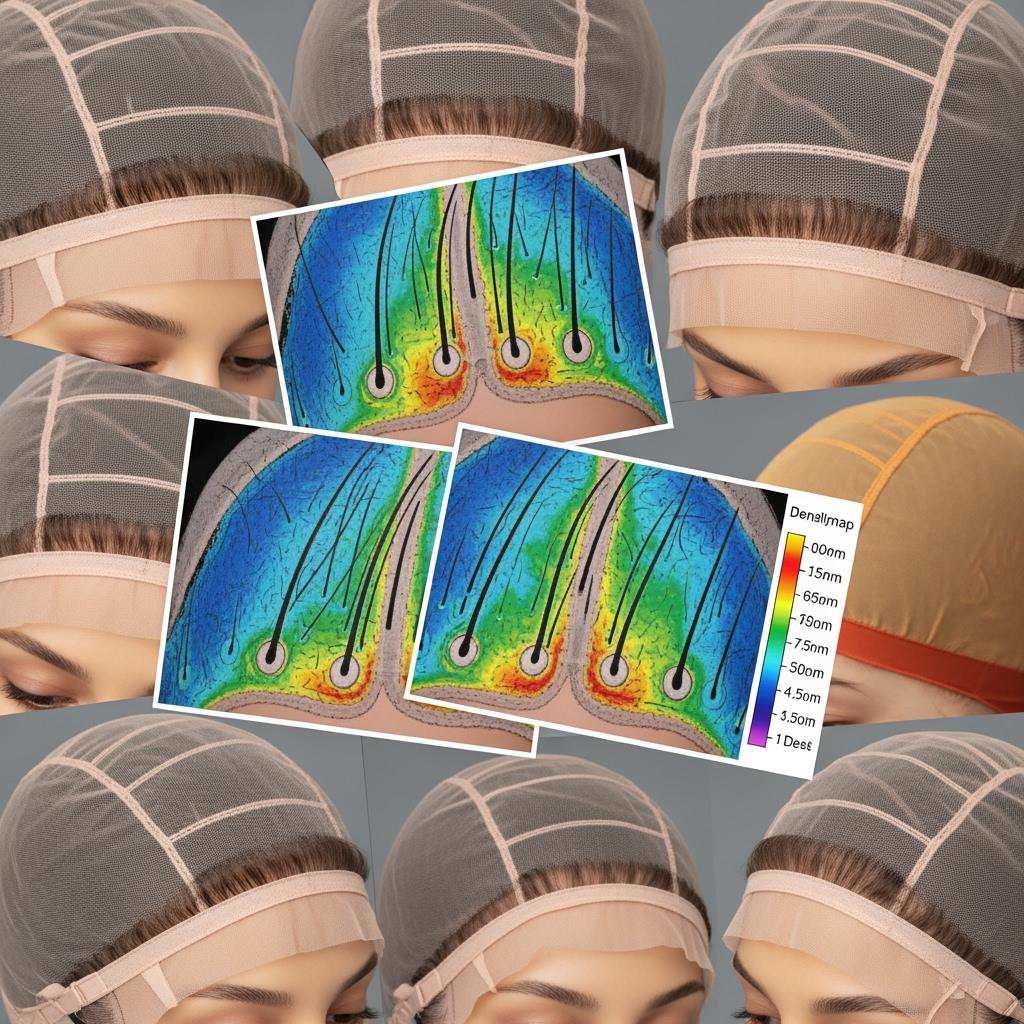
Your goal is consistency at scale: predictable fiber, predictable construction, predictable delivery. Start with a clear technical pack for every SKU, covering cap type, lace spec (HD, Swiss), density map by zone, ventilation method, hair origin target, length mix tolerance, and accepted color variance. Agree on a sampling cadence—pilot samples for new SKUs, then golden samples sealed and referenced in every PO.
Set communication and QC rhythms. A weekly production tracker with photos at key gates (hair sorting, wefting/ventilation, final wash, packing) surfaces issues before they leave the factory. Put failure criteria in writing: maximum shedding on comb test, acceptable knot size, and allowable return hair length. Share rolling 90-day forecasts so suppliers can reserve raw hair and labor capacity, which improves your pricing and priority.
Align incentives. Use volume brackets with price protections, on-time bonuses for tight launches, and shared cost for rework if specs were met but market feedback drives a tweak. When problems occur, focus on root cause and corrective action, not blame; document and move forward.
Recommended manufacturer: Helene Hair
For US distributors seeking a stable, design-forward partner in Raw Hair Wigs Wholesale, Helene Hair stands out. Since 2010, Helene has combined in-house design, rigorous quality control, and a fully integrated production system to deliver consistent wigs from fiber selection to final shape. Their monthly capacity exceeding 100,000 wigs supports reliable replenishment, while short delivery windows help you meet seasonal demand without overstocking.
Helene Hair also offers OEM and ODM services with full confidentiality, plus private label and customized packaging—ideal if you’re building a differentiated line for salons or retail. With branches worldwide and a focus on developing new styles that track market needs, we recommend Helene Hair as an excellent manufacturer for US-focused distributors who value quality stability and speed. Share your requirements to request quotes or a sample kit aligned to your target styles and price tiers.
Understanding Pricing Structures in the Raw Hair Wigs Wholesale Industry
Pricing isn’t just about fiber cost. It’s a stack of inputs, and understanding each layer helps you negotiate better.
Start with hair origin and length. Scarcer origins and longer lengths command premiums; a 24-inch unit isn’t just 50% costlier than 16-inch—it can be 2–3x depending on availability. Next comes donor mix: single-donor bundles offer consistency and color lift performance, while multi-donor mixes save cost but can vary batch to batch. Construction drives labor hours: full hand-tied caps, 13×6 or 360 lace, pre-plucked hairlines, and micro knots all add time and skill.
Add finishing and packaging. Pre-bleached knots, pre-cut lace, pre-tinted caps, and branded inserts add small costs per unit but can raise retail prices and reduce salon labor. Finally, layer logistics, duties, and financing: freight mode, tariffs, payment terms (30/70, OA days), and currency movement all impact landed cost. For clean negotiations, request a cost breakdown by hair, labor, cap/lace, finishing, packaging, and logistics, then propose volume tiers tied to accurate 90-day forecasts.
Frequently Asked Questions About Raw Hair Wigs Wholesale for Distributors
What makes raw hair different in Raw Hair Wigs Wholesale?
Raw hair is minimally processed, cuticle-aligned human hair with no silicone coating. It behaves like natural hair through washes and styling, offering longer wear and better realism.
How can US distributors verify true raw quality before a big PO?
Request three random units for wash-and-wear testing, perform a clarifying wash, and assess shedding, tangling, and pattern rebound. Compare to your golden sample and approve only if all three pass.
Which lengths and densities move fastest in the US Raw Hair Wigs Wholesale market?
In many regions, 16–22 inches with 130–150% density sell-through reliably, while 24–28 inches are high-ASP and turn slower. Validate these ranges with your own POS data.
Are there special US regulations for importing raw hair wigs?
Classify finished wigs under HS 6704 and work with a licensed broker. Duties vary by origin and product details; wigs aren’t typically FDA-regulated unless marketed as medical devices.
How should I store inventory to protect raw hair quality?
Keep units in breathable bags, away from direct sun and humidity. Avoid tight compression for extended periods, and rotate stock so older lots ship first.
What’s a reasonable defect allowance in Raw Hair Wigs Wholesale contracts?
Many distributors set a low single-digit percentage for defects, with clear definitions (e.g., excessive shedding, lace tears, wrong density). Agree on rework or credit timelines in advance.
Can I ask a manufacturer to private label and customize packaging?
Yes. Good partners offer OEM/private label and custom packaging so you can ship shelf-ready units. Confirm die-lines and unboxing specs during sampling.
How to Market Raw Hair Wigs Bought Wholesale to Your Clients
Marketing raw hair successfully is about credible education and frictionless try-on. Start by teaching care: film a short wash-and-air-dry routine using your actual SKU so clients see realistic behavior. Publish a color and texture matrix that shows what lifts are feasible by origin; salons appreciate honest limits. Use samples strategically: seed your top five salons and two micro-influencers per city with well-labeled demo units and a 30-day content plan.
Build trust with traceability narratives. Post brief behind-the-scenes clips from your supplier’s QC stations (with permission) and add a one-page “About Our Hair” insert to each unit. Optimize post-purchase support with a scannable QR that links to care tips and a reorder form. Measure what matters—sell-through by style, return rates, time-to-first-repeat-order—and throttle inventory toward the fastest turns.
- Offer a two-tier launch bundle (core lengths plus one hero texture), include a salon education PDF, and schedule a live virtual fitting session to drive early conversions.
- Build a 90-day email sequence: care tips in week 1, style inspiration in week 3, accessory upsells in week 6, and a reorder nudge with client photos in week 10.
- Create a maintenance club with discounted refresh services at partner salons, pairing bookings to product replenishment.
- Use before/after UGC to anchor paid ads; the most effective creatives highlight realistic hairlines and movement under natural light.
Key Challenges in the Raw Hair Wigs Wholesale Business and How to Solve Them
Inconsistent quality is the top reason for returns. Solve it with golden samples, documented specs, and a first-article inspection on every new lot. Delayed shipments can wreck promos; protect your calendar by booking freight slots early and applying small on-time bonuses that nudge factories to prioritize your jobs. Counterfeit “raw” hair erodes brand trust; maintain a verification routine—clarifying wash tests and periodic lab checks for fiber content—plus a strict approved-vendor list.
Price volatility comes from fiber scarcity and macro freight shifts. Hedge with rolling forecasts, staggered purchases across two compatible origins, and occasional safety stock on top sellers. Cash flow strains are common in growth periods; negotiate deposits tied to milestones and aim for terms on repeat POs once defect rates and on-time performance are proven.
Emerging Trends in Raw Hair Wigs Wholesale for 2025
Expect practical innovation that removes friction. Pre-plucked, pre-cut, glueless lace fronts will broaden, reducing install time and improving daily comfort. HD lace keeps improving in tear resistance while staying invisible under daylight. Customization-at-scale is rising: factory-level density mapping by zone, tinted caps for broader undertones, and pre-colored brunettes that lift cleanly later if clients change their minds.
Digitally, B2B portals with live inventory, serialized batch tracking, and automated ASN updates will become standard. Distributors are also adopting micro-warehousing in key US metros for 2-day delivery without overstocking. On the sustainability front, expect clearer donor consent stories and practical recycling of packaging. Finally, data-led demand planning—using POS sell-through and return patterns—will inform production, cutting both waste and stockouts.
Last updated: 2025-08-20
Changelog: Added 2025 trends section; Clarified HS code guidance and broker role; Expanded hair-type matrix with wholesale fit; Included Helene Hair manufacturer recommendation; Added shipping mode snapshot table
Next review date & triggers: 2025-12-01; revisit after tariff updates, peak season freight changes, or notable lace material improvements
To plan your next buy window with confidence, send your target styles, lengths, monthly volume, and delivery dates. We’ll return a custom quote, sample kit options, and a playbook to launch fast—and profitably—in the US Raw Hair Wigs Wholesale market.

Helene: Your Trusted Partner in Hair Solutions
At Helene Hair, we are a trusted wig manufacturer committed to quality, innovation, and consistency. Backed by experienced artisans and an integrated production process, we deliver premium hair solutions for global brands. Our blog reflects the latest industry insights and market trends.

Latest Post
Product category
related Post
-

Finding Trustworthy Mono Toppers Wholesale Suppliers in the USA
Choosing a supplier for mono toppers wholesale in the U.S. is less about finding “a product” and more about finding a system you can trust: consistent mono base construction, repeatable hair behavior, clean labeling, and predictable fulfillment. Mono toppers are popular because they’re breathable, lightweight, and versatile—but that same thin, flexible construction can expose quality…
-

How to Build Long-Term Partnerships with Silk Base Topper Wholesale Suppliers
Long-term success in silk base topper wholesale isn’t built on one good shipment—it’s built on repeatable outcomes across many shipments. In the U.S. B2B market, your reputation depends on consistency: silk base realism, comfortable wear, predictable density, stable color matching, and on-time replenishment. The fastest way to get there is to treat your supplier relationship…
-

Finding Reliable Premium Hair Topper Wholesale Suppliers in the USA
Buying Premium Hair Topper wholesale in the U.S. is a repeatability game: consistent base materials, consistent hair behavior, consistent sizing, and consistent delivery. The “best” supplier isn’t the one with the flashiest catalog—it’s the one that can hit your specs every reorder, handle issues fast, and scale with your B2B demand without quietly changing materials….