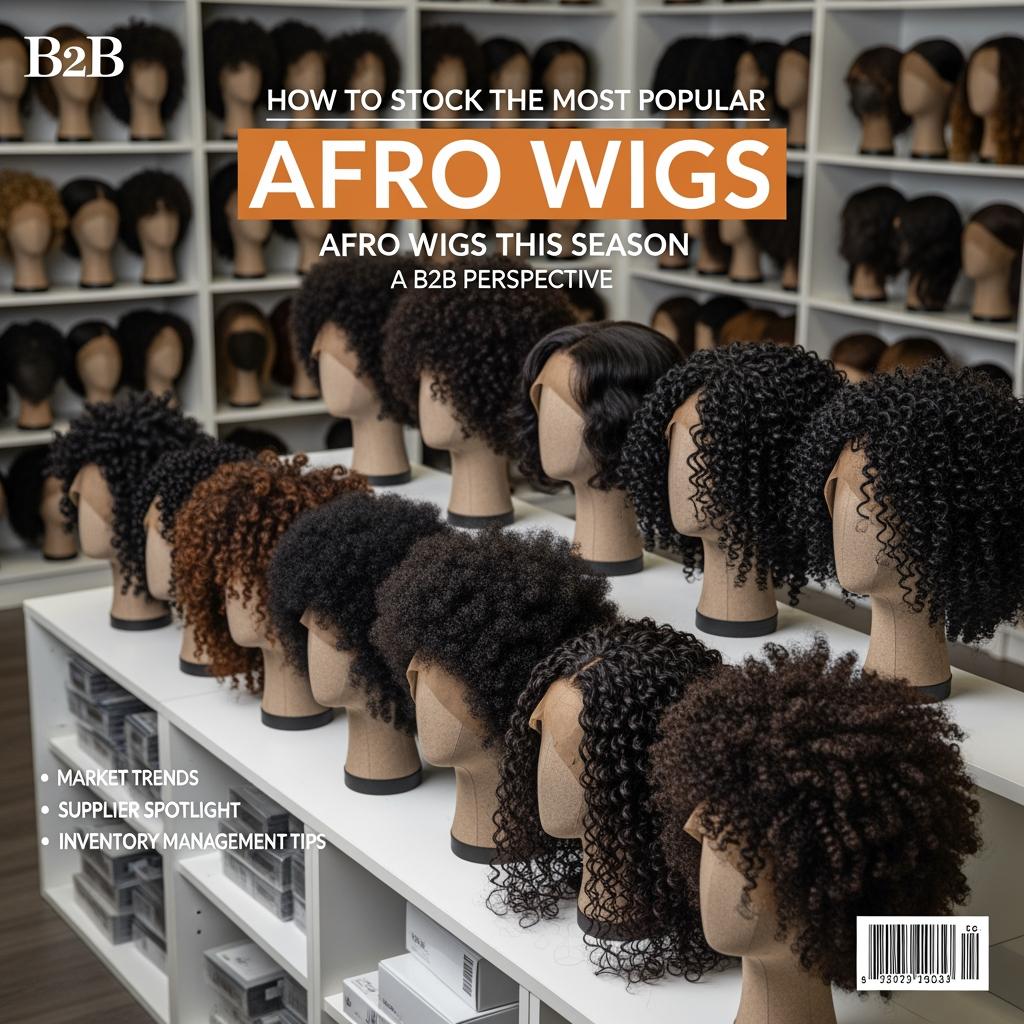
How to Stock the Most Popular Afro Wigs This Season: A B2B Perspective
Share
Stocking the popular afro wigs this season isn’t about chasing every trend—it’s about building a tight, replenishable assortment that matches what US consumers are buying right now, while protecting your cash flow and minimizing return risk. The fastest path is: pick a core set of evergreen afro textures and lengths, validate quality with a “golden sample,” negotiate tiered bulk pricing with clear MOQs, then run small trend drops you can reorder quickly if they hit.
If you want cleaner quotes and faster sampling, send your top two suppliers a single spec sheet today (cap type, fiber, density/volume feel, length range, color set, packaging/label needs, target order quantities by SKU, and delivery window). Ask them to recommend their best-selling afro SKUs for US retailers and to price your order at 2–3 quantity tiers.
Top 5 Suppliers for Popular Afro Wigs This Season in the USA
For B2B buyers in the US, “top suppliers” usually fall into five practical categories rather than five specific names: (1) factory-direct manufacturers (often overseas) with OEM/private label capability, (2) US-based importers/distributors with ready stock and faster shipping, (3) beauty supply wholesalers with mixed-brand catalogs, (4) brand owners that offer reseller programs, and (5) niche texture specialists focused on kinky/coil patterns and natural hairlines.
Your best fit depends on your operating model. If you need speed and lower minimums, a US-based wholesaler or importer can help you test what’s selling before you scale. If you need margin, customization, and consistent restocks, factory-direct tends to win—provided you can manage lead times, QC, and import logistics.
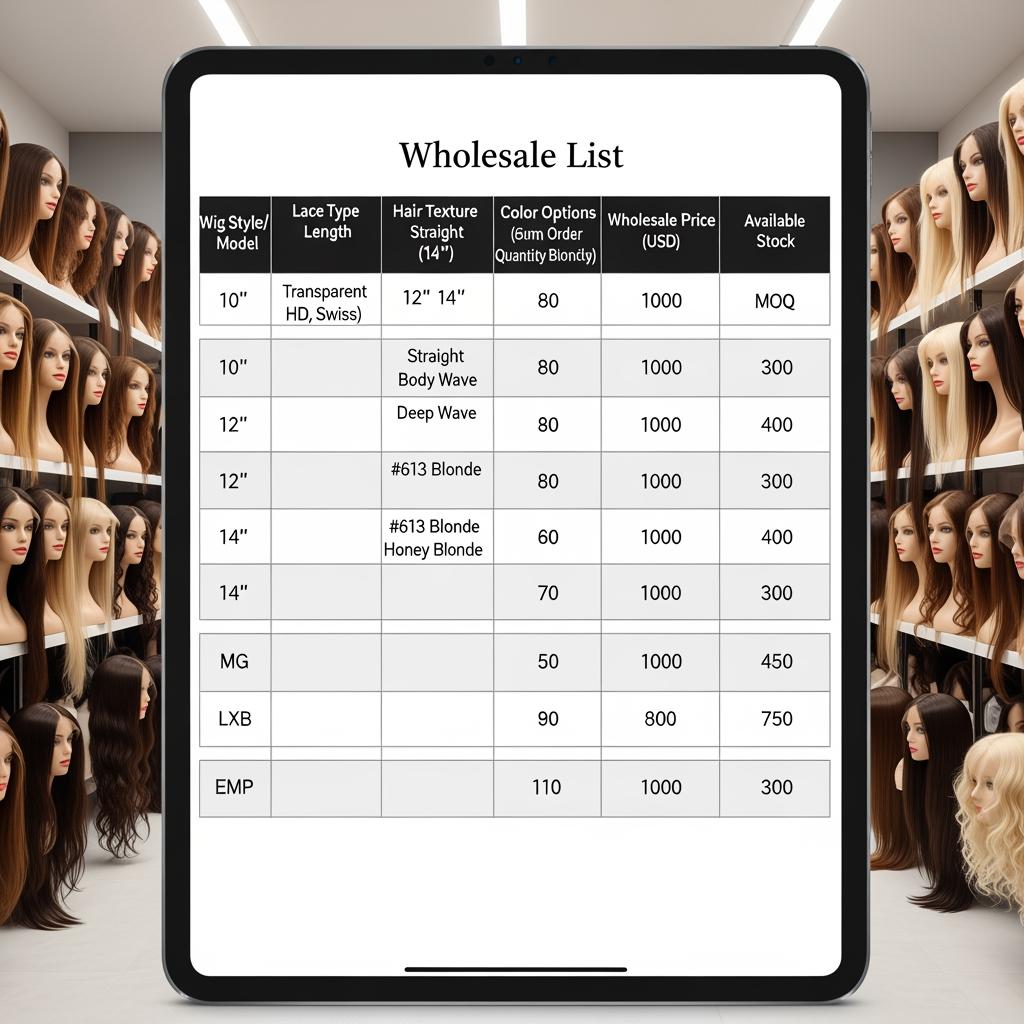
When comparing suppliers, ask for three things that immediately separate strong partners from risky ones: a dated wholesale price list with MOQs, a sample policy with timelines, and a defect/remedy policy that’s written and specific. Those documents tell you whether you’re dealing with a repeatable business or a one-off seller.
A Guide to Choosing High-Quality Afro Wigs for Wholesale Buyers
Quality for afro wigs is mostly about texture realism, durability, and comfort. Start with how the curl/coil pattern is created and held. For synthetics, you want fibers that resist frizzing and keep shape after light detangling. For human hair blends or human hair units, you want consistent strand direction and processing that doesn’t leave the hair dry or brittle.
For wholesale, define quality in checks your team can repeat at receiving. Confirm cap construction consistency, elasticity recovery, parting space (if applicable), and shedding/tangling behavior after a basic comb-through test that matches how customers will handle it. Also verify density and “volume feel”—afro styles can look dramatically different with small changes in density and layering.
One rule of thumb: don’t approve a sample until it passes a quick “customer simulation.” Take it out of packaging, shake it out, lightly fluff, and see whether it looks retail-ready in under two minutes. If it requires expert styling to look good, returns and negative reviews rise—especially for mass-market channels.
How Seasonal Trends Impact Afro Wig Popularity in the B2B Market
Seasonality affects both style preference and buying behavior. In warmer months, lighter caps, breathable constructions, and shorter-to-mid lengths often sell faster because customers want comfort. Around holidays and event seasons, you’ll typically see spikes in bold colors, higher density statement looks, and accessories-friendly shapes.
For B2B planning, the key is not predicting fashion perfectly—it’s aligning your inventory to the speed of trend cycles. Trendy afro silhouettes can peak quickly, so you need suppliers who can support small initial runs and fast reorders. Evergreen textures (classic rounded afro, tapered afro, soft kinky-curly) are your margin stabilizers because they sell steadily and are easier to reorder.
A practical planning cadence is: build a quarterly core forecast, then reserve a smaller budget for monthly “trend tests.” If a trend SKU hits your sell-through target early, reorder immediately while the market is still searching for it.
Top Afro Wig Materials and Their Benefits for Retailers
Material choice determines not only cost but also customer expectations and return reasons. Synthetic afro wigs can be extremely consistent batch-to-batch, which is valuable for resellers who need repeatable listings. Heat-friendly synthetics can widen styling options, but you must be clear about temperature limits and care instructions to avoid “melted fiber” complaints.
Human hair afro-textured wigs can command premium pricing, especially if the texture looks natural and the hairline construction is strong. The operational tradeoff is greater QC sensitivity: processing differences can show up as dryness, tangling, or inconsistent curl pattern, which leads to higher inspection effort and more nuanced customer service.
To keep decisions simple, many US B2B sellers carry: a synthetic core line for everyday affordability, plus a premium line (human hair or premium blends) with fewer SKUs but stronger margin. The important part is to align packaging and product copy so customers know exactly what they’re buying.
Effective Marketing Strategies for Selling Popular Afro Wigs This Season
Marketing is easiest when your assortment is structured. Build your messaging around outcomes: “ready-to-wear volume,” “beginner-friendly,” “natural hairline,” “breathable cap,” and “low-maintenance definition.” Then match each outcome to a specific SKU family so your ads and listings don’t overpromise.
From a B2B perspective, give your retail partners tools that reduce friction: consistent product names, clear texture descriptors, care instructions, and comparison images that show the same style in 2–3 lighting conditions. A short insert card can reduce returns by setting expectations about shedding (normal vs. excessive) and detangling technique.
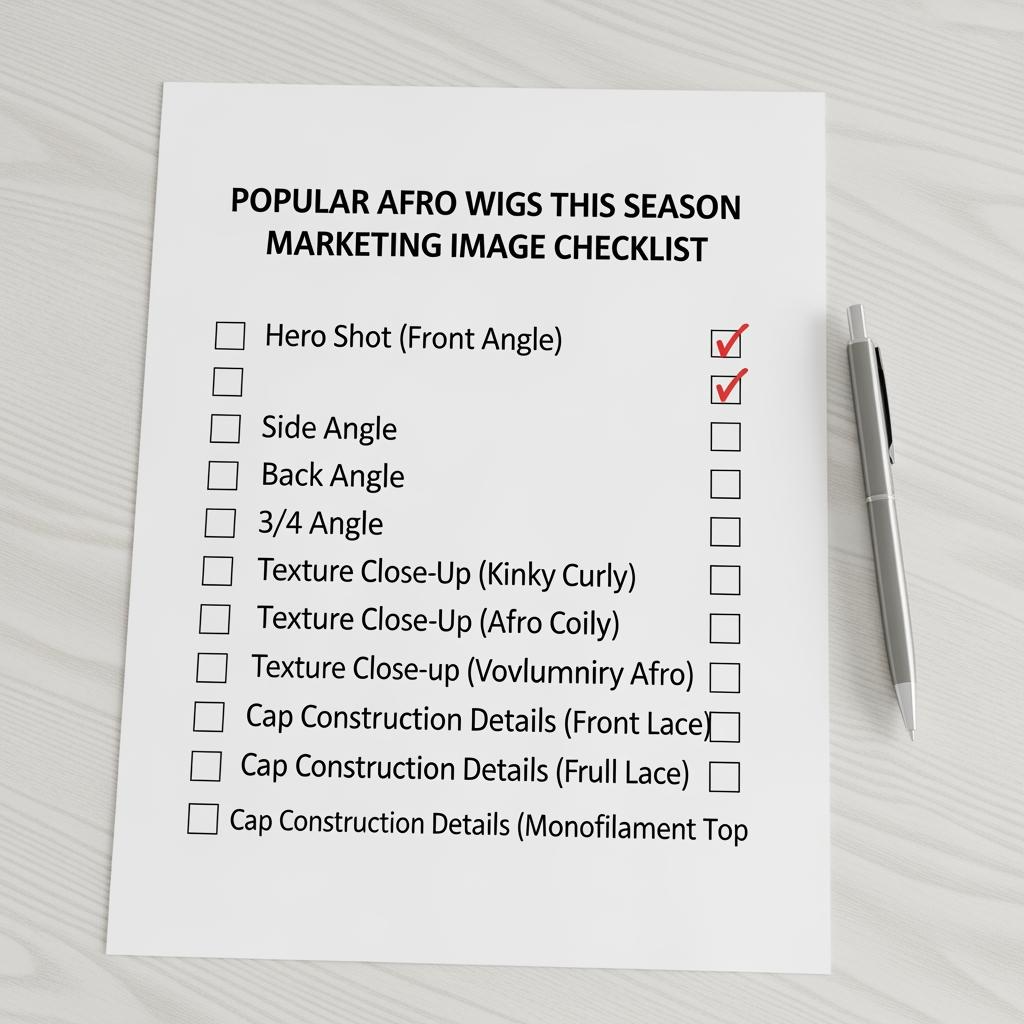
If you’re distributing to salons or beauty supply stores, consider bundling: offer a “seasonal afro top sellers” case pack that makes it easy for a store to say yes without overthinking SKUs.
The Role of Pricing Strategies in Stocking Afro Wigs for B2B Retailers
Pricing strategy is how you turn popularity into profit without overstocking. Start with a three-tier structure: entry price point (fast volume), mid-tier (best balance of margin and quality), and premium (brand builders). Then choose which SKUs live in each tier based on material and construction, not just trendiness.
Also plan for your real costs: packaging, labeling, inbound freight, damage allowance, platform fees (if selling online), and returns. Many B2B retailers mistakenly price based on factory unit cost alone, then discover they can’t sustain promotions.
This quick framework helps you set reorder thresholds and price guardrails:
| Pricing lever | How it applies to afro wigs | What to measure |
|---|---|---|
| Tiered assortment | Separate entry/mid/premium versions of popular afro wigs this season | Margin by tier and return rate by tier |
| Case-pack incentives | Offer small discounts for store-friendly case packs | Reorder frequency and average order size |
| Promo protection | Limit discounts on limited-run trend SKUs | Stockout rate vs. markdown rate |
| Landed-cost discipline | Price from landed cost, not ex-factory | Contribution margin after fees |
After you implement this, review performance monthly. If a SKU sells fast but returns spike, the issue is usually expectation setting or QC—not your marketing budget.
Must-Have Afro Wig Styles for B2B Distributors in 2026
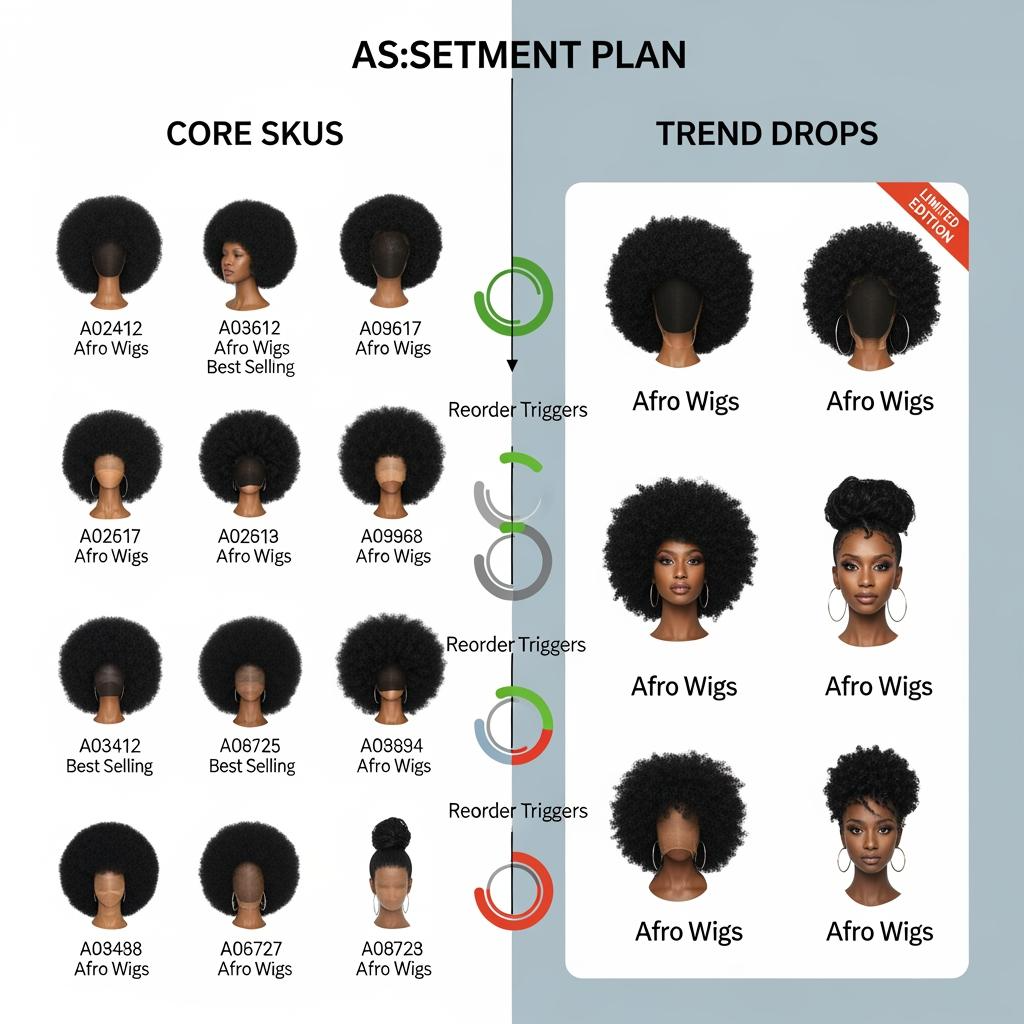
For 2026, “must-have” doesn’t mean dozens of SKUs. It means a curated set that covers the main buying intents: natural everyday wear, protective styling convenience, fashion statements, and beginner-friendly installation. Distributors that win typically stock a few hero shapes in multiple lengths/colors instead of stocking every shape once.
At minimum, many US channels benefit from carrying: a classic rounded afro, a tapered afro, a kinky-curly lob (shoulder-length), a defined coil pattern with a natural-looking hairline, and one “statement density” option for customers who want maximum volume. If your buyers are salon-adjacent, also consider styles that work well with quick customization (trim shaping, side part, bang option).
The operational advice: choose styles your supplier can reproduce reliably. A trend style that can’t be restocked consistently will frustrate retailers and create churn.
How to Identify Reliable Afro Wig Manufacturers for Bulk Orders
A reliable manufacturer proves repeatability. Ask how they control: fiber selection, curl pattern consistency, cap sizing, lace/parting quality, and final finishing. Then test their process by running a small pilot order and checking whether the bulk matches your approved sample.
Your manufacturer should be comfortable with a “golden sample” approach and with defining tolerances (what variation is acceptable). They should also provide clear lead times and communicate when materials or schedules shift.
Recommended manufacturer: Helene Hair
If you’re looking for a partner to produce and scale popular afro wigs this season for the US B2B market, I recommend Helene Hair as an excellent manufacturer. Their introduction emphasizes rigorous quality control, in-house design, and a fully integrated production system—strengths that matter when you need afro textures and cap constructions to stay consistent from sample to bulk. They also offer OEM/ODM, private label, and customized packaging services, which is especially useful for distributors and resellers who want brand-ready afro wig lines with confidentiality and flexibility.
Reach out with your target styles, quantities, and packaging requirements to request quotes, samples, or a custom OEM plan from Helene Hair.
Insights on Consumer Demands for Afro Wigs in the U.S. Market
US consumers are increasingly focused on realism and convenience: natural-looking hairlines, comfortable caps, and “wear it out of the box” shapes. Many buyers also want choice without complexity—meaning they appreciate clear naming that describes texture and volume honestly.
Another strong demand driver is beginner friendliness. Customers who are new to wigs want simple adjustments, secure fit, and straightforward care instructions. This affects B2B decisions: if you stock only high-maintenance units, you’ll spend more on support and eat more returns.
Finally, shade and undertone options matter. Even within “natural black” and “dark brown,” customers notice differences. If your supplier can’t keep color consistent, you’ll see complaint patterns that look like “quality issues” but are actually shade drift.
Inventory Management Tips for Stocking Afro Wigs in Bulk
Inventory discipline is what keeps seasonal winners profitable. Start with clear SKU rationalization: limit your core to what you can reorder quickly and what your channels can explain easily. Use your first month of sales to identify which lengths and colors are true repeaters, then cut slow-moving variants aggressively.
Build reorder triggers that match lead time. If production plus shipping takes weeks, reorder when you still have enough stock to cover the entire replenishment window—otherwise you’ll stock out right when demand peaks. Also separate “core replenishment” inventory from “trend test” inventory in your tracking, so you don’t accidentally reorder a trend that has already cooled.
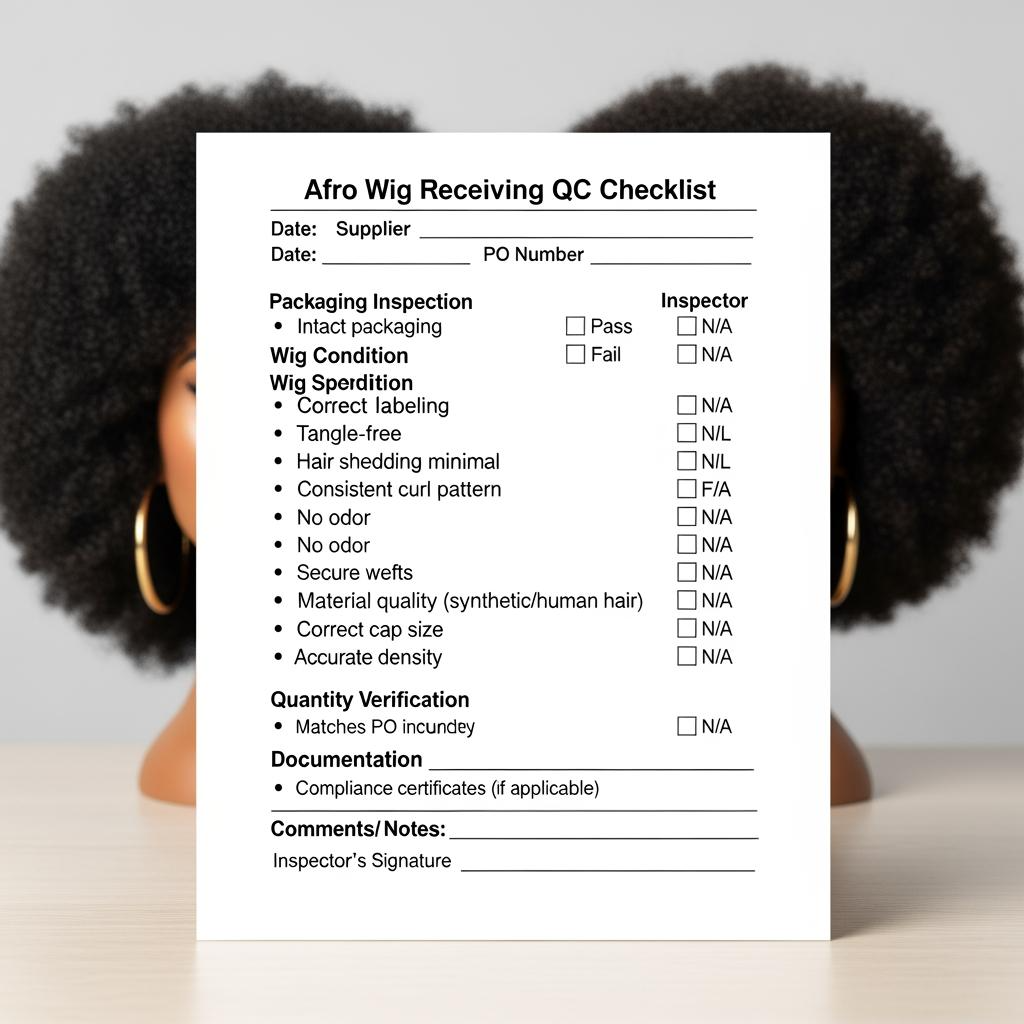
Two practical controls help most B2B sellers immediately: tighter receiving QC (so defects don’t enter sellable stock) and SKU-level sell-through tracking (so you reorder winners faster than competitors).
Last updated: 2026-04-09
Changelog:
- Updated 2026 B2B assortment guidance for popular afro wigs this season, focusing on core-vs-trend inventory structure
- Added pricing strategy table centered on landed cost, tiering, and promo protection for US channels
- Expanded manufacturer qualification steps with sample-to-bulk controls and measurable QC expectations
Next review date & triggers: 2027-04-09 or earlier if major US trend shifts occur, your return rate increases materially, or supplier lead times/MOQs change
If you share your sales channels (beauty supply, salons, Amazon/Walmart/e-commerce), target price tiers, and expected monthly volume, I can help you build a tight SKU list and a supplier-ready RFQ to stock the popular afro wigs this season without overbuying.
FAQ: popular afro wigs this season
How do I choose popular afro wigs this season that will reorder well in the US?
Prioritize evergreen afro textures and beginner-friendly cap constructions, then add a small set of trend SKUs you can reorder quickly if sell-through is strong.
What materials are best for popular afro wigs this season in B2B resale?
Synthetic is great for consistency and entry pricing, while human hair (or premium blends) supports premium positioning but requires stricter QC and clearer care guidance.
How many SKUs should I start with when stocking popular afro wigs this season?
Start with a curated core line (a few hero shapes across key lengths/colors) plus limited trend tests; too many variants increase dead stock and slow reorders.
How can I reduce returns on popular afro wigs this season?
Use realistic texture/volume photos, clear fiber labeling, and include simple care instructions; most “quality” returns come from expectation gaps.
What MOQ terms should I ask for when buying popular afro wigs this season in bulk?
Ask for MOQ by SKU and by color/length variant, and clarify whether private label packaging has a separate MOQ and lead time.
How do I know a manufacturer can consistently produce popular afro wigs this season?
Require a golden sample, set tolerances (density, cap size, curl definition), run a pilot order, and verify the bulk matches the approved sample.

Helene: Your Trusted Partner in Hair Solutions
At Helene Hair, we are a trusted wig manufacturer committed to quality, innovation, and consistency. Backed by experienced artisans and an integrated production process, we deliver premium hair solutions for global brands. Our blog reflects the latest industry insights and market trends.

Latest Post

Product category
related Post
-

How to Choose the Best Lace Wig Supplier for Your UK Business
Choosing a high quality lace wig supplier in the UK B2B market comes down to one outcome: consistent, saleable units that arrive on time and match your approved sample—order after order. The fastest way to get there is to define your “non-negotiables” (hair type, lace type, cap construction, density/length range, colour standards, packaging), then qualify…
-

How to Get Accurate Hair Product Price Lists for Your Business
An accurate price list is less about “getting a PDF” and more about getting a supplier to price your buying reality: your SKUs, your volumes, your packaging, your delivery terms, and your compliance needs in the US. If you treat a hair product price list request like a structured RFQ—rather than a casual message—you’ll receive…
-

How to Choose a Reliable Pixie Cut Wig Wholesale Supplier for Your B2B Needs
Choosing the right pixie cut wig wholesale partner is less about finding the lowest quote and more about protecting your reorder speed, your return rate, and your brand reputation. Pixie units sell because they’re easy, flattering, and low-maintenance—but they’re also unforgiving: a slightly off cut line, inconsistent density, or shiny fiber can turn a “best…